
Reviewed · POMPEII & VESUVIUS TOURS
Pompeii and Herculaneum: Guided Tour with an Archaeologist
Two Roman cities, told by a real archaeologist. This small-group walk pairs Pompeii’s headline sights with Herculaneum’s better-preserved streets, all in one archaeologist-led day after the AD 79 eruption of Vesuvius.
I love the way Benedetto turns ruins into real Roman life, not just stone and labels. You get two standout strengths at once: a calm up-to-10-person group and the chance to compare Pompeii with Herculaneum on the same schedule, side by side, instead of as separate trips.
The main consideration is that you are doing a lot of walking on uneven ancient surfaces. It is not suitable for mobility impairments or wheelchair users, so plan accordingly.
In This Review
- Key reasons this tour works well
- Pompeii and Herculaneum in one 5-hour plan, with a real archaeologist
- Meet at Suisse Restaurant, then step into Pompeii at Porta Marina Inferiore
- Pompeii route you will remember: houses, mosaics, baths, and the Lupanare
- The Pompeii reality check
- Lunch break strategy: where to recharge and how to avoid small annoyances
- Transfer to Herculaneum by train, and why this city hits differently
- Herculaneum highlights: residences, frescoes, mosaics, jewelry, and preserved wood
- What Benedetto does differently: funny, precise, and easy to ask questions
- Your price and value check: $141.61 includes tickets, guide, and headsets when needed
- What to bring and how to plan for comfort at the ruins
- Who should book this Pompeii and Herculaneum archaeologist tour
- Should you book? My decision guide
- FAQ
- How long is the Pompeii and Herculaneum guided tour?
- How big is the group?
- Where do we meet, and where does the tour end?
- Who guides the tour, and what languages are offered?
- What is included in the price?
- Is transportation or lunch included?
- Do I need ID for Pompeii?
- Is this tour suitable for wheelchair users?
Key reasons this tour works well
- Benedetto is the archaeologist, and the explanations are built for questions, not lectures
- Small group size (up to 10) helps you move through crowds and hear details clearly
- Pompeii + Herculaneum in one day lets you feel how preservation changes the story
- Frescoes, victims, and well-preserved remains make the day visually memorable
- Headsets for larger groups keep the guide easy to follow
- Logistics help often includes practical advice, and in some cases getting you around transport hiccups
Pompeii and Herculaneum in one 5-hour plan, with a real archaeologist
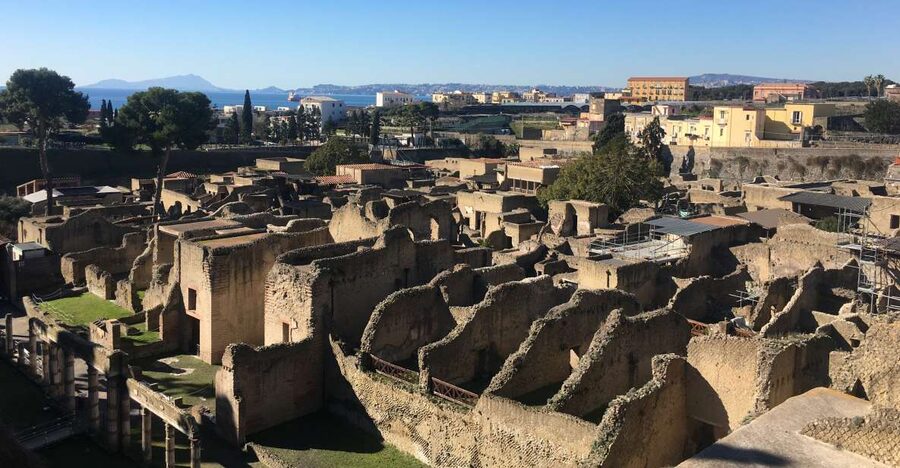
Pompeii and Herculaneum are famous for a reason. They also have a problem. When you visit without context, you can feel like you are walking past highlights on a scavenger hunt.
This tour fixes that with a professional archaeologist and a tight route. You are studying the Roman world through what people actually built and used, then comparing two cities with different levels of preservation after Vesuvius erupted in AD 79.
The best part is the pacing. You do the big Pompeii segments first, then you switch gears at the train ride and spend your time in Herculaneum where the remains often feel more intimate and readable.
More Pompeii digs and Vesuvius climbs:
- Pompeii: Entry Ticket and Guided Tour with an Archaeologist
★ 4.8 · 19,459 reviews - Pompeii: Small Group Tour with an Archaeologist
★ 4.8 · 12,264 reviews - Pompeii: Skip-the-Line Entrance Ticket with Audio Guide
★ 4.0 · 2,509 reviews
Meet at Suisse Restaurant, then step into Pompeii at Porta Marina Inferiore
You start at Ristorante Suisse. Your guide waits there with a sign that has your name on it, so you can grab the group and get moving without wasting time.
From the start, the route is designed to help you see a lot without feeling rushed through everything. You begin at Porta Marina Inferiore, then work your way through the theatres area. That sets you up for the tour’s main theme: how Roman public life and daily life lived close together.
Timing matters here because Pompeii gets crowded. A small group format helps you keep your bearings fast and hear the archaeology story as you go.
Pompeii route you will remember: houses, mosaics, baths, and the Lupanare
In Pompeii, you are walking through the parts that let you understand the texture of Roman life. The stops you hit are not random. They are the kind of places where decorations and everyday routines show up clearly.
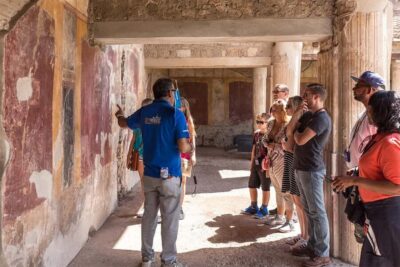
You move through areas of ancient houses with mosaics, frescoes, and marble-style decoration. The point is not just beauty. Those surfaces show what people valued and how they filled space, even in a city that is now frozen in time.
You then pass shops, including old Roman bakeries and small snack-bar style spaces. That matters because it keeps the day grounded. You are not only looking at monuments. You are moving through the commercial and social rhythm of the town.
Next comes the public baths and the Lupanare. This is one of the places visitors often find memorable because it is specific, and because it forces you to face everyday Roman realities without the distance of modern assumptions.
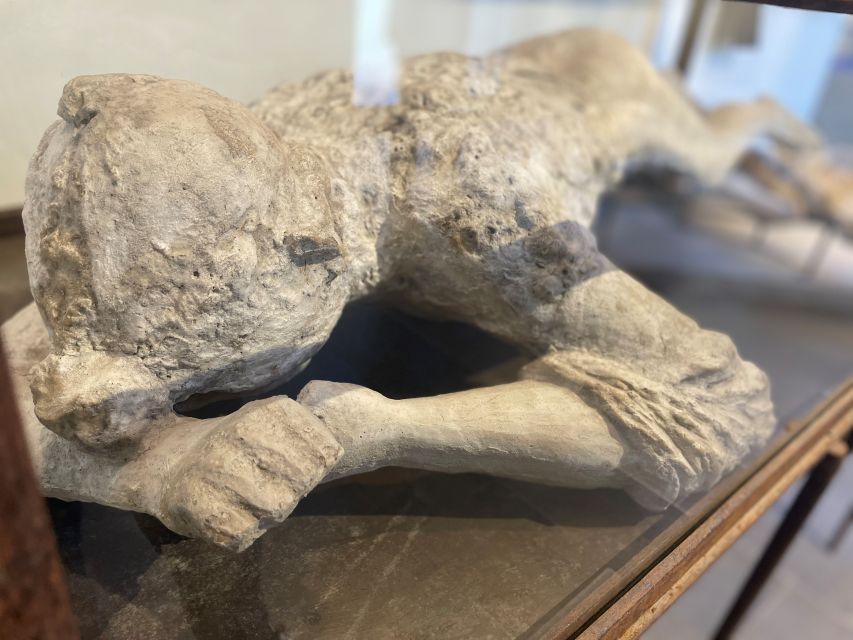
Finally, you reach the Forum area and the plaster casts of victims. This is where the tour’s emotional weight lands. You are not just hearing about what happened in AD 79. You are seeing the human story presented through casts made from the remains.
The Pompeii reality check
Pompeii is big. Even with a guided route, it is still a walking day. Come with comfortable shoes and a realistic pace mindset, especially if you are visiting in warmer months.
A few more Pompei Campania options to weigh
- Pompeii: Small-Group Tour of Pompeii and Herculaneum
★ 4.8 · 867 reviews - From Naples: Pompeii and Herculaneum VIP Tour with Lunch
★ 4.4 · 129 reviews - Herculaneum: Skip-the-Line Guided Tour with Archaeologist
★ 4.8 · 3,439 reviews - Pompeii and Herculaneum Small Group Tour with an Archaeologist
★ 5.0 · 1,350 reviews
Lunch break strategy: where to recharge and how to avoid small annoyances
Your schedule includes a break for lunch, and you get free time for lunch. Since your start point is Ristorante Suisse right at the park entrance area, lunch is easy to line up before you take the train.
Food is not included, so you will still choose what you want. That said, people often appreciate having this built-in reset instead of trying to hunt for a meal while everyone else does the same.
One practical tip from the area: there are comments about not paying extra for restroom access at the restaurant. The idea is that the restaurant provides a free-entry option for diners, so if you plan to sit down for lunch, check for the small details that let you use facilities without extra hassle.
Transfer to Herculaneum by train, and why this city hits differently
After Pompeii, you take a short train ride to Herculaneum. The schedule lists it as a quick segment, and in practice you are talking about a short ride rather than a long transfer day.
The reason this matters is emotional and visual. Pompeii and Herculaneum were both affected by Vesuvius, but the state of burial and conservation changes how you experience the ruins. Herculaneum is described as a small jewel for exactly that reason.
When you arrive, you shift from wide, sweeping Pompeii impressions into something tighter. The buildings and residues feel more “held in place,” which helps you understand how spaces worked at a human scale.
Also, Herculaneum tends to feel calmer than Pompeii. If your day plan includes both, this is where you can finally slow down, look closer, and let the archaeology details land.
Herculaneum highlights: residences, frescoes, mosaics, jewelry, and preserved wood
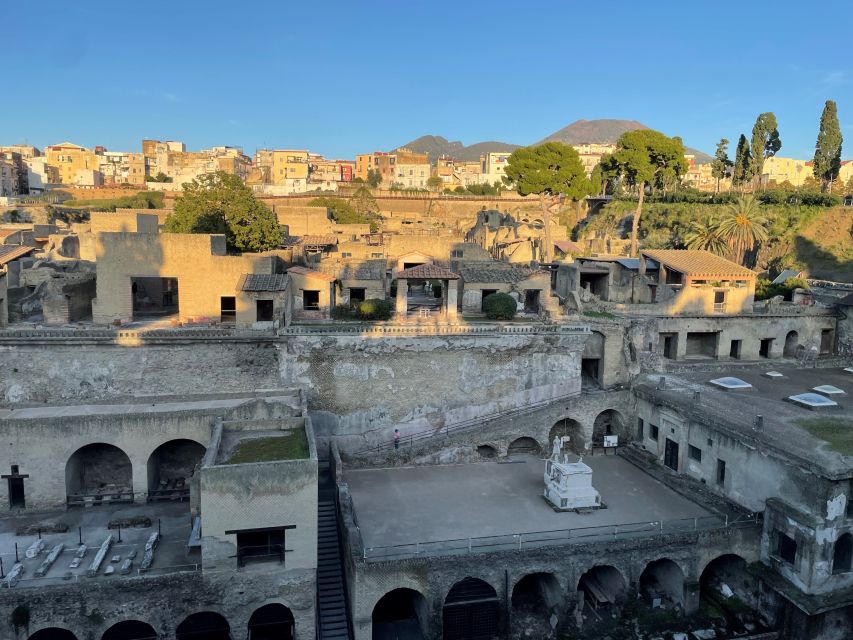
Your Herculaneum time is guided, so you do not spend the whole visit wandering without a framework. You focus on residences and decorated spaces.
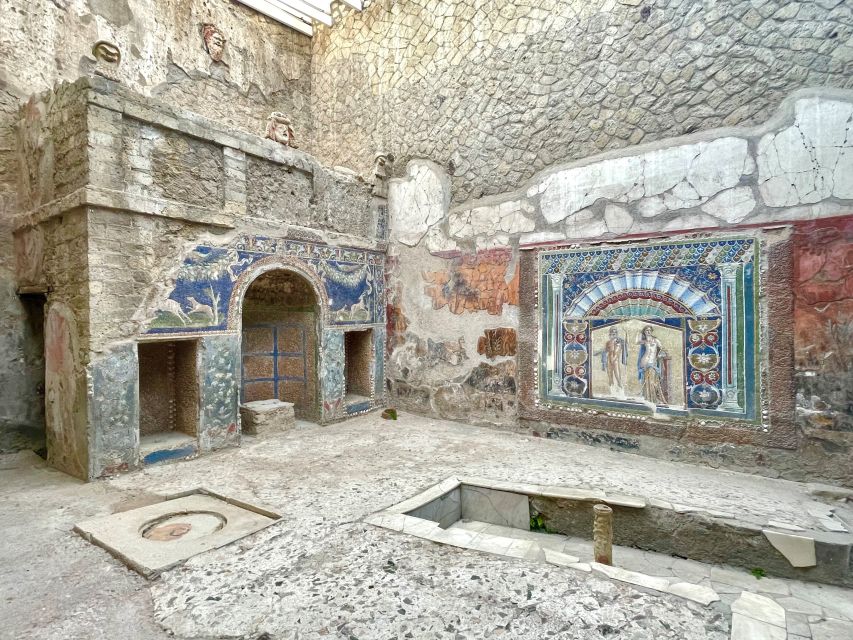
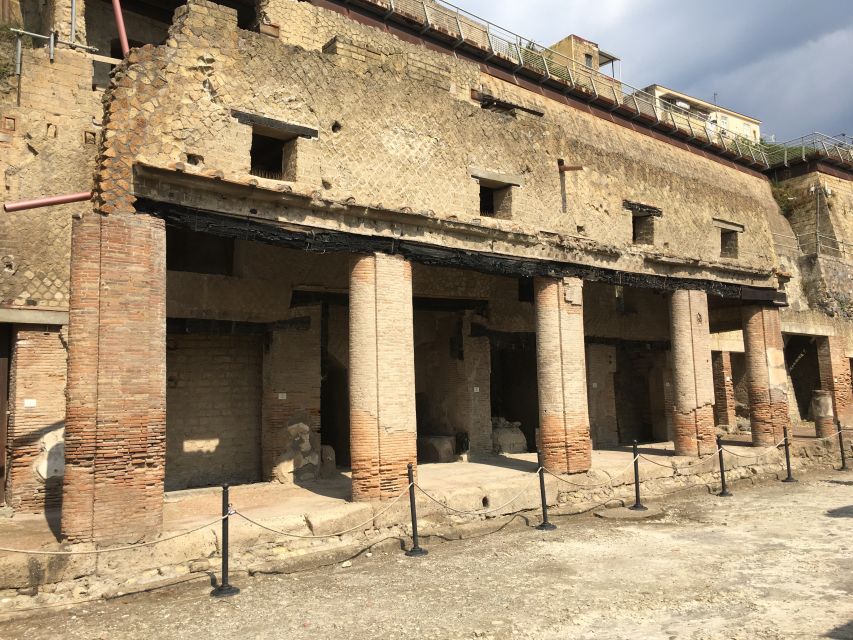
You will admire splendid residences with unique decorations, including frescoes, marbles, mosaics, and jewelry. This is the kind of set of details that rewards looking up and noticing materials, not just reading the ground-level layout.
You also see human remains presented as skeletons, and the tour includes the kind of preservation that makes Herculaneum feel unusual for a Roman site. One of the standout notes is exceptionally well-preserved wood, which you simply do not expect to see with the same clarity at Pompeii.
This is a strong reason to do both cities in one day. Your Pompeii understanding becomes a “lens” for Herculaneum. Then Herculaneum adjusts your lens again, because the differences in preservation change how you read what you are seeing.
What Benedetto does differently: funny, precise, and easy to ask questions
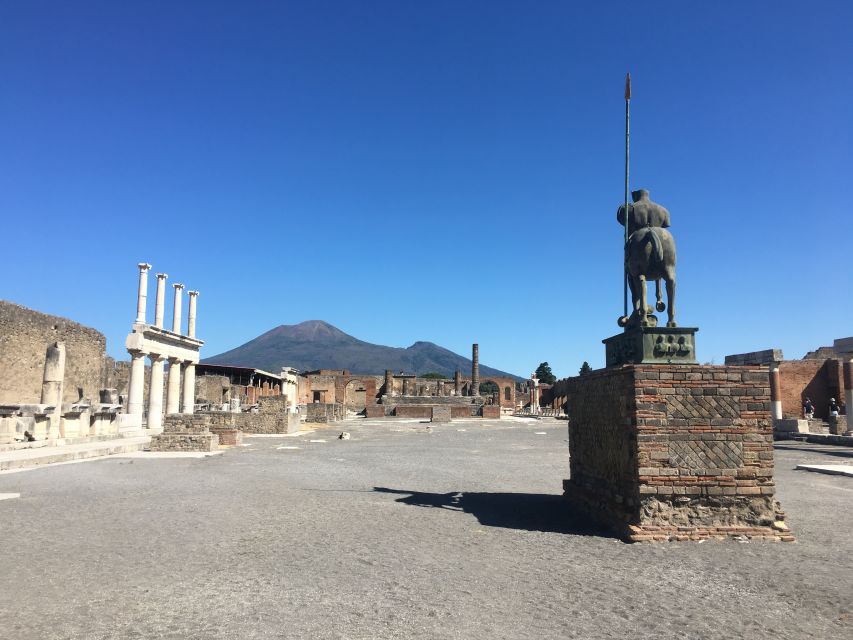
This tour is led by Benedetto Tourist Guide, and the feedback pattern is consistent. People call him engaging, organized, and fun, with explanations that feel grounded in archaeology, not tourism scripts.
A big plus is how he handles questions. You are not only absorbing information. You are getting room to ask for clarification and follow the details that grab you. That makes the day feel less like “watch me walk” and more like you are learning with someone who can steer you around the why, not just the what.
Humor also shows up. It is not random comedy. It is a teaching tool that keeps the day light when the subject turns heavy at the victims’ casts.
And the crowd management is real. With a small group, the guide can work to avoid being stuck in the same bottleneck every other tour funnels into. You should still expect crowds at Pompeii, but the day is more comfortable because you are moving with a plan.
Your price and value check: $141.61 includes tickets, guide, and headsets when needed
At $141.61 per person, you are not just paying for a walk. You are paying for an archaeologist guide, entry tickets, and headsets for groups larger than 8. You also get skip-the-ticket-line access, which saves time on days when lines can eat your energy.
Transportation and food and drink are not included. So factor that into your day budget. The tour’s value is best when you want to avoid the hassle of self-guided logistics and when you care about understanding what you are seeing.
If you are the kind of visitor who gets bored with generic explanations, this is the kind of tour that tends to feel worth it. When you pay for a small group with an archaeologist, you buy time, context, and better use of your limited daylight.
What to bring and how to plan for comfort at the ruins
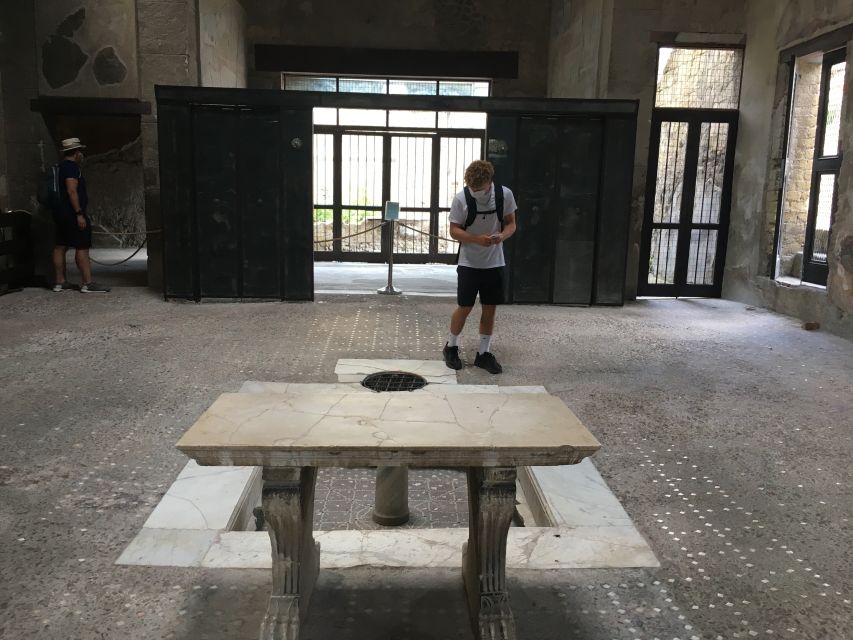
This tour is practical, but it still lives in the real world of ancient stone.
Bring passport or ID card in the original. Pompeii has a ticket detail you should not ignore: the ticket is named, and you are required to provide first and last names of all participants after booking. That means you should handle paperwork before you travel, not once you are on-site.
Bring comfortable shoes, a hat, and water. Heat can be a factor, and one of the consistent pieces of advice is to hydrate. If you visit in a warmer season, consider bringing extra water capacity and pacing yourself more than you would at a museum.
If you are sensitive to walking time, note the route is active. It is not a sit-down tour, and you will spend most of your time on your feet.
Who should book this Pompeii and Herculaneum archaeologist tour
This is a strong match if you fall into one of these groups:
- First-time visitors who want the major sights connected into one story
- Photography lovers who like getting to the best-looking spots with guidance
- Families because the pacing and explanations are designed to be accessible
- People who have already seen Pompeii and want the day to include Herculaneum so the comparison is immediate
If you want a fully independent experience with no planning help at all, you might be happier going on your own. But if you want your time to feel organized, and you want the emotional and archaeological context handled well, this format is built for that.
Should you book? My decision guide
Book this tour if you want Pompeii and Herculaneum in one day with an archaeologist guide, and you value a small group that can move and answer questions without turning into a noisy herd.
Skip it if you know you cannot handle uneven walking surfaces, or if you need wheelchair-friendly access. Also skip if you prefer reading on your own and you do not care about guided context, because you will spend money mainly for structure.
If you are on the fence, the easiest tie-breaker is simple. You are paying for two things: time saved by skip-the-line tickets and interpretation that helps the ruins make sense. If that matters to you, the $141.61 price looks more like value than cost.
FAQ
How long is the Pompeii and Herculaneum guided tour?
It lasts about 5 hours.
How big is the group?
It is a small group, up to 10 people, and private or small-group options are available.
Where do we meet, and where does the tour end?
You meet at the Suisse Restaurant, and the tour ends back at the same meeting point.
Who guides the tour, and what languages are offered?
The tour is led by an archaeologist guide, and it is offered in English, Italian, and French.
What is included in the price?
Entry tickets and an archaeologist guide are included. Headsets are included for groups larger than 8, and you also get free time for lunch. Skip-the-ticket-line is also included.
Is transportation or lunch included?
Transportation is not included, and food and drink are not included. Lunch is planned as free time, so you choose where to eat.
Do I need ID for Pompeii?
Yes. The Pompeii ticket is named, so after booking you must provide first and last names for all participants, and you should bring your passport or ID card in the original.
Is this tour suitable for wheelchair users?
No. It is not suitable for people with mobility impairments or wheelchair users.
Latest reviews around Pompei Campania
- Pompeii 3hours Villa of Mysteries tour with an Archaeologist★ 4.8 · 486 reviews
- Pompeii: Small-Group Tour of Pompeii and Herculaneum★ 4.8 · 867 reviews
- Pompeii: Skip-the-Line Guided Tour★ 4.6 · 139 reviews
- Pompeii: Skip-the-Line Ticket with Audio Guide and Map★ 4.0 · 117 reviews
- Pompeii: Skip-the-Line Entry & Audioguide★ 3.8 · 225 reviews
- Pompeii: Skip-the-line-Ticket and Guided Tour★ 4.6 · 1,152 reviews
- Pompeii: Guided Tour with Skip-the-Line Entry★ 4.9 · 812 reviews
- Pompeii: Guided Tour with Archaeologist with max. 12 People★ 5.0 · 155 reviews
Pompeii & Vesuvius Tours, compared.
Pompeii: Entry Ticket and Guided Tour with an Archaeologist
Read our review →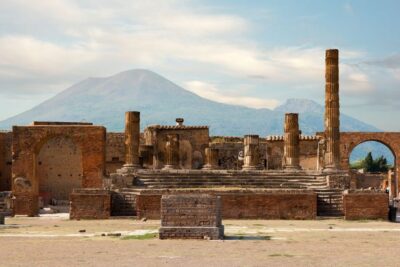
Pompeii: Entry Ticket with Optional Audio Guide
Read our review →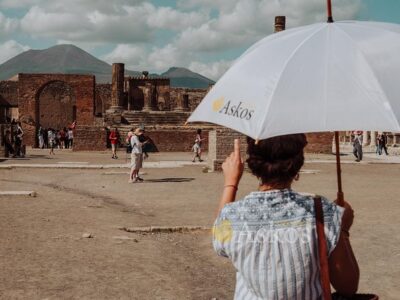
Pompeii: Small Group Tour with an Archaeologist
Read our review →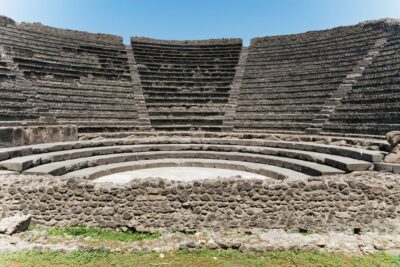
Pompeii Small Group Tour with an Archaeologist
Read our review →
Pompeii, Amalfi Coast and Positano Day Trip from Rome
Read our review →Browse the lists this tour appears in