
Reviewed · POMPEII & VESUVIUS TOURS
Pompeii: Skip-the-Line Entry & Audioguide
Pompeii hits harder when you enter fast. This experience pairs skip-the-line entry with an audioguide, so you can start exploring right away and move through the ruins at your own speed. Instead of waiting at the gates, you’re quickly looking at real Roman street corners, doorways, and stone fragments that still feel oddly close.
I like the clear payoff of skipping the main ticket line. I also like that you get a paper city map and an audioguide with many language options, which helps you make sense of what you’re seeing without being stuck on a strict schedule.
One possible drawback to keep in mind is that some operators may ask for an ID or document deposit at check-in. If that makes you uncomfortable, plan to ask what they hold and for how long before you hand anything over.
In This Review
- Key things that make this Pompeii visit work
- Skip-the-line entry: the time-saver that actually matters in Pompeii
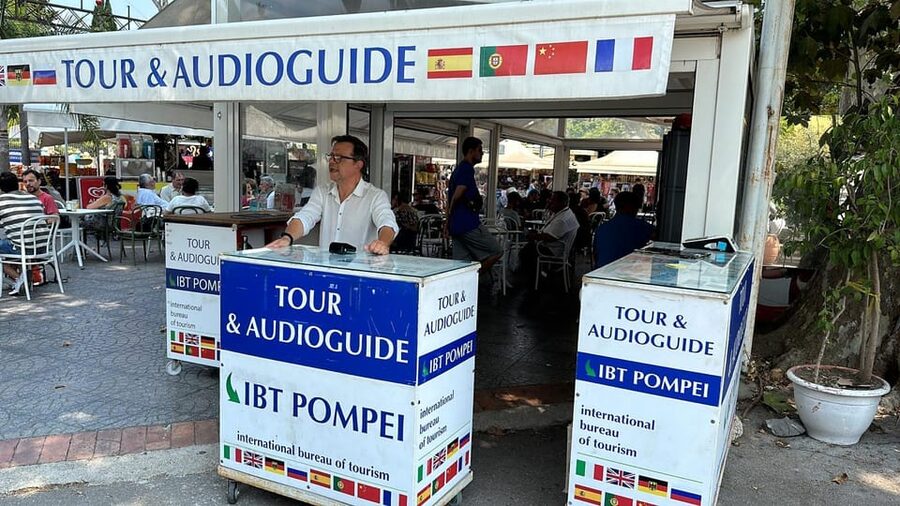
- Meeting at the IBT Center next to Chalet Donna Lucia
- Audioguide and paper map: see more without getting stuck in a crowd
- The Roman Forum: why this opening stop sets the tone
- Aqueducts, fountains, baths, shops, and homes on your own rhythm
- Amphitheater and dramatic theater: imagining the noise of a packed crowd
- Villa dei Misteri is not included, so plan your priorities
- How long you should plan: 2 hours to a full day
- Price and value: what you’re paying for
- Who this experience fits best (and who should rethink it)
- Practical tips for a smoother day inside the park
- Should you book this Pompeii skip-the-line entry with audioguide?
- FAQ
- Where is the meeting point for this Pompeii experience?
- What is included with the ticket?
- Are there languages available for the audioguide?
- What is not included in this experience?
- How long does the visit take?
- What do I need to bring, and what is not allowed?
- Is the booking refundable if plans change?
Key things that make this Pompeii visit work
- Skip-the-line entry to the Pompeii Archaeological Park, so your time goes to walking, not waiting
- Audioguide in multiple languages, letting you pause and replay as needed
- Roman Forum first, with Mount Vesuvius looming in the background for a strong first impression
- A self-paced route through streets, aqueduct remains, fountains, baths, homes, and businesses
- Big sights included like the amphitheater and the dramatic theater, even if you don’t have the stamina for Villa dei Misteri
Skip-the-line entry: the time-saver that actually matters in Pompeii
Pompeii is one of those places where timing affects everything. If you lose an hour to lines, the day gets shorter fast, and you start rushing through sections you’d rather linger in. With this option, you’re paying for the practical benefit of skipping the entry queue and getting started right away inside the archaeological park.
That matters because Pompeii is spread out. Even a “short” visit usually turns into a steady walk with small choices: which streets to prioritize, whether you stop for viewpoints, and how long you spend reading faded markings and reconstructions. Once you’re through the gate, the ruins feel less like a checklist and more like a walk through a city that just froze.
Also, this is a good setup if you’re traveling with mixed interests. Some people want the Forum and major public spaces, while others want homes, shop fronts, and the visual clues like fresco traces. Because you’re not locked into a nonstop lecture, you can adjust your pace without falling behind.
More Pompeii digs and Vesuvius climbs:
- Pompeii: Entry Ticket and Guided Tour with an Archaeologist
★ 4.8 · 19,459 reviews - Pompeii: Small Group Tour with an Archaeologist
★ 4.8 · 12,264 reviews - Pompeii: Skip-the-Line Entrance Ticket with Audio Guide
★ 4.0 · 2,509 reviews
Meeting at the IBT Center next to Chalet Donna Lucia
Your starting point is the IBT Center/Touristation next to Chalet Donna Lucia. It’s a useful detail because Pompeii days can go sideways when you’re hunting for a pickup spot while the sun is climbing.
Here’s how I’d handle it:
- Arrive a bit early so check-in doesn’t push you into a late start.
- Have your passport or ID card ready, since ID is required for all participants.
- Plan for a simple start, then focus on the walking once you’re inside.
If you’re the type who likes to know exactly where you’re going, take a screenshot of the meeting spot and save it offline. Pompeii can be confusing on foot, especially if you arrive a little tired.
Audioguide and paper map: see more without getting stuck in a crowd
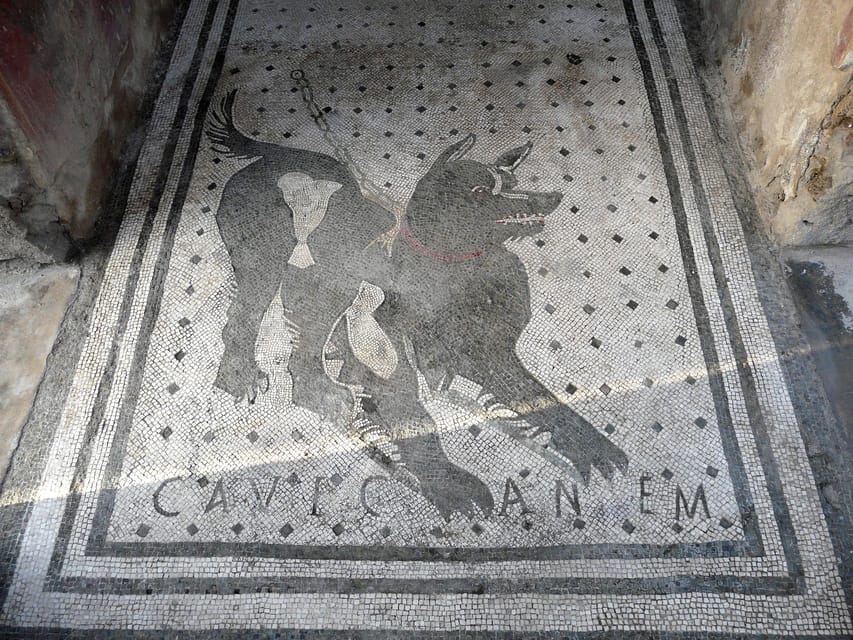
This experience is designed for self-paced exploring with an audioguide. That means you’re not forced to hear the same script at the same volume as everyone else. Instead, you can let the guide lead you through the big zones, then stop when a doorway, stairway, or wall painting fragment catches your eye.
The audioguide covers multiple languages, including Italian, English, French, Spanish, German, Portuguese, Chinese, and Japanese. If you’re relying on English, I’d treat it as your on-the-ground reference, not background noise. When you hear a quick explanation of a space, it gets easier to recognize why a room matters, or what a public feature like a fountain likely served.
You also get a paper city map. Even with phone navigation, I like a paper map here because it forces you to slow down and understand orientation. Pompeii is confusing until you get a feel for the main routes, and the map can help you plan the next walk instead of second-guessing every turn.
One more practical point: you should bring comfortable walking shoes. Pompeii is mostly outdoors, and the route includes uneven surfaces. If your feet tend to get cranky on stone, consider planning for extra time at resting points you choose, not those you’re forced into.
The Roman Forum: why this opening stop sets the tone
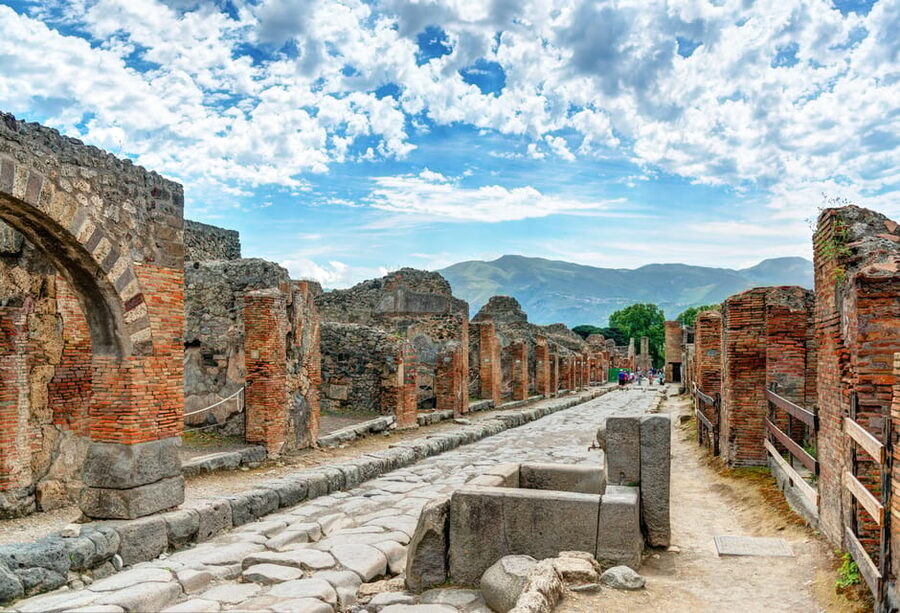
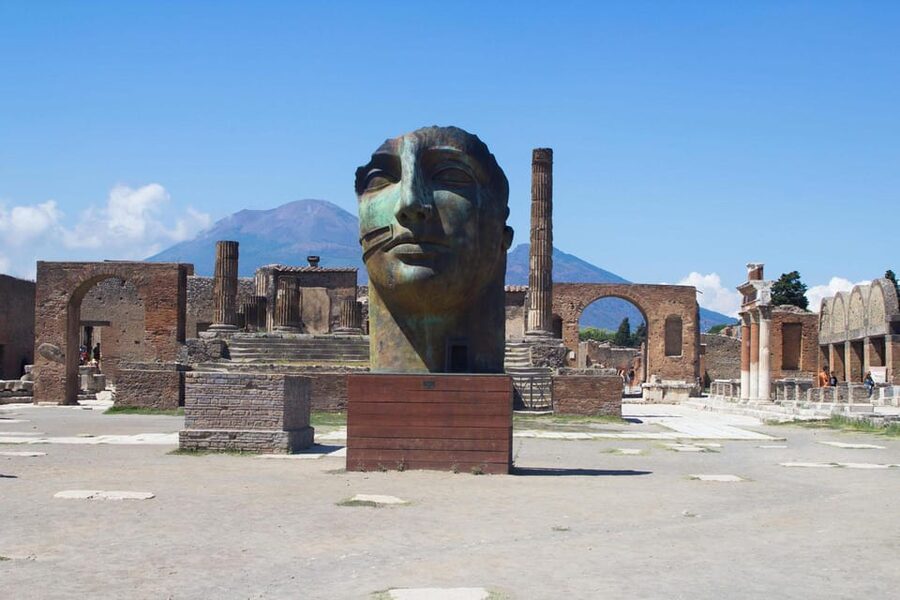
Your visit starts by walking around the central forum area. This is where Pompeii feels most like a real civic hub rather than just a field of ruins. You’ll see the remains of columns and doorways, and the geometry of the space makes it easier to imagine the movement of crowds.
What makes this stop especially good is the visual connection to Mount Vesuvius. Even when you’ve seen photos before, seeing the mountain in the background while you look at the forum ruins changes the emotional temperature of the visit. It’s not just a view. It helps you picture how close the threat was and how the city’s daily routines played out under that shadow.
As you walk, you’ll also start to understand the Roman approach to town design: public space first, then the surrounding private and commercial areas. The forum is the anchor, so later sections of houses, baths, and businesses feel more “placed” in your mind rather than randomly scattered.
Nearby, and just as well reviewed:
- Naples: Pompeii and Mt. Vesuvius with Lunch and Wine Tasting
★ 4.5 · 2,454 reviews - Pompeii: Skip-the-line-Ticket and Guided Tour
★ 4.6 · 1,152 reviews - Pompeii: Small-Group Tour of Pompeii and Herculaneum
★ 4.8 · 867 reviews - Pompeii: Guided Tour with Skip-the-Line Entry
★ 4.9 · 812 reviews
Aqueducts, fountains, baths, shops, and homes on your own rhythm
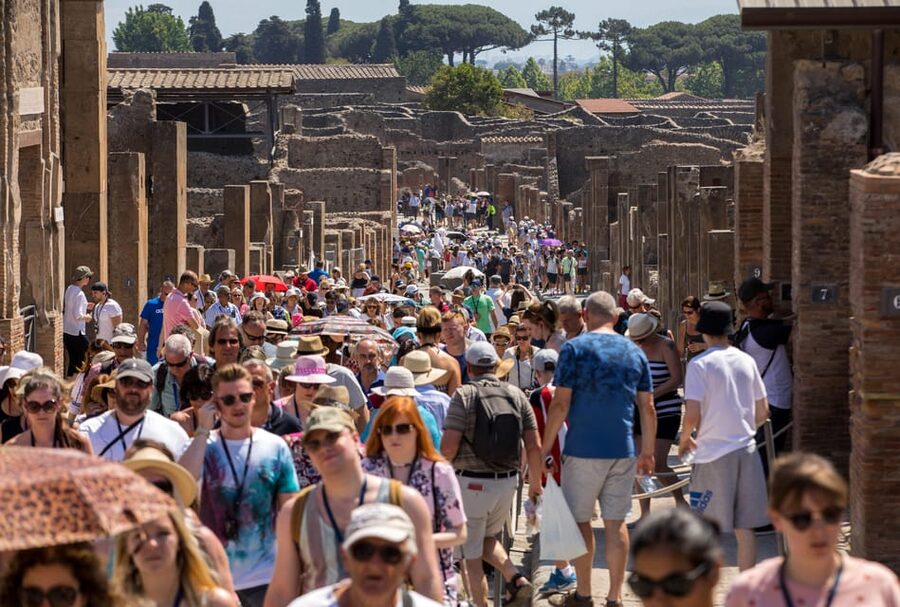
After the forum, you’ll wander through the streets and key remnants of daily life. This is where Pompeii stops being a monument and starts becoming a map of habits. Expect to see remains connected to:
- Aqueducts and water distribution
- Fountains and public water features
- Public baths and bathing culture
- Private houses and domestic spaces
- Businesses and storefront areas
- Statues and decorative fragments
The biggest value of this section is that it mixes function with human-scale details. A bath complex isn’t just architecture. It’s a clue about routines, social behavior, and how often people interacted. A shop area tells you where people passed, what kinds of goods might have been sold, and how the city’s layout supported everyday movement.
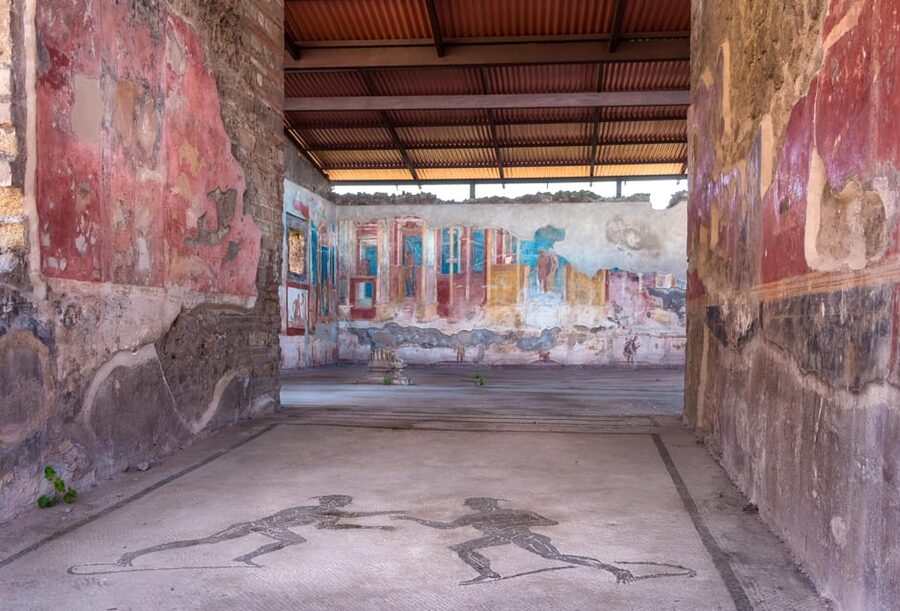
Frescoes also come into play. You’ll be able to see remains of colorful wall paintings in homes and business spaces. Even when frescoes are damaged, the surviving outlines still help you imagine what these interiors looked like when they were new.
Here’s the only realistic caution: because this part is self-paced, it’s easy to either speed through it or get stuck in one spot. If you tend to “park” when you’re intrigued, set a soft personal timer for each cluster of ruins. That way you don’t miss the bigger crowd-pleasers later, like the amphitheater.
Amphitheater and dramatic theater: imagining the noise of a packed crowd
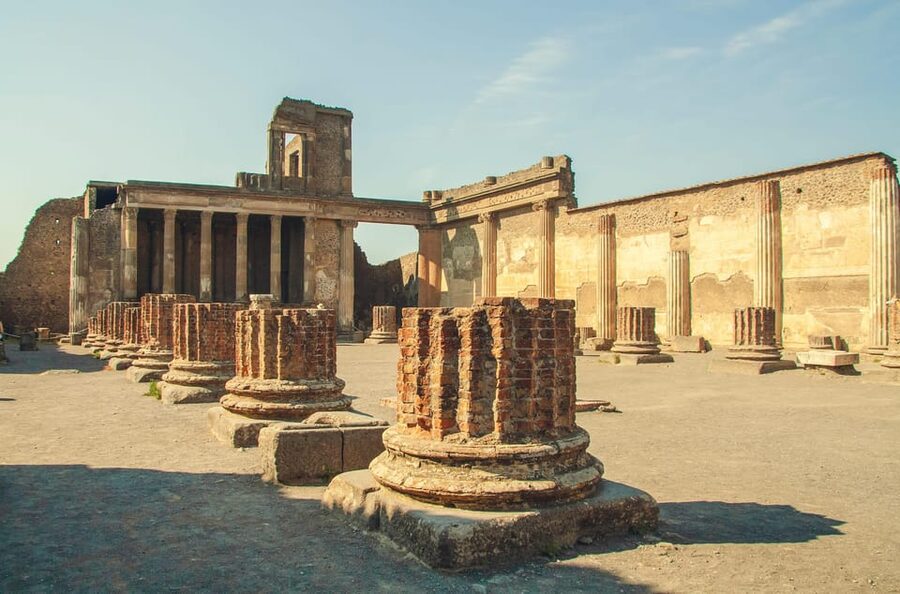
Pompeii’s amphitheater and dramatic theater are the kind of sights that make you want to sit down and stare. You can look at the seating structure and entrances, then use the audioguide to connect it back to performance and spectatorship.
This section works especially well if you like understanding the social side of ancient cities. Public entertainments were major community events, and Pompeii’s venues show how the city made room for shared experiences. Even without perfect restoration, the scale of the theater areas makes it easier to picture the excitement, the daily commotion, and the energy that would have filled these spaces before 79 AD.
Also, these stops are a good mental break from the “small detail” parts of Pompeii like doorways, murals, and plumbing remains. After walking through homes and street corridors, shifting to venues gives your brain a chance to reset on bigger shapes.
Villa dei Misteri is not included, so plan your priorities
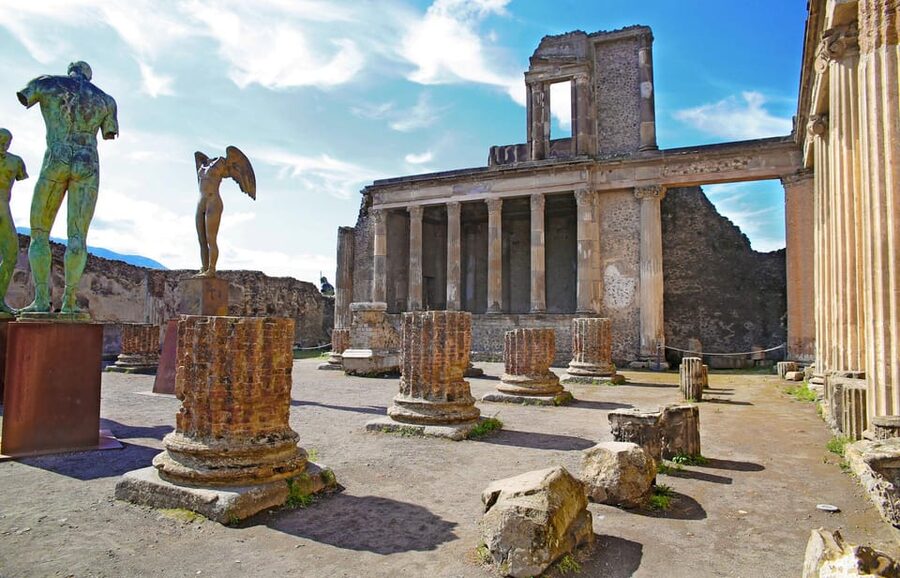
One thing this experience does not include is entrance to Villa dei Misteri. That matters because if Villa dei Misteri is on your must-see list, you’ll need a separate plan.
My practical advice: before you book anything, decide what you want most from Pompeii.
- If you want a smooth, focused walk through the core city and major public sites, this route fits well.
- If you’re especially interested in that specific villa, you might need to build your day around it and not assume it’s automatically covered.
How long you should plan: 2 hours to a full day
The duration listed is 2 hours to 1 day, based on availability for starting times. In practice, that range reflects how flexible Pompeii is. You can do a tight visit if you move quickly and focus on the highlights, or you can take a slow day and still feel satisfied.
If you only have 2 hours, I’d aim to prioritize:
- Forum area
- A focused loop through major streets and key public features
- One venue stop like the amphitheater or dramatic theater
If you have longer, you can expand into more of the homes, business spaces, and the water-related remnants like fountains and aqueduct features. The audioguide helps here because it gives you context, making each pause feel useful instead of random.
Price and value: what you’re paying for
The price is $53 per person, and what you’re really buying is time savings plus convenience. You’re skipping the main ticket line, and you’re also getting the audioguide, paper map, and a guided tour only if that option is selected.
Is it worth it? Often, yes, when:
- You hate waiting in lines.
- You want a smoother start and less stress in your schedule.
- You think you’ll actually use the audioguide instead of rushing.
But you should also be honest about value. Pompeii entry is a known expense, so if you’re cost-driven, you may wonder if buying access yourself would be cheaper. I can’t promise how your exact situation compares, but I can tell you what makes the difference: the skip-the-line portion and whether the audio device experience matches what you expect at check-in.
One more practical consideration from people’s experiences: some visitors dislike the idea of an ID or passport deposit. If that’s you, ask what’s required and how it works before you hand anything over. Peace of mind is part of value too.
Who this experience fits best (and who should rethink it)
This is a strong match for you if:
- You want to see Pompeii’s biggest zones without being trapped in a strict timeline
- You like self-paced sightseeing with a structured backbone
- You want an audioguide in your preferred language
- You’re traveling with someone who wants flexibility, not a rigid walking pace
It’s less ideal if:
- You only want one or two locations and don’t care about a wider city walk
- You have limited mobility or discomfort walking on uneven outdoor ground (because the experience is mostly outdoors and spread out)
- You need Villa dei Misteri as part of your main plan, since it isn’t included here
If you’re a first-time Pompeii visitor, I think this is a very workable way to get your bearings fast. If you’ve been before and you already know the layout, you might prefer a different approach that targets your favorite corners.
Practical tips for a smoother day inside the park
Before you go, check the rules. This experience does not allow pets, and large bags or luggage are not permitted inside. Smoking is not allowed, and alcohol and drugs are not allowed either.
Small dogs are permitted inside the archaeological area, but they must be kept on a leash and carried when inside the buildings. If you’re traveling with a pet, plan ahead and keep the “carried when inside” rule in mind.
What to bring is straightforward: a passport or ID card. The experience also requires ID for all participants, so don’t rely on a digital copy.
Finally, keep your expectations realistic about what ruins can show. You’re looking at remains, not a fully restored set. That’s part of the magic. When you match the audioguide explanation to what you’re standing in front of, the fragments turn into a living scene instead of just stones in rows.
Should you book this Pompeii skip-the-line entry with audioguide?
If your top goal is to maximize time inside Pompeii and reduce stress at the entrance, I’d book it. The skip-the-line entry is the big win, and the audioguide plus paper map is a comfortable way to make sense of what you’re seeing without needing to follow a strict group pace.
I’d think twice only if you are very budget-sensitive and you already know you’ll spend most of your time figuring out the park route on your own. Also reconsider if the check-in process requiring an ID or passport deposit is a dealbreaker for you. In that case, ask questions first, so the day feels smooth from the moment you arrive.
FAQ
Where is the meeting point for this Pompeii experience?
You meet at the IBT Center/Touristation next to Chalet Donna Lucia.
What is included with the ticket?
You get skip-the-line entry to Pompeii Archaeological Park, an audioguide, and a paper city map. A guided tour is included only if you select that option.
Are there languages available for the audioguide?
Yes. The audioguide is available in Italian, English, French, Spanish, German, Portuguese, Chinese, and Japanese.
What is not included in this experience?
Entrance to Villa dei Misteri is not included. Also, hotel pickup and drop-off, and drink and food are not included.
How long does the visit take?
The duration is listed as 2 hours to 1 day, depending on starting times availability.
What do I need to bring, and what is not allowed?
Bring a passport or ID card. Pets are not allowed, and luggage or large bags are not allowed. Smoking is not allowed, and alcohol and drugs are not allowed.
Is the booking refundable if plans change?
The activity is non-refundable.
Latest reviews around Pompei Campania
- Pompeii and Herculaneum: Guided Tour with an Archaeologist★ 5.0 · 164 reviews
- Pompeii 3hours Villa of Mysteries tour with an Archaeologist★ 4.8 · 486 reviews
- Pompeii: Small-Group Tour of Pompeii and Herculaneum★ 4.8 · 867 reviews
- Pompeii: Skip-the-Line Guided Tour★ 4.6 · 139 reviews
- Pompeii: Skip-the-Line Ticket with Audio Guide and Map★ 4.0 · 117 reviews
- Pompeii: Skip-the-line-Ticket and Guided Tour★ 4.6 · 1,152 reviews
- Pompeii: Guided Tour with Skip-the-Line Entry★ 4.9 · 812 reviews
- Pompeii: Guided Tour with Archaeologist with max. 12 People★ 5.0 · 155 reviews
Pompeii & Vesuvius Tours, compared.
Pompeii: Entry Ticket and Guided Tour with an Archaeologist
Read our review →
Pompeii: Entry Ticket with Optional Audio Guide
Read our review →
Pompeii: Small Group Tour with an Archaeologist
Read our review →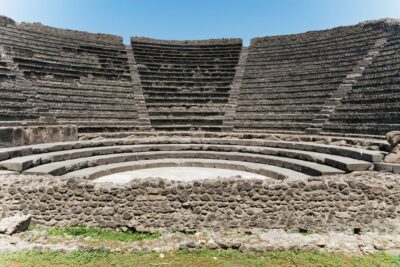
Pompeii Small Group Tour with an Archaeologist
Read our review →
Pompeii, Amalfi Coast and Positano Day Trip from Rome
Read our review →Browse the lists this tour appears in