
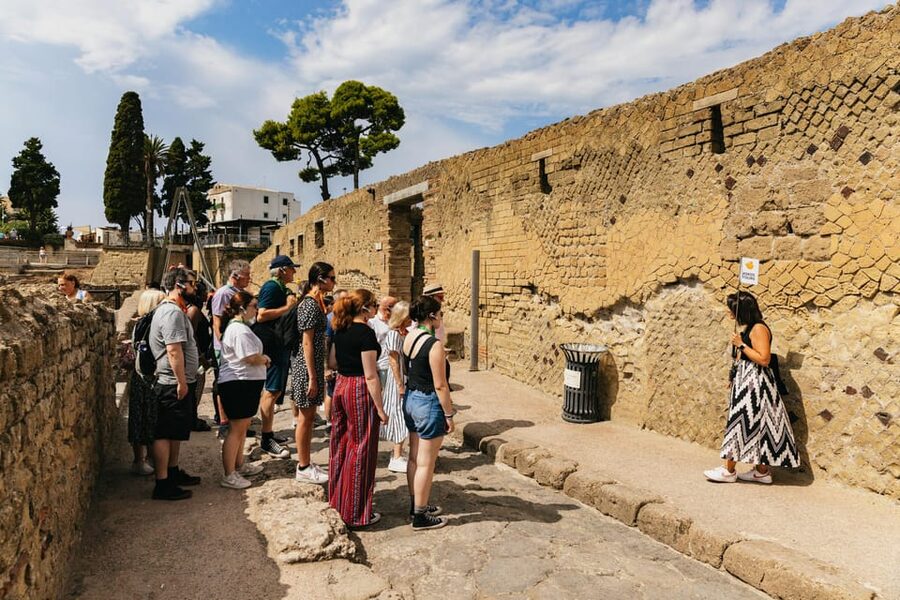
Reviewed · HERCULANEUM TOURS
Herculaneum: Skip-the-Line Guided Tour with Archaeologist
Herculaneum reads like a living neighborhood. On this 2-hour skip-the-line guided tour from Naples, an archaeologist helps you connect the streets, baths, and houses to what happened when Vesuvius erupted.
I love the way the guide, from Luciano to Diego and Yolanta, turns scattered ruins into a clear story using practical excavation context, often with photos or picture props. I also love that headsets make the pacing easy, and the price bundles admission plus skip-the-line entry.
One drawback to plan for: the site is exposed and you walk a lot, so sun or rain matters. Bring closed-toe shoes and be ready for uneven ground.
In This Review
- Key things I’d mark on your map
- First Look: Why Herculaneum Still Feels Human
- Skip-the-Line Entry and the Headset Advantage
- Who the Archaeologist Tour Is Best For
- Meeting at Via dei Papiri Ercolanesi, Finding Your Guide Fast
- The Walk and What to Bring (So You Stay Comfortable)
- The Waterfront and the Moment the City Ended
- House Stops That Explain Class, Family, and Daily Rituals
- Casa dei Cervi and the feeling of domestic space
- Casa di Nettuno ed Anfitrite, art you can still read
- The House of Skeletons and the eruption’s human scale
- Casa dell’Albergo and Casa del Salone Nero
- Thermal Baths: Where City Life Got Clean and Social
- Forum and the Augustales Area: Power You Can Walk Through
- Gymnasium, Tunnels, and the Swimming Pool Detail
- How This Compares to Pompeii (Without the Confusion)
- Price and Value: Why $53 Often Feels Like a Bargain
- Small Details That Matter on the Day
- Should You Book This Herculaneum Archaeologist Tour?
- FAQ
- How long is the Herculaneum skip-the-line guided tour?
- What is included in the tour price?
- Where do I meet the guide?
- Which languages are available?
- Do I need to bring anything?
- Is transportation included?
- Is this tour suitable for wheelchair users or mobility impairments?
Key things I’d mark on your map
- Skip-the-line saves real time, so you start seeing the good stuff fast
- Headsets keep the narration with you, as long as you stay within decent earshot
- Archaeologist-led explanations make the differences between Herculaneum and Pompeii click
- You hit major highlights like the thermal baths, the Forum, and the Temple of the Augustales area
- The House of Neptune and Amphitrite shows the art and home life most people come for
- The waterfront tragedy is part of the route, including the remains of more than 300 people
First Look: Why Herculaneum Still Feels Human
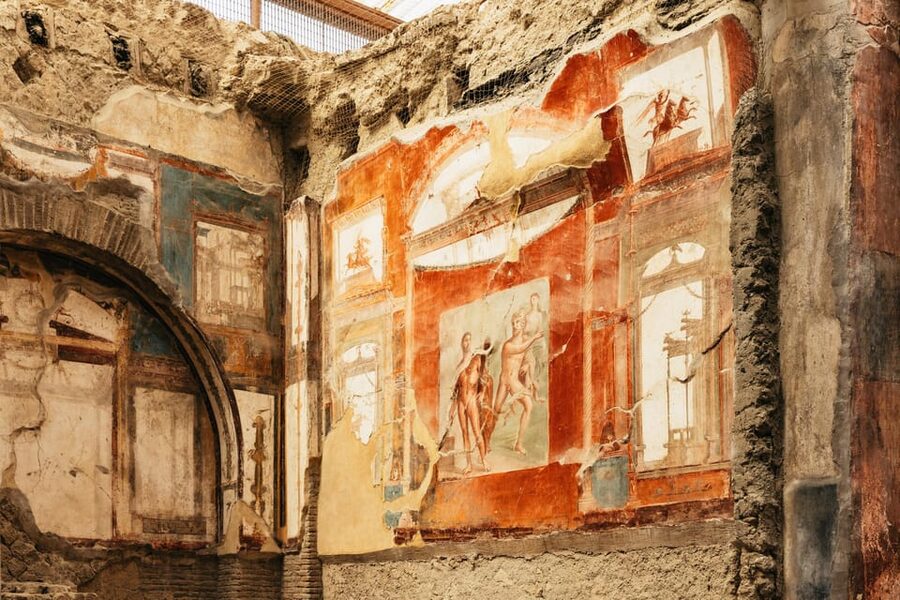
If Pompeii feels loud and crowded, Herculaneum can feel calmer and more intimate. That is the big reason this tour works: you get a guided route through a compact ancient city where everyday details survive.
You will walk past rooms that once held meals, conversations, baths, and worship. The tour’s archaeologist style matters here, because they explain what you are looking at, not just where it is. I found that makes the site feel less like a puzzle and more like a place people actually lived.
A few more Naples options to weigh
- Herculaneum Small Group Tour and Ticket With an Archaeologist
★ 5.0 · 994 reviews - Herculaneum: Skip-the-Line Entry Ticket with Audio Guide
★ 4.3 · 870 reviews - From Naples: Pompeii & Herculaneum with Archaeologist Guide
★ 4.8 · 665 reviews
Skip-the-Line Entry and the Headset Advantage
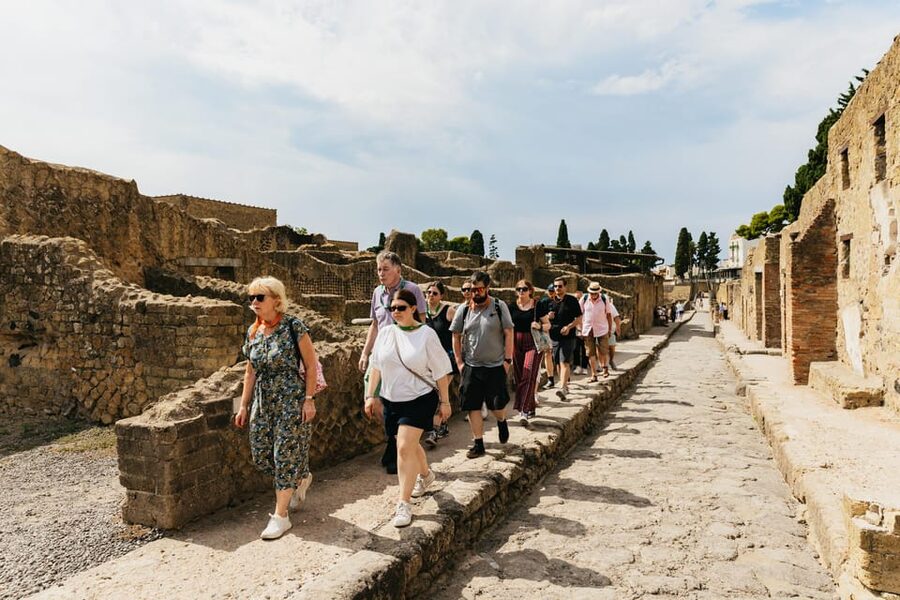
Time is the silent enemy at Herculaneum. With skip-the-line access, you do not waste your morning or afternoon waiting at the entrance when you could be inside the ruins.
Once you are in, the headsets help you keep up with the story as you move between buildings. In real life, that means you can stop, look, and still hear what the guide is saying about the ceramics, paintings, mosaics, and architecture. If you drift too far behind, you might catch less of the narration, so I recommend staying in the middle of the group.
Who the Archaeologist Tour Is Best For
This is a great choice when you want more than a standard sightseeing walk. You’ll get the explanation style you expect from someone who studies the site directly, with comparisons that help you understand how Herculaneum’s experience differed from Pompeii.
It also suits visitors who like asking questions. Many of the guides on this route are the kind who answer and explain, not the kind who recite and move on. From what you’ll hear from guides like Luciano and Diego, the best part is the way they describe daily life and the eruption’s impact in the same breath.
If you want a purely self-guided experience, you can still do that after the tour. But the strongest value is getting your bearings fast, with context you can’t easily pick up from signs alone.
Meeting at Via dei Papiri Ercolanesi, Finding Your Guide Fast

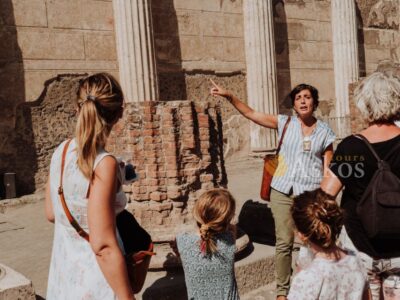
Meet at the ticket office of the Herculaneum Ruins. Your guide will be holding an Askos Tours sign.
This matters more than it sounds. The meeting point is specific, and you will want to arrive ready to walk rather than searching streets. If you like to be early, aim for that extra buffer, especially if it is hot or raining, because the ruins themselves are exposed.
Nearby, and just as well reviewed:
- From Naples: Pompeii Ruins & Mount Vesuvius Day Tour
★ 4.3 · 11,459 reviews - From Naples: Sorrento, Positano and Amalfi Full-Day Tour
★ 4.6 · 10,988 reviews - From Naples: Sorrento, Positano & Amalfi Coast – Small Group Tour
★ 5.0 · 8,643 reviews - Naples: Catacombs of San Gennaro Entry Ticket & Guided Tour
★ 4.6 · 7,941 reviews
The Walk and What to Bring (So You Stay Comfortable)
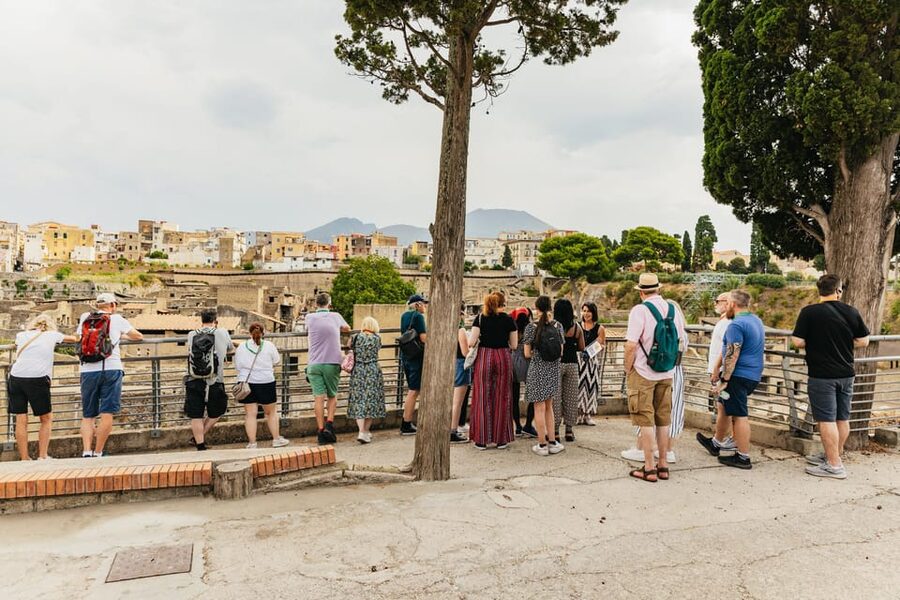
Expect 2 hours of moving through a site that is described as vast and very exposed. The tour runs rain or shine, so pack like you mean it.
Bring:
- Passport or ID card
- Comfortable closed-toe shoes (it can be hard to walk on the surfaces with sandals)
- Sunscreen and ideally a hat
- A raincoat if the forecast looks iffy
Also note what you cannot bring: luggage or large bags. If you like carrying a big daypack, plan to travel lighter for this stop.
The Waterfront and the Moment the City Ended
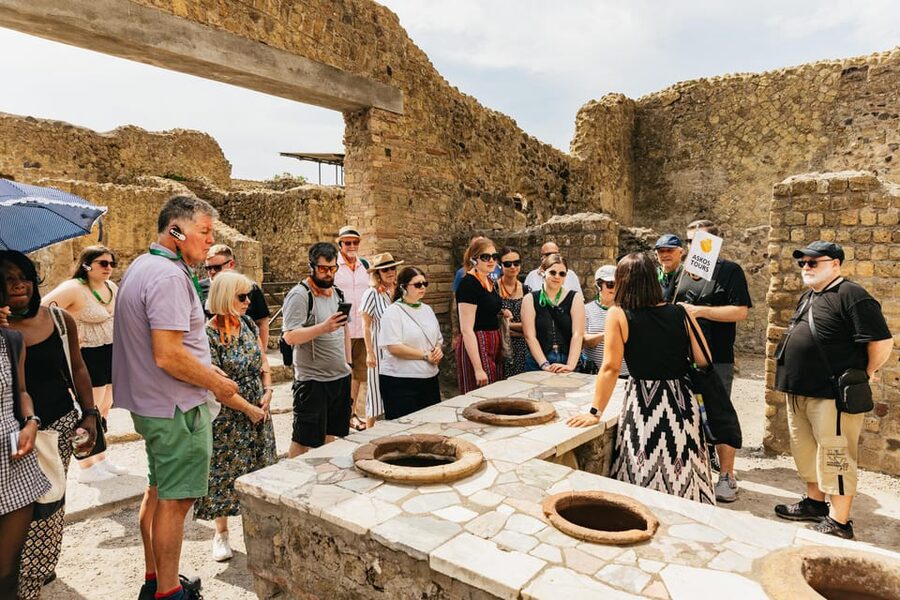
One of the most memorable parts of Herculaneum is the story tied to the waterfront. You’ll learn about the former port town atmosphere and the people connected to trade, wealth, and daily routines.
This is also where the eruption becomes personal. The tour includes the remains of more than 300 people who died trying to escape by taking to the ocean. You are not just hearing about a disaster in the abstract. You are standing in a city shaped by that sudden end.
The archaeologist framing helps you connect cause and effect. They explain how the eruption and resulting burial changed what survived, and why certain materials you can still admire are still there today.
House Stops That Explain Class, Family, and Daily Rituals
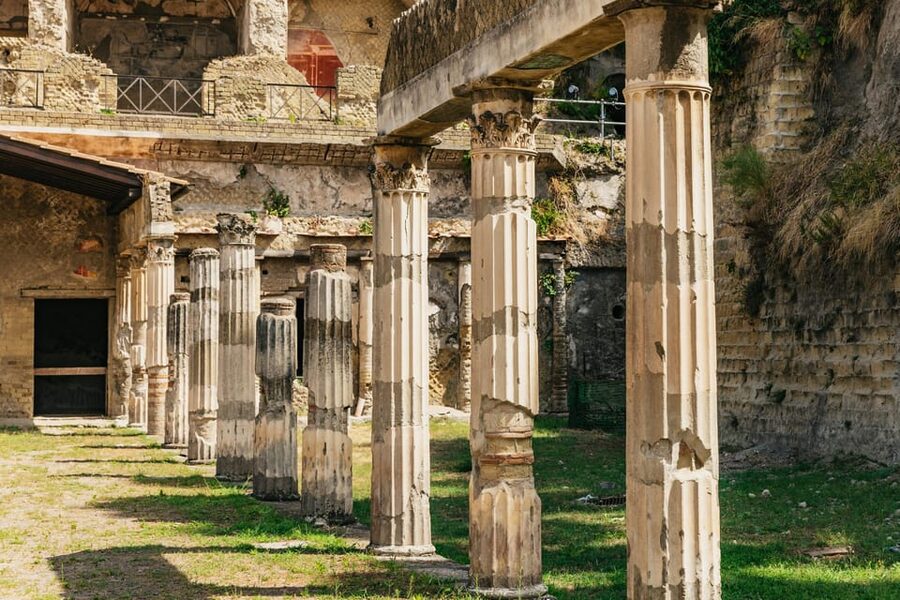
A major reason this tour lands well is the balance between “big city” sites and individual homes. You’ll visit multiple houses, and each one adds a different angle on how people lived.
Casa dei Cervi and the feeling of domestic space
Casa dei Cervi gives you a sense of what a Roman home could feel like: rooms organized around daily movement, with surfaces and layouts that shaped everyday life. Even when you can only see parts, the guide helps you picture how people used these spaces.
Casa di Nettuno ed Anfitrite, art you can still read
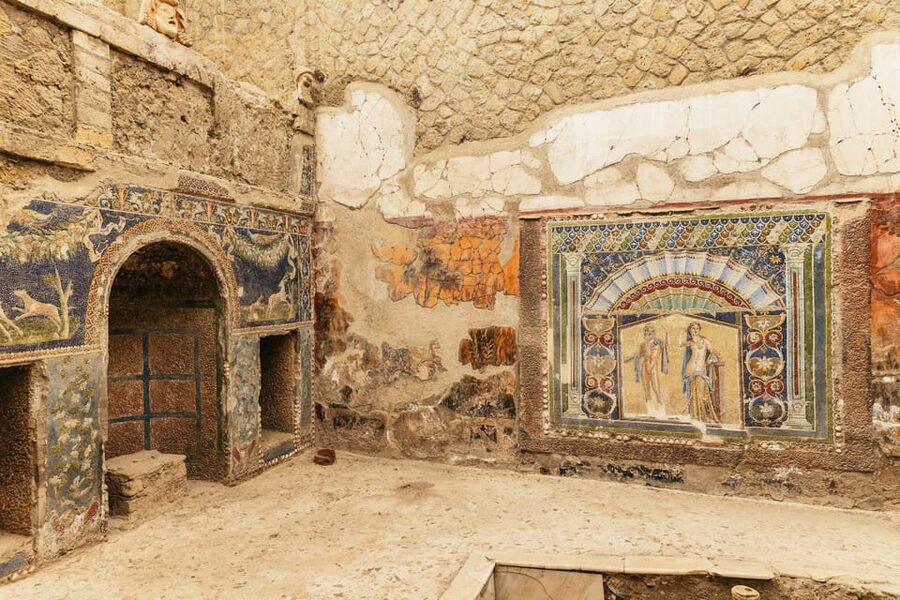
The House of Neptune and Amphitrite is one of the headline stops for a reason. You’ll see the kind of decorative choices that made some homes feel like a statement, not just shelter.
The tour also emphasizes the art survival story. You can admire well-preserved ceramics, paintings, and mosaics, plus stone and marble elements that survived the eruption. What makes it hit emotionally is the contrast described during the tour: alongside surviving artwork, there are also signs like carbonized wood. It is a reminder that the eruption did not just freeze a city, it changed its materials forever.
The House of Skeletons and the eruption’s human scale
You will also visit the House of Skeletons. Even if you already know the basics of Vesuvius, this stop makes the risk feel immediate. The guide helps interpret what you are seeing in a respectful, scientific way, keeping you from turning it into a spectacle.
Casa dell’Albergo and Casa del Salone Nero
These house visits add variety. They help you see different types of domestic or semi-domestic spaces and how decoration, layout, and function worked together.
Casa del Salone Nero is especially interesting if you like art details. The tour’s explanation around surviving mosaics and wall art makes you notice what you might otherwise miss at a glance. The guide’s goal is to help you look with purpose, not just walk past.
Thermal Baths: Where City Life Got Clean and Social
If you want one stop that feels practical and physical, make it the thermal baths. Roman baths were about more than hygiene. They were places to socialize, relax, and move through different temperatures and spaces.
The archaeologist guide connects the layout to routine, so you can understand the flow: entry, use of different rooms, and the overall rhythm of a day that included bathing. This is also where hearing the story helps, because ruins can look like stone shells until someone points out how the system would have worked.
Forum and the Augustales Area: Power You Can Walk Through
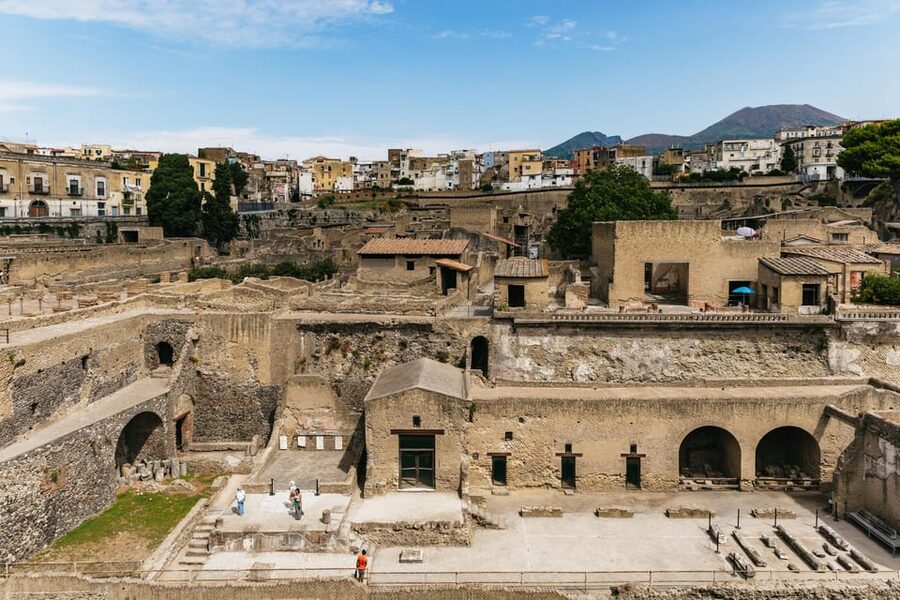
The Forum brings politics, commerce, and public life into focus. This is where the port town identity starts to make sense. You’ll hear about the city’s nobility and merchants, and how public spaces supported that social structure.
The Temple of the Augustales (including the Sacellum of the Augustales on the route) adds the religious layer. The guide explains why these spaces mattered, not just that they existed. You’ll understand how public belief and status played together in daily Roman life.
Gymnasium, Tunnels, and the Swimming Pool Detail
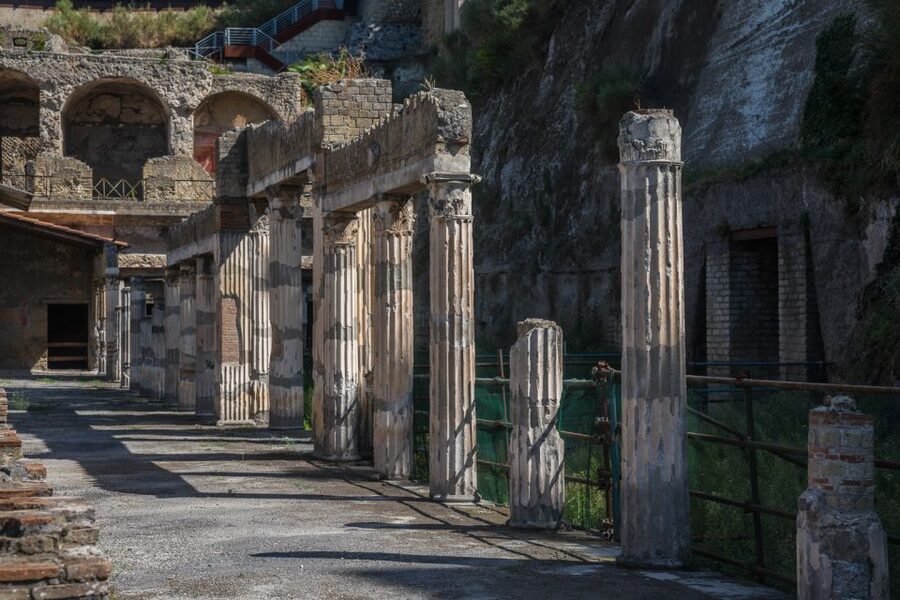
The tour also includes a gymnasium stop, with details that help you picture how training and water use worked. At one point, you may even be taken into a tunnel area associated with the gymnasium, including where the swimming pool would have been.
That extra access, even if it is just for a specific viewing point, changes the experience. It helps you connect the ruins to the function, and it gives your eyes a new job: not just looking at walls, but reading how the building was built to serve people.
How This Compares to Pompeii (Without the Confusion)
Many visitors do both Herculaneum and Pompeii. This tour makes that comparison easier because the archaeologist guide explains differences and similarities tied to the eruption, materials that survived, and the feel of daily life.
You’ll leave understanding why Herculaneum can feel more detailed in a different way. It is not only fewer crowds or a smaller site. It is the kind of preservation you can actually read: ceramics, paintings, mosaics, and household spaces that help you imagine the human routine.
Price and Value: Why $53 Often Feels Like a Bargain
At $53 per person for 2 hours, the value comes from what is included. Admission fees are included, and you also get an archaeologist guide plus headsets.
Here is the practical math: the standard adult ticket cost is listed as 16.00 euros. When admission is bundled into the tour price, you are not paying twice for the same entry. You are paying for interpretation and time-saving skip-the-line access, plus the guide’s ability to explain what you are seeing.
This is especially worth it if:
- You want a short, focused visit rather than wandering
- You care about understanding Roman daily life, not just photos
- You are doing Pompeii too and want Herculaneum to make sense in context
Small Details That Matter on the Day
A few things can change your experience more than you’d expect.
- If it is a smaller group day, you tend to get more question time and clearer headset audio. Group sizes on this tour can be around 15 to 20.
- The tour covers a lot in 2 hours. That is great for value, but it means you do not get long free time inside the route stops. If you want extra quiet looking time, plan to return on your own after the guided portion.
- Guides can vary. Many guests rave about specific guides by name, including Luciano, Diego, and Roberta, often praising their humor, energy, and ability to explain the eruption in a way that feels concrete.
Should You Book This Herculaneum Archaeologist Tour?
Book it if you want your visit to feel like a story with a clear structure. The archaeologist angle, plus skip-the-line entry and headsets, is exactly how you get the most out of a compact site with big emotional weight.
Skip this tour only if you prefer a fully self-guided pace with no narration. This route moves, and it is not ideal for people who need wheelchair access or who have major mobility limitations.
If you like thinking while you walk, and you want Herculaneum to mean something beyond the ruins, this one is an easy yes. You’ll walk away with a better understanding of how the city functioned before the eruption, and how preservation makes certain details possible to see today.
FAQ
How long is the Herculaneum skip-the-line guided tour?
It lasts 2 hours.
What is included in the tour price?
The tour includes the guided tour of Herculaneum, admission fees, an archaeologist guide, and headsets.
Where do I meet the guide?
Meet at the ticket office of the Herculaneum Ruins. The guide will be holding an Askos Tours sign.
Which languages are available?
English, Italian, German, Spanish, and French.
Do I need to bring anything?
Bring a passport or ID card, comfortable closed-toe shoes, and sunscreen. A hat is also recommended, and a raincoat if needed.
Is transportation included?
No. Transportation is not included.
Is this tour suitable for wheelchair users or mobility impairments?
No. The tour is not suitable for people with mobility impairments or wheelchair users.
Latest reviews around Naples
- Vesuvius National Park Skip-the-Line Ticket★ 3.8 · 221 reviews
- From Naples: Procida Island Day Trip with Lunch★ 3.8 · 137 reviews
- Pompeii and Vesuvius Full-Day Tour from Amalfi Coast★ 4.4 · 319 reviews
- Pompeii: Skip-the-Line Entry Ticket with Audio Guide or Tour★ 4.1 · 1,364 reviews
- From Naples: Pompeii & Herculaneum with Archaeologist Guide★ 4.8 · 665 reviews
- From Naples: Pompeii and Herculaneum Tour with Lunch★ 4.3 · 444 reviews
- From Naples: Pompeii Guided Tour with Skip-the-Line Tickets★ 4.8 · 1,171 reviews
- From Naples: Pompeii and Sorrento Full-Day Tour★ 4.2 · 144 reviews
Herculaneum Tours, compared.
Pompeii and Herculaneum Small Group Tour with an Archaeologist
Read our review →
Herculaneum Small Group Tour and Ticket With an Archaeologist
Read our review →
Herculaneum: Skip-the-Line Entry Ticket with Audio Guide
Read our review →
Pompeii & Herculaneum with Archaeologist Guide
Read our review →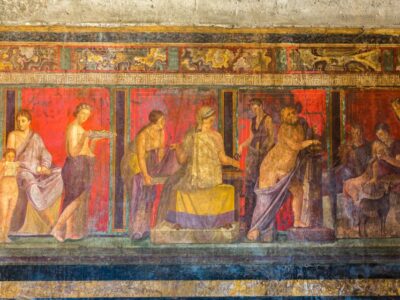
Pompeii, Herculaneum, & Vesuvius Full-Day Tour
Read our review →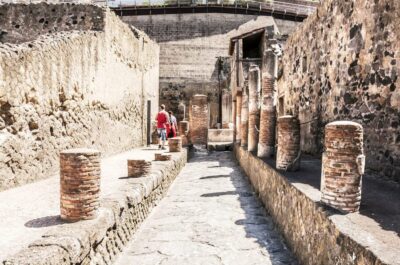
Ercolano: Herculaneum Entry Ticket with Optional Audio Guide
Read our review →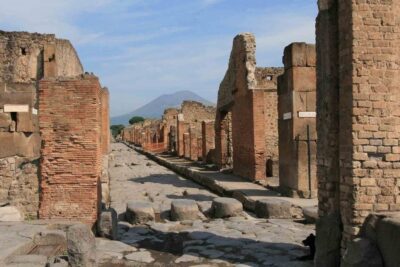
Browse the lists this tour appears in