
Reviewed · HERCULANEUM TOURS
Ercolano: Herculaneum Entry Ticket with Optional Audio Guide
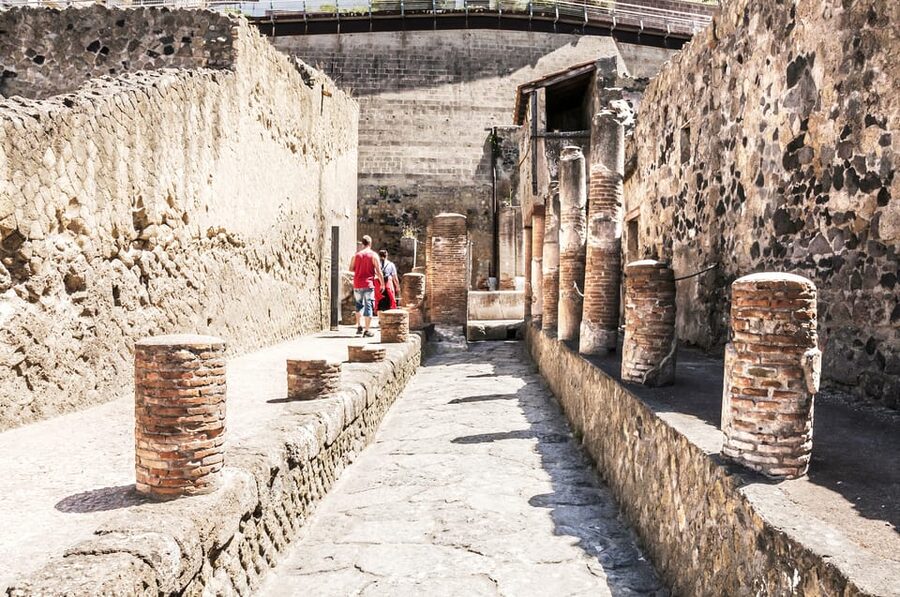
This city survived in ash. Herculaneum is one of Italy’s most preserved Roman towns, and the entry ticket gives you the freedom to wander at your own pace through streets, shops, and intact building rooms. I love the cobbled town streets and the feeling of standing inside daily life, not just looking at ruins from a distance, and I also really like how the site preserves details like doors, beds, roofs, and food after Vesuvius in 79 AD.
One possible drawback: the audio experience can be hit or miss. The digital audio guide app may be confusing to navigate at certain spots, and it can also be data-hungry, so you’ll want a plan before you start walking.
In This Review
- Key things to know before you go
- Herculaneum in Ercolano: why this ticket feels so worth it
- Price and logistics: what your $21 ticket actually covers
- How long you need, and how to choose your timing
- Walking the streets: what the route is really like
- What you should watch for in the preserved buildings
- Audio guide reality check: digital app vs physical device
- Heat, shade, and crowd control that actually help
- On-site needs: maps, signage, and the basic café situation
- Value check: when this ticket makes financial sense
- Who should book, and who might want a different approach
- FAQ
- What does the Ercolano: Herculaneum entry ticket include?
- Can I get in without a guided tour?
- What audio guide options are available?
- What languages are supported for the audio guide?
- Where do I redeem my ticket when I arrive?
- When is the site open, and when do I have to leave?
- Can I cancel and get a full refund?
- Should you book this Herculaneum entry ticket?
Key things to know before you go
- Herculaneum is smaller than Pompeii, which makes it easier to see more deeply without exhaustion
- Preservation is the star, including structures and objects that make 79 AD feel personal
- You choose your audio style, either a digital app on your phone or a physical audio device
- Download and bring headphones, because the app can struggle with connection and clarity
- Expect limited on-site guidance, so you may benefit from using the site map and slowing down
- Heat and shade matter, especially in summer, because you will be outdoors and then inside roofed spaces
Herculaneum in Ercolano: why this ticket feels so worth it

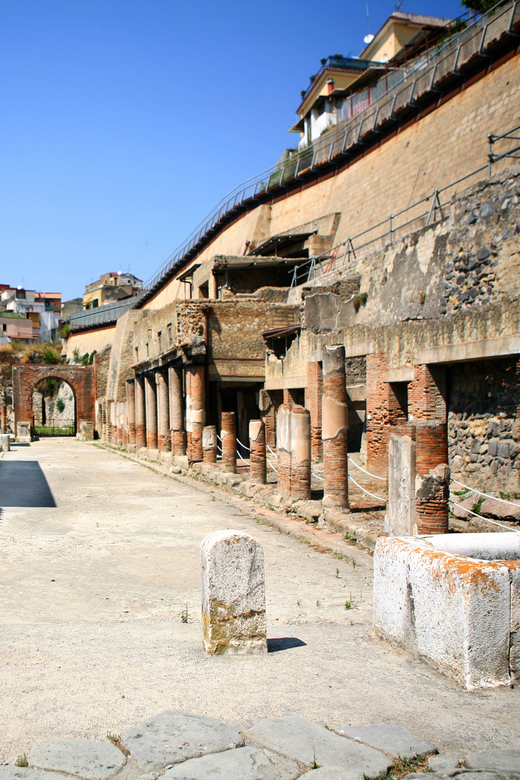
Herculaneum sits in Ercolano, just outside Naples, and it’s famous for a simple reason: Vesuvius buried it in ash in 79 AD, then time did the rest. Compared with Pompeii, the layout here can feel less overwhelming, and the ruins often look more like rooms you could step back into, not a pile of stones.
I like that the entry ticket lets you control your pace. You can zoom through the main streets, or you can linger at the spots that speak to you, like walls with frescoes, the bath area, or the tight rhythm of everyday commerce.
And the emotion is real here. The town is haunting because it was preserved at the moment people couldn’t escape, including the well-known 300 skeletons found in the area.
A few more Herculaneum options to weigh
- Herculaneum: Skip-the-Line Guided Tour with Archaeologist
★ 4.8 · 3,439 reviews - Pompeii and Herculaneum Small Group Tour with an Archaeologist
★ 5.0 · 1,350 reviews - Herculaneum Small Group Tour and Ticket With an Archaeologist
★ 5.0 · 994 reviews
Price and logistics: what your $21 ticket actually covers
At about $21 per person, you’re paying for access to the archaeological site plus audio support if you choose it. The ticket includes your entry, and there are two audio options: a digital app you download to your smartphone, or a physical audio guide device if you select that option.
A key point for your planning: this is not a guided tour included in the price. You’ll be doing this as a self-guided walk, so you should be comfortable reading signs, following your own route, and using the audio when it helps.
Redeeming your ticket is straightforward: you show your mobile voucher at the online ticket desk on site. Still, I recommend arriving with enough time to handle any ticket desk activity without rushing, because that first step can affect how calmly you start your visit.
If you’re choosing the audio, double-check it early. One visitor had trouble getting the audio tour working after scanning their codes, so bring your confirmation details and be ready to ask at the audio desk if anything feels off.
How long you need, and how to choose your timing

This is a one-day experience, and the site hours depend on the season. From March 16 to October 14, it’s open from 9:30 AM to 7:30 PM, with last admission at 6:00 PM and the archaeological area needing to be left by 7:00 PM. From October 15 to March 15, it’s open from 8:30 AM to 5:00 PM, with last admission at 3:30 PM and leaving by 4:40 PM.
In practice, many people settle into a sweet spot of about 3 hours if they move steadily. If you love architecture, daily life details, and taking time with rooms and artifacts, plan more. If you want a relaxed visit with plenty of stops, give yourself at least half a day, because the site rewards slow looking.
I also like the strategy of going in off-peak periods. Reviews note that visiting out of season means fewer crowds, and Herculaneum already feels calmer than Pompeii even on busier days.
Walking the streets: what the route is really like
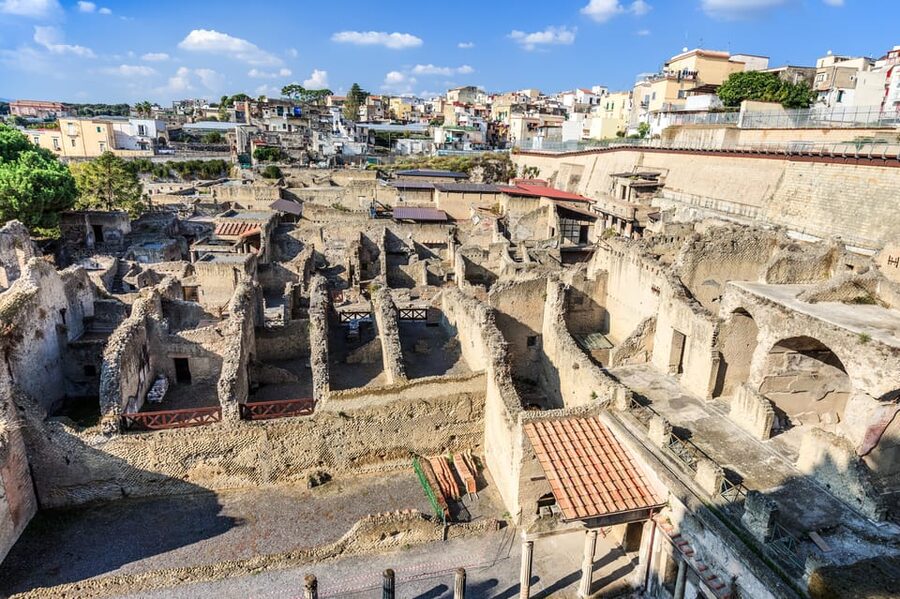
Herculaneum’s “big reveal” isn’t a single monument. It’s the way you walk through a town plan that feels like a real neighborhood.
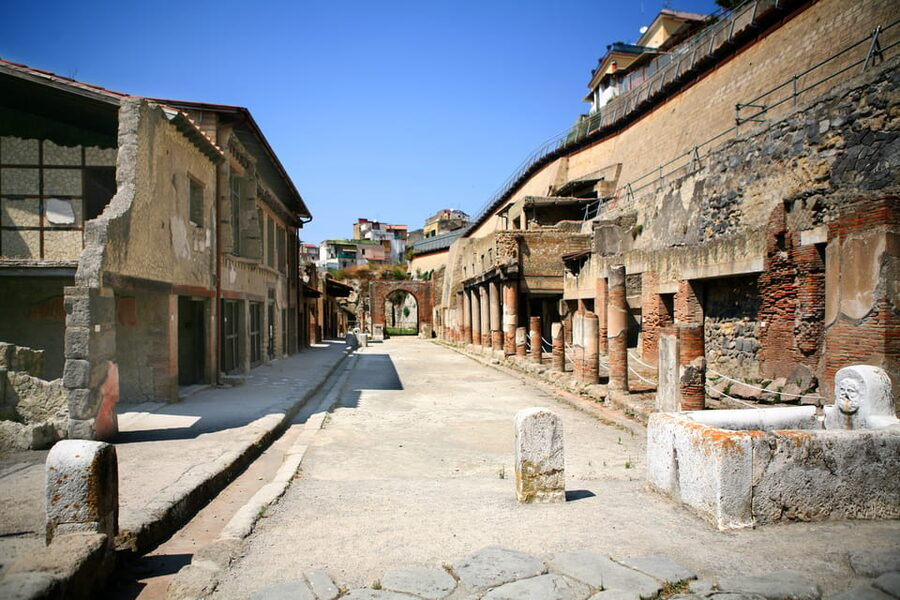
You’ll follow cobbled streets, then slip into areas where buildings are preserved enough to show how spaces connected: you can sense movement from street level to shops, then to indoor rooms and courtyards. The preserved structure makes the town feel intimate, and it’s a big reason people often say this site is emotionally stronger than Pompeii.
A practical note: navigation matters here. Several visitors found it tricky to match the audio dialogue to where they were standing, and others wished there were more signage or suggested routes. That means your best move is to take a quick orientation stop near the start, then use the map to choose a loop you can repeat.
If you’re the type who likes order, pick one theme. For example: baths and public spaces, then homes with frescoes, then end with shops. If you’re the type who likes wandering, just know you might cover less ground than the audio timeline suggests.
Nearby, and just as well reviewed:
- Herculaneum: Skip-the-Line Entry Ticket with Audio Guide
★ 4.3 · 870 reviews - Pompeii: Small-Group Tour of Pompeii and Herculaneum
★ 4.8 · 867 reviews - From Naples: Pompeii & Herculaneum with Archaeologist Guide
★ 4.8 · 665 reviews - From Naples: Pompeii, Herculaneum, & Vesuvius Full-Day Tour
★ 3.9 · 602 reviews
What you should watch for in the preserved buildings

The most praised part of Herculaneum is not the size. It’s what’s left behind and how well it stayed intact.
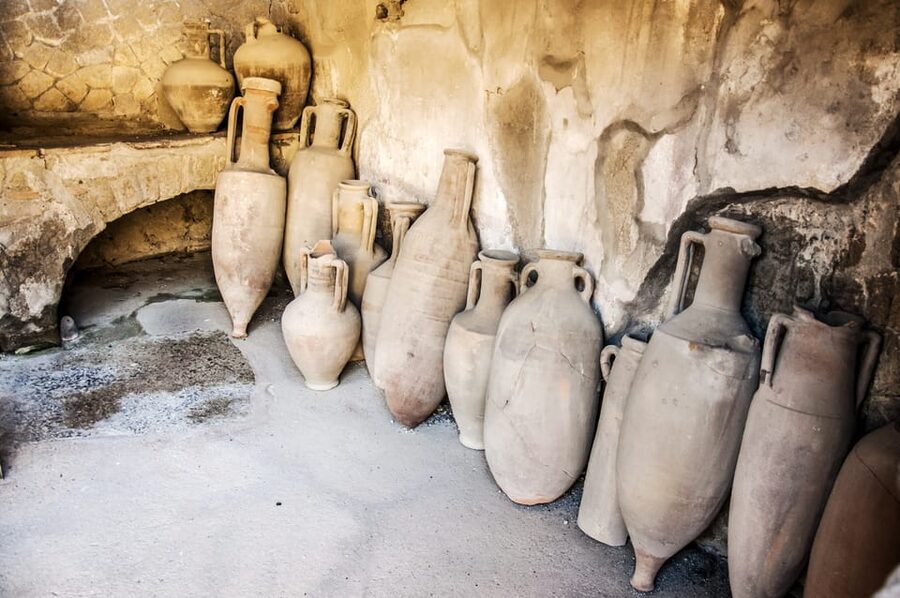
Look for the small things that make the town feel lived in. The site is known for preserving details like beds, doors, and even food, which is a huge difference from ruins where everything is “missing the context.” When you see these objects in place, you start imagining daily routines, chores, and meals without needing a lecture.
Frescoes also matter a lot here. People specifically mention well-preserved wall paintings, and the best way to appreciate them is to step closer than you think you need to, then pause long enough for your eyes to adjust to the lighting and wear.
Public life is another strong theme you can spot as you move around. You can see remains of a public gymnasium and public swimming baths, which helps you understand that Romans weren’t only living privately. The site nudges you to think about social structure and community habits, not just architecture.
And then there’s the emotional anchor: the 300 skeletons associated with people caught during the eruption. Even if you’ve read the story before, seeing this scale in a place where buildings and objects survived can hit harder.
Audio guide reality check: digital app vs physical device
Audio guides are the difference between passively seeing ruins and understanding what you’re looking at. When they work, they can turn each stop into a mini story about daily life and how people used certain spaces.
I found the key tradeoff is accuracy of “where am I?” If your app is hard to match to your location, you lose time and your motivation. One visitor turned the app off after a short while because it wasn’t well structured, and others said navigation was confusing or that the audio wasn’t easy to locate for their exact position.
Also, plan for phone connectivity. Reviews specifically warn that the audio app can be data-hungry and that coverage at Herculaneum may not be strong. My practical advice is simple: download the audio content before you arrive and bring headphones. If you prefer zero-phone stress, the physical audio device can be a safer bet.
Language availability is another consideration. The experience offers audio in English, French, German, Italian, and Spanish, and the digital app option is listed as available in English, French, Italian, and Spanish. If your language is a must-have, confirm it while booking.
Heat, shade, and crowd control that actually help
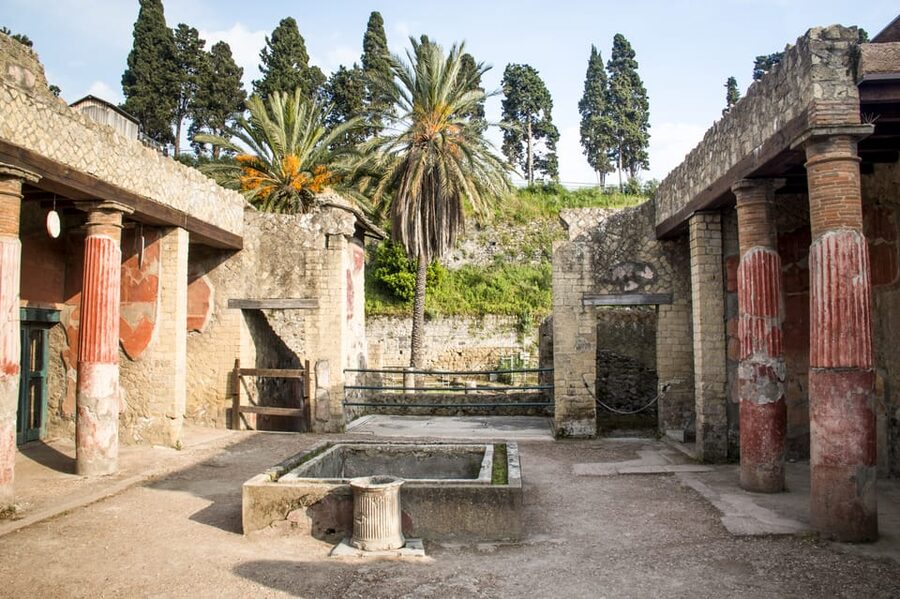
Herculaneum is a walkable site, but it’s still outdoors in many stretches. In summer, you can feel the heat, and reviews recommend bringing an umbrella for shade.
I also love the “use the architecture as your sunscreen” strategy. Many visitors point out there’s shade under roofs and within the houses, which gives you natural pauses. So instead of forcing a continuous long walk, treat the site like a series of outdoor street segments followed by sheltered rooms.
Crowds are usually manageable compared with Pompeii, and reviewers describe no queues or light foot traffic when they came early. If you want maximum calm, arrive closer to opening time and keep your visit anchored before midday rush.
If you’re visiting in colder months, you’ll likely enjoy the quiet more, but you’ll still want comfortable shoes. Cobblestones can be unforgiving, and you’ll be doing a lot of standing and slow walking.
On-site needs: maps, signage, and the basic café situation
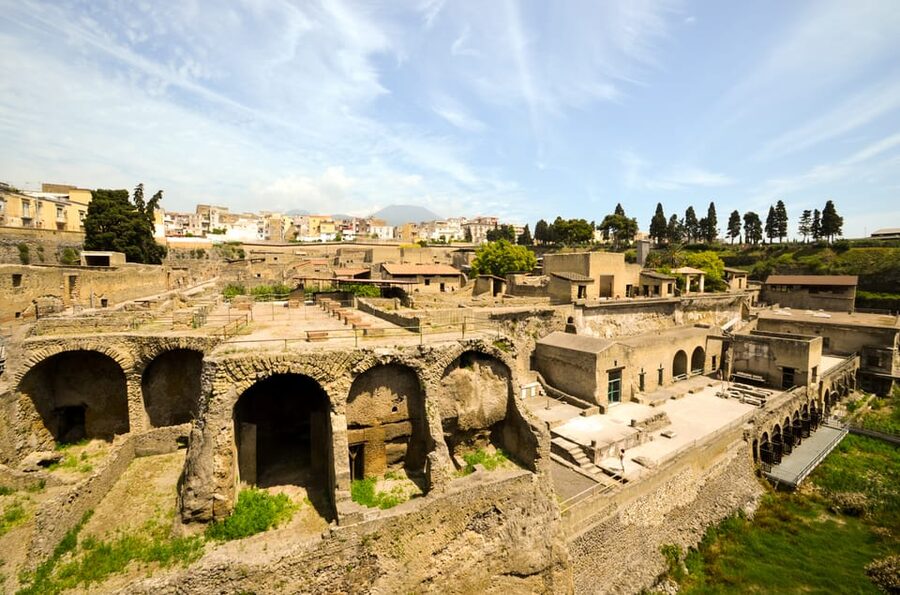
Here’s the practical truth: the site is impressive, but signage and maps may not feel like enough guidance for every room. More than one visitor wished there were more information boards or easier instructions on each area, and a few said the map helped but could still feel iffy.
So bring your own strategy. Before you start, spend a few minutes on orientation. If you’re using an audio app, take a moment to familiarize yourself with how it indicates your location. If you’re using the physical device, make sure you know the sequence approach so you don’t backtrack constantly.
Food on site is limited. Visitors describe cafe facilities as basic, so if food is part of your comfort plan, consider eating before you arrive or bringing snacks. Also, keep your water handy, especially in summer.
There is also a 10 percent discount at the Hard Rock Shop in Via dei Brunelleschi, but I treat that as an optional bonus, not part of the core value.
Value check: when this ticket makes financial sense
A ticket around $21 for entry is reasonable if you value self-paced access plus the chance to use audio content. The entry ticket itself is doing most of the work, because the site is the main attraction.
Where the value can shift is your audio choice. If you strongly prefer an audio guide and you’re confident you’ll use it from start to finish, then selecting the audio option makes sense. Multiple visitors described the audio as giving interesting information and helping them discover something in each house, especially for understanding daily habits and architecture.
But if you suspect audio navigation might frustrate you, you might be happier saving your money and focusing on the buildings and artifacts directly. Reviews include people who felt the app wasn’t good enough and wished they had a real guide instead, so your tolerance for tech matters.
My balanced take: buy the ticket, then decide your audio approach with your own style in mind. If you choose audio, download ahead and bring headphones. If the audio is confusing on the ground, switch tactics and slow down with the rooms you can clearly see.
Who should book, and who might want a different approach
This works best for you if you:
- Want a quieter alternative to Pompeii that still covers baths, homes, frescoes, and everyday spaces
- Like understanding how people lived, not only studying stones
- Prefer independent wandering with optional audio support
- Plan to spend enough time to notice preserved details like beds, doors, and rooflines
It might not be your best match if:
- You hate self-navigation and rely on a guide to connect locations to context
- You’re unwilling to use a map, because signage may not carry you every step
- You expect audio to be perfectly tied to where you stand, every time
If you’re the type who loves a structured itinerary, you may find a guided option more satisfying than audio-only interpretation.
FAQ
What does the Ercolano: Herculaneum entry ticket include?
It includes the entry ticket, and it may include an optional audio guide depending on which option you select during booking.
Can I get in without a guided tour?
Yes. A guided tour is not included, so you visit on your own pace.
What audio guide options are available?
You can choose a digital audio guide app for your smartphone, or you can select a physical audio guide device.
What languages are supported for the audio guide?
The experience lists audio languages as English, French, German, Italian, and Spanish.
Where do I redeem my ticket when I arrive?
You redeem your ticket by showing your mobile voucher at the online ticket desk on site.
When is the site open, and when do I have to leave?
From March 16 to October 14, it is open 9:30 AM to 7:30 PM, last admission at 6:00 PM, and the archaeological area must be left by 7:00 PM. From October 15 to March 15, it is open 8:30 AM to 5:00 PM, last admission at 3:30 PM, and the archaeological area must be left by 4:40 PM.
Can I cancel and get a full refund?
Yes. Free cancellation is available up to 24 hours in advance for a full refund.
Should you book this Herculaneum entry ticket?
Book it if you want a smart, independent way to experience one of the most preserved Roman cities linked to the Vesuvius eruption, and you’re comfortable using a map and audio to guide your focus. I’d especially recommend it if you want something calmer than Pompeii but still packed with houses, streets, and recognizable daily-life details.
Skip it or reconsider the audio option if you strongly need a live guide to keep you oriented. If you do choose audio, download ahead, bring headphones, and give yourself time to move slowly through the town, because Herculaneum rewards attention, not speed.
Latest reviews around Herculaneum
- Pompeii and Herculaneum: Guided Tour with an Archaeologist★ 5.0 · 164 reviews
- Pompeii: Small-Group Tour of Pompeii and Herculaneum★ 4.8 · 867 reviews
- From Naples: Pompeii & Herculaneum with Archaeologist Guide★ 4.8 · 665 reviews
- Sorrento: Pompeii & Herculaneum Tour with Skip-the-Line★ 4.6 · 125 reviews
- From Naples: Pompeii and Herculaneum Tour with Lunch★ 4.3 · 444 reviews
- From Rome: Pompeii and Herculaneum by High-Speed Train★ 4.9 · 132 reviews
- Naples: Pompeii, Herculaneum, and Vesuvius Tour by Minivan★ 4.2 · 108 reviews
- Naples: Pompeii and Herculaneum Tour with Tickets and Lunch★ 4.4 · 136 reviews
Herculaneum Tours, compared.
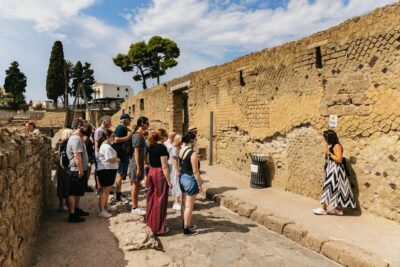
Herculaneum: Skip-the-Line Guided Tour with Archaeologist
Read our review →
Pompeii and Herculaneum Small Group Tour with an Archaeologist
Read our review →
Herculaneum Small Group Tour and Ticket With an Archaeologist
Read our review →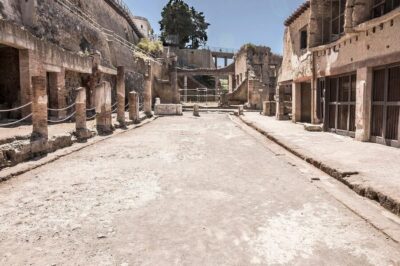
Herculaneum: Skip-the-Line Entry Ticket with Audio Guide
Read our review →
Pompeii & Herculaneum with Archaeologist Guide
Read our review →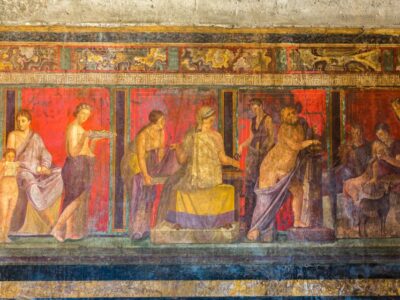
Pompeii, Herculaneum, & Vesuvius Full-Day Tour
Read our review →
Browse the lists this tour appears in