
Reviewed · HERCULANEUM TOURS
Herculaneum: Skip-the-Line Entry Ticket with Audio Guide
Herculaneum feels like time stopped. This skip-the-line style entry with an audio guide and map lets you explore one of the best-preserved Roman towns without getting stuck in logistics, then hear what you are looking at as you go. You quickly understand why the eruption of Vesuvius in 79 AD matters when you see the ash-sealed villas and rooms still holding onto their original details.
I especially like the way the audio guide turns scattered ruins into a walkable story. With a map to help you find the market lanes, public fountains, and the theatre, you spend less time guessing and more time noticing real things, like painted walls and even wooden doors that survived.
One drawback to plan around: the audio cue numbering and the real site can sometimes feel out of sync, so you may need to orient yourself by what you see, not only by numbers. That is manageable, but it is worth knowing before you start your route.
In This Review
- Key things I’d focus on before you go
- Getting In Fast at the Herculaneum Ticket Office
- How the Audio Guide Helps You See More Than Stones
- The Best Walk: Villas Buried in Ash and Rooms Still Intact
- Market Streets, Public Fountains, and the Theatre
- Temples, Gods, and the Difference Between Rich and Poor
- The Sea-Rescue Story and the Skeletons Area
- Museum Time and the Boat or Antiquarium Highlights
- Terrain, Seating Spots, and What to Wear
- Getting Around Without Getting Frustrated
- Price and Value for a 1-Day Audio Experience
- How Much Time You Should Plan (and when to go)
- Should You Book This Herculaneum Skip-the-Line Audio Ticket?
- FAQ
- Where do I show my ticket for entry?
- How long does the experience take?
- What languages are included for the audio guide?
- Is a live guide included with this ticket?
- What should I bring with me?
- Can I cancel and get a refund?
- Is there an option to reserve now and pay later?
Key things I’d focus on before you go
- Skip-the-line entry that really helps, especially if you want a calmer start before foot traffic builds.
- Audio guide in 5 languages (English, French, German, Italian, Spanish) that explains what you are standing in front of.
- Well-preserved everyday details, including frescoes, statues, wooden elements, and room layouts that show how people lived.
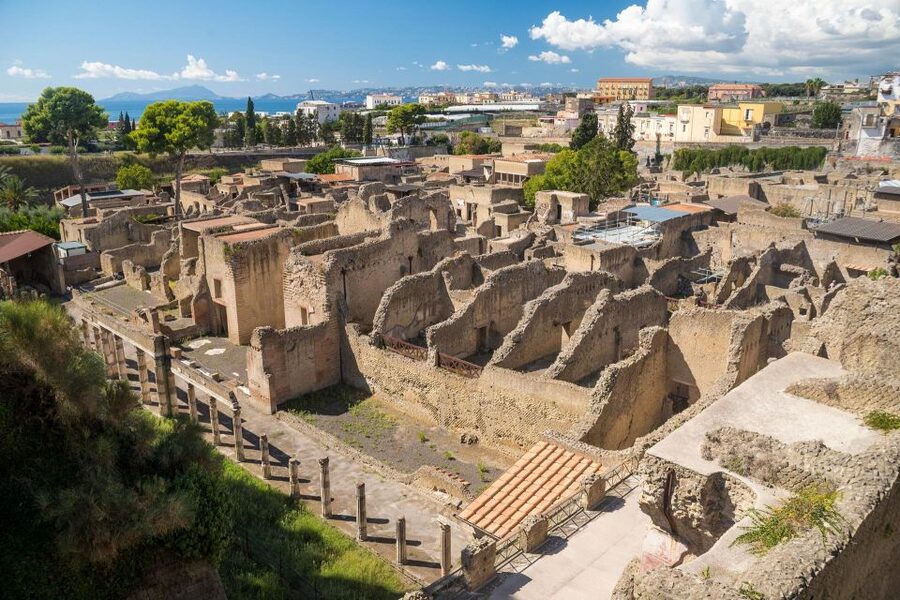
- A route that spans more than villas, with stops at the market, public fountains, temples, and the theatre.
- Emotional highlights linked to the aftermath of the eruption, including the area associated with people hoping for rescue from the sea.
Getting In Fast at the Herculaneum Ticket Office
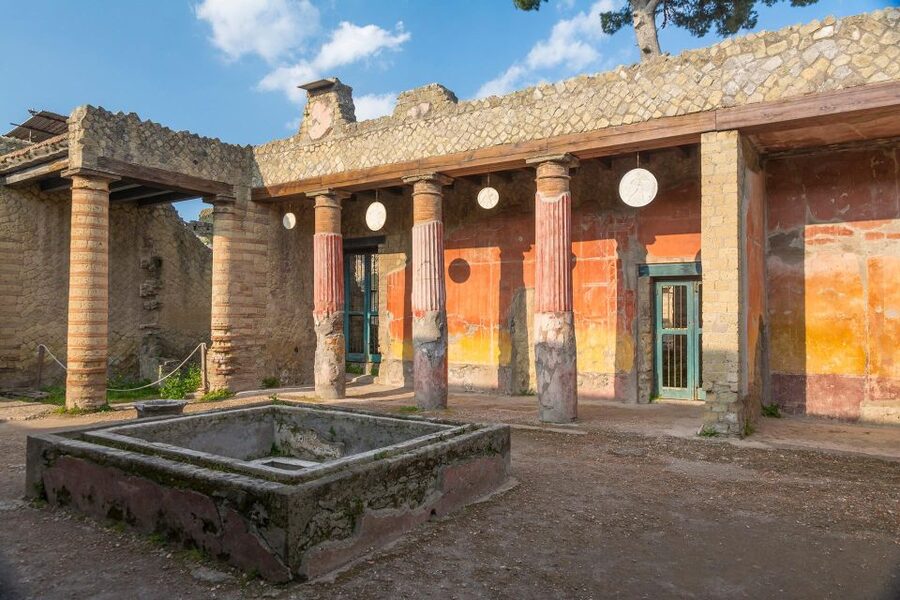
Your day starts with a straightforward meet-up: show your ticket at the Herculaneum Archaeological Park ticket office. This is the part you want to keep simple, because the site is best when you are walking instead of sorting paperwork.
In practice, the “skip-the-line” benefit can depend on what kind of line is active that day. Some people report very fast entry and quick audio pickup, while others describe a bit of back-and-forth around collecting the audio device and getting confirmed for entry. Either way, arriving earlier generally keeps stress low and gives you more comfortable light for photos and details.
Once you are inside, you do not get herded onto one fixed route. The vibe is more like a self-guided stroll, which is great because Herculaneum is compact enough to see deeply without feeling rushed if you pace yourself.
A few more Naples options to weigh
- Herculaneum: Skip-the-Line Guided Tour with Archaeologist
★ 4.8 · 3,439 reviews - Herculaneum Small Group Tour and Ticket With an Archaeologist
★ 5.0 · 994 reviews - From Naples: Pompeii & Herculaneum with Archaeologist Guide
★ 4.8 · 665 reviews
How the Audio Guide Helps You See More Than Stones
The main value here is the audio guide, because Herculaneum rewards close looking. You might recognize the basics of Roman life, but the guide helps connect the dots between rooms, artwork, and how the town worked.
What I like most about this format is that you can pause whenever something pulls you in. When you hear stories about the houses, the market, or the religious spaces, you naturally slow down and start noticing the “small” items that make the big difference, like painted sections on walls and the way door openings and interior layouts shaped daily movement.
Two practical notes based on on-site experience:
- The audio is available in English, French, German, Italian, Spanish.
- The audio cue system can be a little finicky. Some people found the numbers on the audio device did not perfectly match the numbers you see physically on site. If that happens, switch to a visual approach: use the map to orient yourself, then listen for descriptions tied to what you can actually see in front of you.
The Best Walk: Villas Buried in Ash and Rooms Still Intact
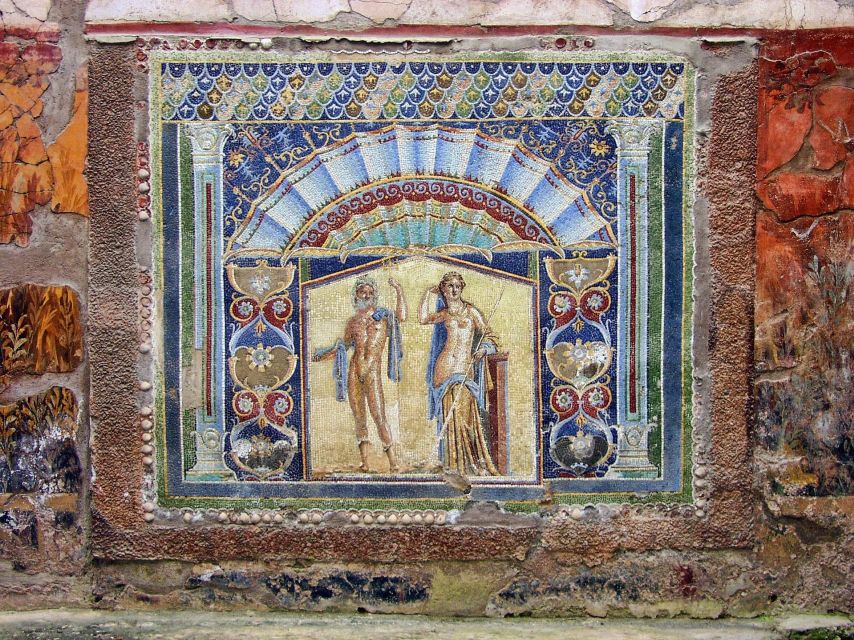
Herculaneum’s standout feature is preservation. It is not just that buildings survived, it is that the town was sealed under volcanic ash after Vesuvius erupted in 79 AD. When you walk through these areas, you are looking at a layer of time frozen in place.
Here is what you can expect as you move from stop to stop:
- Villas and houses with well-preserved elements. You will see the kind of details that make you stop mid-walk, especially painted surfaces and household features.
- Spaces where everyday life becomes visible. The contrast between wealthy rooms and other parts of the social structure is a major theme. The site includes areas that help you compare slave housing with lavish living spaces, which gives the ruins a human scale, not just architectural scale.
The emotional weight increases as you keep going, because the explanations are not only about art and engineering. They also frame the eruption as a real event with real outcomes. That makes the whole visit feel more grounded and less like a museum display.
Market Streets, Public Fountains, and the Theatre
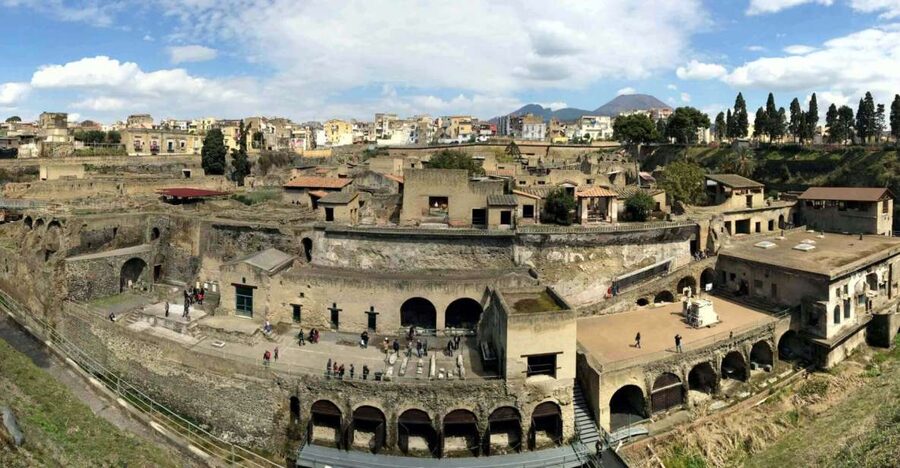
One reason I like Herculaneum more than many bigger ruins is that it covers different kinds of Roman life in a small footprint. You do not have to choose only between art or only between streets, because both show up.
Using your included map, look for these highlights:
- The ancient market area, where you can imagine the daily flow of people and commerce. The guide helps you picture what the street would have felt like, not just what it looked like.
- Public fountains, which are one of those practical Roman features that you can easily overlook without context. With audio, they stop being background and start becoming part of the town rhythm.
- The theatre, which helps balance the “home life” feel with public gatherings. Even if you are not a theatre fan, you can still grasp how culture and public space shaped community life.
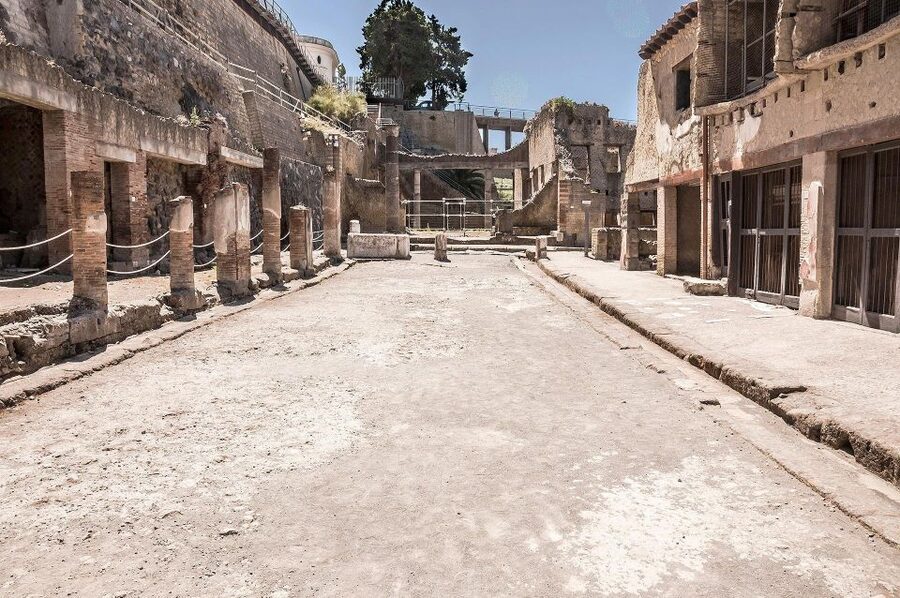
You can also expect some stairs and uneven ground because the site is built on cobblestones with some steep sections. That is manageable with comfortable shoes, but it is not the place for flimsy soles or a slow ankle.
Nearby, and just as well reviewed:
- From Naples: Pompeii Ruins & Mount Vesuvius Day Tour
★ 4.3 · 11,459 reviews - From Naples: Sorrento, Positano and Amalfi Full-Day Tour
★ 4.6 · 10,988 reviews - From Naples: Sorrento, Positano & Amalfi Coast – Small Group Tour
★ 5.0 · 8,643 reviews - Naples: Catacombs of San Gennaro Entry Ticket & Guided Tour
★ 4.6 · 7,941 reviews
Temples, Gods, and the Difference Between Rich and Poor
Another strong part of the audio storytelling is how it connects religious spaces to the town’s layout and to daily life. As you pass temple areas, you will hear depictions tied to ancient gods, which helps you understand that religion in Roman towns was both public and personal.
Then comes one of the most important themes for anyone trying to understand how people lived: social structure.
- You can compare slaves’ housing versus more lavish living spaces for richer Romans.
- The descriptions make it easier to connect room sizes, access, and the feeling of the spaces to the people who used them.
This is where the audio guide earns its keep. Without it, it is easy to focus only on the best-looking rooms. With it, you start noticing what different spaces would have meant for different people.
The Sea-Rescue Story and the Skeletons Area
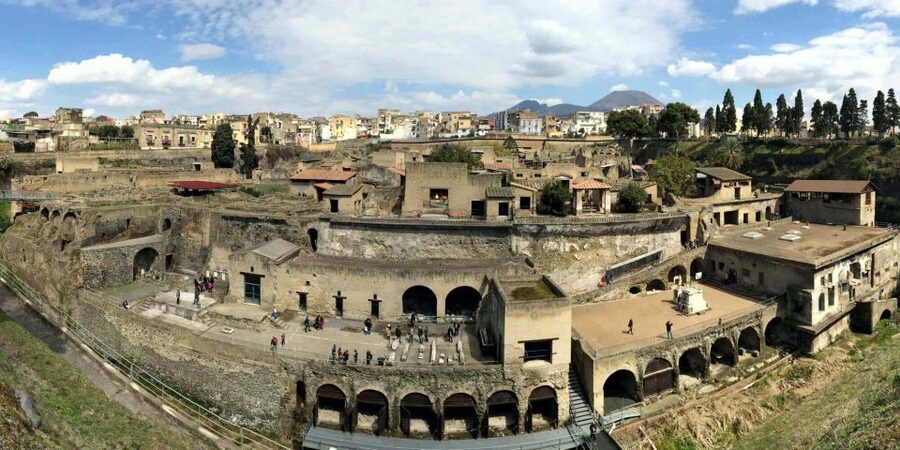
There is a poignant side to Herculaneum that you should be ready for. The visit includes an area associated with people perishing while hoping for rescue from the sea.
As you reach the later, more moving parts of the site, slow down. Let the audio do the heavy lifting, then take a moment before you move on. A lot of people mention it is one of the most unforgettable sections, and I agree with the logic of it: after you have seen preservation and art, the site’s tragedy hits harder.
Some visitors also mention the end route can include the caves or skeleton-related exhibits, depending on how you flow through the site. Either way, plan mental space for this portion of the experience so it does not feel like a rushed stop.
Museum Time and the Boat or Antiquarium Highlights
Near the entrance and exit area, there is time for museum context. People describe it as a place where you can see artifacts and furniture connected to daily life, which helps you make sense of the rooms you walked through.
You may also hear about a boat and an Antiquarian highlight. This is the kind of detail that makes the town feel even more real, because it ties the eruption-era story to actual movement, work, and the practical realities of a coastal region.
If you are trying to do this day without running out of time, I suggest you do not treat museum stops as optional. Even 20 to 30 minutes of museum time can make your walk feel more complete, because you leave with objects in mind, not only wall space.
Terrain, Seating Spots, and What to Wear
Herculaneum is not a flat stroll. Plan for:
- Cobblestones and uneven ground.
- Steep steps in places.
- Lots of walking over a compact area.
The upside is that the site also gives you places to sit and take in vistas. People mention you can pause and catch your breath, which is a real benefit when you are covering multiple houses and outdoor spaces.
My clothing advice is simple: comfortable shoes with grip, and light layers if you are visiting in warm months. Even with shade in parts of the site, you will still feel the outdoor conditions.
Getting Around Without Getting Frustrated
You will use the included map to guide yourself to the market, fountains, theatre, and other labeled areas. What helps most is starting with your bearings right away.
Here are tactics that keep the audio from becoming a scavenger hunt:
- Take 3 to 5 minutes at the start to match your map to what you can see near the entry.
- Use audio cues as guidance, but treat your eyes as the final authority when numbering seems off.
- If a stop feels closed or inaccessible, do not waste time forcing it. Move on to the next visible highlight and let the audio help you connect what you do see.
Some people also mention a “switching tickets” issue, where they thought they bought the ticket and audio together but had to handle entry separately. If you are booking online, double-check that you are selecting the right option for your bundle before you arrive.
Price and Value for a 1-Day Audio Experience
The listed price is $15 per person for this skip-the-line entry ticket with an audio guide. For the Naples region, this is the kind of cost that is easy to justify if you enjoy Roman art and want real context without paying for a full private guide.
Why it feels good value:
- You get an audio guide plus a map, which reduces guesswork and makes the ruins easier to understand.
- Herculaneum is smaller than Pompeii but deeply detailed. You can see a lot without spending two full days.
- The preservation level means you are not just viewing outlines. You are looking at surfaces, room features, and art that help you picture daily life.
When it might not feel like the best deal:
- If you are expecting perfectly smooth audio numbering tied 1:1 with physical site labels, you may feel some irritation.
- If you dislike self-guided devices or want live Q and A, this is not a full guide tour.
Still, for most people who want autonomy, this is a strong value for the amount of interpretation you get.
How Much Time You Should Plan (and when to go)
A solid target is around 3 to 4 hours. Many visitors describe spending roughly that amount when they take their time, especially if they stop for details and do not rush the more poignant areas.
If you want a calmer experience:
- Go earlier in the day when crowds tend to be lighter.
- Expect the site to get busier as time goes on, even though Herculaneum generally stays quieter than Pompeii.
If you are tight on time, you can still do the key highlights quickly. But if you care about frescoes, inscriptions, and how rooms connect, plan more than you think you need.
Should You Book This Herculaneum Skip-the-Line Audio Ticket?
Book it if:
- You want self-guided freedom but still want interpretation that helps you make sense of what you see.
- You like Roman everyday life, not only big monuments.
- You want a value-priced day that can feel both beautiful and moving.
Consider something else if:
- You strongly prefer live explanations, and you do not want to rely on a device.
- You need audio guidance with perfect location tracking, because the numbering mismatch issue can slow you down.
- You are sensitive to walking cobblestones and climbing steps.
My honest take: if you arrive ready to wander, and you use the map to orient yourself, this ticket gives you a thoughtful, low-pressure way to experience Herculaneum’s preservation up close. It is one of those days where the ruins look better the longer you stay.
FAQ
Where do I show my ticket for entry?
Show your ticket at the Herculaneum ticket office.
How long does the experience take?
The duration is listed as 1 day, and you can check available starting times.
What languages are included for the audio guide?
The audio guide is available in English, French, German, Italian, and Spanish.
Is a live guide included with this ticket?
No. A guide is not included.
What should I bring with me?
Bring a passport or ID card and wear comfortable shoes.
Can I cancel and get a refund?
Yes, free cancellation is available up to 24 hours in advance for a full refund.
Is there an option to reserve now and pay later?
Yes. You can reserve now and pay later, with no payment due today.
Latest reviews around Naples
- Vesuvius National Park Skip-the-Line Ticket★ 3.8 · 221 reviews
- From Naples: Procida Island Day Trip with Lunch★ 3.8 · 137 reviews
- Pompeii and Vesuvius Full-Day Tour from Amalfi Coast★ 4.4 · 319 reviews
- Pompeii: Skip-the-Line Entry Ticket with Audio Guide or Tour★ 4.1 · 1,364 reviews
- From Naples: Pompeii & Herculaneum with Archaeologist Guide★ 4.8 · 665 reviews
- From Naples: Pompeii and Herculaneum Tour with Lunch★ 4.3 · 444 reviews
- From Naples: Pompeii Guided Tour with Skip-the-Line Tickets★ 4.8 · 1,171 reviews
- From Naples: Pompeii and Sorrento Full-Day Tour★ 4.2 · 144 reviews
Herculaneum Tours, compared.
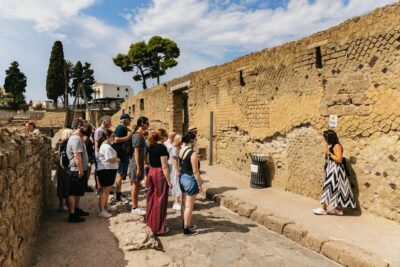
Herculaneum: Skip-the-Line Guided Tour with Archaeologist
Read our review →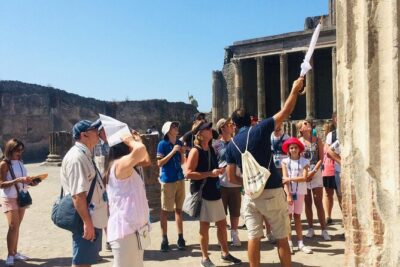
Pompeii and Herculaneum Small Group Tour with an Archaeologist
Read our review →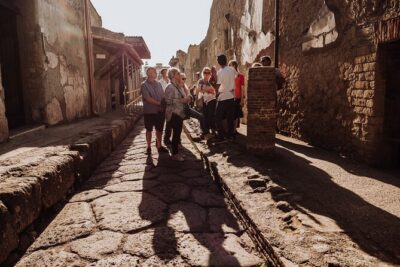
Herculaneum Small Group Tour and Ticket With an Archaeologist
Read our review →
Pompeii & Herculaneum with Archaeologist Guide
Read our review →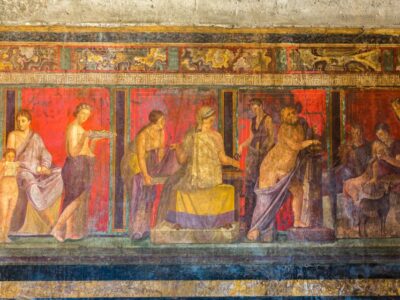
Pompeii, Herculaneum, & Vesuvius Full-Day Tour
Read our review →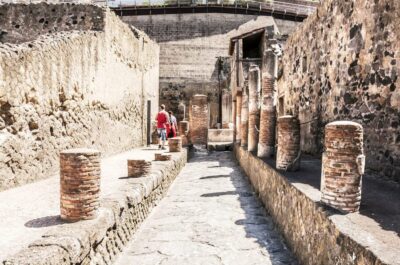
Ercolano: Herculaneum Entry Ticket with Optional Audio Guide
Read our review →
Browse the lists this tour appears in