
Reviewed · HISTORICAL TOURS
Twilight Treasures: An Evening Tour Through Rome’s Rich History
Rome looks different after sunset. This evening walking tour takes you through major fountains at a slower pace than daytime sightseeing, with stories that connect art, politics, and religion as you move from landmark to landmark. I especially like the way the route turns Rome into an easy evening loop, and how the walk centers on the Trevi Fountain without the worst crowds.
Two things I like a lot are the straightforward, short stop timing, and the guide who explains what you’re actually looking at, including how fountain figures tie into biblical references. One possible drawback: like any meeting-point tour, your experience depends on finding the right spot on time, and a few past guests flagged confusion when construction or crowds make it harder to locate the group.
In This Review
- Key Takeaways Before You Go
- Why an evening fountain walk beats daytime Rome
- Price and time value: is $4.59 a real deal?
- Meeting at Piazza della Repubblica: the start point to nail
- Trevi Fountain at dusk: what to focus on in 15 minutes
- Piazza San Bernardo and the Moses fountain moment
- The four-fountain segment: staying oriented on a short route
- Piazza Venezia as your tour payoff ending
- Palazzo del Quirinale: seeing the Presidents home from outside
- What the guides bring: real names, real storytelling
- Walking comfort and weather: dress for Rome, not for your plans
- Who this tour suits best
- The only real risk: finding the group on time
- Should you book Twilight Treasures?
- FAQ
- What time does Twilight Treasures start?
- How long is the tour?
- What is the price per person?
- What language is the tour offered in?
- Where do I meet the guide?
- Where does the tour end?
- Which sights are included?
- Are there admission fees at the stops?
- What is included in the tour price?
- What should I bring or plan for?
Key Takeaways Before You Go
- After-dark pacing keeps the walk calmer than midday Rome
- Trevi Fountain gets a focused stop, not a rushed photo sprint
- Piazza San Bernardo and the Moses fountain add a standout, less-obvious moment
- Small group size (max 30) makes questions easier
- Guides with real storytelling often connect fountains to art, politics, and biblical themes
Why an evening fountain walk beats daytime Rome
Rome’s daytime sightseeing can feel like you’re sharing one giant body with 10,000 other people. This tour flips that. You start at 5:00 pm and spend roughly 1 hour 30 minutes to 2 hours walking, so you get landmarks at a gentler hour when streets tend to be less stressful.
The route is also built for “look, learn, move on.” You’re not stuck at one place for a long time. Instead, you hit a set of fountain stops and key squares, which is ideal if you want Rome’s big icons without spending your whole day in transit and lines.
And yes, the fountains matter here. Rome has plenty of statues and churches to admire, but fountains are where you can see clever symbolism and public power mixed together. This tour uses that idea, so you end up noticing details you’d normally ignore while waiting for the perfect shot.
A few more Rome options to weigh
- Rome in a Day Tour with Vatican, Colosseum and Historic Center
★ 4.5 · 1,042 reviews - Rome Food Tour in the Historic Centre with 8+ Food Tastings
★ 5.0 · 1,000 reviews - Rome: Ancient History and Colosseum Underground Tour
★ 4.5 · 996 reviews
Price and time value: is $4.59 a real deal?
$4.59 per person sounds almost too good to be true, but here’s why it can work out as value. You get a local guide and a professional guide, plus a tight itinerary that focuses on multiple major sights rather than one long stop. The stop entries are listed as free (no paid admission ticket at the tour stops), so you’re mainly paying for the guidance and the walking route.
What you’re not getting is food and drinks. That’s standard, but it matters. If you plan to eat after the tour, set expectations early so you don’t end up hunting down dinner while everyone else is doing the same thing.
Also, don’t confuse “cheap” with “slow.” This is a walking tour with multiple stops, so comfortable shoes help. If you like to linger for 30 minutes per photo, you may feel a bit compressed.
Meeting at Piazza della Repubblica: the start point to nail
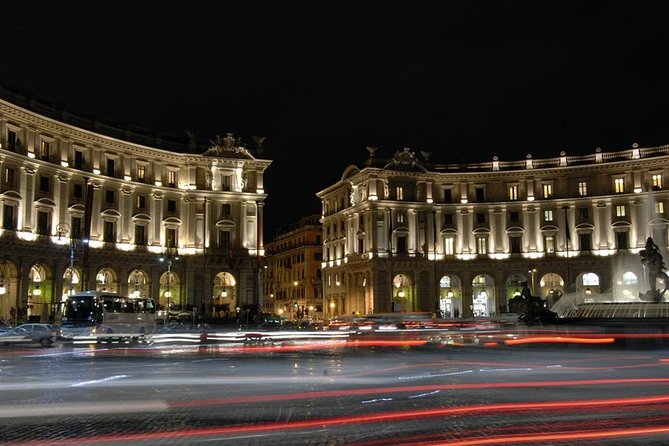
The tour starts at Piazza della Repubblica (P.za della Repubblica, 00185 Roma RM). Your end point is Piazza Venezia, so you’ll finish in a central, easy-to-reach area for your next plan.
Two practical tips. First, arrive a little early. Even small delays in Rome can compound quickly, especially around squares where pedestrians blend into the crowd. Second, keep your phone ready since the tour uses a mobile ticket.
If it’s raining, bring a rain layer and a way to keep your phone dry. The tour operates in all weather conditions, but you should dress appropriately. The upside of an evening walk in drizzle is atmosphere. The downside is slippery pavement, so watch your step.
Trevi Fountain at dusk: what to focus on in 15 minutes
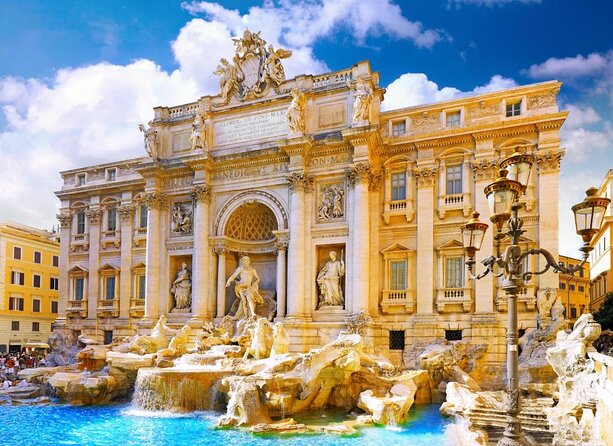
The best-known stop is Trevi Fountain, listed as the biggest fountain of Rome. You get about 15 minutes there, and that time window is the whole point. If you spend the same 15 minutes on your own without context, you might only catch the “wow” face of it. With a guide, you get the “how and why” behind it.
I love that this tour makes Trevi a stop, not just a backdrop. You’re there long enough to slow down, look for symbolism, and understand why this fountain became such a cultural magnet.
A small consideration: Trevi is Trevi. Even in the evening, it can be crowded. Your advantage is the tour’s structure, which helps you avoid the dead time of wandering. You’ll know where to look, what questions to ask, and when it’s time to move on before the area bottlenecks again.
Nearby, and just as well reviewed:
- Vatican: Museums & Sistine Chapel Entrance Ticket
★ 4.5 · 144,003 reviews - Vatican Museums & Sistine Chapel Tour with Optional Basilica
★ 4.3 · 67,413 reviews - Colosseum, Roman Forum & Palatine Guided Tour
★ 4.7 · 63,148 reviews - Vatican Museums, Sistine Chapel & St Peter’s Basilica Guided Tour
★ 4.5 · 39,149 reviews
Piazza San Bernardo and the Moses fountain moment
Next up is Piazza San Bernardo for about 5 minutes, focused on the Moses fountain. This is the kind of stop I really value on a tour like this, because it gives you a break from the most obvious crowds and pushes you toward a detail that feels more specific.
The Moses fountain is a great example of why fountains work as storytelling machines. Figures like Moses bring religious references into public art, and that connection tends to make the whole city feel more layered. A guide can point out how the imagery fits into broader Rome themes, including the intersection of power, faith, and aesthetics.
The 5 minute duration means you won’t see everything in one go. But that’s okay, because the point is to add a sharper contrast to Trevi. You leave with two different kinds of impact: Trevi for scale and fame, Moses for meaning and symbolism.
The four-fountain segment: staying oriented on a short route
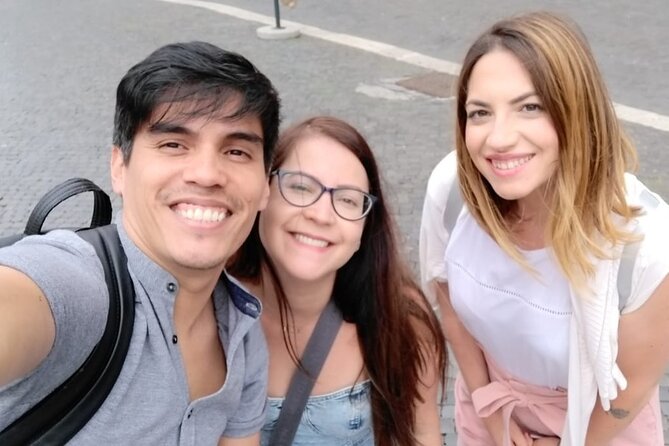
There’s also a stop labeled around 4 fountains, Rome. The exact names aren’t provided here, but the intent is clear: you’ll get a quick cluster segment that links multiple fountain stories.
This is where your mindset matters. Don’t try to memorize everything. Instead, use the segment to build a mental map of how fountains operate across the city. You’re looking for patterns, like recurring themes in sculptural choices, and how the design language signals status and era.
If you want to make the most of this portion, ask one simple question during the stop. Something like, what does this particular fountain figure represent, or why is this style used here. The best guides can turn a quick stop into a lasting memory without eating your time.
Piazza Venezia as your tour payoff ending
The tour ends at Piazza Venezia, with 15 minutes listed at the end. Piazza Venezia is a smart finishing spot because it’s loaded with monuments and it’s easy to branch out from. After you’ve spent the early evening on fountains, you get a more open, landmark-filled square to close out with.
This is also where the story usually clicks. You’ve seen the public face of Rome through water and sculpture, and now you’re finishing near one of the city’s symbolic crossroads. Even if your brain is tired from walking, the change in scenery helps you reset.
Practical thought: plan your next move right after the tour. If you linger for too long right at the end point, you can end up stuck in the same tourist flows you were trying to avoid earlier in the day.
Palazzo del Quirinale: seeing the Presidents home from outside
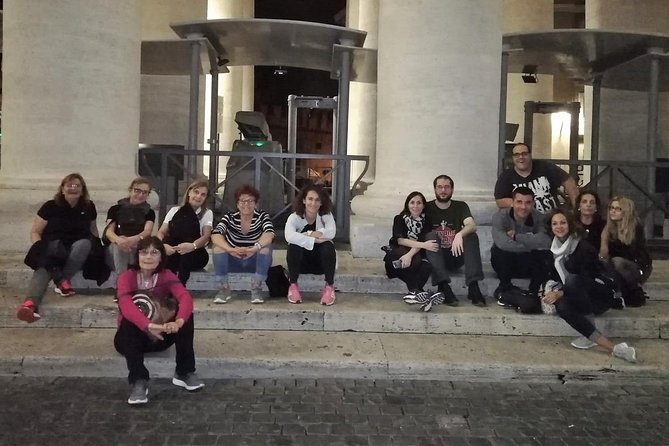
Before you finish at Piazza Venezia, the itinerary includes Palazzo del Quirinale, listed as the home of presidents, with about 15 minutes. You’re not going inside here based on the info provided, but you do get the chance to view the building and absorb its presence in the urban fabric.
This stop pairs well with the fountain theme. Quirinale represents state authority and institutional Rome, while the fountains represent public art and civic messaging. When a guide connects those dots, the city feels less like a museum and more like a living place where politics and culture share the same walls.
If you’re hoping for a specific event like a ceremony, you’ll need to manage expectations since the tour details provided don’t confirm timing. Still, just seeing the palace context at night can add weight to what you learned during the earlier stops.
What the guides bring: real names, real storytelling
The tour listing specifies English and mentions that it’s guided by a local guide and a professional guide. In practice, the biggest difference is how the guide turns stones and statues into something you can explain to someone later.
From the guide names that show up in feedback, I’d expect a mix of styles, including guides such as Ainara, Anna, Camila, Maria, Marco, Carmella, Yousef, Cameel, Mak, and Michael. The consistent thread is not just facts, but how the facts connect: fountain symbolism, architectural details, and even politics and biblical references when they fit the stop.
Small group size also helps. The tour caps at 30 travelers, and that usually means you can ask a question without shouting over the whole sidewalk. If you’re traveling with kids or a history-curious friend, this is a good format for getting answers on the spot.
Walking comfort and weather: dress for Rome, not for your plans
This is a walk. Even though each stop is short, you’re still moving for most of the two hours. Wear comfortable shoes with decent grip.
The tour operates in all weather conditions, so you should treat weather like part of the itinerary. Rain can make stone slippery and squares crowded. Sun can be intense as the evening cools down. Bring the basics: a light rain jacket, a hat or sunglasses if needed, and a charged phone for your mobile ticket.
One more practical note: if you’re sensitive to crowds, focus on staying with the group during the busiest fountain moments. Trevi Fountain especially can become a slow-moving bottleneck. Your guide’s timing helps you avoid standing still in frustration.
Who this tour suits best
This is a strong match if you’re:
- Doing Rome for the first time and want a focused evening intro
- Interested in how art and symbolism show up in everyday streets
- Short on daytime time and want to make your evenings count
- Traveling in a small group and like asking questions while walking
It’s also a nice fit for families, since the route is short-stop focused and the guide can answer questions as you go. If you are the type who likes to read museum labels, you’ll probably enjoy this format too, because the guide acts like a living label.
If you hate walking after dark or you need long seated breaks, you might feel squeezed. The upside is you can always slow down slightly on your own feet, but the itinerary is designed to keep the group moving.
The only real risk: finding the group on time
Most things about this tour depend on your timing and location. The start is Piazza della Repubblica, and the end is Piazza Venezia. If you’re late or stuck in construction traffic, you can miss the window where the group is forming.
Also, there have been mentions of delayed communication and meeting point confusion in some cases. That doesn’t mean it will happen to you, but it does mean you should be proactive. Give yourself buffer time, use your phone to confirm you’re at the correct spot, and if needed use the provided contact path rather than relying on chat alone.
The tour’s other logistics like operating in all weather and using a mobile ticket reduce friction. The main “human variable” is always meeting the group, so treat that as the one job you must do perfectly.
Should you book Twilight Treasures?
I think you should book this tour if you want an evening that feels efficient, story-driven, and different from the standard daytime Rome script. The biggest reasons are the fountain focus with a short, manageable time commitment, and the chance to understand what you’re seeing instead of just snapping photos and moving on.
Skip it if you want a slow, linger-and-explore style day, or if you know you struggle with meeting points and tight start times. Also, if you’re allergic to walking, this probably won’t feel relaxing.
Bottom line: for the price and the way the stops are designed, this is a smart “Rome by night” choice. You’ll get a calmer atmosphere, plus clear context for fountains that are otherwise easy to overlook for more famous sights.
FAQ
What time does Twilight Treasures start?
The tour starts at 5:00 pm.
How long is the tour?
It runs about 1 hour 30 minutes to 2 hours.
What is the price per person?
The price is listed as $4.59 per person.
What language is the tour offered in?
The tour is offered in English.
Where do I meet the guide?
You meet at Piazza della Repubblica (P.za della Repubblica, 00185 Roma RM, Italy).
Where does the tour end?
The tour ends at Piazza Venezia, Roma RM.
Which sights are included?
Key stops include Trevi Fountain, Piazza San Bernardo (Moses fountain), a stop labeled 4 fountains, Rome, and Palazzo del Quirinale. The tour ends at Piazza Venezia.
Are there admission fees at the stops?
The itinerary lists Admission Ticket Free for the stops.
What is included in the tour price?
It includes a local guide and a professional guide.
What should I bring or plan for?
Plan for walking, and dress appropriately since it operates in all weather. Food and drinks are not included, and tips are not included.
Latest reviews around Rome
- Guided Walking Tour of Rome: Top Sights & Baroque Treasures★ 5.0 · 155 reviews
- Rome at Night: Small Group Guided City Walking Tour★ 5.0 · 249 reviews
- Private Walking Tour of the Squares and Fountains in Rome★ 5.0 · 130 reviews
- Rome Food Tour by the Vatican★ 5.0 · 308 reviews
- Vintage Fiat 500 Cabriolet: Rome’s Highlight Semi Private Tour★ 5.0 · 283 reviews
- Welcome To Rome Experience★ 4.5 · 679 reviews
- Vespa Rental in Rome 24 hours★ 5.0 · 196 reviews
- Vatican VIP Early Entrance 8:00 AM★ 4.5 · 141 reviews
Historical Tours, compared.
St. Mark Basilica Ticket, Audioguide+History Gallery
Read our review →
Venice’s Best: Basilica, Doge’s Palace, Gondola & History Gallery
Read our review →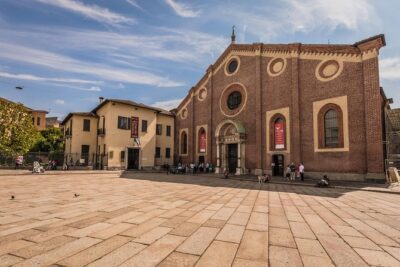
Historic Milan Tour with Skip-the-Line Last Supper Ticket
Read our review →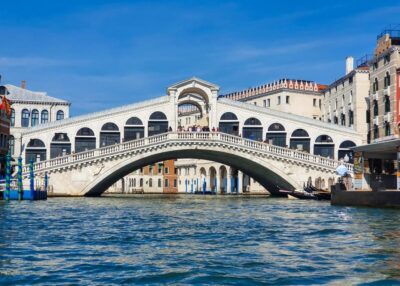
Rome in a Day Tour with Vatican, Colosseum and Historic Center
Read our review →
Rome Food Tour in the Historic Centre with 8+ Food Tastings
Read our review →Browse the lists this tour appears in