
Reviewed · GOLF CART SIGHTSEEING TOURS
Rome: City Highlights Golf Cart Tour with Local Guide
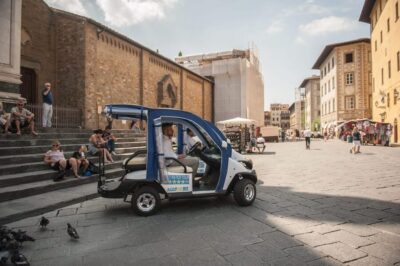
Rome is loud, crowded, and full of history. This 90-minute electric golf cart tour gives you the big sights with less foot pain and more big-photo moments. I like that it keeps things small-group and runs on headset narration, so you stay oriented as you bounce between landmarks.
Two things I especially like: you get to see major monuments without spending hours in lines, and you hear practical architectural and historical context from English-speaking local guides (names like Leo, Amber, Claire, Marco, and Yuri come up often in the tour’s feedback). The carts also let you cover more ground than walking, while still getting close enough to enjoy the vibe of street-level Rome.
One drawback to plan for: this is an express “highlights” format, so entrance tickets aren’t included, and you won’t go inside the major sites like the Colosseum or the Pantheon. You’ll still get photo stops and short walks, but it is not a full archaeological visit.
In This Review
- Key Highlights Worth Matching Your Expectations
- Why the Electric Golf Cart Tour Works in Rome
- Getting Started at Via Monterone, 19 (and Finding the Office)
- How the Small Group Setup Changes Your Experience
- Pantheon Stop: More Than a Photo, Less Than a Ticket Line
- Piazza Colonna to Trevi Fountain: Where Rome Gets Cinematic
- Piazza Venezia and the Altar of the Fatherland View
- Colosseum Stop: Stories From the Outside
- Circus Maximus, Teatro Marcello, and Largo Argentina
- Piazza Navona Finish: Four Rivers Fountain and Easy Next Steps
- What the Tour Feels Like: Pace, Photos, and Listening
- Value Check: Is $71 Worth It for 90 Minutes?
- Who Should Book This Tour (and Who Might Want Something Else)
- Should You Book This Electric Golf Cart Highlights Tour?
- FAQ
- How long is the Rome city highlights golf cart tour?
- What does the tour cost?
- Is the tour guided in English?
- Does it include entrance tickets to attractions?
- Where do I meet and where does the tour end?
- Is it wheelchair accessible?
Key Highlights Worth Matching Your Expectations
- Electric golf carts that reach close to monuments when cars can’t go, so you spend less time stuck in bottlenecks.
- Headsets for the same English guide across up to two carts, which keeps the story coherent even in traffic.
- Pantheon stop with architectural focus like the huge unsupported dome and what it symbolized.
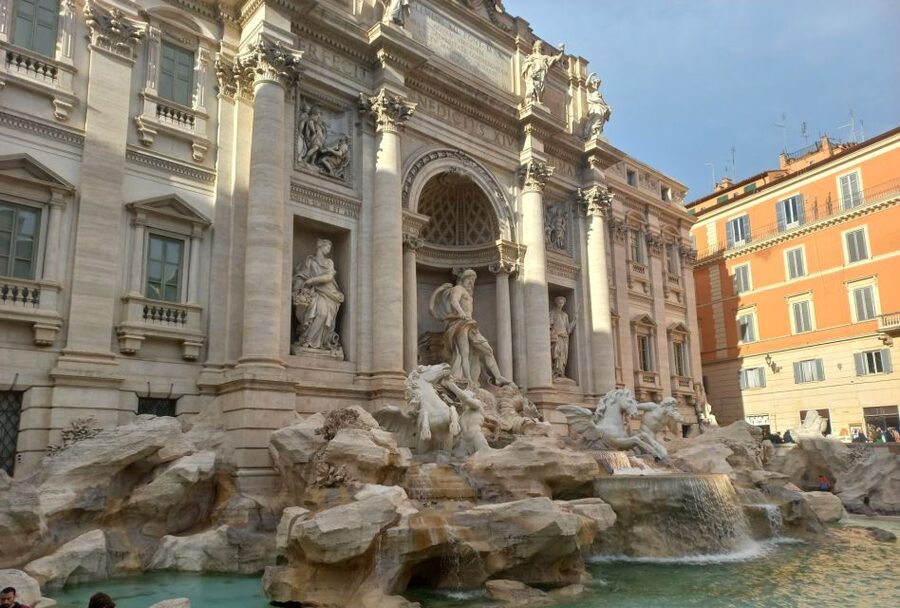
- Trevi Fountain coin tradition plus time for photos along Via del Corso.
- Colosseum and Circus Maximus viewpoints with stories that help you picture what you’re seeing from the outside.
- Piazza Navona finish near Bernini’s Four Rivers Fountain for an easy landing after your 90 minutes.
Why the Electric Golf Cart Tour Works in Rome
Rome can be a physical challenge fast. Between cobblestones, long distances, and crowds, you can lose an entire day just moving from one “must-see” to the next. This tour is designed for the opposite problem: it compresses the essential stops into a short ride so you can actually enjoy your day.
You’ll appreciate the small-group setup, because the guide can keep everyone together and you can hop off for photos without turning it into a stampede. And because you listen through headsets, the guide can keep talking while you’re rolling, which means you don’t miss the good parts while traffic slows you down.
The vibe is also less stressful than a self-guided sprint. You still do your own photos, but someone local is constantly connecting the dots, so the monuments feel less like random postcards.
More golf cart circuits in Rome:
- Rome by Golf Cart Private Tour: Beyond the Landmarks
★ 5.0 · 4,361 reviews - Rome on a Golf Cart Semi-Private Tour Max 6 with Private Option
★ 5.0 · 2,502 reviews - Rome Highlights by Golf Cart Private Tour
★ 5.0 · 2,379 reviews
Getting Started at Via Monterone, 19 (and Finding the Office)
The meet-up point is in the city center at Via Monterone, 19, inside the office near the glass doors. The street is shaped like an L, and you’re on the section by Via di Torre Argentina. That matters because it reduces the “where are we?” chaos that happens with popular pickup spots.
Once you’re inside, you’ll get your headset and you’ll link up with your group. The tour runs with a maximum of 14 participants, and there are up to two vehicles working together. If both carts are in use, they travel together like connected train carriages, with everyone listening to the same guide.
If you’re worried about hearing clearly, here’s the practical tip: stay relatively close to your guide’s cart transmitter. One person noted that when the group split between carts and distance got bigger, it could get harder to hear. It’s an easy fix, just use the moment early to position yourself where you’ll get clear audio.
How the Small Group Setup Changes Your Experience
This is not a huge bus tour. Each vehicle has 7 seats, so your time on the cart feels personal rather than factory-made. That small size also makes photo stops smoother, because you can usually step off, grab your shot, and step back on without blocking everyone behind you.
There’s also a real value in the “express” pacing. In 1.5 hours, you won’t see everything, but you will see the landmarks that help you plan the rest of your trip. I like doing this on the front end of a Rome visit, because it gives you a mental map and a shortlist of what deserves a second, slower visit.
For mobility needs, the carts can get close to top monuments, and the route is built to reduce walking stress. Still, the tour can’t stop right in front of every monument, so you should expect short walks. Wheelchair users leave the chair at the office during the tour, and you’ll need to be able to get on and off without staff assistance.
Pantheon Stop: More Than a Photo, Less Than a Ticket Line
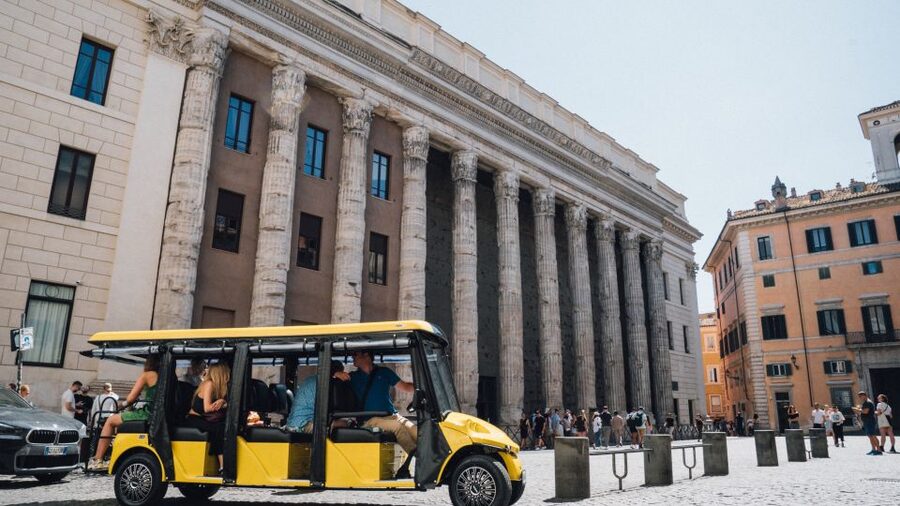
Your first major stop is the Pantheon. You’ll have time for a photo stop and guided sightseeing while you’re there. This is one of the easiest places to “see it and feel the scale,” even from the outside, because that dome does most of the talking.
The guide focuses on architectural trivia, including the Pantheon being built to honor all the Roman deities and the dome being the largest unsupported one in the world. Even if you’re not an architecture nerd, this kind of quick context turns a familiar landmark into something you can actually understand at a glance.
Practical tip: plan to bring your best “wide shot” mindset. The Pantheon looks best when you can capture its vertical mass and the front area together. Take one quick overview photo, then another closer frame, so you don’t rely on just one angle.
A few more Rome options to weigh
- Vatican: Museums & Sistine Chapel Entrance Ticket
★ 4.5 · 144,003 reviews - Vatican Museums & Sistine Chapel Tour with Optional Basilica
★ 4.3 · 67,413 reviews - Colosseum, Roman Forum & Palatine Guided Tour
★ 4.7 · 63,148 reviews - Vatican Museums, Sistine Chapel & St Peter’s Basilica Guided Tour
★ 4.5 · 39,149 reviews
Piazza Colonna to Trevi Fountain: Where Rome Gets Cinematic
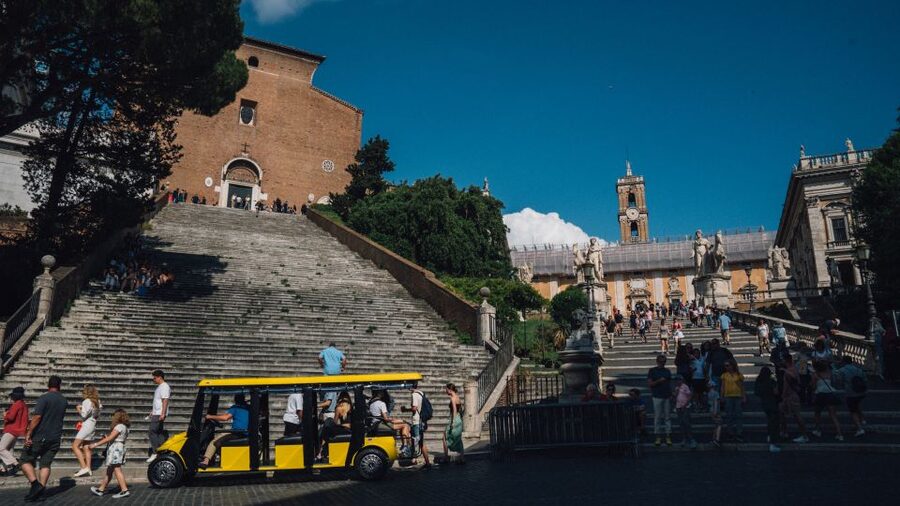
After the Pantheon area, the tour continues through the central core with a photo stop at Piazza Colonna. It’s a good reset point, because it’s open enough to breathe and see how the streets channel people toward the bigger sights.
Next comes Trevi Fountain, where you’ll get the classic coin toss moment. The tradition here is specific: throw a coin into the water over your left shoulder. You’ll also be in the right mindset to appreciate the scale and detail because the ride lets you slow down right where the crowd energy peaks.
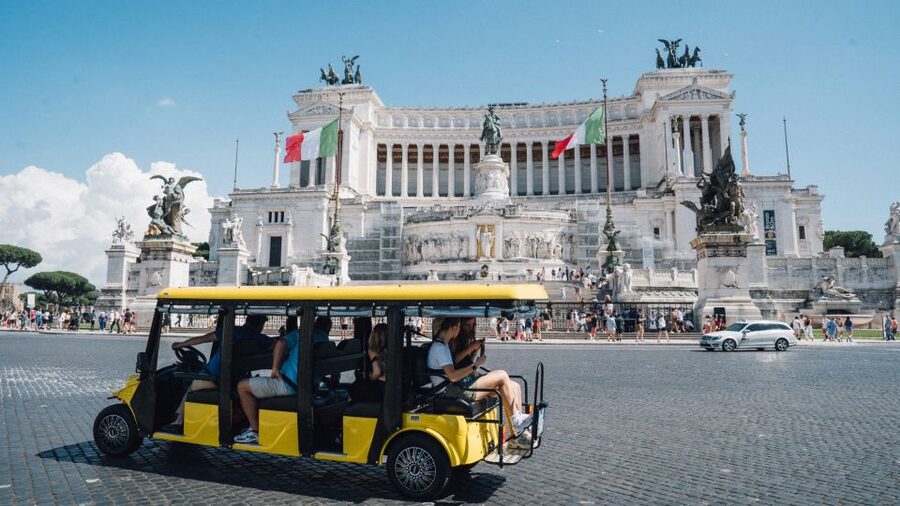
You’ll drive via Via del Corso, a renowned shopping street, which helps you understand where the city’s “main character energy” runs. Then you reach Piazza Venezia to admire the Altar of the Fatherland, a national monument tied to Victor Emmanuel II.
If you’re sensitive to crowds, this is still busy territory, but the cart gets you into the action without forcing you to walk every step through the densest lanes.
Piazza Venezia and the Altar of the Fatherland View
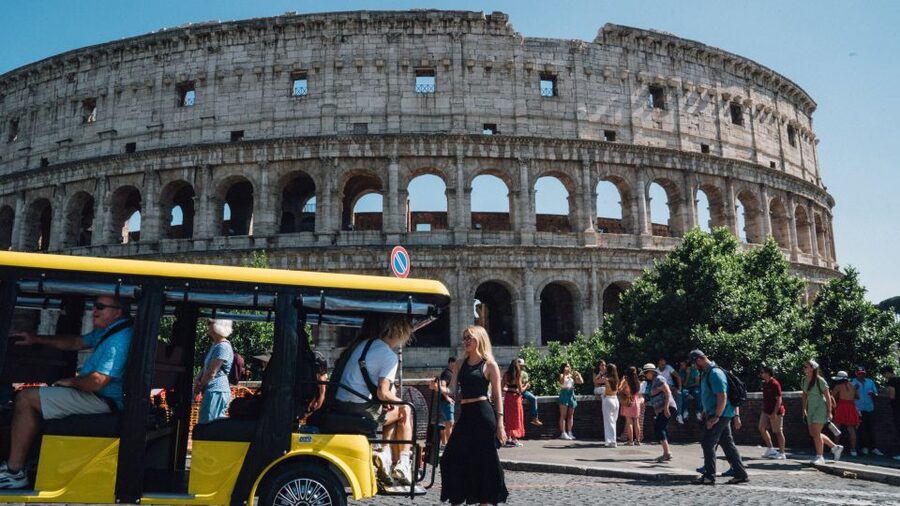
This stop is a classic Rome moment: monument, wide view, and a sense of how the city uses big public spaces. The Altar of the Fatherland is a national monument dedicated to Victor Emmanuel II, and having it as a photo stop is smart because it connects Roman identity to Italian unification history.
You’re not going inside here, but that’s fine for an express tour. You’ll get enough to understand why the structure dominates the skyline and why people keep pulling out phones to shoot it from specific angles.
Practical tip: if you’re with a camera, take one photo from slightly farther back first. Then move closer for details, like inscriptions or the massing of the platforms. Trevi and the Colosseum are detail-heavy too, so this stop helps you break up your visual routine.
Colosseum Stop: Stories From the Outside
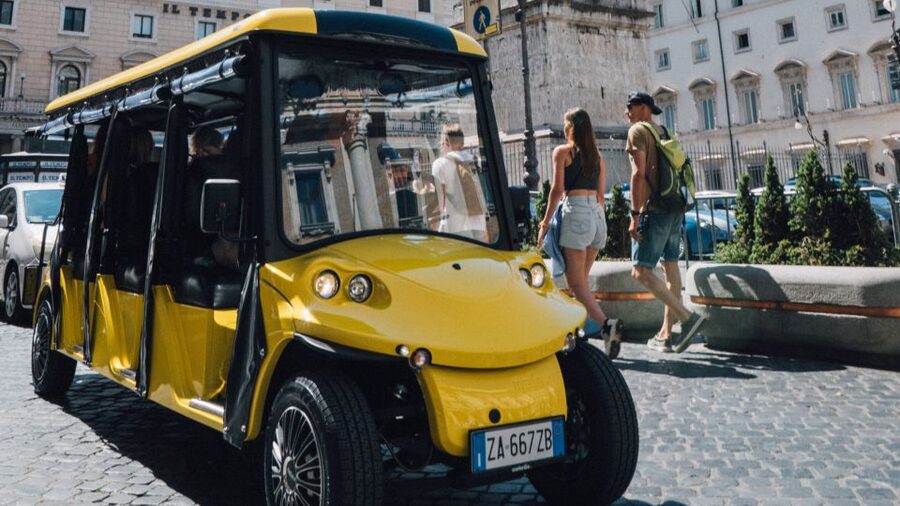
The Colosseum is next, and this is the big one for many people. You’ll have a guided photo stop and storytelling while you’re there, with time to look around the exterior area. Because entrance tickets aren’t included, this is about understanding what you’re seeing rather than walking the interior corridors.
The guide’s narrative connects the Colosseum to the spectacle of gladiators and the kinds of people who would pay to watch fights. That framing matters. Without context, the Colosseum is impressive but vague. With context, you start imagining the space as a crowd machine.
If you already plan to visit the Colosseum interior later, this stop still helps. It gives you the orientation you’ll need so the second visit feels purposeful, not like guesswork.
One more practical note: keep your expectations realistic. The Colosseum can be surrounded by people. You’ll get a good look, but this is not a private moment.
Circus Maximus, Teatro Marcello, and Largo Argentina
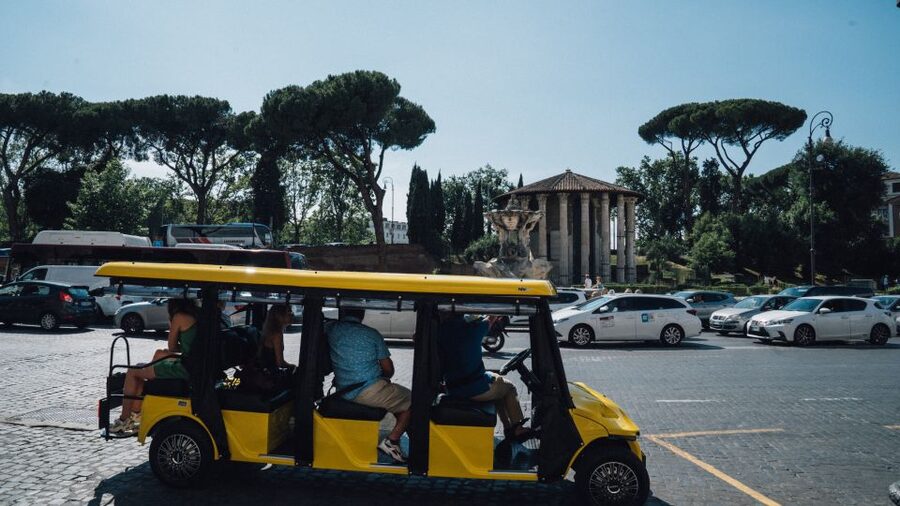
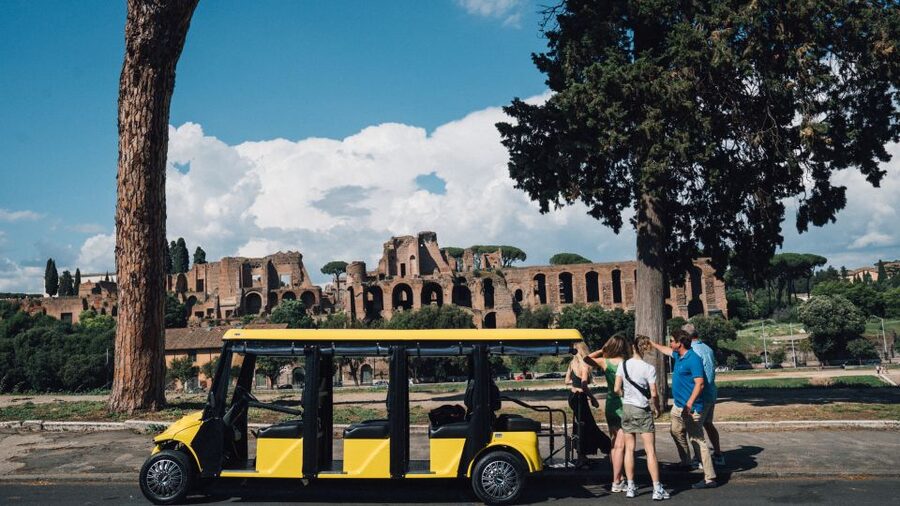
Next up is Circus Maximus, a site you might not think about until you see it. The tour includes a visit and guided talk, which helps you place it historically without requiring a ticketed museum experience.
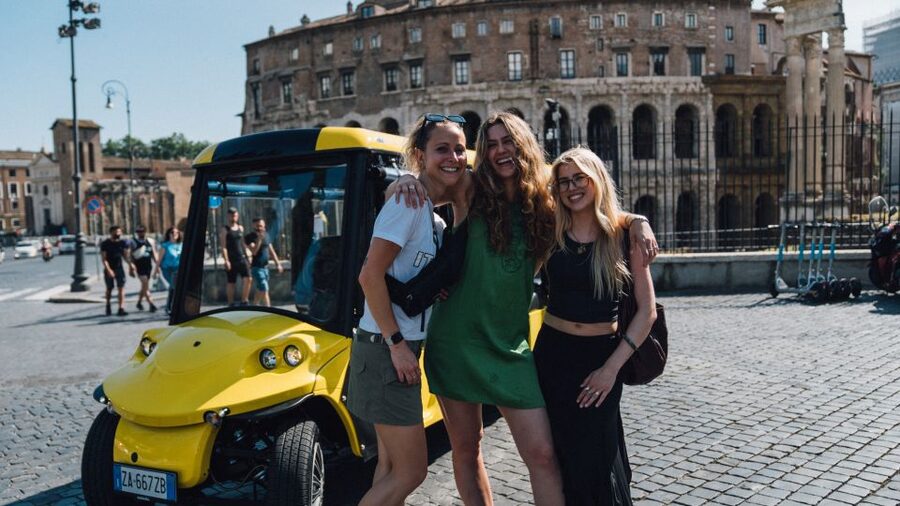
Then you head to the Theatre of Marcellus (Teatro Marcello). This is an ancient theater dating back to the first century BC, and it’s a beautiful stop because you can see how classical architecture blends into modern street life. It’s also a great place for photos that feel less “tour bus” and more “Rome in real use.”
From there, the route includes Largo Argentina, tied to Julius Caesar’s assassination. The guide explains the story as you visit the square area, turning a well-known name into something you can picture on the ground.
If you like learning bits you can reuse later, this sequence delivers. It takes you from massive entertainment venues to smaller, quieter remnants tied to political drama.
Piazza Navona Finish: Four Rivers Fountain and Easy Next Steps
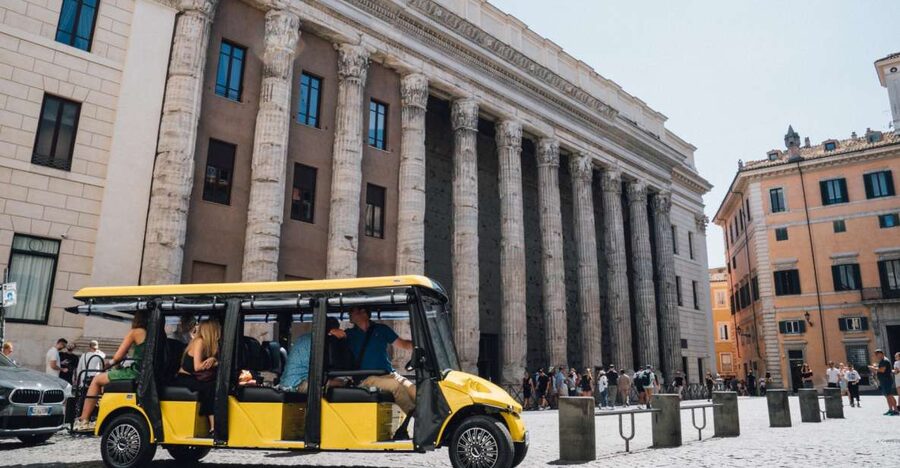
Your tour ends at Piazza Navona, finishing at Piazza Navona, 11. You’ll get a photo stop and guided sightseeing here, and the standout is Bernini’s Fountain of the Four Rivers.
This is a smart ending point because Piazza Navona is lively in a human scale way. After 1.5 hours of narration and stops, you’re dropped into a place where you can keep exploring on your own without needing to transfer anywhere.
Also, this finish location is useful for practical planning. If you want gelato, a final espresso, or a last museum-turned-church style stop nearby, Piazza Navona gives you options. It’s a clean cap to an efficient route.
What the Tour Feels Like: Pace, Photos, and Listening
The whole tour works because the pace is tuned for real sightseeing. You’re not stuck on a long, slow ride with no information. Instead, you stop enough to absorb each landmark, then move on before the day’s energy collapses.
Most people appreciate the “hop off” rhythm for photos. One theme that keeps showing up in feedback is that guides bring the stops to life, and the better ones keep it fun while staying accurate. You might meet guides such as Leo, Amber, Claire, or Marco, and the common thread is upbeat storytelling that helps you remember what mattered.
The audio system is a big part of that. The guide speaks through an earpiece setup, so you don’t have to crane your neck or compete with street noise. Just remember the distance thing if your group is split between two carts.
Value Check: Is $71 Worth It for 90 Minutes?
At $71 per person for a 1.5-hour highlights loop, the value comes from what you avoid. You’re paying to reduce walking time, cut down on navigation stress, and get context without needing to buy multiple attraction tickets on the spot.
The tour does not include entrance tickets, so if your main goal is inside-the-Colosseum or inside-the-Pantheon time, you should plan those separately. But for an overview that helps you decide what to book next, this is often money well spent.
Think of it as an orientation pass plus photo access. If you have limited time, you want maximum “Rome impact” per hour. This tour delivers that, especially when you’re visiting during hot weather or when your feet are already tired from previous days.
Who Should Book This Tour (and Who Might Want Something Else)
This golf cart tour is a strong fit for:
- First-timers who want the essential monuments in one short outing
- People who prefer guided context over map navigation
- Anyone who wants fewer steps, especially for mobility concerns
- Families with kids who need a less exhausting format, since it’s still structured and stops are frequent
It may be less ideal if:
- You want deep museum time or interior access, since entrance tickets are not included
- You dislike any group format or you prefer one-hour-at-a-time independence without stops
- You want a slow, detailed archaeology lesson rather than a high-impact overview
If you’re deciding between this and a ticket-heavy day, I’d treat this as the “make Rome click” activity. Then use your second day for the big interiors and neighborhoods you love most.
Should You Book This Electric Golf Cart Highlights Tour?
Yes, I’d book it if you’re prioritizing efficiency and guided context over ticketed entry. The combination of small group size, headset narration, and a route that hits Pantheon, Trevi, Piazza Venezia, the Colosseum area, and Piazza Navona makes sense when you have only a day or two.
Book it especially if you want an easy way to get oriented fast, because you’ll leave with a clearer sense of where things are and what’s worth a return visit. Just go in knowing it is an express highlights tour, so the payoff is understanding and photo access, not inside-the-sites depth.
FAQ
How long is the Rome city highlights golf cart tour?
It lasts about 1.5 hours.
What does the tour cost?
The price is $71 per person.
Is the tour guided in English?
Yes, it includes a live English tour guide, and you’ll receive headsets to hear the narration.
Does it include entrance tickets to attractions?
No. Entrance tickets are not included.
Where do I meet and where does the tour end?
Meet inside the office at Via Monterone, 19. The tour finishes at Piazza Navona, 11.
Is it wheelchair accessible?
Yes, it is listed as wheelchair accessible. The carts can get close to major monuments, but you may need short walks, and wheelchair users are asked to leave the chair in the office at the meeting point during the tour.
Latest reviews around Rome
- From Rome: Hadrian’s Villa & Villa d’Este Day Trip & Lunch★ 4.5 · 157 reviews
- Rome: Painting Class with Unlimited Wine★ 4.8 · 109 reviews
- Vatican City: Sistine Chapel, Museums, Basilica Private Tour★ 4.8 · 158 reviews
- Pope Leo XIV Audience Tour with Local Guide★ 3.3 · 111 reviews
- Rome: The Three Tenors at St. Paul’s Church Concert Ticket★ 4.7 · 699 reviews
- Vatican Museums & Sistine Chapel Skip-the-Line Guided Tour★ 4.6 · 254 reviews
- Rome: St. Peter’s Basilica and Papal Tombs Guided Tour★ 4.6 · 477 reviews
- St. Peter’s Dome Climb, Basilica and Vatacombs Tour★ 4.7 · 230 reviews
Golf Cart Sightseeing Tours, compared.
Rome by Golf Cart Private Tour: Beyond the Landmarks
Read our review →
Rome on a Golf Cart Semi-Private Tour Max 6 with Private Option
Read our review →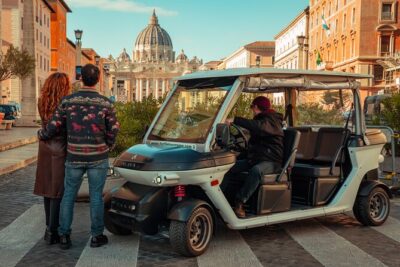
Golf Cart Tour to Fiesole Roman Theatre and Museum
Read our review →
Eco-Friendly Golf Cart City Tour with Audio Guide
Read our review →
Browse the lists this tour appears in