
Reviewed · WALKING TOURS
Syracuse: Ortigia and Neapolis Guided Walking Tour
Syracuse packs a lot into just 3 hours. You get Neapolis with its big Greek and Roman landmarks, then you cross over to Ortigia, the lime-white island where the city’s religious and architectural layers show up in plain sight.
What I like most is the way the tour connects the monuments you see to the ideas behind them, especially the link between the Temple of Athena and today’s Cathedral of Syracuse. I also love the small-group feel, plus the included headsets, so you can actually hear the stories as you walk. One thing to watch is that entrance fees to the monuments are not included, so you will want to plan for those extra costs.
In This Review
- Key highlights you will actually care about
- Why Syracuse feels different: Neapolis theaters and Ortigia in one walk
- Price and value for a group up to five
- Meeting point and pacing: what the 3-hour tour structure means
- Stop 1 options: where you begin inside Neapolis
- Temple of Athena plus the Cathedral of Syracuse: the architectural payoff
- The walk that links past and present: labyrinth streets and Ortigia’s feel
- Neapolis Archaeological Park highlights: Greek Theater, Roman Amphitheater, and viewpoints
- Greek Theater views
- Roman Amphitheater
- Paradise Latomia and the Ear of Dionysos: stops with strong atmosphere
- What you should do during these stops
- Guides, headsets, and why Q and A feels easier here
- What to bring and how to keep the day comfortable
- Who this tour suits best
- Should you book this Syracuse: Ortigia and Neapolis guided walking tour?
- FAQ
- Are entrance fees included in the tour price?
- How long is the Syracuse: Ortigia and Neapolis guided walking tour?
- Where does the tour start and end?
- Is the tour a private group?
- Does the guide provide headsets?
- What languages is the tour offered in?
- What should I bring?
- What is included and what is not?
- Can I cancel for a refund?
Key highlights you will actually care about
- Temple of Athena and Cathedral connection: you learn how pagan and Christian sacred spaces overlap in the same place.
- Two ancient theaters in Neapolis: you see the Greek Theater and the Roman Amphitheater, plus viewpoints from the park.
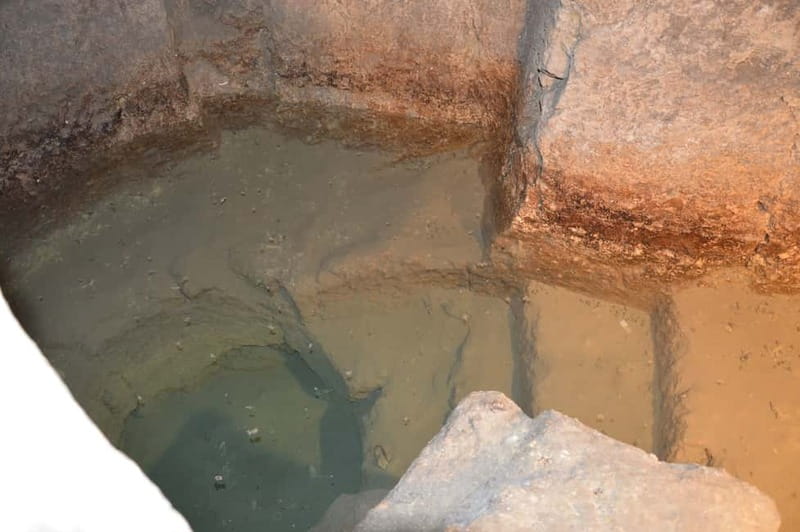
- Ear of Dionysos and Paradise Latomia: you get specific stops, not just general wandering.
- Ortigia street-walk: you follow the older layout and hear how the island shaped Syracuse’s identity by the sea.
- Small group with licensed guide and headsets: easier pacing, better Q and A, and you do not have to fight for sound.
Why Syracuse feels different: Neapolis theaters and Ortigia in one walk
Syracuse is the kind of place where you can look at a single building and feel multiple eras pressing against each other. This tour is designed to show you that effect quickly, without turning it into a long bus day.
You start on the Neapolis side, where the ruins feel formal and monumental. Then you move to Ortigia, where the atmosphere turns more human scale, with narrow streets and the kind of sea-facing views that help ancient stories make sense. The whole point is that you are not just looking at stones. You are learning why they were built where they were built.
You also get a practical advantage: the itinerary is focused. In three hours you hit the major anchors, rather than trying to cram every corner of Syracuse into one afternoon.
More Walking Tours in Sicily
- Syracuse: Street Food Walking Tour in Ortigia with Tastings
★ 4.9 · 293 reviews - Syracuse: Ortigia Private Walking Tour
★ 4.8 · 181 reviews - Syracuse: Ortigia Classic Walking Tour
★ 4.7 · 167 reviews
Price and value for a group up to five
The price is $317.20 per group for up to five people. That can sound steep if you compare it to solo entry tickets, but walking with a licensed guide is where you start to see the value.
Here is the math in plain terms:
- If you fill the group with 5 people, the cost per person drops a lot.
- If you go with 2 to 3 people, it is still often worth it if you care about interpretation, not just photos.
A couple value notes that matter on the ground:
- You get skip the ticket line, which can save time at the park entrance.
- The tour includes headsets, so you are not constantly asking people to repeat themselves while walking through busy areas.
- You are not paying for private transport or hotel stops, since the tour ends back at the meeting point.
Main caution: entrance fees are not included, so budgeting for the park and monuments is part of the real cost.
Meeting point and pacing: what the 3-hour tour structure means
The tour meets at Biglietteria Parco Archeologico Neapolis, Via Luigi Bernabò Brea, 96100 Siracusa. The guide meets you at the ticket office with a sign for the local partner.
Your duration is listed as 3 hours, and the itinerary includes a 30-minute guided segment at the Temple of Athena area. That time split is important. It signals that you are getting more than a quick stop-and-snap moment at the highlights.
Expect a pace that works for most people with comfortable shoes. The route includes walking through older streets, plus museum-park paths. If you are slower on your feet, it helps to tell the guide early, and you can usually adjust how long you linger at viewpoints.
One more practical detail: the tour is offered as a private group with a live licensed guide, and multiple language options are available (more on that below). That setup makes asking questions feel natural, not like you are interrupting.
Stop 1 options: where you begin inside Neapolis
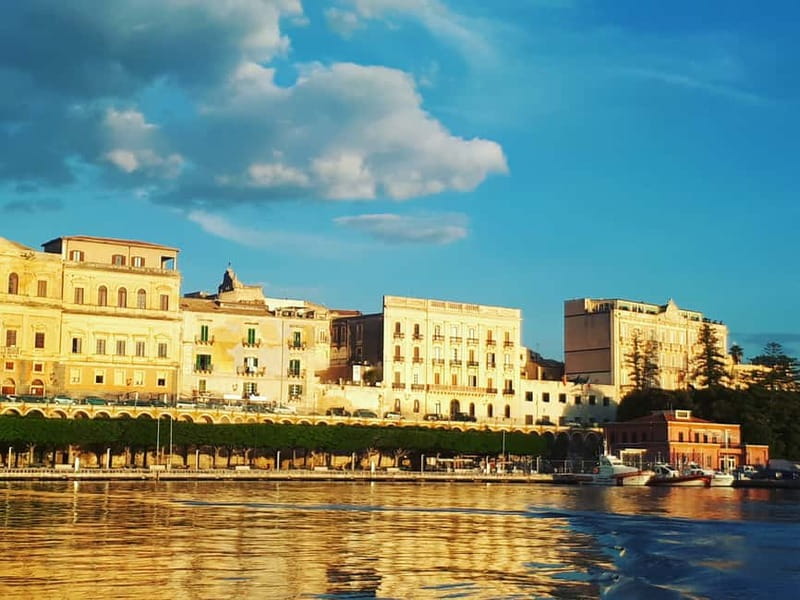
You have two possible start locations depending on the chosen option:
- Biglietteria Parco Archeologico Neapolis
- Tempio di Apollo
Either way, you are beginning inside the Neapolis zone, which is smart. It means you are not spending your first part of the tour commuting from far away. You also get your bearings quickly, because the park layout helps you understand how the city organized sacred and public space.
If you want an easy mental frame, use this: Neapolis is where the Greeks built their public face, and it shows in the theaters and religious sites. Then Ortigia is where that identity feels lived in, with streets and sea light doing their work.
A few more Syracuse options to weigh
- Syracuse: Highlights of Ortigia Guided Walking Tour
★ 4.2 · 136 reviews - Milan: Guided Walking Tour & Last Supper Visit with Ticket
★ 4.7 · 5,409 reviews - Naples: Street Food Walking Tour with Local Guide
★ 4.8 · 4,256 reviews - Venice Walking Tour and Gondola Ride
★ 3.5 · 3,630 reviews
Temple of Athena plus the Cathedral of Syracuse: the architectural payoff
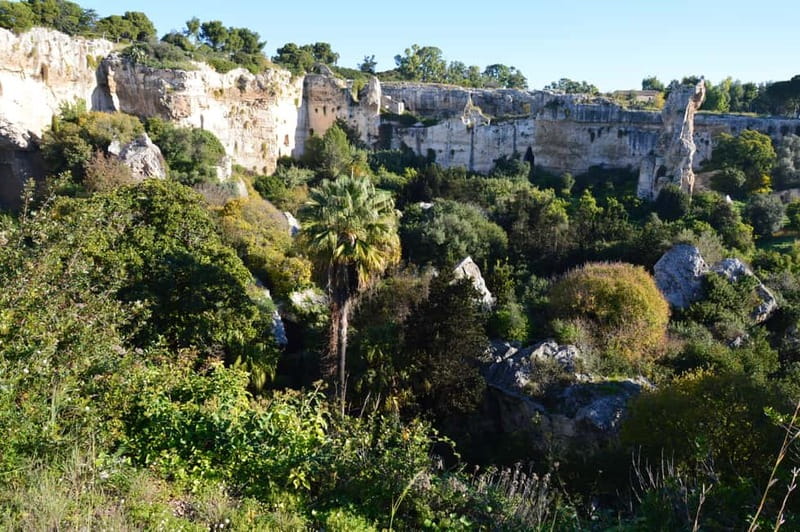
The tour’s next big anchor is the Temple of Athena area. You get a photo stop plus a guided tour there for about 30 minutes.
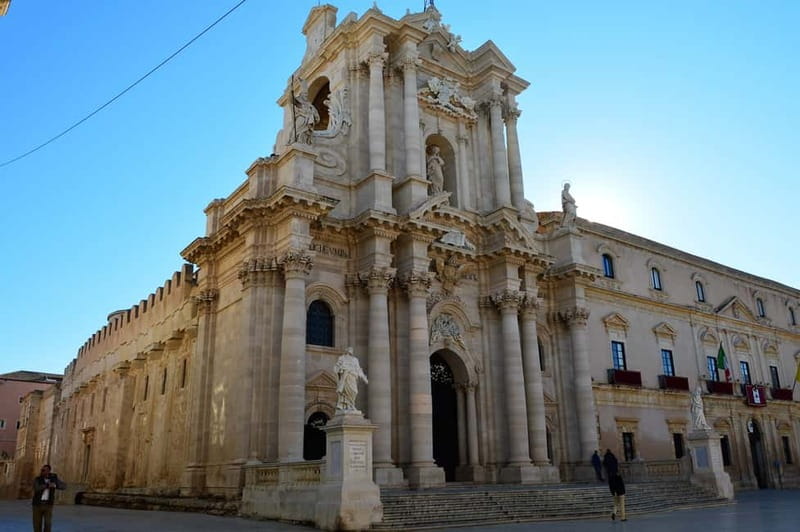
This is the moment where the tour earns its keep. The Cathedral of Syracuse famously incorporates the Temple of Athena, so you are standing in a place where the sacred function changed over time, without the location losing its importance.
You should pay attention to how your guide explains the mix of architectural styles. Even without being an architecture nerd, you will start to notice that old and new built into each other, like layers of a story. That is why the tour makes sense even if you are not chasing every ruin detail.
Another tip for this stop: bring your curiosity. Ask how and why a temple could become a cathedral, and what people gained by keeping the same sacred spot. With the headsets and the private-group setup, you can actually get your questions answered in real time.
The walk that links past and present: labyrinth streets and Ortigia’s feel

After Neapolis, you move to Ortigia, and the tour includes time to enjoy a guided walk through the labyrinth of ancient streets.
This part matters because Ortigia is where Syracuse’s history starts to feel human. The streets are not just scenery. They help you imagine movement, markets, religious life, and everyday navigation in an ancient port city.
You also get the sense of the island as a Mediterranean outpost. Syracuse was a power on the sea, and your route gives you repeated reminders of that strategic location. Even if you only have a short time in the city, the guide’s threading of stories makes the geography do more work.
One practical note from real-world timing: the tour structure connects Ortigia and Neapolis, and you should be prepared for a short local transfer as needed to keep the schedule tight. The tour keeps the day simple, but it is not purely one long foot-only march.
Neapolis Archaeological Park highlights: Greek Theater, Roman Amphitheater, and viewpoints
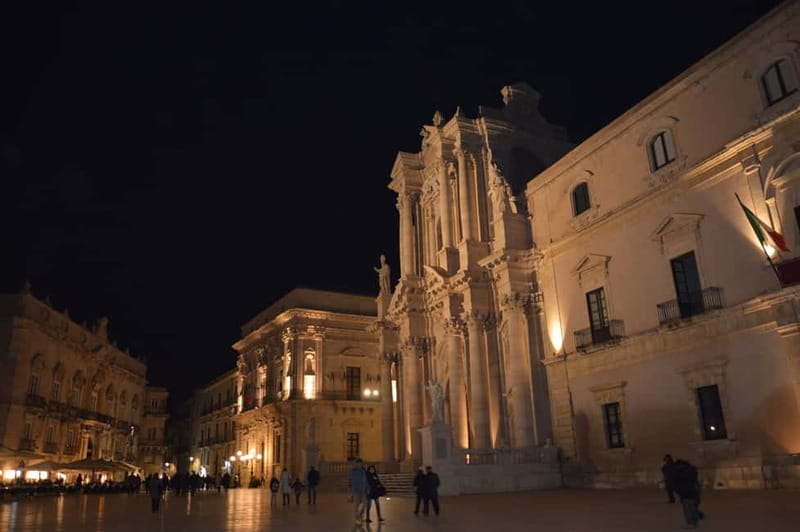
Now the park really flexes. This tour focuses on key Neapolis stops, including two ancient theaters and major features around the park.
Greek Theater views
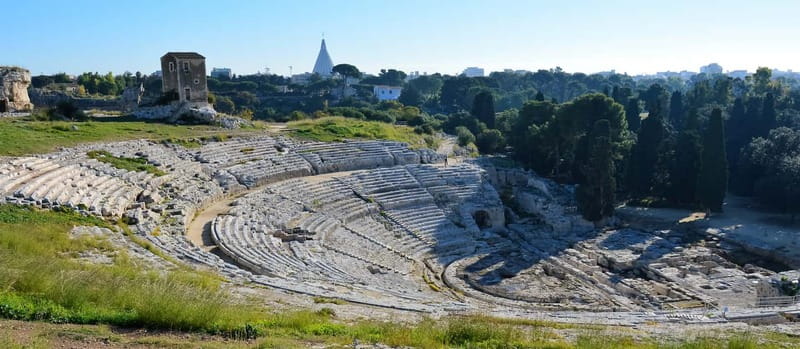
You visit the area where you can enjoy views toward the Ionian Sea from the Greek Theater. The viewpoint is not just for postcards. It helps you understand why theater and power went together. In ancient Greek cities, the theater was a public stage, and the sightlines mattered.
When you stand in that theater space, you will likely understand what your guide is pointing out about how people gathered and how the city projected its identity.
Roman Amphitheater
The tour also includes the Roman Amphitheater. Romans inherited and reshaped Greek urban space, and this is a clear visual example of that transition. You do not need a handbook to appreciate the difference, especially once your guide puts it into context for you.
The big value here is that you are not seeing theaters in isolation. You are seeing how Syracuse changed its public life over time.
Paradise Latomia and the Ear of Dionysos: stops with strong atmosphere
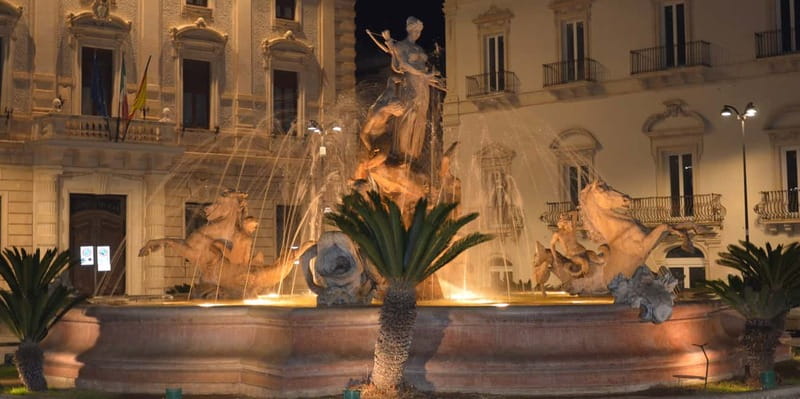
The itinerary continues to the Archeological Park and specifically calls out:
- Paradise Latomia
- Ear of Dionysos
These are the kinds of sites that tend to make people stop talking and start listening, because they feel built for storytelling. The park features and caves get described in a way that helps you picture how the Greeks and later cultures used the environment for meaning and legend.
The Ear of Dionysos is especially interesting because it turns a physical setting into a voice-related idea. Even if you are not trying to recreate anything, your guide’s explanation helps you see why the site stayed famous.
What you should do during these stops
- Wear the hat you brought.
- Sip water early, not at the end.
- Keep your camera ready, but give your guide your attention for the explanation part.
If you do that, these stops will not feel like optional add-ons. They become part of the main story.
Guides, headsets, and why Q and A feels easier here

This tour is run by a licensed guide, and you get headsets. That combination is a big deal in outdoor sites, where wind, crowds, and distance can make normal tours frustrating.
The guide energy is also a recurring theme. Names like Giuseppe, Anna, Laura, Marcelo, and Rosanna come up for a reason. The common thread is clear, engaging explanations plus lots of time for questions. You can ask about Greek origins, later Roman control, and the way later rulers left their marks.
If you want the single best use of this tour, it is this: come prepared with 2 or 3 questions. For example, ask how the city’s power related to its sacred spaces, or how Ortigia’s island geography supported Mediterranean life. With the headsets and the private-group format, you can get answers without feeling rushed.
What to bring and how to keep the day comfortable
The tour advice is simple, and it matters:
- Wear comfortable shoes.
- Bring a hat.
- Bring a bottle of water.
You will also walk enough that comfort affects enjoyment. If you are planning this in summer, plan shade breaks mentally and follow your guide’s pace. The sites include outdoor time, and the park areas can require some steady walking between points.
If you are traveling with kids, the tour is described as able to accommodate children of all ages. The guide involves both parents and children, which is usually code for interactive storytelling and more frequent check-ins.
Who this tour suits best
This guided walking tour is a great fit if you:
- Want the key Syracuse landmarks in one focused 3-hour block
- Like being able to ask questions rather than just passively following a group
- Care about how architecture and religious practice connect, especially the Athena temple to Cathedral link
- Prefer a small, private setting where you can linger at a viewpoint
It might be less ideal if you:
- Want an ultra-slow day with long museum-style wandering
- Plan to visit many additional sites on your own immediately after, since this itinerary is already packed with the major anchors
Should you book this Syracuse: Ortigia and Neapolis guided walking tour?
Yes, if you want the best shortcuts to understanding Syracuse. The tour is built around high-impact stops that connect story to stone, from the Temple of Athena area to the Neapolis theaters and the Ear of Dionysos. The private group and headsets make it easier to hear details and ask questions, which is where most walking tours either win or fall flat.
Only book if you are comfortable adding monument entrance fees on top of the group price. If you are splitting the cost across up to five people, this becomes even more attractive.
If your goal is a smart, interpretive hit of ancient Syracuse without a half-day of logistics headaches, this one is a strong pick.
FAQ
Are entrance fees included in the tour price?
No. Entrance fees to monuments are not included. The tour includes guidance and headsets, but you will need to pay for monument entry separately.
How long is the Syracuse: Ortigia and Neapolis guided walking tour?
The duration is listed as 3 hours. Starting times vary, so you should check availability for the schedule.
Where does the tour start and end?
The tour starts at Biglietteria Parco Archeologico Neapolis, Via Luigi Bernabò Brea, 96100 Siracusa. It ends back at the same meeting point.
Is the tour a private group?
Yes. The activity is described as a private group.
Does the guide provide headsets?
Yes. Headsets are included so you can better hear your guide during the tour.
What languages is the tour offered in?
The tour is offered in English, French, Italian, Russian, Spanish, and German.
What should I bring?
Wear comfortable shoes, and bring a hat and a bottle of water.
What is included and what is not?
Included: licensed guide and headsets. Not included: entrance fees, pick-up and drop off, and food and drinks.
Can I cancel for a refund?
The tour offers free cancellation up to 24 hours in advance for a full refund.
Latest reviews around Syracuse
- Syracuse: Pillirina, Ortigia, Sea Caves and snorkeling★ 4.6 · 133 reviews
- Syracuse: Ortigia Private Walking Tour★ 4.8 · 181 reviews
- Syracuse: Ortigia and Sea Caves Excursion by Boat★ 4.7 · 112 reviews
- Syracuse: Ortigia Sunset Cruise with Aperitif★ 4.8 · 291 reviews
- Syracuse: Ortigia Classic Walking Tour★ 4.7 · 167 reviews
- Syracuse: Ortigia Island and Sea Caves Boat Tour with Drinks★ 4.6 · 337 reviews
- Syracuse: Neapolis Archaeological Park Small Group Tour★ 4.7 · 350 reviews
- Syracuse: Highlights of Ortigia Guided Walking Tour★ 4.2 · 136 reviews
Walking Tours, compared.
Guided Walking Tour & Last Supper Visit with Ticket
Read our review →

Rialto Bridge & Offbeat Unusual Venice Walking Tour
Read our review →
Private 3 hrs Venice Tour: St Mark’s, Walking tour & Boat tour
Read our review →
Skip the line: Uffizi and Accademia Small Group Walking Tour
Read our review →Browse the lists this tour appears in