
Reviewed · SICILY TOURS
Syracuse: Neapolis Archaeological Park Small Group Tour
A day at Neapolis hits you fast. One walk turns into a real lesson in how Greek and Roman Syracuse worked, from theater views to quarry echoes. I especially like the Ear of Dionysius moment and the way the guide stitches Syracuse’s Greek and Roman story together. A possible drawback is that, at this pace, you only get quick looks at each landmark, so it is not a slow wander.
You will meet at the park entrance area (often around Largo Anfiteatro, 2, but it can vary by option) and follow a set route for about 1.5 hours. Tours are led in Italian by a licensed guide, and in rare cases of very small shared groups, explanations may be in two languages. For comfort and clarity, larger shared groups may use radio receivers.
In This Review
- Key Highlights You Will Feel Immediately
- Neapolis Archaeological Park: Why This One Stops Matters
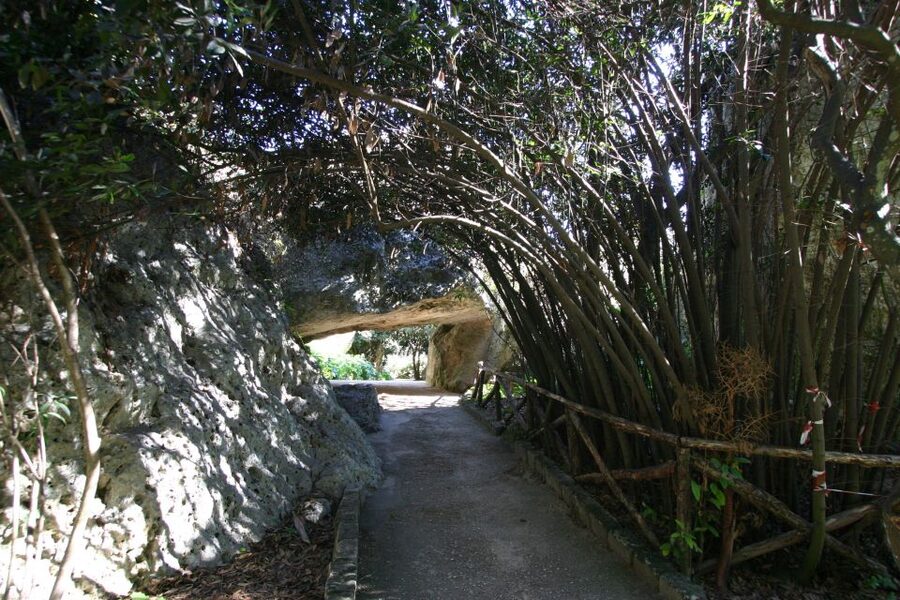
- Temenite Hill Quarries: Latomie del Paradiso and Grotta dei Cordari
- Enter the Ear of Dionysius Grotto, and Actually Understand It
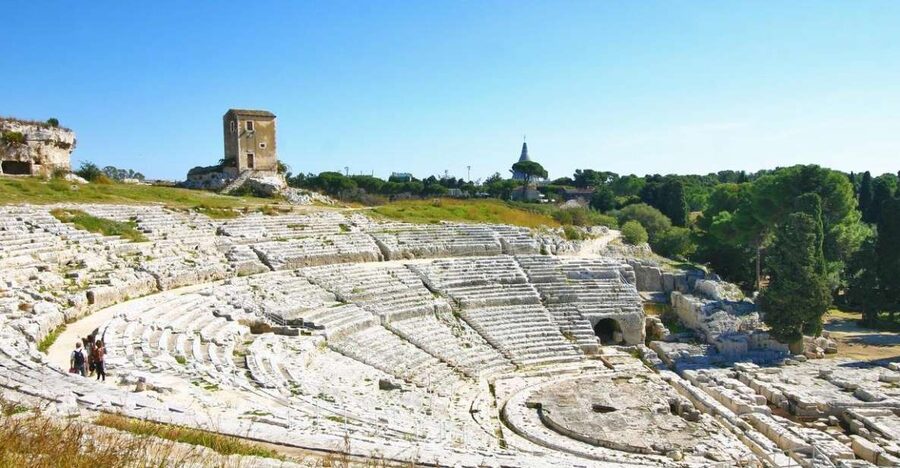
- The Greek Theater View Over Syracuse’s Bay
- Altar of Hieron II and the Roman Amphitheater
- Price and Value: What $26 Gets You in Real Terms
- Guide Quality: The Names You Will Hear Matter
- Timing, Weather, and How to Prepare for 1.5 Hours
- Who This Small-Group Tour Is Best For
- Should You Book the Syracuse Neapolis Small-Group Tour?
- FAQ
- How long is the Syracuse Neapolis tour?
- What languages is the tour guide?
- Is this tour wheelchair accessible?
- Where do we meet for the tour?
- What sites are included in the visit?
- Is there an audio system?
- Are entry tickets included?
- What does the tour cost?
- What do I need to bring?
- Is cancellation free if my plans change?
Key Highlights You Will Feel Immediately
- Ear of Dionysius: a guided stop inside the grotto, famous for its echo effects
- Latomie del Paradiso: stone quarry walls with local plants and a clear sense of ancient engineering
- Greek theater viewpoints: you get the bay views that help the ruins make sense
- Two worlds in one route: Greek monuments first, then Roman amphitheater and altar area
- Small-group feel: reviews describe groups around 10, with a guide you can actually hear
Neapolis Archaeological Park: Why This One Stops Matters
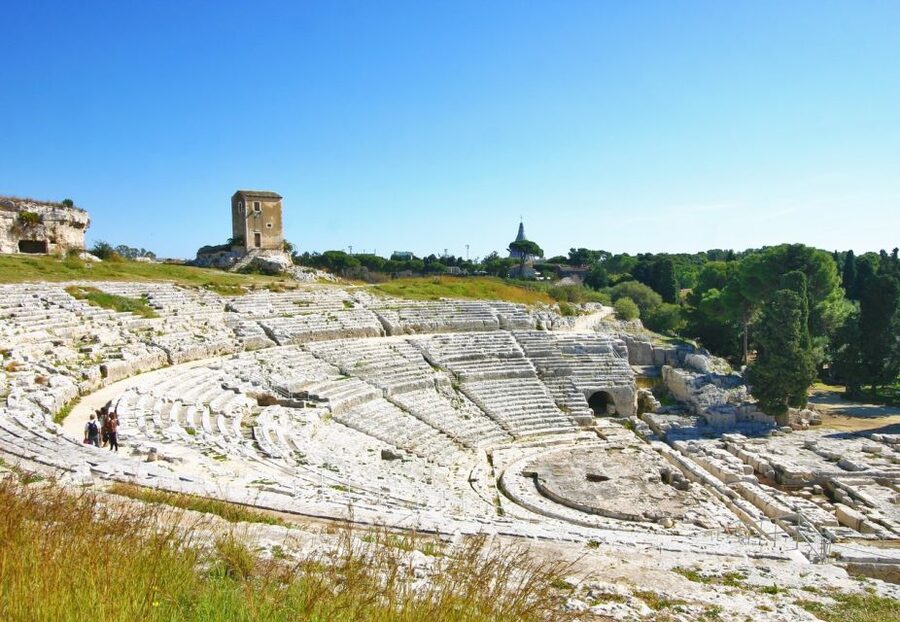
Neapolis is where ancient Syracuse starts to feel real. The park is not just a pile of stones. It is a working map of power, belief, and public life, stretching from Greek theater culture to Roman spectacle.
What makes a guided visit worth it here is simple: most of the meaning is not written in big letters on the ground. With a guide, you can connect the dots between the cut rock areas, the theater placement, and the later Roman additions. You also get help interpreting what you are looking at, not just where it is.
And the tour is built for focus. In about 1.5 hours, you hit the main sites without turning the visit into an all-day project.
A few more Syracuse options to weigh
- Syracuse: Boat Tour with Captain Mirko, Snorkeling & Caves
★ 4.7 · 746 reviews - Siracusa: Ortigia Boat Tour with Marine Grotto
★ 4.7 · 617 reviews - Siracusa: Ortigia & Sea Caves Speedboat Tour with Swim Stop
★ 4.9 · 499 reviews
Temenite Hill Quarries: Latomie del Paradiso and Grotta dei Cordari
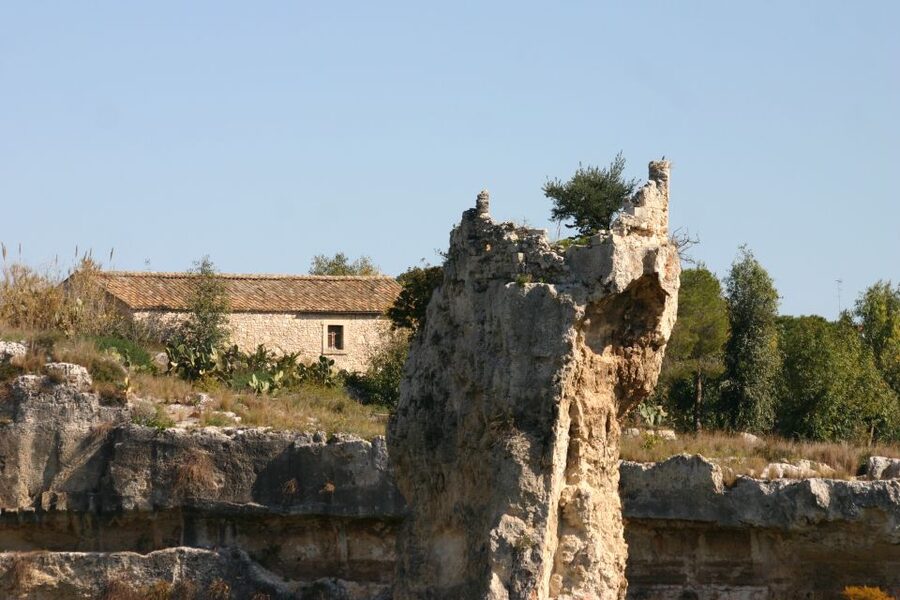
The walk begins in the dramatic terrain around Temenite Hill. You will see the ancient Greek theatre area cut into the rock, then move into the Latomie del Paradiso.
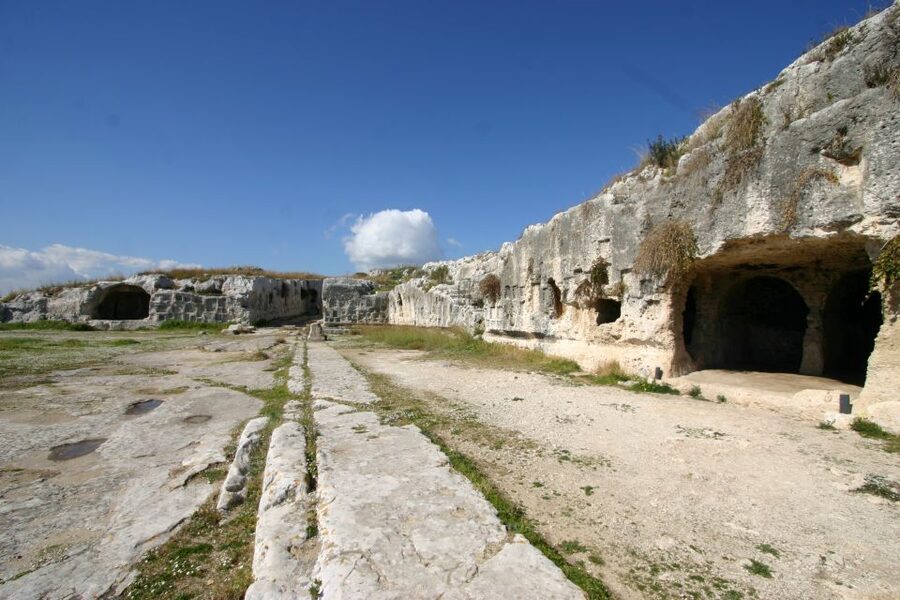
Latomie del Paradiso is an ancient stone quarry. That matters, because it explains the setting for the later stops. Instead of thinking of caves as random, you start seeing them as part of how the city extracted stone and shaped space over time. In this area, you also notice local flora growing in and around the quarry zones, which gives you a living picture of how the park looks today.
Next comes Grotta dei Cordari. This stop is shorter, but it breaks up the route with another underground-feeling setting. It also helps the story flow. Quarry space leads naturally into the legendary grotto that comes next, so you are not jumping between unrelated locations.
Practical note: the ground can feel uneven depending on the exact path. Wear shoes you trust.
Enter the Ear of Dionysius Grotto, and Actually Understand It
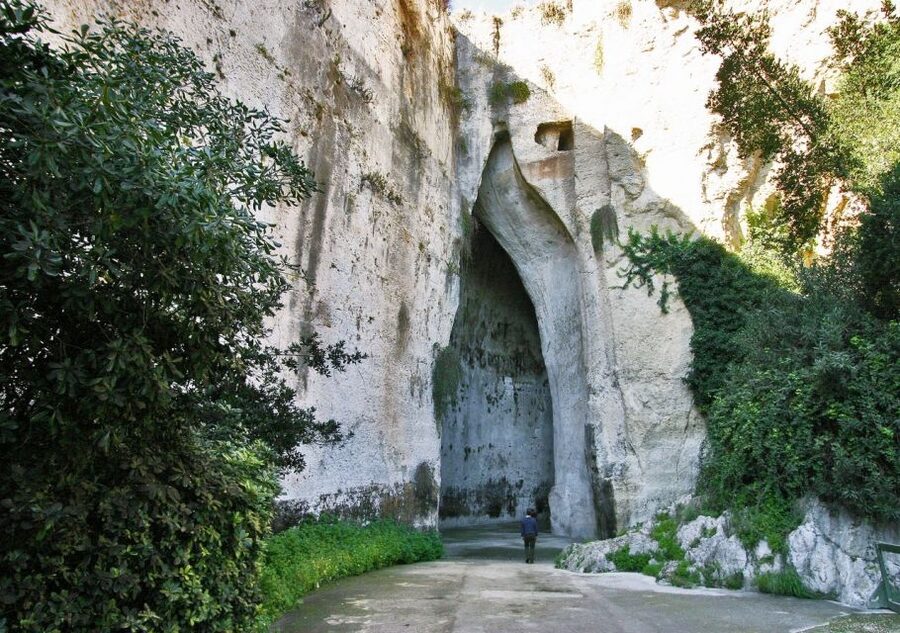
Then you reach the star attraction: the Ear of Dionysius.
This is a grotto famed for its shape and the echoing sounds people associate with the legend. A guide is the difference between just visiting a famous spot and understanding why it is talked about at all. You get context that connects the mythy reputation to the physical space you are standing in.
This stop is inside the quarries, so you are surrounded by the same kind of rock walls you saw earlier. That continuity makes it easier to follow the logic of the site. You also get time to take in the surroundings before moving back toward the open-air monuments.
From reviews, the strongest praise keeps circling back to the guide experience at this moment. People repeatedly point out that having a guide helps make the site click, not just look impressive.
The Greek Theater View Over Syracuse’s Bay
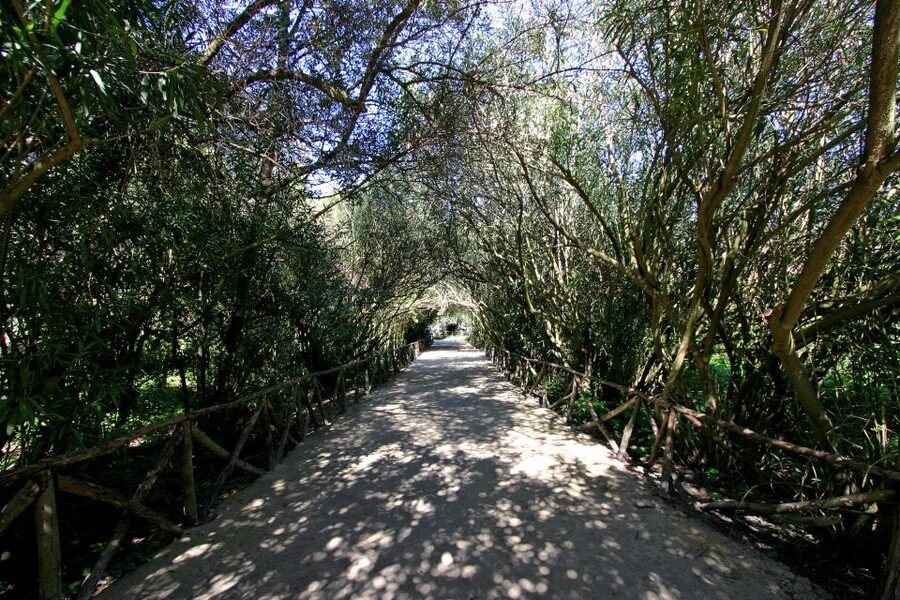
After the underground stops, the route climbs back into light at the Greek Theater.
This is where the park layout pays off. You see why the theater was placed where it was, and you also get views over Syracuse’s bay area from the theater viewpoint. Those views do more than look nice. They help you grasp the theater as a public stage for a community, not just a hollow semicircle of seats.
The guide typically spends about 30 minutes here, which is a solid chunk of time. You get enough explanation to understand how Greek theater fit into civic life and why the setting was so important.
If you like photos, you will likely want to plan your shots while you still have room in the day’s schedule. This tour includes time for a photo stop later too, so you can spread your picture-taking across the visit instead of rushing everything at the theater.
Nearby, and just as well reviewed:
- Syracuse: Pillirina, Ortigia, and Sea Caves Tour by Boat
★ 4.6 · 348 reviews - Syracuse: Ortigia Island and Sea Caves Boat Tour with Drinks
★ 4.6 · 337 reviews - Syracuse: Coast and Sea Caves Full Transparent Boat Tour
★ 4.8 · 330 reviews - Syracuse: Street Food Walking Tour in Ortigia with Tastings
★ 4.9 · 293 reviews
Altar of Hieron II and the Roman Amphitheater
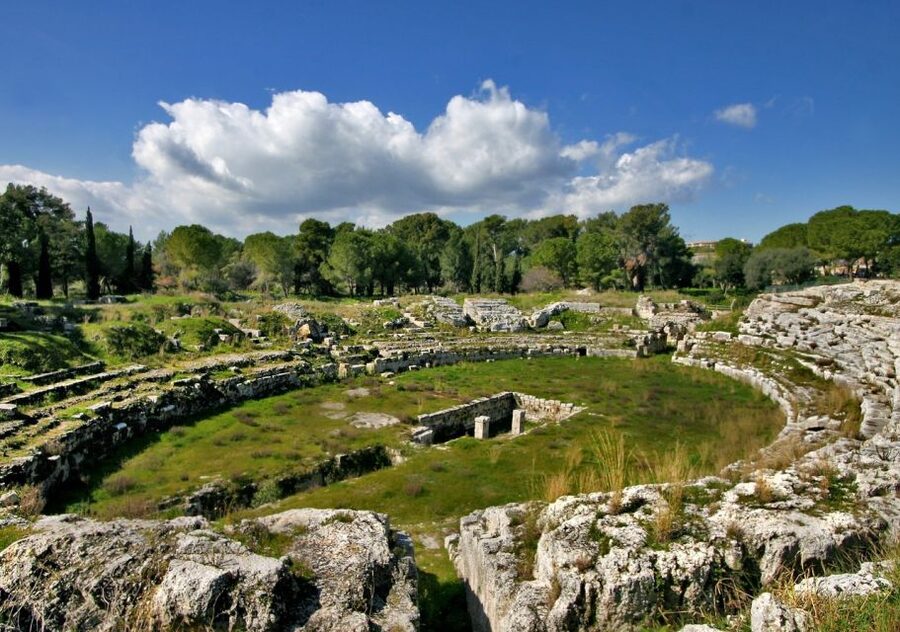
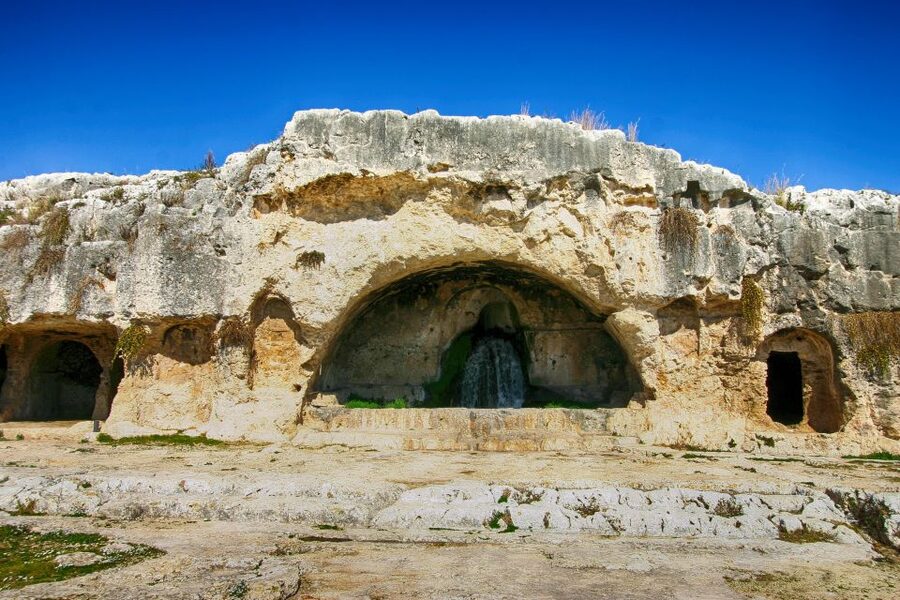
The tour closes with two major shifts in tone: the Altar of Hieron II and then the Syracuse Roman Amphitheater.
The altar stop is shorter, around 10 minutes, but it is meaningful. You are moving from Greek performance spaces and quarry settings into a religious and ceremonial area connected to Hieron II, a name tied to the city’s historical identity.
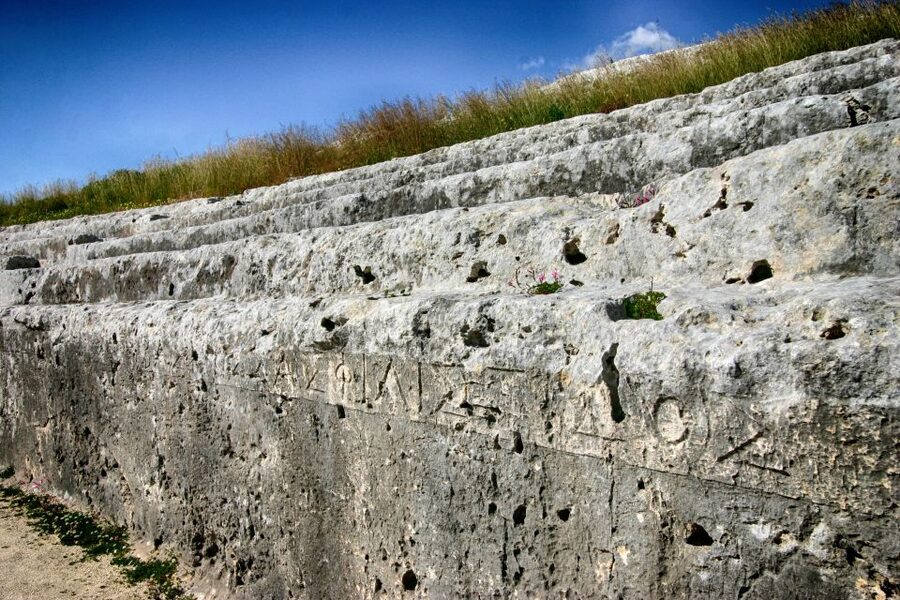
Then comes the Roman amphitheater. The guided time here is about 15 minutes. Roman Syracuse layered new systems on top of earlier foundations, and this part of the route makes that layering easy to notice. The amphitheater also gives you a clearer sense of how public entertainment and gatherings evolved after the Greek period.
A small bonus: some guides in this type of tour have been careful about pacing and about helping everyone keep up. One review specifically highlighted a guide being thoughtful about paths when a child was in a stroller, which tells me the best guides do more than recite facts, they manage real-world visitor needs.
Price and Value: What $26 Gets You in Real Terms
At $26 per person for about 1.5 hours, the value is mainly in two places: interpretation and access.
First, you are paying for a licensed guide who can connect the ruins to the story of Greek and Roman Syracuse. Without that framing, you can still enjoy the site visually, but you will miss a lot of why things are positioned the way they are.
Second, there is a pricing structure based on tour type. You can choose a shared group or a private tour. If you choose the option that includes entry tickets, you avoid extra steps and surprises at the gate.
For shared tours, the setup can vary. For larger shared groups, radio receivers may be provided. That matters because audio clarity is the difference between understanding the guide and straining to hear details while you are also looking at stones.
If you are the type who likes ruins with a narrative, this price starts to feel like a bargain. If you prefer to wander silently and read on your own, you might decide you want fewer stops with more free time. But for a focused introduction to Neapolis, the cost lines up with what you actually gain.
Guide Quality: The Names You Will Hear Matter
The standout pattern across feedback is the guide impact. Multiple guides were praised by name, including Eva, Federica, Galina, Frederica, Anne-Marie, and Carmine.
What those names have in common in the way people described them is clarity and story flow. People liked that explanations were easy to follow, that the pace felt right, and that guides answered questions instead of rushing past them. Several reviews also mention that guides connected the ancient sites to modern Syracuse, which can make the visit feel less like time travel and more like understanding a city’s long memory.
If you are visiting with teens, you will also appreciate this approach. One review noted even teenagers stayed interested, which usually means the guide did not talk at people. They told the story in a way that matched real attention spans.
Finally, since the tour runs in Italian, it can be extra helpful if you like cultural context more than pure translation. In rare tiny shared-group situations, two languages may be used, but you should plan on Italian.
Timing, Weather, and How to Prepare for 1.5 Hours
This tour is built to fit into a tight day, so treat it like a focused “sights plus meaning” block rather than a deep, slow museum experience. That is great if you are also doing Ortigia or other Syracuse highlights.
Weather can change the experience. One review mentioned rain making parts of the visit challenging, but the group continued and things got better after the weather shifted. You do not need to panic, but you should think about comfort.
My practical checklist for this kind of park walk:
- Wear shoes with grip.
- Bring a light layer, even in warm months.
- Have sun protection ready, because outdoor sections can feel hot.
- If you are traveling with kids or strollers, plan for uneven or changing surfaces and lean on your guide for pacing.
Who This Small-Group Tour Is Best For
This is ideal if you want a guided overview of Neapolis without spending the whole day there. It works well for couples, history lovers, and anyone who wants the main stops explained in a single loop.
It also fits families who need structure. Reviews include examples of guides adjusting the visit and being kind and practical about paths and pace.
If you are a solo traveler, you still get the benefit of a story guide, and the small-group structure usually keeps the experience personal rather than chaotic.
If you only want one or two sites, consider whether you would rather do a longer self-guided walk. This route is efficient, not endless.
Should You Book the Syracuse Neapolis Small-Group Tour?
Yes, if you want the quickest path to understanding Greek and Roman Syracuse in one focused visit. The Ear of Dionysius and the Greek theater bay views are the headline moments, but the real value is how the guide connects each stop into a single story.
Skip it or switch to a different style of visit if you hate structured routes or you want long, unhurried time at each spot. This tour is designed to move. When you are okay with that, it is a strong way to get more meaning out of Neapolis than you could on your own.
If you book, pick shared or private based on your comfort level. Shared can be great for saving money, and private is nice if you want more direct conversation with the guide and a pace that fits your group.
FAQ
How long is the Syracuse Neapolis tour?
The tour lasts about 1.5 hours.
What languages is the tour guide?
The guide provides the tour in Italian. In rare cases of very small shared group tours, the explanation could be in two languages.
Is this tour wheelchair accessible?
Yes, the tour is listed as wheelchair accessible.
Where do we meet for the tour?
The meeting point can vary depending on the option booked, but it is often around the park entrance area, including Largo Anfiteatro, 2. Drop-off locations are also listed as Largo Anfiteatro, 2.
What sites are included in the visit?
You will visit the Latomie del Paradiso, Grotta dei Cordari, the Ear of Dionysius, the Greek Theater, the Neapolis Archaeological Park of Syracuse (photo stop), the Altar of Hieron II, and the Syracuse Roman Amphitheater.
Is there an audio system?
Radio receivers are available only for the large shared group tour option.
Are entry tickets included?
Entry tickets are included if you select the option that includes them.
What does the tour cost?
The price is listed as $26 per person.
What do I need to bring?
Bring a passport or ID card.
Is cancellation free if my plans change?
Free cancellation is available up to 24 hours in advance for a full refund.
Latest reviews around Syracuse
- Syracuse: Pillirina, Ortigia, Sea Caves and snorkeling★ 4.6 · 133 reviews
- Syracuse: Ortigia Private Walking Tour★ 4.8 · 181 reviews
- Syracuse: Ortigia and Sea Caves Excursion by Boat★ 4.7 · 112 reviews
- Syracuse: Ortigia Sunset Cruise with Aperitif★ 4.8 · 291 reviews
- Syracuse: Ortigia Classic Walking Tour★ 4.7 · 167 reviews
- Syracuse: Ortigia Island and Sea Caves Boat Tour with Drinks★ 4.6 · 337 reviews
- Syracuse: Neapolis and Greek Theater guided tour★ 4.5 · 160 reviews
- Syracuse: Coast and Sea Caves Full Transparent Boat Tour★ 4.8 · 330 reviews
Sicily Tours, compared.

Mount Etna Morning or Sunset Day Trip with Tasting
Read our review →

From Trapani: Cruise to Favignana and Levanzo with lunch
Read our review →
Sunset Jeep Tour of Mount Etna and Lava Flow Caves
Read our review →
Palermo Original Street Food Walking Tour by Streaty
Read our review →
Mount Etna: Trek to 3000m with cable car and jeep
Read our review →
Segesta, Erice and Salt Pans Full-Day Excursion from Palermo
Read our review →Browse the lists this tour appears in