

Reviewed · CATACOMBS & CRYPTS TOURS
Rome: Trevi Fountain District Underground Tour and Ice Cream
Trevi has a second life underground, and it is fascinating. This 1-hour tour takes you into the Vicus Caprarius archaeological area with an archaeologist guide, where Roman engineering and daily water use come into focus. I also love the built-in payoff of Italian gelato at the end, so the experience lands as something fun, not just academic.
One thing to plan for: you spend only a short moment at the surface Trevi Fountain. If you are craving a long, up-close fountain photo session, this tour is more about what is beneath your feet, so the fountain time can feel brief. Also, it is not suitable for wheelchair users or people with mobility impairments, and you will want comfortable shoes for the underground walking.
In This Review
- Key points before you go
- Trevi Underground: The City of Water story in one compact tour
- Meeting point and timing: how the hour is structured
- Entering Vicus Caprarius: coins, amphorae, and Roman water at human scale
- The Domus waterworks: why the fountain’s water mattered
- The most memorable finds to watch for (and what they mean)
- Trevi Fountain in five minutes: wish-making, crowd reality, and quick orientation
- Gelato at the end: included Italian ice cream, often with a voucher
- Price and value: why $52 can work for the right kind of visitor
- Who should book this Trevi underground and gelato tour
- A practical tip on guides: Carla, Erika, Noemi, and more
- Should you book? My honest call
- FAQ
- How long is the tour?
- Where is the meeting point?
- Is the tour in English?
- What parts of the experience do I get to visit?
- Is gelato included?
- What should I wear or bring?
- Is this tour suitable for wheelchair users or mobility impairments?
- Is free cancellation available?
- Can I reserve without paying right away?
Key points before you go
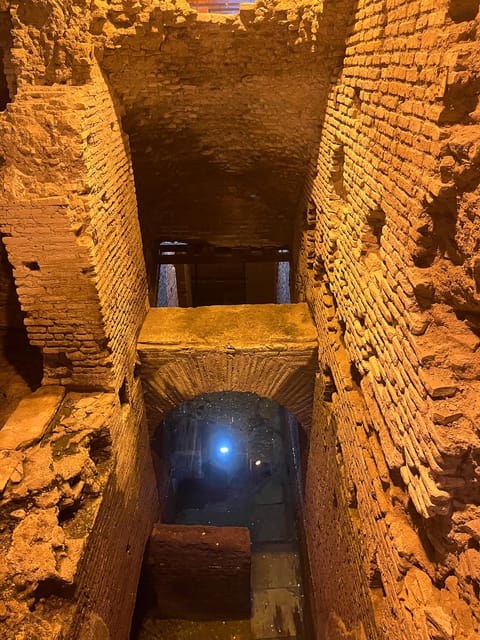
- Vicus Caprarius reserved entry plus a guided archaeological walk in a tight, structured timeframe
- Imperial Age artifacts on display, including ancient coins and amphorae you can actually look at up close
- The City of Water story, with an explanation of how water moved through Rome and fed the Domus residence
- Specific excavation finds to watch for, like the polychrome marble coverings, the head of Alessandro Helios, and 800 coins
- Oil transport clues, including the Spatheia amphora, which helps explain how supplies moved through the empire
- Gelato included at the end, often handled with a voucher/coupon style option at a Trevi-area historic shop
Trevi Underground: The City of Water story in one compact tour
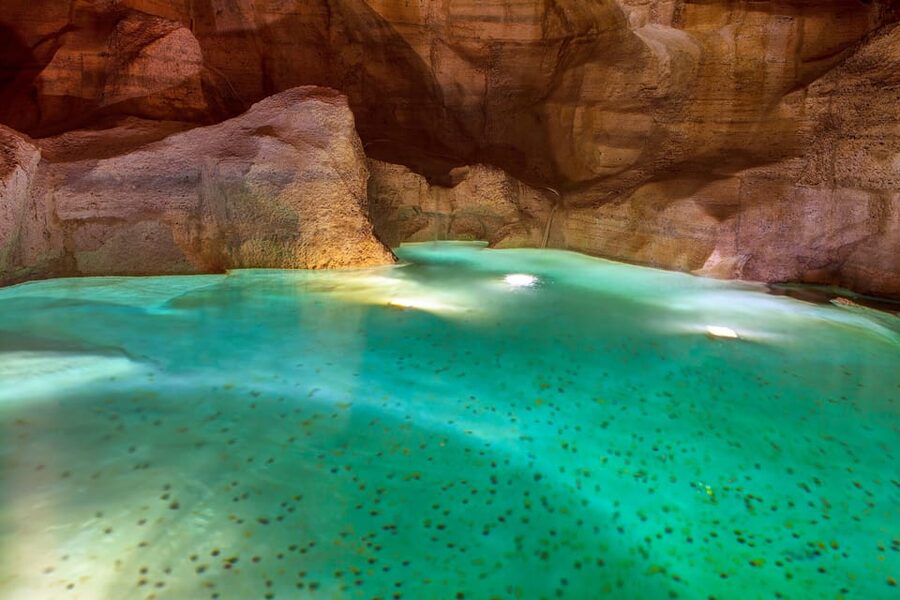
Rome is full of layers, but Trevi is special because its fame is tied to water. Above ground, Trevi looks like a grand Baroque set piece, complete with the classic wish tradition at the fountain. Below ground, the mood changes fast. You are stepping into a real Roman neighborhood setting where water was not decoration. It was infrastructure.
What makes this tour click is the theme: the area is often described as the City of Water, and your guide keeps bringing you back to that idea. You are not just looking at old stones. You are learning how Roman systems turned distant water into usable supply, then into household life. The talk connects the dots between aqueduct-fed masonry, pipes and pools, and the luxurious feel of a Domus residence water setup.
If you have any interest in Roman engineering, this is a strong way to get it explained in plain language. And if you already know Rome basics, it still adds a new angle. Trevi becomes more than a photo spot. It becomes part of a working water story.
More Underground Tours in Rome
- Colosseum: Underground and Ancient Rome Tour
★ 4.7 · 12,691 reviews - Rome: Crypts and Catacombs Underground Tour with Transfers
★ 4.6 · 5,341 reviews - Expert Guided Tour of Colosseum Arena OR Underground, and Forum
★ 4.5 · 5,041 reviews
Meeting point and timing: how the hour is structured
The tour starts at Vicolo del Puttarello, 25. Plan to arrive about 15 minutes early, because underground visits are easier when the group starts together and the reserved entry runs cleanly.
From there, you are guided through the Vicus Caprarius area for about 40 minutes underground. After that, there is a short Trevi Fountain moment with guide context, then you get a break at a nearby local bar. The total duration is 1 hour, so it moves at a brisk, organized pace.
Here is how that matters for you: because the tour is compact, it is best if you want a focused experience. You will learn a lot quickly, but you will not have hours to wander. The surface fountain portion is designed to point out what you should notice, not to replace a full independent Trevi visit.
Entering Vicus Caprarius: coins, amphorae, and Roman water at human scale
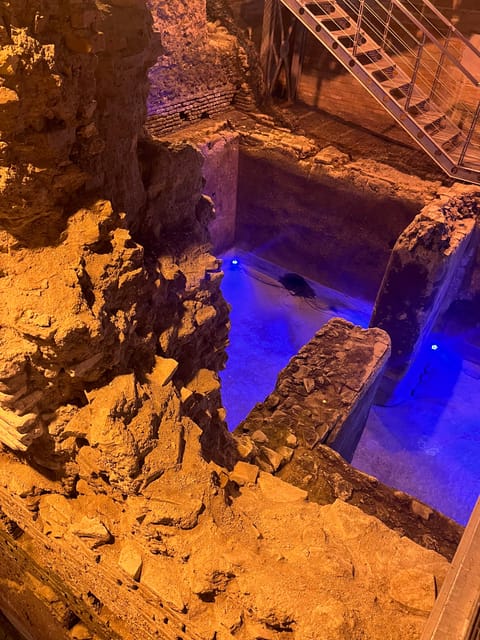
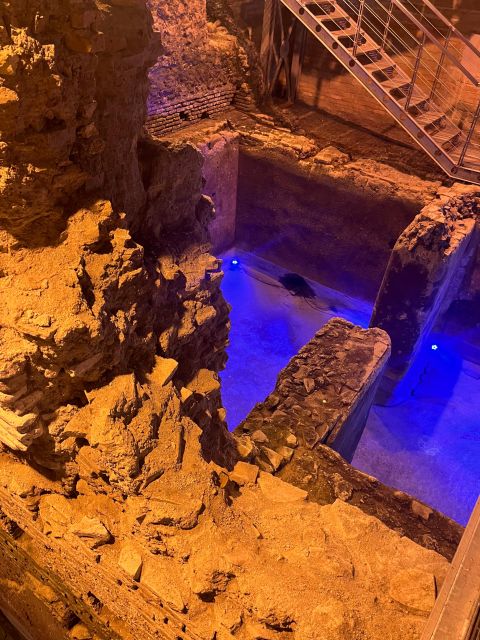
Once you step into the archaeological area, the tour shifts from street-level Rome to something much more intimate. You get to see how ancient materials were arranged, and you get context for what each section was doing in Roman life.
A highlight is the way the guide frames the underground remains as a set of connected spaces. The area is presented across three sections of the antiquarian setting, and the stop-by-stop explanations help you understand why the ruins are where they are. You are also surrounded by real objects from the Imperial Age, including ancient coins and amphorae. Being able to see these pieces up close makes the stories feel less like trivia and more like evidence.
One detail I really like from how people describe the experience is the visibility of the layered masonry. In casual conversation, some visitors call it something like underground lasagna because the walls read in stacked layers. Whether you use that joke or not, the takeaway is the same: you can see structure and construction choices, not just a wall and a sign.
The Domus waterworks: why the fountain’s water mattered
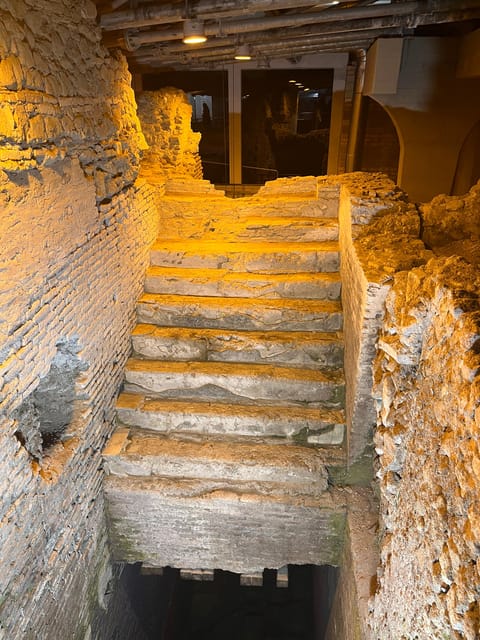
Trevi’s reputation is all about the fountain. The point of the tour is that the fountain is connected to a much older world of moving water through Rome.
You will learn why this neighborhood earned the label tied to water, and you will hear how the water flowing in the Trevi area relates to what was happening inside the Roman settlement. The explanation connects the ancient masonry in the archaeological area to the way water continued on to supply pipes and pools of the Domus residence.
That is the real value for you, even if you only know a little about Rome’s aqueducts. It changes how you see the city. Instead of imagining water as a random system, you start seeing it as a chain, from distant source to built channels to household features.
You also pick up engineering context from the way the guide talks about aqueduct-linked water systems. Some guides bring up details tied to aqueduct names like the Virgo aqueduct, and that kind of specificity helps the story feel anchored in real place, not generic Roman facts.
More catacombs and crypts in Rome:
- The Original Roman Crypts and Catacombs Tour with Transfers
★ 4.5 · 4,896 reviews - Rome: Colosseum Underground Small Group Guided Tour
★ 4.7 · 4,844 reviews - Rome: St. Peter’s Basilica, Dome Climb, and Underground Tour
★ 4.8 · 3,404 reviews - Rome: Colosseum Underground, Arena & Forum Tour
★ 4.7 · 3,272 reviews
The most memorable finds to watch for (and what they mean)
This is the part that makes the tour feel more than a scenic walk. The underground stops include named finds and clear explanations of why they matter.
Here are the big ones to keep in mind as you tour:
- Polychrome marble coverings: even if you normally ignore decoration, this matters because it signals status and care. Marble color meant more than looks. It meant expense and intended comfort.
- The head of Alessandro Helios: the guide may explain it as one of the standout pieces found during excavation. Seeing how art and identity appear in household spaces makes Roman daily life feel closer.
- A trove of 800 coins: coin finds are not only about money. They can hint at what was stored, used, or deposited in a specific context. Having a number like 800 is memorable for a reason.
- The Spatheia amphora for transporting oil: the tour connects materials to daily supply chains. Oil was part of household routines, and knowing there is a dedicated container type helps you picture the logistics of the empire.
If you enjoy Roman history, these details give you something to hold onto later when you are back in the brighter streets. Trevi Fountain stops being an isolated monument and starts acting like a visible capstone over a whole system you learned to recognize.
Trevi Fountain in five minutes: wish-making, crowd reality, and quick orientation
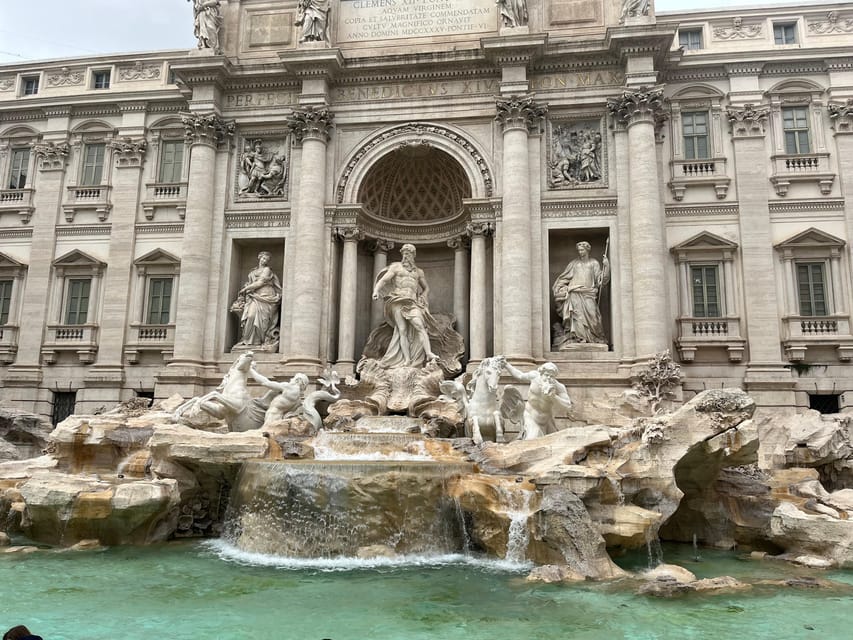
After the underground portion, you head back up for the Trevi Fountain section. The guide gives quick orientation tied to what you just learned about water. And yes, you will still be at the fountain where the wish tradition happens.
But I want to set expectations. Based on how the experience is described, you do not get a long, up-close viewing from the fountain basin edge. The experience is designed for a guided look from the plaza with context, not a private photo shoot.
How to make this work for you: treat the Trevi moment like a guided “reset.” Let the guide point out what to notice, then use that mental map for your own time after the tour. If your group guide offers tips for photography or angles, take them. People who love this tour often highlight that kind of practical help, especially when crowds make it hard to get clean shots.
Gelato at the end: included Italian ice cream, often with a voucher
The last step is simple and smart: you end with Italian gelato near Trevi. It is not just a sweet finish. It is also a practical break from the underground pace and, in warm weather, a chance to reset before you head back out to explore.
You might get gelato handled in a way that feels flexible, such as a voucher/coupon you can use at a nearby historic shop. That approach can be nice because you can browse flavors with less pressure than when you must commit to one fixed option immediately.
If you want to maximize value, use the guide’s timing. Grab gelato right after the tour while the whole experience is still fresh. It helps you remember the waterworks story as you taste something distinctly Roman, even if it is not tied to aqueduct history.
Price and value: why $52 can work for the right kind of visitor
At $52 per person and about 1 hour, this is not the cheapest way to see the Trevi area. But you are also not doing a generic fountain walk.
What you get bundled together is the key to value:
- Reserved entry into the Vicus Caprarius area
- A guided visit through the underground archaeological space
- Access to the Trevi Fountain portion of the experience
- Italian gelato at the end
If you like Roman ruins but hate feeling like you are reading alone, a guided format tends to justify the price quickly. This one specifically uses water as the thread, which helps you connect objects, architecture, and everyday life.
If, on the other hand, your goal is mostly to linger at Trevi for photos and want zero structured stops, you might prefer a self-guided Trevi itinerary. This tour is built for learning and orientation, not for free-form time.
Who should book this Trevi underground and gelato tour
This tour fits best if you:
- enjoy Roman engineering, aqueduct stories, and how systems supported daily life
- want an offbeat side of Trevi that most people skip
- like guided explanations that reference specific finds, not just general history
- are traveling with kids who can handle short underground segments and a lively guide
It is also a smart choice when the weather is hot. The underground portion can feel like a cool pause compared with Rome’s brighter streets, and ending with gelato keeps the mood light.
Skip it if you:
- need wheelchair-friendly access or have mobility limitations, because it is not suitable for wheelchair users
- hate walking on uneven surfaces or being in indoor, enclosed spaces for part of the visit
A practical tip on guides: Carla, Erika, Noemi, and more
One thing that comes through strongly is guide quality. Multiple people specifically praised guides such as Carla, Erika, Noemi, Alessia, Naomi, and Erica for making the underground topic click.
A few practical behaviors show up in the praise:
- guides give clear explanations that connect ruins to how people lived
- guides make time for questions
- guides often help with Trevi photo tips, which is valuable when you are fighting crowds
- some guides use headsets so they do not have to shout in a busy area
You cannot guarantee the exact guide you will get, but the pattern is encouraging. If you care about narration style, this tour appears to deliver.
Should you book? My honest call
I would book this tour if you want Trevi Fountain to mean more than a postcard. The underground portion gives you tangible Roman context, and the gelato ending makes it feel like a complete, enjoyable outing.
I would skip it if you want extended time at the fountain itself or you need accessibility options that this tour does not offer. Also, if you hate any structure at all and want total freedom, remember this is a tightly timed hour.
If you are on a first or second Rome trip and you want one smart, memorable detour, this is a good pick.
FAQ
How long is the tour?
The tour lasts about 1 hour.
Where is the meeting point?
The meeting point is Vicolo del Puttarello, 25. Arrive at least 15 minutes before your selected time.
Is the tour in English?
Yes, the live tour guide is in English.
What parts of the experience do I get to visit?
You visit the Vicus Caprarius underground archaeological area and then the Trevi Fountain area.
Is gelato included?
Yes. The tour includes Italian gelato at the end.
What should I wear or bring?
Wear comfortable shoes, since you will be walking through underground areas.
Is this tour suitable for wheelchair users or mobility impairments?
No. It is not suitable for people with mobility impairments or wheelchair users.
Is free cancellation available?
Yes, you can cancel up to 24 hours in advance for a full refund.
Can I reserve without paying right away?
Yes. It offers a reserve now and pay later option, so you can book your spot and pay later.
Latest reviews around Rome
- From Rome: Hadrian’s Villa & Villa d’Este Day Trip & Lunch★ 4.5 · 157 reviews
- Rome: Painting Class with Unlimited Wine★ 4.8 · 109 reviews
- Vatican City: Sistine Chapel, Museums, Basilica Private Tour★ 4.8 · 158 reviews
- Pope Leo XIV Audience Tour with Local Guide★ 3.3 · 111 reviews
- Rome: The Three Tenors at St. Paul’s Church Concert Ticket★ 4.7 · 699 reviews
- Vatican Museums & Sistine Chapel Skip-the-Line Guided Tour★ 4.6 · 254 reviews
- Rome: St. Peter’s Basilica and Papal Tombs Guided Tour★ 4.6 · 477 reviews
- St. Peter’s Dome Climb, Basilica and Vatacombs Tour★ 4.7 · 230 reviews
Catacombs & Crypts Tours, compared.

Naples Underground Entry Ticket and Guided Tour
Read our review →
Colosseum: Underground and Ancient Rome Tour
Read our review →
Catacombs of San Gennaro Entry Ticket & Guided Tour
Read our review →
Crypts and Catacombs Underground Tour with Transfers
Read our review →
Expert Guided Tour of Colosseum Arena OR Underground, and Forum
Read our review →
The Original Roman Crypts and Catacombs Tour with Transfers
Read our review →
Colosseum Underground Small Group Guided Tour
Read our review →Browse the lists this tour appears in