
Reviewed · CATACOMBS & CRYPTS TOURS
Rome: Trevi Fountain District and Underground Domus Guided Tour
Rome gets quieter underground. This small-group Trevi area tour leads you into the Vicus Caprarius underground water site, about 30 feet down, where Roman life literally shows up in stone. I love the chance to see rare finds like the head of Alessandro Helios and hundreds of coins, plus the escape from Trevi’s heat and crowds. I also like that it ends at the Trevi Fountain for quick photos. The only watch-out is that the underground portion is not a huge maze, and Trevi itself can still feel packed, so manage expectations.
At street level, Trevi can overwhelm you fast. Underground, the tone changes, and you’re basically learning how Rome handled water, long before fountains became showpieces. If you’re the type who likes your sightseeing with a story and a clear purpose, this one fits.
In This Review
- Key things that make this tour worth your time
- Finding Vicus Caprarius, steps from Trevi Fountain
- Going 30 feet below street level to the City of Water
- What you’ll see underground, aqueduct links and uncovered treasures
- How the guide turns a small space into a clear story
- Exiting to Trevi Fountain, how to use your time well
- Included extras that add small but real value
- Price and value: is $53.10 a good deal?
- Best for: water nerds, history lovers, and heat-avoiders
- Who should skip it (or adjust expectations)
- Quick decision guide: should you book?
- FAQ
- How long is the Rome Trevi Fountain District and Underground Domus guided tour?
- Where do I meet for the tour?
- Is the tour offered in English?
- How many people are in the group?
- Is the tour suitable for people with mobility impairments?
- What is included in the ticket price?
- Do I get time at Trevi Fountain?
- What is the cancellation policy?
Key things that make this tour worth your time

- Vicus Caprarius, the City of Water: You’ll see a Roman water tank and how it relates to the Vergine aqueduct.
- Small group format (max 15): Easier questions, less standing around, and a more personal pace.
- Underground depth and artifacts: Expect finds tied to a Roman villa and an ancient cistern, including polychrome marble and coins.
- A real “how it worked” lesson: This is less about legends and more about infrastructure.
- Trevi Fountain as a payoff stop: You finish right where the postcards start.
- Named guides show up in feedback: Erika, Michelle, Erica, and Noemi/Neomi are repeatedly mentioned as standout guides.
Finding Vicus Caprarius, steps from Trevi Fountain
You meet at Vicolo del Puttarello, 25 (00187 Roma RM). The ticket redemption point is the same location, so there’s no guessing, no running around. It’s also near public transportation, which matters in Rome, where walking can turn into a side quest.
Expect the tour to feel very focused from the start. You’re not just “in the Trevi area,” you’re going to a specific under-street site and learning what it was used for. That focus is part of the value, especially if you’ve already done the main Trevi photo beat and want something more interesting.
One practical note: this tour is not suitable for people with mobility impairments. The underground space involves descending and moving in a confined archaeological area, so only book if that works for you.
More Underground Tours in Rome
- Colosseum: Underground and Ancient Rome Tour
★ 4.7 · 12,691 reviews - Rome: Crypts and Catacombs Underground Tour with Transfers
★ 4.6 · 5,341 reviews - Expert Guided Tour of Colosseum Arena OR Underground, and Forum
★ 4.5 · 5,041 reviews
Going 30 feet below street level to the City of Water
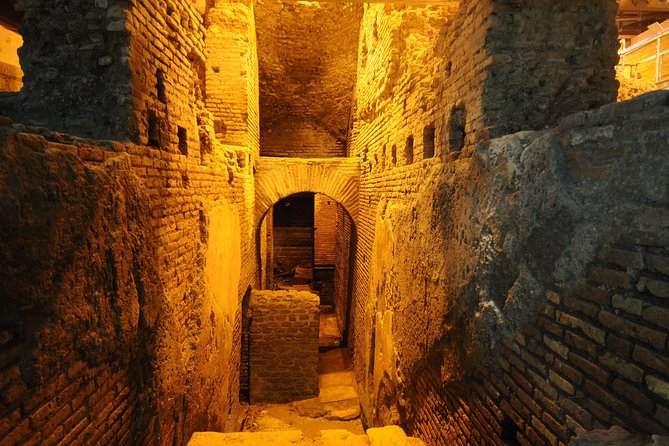
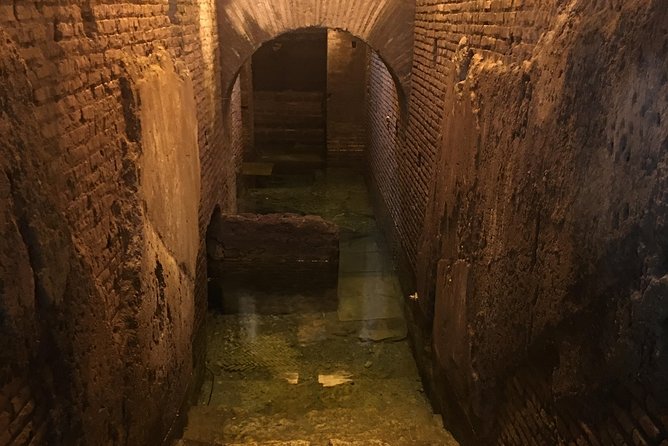
The headline moment is the descent. You go about 30 feet (nine meters) down, entering a subterranean archaeological area connected to the area’s water story. The site was discovered in 1999, and it was found in a basement setting that you wouldn’t suspect from above. That alone makes the experience feel like you’re stepping into Rome’s “how did they hide this?” file.
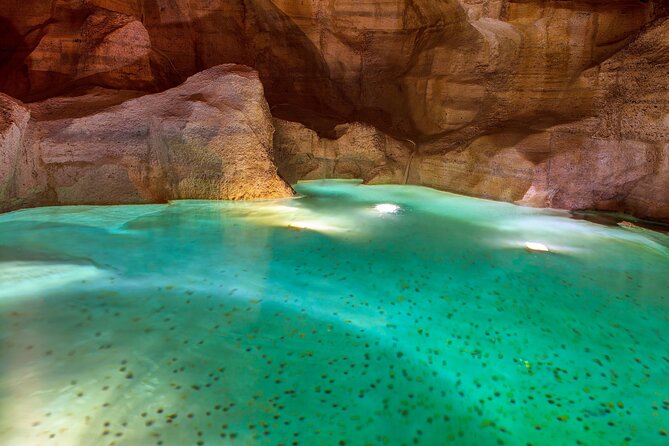
The guide takes you through the remains of a Roman villa and an ancient cistern that were uncovered just a few decades ago. This is not a generic archaeology stop. It’s about function, especially water management. You’ll get context for why people call the area the City of Water, and you’ll see how the system connected to the Vergine aqueduct.
This also helps with one of Rome’s biggest problems, the midday crowd and heat at street level. Underground, the temperature and sound level are different. You move through an older world without the constant fight for space at the fountain.
What you’ll see underground, aqueduct links and uncovered treasures
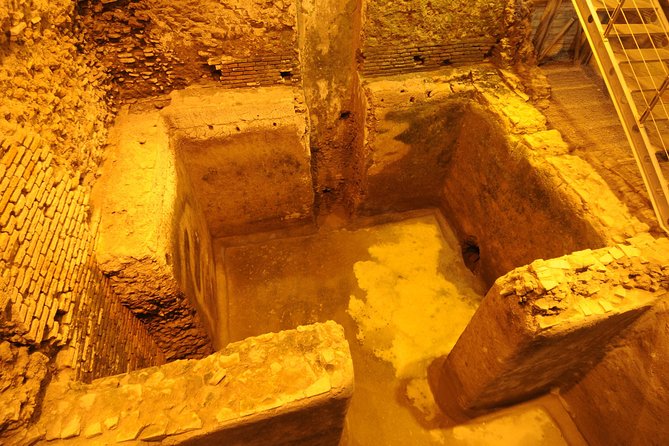
Here’s where the tour earns its “behind the scenes” reputation. The subterranean space centers on a water tank and its connection to the Vergine aqueduct. You’re essentially looking at part of the logic behind Rome’s water supply, not just decorative ruins.
Then comes the artifact section, and this is where I think the guide makes the biggest difference. Your highlights can include:
- Polychrome marble coverings, which tell you this wasn’t a rough, utilitarian corner
- The head of Alessandro Helios, a famous artifact connected to the site finds
- A trove of about 800 coins, which gives the scene a lived-in feel
- Spatheia, special African amphorae used for transporting oil
Notice the mix. Water infrastructure and objects move together here. That’s why the experience feels more complete than a quick “look around” stop. You’ll learn how the Romans didn’t just build systems, they built them into everyday spaces, including homes and storage areas.
One small caution: the site is described as limited in scope by some guests. The underground area is not an enormous tunnel network. It’s more like a compact archaeological area with key features, and the guide’s pacing matters. If you’re expecting a huge labyrinth, set your expectations to match a focused underground visit.
How the guide turns a small space into a clear story
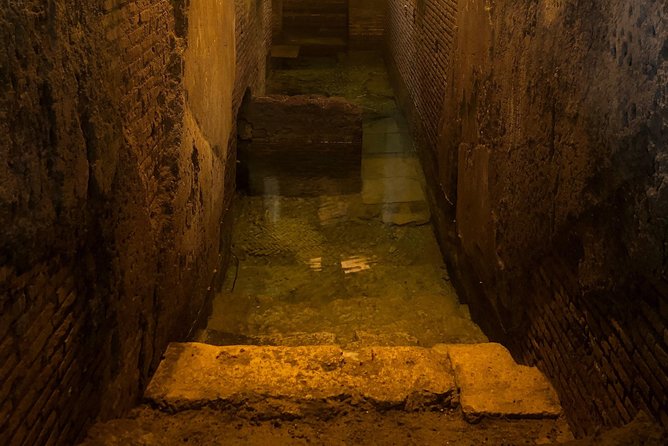
This is one of those tours where the script is really history made understandable. Guides named in feedback include Erika, Michelle, Erica, and Noemi/Neomi, and the common theme is energy and clear storytelling.
What you’ll want to watch for, as you follow along, is how the guide connects three things:
1) What the site physically shows you (water tank and cistern remains)
2) What the Roman system needed to work (aqueduct connections)
3) How daily life and wealth show up in the objects (marble, coins, amphorae)
That kind of linking is why people rate this tour highly even when they admit the space is small. The value isn’t the size of the room, it’s the way the guide helps you see what you’re looking at.
If you like asking questions, a small group helps a lot. With a maximum of 15 travelers, you’re less likely to feel like you’re shouting into the past. You can also slow down for a closer look at features the guide points out.
More catacombs and crypts in Rome:
- The Original Roman Crypts and Catacombs Tour with Transfers
★ 4.5 · 4,896 reviews - Rome: Colosseum Underground Small Group Guided Tour
★ 4.7 · 4,844 reviews - Rome: St. Peter’s Basilica, Dome Climb, and Underground Tour
★ 4.8 · 3,404 reviews - Rome: Colosseum Underground, Arena & Forum Tour
★ 4.7 · 3,272 reviews
Exiting to Trevi Fountain, how to use your time well
After the underground portion, you come back up and your tour ends at the Trevi Fountain. The Trevi stop is brief, with a free access ticket included. You’ll have about 10 minutes to enjoy the fountain, throw a coin if you want, and grab photos.
This is the part where timing matters. Trevi is famous, which means it can be crowded and noisy. Plan on using the minutes like a pro:
- Don’t try to see everything at once. Pick your photo angle, then move.
- Focus on the legend vibe only if you feel like it, not because you’re required to.
- If you want calm photos, stand slightly back, let the crowd shift, then take your shot.
Also, remember what the tour really is. It’s not a full, deep Trevi Fountain lecture. The main experience is the underground water site, and Trevi is the surface-level payoff. If you already know Trevi’s basics and you mainly want the fountain backdrop, this works well.
Included extras that add small but real value
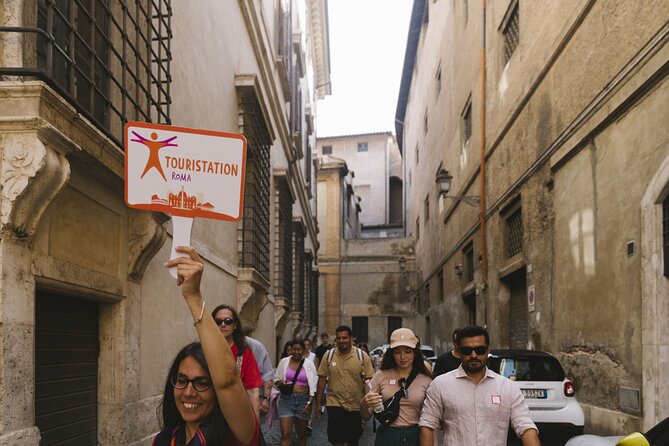
The tour price includes more than just entry. You also get:
- A reserved entry ticket to the Vicus Caprarius site
- A guided tour of the underground area
- Trevi Fountain access ticket
- Italian gelato
Gelato is a small line item, but it matters in a tour format like this. It gives you an easy reward right after you come out, and it helps you keep momentum instead of turning the rest of your day into a scramble.
Value is also about your time. At about 55 minutes total, you’re not committing to a half-day tour. You’re getting a focused experience near one of Rome’s busiest landmarks, and you still have plenty of time to wander afterward.
Price and value: is $53.10 a good deal?
The price is $53.10 per person for an experience that lasts about 55 minutes. Whether that feels like a good deal depends on what you want from Rome that day.
Here’s the value math that makes sense:
- You’re paying for guided entry into a specific underground site, not just a general sightseeing walk.
- You’re getting context and artifact interpretation, including major finds like the Alessandro Helios head and a large coin group.
- You’re also getting a Trevi Fountain access ticket plus gelato.
If your goal is primarily to see Trevi, and you don’t care about the underground water story, then the price may feel high. In that case, you might prefer a self-directed approach for the underground portion and just keep Trevi as your surface stop.
But if you want your time in the Trevi area to be more interesting than lines and photos, this price can make sense. The guide is a core part of why people rate it well. A compact site still turns into something memorable when someone explains the water system and shows you what the artifacts mean.
Best for: water nerds, history lovers, and heat-avoiders
This tour is a strong match for you if:
- You like Roman history that explains how cities actually functioned
- You enjoy small-group experiences where you can ask questions
- You’d rather escape the crowd and heat for part of your visit
- You already plan to visit Trevi and want a deeper connection to why the area looks the way it does
It’s also ideal if you’ve done the big-name hits in Rome and you want something that feels different, even if it’s short.
Who should skip it (or adjust expectations)
Skip it if you mainly want a long Trevi Fountain experience with lots of time to wander and listen. The Trevi stop is short, and Trevi is crowded.
Also reconsider if you expect a huge underground tunnel complex. The underground space is limited. It’s focused, and you should treat it like a concentrated archaeological visit, not a sprawling catacomb adventure.
Finally, if mobility is an issue, this one isn’t suitable based on the tour’s accessibility notes. Underground tours require careful movement, and this format is not built for mobility impairments.
Quick decision guide: should you book?
Book this tour if you want Trevi with a brain attached. The strongest part is the underground City of Water experience, the aqueduct connection, and the standout artifacts like the Alessandro Helios head and the coin finds. The small group size and the way guides are praised for energy make it a good bet for first-time visitors and repeat Rome travelers alike.
Don’t book if Trevi itself is the whole point for you. This is more about what feeds the fountain story and less about spending time soaking up the fountain scene.
If you’re on the fence, ask yourself one question: do you want Roman water infrastructure and artifacts, or do you just want more time at the fountain? Your answer will settle it fast.
FAQ
How long is the Rome Trevi Fountain District and Underground Domus guided tour?
It runs about 55 minutes.
Where do I meet for the tour?
You meet at Vicolo del Puttarello, 25, 00187 Roma RM, Italy.
Is the tour offered in English?
Yes, the tour is offered in English.
How many people are in the group?
The tour has a maximum of 15 travelers.
Is the tour suitable for people with mobility impairments?
No, it is not suitable for people with mobility impairments.
What is included in the ticket price?
You get entry and a guided tour at Vicus Caprarius, access to Trevi Fountain, help from Touristation staff, and an Italian gelato.
Do I get time at Trevi Fountain?
Yes. After the underground portion, your tour includes access to Trevi Fountain with about 10 minutes there.
What is the cancellation policy?
You can cancel for a full refund up to 24 hours in advance.
Latest reviews around Rome
- Guided Walking Tour of Rome: Top Sights & Baroque Treasures★ 5.0 · 155 reviews
- Rome at Night: Small Group Guided City Walking Tour★ 5.0 · 249 reviews
- Private Walking Tour of the Squares and Fountains in Rome★ 5.0 · 130 reviews
- Rome Food Tour by the Vatican★ 5.0 · 308 reviews
- Welcome To Rome Experience★ 4.5 · 679 reviews
- Vintage Fiat 500 Cabriolet: Rome’s Highlight Semi Private Tour★ 5.0 · 283 reviews
- Vespa Rental in Rome 24 hours★ 5.0 · 196 reviews
- Vatican VIP Early Entrance 8:00 AM★ 4.5 · 141 reviews
Catacombs & Crypts Tours, compared.

Naples Underground Entry Ticket and Guided Tour
Read our review →
Colosseum: Underground and Ancient Rome Tour
Read our review →
Catacombs of San Gennaro Entry Ticket & Guided Tour
Read our review →
Crypts and Catacombs Underground Tour with Transfers
Read our review →
Expert Guided Tour of Colosseum Arena OR Underground, and Forum
Read our review →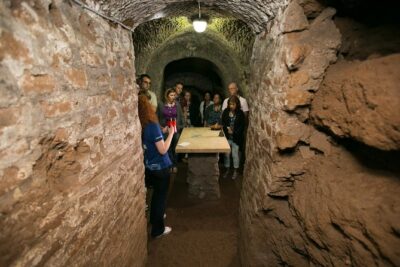
The Original Roman Crypts and Catacombs Tour with Transfers
Read our review →
Colosseum Underground Small Group Guided Tour
Read our review →Browse the lists this tour appears in