
Reviewed · COOKING CLASSES
Rome Trastevere Pasta Making Class with Eating Europe
Trastevere pasta sounds like a plan. In Rome’s favorite neighborhood, you start with local food stops, then move into a hands-on fresh pasta workshop for a sit-down meal, all in a max 12-person group. It’s one of those evenings where the neighborhood itself is part of the lesson.
I especially love how the experience begins at traditional shops, with you getting a close look at ingredients like eggs, Parmigiano, and sheep ricotta before you roll dough. You also get to end with gelato at an organic gelateria, with a mini lesson on how real gelato differs from the fake stuff.
One thing to consider: this is not just a tasting stroll. The class takes real time and attention, so if you’d rather spend those hours eating more and watching less, you might feel like the focus tilts heavily toward cooking.
In This Review
- Key highlights you should care about
- Trastevere pasta night: a local-feeling Roman food class
- La Norcineria di Iacozzilli: porchetta, pizza bianca, and ingredient scouting
- San Cosimato market moments: where Roman flavors get their texture
- Rione 13 Ristorante pasta workshop: fettuccine and ravioli, then you eat them
- Wine, sauce pairing, and how Romans think about dinner
- Fatamorgana gelato: organic scoops plus the real vs fake lesson
- Small groups, English guides, and the kind of coaching you remember
- Price and value: is $100.37 reasonable for 3 hours?
- Who this Rome class suits best, and who might not
- Practical tips for your pasta night in Trastevere
- Should you book this Rome Trastevere pasta making class?
- FAQ
- How long is the Rome Trastevere Pasta Making Class?
- What is the group size for this experience?
- Is the tour offered in English?
- What does the price include?
- Where do the tour start and end?
- Are there dietary accommodations?
- Can kids join the tour?
Key highlights you should care about
- Max 12 people means more hands-on attention and less standing around
- Porchetta plus pasta ties meat-shop culture directly to what you’ll cook and eat next
- Guided ingredient picking shows you what makes Roman pasta filling work
- Meal after class means you sit down and eat what you made, with Roman sauces
- Gelato lesson teaches you how to spot real gelato quality, not just what tastes good
- English-speaking local guide/chef makes market and shop stops easier to navigate
Trastevere pasta night: a local-feeling Roman food class
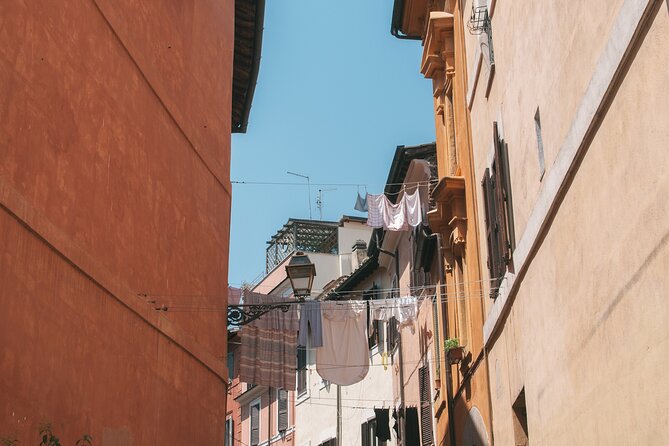
Trastevere is where Rome feels less like a museum and more like real daily life. This experience uses that advantage. You’re not just learning pasta in a kitchen, you’re learning it through food shops, street tastings, and Roman trattoria rhythms.
The pacing also makes sense for most people. You get an early hit of savory Roman flavors, you learn dough and shaping step-by-step, then you settle into a proper meal. Finally, gelato closes the loop, so you leave with your appetite satisfied but still excited about what you just learned.
And yes, this tour is built for people who want to eat well. The wine is part of the flow, and the tastings stack up. If you come hungry and keep an easy pace, you’ll have a very “this is Rome” evening.
More Cooking Classes in Rome
- 3 in 1 Cooking Class near Navona: Fettuccine, Ravioli & Tiramisu
★ 5.0 · 7,376 reviews - Rome: Pasta Making Class with Wine, Limoncello, and Dessert
★ 4.9 · 3,177 reviews - Rome: 3-in-1 Fettuccine, Ravioli, and Tiramisu Cooking Class
★ 4.9 · 2,704 reviews
La Norcineria di Iacozzilli: porchetta, pizza bianca, and ingredient scouting
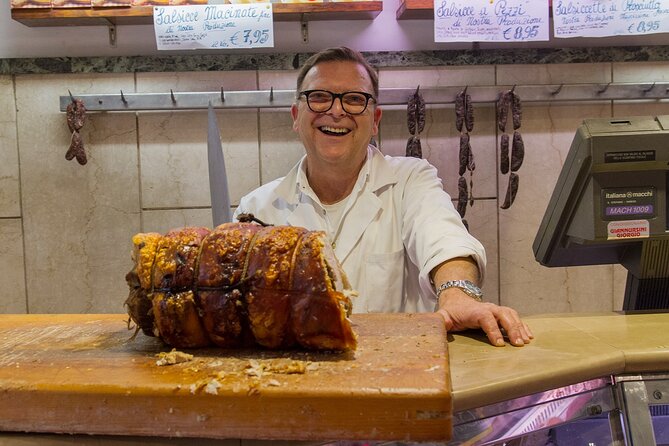
Your first stop is a traditional Roman delicatessen in Trastevere, La Norcineria di Iacozzilli. The moment you step inside, you’re in shop mode: food smells, product talk, and the kind of casual expertise that doesn’t need a lecture.
You start with pizza bianca filled with savory porchetta, plus a glass of wine. That’s not just snacking, it’s a quick orientation to Roman flavor basics. Porchetta here isn’t an abstract idea, it’s a real reference point for what “rich and pork-forward” tastes like in this neighborhood.
Then your guide helps set up the pasta class ingredients by selecting items like fresh eggs, grated Parmigiano, and sheep ricotta. That ingredient focus matters because fresh pasta in Rome is not only about technique. It’s about using the right starting materials so the dough and filling taste like they came from the same place as the city.
If you’re the kind of traveler who likes to understand why something tastes the way it does, this early stop scratches that itch fast. You also get 15 minutes to get oriented before things get hands-on.
Practical note: eat lightly at this stage if you’re worried about being too full for pasta later. You’ll still get plenty to eat, but you can protect your appetite for the dough work.
San Cosimato market moments: where Roman flavors get their texture
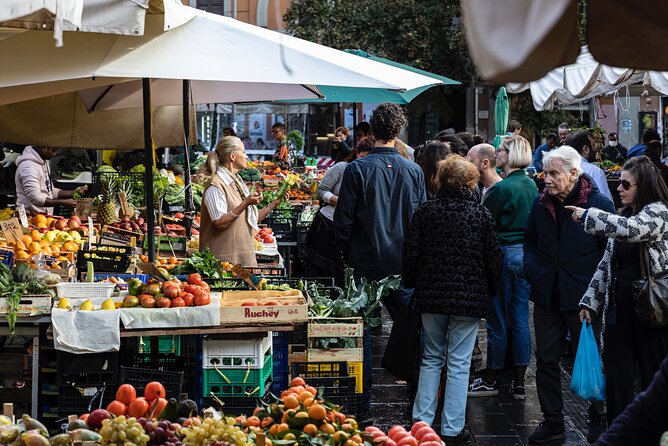
Between the shop start and the pasta workshop, the experience includes visiting the San Cosimato food market area. This is where Roman eating becomes more than a list of dishes. You see how people shop, what they pick, and what “good” looks like in the real supply chain of a neighborhood.
You’ll taste porchetta and other delicacies as part of that food exploration. The goal is simple: give you flavor context before you cook. When you know what real cured meats taste like here, sauce choices later make more sense.
The market-style part also helps with the social vibe. In a group of up to 12, people get talking fast because you’re all reacting to what you’re seeing and tasting. It’s one of the reasons this tour tends to feel friendly rather than stiff.
If you’re traveling in peak season, this kind of local market stop can be a welcome change from crowded photo spots. You’re learning what Romans actually eat and buy, not just where to take pictures.
Rione 13 Ristorante pasta workshop: fettuccine and ravioli, then you eat them
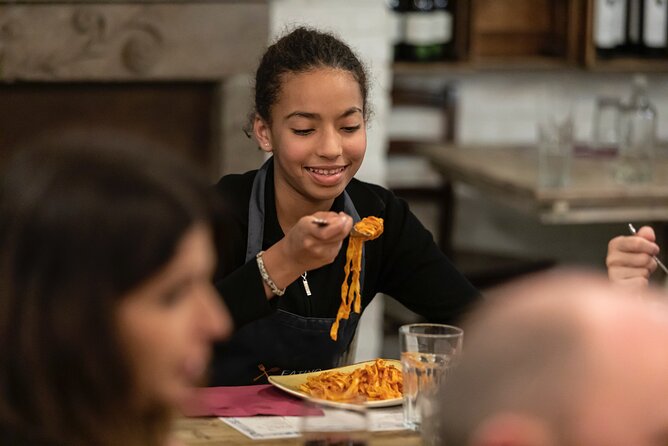
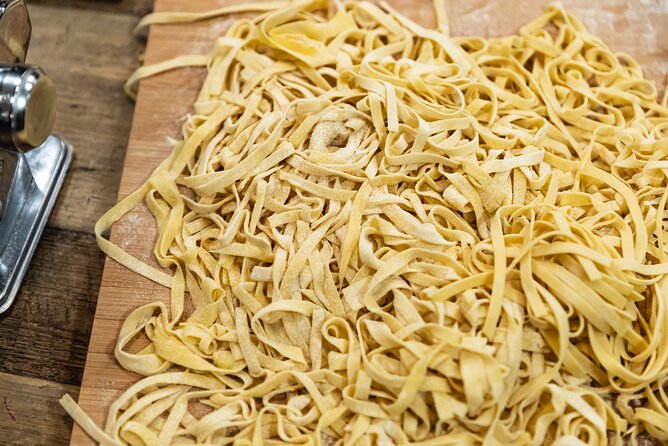
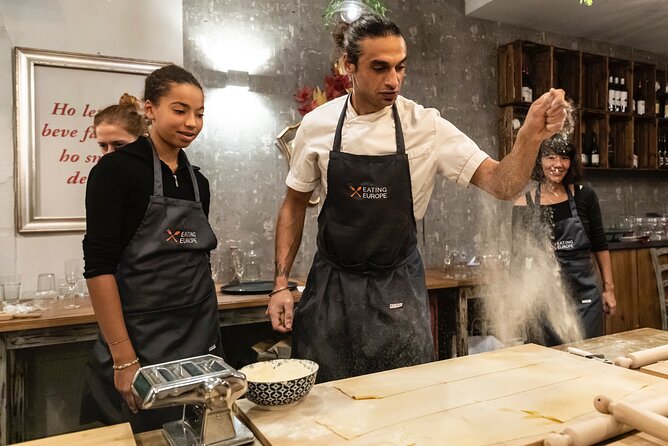
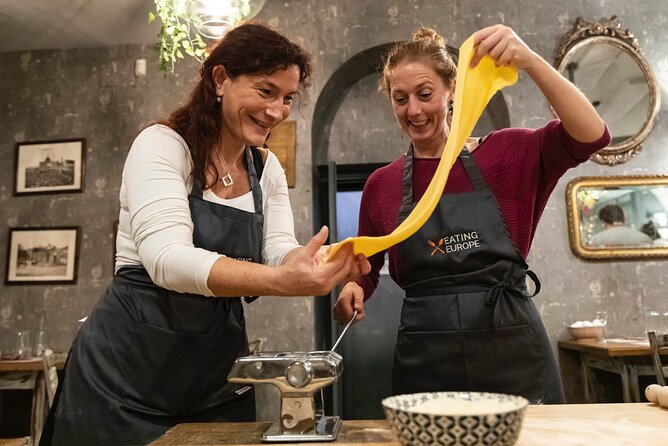
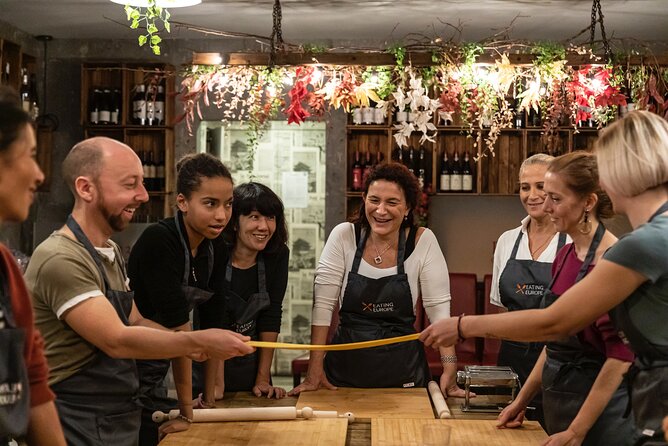
The heart of the evening is at Rione 13 Ristorante, a classic old-school Roman trattoria setting. Here’s where the tour turns from tasting to doing. A local expert guides the pasta-making process, and you shape your own fettuccine and ravioli.
This part is where the small group pays off. With a cap of 12, you’re more likely to get help when your dough sticks, your shaping gets clumsy, or your timing needs adjustment. Multiple reviews highlight guides who were patient and gave specific feedback so the final pasta looked and tasted right.
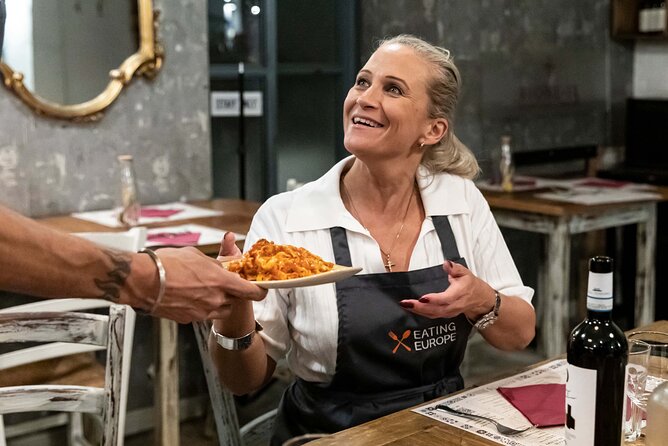
You’re not stuck with only one outcome, either. After the pasta shaping, you sit down to enjoy dishes including pasta chitarra with amatriciana sauce, plus ravioli filled with sheep ricotta and lemon zest, finished with butter and sage sauce. So even if your hands need a minute to get confident, you’ll still taste the finished Roman classics that anchor the lesson.
Why that matters: the meal acts like a living reference. It connects technique to flavor. You can look at your own pasta, compare it to the dishes served, and understand how Roman sauce and filling choices work together.
If you want a class where you leave with both skills and dinner, this is the right setup. You’re not paying for a demo that ends when the dough leaves the table.
A few more Rome options to weigh
- Rome: Fettuccine Pasta Cooking Class in Rome’s City Center
★ 4.8 · 2,414 reviews - Rome: Traditional Pasta with Cocktails Cooking Class
★ 5.0 · 2,374 reviews - Rome: Fettuccine and Tiramisu Cooking Class with Wine
★ 4.8 · 2,013 reviews - Pasta Cooking Class Near the Colosseum with 3 Spritz Cocktails
★ 5.0 · 1,686 reviews
Wine, sauce pairing, and how Romans think about dinner
Wine is built into the experience. The tastings include wine early, and the pasta workshop and meal come alongside wine as part of the flow. For non-drinkers and kids, alternative beverages are available, so you don’t feel stuck watching others sip.
This is one of those tours where pairing is not a formal seminar, but it still teaches you the logic behind Italian meals. Roman pork flavors tend to like rich, savory sauce notes. That’s easy to sense when porchetta shows up first, then amatriciana and sage-butter elements show up later.
Also, you’ll get what the tour calls Food and the City insider tips. That typically translates to practical advice beyond the kitchen. In reviews, guides like Valentina, Valter, Arianna, and Domenico come up for sharing neighborhood know-how and helping people navigate what to order and where to go afterward.
My advice if you’re planning a packed itinerary: treat this as your anchor evening. Try not to schedule something late right after, because the food amount is real, and the wine adds to the post-meal slowdown.
Fatamorgana gelato: organic scoops plus the real vs fake lesson
Finishing with gelato is smart. After pasta and wine, a cold sweet ending resets your palate and keeps the whole night from feeling like one long carbohydrate event.
At Fatamorgana, you enjoy gelato and also learn how to spot differences between real and fake gelato. That’s not just trivia. It helps you understand what you’re buying later when you’re deciding between touristy counters and the places that take ingredients and texture seriously.
You’ll also hear that the gelato is organic, which aligns with the overall “ingredient matters” theme running through the class. The same mindset that makes sheep ricotta and Parmigiano important is applied here to the base of the gelato itself.
This is a short stop, about 20 minutes. It’s enough time to finish strong without stretching the schedule.
Small groups, English guides, and the kind of coaching you remember
The tour caps at a maximum of 12 travelers, and that affects everything: how quickly you get questions answered, how much shaping time each person gets, and how well the group stays social rather than fragmented.
English-speaking local guides and chefs run the show. From the review trail, certain guide names appear again and again, including Valentina, Valter, Lauriana (also seen as Loriana), Leonardo, Arianna, Dario, Domenico, Toni, and Sarah. While any guide will bring their own style, the repeated theme is clear: people appreciate a fun, attentive teaching approach, not a rushed assembly line.
What you should look for during the class is exactly this kind of feedback. If the dough feels wrong, ask early. If your ravioli edges won’t seal, check your technique before you fill more. In a small group, a guide can actually notice what’s going wrong and help you fix it.
If you’re traveling solo, this group size helps you meet people without feeling like you’re trapped in forced small-talk. The activity creates natural conversation points, especially around market stops and tasting reactions.
Price and value: is $100.37 reasonable for 3 hours?
At $100.37 per person, you’re not just buying pasta-making. You’re buying an evening that combines a mini food tour with a real cooking class, plus multiple tastings.
Here’s what the package includes, based on the tour details:
- Ingredient picking and street-food sampling around Trastevere
- A hands-on pasta-making session with wine
- A sit-down meal featuring Roman-style pasta and ravioli
- A gelato stop with a quick lesson on quality
- Alternative beverages for non-drinkers and kids
- Local English-speaking guide/chef and Food and the City insider tips
That’s a lot packed into roughly 3 hours. The price can feel especially fair if you plan to eat a hearty dinner in Rome anyway. Instead of paying restaurant prices and a separate class price, you get a guided, structured food experience that teaches you while feeding you.
The value drops a bit if you won’t eat much, don’t drink anything at all, or you’d rather spend your time on longer sightseeing walks. Cooking-focused tours are not the best choice for ultra-light eaters.
Still, for most people who like food and want a memorable skill to take home, it’s a solid deal.
Who this Rome class suits best, and who might not
This experience fits best if you want:
- Hands-on cooking that ends with you eating your results
- A Trastevere evening that feels less touristy and more neighborhood
- A guide who can explain ingredients and Roman food logic in English
- A mix of savory tastings, wine, and gelato
It also works for families with children over age 4. Children under 4 can join free, but food is not included for that age group, so plan accordingly.
Vegetarians and gluten-free guests may be accommodated if you email or add a note at booking. The tour also notes it isn’t suitable for people with severe or life-threatening food allergies due to ingredients involved.
If you’re someone who gets restless in workshops, you might find the pasta-making portion too hands-on. If you’re the type who loves learning by doing, you’ll likely find it satisfying.
Practical tips for your pasta night in Trastevere
- Come hungry, not stuffed. The food amount is real, and pasta takes space.
- Wear comfortable shoes. You’re moving through shops and streets, and you’ll stand during tastings and guidance.
- Pace your wine. You’ll be doing dough work, so keep it steady and enjoy, don’t gulp.
- If you have dietary needs, communicate early. The tour says it can try to accommodate common needs when you contact them or add a note.
- Plan your start and finish points. You start at Via Natale del Grande, 46 and end at Via Roma Libera, 11. Build your evening route around that.
- This runs near public transportation, which helps if you’re not staying in the center of Trastevere.
And one more calm planning note: the tour can be canceled for a full refund up to 24 hours in advance, and it requires a minimum number of travelers to run. If your dates are tight, book confidently but keep flexibility in mind.
Should you book this Rome Trastevere pasta making class?
Book it if you want a Rome experience that goes beyond tasting with a skill you can actually use later. The combination of local shop culture, ingredient focus, hands-on fettuccine and ravioli shaping, a sit-down meal, and a gelato finish makes for a full evening that still feels grounded in everyday Roman food life.
Skip it if you’re looking for long sightseeing time, or if you dislike cooking and would rather do a restaurant-only food crawl. In that case, you might prefer a lighter food walk with fewer workshop demands.
For most food-first travelers, this is exactly the kind of tour that turns Trastevere into a story you can taste, not just a neighborhood you can point to on a map.
FAQ
How long is the Rome Trastevere Pasta Making Class?
It lasts about 3 hours.
What is the group size for this experience?
The group is capped at a maximum of 12 travelers.
Is the tour offered in English?
Yes, it’s offered in English.
What does the price include?
You’ll get the food tour components, ingredient pickup and sampling at local shops, the fresh pasta and ravioli cooking experience with wine, gelato, and local English-speaking guide/chef plus Food and the City insider tips. Alternative beverages are available for kids and non-drinkers.
Where do the tour start and end?
You start at Via Natale del Grande, 46, 00153 Roma RM, Italy and end at Via Roma Libera, 11, 00153 Roma RM, Italy.
Are there dietary accommodations?
The tour says they do their best to accommodate vegetarians, gluten-free guests, and other dietary needs if you email or add a note at booking. It also states it is not suitable for severe or life-threatening food allergies related to ingredients on the tour.
Can kids join the tour?
Children under 4 can join for free, but food is not included for them. Paid tickets with food included are available for ages 4 and up.
Latest reviews around Rome
- Guided Walking Tour of Rome: Top Sights & Baroque Treasures★ 5.0 · 155 reviews
- Rome at Night: Small Group Guided City Walking Tour★ 5.0 · 249 reviews
- Private Walking Tour of the Squares and Fountains in Rome★ 5.0 · 130 reviews
- Rome Food Tour by the Vatican★ 5.0 · 308 reviews
- Vintage Fiat 500 Cabriolet: Rome’s Highlight Semi Private Tour★ 5.0 · 283 reviews
- Welcome To Rome Experience★ 4.5 · 679 reviews
- Vespa Rental in Rome 24 hours★ 5.0 · 196 reviews
- Vatican VIP Early Entrance 8:00 AM★ 4.5 · 141 reviews
Cooking Classes, compared.
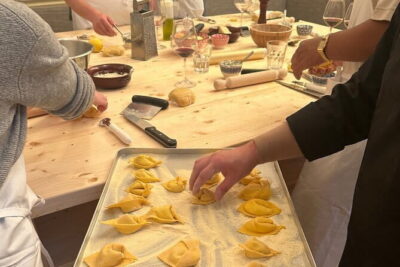
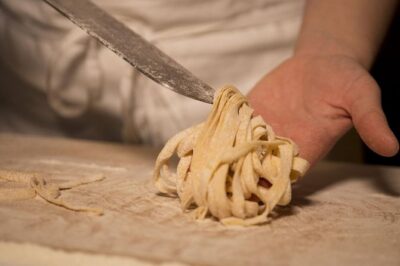
3 in 1 Cooking Class near Navona: Fettuccine, Ravioli & Tiramisu
Read our review →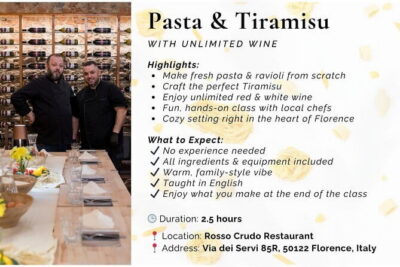
Pasta & Tiramisu Cooking Class with Unlimited Wine
Read our review →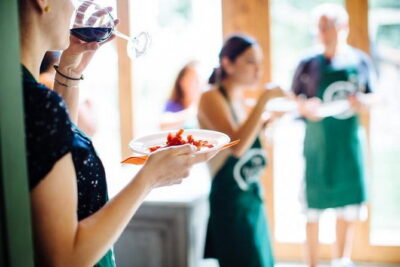
Cooking Class and Lunch at a Tuscan Farmhouse with Local Market Tour from Florence
Read our review →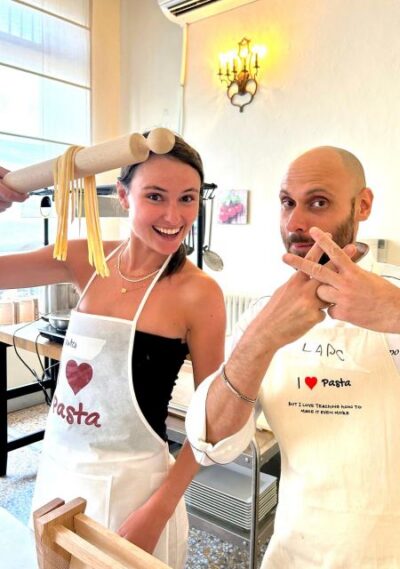
Pasta Making Class with Wine, Limoncello, and Dessert
Read our review →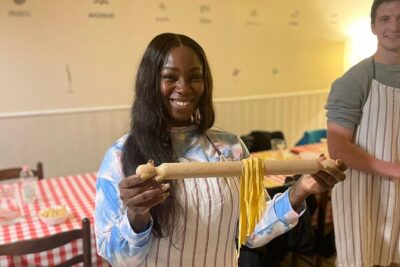
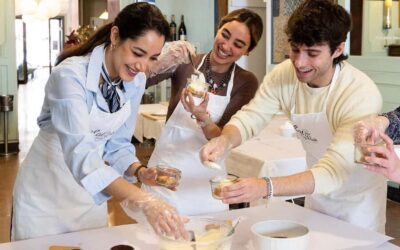
3-in-1 Fettuccine, Ravioli, and Tiramisu Cooking Class
Read our review →Browse the lists this tour appears in