
Reviewed · COOKING CLASSES
Rome: Traditional Pizza Cooking Class near Piazza Navona
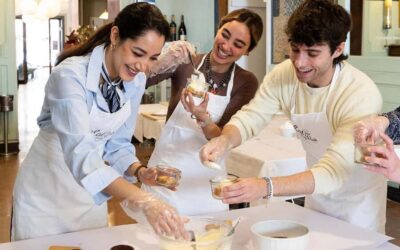
Making pizza in Rome is fun fast. I love the hands-on dough work plus the chance to eat at Osteria Pasquino right after, served with drinks like wine or beer, depending on what you choose. I also like the small-group setup, where chefs such as Luca and Elisa can actually watch what you do, not just talk at you from a distance. One possible drawback: the class is listed as 2 hours, but timing can feel brisk, so go in expecting a focused lesson, not a long, slow cooking party.
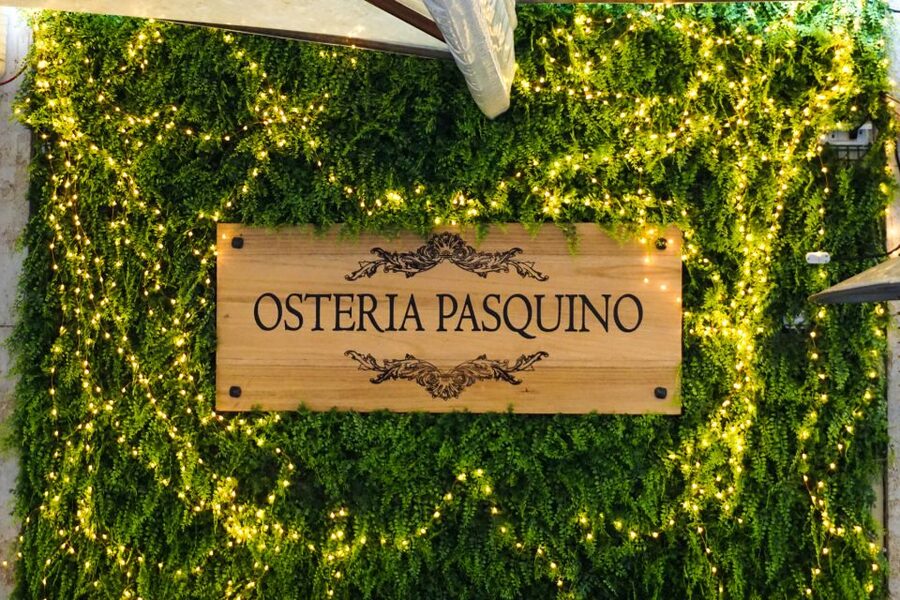
You’ll meet inside Osteria Pasquino on Piazza di Pasquino 1, close enough to Piazza Navona that you can easily pair this with a walking evening. Before you start cooking, you’re welcomed with complimentary prosecco (unless you request a different drink), and then you work through making and topping your pizza before baking. Afterward, you sit down in the osteria and keep eating, with bruschetta and a finish like limoncello or coffee.
This is an English-led experience for up to 10 people, with vegetarian and other dietary options supported if you tell the provider ahead of time. If you have gluten intolerance, the class is not suitable, and if you’re traveling with very young kids, it’s not for children under 5. Also, wheelchair access is supported, which makes it easier to plan a Rome day without scrambling for other activities.
In This Review
- Key highlights worth circling
- Finding Osteria Pasquino: your Rome base on Piazza di Pasquino
- The 2-hour flow: dough work, topping choices, and baking reality
- 1) From basics to dough handling
- 2) Stretching and topping your pizza
- 3) Baking and learning the timing
- Osteria Pasquino meal moments: drinks, bruschetta, and eating your own work
- Instructors and pacing: the difference between doing it and getting it right
- Price and value: why $46 can feel like a fair Rome dinner upgrade
- What to expect if you’re vegetarian, traveling with kids, or doing it solo
- Vegetarian and other diets
- Kids and teens
- Solo travelers
- Practical tips so your pizza class goes smoothly
- Who should book this Rome pizza class, and who might skip it
- FAQ
- FAQ
- Where do I meet for the pizza cooking class?
- How long is the class?
- What language is the instruction in?
- Is it wheelchair accessible?
- Are vegetarian or other dietary options available?
- Is the class suitable for gluten intolerance?
- How many people are in the group?
- Should you book this Roman pizza class near Piazza Navona?
Key highlights worth circling
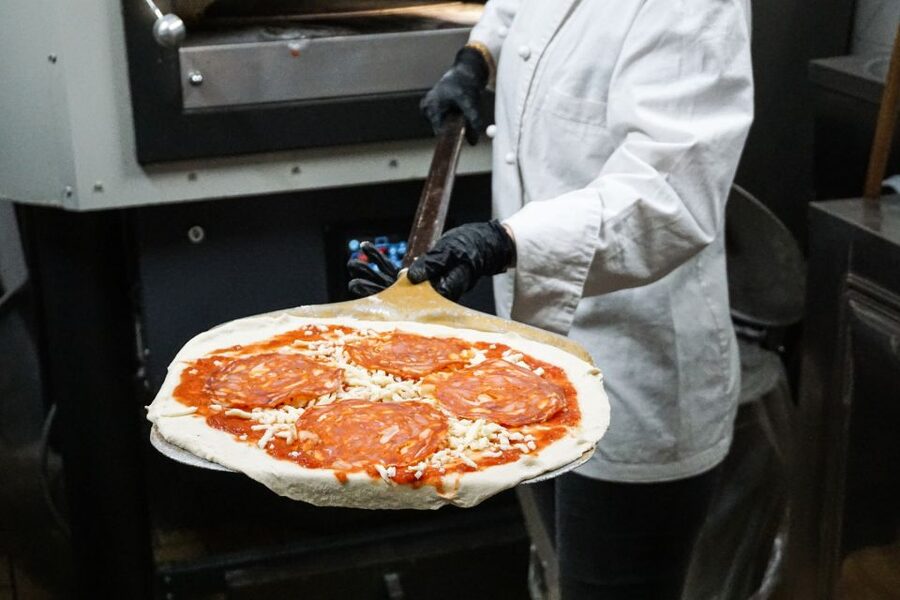
- Make Roman pizza from flour, yeast, and water, with step-by-step help
- Small group of 10, so your instructor can correct the way you stretch and toss
- Complimentary prosecco up front, plus wine or beer with your meal afterward
- Bruschetta included, then you eat the pizza you made while you’re still on a high
- Finish with limoncello or coffee, depending on what you want after dessert vibes
- English instruction, helpful for solo travelers and couples in Rome
Finding Osteria Pasquino: your Rome base on Piazza di Pasquino
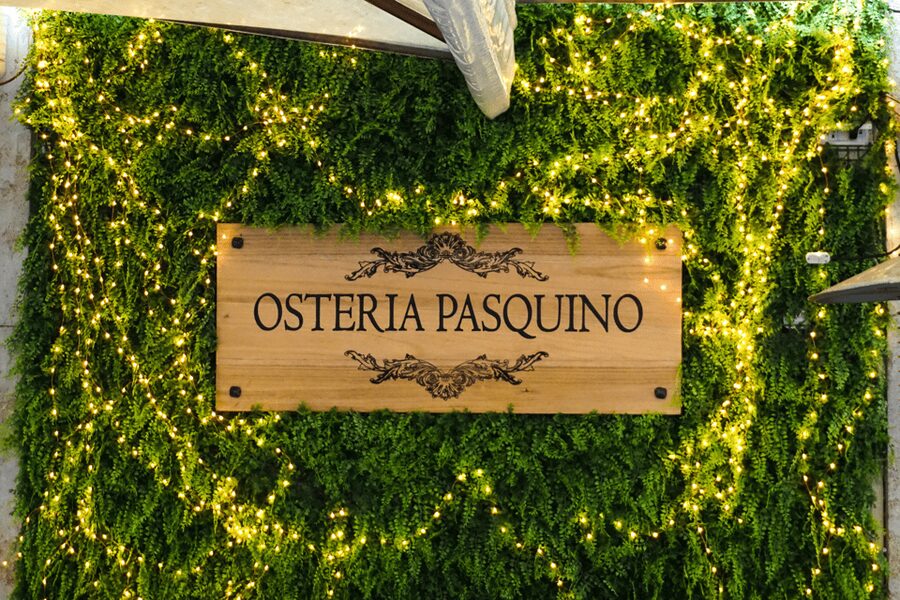
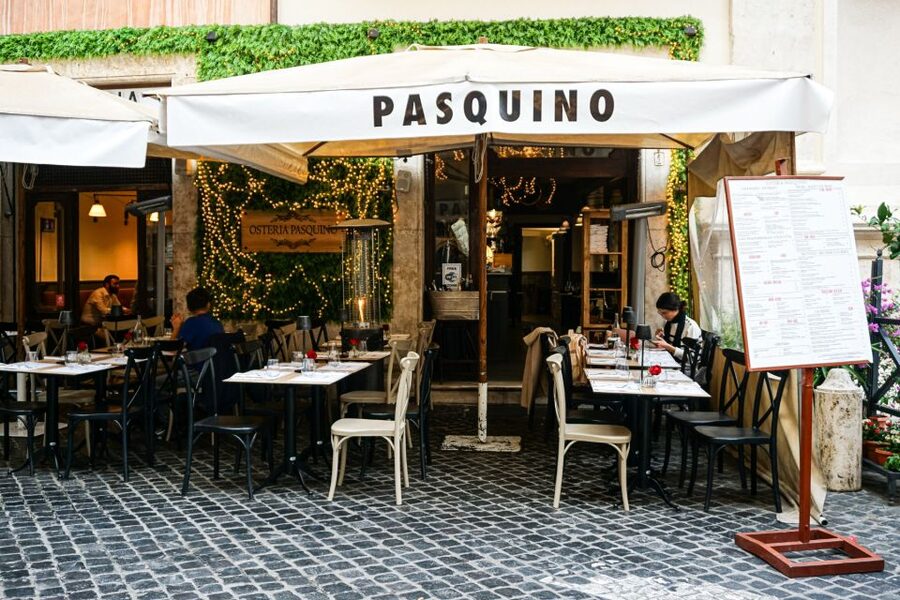
The whole experience runs out of Osteria Pasquino, right on Piazza di Pasquino 1. That location matters, because you are not just doing a cooking demo and leaving. You’re essentially turning the class into a proper Roman food moment in an osteria setting.
When you arrive, go inside. The instruction is simple: ask a waiter to escort you to the class. This saves time and helps you avoid the classic Rome problem, where the meeting point is a specific doorway inside a busy scene.
If you’re building your evening, this is a practical stop. Piazza Navona is close, so you can do a walk before or after. Just remember you’ll be working hands-on, so plan to keep the rest of the night easy, no sprinting to three other reservations right after you bake.
More Cooking Classes in Rome
- 3 in 1 Cooking Class near Navona: Fettuccine, Ravioli & Tiramisu
★ 5.0 · 7,376 reviews - Rome: Pasta Making Class with Wine, Limoncello, and Dessert
★ 4.9 · 3,177 reviews - Rome: 3-in-1 Fettuccine, Ravioli, and Tiramisu Cooking Class
★ 4.9 · 2,704 reviews
The 2-hour flow: dough work, topping choices, and baking reality
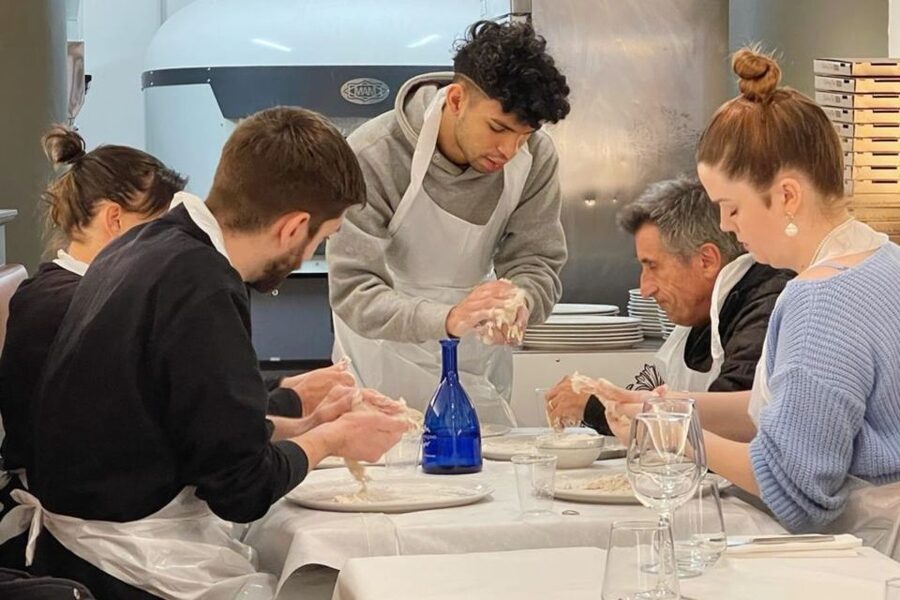
The core of the class is straightforward: you learn how to make a classic Italian pizza, then you actually make one. I like this format because you get the technique and the results together. No prior experience is required, and the instructors are there to guide your hands, not just your ears.
1) From basics to dough handling
You start with the dough process, which is taught as a full skill, not a quick shortcut. Expect a real focus on the early stages, including starting from flour, yeast, and water. You’ll also hear about why dough needs time to develop, since at least one instructor explains the idea that it takes 24 to 48 hours to rise. Even if your dough is already ready by the time class starts, that lesson helps you understand why good pizza is not rushed.
A technique you may practice is tossing and shaking off excess flour. One review notes learning to toss from one hand to the other to reduce extra flour before stretching. That’s the kind of detail that makes your dough handle better, and it also helps you avoid the sticky, tear-prone moments that can happen when you rush.
2) Stretching and topping your pizza
Once the dough stage is underway, you move into the part that most people come for: shaping and topping. You’ll choose from toppings provided in the class, and you’ll get coaching while you build your pizza.
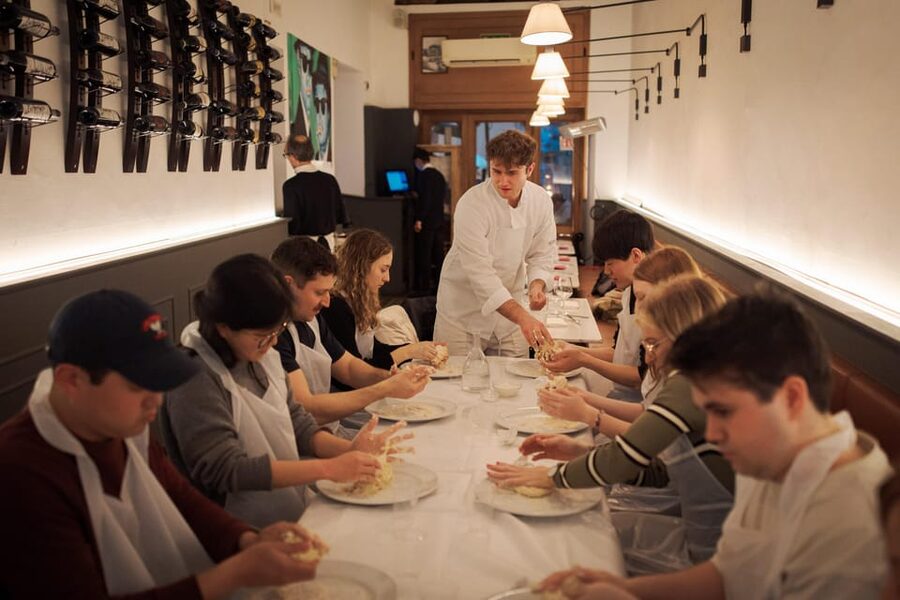
This is where the small group shines. With a limit of 10 people, instructors can correct issues like uneven stretching or topping too heavily. That matters because Roman-style pizza is at its best when the dough is thin enough to bake properly and sturdy enough to hold the toppings.
A few more Rome options to weigh
- Rome: Fettuccine Pasta Cooking Class in Rome’s City Center
★ 4.8 · 2,414 reviews - Rome: Traditional Pasta with Cocktails Cooking Class
★ 5.0 · 2,374 reviews - Rome: Fettuccine and Tiramisu Cooking Class with Wine
★ 4.8 · 2,013 reviews - Pasta Cooking Class Near the Colosseum with 3 Spritz Cocktails
★ 5.0 · 1,686 reviews
3) Baking and learning the timing
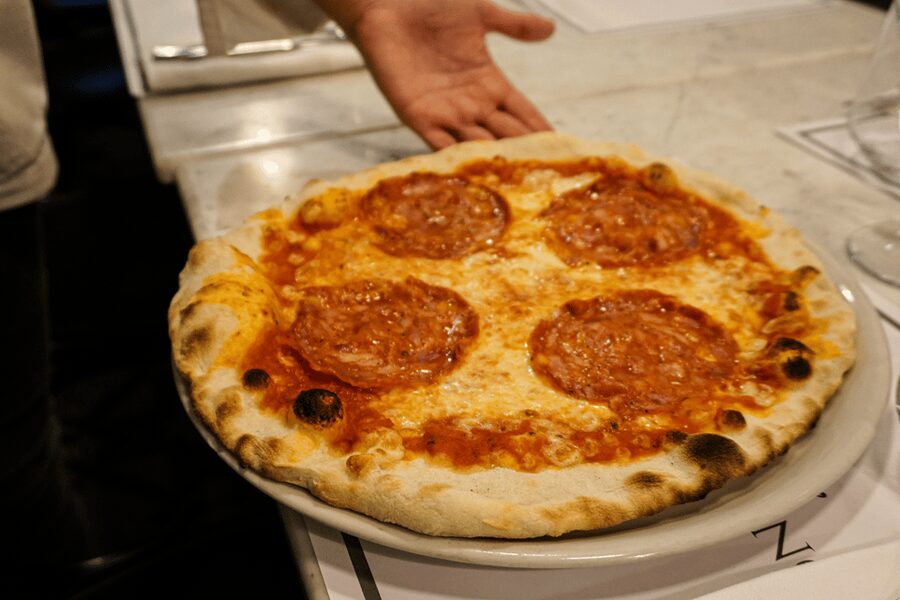
At baking time, you get the payoff. Reviews mention pizzas going in the oven for a short blast and coming out ready to eat soon after. You also learn the basics behind the process, including the science of dough and oven results, not just a list of steps.
Don’t expect to stand around. This class is structured so you’re actively doing things, with the instructor checking in as you go. If you like learning by making, this one fits your style.
Osteria Pasquino meal moments: drinks, bruschetta, and eating your own work
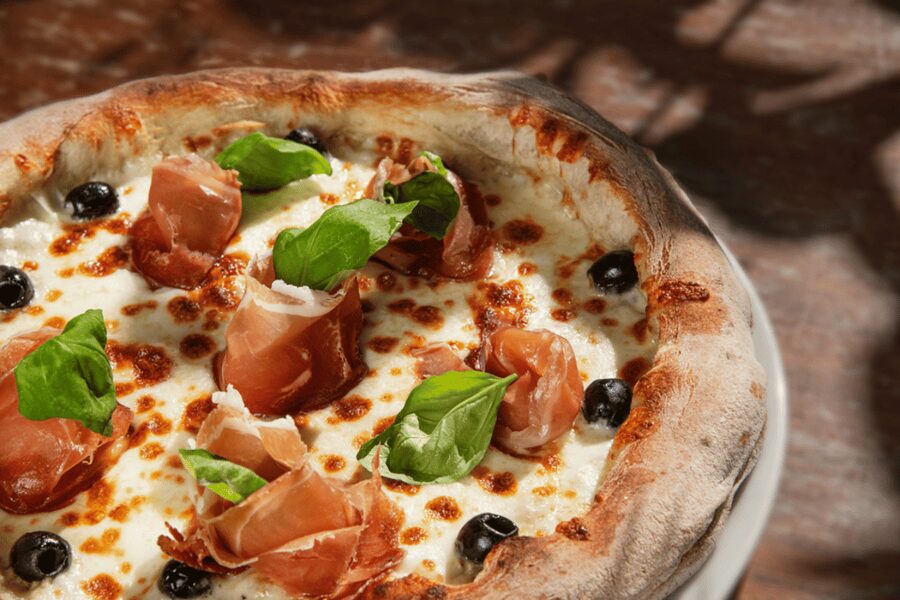
Here’s what I really like: after you bake, you’re not stuck with a sad paper plate and a leave-fast smile. You sit in the osteria and you’re served like part of the restaurant rhythm.
You’re welcomed with complimentary prosecco, and after the class you’re seated while waiters bring water and a drink such as wine or beer, with options like soda too. You’ll also get appetizers (bruschetta) before the main event finishes.
Then comes the best part. You eat your own pizza you just made. That sounds obvious, but it’s rare for classes to feel this complete. In multiple accounts, the instructors and restaurant staff keep things smooth, which helps the whole experience feel like an easy evening, not a chore.
One note to keep in mind: if you want to skip prosecco and switch to soda, you should clarify how drink choices work. One account mentions extra charges when soda was requested instead of the included drink and an expectation mismatch about what was already counted. It sounds like a simple communication fix, so I recommend you ask early what is included with your chosen drink.
Instructors and pacing: the difference between doing it and getting it right
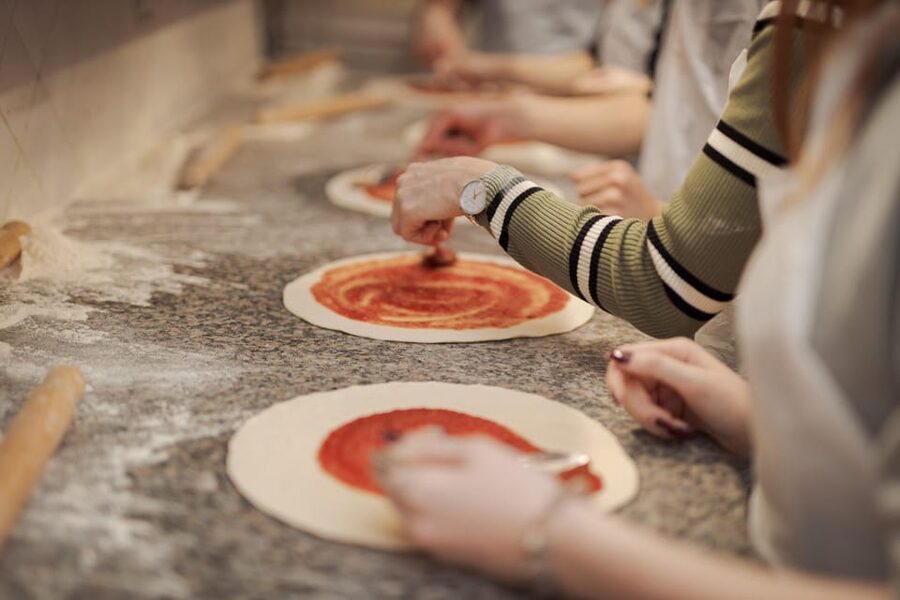
This class has a strong people factor. Reviews repeatedly name instructors like Luca, Elisa, Simone, Sara, Ana, and Sara again (spelled as in multiple entries), and the common thread is clear: the teaching style is relaxed, fun, and hands-on.
What I look for in a cooking class is correction without embarrassment. This one seems to hit that balance. One review specifically praises instructors for being welcoming and helpful, including making it doable for first-timers who have never rolled dough before.
Pacing is another story. Even though it’s listed at 2 hours, one account says the activity felt shorter, and others describe a quick, straight-to-the-point lesson. I’d plan your day with a little wiggle room, so a brisk class doesn’t throw off your schedule.
Price and value: why $46 can feel like a fair Rome dinner upgrade
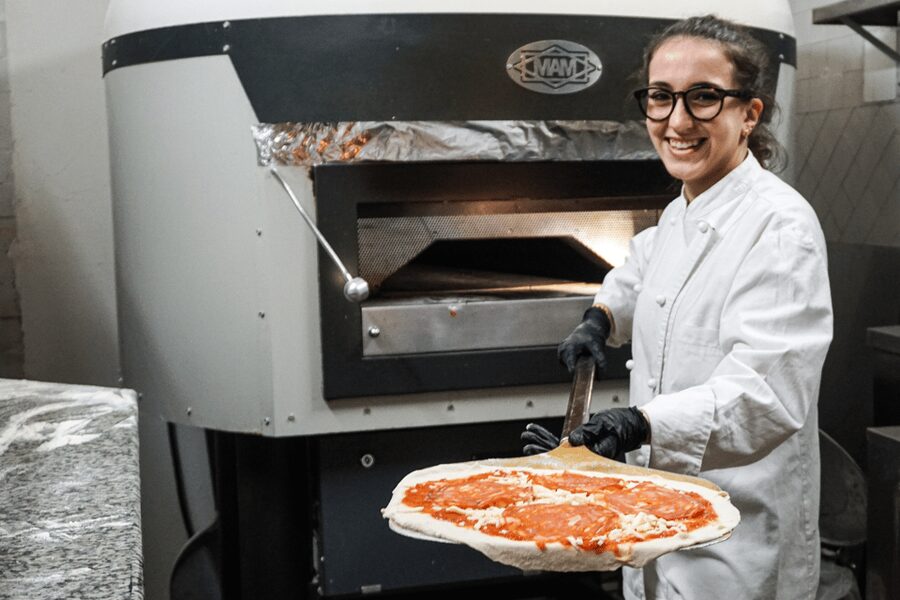
At $46 per person for 2 hours, this is not a cheap novelty class. But you also aren’t paying only for labor and flour. You’re paying for an instructor, a structured lesson, and a meal-like experience afterward.
Here’s what’s included:
- Instructor guidance
- Coffee and tea, or a glass of limoncello as your finish
- Bottled water
- A glass of wine or small beer
- Bruschetta appetizer during the restaurant portion
- Complimentary prosecco at welcome time
When you add up the restaurant components, the class starts to look less like a standalone workshop and more like a guided food evening in a historic-center osteria. And since the group stays small, you get more real feedback than you would in a big classroom setting.
So for me, this is good value if you want both skill and atmosphere. If you only want a quick bite or you hate spending time in group activities, you might want to pick a different kind of food experience.
What to expect if you’re vegetarian, traveling with kids, or doing it solo
Vegetarian and other diets
The class supports vegetarian and other diets, as long as you inform the provider when booking. That’s the big practical advantage here: you’re not left guessing whether you can adapt a meal at the last minute.
Kids and teens
This is not for children under 5, but it does work for families with older kids. Several accounts describe teenagers and kids enjoying the hands-on steps and eating what they made. If your child is curious and willing to get a little flour on their hands, it tends to be a good fit.
Solo travelers
If you’re traveling alone, the small group size helps. You get to interact with others while staying in an instructor-led flow. And the restaurant finish makes it feel like you did something social without hunting for conversation at random.
Practical tips so your pizza class goes smoothly
A few small moves can make this experience even better.
1) Ask the staff early about drink swaps. If prosecco is not your thing, clarify what is included if you choose soda instead. This avoids surprises during the meal.
2) Wear something you don’t mind getting flour on. You’re making dough, and you will touch flour at least briefly.
3) Plan for a relaxed end to your day. You’ll be eating bruschetta and your own pizza, plus a finish drink like limoncello or coffee, so you might not want a heavy dinner right after.
4) Take mental notes, not just photos. The “why” behind dough and shaping is part of the learning. One review even mentions a recipe available online, which can help you recreate the method at home.
5) If you want the best experience, arrive ready to work with your hands. The class is designed for participation, not observation.
Who should book this Rome pizza class, and who might skip it
Book it if you:
- Want hands-on pizza making rather than a lecture
- Like eating what you make in a real osteria setting
- Want a small group class with a relaxed vibe and guided instruction
- Prefer an experience in the historic center with a built-in meal afterward
Consider skipping or choosing something else if you:
- Have gluten intolerance, since it is not suitable
- Need a very strict long-duration activity, since pacing can feel brisk even when listed as 2 hours
- Are looking for a quiet, private event, since the group is small but still social
FAQ
FAQ
Where do I meet for the pizza cooking class?
You meet inside Osteria Pasquino on Piazza Pasquino 1. When you arrive, ask a waiter to escort you to the class.
How long is the class?
The duration is 2 hours.
What language is the instruction in?
The instructor is English.
Is it wheelchair accessible?
Yes, the experience is wheelchair accessible.
Are vegetarian or other dietary options available?
Yes. Vegetarian and other diets are supported if you inform the activity provider of your dietary needs when booking.
Is the class suitable for gluten intolerance?
No. It is not suitable for people with gluten intolerance.
How many people are in the group?
The group is small, limited to 10 participants.
Should you book this Roman pizza class near Piazza Navona?
If you want an evening that combines real technique with a restaurant meal, I’d book it. The value is strongest when you like hands-on cooking and you’re happy to eat soon after baking, with drinks and bruschetta included. If gluten intolerance is part of your situation, you’ll need a different option. Otherwise, this is one of those Rome experiences where the payoff is both what you learn and what you get to eat while you’re still in the historic-center mood.
Latest reviews around Rome
- Rome: Painting Class with Unlimited Wine★ 4.8 · 109 reviews
- From Rome: Hadrian’s Villa & Villa d’Este Day Trip & Lunch★ 4.5 · 157 reviews
- Vatican City: Sistine Chapel, Museums, Basilica Private Tour★ 4.8 · 158 reviews
- Pope Leo XIV Audience Tour with Local Guide★ 3.3 · 111 reviews
- Rome: The Three Tenors at St. Paul’s Church Concert Ticket★ 4.7 · 699 reviews
- Vatican Museums & Sistine Chapel Skip-the-Line Guided Tour★ 4.6 · 254 reviews
- Rome: St. Peter’s Basilica and Papal Tombs Guided Tour★ 4.6 · 477 reviews
- St. Peter’s Dome Climb, Basilica and Vatacombs Tour★ 4.7 · 230 reviews
Cooking Classes, compared.
3 in 1 Cooking Class near Navona: Fettuccine, Ravioli & Tiramisu
Read our review →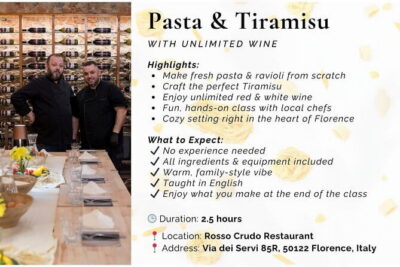
Pasta & Tiramisu Cooking Class with Unlimited Wine
Read our review →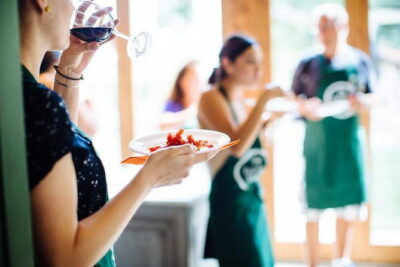
Cooking Class and Lunch at a Tuscan Farmhouse with Local Market Tour from Florence
Read our review →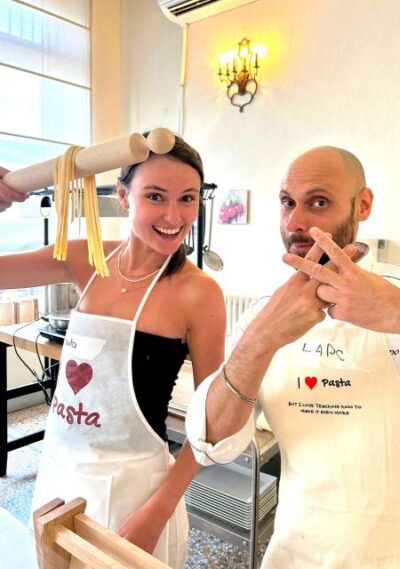
Pasta Making Class with Wine, Limoncello, and Dessert
Read our review →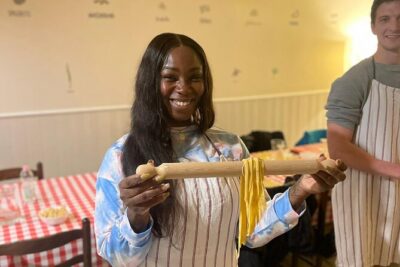
3-in-1 Fettuccine, Ravioli, and Tiramisu Cooking Class
Read our review →Browse the lists this tour appears in