
Reviewed · CATACOMBS & CRYPTS TOURS
Rome: Tour of St. Clement’s Basilica Underground Temples
Step underground and watch Rome change eras fast. This guided tour takes you 14 meters below Basilica di San Clemente into a layered mix of pagan worship, early Christianity, and eye-catching art. I love how the site shows religion as an evolving story, not a textbook, and I love the way the guide connects the golden mosaic above with what you find below. The main drawback to flag is that the underground spaces are tight, so it is not a good fit if you get anxious in enclosed areas.
You also get an option to extend the day at Santo Stefano Rotondo, where you’ll see frescoes tied to martyr stories in a striking circular church. Guides often bring real clarity to symbols and dates, and names like Francesca, Lorenzo, Paul, and Tom come up again and again for being lively and easy to follow. If you want a slow, sit-down museum pace, this might feel more intense than you expect because you’re constantly moving between levels and interpreting what you see.
In This Review
- Key things I’d mark on your Rome map
- Why San Clemente is Rome in layers you can walk through
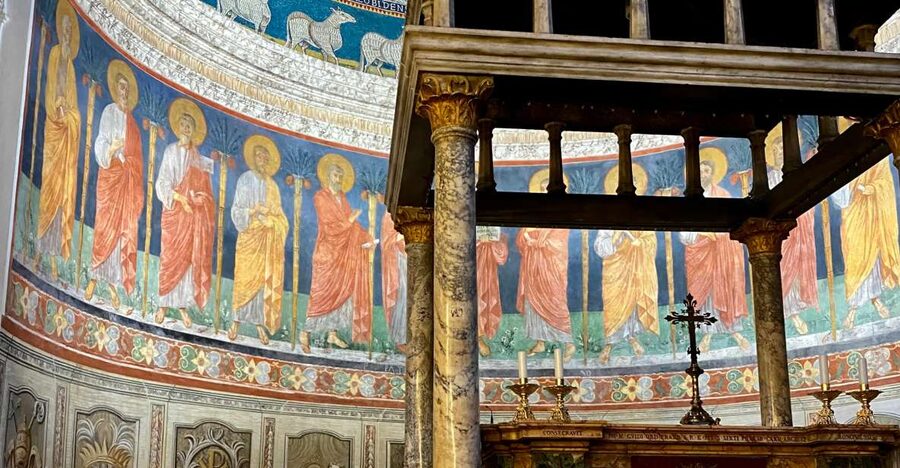
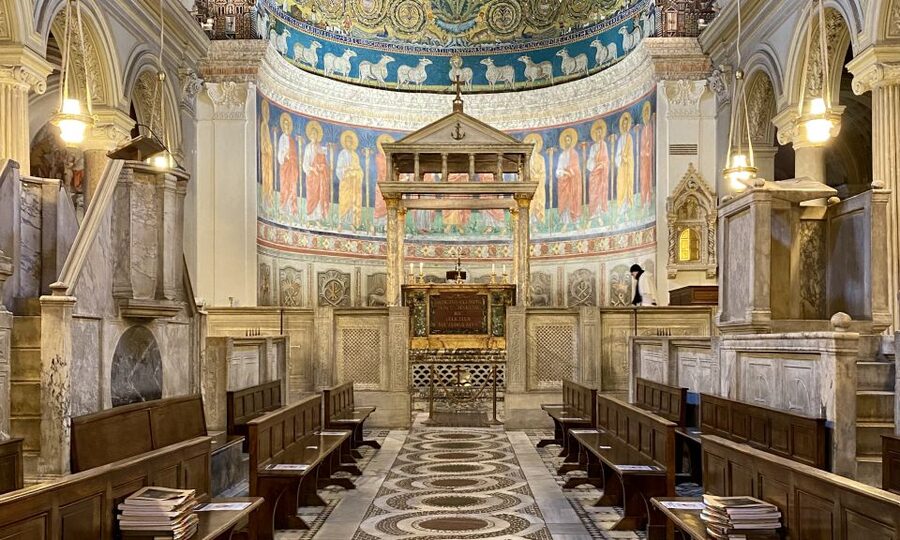
- Starting above ground: the apse mosaic and its hidden message
- 14 meters down: the early church built on St. Clement’s story
- Mithraic temple and an underground river, right under the basilica
- Martyrs, frescoes, and symbolism in the oldest walls you’ll see
- Optional upgrade: Santo Stefano Rotondo’s circular church and martyr frescoes
- Price and value: what you pay for at San Clemente
- Practical tips so the tour feels smooth, not stressful
- Who should book, and who should choose a different Rome day
- Should you book this St. Clement’s underground tour?
Key things I’d mark on your Rome map
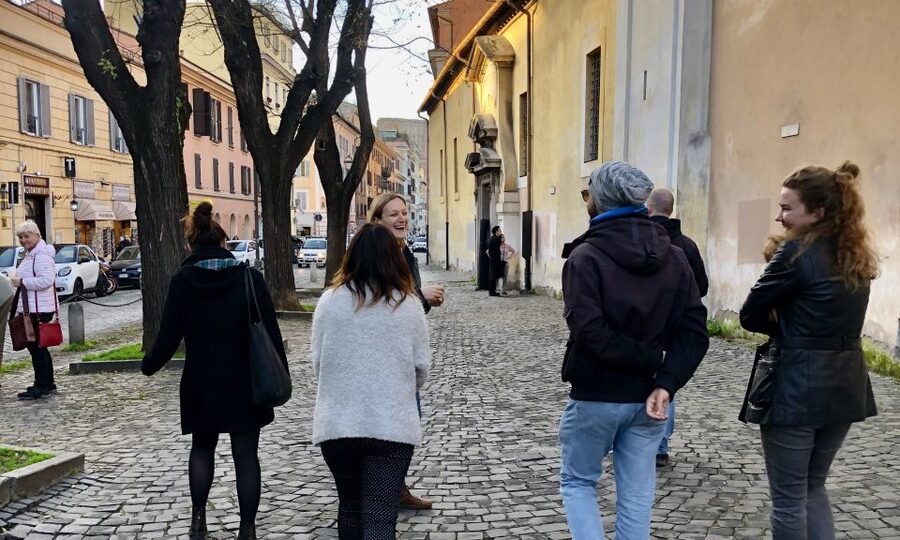
- 14-meter descent into Rome’s stacked layers, including a 4th-century underground church
- Mithraic temple viewing in a preserved space, plus an underground river you can sense right there
- Golden mosaic in the apse and the symbolism your guide will help you read
- Early Christian frescoes showing martyrs in a direct, visual way
- Optional Santo Stefano Rotondo add-on for more martyrdom artwork in a circular setting
- Headsets included, which matters in churches where sound can bounce
Why San Clemente is Rome in layers you can walk through
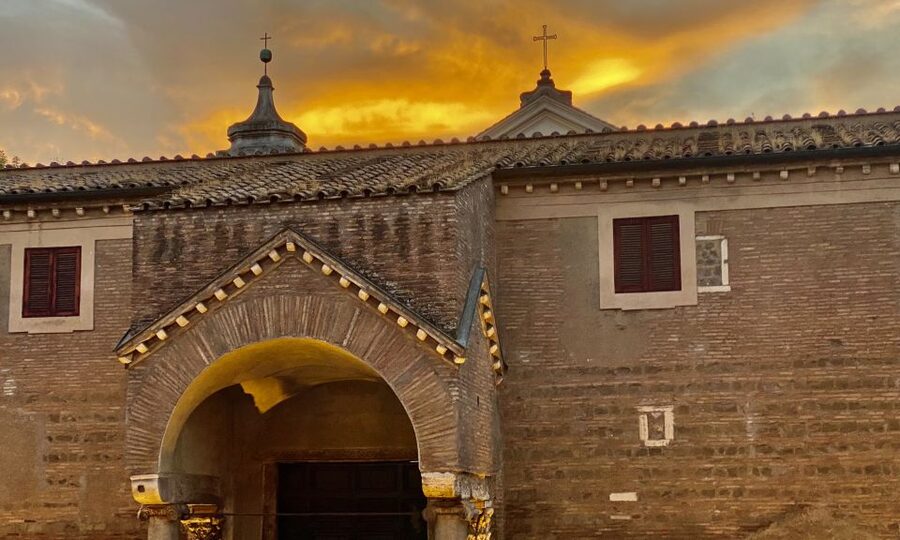
Most of Rome’s best history is vertical in your imagination. Here, it is physical. At San Clemente, you’re not just looking at one building. You move through multiple time periods that sit on top of each other, like archaeological pages stacked into a single readable place.
What makes this tour feel different is the rhythm. You start at the recognizable basilica level, then you step down into older realities. The guide helps you notice how builders reused space, how ideas changed, and how religious practices shifted without wiping out everything that came before.
For me, the value is that you come away with a simple mental model: the city’s past is not gone, it’s buried. And in this case, you actually walk through it.
More Underground Tours in Rome
- Colosseum: Underground and Ancient Rome Tour
★ 4.7 · 12,691 reviews - Rome: Crypts and Catacombs Underground Tour with Transfers
★ 4.6 · 5,341 reviews - Expert Guided Tour of Colosseum Arena OR Underground, and Forum
★ 4.5 · 5,041 reviews
Starting above ground: the apse mosaic and its hidden message
Before you go underground, you get oriented in the 12th-century Basilica di San Clemente al Laterano area. This matters more than it sounds. The tour starts with the golden mosaic in the apse, and your guide points out the symbolism and spiritual meaning tied to how Christians presented their faith.
Even if you know basic Christian art, this is where the tour’s logic clicks. The mosaic is not just decoration. It is part of a visual argument, and it sets you up to understand what you’re about to see underneath.
A practical note: if you’re the type who likes to ask questions, this is a great moment to do it. Many guides on this circuit are especially strong at answering specific how and why questions, and it can make the underground sections land even harder.
14 meters down: the early church built on St. Clement’s story
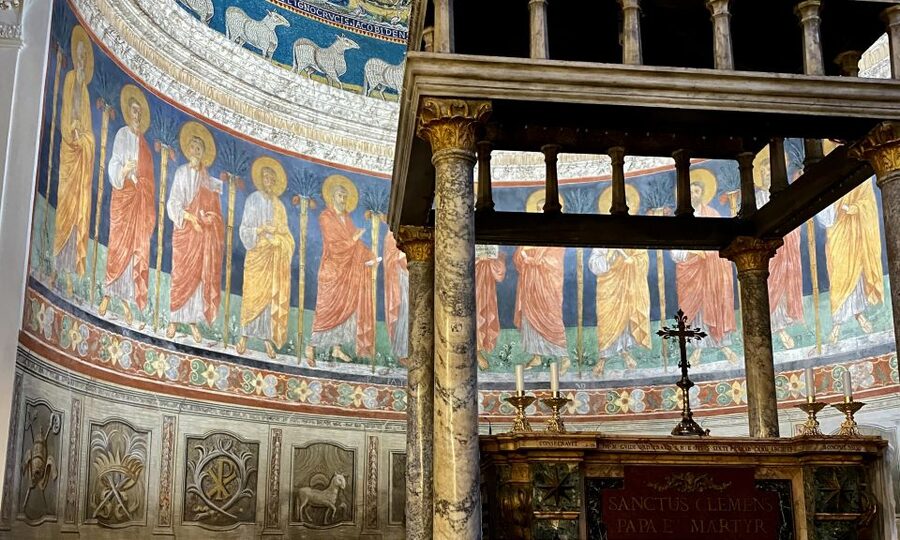
The highlight for most people is the descent, and it’s not a token step. You go 14 meters below the basilica to see the 4th-century underground church built directly over the home associated with St. Clement, described as the third pope of Rome.
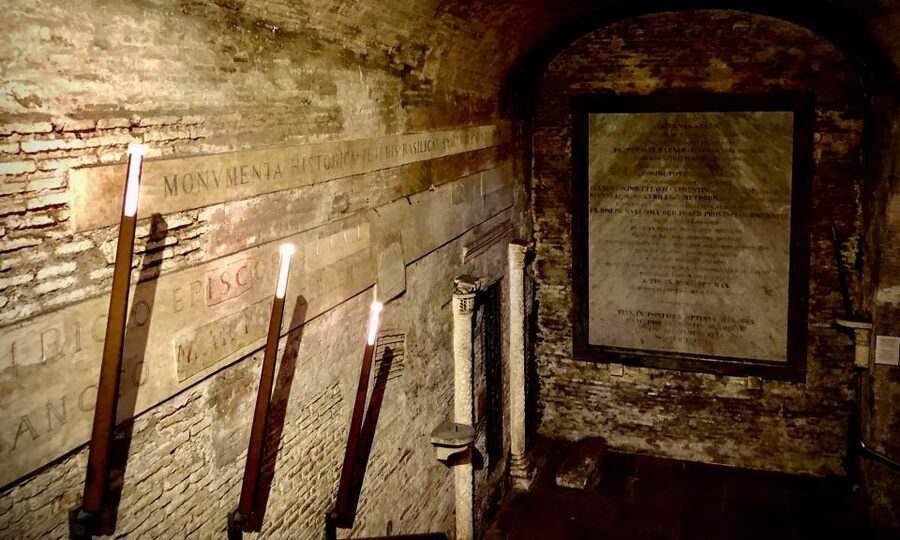
Here’s what you should expect in a tangible way: the air feels different, the lighting is more subdued, and the architecture forces you to slow down. You’re seeing Christian space in an earlier stage, with frescoes that connect to persecution and martyrdom.
Your guide walks you through how the underground church relates to the legend and memory around St. Clement. You’re also shown early Christian frescoes depicting the lives and martyrs of early Christians. It is visual storytelling, not abstract history.
One consideration: this part is not wheelchair accessible, and if you struggle with enclosed spaces, take the warning seriously. The tour is literally underground, and the layout can feel tight.
Mithraic temple and an underground river, right under the basilica
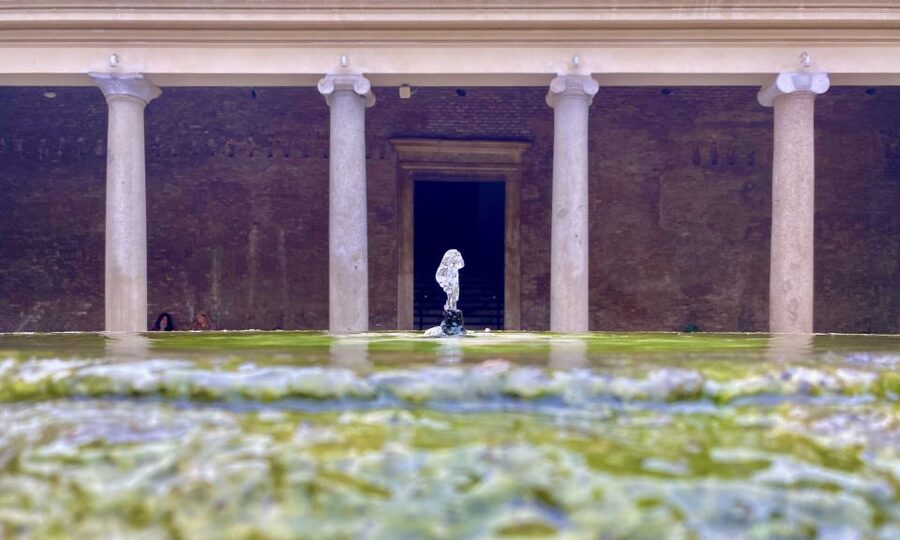
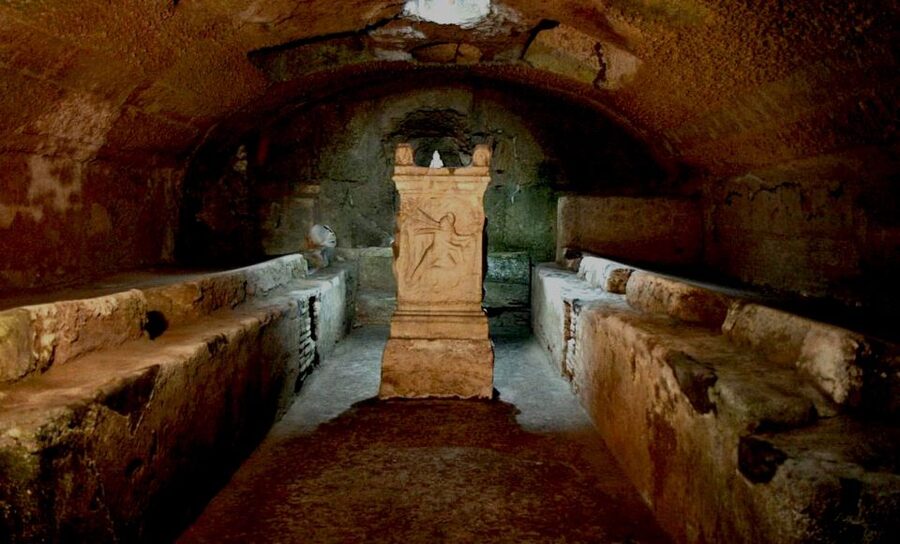
After you’ve taken in the early Christian layer, the tour takes a turn that makes San Clemente feel truly startling: you reach one of Rome’s best-preserved Mithraic temples.
Mithraism is a pre-Christian religious cult associated with Roman-era mystery traditions. Seeing it preserved here is powerful because it shows how different belief systems occupied the same city layers over time. Your guide will explain the cult’s world, including the rituals and beliefs that shaped how devotees understood the sacred.
Then you notice the underground river. It adds an extra sensory layer to the experience. Even if the water is not roaring, it changes the atmosphere. Stone, water, and ritual spaces combine into something you would never get from a standard surface-level church visit.
If you’re a “show me the evidence” traveler, this is a good match. The temple space is built, not just described.
More catacombs and crypts in Rome:
- The Original Roman Crypts and Catacombs Tour with Transfers
★ 4.5 · 4,896 reviews - Rome: Colosseum Underground Small Group Guided Tour
★ 4.7 · 4,844 reviews - Rome: St. Peter’s Basilica, Dome Climb, and Underground Tour
★ 4.8 · 3,404 reviews - Rome: Colosseum Underground, Arena & Forum Tour
★ 4.7 · 3,272 reviews
Martyrs, frescoes, and symbolism in the oldest walls you’ll see
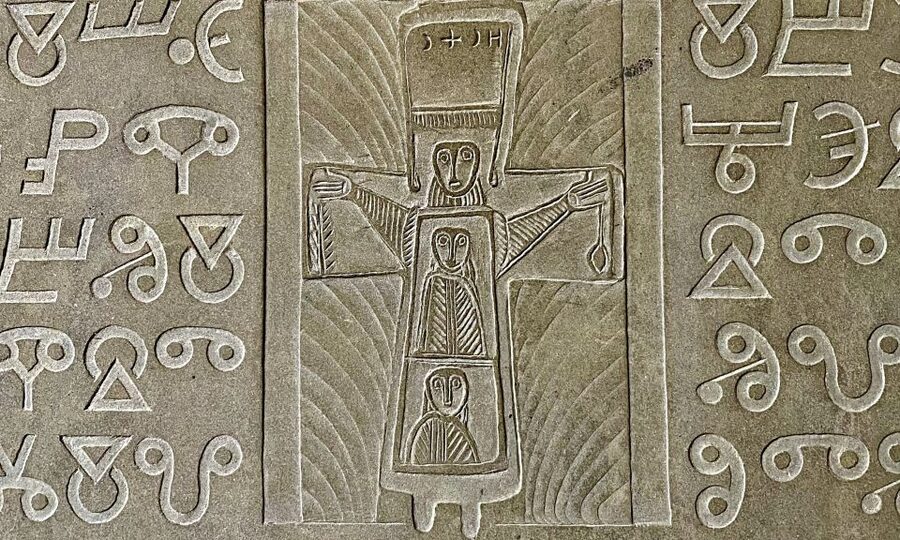
One reason the guide role matters here is that frescoes are easy to misread if you only glance. In the underground church, the artwork focuses on martyrs and early-Christian narratives. The tour framing helps you understand what you’re looking at, including how persecution shaped Christian storytelling.
Later, if you choose the Santo Stefano extension, the fresco language shifts from underground basilica scenes to a different architectural setting and a different intensity. Santo Stefano Rotondo’s martyrdom frescoes are described as graphic, and that is worth knowing if you’re traveling with kids.
Also, the symbolism in the basilica’s apse gets echoed in your underground walk. The point is not that everything means the same thing. The point is that art carried messages for believers, and the messages changed as Christianity gained strength and pagan cults declined.
Optional upgrade: Santo Stefano Rotondo’s circular church and martyr frescoes
If you pick the longer option, you add about 45 minutes at Santo Stefano Rotondo. The churches are close enough to connect easily on foot, with roughly a 15-minute walk between them in the flow of the day.
This add-on is best if you want continuity. You just learned how early Christians told stories in frescoes below San Clemente. Santo Stefano Rotondo keeps that thread going with its own famous martyrdom artwork and its circular architecture.
The mood is different here. Instead of the layered “lasagna” feeling you get at San Clemente, you get a more unified, almost theatrical visual space, where the paintings hit you as you move through the church.
Practical fit: because the martyr scenes are described as graphic, I’d treat this as an adult-first stop, or a “screen it first” stop for families depending on your kids’ sensitivity.
There’s also a real scheduling reality: the Santo Stefano Rotondo extension may occasionally be unavailable due to special events or liturgical celebrations. If that happens, the plan can be adjusted while keeping the overall duration the same.
Price and value: what you pay for at San Clemente
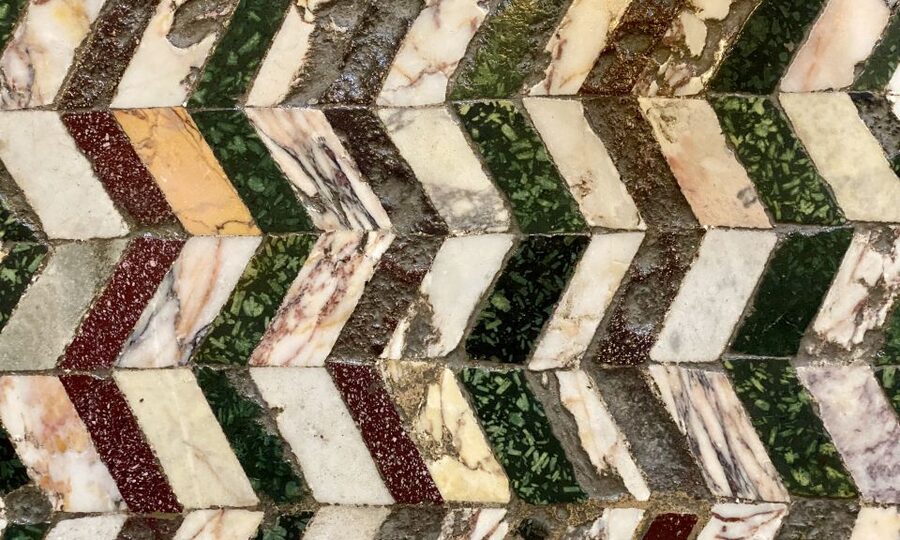
The price is $70 per person, and for Rome this is not bargain-bin cheap. It is, however, very targeted spending.
What you’re buying includes:
- an expert live guide
- entrance fees to the Basilica di San Clemente
- guided visit at Santo Stefano Rotondo if you choose that option
- headsets so the guide voice carries clearly
You’re also getting access to spaces most people never see, especially the preserved Mithraic temple and the underground river environment. That access is the core value. A self-guided visit can work if you have strong archaeology interest, but you will miss the interpretive thread: why these layers matter and how the artwork connects across centuries.
One more value point that shows up in the best guided experiences: strong guides tend to make it feel like a story instead of a list. The names that frequently come up include Francesca, Lorenzo, and Paul. Paul is described as an archaeologist and professor in Rome in the feedback, which suggests you’re likely to get crisp explanations and careful dates rather than vague “cool facts.”
If you like art history, Roman religions, or archaeological sites where the building itself is the evidence, this price starts to look fair.
Practical tips so the tour feels smooth, not stressful
Wear comfortable shoes. Underground surfaces can be uneven, and you’ll be moving between levels.
Dress code matters more than most people expect. The tour prohibits:
- shorts
- short skirts
- sleeveless shirts
- pets
- weapons or sharp objects
- food and drinks
- alcohol and drugs
- video recording
- photography inside
That means plan for a comfortable, covered look that still works in warm Roman weather. If you’re traveling in summer, keep a light layer in your day bag.
Also, consider your personal comfort with confined spaces. This is one of those experiences where “I’m fine with museums” might not translate to being fine underground. If you have claustrophobia, skip it.
If weather or liturgical events affect the site, the tour can be canceled with an option for an alternative date or a full refund. And if certain areas are closed, your guide adapts the itinerary while keeping the overall duration unchanged.
Who should book, and who should choose a different Rome day
I think this tour is ideal if you:
- want Roman religions before Christianity, not just Christian Rome
- like archaeology where the site is the lesson
- enjoy frescoes but also want help interpreting what you see
- want fewer crowds than the biggest headline sites, while still getting a top-tier moment
I’d skip it or reconsider if you:
- need wheelchair access (this tour is not accessible to wheelchair users)
- have claustrophobia
- have concerns about graphic martyrdom imagery for your family group
- hate rules about no photography and no video, since this experience restricts both inside
If you already visited the big monuments like Colosseum and the main Vatican basilicas, this is the kind of stop that gives you a different Rome perspective. It is less about scale, more about time.
Should you book this St. Clement’s underground tour?
Yes, if your idea of a great Rome day is walking through real layers of history and getting clear explanations while you do it. The combination of the Mithraic temple, the underground river atmosphere, and early-Christian frescoes gives you a rare pairing of pagan and Christian worlds in one guided route.
Book the Santo Stefano Rotondo extension if you want more martyrdom frescoes and you’re comfortable with graphic imagery. Choose the basic San Clemente underground portion if you want a tighter timeline and you’re mainly chasing the Mithraic and early-Christian layers.
If you’re deciding last minute and you’re unsure, ask yourself one simple question: do you like sites where the building itself is the evidence? If the answer is yes, this is one of the best bets in Rome for that kind of experience.
Latest reviews around Rome
- From Rome: Hadrian’s Villa & Villa d’Este Day Trip & Lunch★ 4.5 · 157 reviews
- Rome: Painting Class with Unlimited Wine★ 4.8 · 109 reviews
- Vatican City: Sistine Chapel, Museums, Basilica Private Tour★ 4.8 · 158 reviews
- Pope Leo XIV Audience Tour with Local Guide★ 3.3 · 111 reviews
- Rome: The Three Tenors at St. Paul’s Church Concert Ticket★ 4.7 · 699 reviews
- Vatican Museums & Sistine Chapel Skip-the-Line Guided Tour★ 4.6 · 254 reviews
- Rome: St. Peter’s Basilica and Papal Tombs Guided Tour★ 4.6 · 477 reviews
- St. Peter’s Dome Climb, Basilica and Vatacombs Tour★ 4.7 · 230 reviews
Catacombs & Crypts Tours, compared.
Naples Underground Entry Ticket and Guided Tour
Read our review →
Colosseum: Underground and Ancient Rome Tour
Read our review →
Catacombs of San Gennaro Entry Ticket & Guided Tour
Read our review →
Crypts and Catacombs Underground Tour with Transfers
Read our review →
Expert Guided Tour of Colosseum Arena OR Underground, and Forum
Read our review →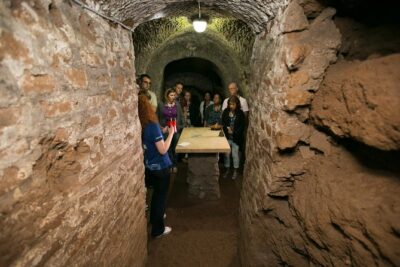
The Original Roman Crypts and Catacombs Tour with Transfers
Read our review →
Colosseum Underground Small Group Guided Tour
Read our review →Browse the lists this tour appears in