
Reviewed · COOKING CLASSES
Rome: Pasta Cooking Class in a Professional Pasta Laboratory
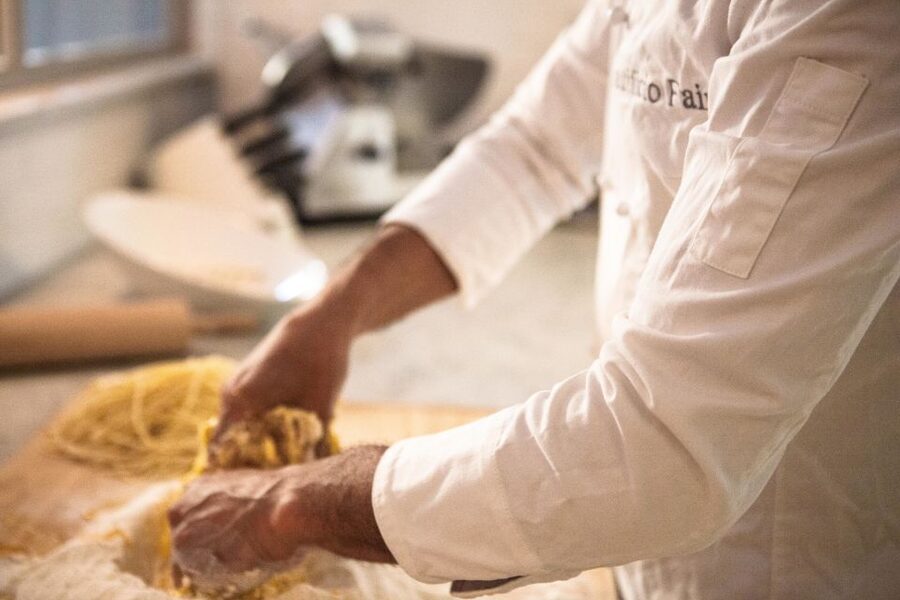
Homemade pasta gets real in Rome. This 3-hour class happens in a functioning pastificio laboratory, where Chef Angelo shows you how to roll, cut, and fill dough the traditional way. You even get an ingredient-driven lesson on rare flours, plus tasting at the end with Italian wine.
What I like most is the hands-on pace, you do the work and get coached while the dough is still in your hands. I also love that the menu is practical for home cooking, you learn a system for thin sheets, ravioli assembly, and classic Roman sauces like carbonara-style flavors and cacio e pepe, plus an egg-free vegan pasta option.
One possible drawback: if you book on a Thursday, the gnocchi part is sometimes described as more of a quick demo than full hands-on practice. If gnocchi is your main goal, it’s worth mentally setting that expectation.
In This Review
- Key highlights at a glance
- Inside Pastificio Faini: A professional pasta laboratory, not a set kitchen
- Chef Angelo and the small-group rhythm that keeps you moving
- Welcome drink and safety: learning prep before the dough
- Three grains, three stories, and why that matters for flavor and texture
- Rolling thin sheets the traditional way (and why it sticks)
- Ravioli time: three types of filling and shaping practice
- Roman sauces you can reproduce: carbonara, cacio e pepe, and gricia
- A vegan egg-free pasta you actually make
- Gluten-free at the center: Grano Saraceno buckwheat dough
- Timing and pacing in a 3-hour lab class
- The sit-down meal: wine, your pasta, and the satisfaction of results
- What you get to bring home: recipes and the confidence to repeat
- Thursday gnocchi note: great addition, possibly lighter hands-on
- Who this class is best for (and who might look elsewhere)
- Price and value: why $66.84 can be a good deal
- Should you book this Rome pasta laboratory class?
Key highlights at a glance
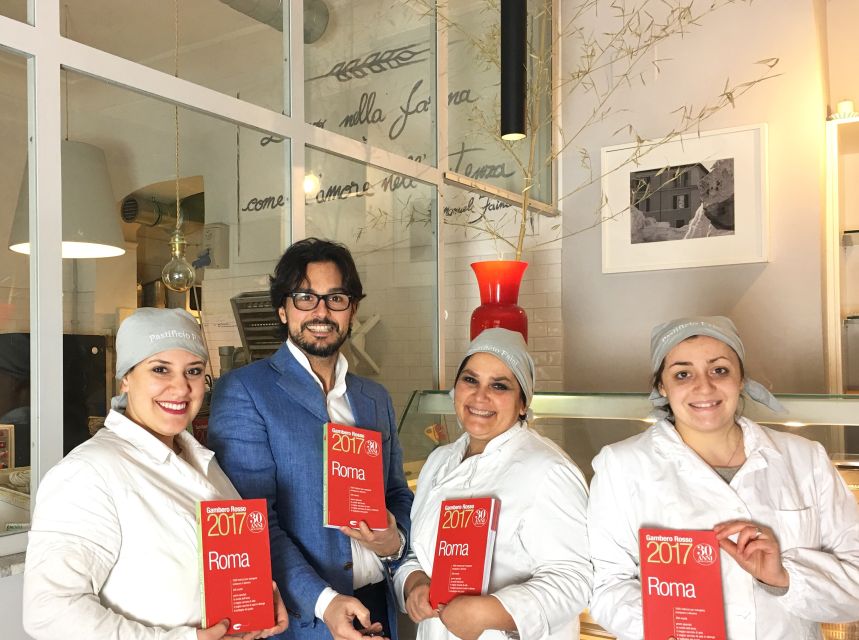
- A real professional pastificio setting (not a kitchen classroom with props)
- Three grains you can actually name and repeat at home, including triticum monococcum and Senatore Cappelli
- Ravioli plus Roman sauce techniques built for real use, not just for show
- Gluten-free pasta is part of the class, not an afterthought
- Small group format with English and Italian instruction
Inside Pastificio Faini: A professional pasta laboratory, not a set kitchen
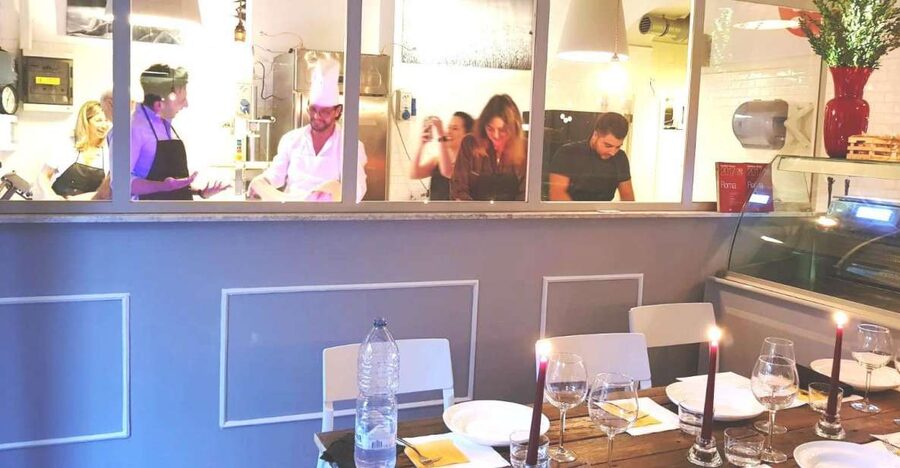
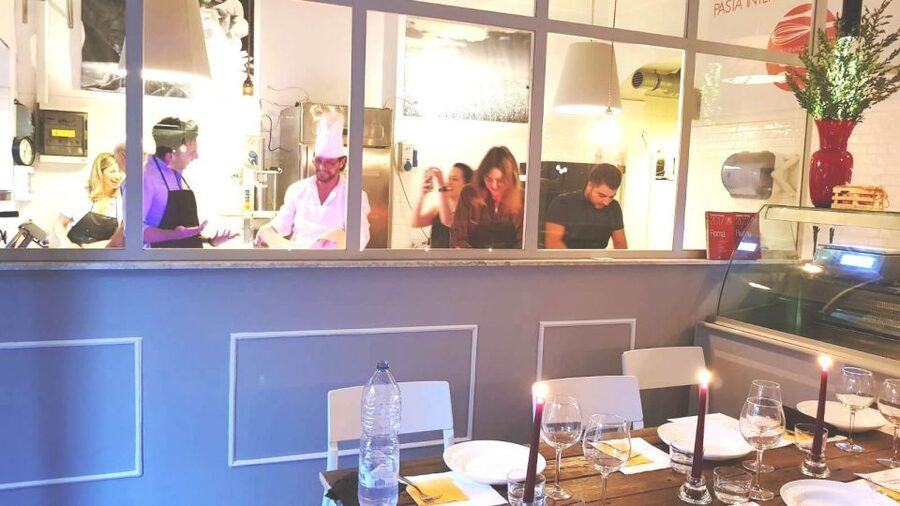
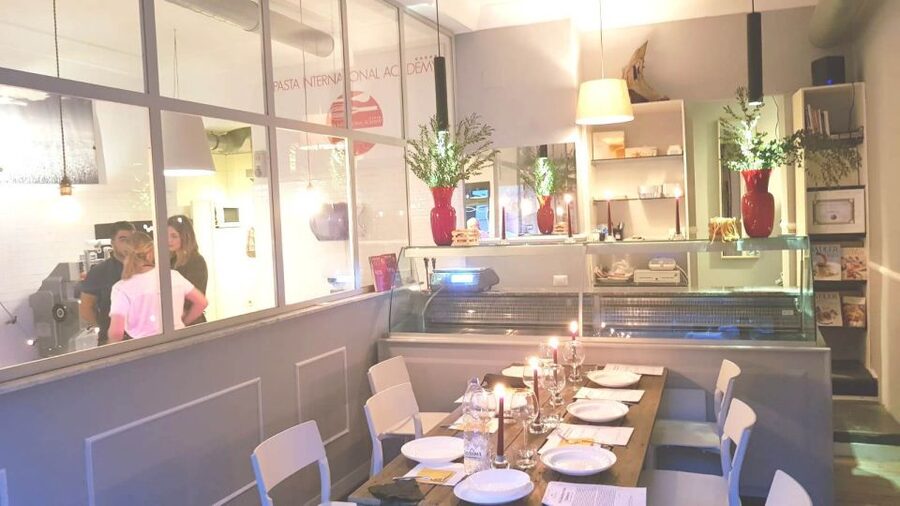
Your class begins at Pastificio Faini, 13 Via dei Latini, Roma 00185, and the experience ends right back there. That matters, because you are stepping into an actual pasta-making workspace with the tools and flow you would expect from a working factory.
This is the kind of Rome activity that feels different the moment you walk in. Instead of a tourist-friendly demo space, you get a working Italian pastificio vibe, where making pasta is the job. It sets the tone: you learn techniques as if you are part of the process, not just watching someone else do magic.
And yes, the setting is part of the value. You can find pasta classes that pour wine and play music. This one focuses on real dough skills, in a real laboratory.
More Cooking Classes in Rome
- 3 in 1 Cooking Class near Navona: Fettuccine, Ravioli & Tiramisu
★ 5.0 · 7,376 reviews - Rome: Pasta Making Class with Wine, Limoncello, and Dessert
★ 4.9 · 3,177 reviews - Rome: 3-in-1 Fettuccine, Ravioli, and Tiramisu Cooking Class
★ 4.9 · 2,704 reviews
Chef Angelo and the small-group rhythm that keeps you moving
The teaching team is led by Chef Angelo (and the instructors you might meet also include Chef Emanuele), with instruction in English and Italian. The class is limited to a maximum of 10 participants, and the group size is effectively kept to 9.
That small group size changes everything. You are not waiting your turn with flour on your hands. You get the timing right, because the instructors can correct your sheet thickness, your cutting, and your filling before the dough dries out.
Most classes struggle with the demo-versus-practice balance. Here, the structure stays simple: someone shows the step, then you do it right after, with help when needed. It is the kind of coaching that makes your results feel achievable by the end.
Welcome drink and safety: learning prep before the dough
Before dough gets serious, you start with a welcome drink. You also get an explanation of safe food cutting procedures. It sounds basic, but it’s smart, and it signals that this is a professional workflow, not a casual cook-along.
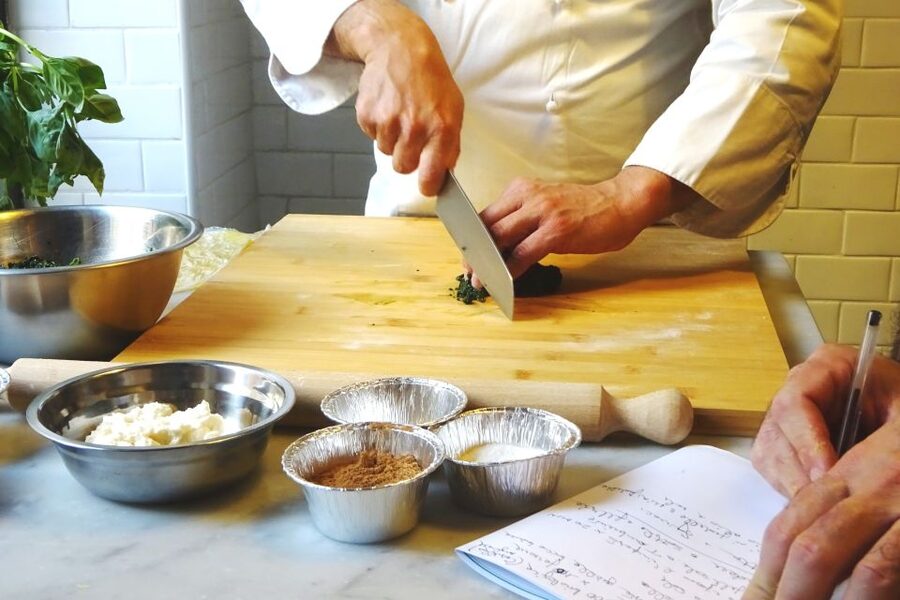
Then you get your foundation: how to handle dough without overworking it, how to aim for thin sheets, and how to move from sheet to cut to shape without losing the texture. Even if you have never made pasta before, you end up feeling like you understand what is happening.
Three grains, three stories, and why that matters for flavor and texture
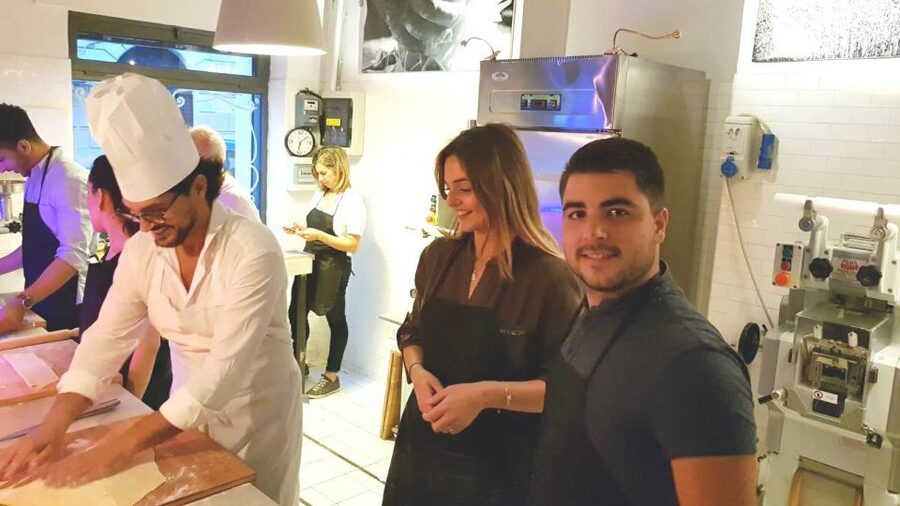
One of the most memorable parts is making pasta dough with three different kinds of grains. You do not just get a generic wheat sheet. You learn where the character comes from.
Here are the three flours you’ll work with:
- Triticum Monococcum, described as the first cereal cultivated by man, around 7500 BC
- Senatore Cappelli, a variety selected in 1915, later disappeared in the 1960s, and was rediscovered thanks to a small farmer
- Grano Saraceno, buckwheat for the gluten-free version
Why you should care: flour choice changes feel. Even if you cannot taste the history, you notice it in how the dough behaves, how it rolls, and how it holds shape when you fill and cook it. This is also how you avoid the common home-cooking disappointment of, I followed the steps but my dough acted wrong.
The instructor approach helps you translate that. You learn what to watch for while rolling, not just what to do at each stage.
A few more Rome options to weigh
- Rome: Fettuccine Pasta Cooking Class in Rome’s City Center
★ 4.8 · 2,414 reviews - Rome: Traditional Pasta with Cocktails Cooking Class
★ 5.0 · 2,374 reviews - Rome: Fettuccine and Tiramisu Cooking Class with Wine
★ 4.8 · 2,013 reviews - Pasta Cooking Class Near the Colosseum with 3 Spritz Cocktails
★ 5.0 · 1,686 reviews
Rolling thin sheets the traditional way (and why it sticks)
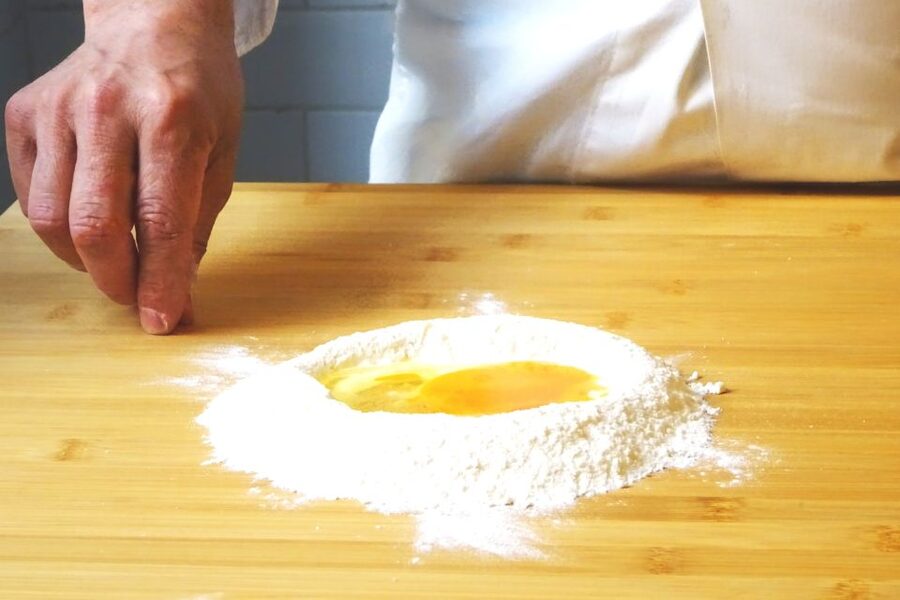
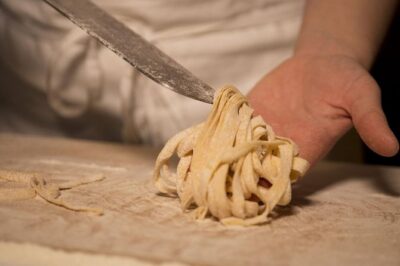
You’ll make thin sheets of pasta dough and learn the mechanics of working them. If you have seen pasta-machine classes, you might assume the key is the machine. One thing that stands out here is that the class emphasizes working dough by hand and rolling it out well. That gives you a skill you can use even if you do not own pasta equipment.
What you’re really learning is control:
- How much pressure to use while rolling
- When to stop and rest the dough so it stays workable
- How to keep thickness consistent enough that cooking time stays predictable
This is the difference between copying a recipe and gaining technique. After this class, you should feel more confident shaping pasta because you understand the dough’s logic.
Ravioli time: three types of filling and shaping practice
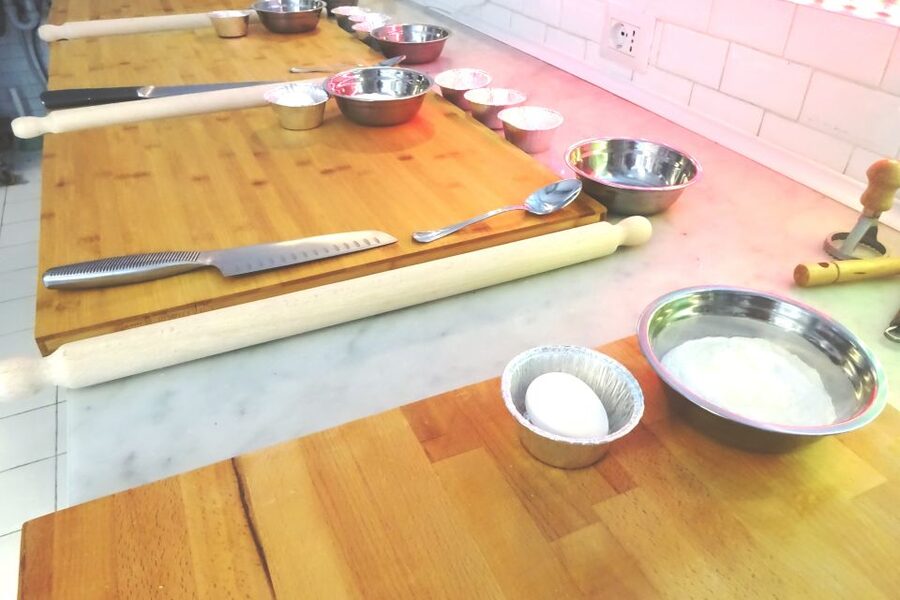
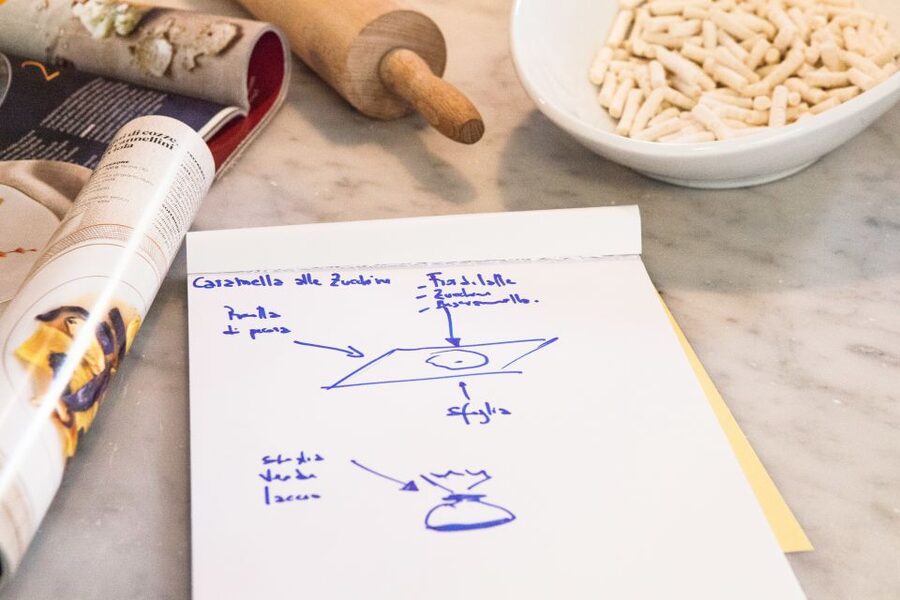
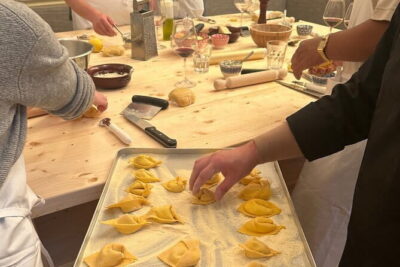
You do not stop at one pasta shape. The class includes three types of ravioli. That means you practice more than one filling approach and more than one sealing method.
The practical payoff is huge. Ravioli is not just one skill. It is a package of skills: portioning, filling without leaks, sealing, and shaping so the finished pasta holds up when cooked.
And because this is in a professional lab environment, the tools and workflow help. You can move between stages smoothly, so you spend less time fiddling and more time practicing the exact moves that make ravioli succeed.
Roman sauces you can reproduce: carbonara, cacio e pepe, and gricia
The class also tackles typical Roman sauces, including carbonara-style, cacio e pepe, and gricia. Even if you only think of these as restaurant dishes, you get the building blocks in a way that makes them reproducible.
Here’s why that matters: Roman sauces are often misunderstood at home because people treat them like pasta water plus mystery cheese. The lab approach pushes you toward understanding how the ingredients come together and why the sauce tastes like itself.
By the time you sit down to eat, you are not just tasting. You are tasting with context, which makes the flavors easier to repeat later.
A vegan egg-free pasta you actually make
There is also one type of pasta made without egg, labeled as vegan. This is not just a dietary checkbox. It is included as part of the class workflow, so you get a version of pasta that behaves differently from egg dough and you see how that impacts handling.
If you are traveling with a vegan or if you want to broaden your pasta skills, this is a strong inclusion. It makes the class feel flexible without turning into separate tracks for different diets.
Gluten-free at the center: Grano Saraceno buckwheat dough
Gluten-free participants are catered for, with gluten-free pasta made in the class. The flour used for this is Grano Saraceno, buckwheat.
This is one of the biggest reasons the rating stays so high. A lot of classes say gluten-free but then offer a smaller, less complete experience. Here, the gluten-free pasta is part of the program, and you should get real guidance to help it work.
If you eat gluten-free, you’ll appreciate that you can taste what you make, and you can bring that technique home. The goal is learning, not just eating safely.
Timing and pacing in a 3-hour lab class
This is a 3-hour class, so you should expect a busy flow. You do not spend the entire time rolling dough until it reaches a perfect texture. Instead, you learn the key steps and practice enough to be confident you could repeat them later.
Most cooking classes either feel rushed or feel like you are waiting for the instructor. The structure here tends to land in the middle: demo plus hands-on, then shaping, then cooking and eating together.
If you’re the kind of traveler who likes a clear plan, this works well. You also get enough food at the end that it can cover a meal plan for your day.
The sit-down meal: wine, your pasta, and the satisfaction of results
After you make the pasta, you taste everything you created, including the fillings and sauces. You’ll also sip Italian wine with the meal, along with water.
This part is more important than it sounds. Many classes end with you leaving with recipes and a vague memory of what your dish should taste like. Here, you taste your own pasta immediately, which helps you connect technique with result.
It also turns the class into a small social table. You are seated with the group and instructors, so the experience feels like learning plus food plus conversation.
What you get to bring home: recipes and the confidence to repeat
You receive recipes as part of the experience, plus the instruction is designed so you can recreate the dishes at home. That is the real value: you are buying technique you can use again.
What I like about this approach is that it avoids the brittle version of cooking classes where you leave with a list of ingredients and no sense of how to adjust. Since you practice rolling sheets, shaping ravioli, and working with Roman sauce bases, you will have a framework.
So when you make pasta at home later, you are not guessing as much. You know what you were aiming for in the dough, and you know what the finished texture should feel like.
Thursday gnocchi note: great addition, possibly lighter hands-on
If you book on a Thursday, you will make homemade gnocchi with fresh potatoes. Gnocchi is a classic Italian comfort food, and it can be a fun bonus if it’s your favorite pasta shape.
One caution: there is feedback that the gnocchi segment can function more like a quick demo than an extended hands-on build with plenty of feedback. If you want gnocchi as your main skill focus, consider booking another day so you get more time on the core pasta workflow.
Who this class is best for (and who might look elsewhere)
This class is ideal if you:
- Want a professional pasta-lab experience, not just a cooking show
- Love pasta and want technique you can actually use at home
- Need gluten-free options that are built into the class format
- Prefer small groups and step-by-step coaching
You might consider another option if:
- You are strictly time-crunched and cannot spare a full 3-hour block
- You mainly want a low-effort tasting event with minimal hands-on dough work
If you are a first-timer, it’s still a solid match. You do not need specific professional skills, just a genuine love for pasta and a willingness to get flour on your hands.
Price and value: why $66.84 can be a good deal
At $66.84 per person for a 3-hour class, the price looks moderate to midrange. The value comes from what is included and what you actually do.
You are paying for:
- A real pastificio lab environment with professional instruction
- Small-group coaching (9 effectively)
- Multiple pasta products, fillings, and sauces
- Ingredients and equipment for making everything
- Recipes to take home
- Wine and water as part of the meal
If you compare it to the typical “pasta class plus wine” model, the key difference is technique and setting. Here, you are learning how to make and shape multiple pasta forms with specific flour varieties and Roman sauce types. That’s the kind of experience that justifies spending a little more.
Should you book this Rome pasta laboratory class?
Yes, if you want a meaningful pasta lesson with real lab credentials. The combination of small group instruction, hands-on rolling and ravioli shaping, and a clear path to recreating dishes at home makes it one of the more practical cooking experiences in Rome.
Book it especially if you care about the details: three grains, Roman sauces, gluten-free pasta built into the class, and a vegan egg-free option. If gnocchi is your obsession and you’re booking a Thursday, go in knowing it may be lighter on hands-on practice, then you can still enjoy the rest of the lab-focused skills.
If you like learning with your hands and you want dinner to be the payoff, this is an easy yes.
Latest reviews around Rome
- From Rome: Hadrian’s Villa & Villa d’Este Day Trip & Lunch★ 4.5 · 157 reviews
- Rome: Painting Class with Unlimited Wine★ 4.8 · 109 reviews
- Vatican City: Sistine Chapel, Museums, Basilica Private Tour★ 4.8 · 158 reviews
- Pope Leo XIV Audience Tour with Local Guide★ 3.3 · 111 reviews
- Rome: The Three Tenors at St. Paul’s Church Concert Ticket★ 4.7 · 699 reviews
- Vatican Museums & Sistine Chapel Skip-the-Line Guided Tour★ 4.6 · 254 reviews
- Rome: St. Peter’s Basilica and Papal Tombs Guided Tour★ 4.6 · 477 reviews
- St. Peter’s Dome Climb, Basilica and Vatacombs Tour★ 4.7 · 230 reviews
Cooking Classes, compared.
3 in 1 Cooking Class near Navona: Fettuccine, Ravioli & Tiramisu
Read our review →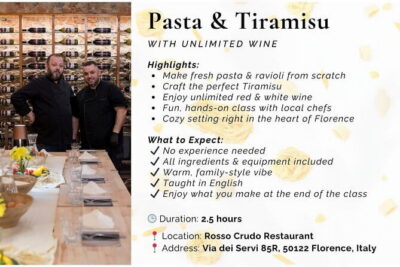
Pasta & Tiramisu Cooking Class with Unlimited Wine
Read our review →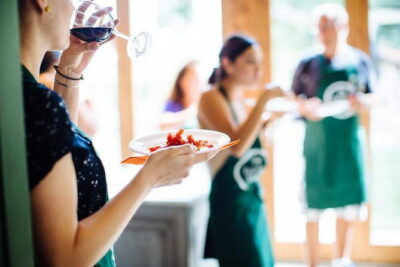
Cooking Class and Lunch at a Tuscan Farmhouse with Local Market Tour from Florence
Read our review →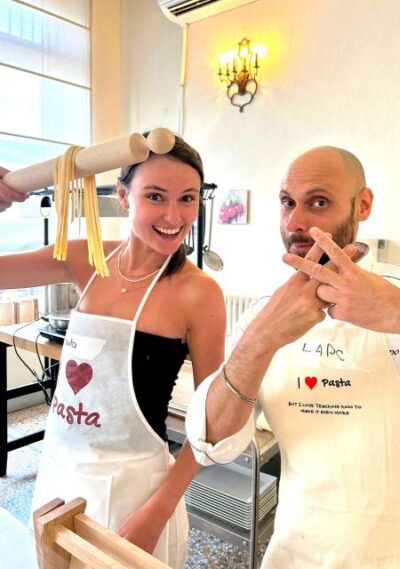
Pasta Making Class with Wine, Limoncello, and Dessert
Read our review →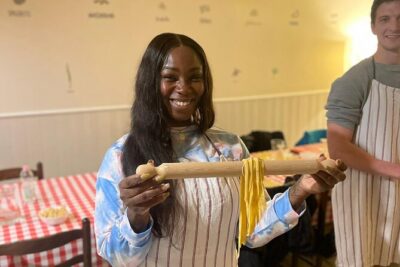
3-in-1 Fettuccine, Ravioli, and Tiramisu Cooking Class
Read our review →Browse the lists this tour appears in