
Reviewed · CATACOMBS & CRYPTS TOURS
Rome: Immersive Underground and Piazzas Tour
Rome under your feet can feel unreal. This 3-hour tour links Piazza Navona and the Pantheon to the buried layers beneath them. I like how the stops are connected, so you keep seeing the city as one story instead of scattered monuments.
Two things I especially like: the guides are often archaeologists, and they answer real questions, not just reheated lines. Second, the underground sections at Piazza Navona and Vicus Caprarius are cooler and calmer than the street level rush, so the whole experience feels like a change of pace.
One drawback to consider: you will walk between sites, and the Pantheon is an active church, so you need shoulders-and-knees covered. On some days access can be limited due to religious functions, and routes can shift if there are restorations during the Jubilee.
In This Review
- Quick hits before you go
- Why Rome’s underground visits feel different than museum stops
- Getting oriented at the fountain-square meeting points
- Piazza Navona, the three fountains, and the story you’ll carry underground
- The Stadium of Domitian beneath Piazza Navona streets
- Pantheon inside an active church, plus the Romulus legend
- Trevi Fountain as a photo moment, then the water system story continues
- Vicus Caprarius, City of Water under the streets
- Guides and pacing that keep the group moving without feeling rushed
- What to wear, what to bring, and how to stay comfortable
- Who should book this, and who might prefer another day plan
- Value in real terms: why 3 hours can feel like more
- Should you book this Underground and Piazzas tour?
- FAQ
- How long is the Rome Immersive Underground and Piazzas tour?
- Where does the tour start?
- What are the main stops during the tour?
- Is there a dress code for the Pantheon?
- Is the tour wheelchair accessible?
- What languages are offered for the live guide?
- Can I cancel for free, and is pay later an option?
Quick hits before you go
- Start at Piazza Navona, one of Rome’s most fun squares, then head straight down to ancient layers
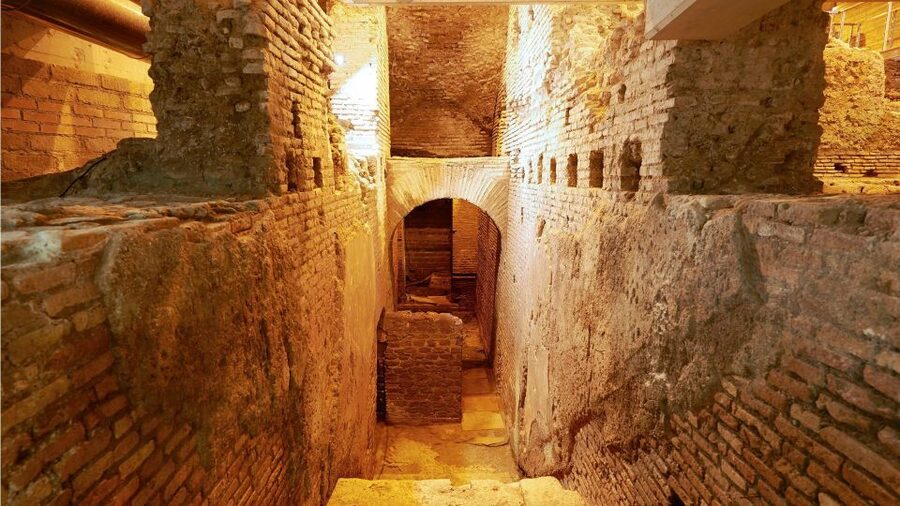
- Stadium of Domitian below the streets, tied to athletic contests and gladiator shows after the Colosseum damage in 217 A.D.
- Pantheon time inside a working church, with the Romulus eagle-at-his-death legend explained clearly
- Trevi Fountain photo stop plus coin toss tradition, right after the underground “City of Water” story
- Vicus Caprarius underground, including remains linked to the Aqua Virgo aqueduct
Why Rome’s underground visits feel different than museum stops

Rome above ground can be loud. Under it, the city gets smaller and more specific, like someone turned the volume down. On this tour, you get that contrast on purpose, moving from famous piazzas to archaeological spaces below street level.
The big reason it works is the way the guide frames what you see. Many guides here have an academic background in archaeology, and that shows in the tone. Instead of vague statements, you get concrete “how do we know this” answers, plus the kind of city-level context that makes legends and ruins connect.
Also, underground means practical comfort. Even when the streets are baking, you’re often in cooler spaces. That matters in Rome, where late morning heat can make a long self-guided day feel like a slog.
More Underground Tours in Rome
- Colosseum: Underground and Ancient Rome Tour
★ 4.7 · 12,691 reviews - Rome: Crypts and Catacombs Underground Tour with Transfers
★ 4.6 · 5,341 reviews - Expert Guided Tour of Colosseum Arena OR Underground, and Forum
★ 4.5 · 5,041 reviews
Getting oriented at the fountain-square meeting points
You start near the center of Rome’s action, with two possible meeting options. One is the Fiumi Fountain area, and the other is near the National Academy of San Luca. Your exact meeting spot can vary by the option you book, and it’s worth double-checking the meeting instructions you receive.
Why this matters: both starting points put you in the right neighborhood for an easy early start. You can also choose the option that feels easiest to reach from your hotel or your train station route.
If you have any flexibility, consider booking a morning departure. One guide team noted that starting at a time like 10 a.m. helps when crowds are lighter, especially around major monuments.
Piazza Navona, the three fountains, and the story you’ll carry underground
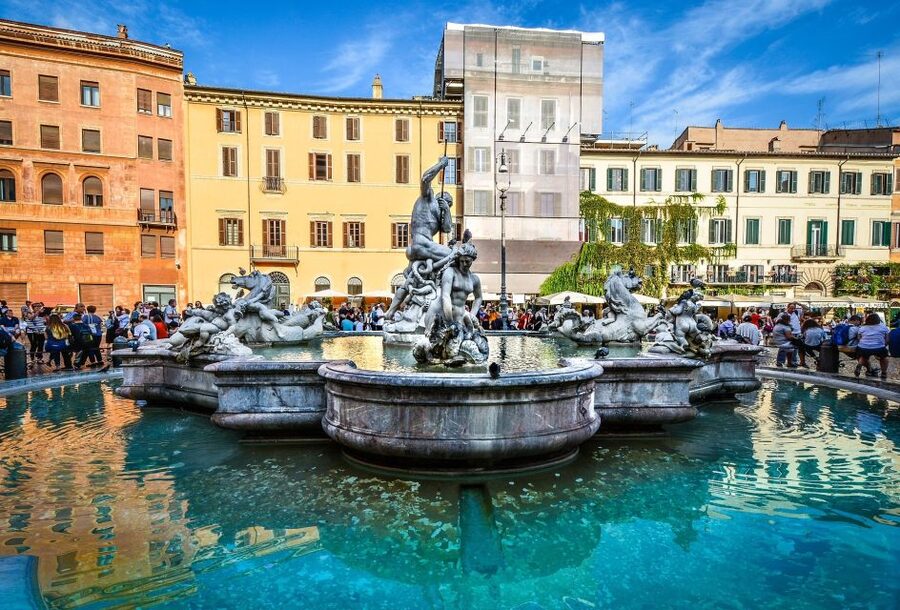
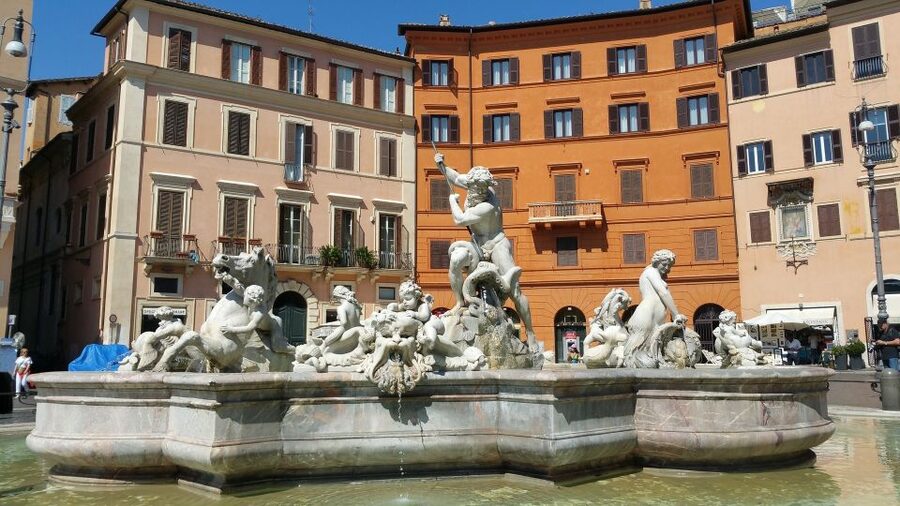
Piazza Navona is already a show, even before the tour begins. You’ll begin with a guided look at the square’s key fountains, designed during the papacy of Gregory XIII. This isn’t just “look at the pretty statues” sightseeing. The guide ties the fountains to the political and cultural mindset of the time that shaped how Rome looked in the centuries after the ancient era.
One standout detail is Fontana dei Quattro Fiumi. It was designed by Bernini in 1651, and the tour focuses your attention on what you’re actually seeing, then connects it to what lies under the square.
This is also where the tour earns its theme. Once the square and fountains make sense above ground, the next step feels logical instead of random. You walk from a famous urban stage right into the buried framework underneath it.
The Stadium of Domitian beneath Piazza Navona streets

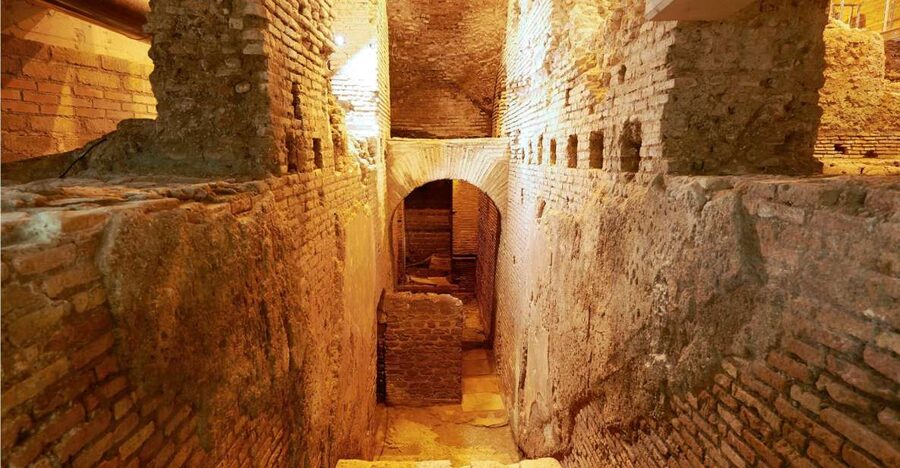
After your look at Piazza Navona, you step into the subterranean world beneath the streets. Here, the square sits over the ancient Stadium of Domitian, one of the sites that helps explain how Roman entertainment and athletics worked.
The guide explains that this stadium was used largely for athletic contests. Then comes one of those “Rome is never simple” moments: after damage to the Colosseum in 217 A.D., it was used briefly for gladiator shows. It’s a reminder that Rome repurposed its monumental spaces when trouble hit, instead of starting over from scratch.
What you’ll likely appreciate is how the guide translates “stone fragments” into a sense of use. You’re not just being shown a few walls and a dark room. You’re given a mental map of where the action would have been and how the stadium fit into the broader city.
Practical tip: wear the most comfortable shoes you own. Even if you aren’t walking far, you’ll be on uneven ground, and you’ll want your feet to feel stable when you look up, then down, then sideways.
More catacombs and crypts in Rome:
- The Original Roman Crypts and Catacombs Tour with Transfers
★ 4.5 · 4,896 reviews - Rome: Colosseum Underground Small Group Guided Tour
★ 4.7 · 4,844 reviews - Rome: St. Peter’s Basilica, Dome Climb, and Underground Tour
★ 4.8 · 3,404 reviews - Rome: Colosseum Underground, Arena & Forum Tour
★ 4.7 · 3,272 reviews
Pantheon inside an active church, plus the Romulus legend
Next you move to the Pantheon. This is one of those stops where a guide changes everything. The Pantheon is famous, but inside it, most people either rush or stare without a framework.
On this tour, the guide slows the experience and adds stories that connect to how Romans thought about their own origins. A key legend covered here is about Romulus: at his death, the founder of Rome was said to be taken up into the sky with the gods by an eagle.
Because the Pantheon is an active church, you must dress appropriately. That means shoulders and knees covered. Shorts, short skirts, and sleeveless shirts are not allowed. If you forget, you might lose time dealing with restrictions right when you want to focus on the building.
One more reality check. On some days the Pantheon may not be accessible due to religious functions. And during the Jubilee period, some monuments can be under restoration, so access routes might change. If you’re visiting during those dates, read any updates sent to your message thread before you leave.
Trevi Fountain as a photo moment, then the water system story continues
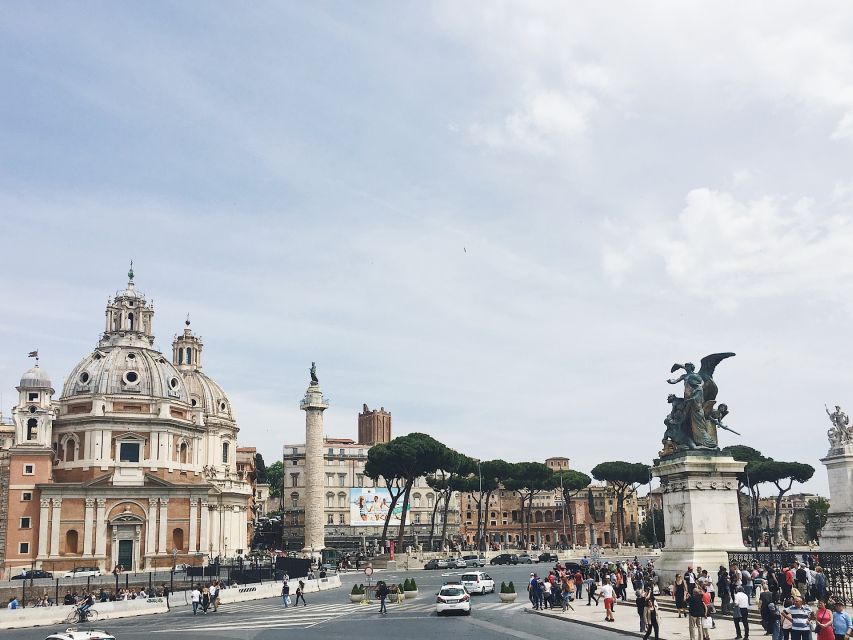
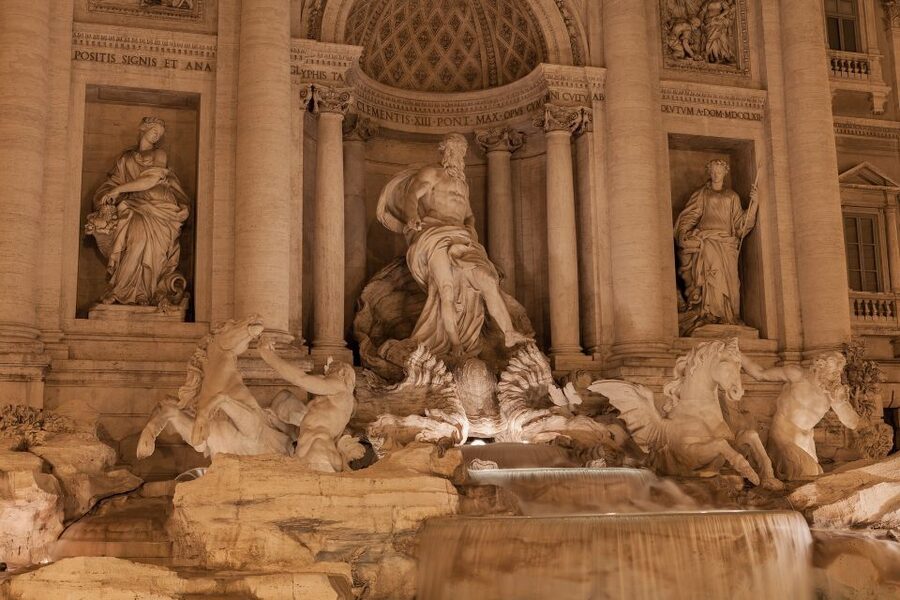
After the Pantheon, the tour takes you to the Trevi Fountain. You’ll have a photo stop and time with the tradition of tossing a coin.
Is throwing the coin silly? Maybe. But it’s also a fun moment that gives you a clear rhythm. You go from stories about foundations and emperors, to a public ritual that still happens today in the same spot, just with different crowds.
And then comes the clever part. Instead of treating Trevi like an isolated must-see, the tour uses it as a bridge into the underground water story you’ll hear next.
Vicus Caprarius, City of Water under the streets
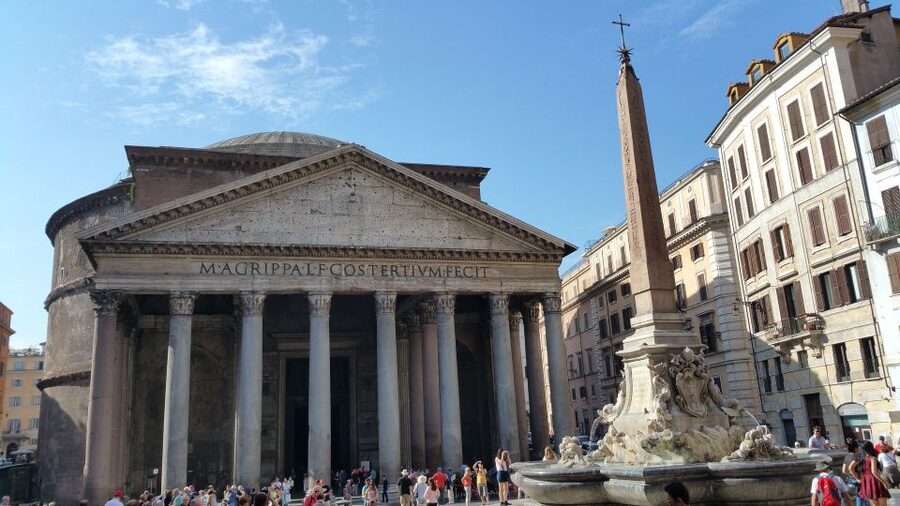
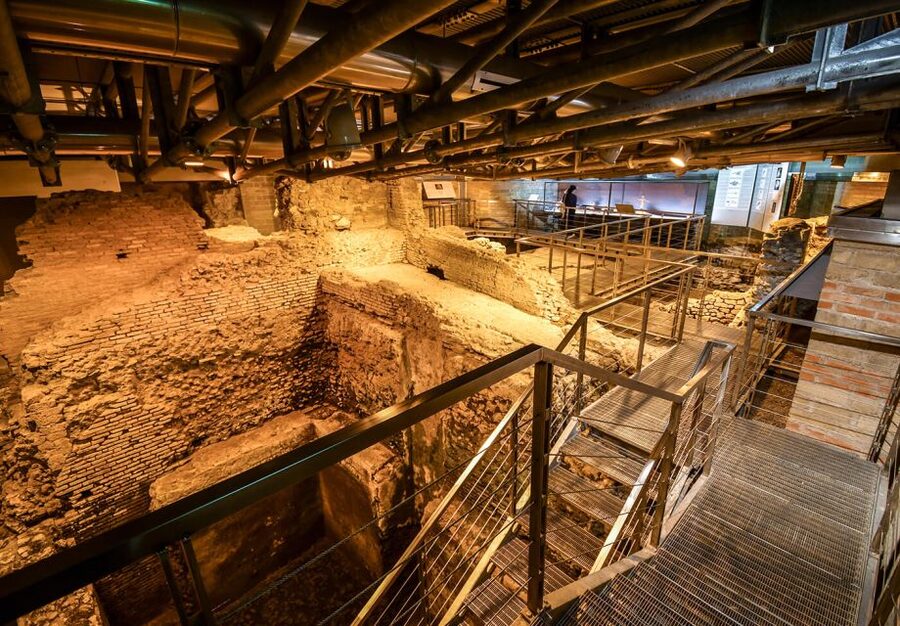
Now you go underground again, this time into Vicus Caprarius, also known as the City of Water. This area is presented as an archaeological labyrinth of remains. In plain terms, you’ll be looking at how Roman engineering and daily life connected through water.
You’ll hear about an imperial-era domus (a grand Roman home) and about the castellum aquae of the Aqua Virgo aqueduct. That aqueduct detail matters, because it helps you understand that Trevi’s grandeur sits on top of a whole system of supply, storage, and distribution.
The tour’s tone here is why people seem to love it. The guide links physical remains to function. When you understand that a structure wasn’t decorative but practical, the underground stops feel like living city infrastructure rather than just excavation rooms.
If you enjoy asking questions, this is a great moment. Many guides leading this type of tour are trained to explain how archaeologists interpret traces like foundations, channels, and building layers.
Guides and pacing that keep the group moving without feeling rushed
A huge part of the experience is the guide personality. Over multiple departures, names like Amanda, Francesca, Alex (Alessandra), Sabrina, Gloria, Caterina, Maria, Elenora, Martha, Giuliana, and Karolina have been highlighted for being animated and friendly, with strong command of Roman context.
You’ll also notice a consistent pattern in how good guides handle time. The tour doesn’t sprawl for hours in one spot. The schedule is built to give guided time at each key stop, then transition before you get stuck in a traffic jam of your own thoughts.
Here’s what the time structure looks like at a high level:
- A short walk between major points after Piazza Navona
- About half an hour in the Stadium of Domitian area below
- About 45 minutes at the Pantheon
- About 30 minutes at Vicus Caprarius
- Then a final Trevi Fountain photo stop before you finish there
That pacing helps you keep your bearings. You get enough time to ask questions and look closely, without ending up exhausted or distracted.
What to wear, what to bring, and how to stay comfortable
This tour has two competing worlds: street level sightseeing and cooler underground spaces. Plan for both.
Wear comfortable shoes, because you’ll be on mixed surfaces. Also bring clothing that respects the Pantheon dress rules. Shoulders and knees covered is the big line.
Avoid the banned items listed for the tour:
- Shorts
- Short skirts
- Sleeveless shirts
If Rome weather is warm, treat this like a “stay cool where you can” day. Underground sections can be a relief, but the walk segments between sites still take some energy.
And yes, it helps to have basic patience. Rome is Rome, and the square-to-monument-to-archaeology flow depends on access and local conditions.
Who should book this, and who might prefer another day plan
I think this tour fits best if you like your sightseeing explained. You’ll enjoy it if you want to connect famous piazzas with the buried city underneath, and if you like hearing how guides interpret remains and legends.
It can be less ideal if you want only above-ground landmarks and minimal walking. Even with a strong underground component, the day includes major monuments like the Pantheon and Trevi Fountain, plus transit between them.
It’s also not suitable for wheelchair users. So if mobility is a concern, you’ll want to pick an alternative format that matches accessibility needs.
Value in real terms: why 3 hours can feel like more
There’s no point booking a guided tour just to hear the same two sentences you can read on a plaque. This one adds value through structure.
You get:
- Guided context at Piazza Navona, so you understand what you’re seeing before you go under it
- A focused look at the Stadium of Domitian underground, including why it mattered for athletics and briefly for gladiator shows after 217 A.D.
- A Pantheon visit with story connections, including the Romulus legend
- Trevi Fountain as a cultural ritual moment, then a return to engineering through the Aqua Virgo link inside Vicus Caprarius
The underground parts are also a key quality-of-experience factor. They feel different, and they’re harder to piece together on your own without a guide to translate what you’re standing in front of.
Should you book this Underground and Piazzas tour?
If you want a short, smart day that turns Rome into one connected narrative, I’d book it. The payoff is in the contrast, the expert guide approach, and the way the tour links famous landmarks to the systems under them.
I would skip or swap it if you:
- Can’t meet the Pantheon dress requirements
- Need wheelchair-friendly access
- Prefer mostly above-ground sightseeing with minimal explanation
If you can do the basics, this is one of those Rome experiences where you leave thinking about the city differently. Not just, I saw the Pantheon, but, I finally understood what Rome was doing under the surface.
FAQ
How long is the Rome Immersive Underground and Piazzas tour?
The tour lasts 3 hours.
Where does the tour start?
The meeting point may vary based on the option booked. You may start at the Fiumi Fountain or at the National Academy of San Luca. A coordinate reference is also provided for 41.89896774291992, 12.473087310791016.
What are the main stops during the tour?
You’ll visit Piazza Navona, the underground area connected to the Stadium of Domitian, the Pantheon, Vicus Caprarius (City of Water), and you’ll end with a Trevi Fountain photo stop.
Is there a dress code for the Pantheon?
Yes. The Pantheon is an active church, so shoulders and knees must be covered. Shorts, short skirts, and sleeveless shirts are not allowed.
Is the tour wheelchair accessible?
No, the tour is not suitable for wheelchair users.
What languages are offered for the live guide?
The live tour guide is available in Italian, English, and Spanish.
Can I cancel for free, and is pay later an option?
Free cancellation is available up to 24 hours in advance for a full refund. You can also reserve now and pay later.
Latest reviews around Rome
- From Rome: Hadrian’s Villa & Villa d’Este Day Trip & Lunch★ 4.5 · 157 reviews
- Rome: Painting Class with Unlimited Wine★ 4.8 · 109 reviews
- Vatican City: Sistine Chapel, Museums, Basilica Private Tour★ 4.8 · 158 reviews
- Pope Leo XIV Audience Tour with Local Guide★ 3.3 · 111 reviews
- Rome: The Three Tenors at St. Paul’s Church Concert Ticket★ 4.7 · 699 reviews
- Vatican Museums & Sistine Chapel Skip-the-Line Guided Tour★ 4.6 · 254 reviews
- Rome: St. Peter’s Basilica and Papal Tombs Guided Tour★ 4.6 · 477 reviews
- St. Peter’s Dome Climb, Basilica and Vatacombs Tour★ 4.7 · 230 reviews
Catacombs & Crypts Tours, compared.
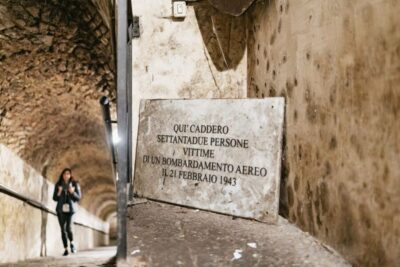
Naples Underground Entry Ticket and Guided Tour
Read our review →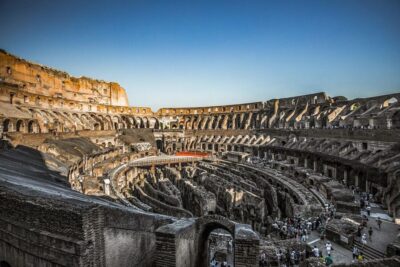
Colosseum: Underground and Ancient Rome Tour
Read our review →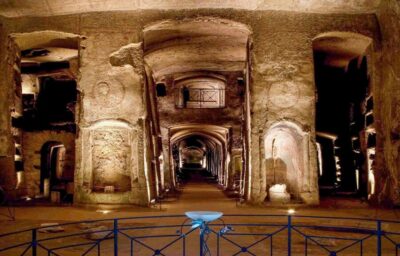
Catacombs of San Gennaro Entry Ticket & Guided Tour
Read our review →
Crypts and Catacombs Underground Tour with Transfers
Read our review →
Expert Guided Tour of Colosseum Arena OR Underground, and Forum
Read our review →
The Original Roman Crypts and Catacombs Tour with Transfers
Read our review →
Colosseum Underground Small Group Guided Tour
Read our review →Browse the lists this tour appears in