
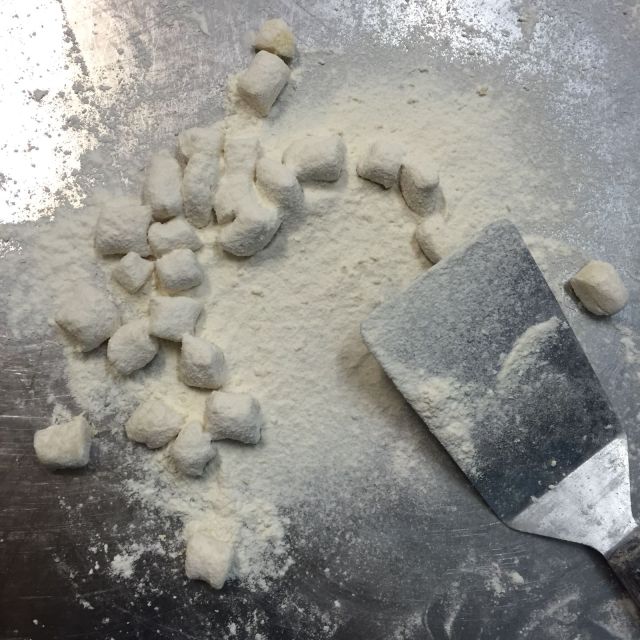
Reviewed · WORKSHOPS
Rome: Fresh Pasta and Tiramisu Making Class with Fine Wine
Rome tastes better with pasta and wine. This 3 to 4 hour class near the Vatican has you making Roman pasta and traditional tiramisu step by step, taught by lively local chefs like Sonia, Claudio, Alessia, Eddy, and Anna. I also like that the lesson ends in a proper meal, where what you make becomes lunch and dessert, not just “samples on a plate.”
One possible drawback: the location can be a little tricky to find. A few people note that GPS drops them on the back side of the restaurant area, so plan to arrive a bit early and double-check the street.
In This Review
- Key Points You’ll Care About
- Why This Roman Class Feels Like a Night Out, Not a Demo
- Getting There by the Vatican: Small-Group Atmosphere, Easy-to-Miss Door
- Tiramisu First: Classic Ingredients and the Logic Behind Them
- Making Roman Fettuccine: Dough Control That Actually Transfers to Home
- Ravioli Time: Shaping Practice for a Pasta You’ll Actually Make Again
- The Meal and Drinks: Prosecco, Fine Wine, Limoncello, and Coffee
- Taking Recipes Home: The Real Value Is Repetition
- Who This Class Suits Best (And Who Might Want to Think Twice)
- Price and Value: Why Around $77 Can Make Sense Here
- Should You Book This Rome Pasta and Tiramisu Class?
- FAQ
- What will I learn to make in the class?
- How long does the experience last?
- Is wine included?
- What drinks and dessert are included besides wine?
- Is the guide available in English?
- Can I cancel, and is there a pay later option?
Key Points You’ll Care About
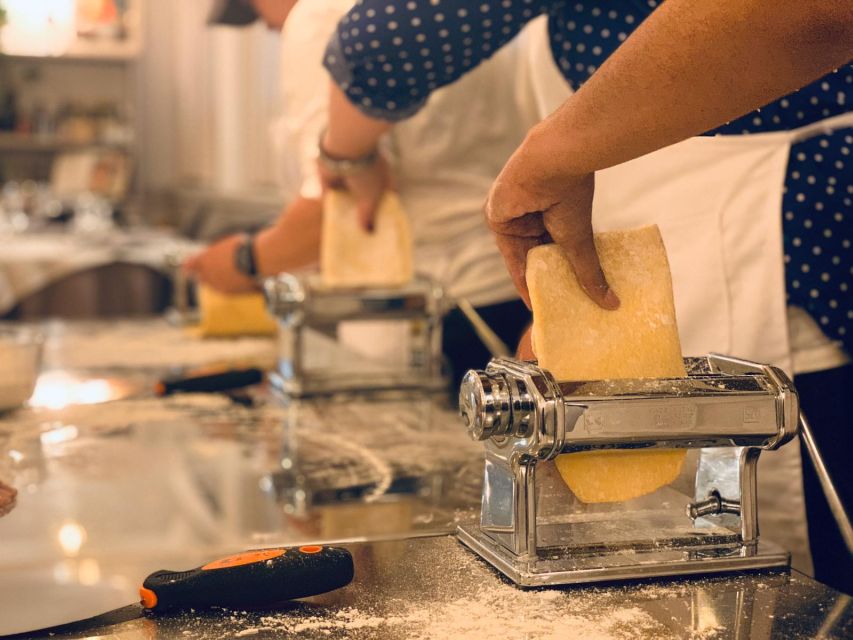
- You make tiramisu and two pasta types: fettuccine and ravioli, from scratch.
- Hands-on stations, not just watching: groups are kept small, often around 10 to 14 people.
- Prosecco and fine wine are part of the experience: free-flowing wine shows up during the class and meal.
- You get a full finish, not a quick dessert: limoncello and Italian coffee cap the night.
- You leave with recipes so you can recreate it at home, not just remember it.
- It’s taught by real restaurant staff: the energy varies by chef, but the instruction stays practical.
Why This Roman Class Feels Like a Night Out, Not a Demo
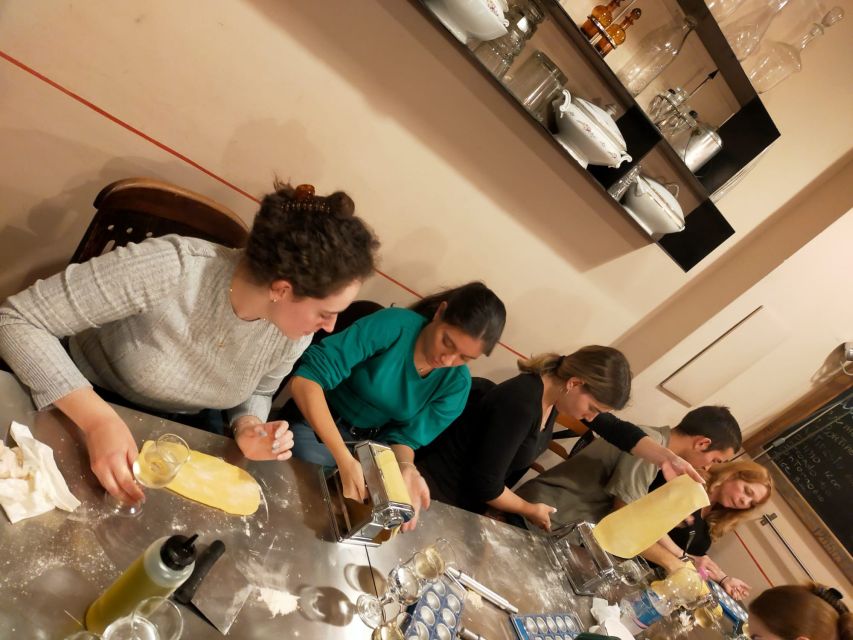
There are cooking classes that mostly feed you, and there are classes that mostly teach you. This one does both. I like that you’re not just rolling dough for photos. You’re learning the actual moves behind Roman favorites, then you sit down and eat the results.
The pasta focus is also very specific. You’ll work on fettuccine and ravioli, which means you get practice with dough handling and with shaping. Then you switch gears to dessert and learn how classic tiramisu comes together using the core ingredients: mascarpone, eggs, coffee sugar, and cocoa powder.
And yes, there’s wine. Prosecco shows up, and then there’s fine wine during the session and meal. If you enjoy pairing food with a little celebration energy, this adds a lot to the experience. The vibe can get playful too, with music playing during one instructor-led session, and it can turn into a mini dance party while people are still learning.
A few more Rome options to weigh
- Rome: Tuscany & Montepulciano Day Trip with Lunch & Wine Tasting
★ 4.5 · 5,232 reviews - Rome: Pasta & Tiramisu Class with Fine Wine by the Vatican
★ 4.9 · 4,852 reviews - Rome Food Tour: Unlimited Tastings with Fine Wine & Barolo
★ 5.0 · 3,365 reviews
Getting There by the Vatican: Small-Group Atmosphere, Easy-to-Miss Door
This class happens in a beloved restaurant kitchen near the Vatican, which is great for two reasons. First, the setting feels local, not tourist-factory. Second, it keeps the evening convenient if you plan to see St. Peter’s area before or after.
The meeting point can vary depending on the option you book, and the class ends back at the meeting point. You’ll want to use the provided directions carefully. A common comment is that maps can point you to the wrong side of the venue area, which is easy to fix by arriving early and checking street context.
Once you’re inside, the format tends to be friendly and structured. Several people describe having their own station, which matters because you can actually practice. If you’ve ever been stuck in a class where you stand behind someone else’s shoulder, this one works differently.
Language is straightforward: it’s guided in English. That means you’ll be able to follow what the chef is telling you without guessing.
Tiramisu First: Classic Ingredients and the Logic Behind Them
Tiramisu often gets treated like a shortcut dessert. Here, it’s treated like a real craft. The class usually starts with tiramisu, so you’re not racing the clock. You learn the traditional approach using the real ingredients you expect to see at the center of tiramisu: mascarpone and eggs, coffee sugar, and cocoa powder.
The chef guidance is the point. You learn what to watch for while mixing and assembling, and you follow a traditional recipe so you can repeat it later. What I like about starting with dessert is psychological. It lowers the pressure right away. You get a win early, then you build momentum into the dough work.
And because you’re eating the meal you make, you’ll taste the finished dessert rather than just packaging it and hoping for the best. People also mention that the dessert turns out extremely well, which tells me the instructions are not vague.
Making Roman Fettuccine: Dough Control That Actually Transfers to Home
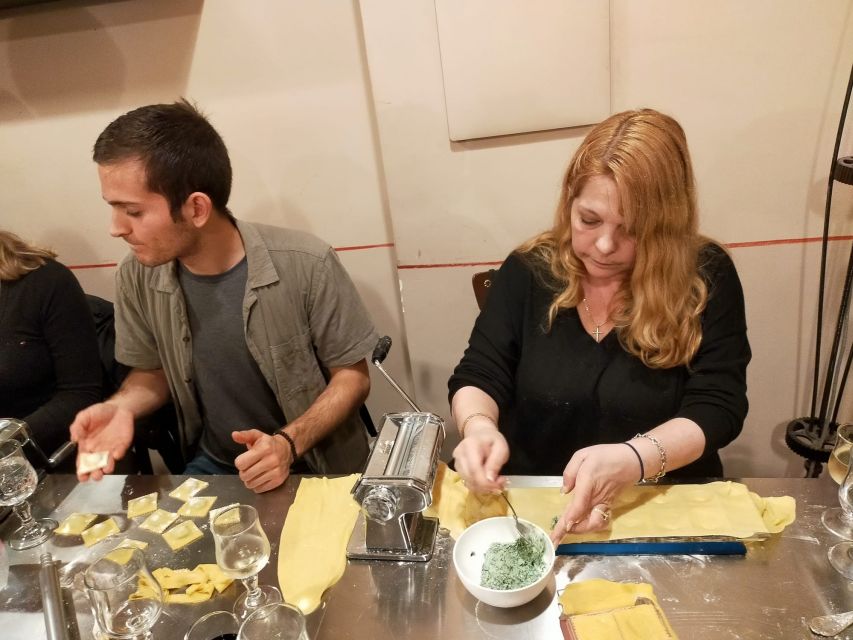
After the tiramisu comes the pasta. You’ll make fettuccine and ravioli from scratch, and that means you’ll cover the backbone skills: getting the dough right, handling it without overthinking, and learning ingredient choices that affect texture.
For fettuccine, the chef’s job is to help you understand what good dough feels like and how it responds. You’ll work through the dough creation process, then you’ll learn what matters for rolling and cutting into fettuccine noodles.
One small but useful detail from people who did the class: the dough work happens in a shared, structured way. In some sessions, participants split the process so dough becomes the base for both pasta types. Then, when it’s time to eat, the pasta may be served family style with the different pasta combined in the sauce. That’s not a problem if you like the communal Roman-table feel, but if you want everything strictly separate and plated individually, this format may not be your preference.
Nearby, and just as well reviewed:
- Vatican: Museums & Sistine Chapel Entrance Ticket
★ 4.5 · 144,003 reviews - Vatican Museums & Sistine Chapel Tour with Optional Basilica
★ 4.3 · 67,413 reviews - Colosseum, Roman Forum & Palatine Guided Tour
★ 4.7 · 63,148 reviews - Vatican Museums, Sistine Chapel & St Peter’s Basilica Guided Tour
★ 4.5 · 39,149 reviews
Ravioli Time: Shaping Practice for a Pasta You’ll Actually Make Again
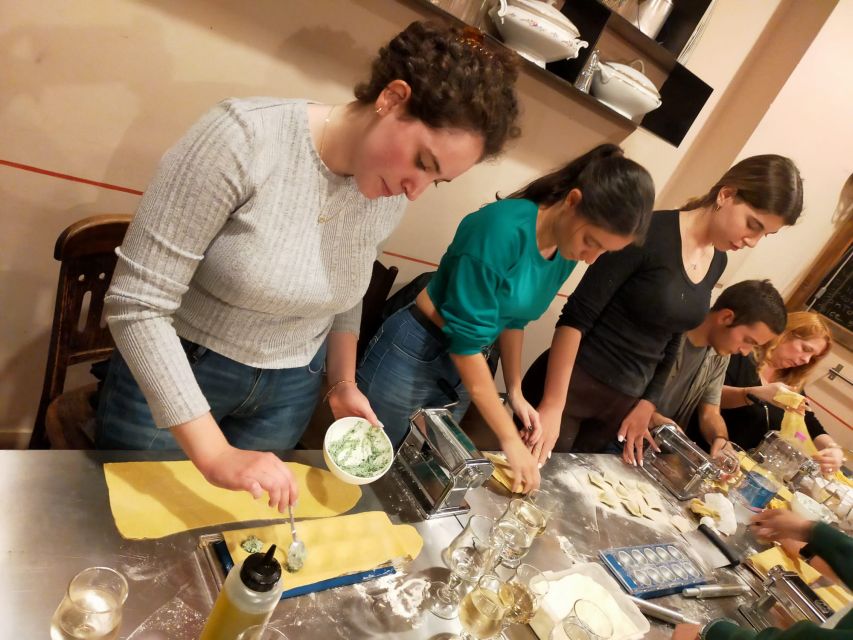
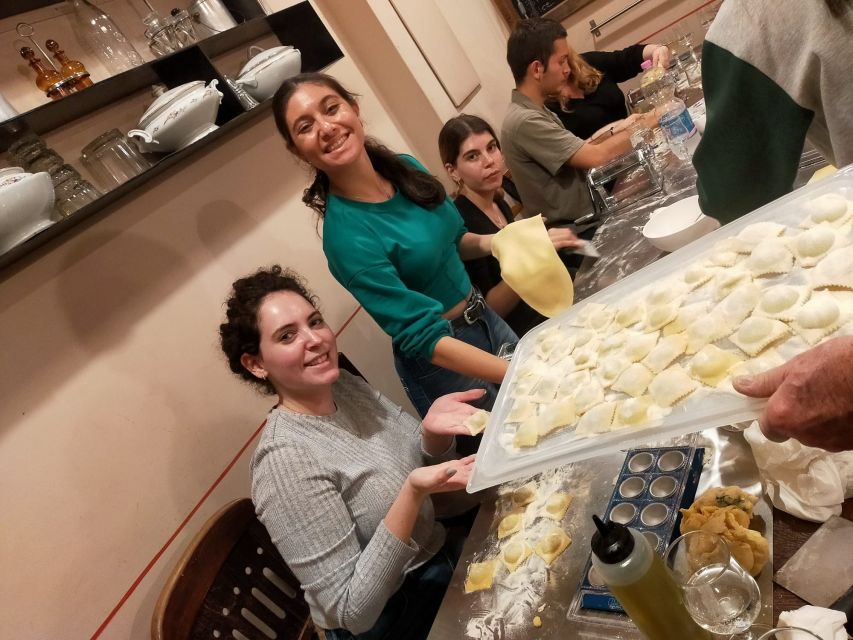
Ravioli sounds intimidating until you get your hands on the dough. The class is built around teaching you the step-by-step process of making ravioli, not just letting you assemble pre-made sheets.
You’ll focus on the dough again, then move into the shaping stage. This is where the “station” style helps. You can work at your own pace with a chef checking in, rather than rushing after the group.
I also like that the class stays rooted in Roman technique rather than turning ravioli into a fancy experimentation. You’re not asked to invent weird fillings or chase obscure ingredients. You learn a traditional baseline process you can repeat.
If you’ve never made ravioli before, this is the kind of class that helps you understand where people go wrong. Too thin. Too thick. Not enough sealing. Not enough patience. The chef instruction is there to correct those issues as you go, so you’re not learning through mistakes you only notice later.
The Meal and Drinks: Prosecco, Fine Wine, Limoncello, and Coffee
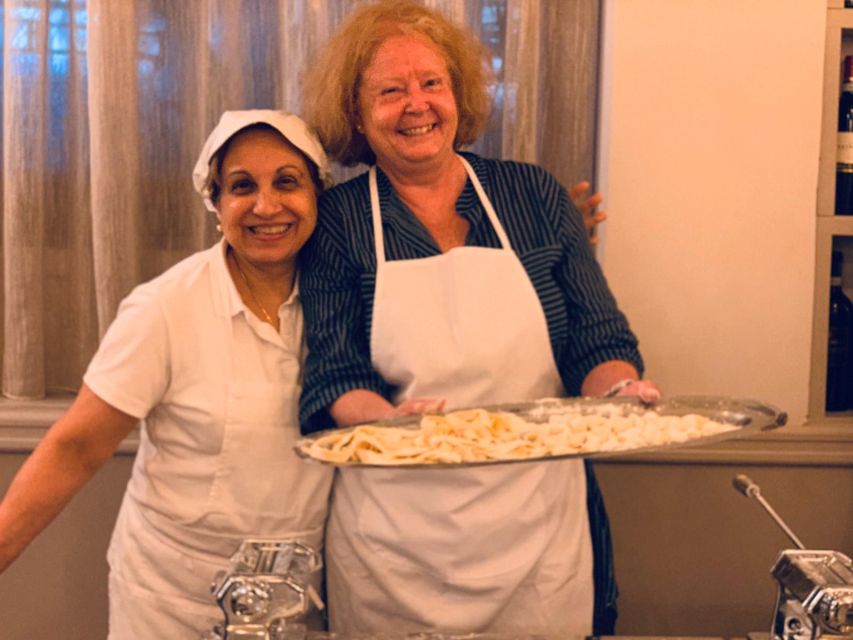
This is not a light snack class. After the cooking, you sit down and enjoy what you made. And the drinks are part of the pacing.
Here’s what’s included based on the experience details:
- Prosecco and fine wine during the class
- Unlimited soft drinks
- Coffee
- Limoncello
- Italian coffee to finish
The drinking part matters because it changes how the night feels. Wine is included, and multiple people mention that it’s free-flowing. That can make the class more social, especially if you’re traveling solo. One solo traveler notes feeling welcomed quickly, and the food and conversation helped the whole time fly by.
Timing also helps. Since the class runs 3 to 4 hours, you don’t feel like you’re trapped for a full day. You can plan it as your “one big food event” in Rome. It’s also a nice counterbalance to the sightseeing grind. You get hands-on focus, then you get the reward of eating.
A couple of extra touches show up depending on the instructor and day. For example, one session begins with cappuccino, and music can be playing during the lesson. Those details aren’t the core of the class, but they point to the same thing: the chefs work to keep the energy up while you learn.
Taking Recipes Home: The Real Value Is Repetition
A lot of classes teach you once and then hope you’ll remember forever. This one gives you recipes to take home, which is what turns the experience into an actual skill you can use.
What to do with those recipes when you get home:
- Recreate the steps in the same order, especially for dough timing and assembly.
- Make tiramisu soon after your trip while the flavor memory is still fresh.
- Then go back for pasta practice once you’re comfortable with dough handling.
If you’re cooking already, you’ll appreciate that the recipes are meant to be followed. If you’re not a confident cook yet, the structure helps. Either way, you should leave with enough clarity to try again rather than just brag to friends.
Who This Class Suits Best (And Who Might Want to Think Twice)
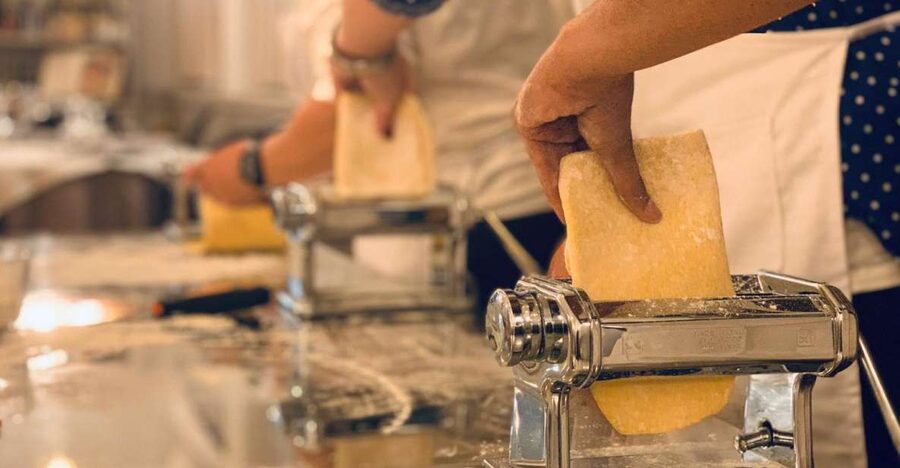
This class is a strong match if you want a fun, hands-on evening that blends skill building with a relaxed sit-down meal. It also works well for mixed ages. People mention that it was enjoyable for a 68-year-old participant, and another family brought along a 13-year-old who had it as a bucket list activity.
It can also work for couples. Several people describe doing it as a two-person trip, enjoying the process together, then sharing the meal and conversation.
The one clear “think twice” factor is alcohol. Since wine is free-flowing and included, this is not the choice if you need a strictly alcohol-free experience. Also, one person notes that the room could have used more air-conditioning. It’s not listed as a guarantee, but Rome kitchens can run warm, and you should come expecting a lively indoor environment.
Price and Value: Why Around $77 Can Make Sense Here
At $77.03 per person, you’re paying for a full 3 to 4 hour culinary session with real instruction plus the meal. That’s the key to value here. You’re not just tasting. You’re learning to make:
- Tiramisu (with classic ingredients)
- Fettuccine (from scratch)
- Ravioli (from scratch)
You’re also getting drinks that are meaningfully part of the experience: prosecco, fine wine, unlimited soft drinks, coffee, limoncello, and Italian coffee. Add the fact that you receive recipes to recreate at home, and the cost starts to look more fair.
Could you eat a great Roman pasta dinner for less money in Rome? Yes. But you won’t learn fettuccine and ravioli dough-making in that dinner. This price buys time, instruction, and a structured “do it yourself” outcome.
If you’re the type who values experience with a meal attached, this price lands in the right zone.
Should You Book This Rome Pasta and Tiramisu Class?
If you want a Roman food experience that’s hands-on, social, and genuinely practical, I’d book it. It’s one of the better ways to turn a Rome trip into something you can recreate later. The most consistent strength is that you learn real basics for tiramisu and two pasta types, then you eat what you made with included wine and dessert finish.
I’d hold off only if:
- You hate cooking activities and would rather just eat.
- You need a zero-alcohol setting.
- You’re very sensitive to warm indoor rooms and tight navigation around the venue area.
Otherwise, it’s a smart use of an evening near the Vatican, especially if you want something that feels local and not scripted.
FAQ
What will I learn to make in the class?
You’ll make traditional tiramisu and two types of pasta from scratch, fettuccine and ravioli.
How long does the experience last?
The class runs 3 to 4 hours. Starting times vary, so check availability.
Is wine included?
Yes. The class includes prosecco and fine wine, and wine is described as free-flowing. Unlimited soft drinks are also included.
What drinks and dessert are included besides wine?
You’ll have coffee during the experience, and the meal ends with limoncello and Italian coffee.
Is the guide available in English?
Yes, there is a live tour guide in English.
Can I cancel, and is there a pay later option?
You can cancel up to 24 hours in advance for a full refund. There is also a reserve now, pay later option.
Latest reviews around Rome
- From Rome: Hadrian’s Villa & Villa d’Este Day Trip & Lunch★ 4.5 · 157 reviews
- Rome: Painting Class with Unlimited Wine★ 4.8 · 109 reviews
- Vatican City: Sistine Chapel, Museums, Basilica Private Tour★ 4.8 · 158 reviews
- Pope Leo XIV Audience Tour with Local Guide★ 3.3 · 111 reviews
- Rome: The Three Tenors at St. Paul’s Church Concert Ticket★ 4.7 · 699 reviews
- Vatican Museums & Sistine Chapel Skip-the-Line Guided Tour★ 4.6 · 254 reviews
- Rome: St. Peter’s Basilica and Papal Tombs Guided Tour★ 4.6 · 477 reviews
- St. Peter’s Dome Climb, Basilica and Vatacombs Tour★ 4.7 · 230 reviews
Workshops, compared.
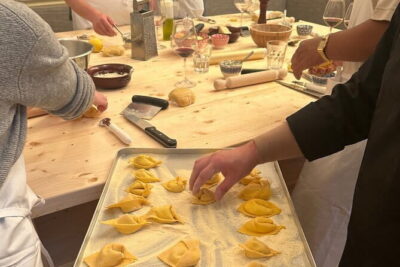
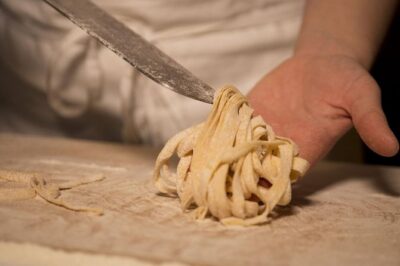
3 in 1 Cooking Class near Navona: Fettuccine, Ravioli & Tiramisu
Read our review →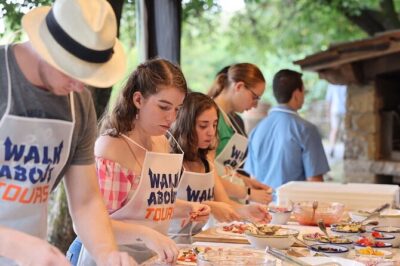
Florence Pizza or Pasta Class with Gelato Making at a Tuscan Farm
Read our review →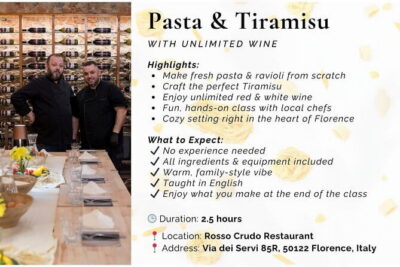
Pasta & Tiramisu Cooking Class with Unlimited Wine
Read our review →
Pizza-Making Workshop with Drink and Appetizer
Read our review →
Pasta & Tiramisu Class with Fine Wine by the Vatican
Read our review →
Cooking Class and Lunch at a Tuscan Farmhouse with Local Market Tour from Florence
Read our review →Browse the lists this tour appears in