Reviewed · ROME TOURS
Rome: Domus Aurea Tour with Virtual Reality Experience
If you like Rome with real drama, this VR tour delivers it. The Domus Aurea feels like a time capsule, and the 3D reconstruction explains what those quiet, vaulted rooms looked like when Nero’s palace was brand new. I love how the visit pairs 30 frescoed halls with story-driven context, so you are not just looking at walls. I also like the focus on both the east wing and the newly reopened west wing, which makes the site feel bigger than you expect.
One possible drawback is the format: it is a guided experience in tight underground spaces, so if your group is large you may struggle to hear every detail at all times.
In This Review
- Key takeaways before you go
- Meeting at Domus Aurea without wasting time
- Timing, pace, and what fits into the full 2 hours
- The guided walk: 30 frescoed halls and the feel of Nero’s world
- East wing first, then the newly reopened west wing
- One room to watch for: the octagonal space
- Nero, the fire of 64 AD, and the myths you will stop repeating
- How a ruined city feeds a palace
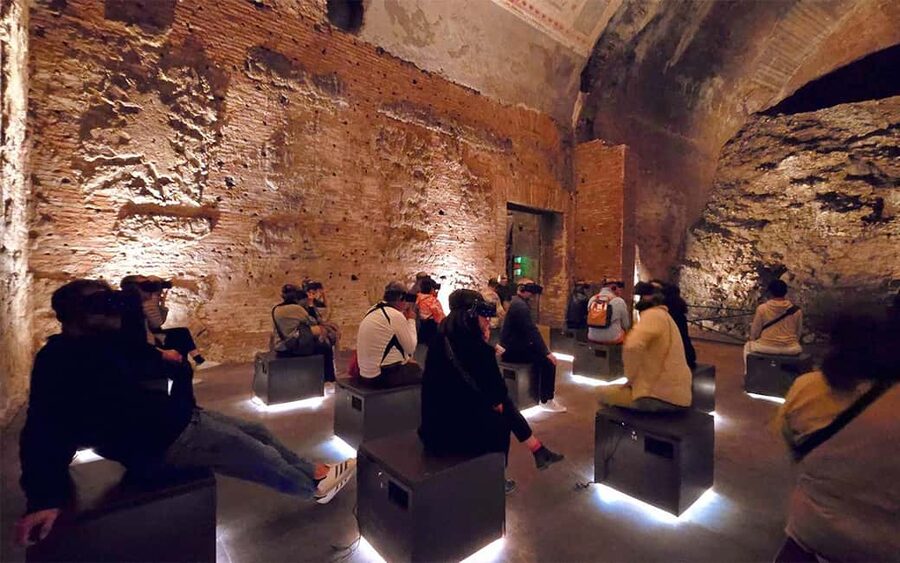
- The 3D VR reconstruction: what to do in the seated moment
- What you are trying to see, not just watch
- After Nero: Colosseum, baths, and the long sleep of the Domus Aurea
- Practical details that affect your experience
- What to wear and bring
- What not to bring
- A note on hearing and group size
- Accessibility reality check
- Who this tour is best for
- Should you book the Domus Aurea VR tour?
Key takeaways before you go
- East and newly reopened West Wings: more of the complex than the usual quick stop
- Nero’s story, not just the art: from palace building to the myths around the 64 AD fire
- VR at the peak moment: a seated 3D look at the Golden Palace and lavish portico
- Designed for understanding: the tour explains techniques and materials, not only dates
- Cooler than you expect in summer: underground rooms help take the edge off the heat
Meeting at Domus Aurea without wasting time
The experience starts at the Domus Aurea site, with a short meeting outside led by an Open Mind Tours guide. Your GetYourGuide voucher is not the entry ticket, the guide has that. When you arrive, look for an Open Mind Tours sign, and plan for a bit of waiting, because entrance into the Domus is at least 20 minutes after the scheduled guide presentation.
This matters because the Domus Aurea area can be confusing in the heat and crowds. If you like a calm start, arrive a little early and keep your eyes open for the sign, not the rest of the complex. Some visitors also note that finding the meeting point can take patience, so I would rather you show up with time to spare than sprint after instructions.
A few more Rome options to weigh
- Vatican: Museums & Sistine Chapel Entrance Ticket
★ 4.5 · 144,003 reviews - Vatican Museums & Sistine Chapel Tour with Optional Basilica
★ 4.3 · 67,413 reviews - Colosseum, Roman Forum & Palatine Guided Tour
★ 4.7 · 63,148 reviews
Timing, pace, and what fits into the full 2 hours
You are looking at a total 2-hour experience, with 105 minutes inside the Domus Aurea guided component. That is a good ratio: enough walking to get the site’s scale, and enough time to let the story land before the VR part.
The tour is live in English, and it is not a headset-and-go situation. You get a guide who connects the frescoes to Nero’s personality and political situation, and then the VR section “locks in” what those spaces were likely meant to feel like.
The guided walk: 30 frescoed halls and the feel of Nero’s world
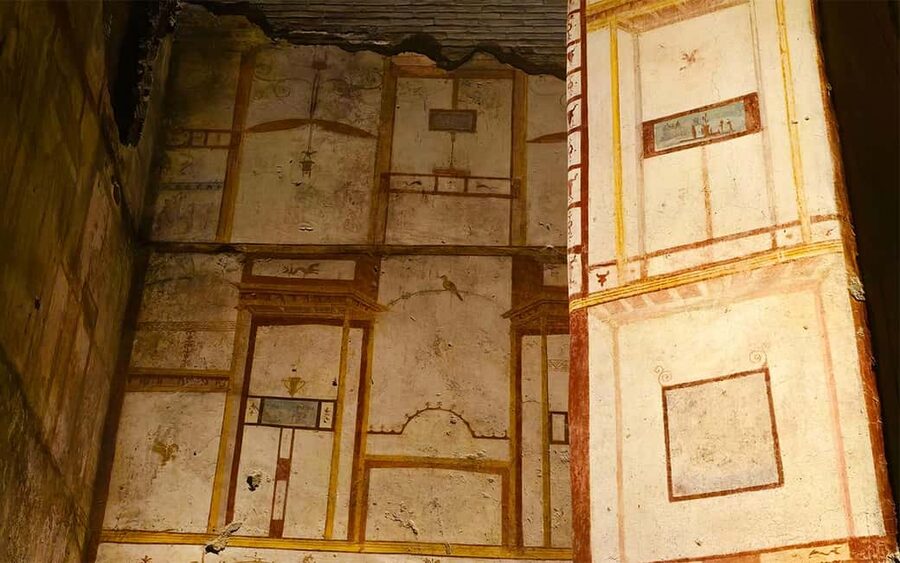
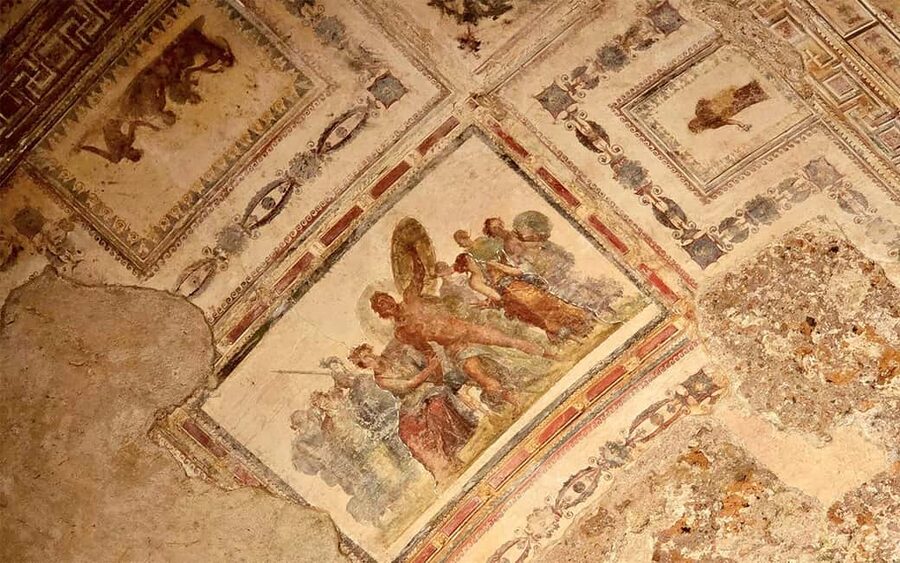
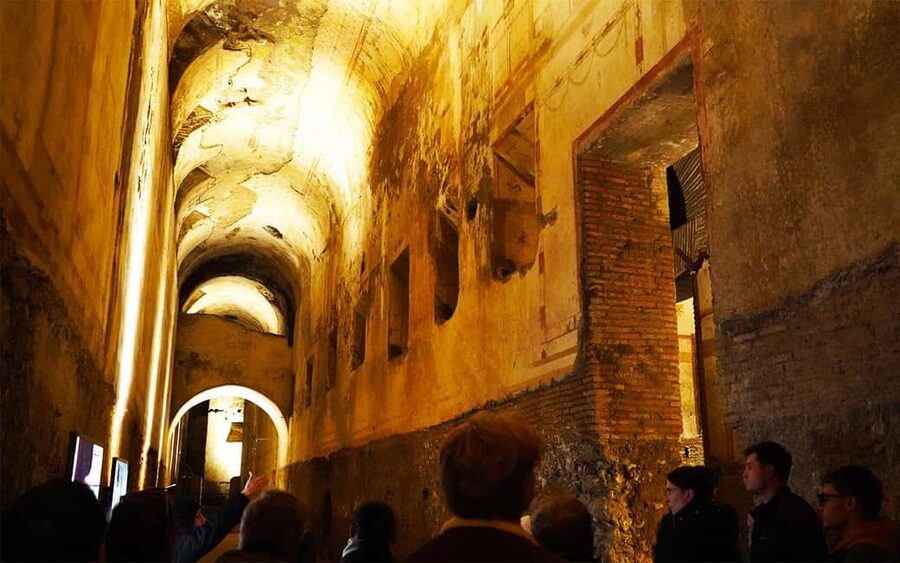
The Domus Aurea is Rome’s largest active archaeological site, and it does not try to be a museum that stays politely flat. You move through a sequence of vaulted halls, corridors, and hallways where the ceilings and walls still carry art. The guide frames what you are seeing as more than decoration. These are visual choices made to project power, taste, and cleverness.
You will hear how Nero comes through in the frescoes, including the strange, eccentric figures that show up in the art. The point is not to make the emperor into a caricature. The tour treats the “mad Nero” stereotype as a myth, and it leans into Nero’s sharp intellect and artistic sensitivity instead.
East wing first, then the newly reopened west wing
You will explore the east wing and then the recently reopened west wing. The reopening changes the experience in a practical way. More space means more variety in how you move through the complex, and you get a clearer sense of how the palace systemed together gardens, porticoes, and water.
The tour also highlights vaulted spaces where frescoes are restored and where light mattered. Even if you are looking at remnants today, the guide explains how the original layout created beams of light through the combination of porticoes, fountains, and gardens.
Nearby, and just as well reviewed:
- Vatican Museums, Sistine Chapel & St Peter’s Basilica Guided Tour
★ 4.5 · 39,149 reviews - Rome: Colosseum, Palatine Hill and Roman Forum Guided Tour
★ 4.8 · 32,814 reviews - Rome: Guided Tour of Colosseum, Roman Forum & Palatine Hill
★ 4.7 · 27,897 reviews - Rome: Colosseum & Forum with Audio Guide App -Optional Arena
★ 4.2 · 24,770 reviews
One room to watch for: the octagonal space
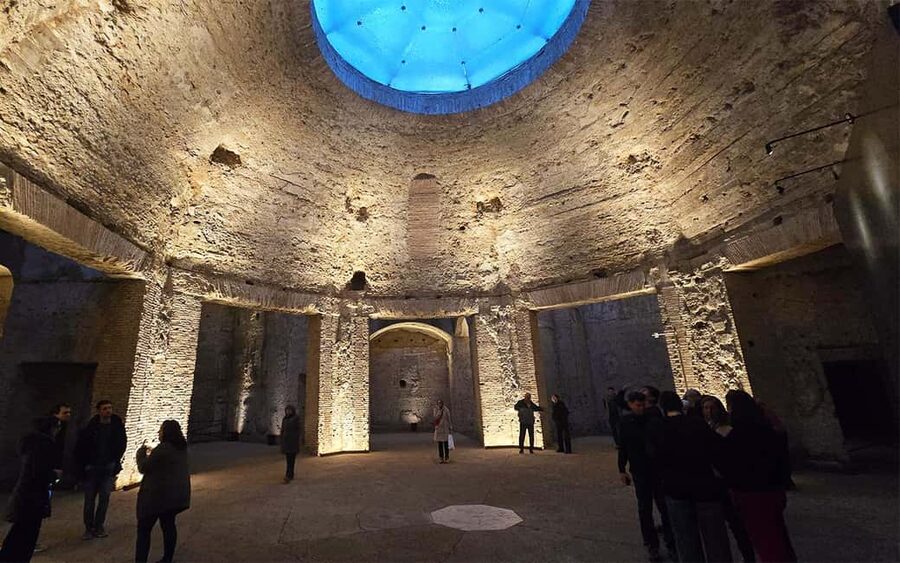
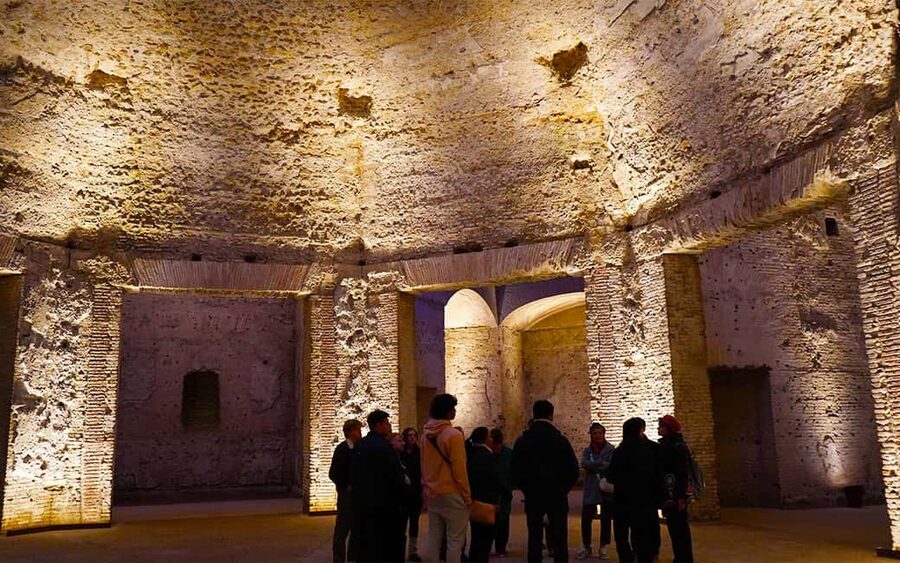
As you near the octagonal room, you may hear about a ceiling that might have been able to move as part of the original design. The “maybe” is important here. Archaeology often has a level of reconstruction, and the tour stays honest about what is inferred.
Either way, the octagonal stop is one of those moments that makes you feel why this palace got called Golden. The geometry alone changes your sense of scale.
Nero, the fire of 64 AD, and the myths you will stop repeating
The tour’s story engine is Nero. Not just his palace, but his role in what happened in July 64 AD, when a catastrophic fire destroyed a huge portion of the city.
Here is the way the guide frames it: Nero was not at the center of the fire from inside Rome. He was at a seaside villa outside the city, which matters because it challenges the popular idea that he personally caused or enjoyed the disaster.
Then the guide connects Nero’s response to urban policy. After the catastrophe, Nero takes action by opening his gardens to shelter people, distributing essential goods, and lowering grain prices. You also get the idea that he pushed for changes that could reduce future disasters, such as placing a minimum distance between buildings and using stone and bricks instead of wood.
The tour also does not ignore the backlash. Nero was accused of delays in rescue efforts and insufficient funding for reconstruction. The end result is a more balanced take than the usual movie version of history, and it helps you understand why his popularity collapsed.
How a ruined city feeds a palace
This is where the tour turns the story from tragedy to power. It explains how Nero used the destroyed areas to expand his palace on the Palatine Hill, building the Domus Aurea. At the heart of the complex, you get the striking detail of a private oasis, a lake within the palace complex.
That lake is one of those ideas that is hard to picture until the VR part. The tour prepares you for it emotionally too. It is not just a cool architectural fact, it becomes a symbol for how disconnected Nero’s luxury could feel to the public.
The 3D VR reconstruction: what to do in the seated moment
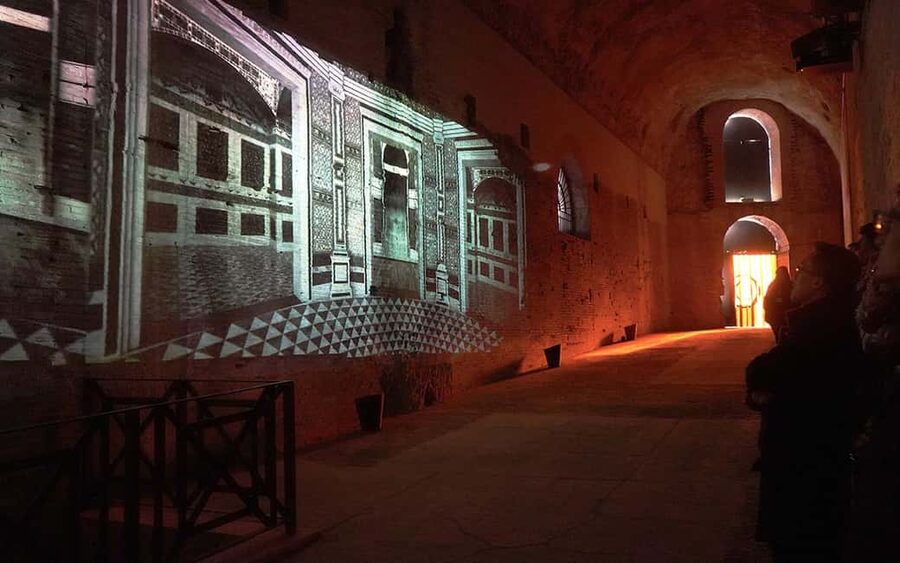
The peak moment is the 3D virtual reality reconstruction. It covers the halls and also an outside lavish portico of the palace, described as not yet completed when Nero committed suicide in 68 AD.
Because the VR segment happens while you are seated, you might think it is passive. Do not. This part works best if you actively look around. The tour’s VR setup benefits people who take a second to orient themselves and scan the scene instead of staring at the first view in front of you.
What you are trying to see, not just watch
The VR is not only “pretty pictures.” It is meant to show scale, layout, and design intent. The guide’s earlier explanations about fresco placement, vaulting, and the relationship between built space and gardens give your eyes something to connect to.
So, you are not just seeing what Nero’s palace looked like. You are connecting how the technology of the time, the artistic program, and the political story all point toward one thing: a ruler trying to control how Rome remembered him.
After Nero: Colosseum, baths, and the long sleep of the Domus Aurea
When Nero dies in June 68 AD, the story does not stop. The tour makes you feel how quickly power shifts.
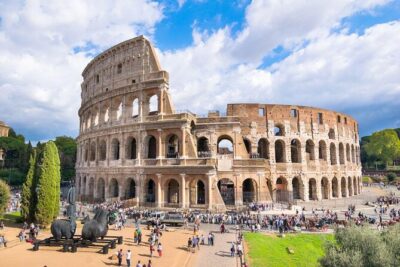
Vespasian, the next emperor, builds the Colosseum in place of Nero’s lake. That is both practical and political. A big public work helps Rome recover and it signals a different style of governance, while the Colosseum also becomes a venue for gladiator games that people already wanted to see.
Next, about fifty years later, Trajan buries Nero’s Golden House by building an enormous bath complex above it. The Domus Aurea then falls into oblivion for nearly 1,500 years, only to be rediscovered by Renaissance artists in the 1500s.
This sequence is why the Domus Aurea feels like a paradox. It is a palace, but also a grave. It is art, but also archaeology. The tour walks you through that change without turning it into a textbook.
Practical details that affect your experience
What to wear and bring
Wear comfortable shoes because you are walking inside an archaeological site. Bring a jacket, since underground rooms can feel cooler than you expect even on hot days.
A simple mindset helps too. Expect uneven surfaces and take your time. The guide’s pacing makes sense, but your body still needs to work for every step.
What not to bring
The site rules are strict. Do not bring weapons or sharp objects, and do not bring luggage or large bags. Drones are not allowed. Pets are not allowed, with assistance dogs permitted.
Also avoid selfie sticks, professional cameras, and tripods. Sprays or aerosols and glass objects are also not allowed. If you are the kind of person who carries a lot for day trips, do yourself a favor and travel light.
A note on hearing and group size
The Domus Aurea is not designed for shouting. If you end up in a bigger group, you may find it harder to hear every spoken explanation at all points. The VR portion helps with understanding because you can focus without competing for sound, but you still want to stand close when the guide is pointing things out.
Accessibility reality check
This experience is not suitable for people with mobility impairments or wheelchair users, based on the tour information provided.
Who this tour is best for
I think this is a great fit if you want a Domus Aurea visit that feels structured and story-based. If you already love Roman art, the frescoed halls will reward you. If you are more into politics and power, Nero’s arc and the myths about the 64 AD fire give you something to hold onto.
It is also ideal for people who prefer fewer crowds and a cooler underground environment, since the site can feel manageable compared with Rome’s biggest headline attractions.
If you hate any kind of waiting, build in patience for the timing gap between the outside presentation and your entry into the Domus. And if you need full accessibility support, this one is likely not the right match.
Should you book the Domus Aurea VR tour?
Book it if you want more than a look at ruins. This tour gives you context, guided walking through both wings, and a 3D VR reconstruction that makes the Golden Palace easier to picture. The story line about Nero, the fire, and the palace’s fate ties the art to real events, so you leave with a clearer mental map.
Skip it if you are very sensitive to crowd noise or you need accessibility accommodations the venue cannot provide. Also skip if you dislike rules around cameras and personal items, since the restrictions are a real part of the experience here.
If you are weighing Domus Aurea versus other Rome classics, I would treat this as a high-value add-on that gives you a rare angle on imperial Rome, the architecture, and the art program, all in one smooth session.
Latest reviews around Rome
- From Rome: Hadrian’s Villa & Villa d’Este Day Trip & Lunch★ 4.5 · 157 reviews
- Rome: Painting Class with Unlimited Wine★ 4.8 · 109 reviews
- Vatican City: Sistine Chapel, Museums, Basilica Private Tour★ 4.8 · 158 reviews
- Pope Leo XIV Audience Tour with Local Guide★ 3.3 · 111 reviews
- Rome: The Three Tenors at St. Paul’s Church Concert Ticket★ 4.7 · 699 reviews
- Vatican Museums & Sistine Chapel Skip-the-Line Guided Tour★ 4.6 · 254 reviews
- Rome: St. Peter’s Basilica and Papal Tombs Guided Tour★ 4.6 · 477 reviews
- St. Peter’s Dome Climb, Basilica and Vatacombs Tour★ 4.7 · 230 reviews
Rome Tours, compared.
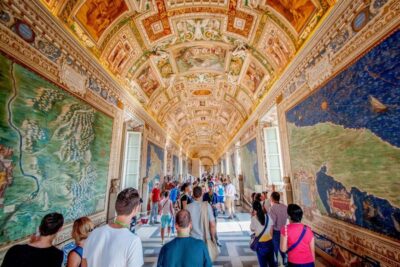
Vatican: Museums & Sistine Chapel Entrance Ticket
Read our review →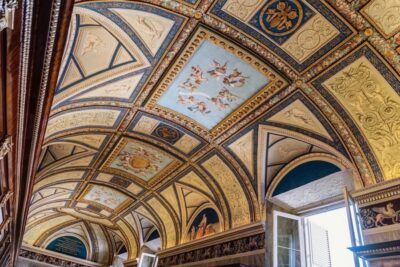
Vatican Museums & Sistine Chapel Tour with Optional Basilica
Read our review →
Colosseum, Roman Forum & Palatine Guided Tour
Read our review →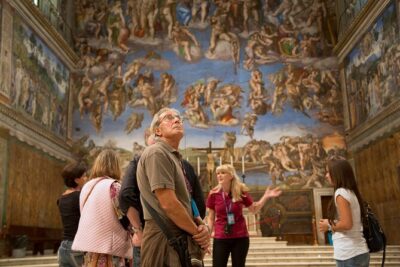
Vatican Museums, Sistine Chapel & St Peter’s Basilica Guided Tour
Read our review →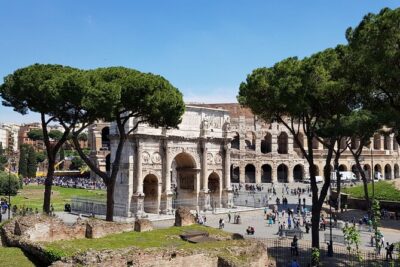
Colosseum, Palatine Hill and Roman Forum Guided Tour
Read our review →
Guided Tour of Colosseum, Roman Forum & Palatine Hill
Read our review →
Colosseum & Forum with Audio Guide App -Optional Arena
Read our review →