Reviewed · GUIDED
Rome: Domus Aurea Guided Tour and Virtual Reality Experience
One step outside the Colosseum, and suddenly Rome feels alive again. This Domus Aurea tour pairs a live guided walkthrough with Oculus VR, letting you see Nero’s Golden House the way it may have looked. I especially liked the way the guide worked you through the Octagonal Hall and other star rooms without turning it into a lecture.
Two things make this outing click: the VR scene does a great job of translating ruins into spaces, and the guide connects art, architecture, and power in a way that stays understandable. The only real drawback to plan around is the cold, the Domus interior runs around 10 degrees, so you will want a proper layer.
If you can handle a museum tour that’s a bit physical and you like learning through visuals, this is one of the more “Rome now, Rome then” experiences around.
In This Review
- Key things you’ll want to know before you go
- Meeting Point at Colosseo Metro, and Why Timing Matters
- The 70-Minute Guided Walk Through Nero’s Golden House
- Oculus VR in the Golden Vault, How the Technology Fits the Story
- The Octagonal Hall, the Room You’ll Remember
- Cryptoporticus and the Hall of Birds, Two Different Kinds of Wonder
- Decorative Apparatus and Roman Painting, What Makes This Place Artistic
- Concrete, Engineering, and Why Nero Could Do Something So Strange
- Practical Logistics, What to Bring and What to Leave Behind
- Listening Comfort, Acoustics, and How to Make the Most of the Audio
- Price and Value at About $67 for 1.5 Hours
- Who This Tour Suits Best, and Who Might Skip
- Should You Book This Domus Aurea VR and Guided Tour?
- FAQ
- Where do I meet for the Domus Aurea guided tour and VR?
- How long is the experience?
- Does the tour include entry tickets?
- What VR system is used?
- What rooms and areas are included in the visit?
- What languages are available?
- Is the temperature inside warm?
- What should I bring?
- What is not allowed during the tour?
- Is this suitable for mobility issues or claustrophobia?
- Do I skip the ticket line?
Key things you’ll want to know before you go
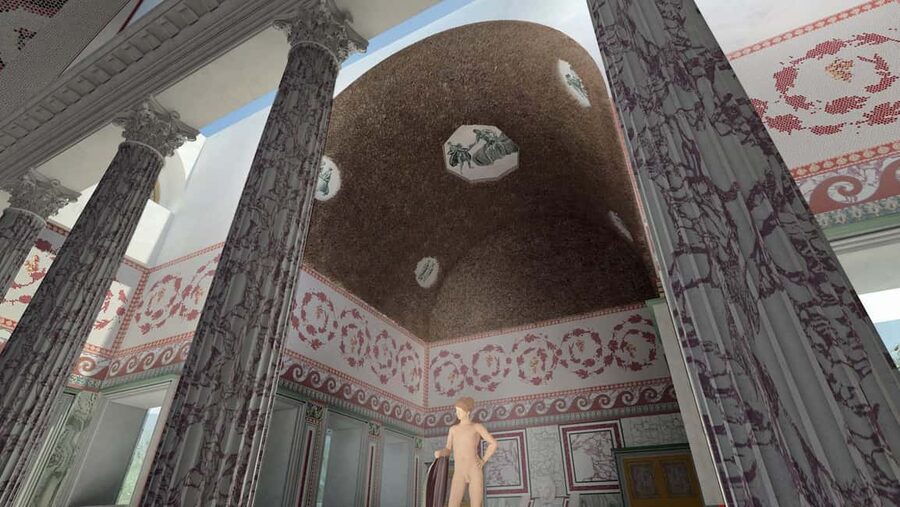
- Oculus VR shows the Golden Vault as archaeologists think it originally appeared, right inside the route of the tour.
- Famous Domus rooms like the Octagonal Hall, the Hall of Birds, and the Cryptoporticus each get their own story beat.
- Roman concrete comes up in a practical way, helping you understand why this place was such a big deal.
- Bring a jacket because the temperature inside is around 10 degrees.
- Use the audio guide if you need extra help, since acoustics in the Domus can be tricky.
Meeting Point at Colosseo Metro, and Why Timing Matters
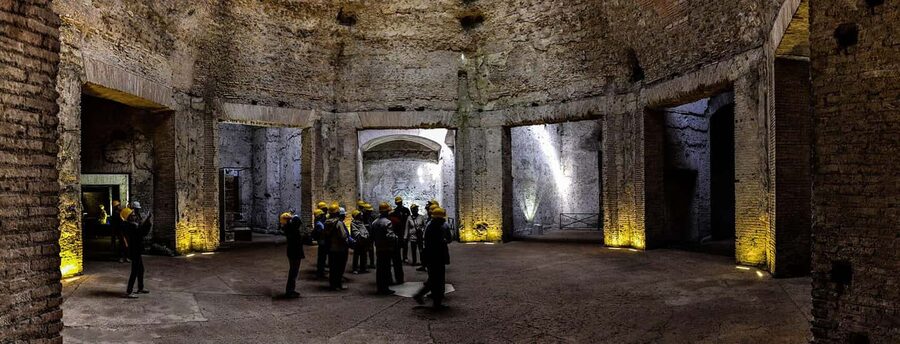
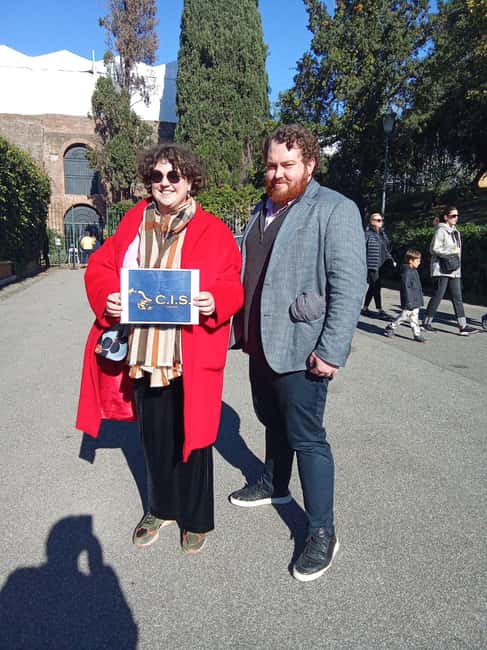
Your adventure starts at the Colosseo metro station, on the lower floor near street level, close to the green kiosk. Look for staff with the C.I.S Tours sign. The plan is simple: show up early, get your nominative tickets checked, then head into the Domus Aurea experience.
You are required to arrive about 20 minutes before your booked start time. That isn’t busywork, it’s how they keep the group flow moving and make sure everyone is on the correct ticket name. If you roll in late, you risk losing time waiting.
This is also one of those tours where comfort affects enjoyment. You’ll be on your feet, and you are indoors in a cooler environment, so wear comfortable shoes and bring a jacket even if the day outside feels warm. If you tend to run cold, treat this as a mini winter detour.
A few more Rome options to weigh
- Vatican: Museums & Sistine Chapel Entrance Ticket
★ 4.5 · 144,003 reviews - Vatican Museums & Sistine Chapel Tour with Optional Basilica
★ 4.3 · 67,413 reviews - Colosseum, Roman Forum & Palatine Guided Tour
★ 4.7 · 63,148 reviews
The 70-Minute Guided Walk Through Nero’s Golden House
The heart of the tour is a guided route through the Domus Aurea’s major spaces. You’ll spend about 70 minutes with a live guide, and it’s structured to keep the place readable. Instead of random ruins, you get a storyline about how Nero’s palace was conceived and what it was meant to represent.
Expect the guide to connect three threads: politics, design, and decoration. Nero’s name gets mentioned for obvious reasons, but you also learn about why this complex mattered to how Rome built and displayed power. The tour framing is practical: why certain areas look the way they do today, and what features archaeologists and historians think were going on when it functioned as a residence.
One reason this works well is the pacing. You aren’t stuck in one stop for too long. The guide moves you between rooms and corridors, and each change of space makes the next explanation easier to visualize.
Oculus VR in the Golden Vault, How the Technology Fits the Story
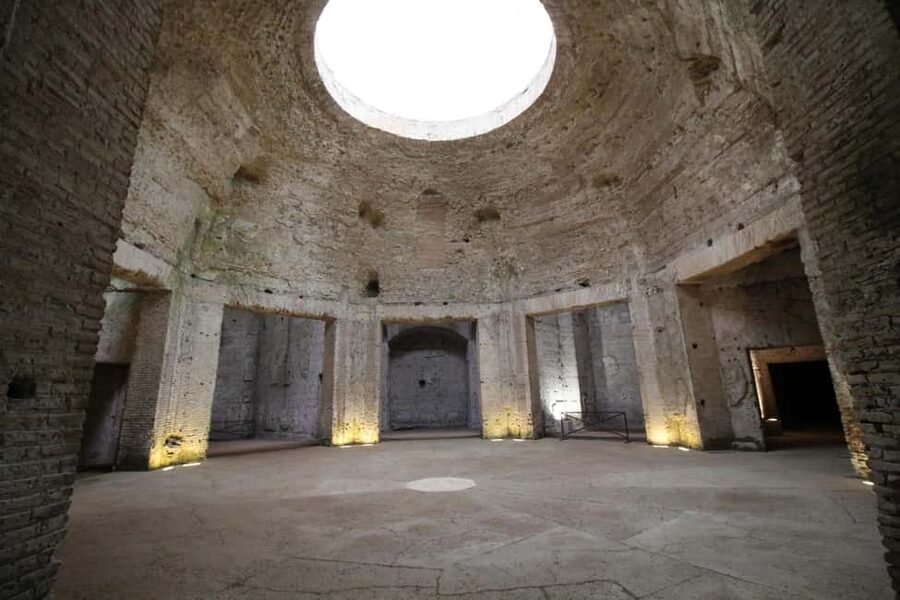
The VR portion is short, and that’s part of the win. Instead of making you wear a headset forever, it’s used like a chapter break. The goal is to help you picture the Golden Vault as it must have appeared during Nero’s time.
The tour uses Oculus virtual reality. You’ll see a reconstructed look meant to reflect archaeologists’ and historians’ best guesses. In plain terms, it helps your brain connect what you’re standing in now with what it might have looked like when the palace was still whole.
After the VR, the rest of the visit makes more sense. You can look at the physical remnants and think, ok, that space was meant to feel different. It’s not just “cool tech.” It becomes a tool for comprehension.
A practical tip here: if you’re sensitive to tight spaces or being boxed in, this tour may not be a good fit. VR can be fine for many people, but the overall experience is not designed for claustrophobia, and the Domus setting itself can feel enclosed.
The Octagonal Hall, the Room You’ll Remember
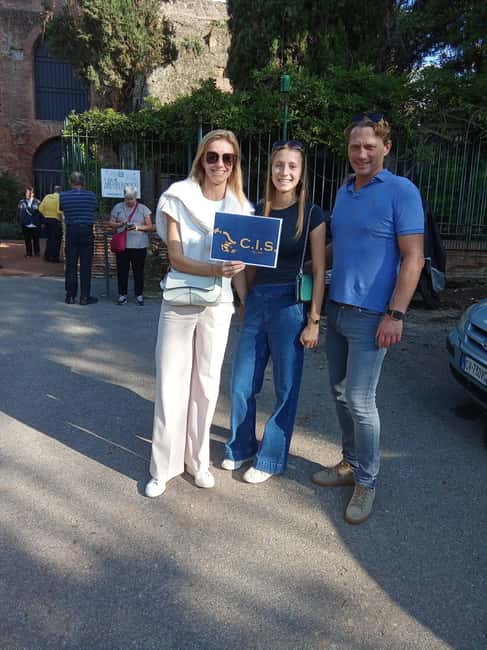
The Octagonal Hall is one of the Domus Aurea spaces people talk about for a reason. On this tour, it’s not treated like a photo-op. The guide uses it as a landmark to explain how the palace was planned and why the design choices mattered.
This is where you get a clearer sense of scale and ambition. Even though you’re seeing a ruin, you can still understand the intention: this wasn’t meant to be a modest home tucked away from view. It was meant to feel grand and theatrical.
If you like Roman architecture, this stop is a highlight because it invites you to ask the right question. Not just what’s broken, but what mattered about the original structure. A good guide helps you look at the walls, the vaulting, and the geometry without getting lost in detail.
Nearby, and just as well reviewed:
- Vatican Museums, Sistine Chapel & St Peter’s Basilica Guided Tour
★ 4.5 · 39,149 reviews - Rome: Colosseum, Palatine Hill and Roman Forum Guided Tour
★ 4.8 · 32,814 reviews - Rome: Guided Tour of Colosseum, Roman Forum & Palatine Hill
★ 4.7 · 27,897 reviews - Rome: Colosseum & Forum with Audio Guide App -Optional Arena
★ 4.2 · 24,770 reviews
Cryptoporticus and the Hall of Birds, Two Different Kinds of Wonder
After the big showpiece room, the tour shifts into other spaces that help complete the picture. The Cryptoporticus is one of those “how did they use this?” areas. It’s part of the complex that helps you understand how the residence connected to gardens and the surrounding layout.
Then you move toward the Hall of Birds, a standout because it’s tied to the palace’s decorative reputation. Here, you’re looking at the kind of Roman painting and ornamentation that tells you the Domus Aurea was not just about engineering. It also aimed for atmosphere, storytelling, and visual impact.
These two spaces work as a pair. Cryptoporticus helps you understand function and movement through the complex. Hall of Birds helps you understand the showmanship of the interiors.
Decorative Apparatus and Roman Painting, What Makes This Place Artistic
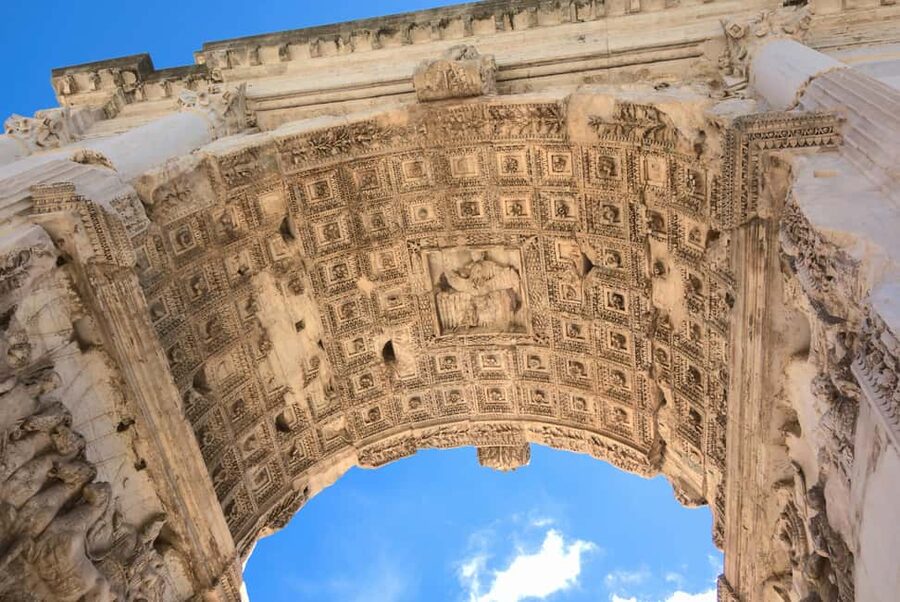
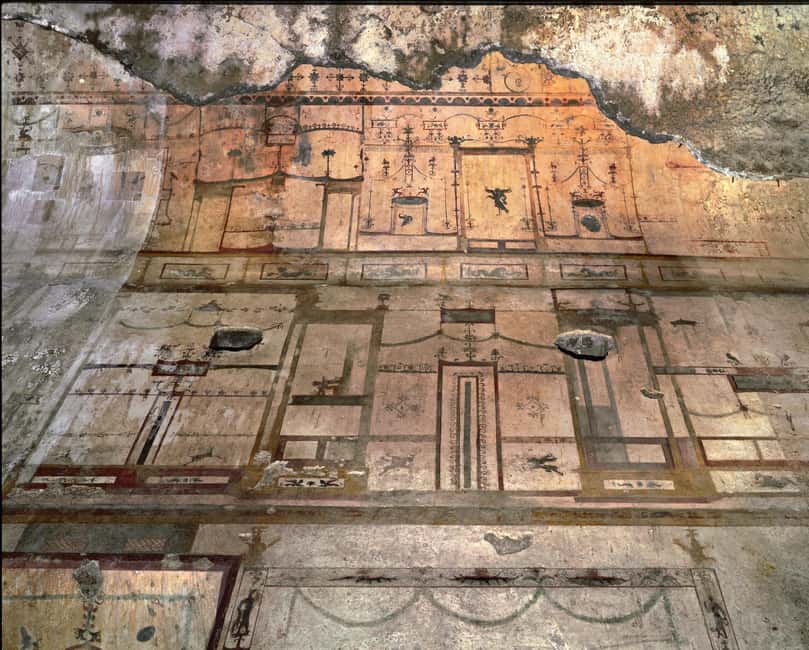
One of the most interesting parts of the Domus Aurea is that it’s not only about buildings. It’s also about decoration, especially painting. The tour specifically highlights the site’s decorative apparatus as one of the most interesting examples of Roman painting.
That matters because it changes how you judge ruins. Instead of seeing only bare structures, you start noticing surfaces, motifs, and the overall idea of how rooms were meant to look and feel. The guide’s job is to help you read those remnants like clues.
A nice bonus is that this is where the tour’s multisensory storytelling makes sense. When you pair the VR reconstruction with art history context, you can better understand why someone like Nero would invest in such dramatic interior effects.
Concrete, Engineering, and Why Nero Could Do Something So Strange
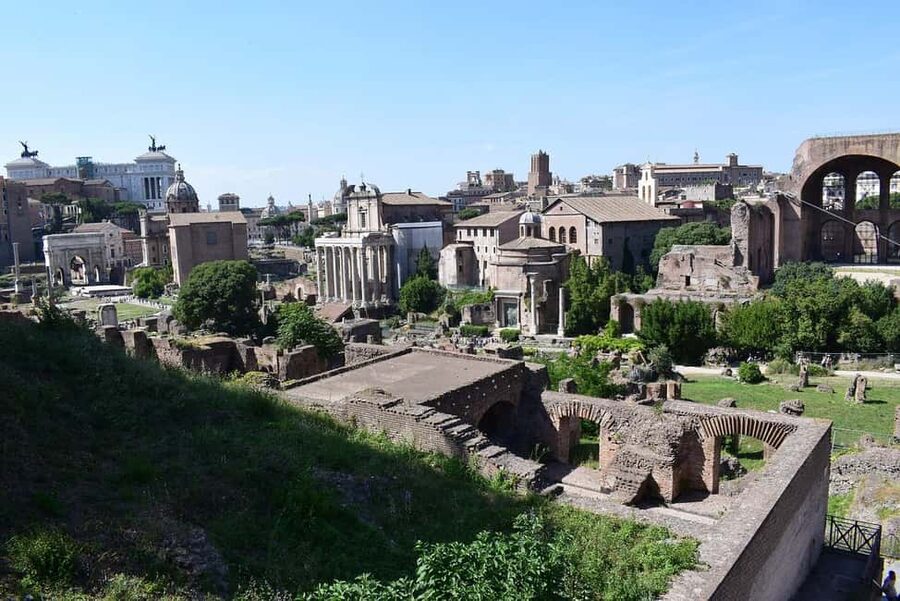
The tour also touches on the Domus Aurea’s use of concrete as a building material. This is a key point because it helps explain how Rome could create large, ambitious spaces.
Concrete shows up as a practical turning point in the story of Roman architecture. It lets you understand how builders achieved forms that were harder to pull off with older methods. You start seeing the site as a lab of construction ideas, not only a palace.
This engineering perspective also keeps the tour grounded. Even when the subject is dramatic, like an emperor’s private residence, you can still connect it to real materials and real building methods. That blend of palace drama and construction logic is a large part of why this outing feels worth the time.
Practical Logistics, What to Bring and What to Leave Behind
This tour is built for a smooth indoor route, so follow the rules to avoid stress. Bring your passport or ID card. Children also need a passport or ID card. Wear comfortable shoes, and bring a jacket because the temperature inside is around 10 degrees.
Some things you should not bring: food and drinks, luggage or large bags. Unaccompanied minors are not allowed. If you have bulky items or you’re traveling light with a big bag, plan to store it before you arrive.
Also note the basic physical reality: this tour is not suitable for people with mobility impairments or wheelchair users, and it is not a good choice for people with claustrophobia. The Domus setting is part of what makes it special, but it is also enclosed and not designed for every mobility need.
Listening Comfort, Acoustics, and How to Make the Most of the Audio
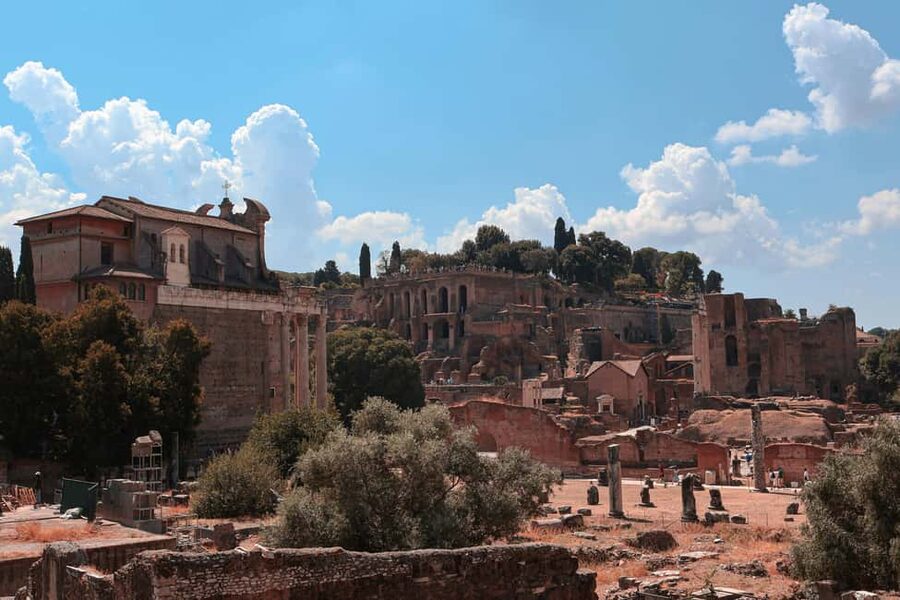
One detail worth paying attention to is sound. The Domus Aurea spaces can have acoustic quirks, so hearing every word from the guide may not be perfect in every spot.
The good news is that an audio guide is included, with languages listed as Italian, English, French, and Spanish. If you find the guide harder to hear at certain points, using your audio track can keep the tour experience coherent. Stand where you can see and hear the guide when possible, and use the audio guide to fill in anything you miss.
This matters because the tour works best when you follow the thread. Nero’s Golden House is easy to enjoy when you understand the why behind the rooms.
Price and Value at About $67 for 1.5 Hours
At $67 per person for about 1.5 hours, you are paying for more than just entry. Your ticket includes the Domus Aurea access, a guided tour, the Oculus VR experience, and all taxes and fees.
That’s the value logic: you’re buying interpretation plus technology, not only a self-paced walk. If you’re the type who wants the site explained, the guide and audio help you get more out of the ruins than you might on your own. If you love architecture and interior art, the VR helps you visualize what’s missing.
If your goal is only quick photos, the price might feel steep. But if you want context, this is one of those tours where the cost matches what you’re receiving: a structured visit with both a human storyteller and a visual reconstruction.
Who This Tour Suits Best, and Who Might Skip
This experience is ideal for people who like learning through a mix of explanation and visuals. If you enjoy Roman art, building materials, and the big story of imperial Rome, you’ll likely find the Octagonal Hall, Hall of Birds, and Cryptoporticus route satisfying.
It’s also a good match if you want a focused time commitment. This isn’t a half-day marathon. It’s about 1.5 hours, so it fits well even if your Rome schedule is packed.
I would skip it if you know you struggle with enclosed spaces, or if mobility limitations make museum routes difficult. The tour is specifically described as not suitable for mobility impairments, wheelchair users, and claustrophobia.
Also consider your language needs. The tour is offered with live guides in Italian, English, French, and Spanish, and the audio guide matches those same languages. If you want control over what you hear, audio can be a real help.
Should You Book This Domus Aurea VR and Guided Tour?
Book it if you want Nero’s Golden House to feel understandable, not mysterious. The combination of a guided walkthrough and Oculus VR is a practical way to turn ruins into spaces, especially in the Golden Vault area. Add in the focus on Roman painting, the Octagonal Hall, and the mention of concrete, and you’re getting a tour that connects art and engineering instead of treating them as separate topics.
Skip it if you prefer totally free-form exploration, or if cold and enclosed settings are a problem for you. The Domus runs around 10 degrees inside, and the route is not designed for wheelchair users or people with claustrophobia.
FAQ
Where do I meet for the Domus Aurea guided tour and VR?
You meet in front of the Colosseo metro station, lower floor (ground level, at street level), near the green kiosk. Look for staff with the C.I.S Tours sign.
How long is the experience?
The tour lasts about 1.5 hours total, with a guided tour portion of about 70 minutes.
Does the tour include entry tickets?
Yes. It includes a ticket to the Domus Aurea, plus the guided tour and virtual reality experience.
What VR system is used?
The virtual reality portion is described as an Oculus virtual reality experience.
What rooms and areas are included in the visit?
The tour highlights include the Octagonal Hall, the Cryptoporticus, and the Hall of Birds, plus the Golden Vault area shown through VR.
What languages are available?
The live tour guide is available in Italian, English, French, and Spanish. The audio guide is included in Italian, English, French, and Spanish as well.
Is the temperature inside warm?
No. The temperature inside the Domus is around 10 degrees, so you should plan for cold.
What should I bring?
Bring your passport or ID card, wear comfortable shoes, and bring a jacket. Children also need a passport or ID card.
What is not allowed during the tour?
Food and drinks are not allowed. Luggage or large bags are not allowed. Unaccompanied minors are not allowed.
Is this suitable for mobility issues or claustrophobia?
No. It is not suitable for people with mobility impairments, wheelchair users, or people with claustrophobia.
Do I skip the ticket line?
Yes. The experience notes that you skip the ticket line.
Latest reviews around Rome
- From Rome: Hadrian’s Villa & Villa d’Este Day Trip & Lunch★ 4.5 · 157 reviews
- Rome: Painting Class with Unlimited Wine★ 4.8 · 109 reviews
- Vatican City: Sistine Chapel, Museums, Basilica Private Tour★ 4.8 · 158 reviews
- Pope Leo XIV Audience Tour with Local Guide★ 3.3 · 111 reviews
- Rome: The Three Tenors at St. Paul’s Church Concert Ticket★ 4.7 · 699 reviews
- Vatican Museums & Sistine Chapel Skip-the-Line Guided Tour★ 4.6 · 254 reviews
- Rome: St. Peter’s Basilica and Papal Tombs Guided Tour★ 4.6 · 477 reviews
- St. Peter’s Dome Climb, Basilica and Vatacombs Tour★ 4.7 · 230 reviews
Guided, compared.

Colosseum, Roman Forum & Palatine Guided Tour
Read our review →
Vatican Museums, Sistine Chapel & St Peter’s Basilica Guided Tour
Read our review →
Colosseum, Palatine Hill and Roman Forum Guided Tour
Read our review →
Guided Tour of Colosseum, Roman Forum & Palatine Hill
Read our review →
Colosseum & Forum with Audio Guide App -Optional Arena
Read our review →
Colosseum, Roman Forum and Palatine Hill Guided Tour
Read our review →
Naples Underground Entry Ticket and Guided Tour
Read our review →