
Reviewed · HISTORICAL TOURS
Padua: Jewish Heritage Museum and Synagogue Tour
Padua’s Jewish story is right at street level. This guided walk takes you through the former ghetto area, inside an Ashkenazi synagogue-turned-museum space, and ends at the Italian Synagogue, where prayer still happens. You get a guided tour plus a multimedia experience that helps the places make sense.
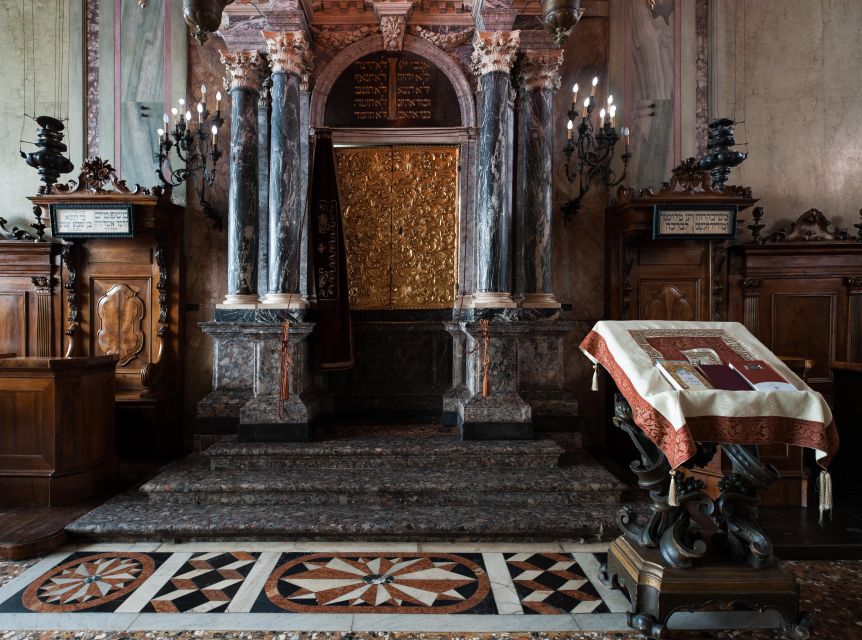
I especially like how the tour threads history from early community life to today, not just dates on a wall. I also like the focus on objects and architecture, especially the Aron-ha-Kodesh, the sacred chamber on the eastern wall, described in detail and still used for prayer.
One thing to plan for: the sites have a strict dress code, including no shorts or sleeveless shirts, so you’ll want to pack accordingly.
In This Review
- Key highlights worth your time
- Getting oriented in Padua’s old ghetto area
- Museum first: multimedia stories and ten-character narration
- The Ashkenazi synagogue space and the weight of place
- Narrow ghetto streets: social, commercial, and religious life in one walk
- Hearing about architecture in the Italian Synagogue
- The guide effect: storytelling that stays respectful
- Price and value for $17, plus the weekday note
- Practical rules, what to wear, and what to expect inside
- Who this tour is best for
- Should you book the Padua Jewish Heritage Museum and Synagogue Tour?
- FAQ
- How long is the Padua Jewish Heritage Museum and Synagogue Tour?
- Where do I meet for the tour?
- What does the ticket include?
- What languages is the tour offered in?
- Is the tour wheelchair accessible, and are there dress rules?
- Can I cancel for free or pay later?
Key highlights worth your time
- Italian Synagogue, still active for prayer at the end of the tour
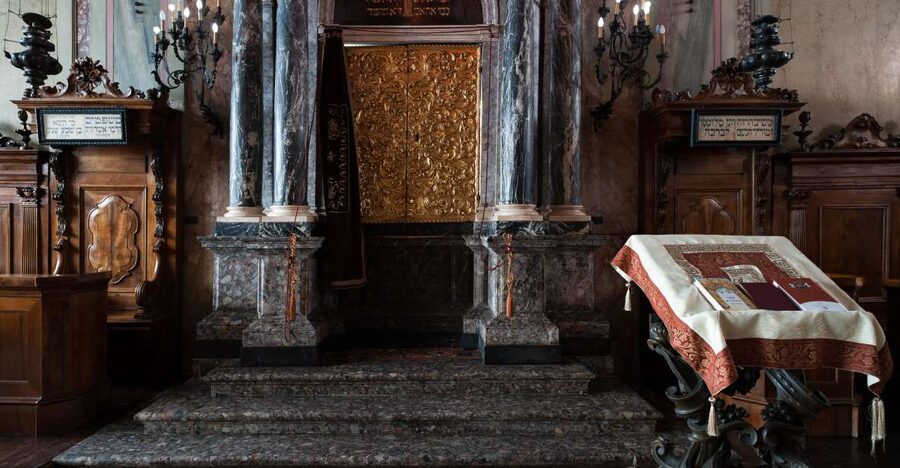
- Aron-ha-Kodesh in polychrome marble, positioned on the eastern wall
- Multimedia museum experience, including a video installation by Denis Brotto
- Character-based storytelling that brings ten figures from Padua Jewish life to life
- A restored historic Ashkenazi synagogue space connected to major scholars
- Short, efficient timing at about 1 to 1.5 hours in the historic center
Getting oriented in Padua’s old ghetto area
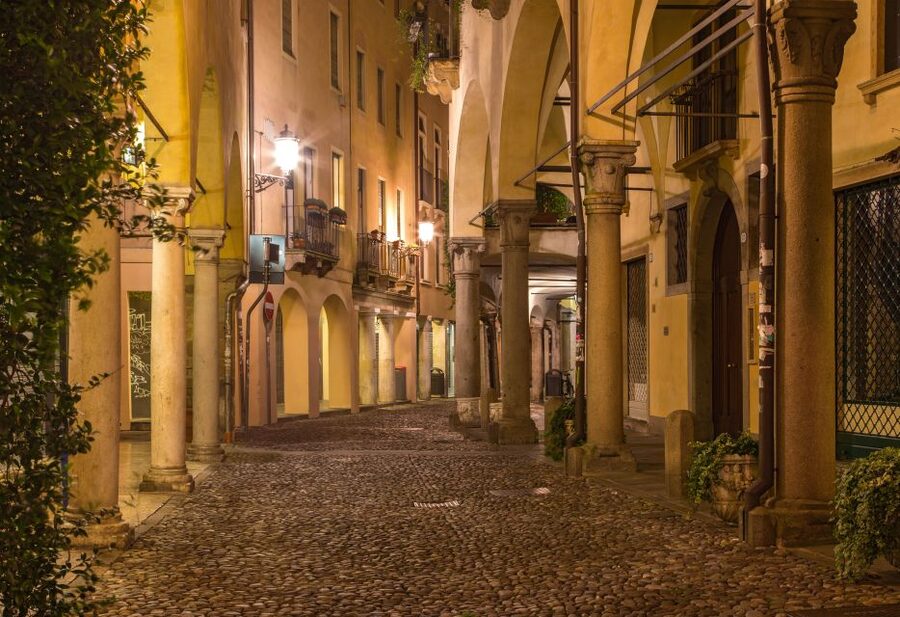
This tour works because it stays compact. You spend about 1 to 1.5 hours in Padua’s historic center, moving between close-by points tied to the Jewish community over time. The pace is just enough to absorb new info without turning it into a rushed lecture.
Your start point is very specific. Look for a magenta colored building in the street, then show your voucher at the ticket counter before the tour begins. That little detail matters in Padua, where back streets can feel similar. With a clear meetup, you avoid the usual start-of-tour stress.
I also like that it’s set up for mixed groups, including families. If you’re traveling with kids or teens, the character stories and multimedia elements give your brain something to hold onto while you walk through narrow streets.
A few more Padua options to weigh
- Padova: Baptistery of the Cathedral & Museum of the Diocese
★ 4.6 · 128 reviews - Vatican: Museums & Sistine Chapel Entrance Ticket
★ 4.5 · 144,003 reviews - Vatican Museums & Sistine Chapel Tour with Optional Basilica
★ 4.3 · 67,413 reviews
Museum first: multimedia stories and ten-character narration
The tour begins with the Padua Jewish Museum inside the former Ashkenazi synagogue site. The museum focuses on events and rituals of the Jewish community of Padua, from origins to the present day. Instead of only text panels, you get a multimedia experience, including a video installation by film director Denis Brotto.
One of the most practical takeaways is that the museum tells stories in a way that helps you connect everyday life to religious practice. You’re not only learning what happened. You’re learning how people lived, prayed, traded, gathered socially, and maintained traditions across generations.
You’ll also encounter character-based storytelling: ten illustrious characters from Padua Jewish life come to life to narrate their stories in the spaces that represent Padua Judaism. That format helps when you’re visiting on a day when your historical sites might otherwise blur together. It keeps the information human.
I’d call this the best part for first-timers to Jewish history in Italy, because it gives you context before you reach the synagogue space. If the synagogues feel like pure architecture at first glance, the museum helps you read the place correctly.
The Ashkenazi synagogue space and the weight of place
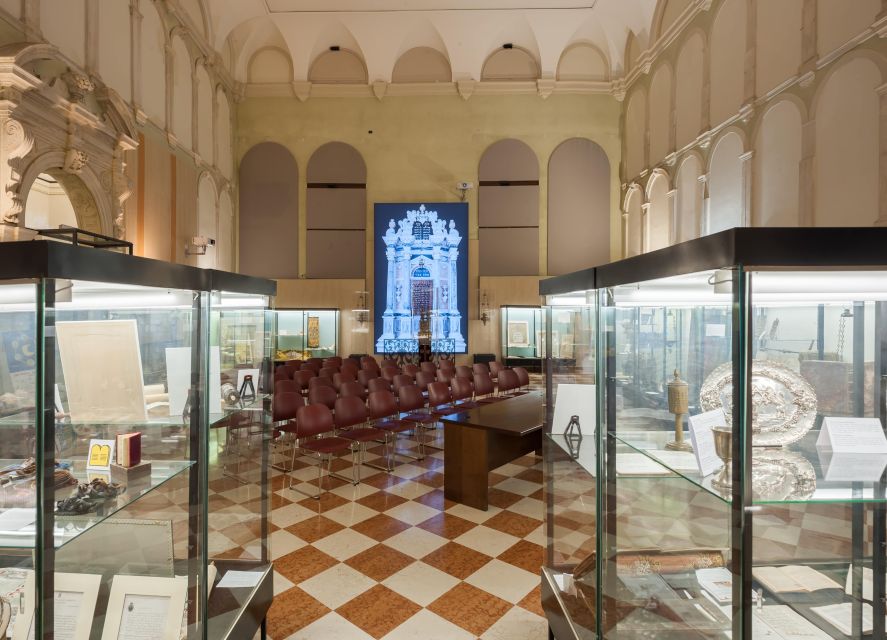
After you settle in, pay attention to the synagogue setting itself. This isn’t a generic museum room. The experience happens in a synagogue building that connects to the community’s past and to major scholars associated with Padua.
A detail that really shapes how you view the rooms: the site is tied to a restored historic Ashkenazi synagogue rebuilt in the 1990s after destruction from a fire set by fascists in 1943. That means the building has a survival story, not just a decorative one.
This is also where you can pick up names that anchor the bigger narrative. The tour materials and explanations connect the synagogue and museum setting to major figures such as R. Judah Minz and R. Moshe Chaim Luzzatto. You may also hear connections to the Ramchal, named in connection with Luzzatto, as part of the broader scholarly legacy.
What I like here is that the tour doesn’t treat those names like trivia. It uses them to show how Padua mattered intellectually and religiously, not just geographically. You start to see how ideas moved through places, and how the Jewish community shaped local life along the way.
Narrow ghetto streets: social, commercial, and religious life in one walk
Once the museum portion sets the stage, the tour continues outside, walking through narrow and restricted ghetto streets. This is one of those moments where the tour becomes more than indoor history.
You hear stories of Jewish settlement and the community’s past that includes commercial, social, cultural, and religious life. In practice, it helps you understand why synagogues were never only religious buildings. They sat at the center of community routines and identity.
Because this walk is short, it keeps a tight focus. You’re not wandering randomly, you’re moving from one meaningful location to another. That’s ideal if you’re pairing this with other Padua stops, since you still get a strong sense of place without sacrificing the rest of your day.
If you’re the type who likes to connect streets to stories, this section will feel satisfying. The small streets make it easier to imagine older ghetto life without needing theatrical reenactment.
Nearby, and just as well reviewed:
- Padua to Venice Boat Cruise of the Brenta Riviera
★ 4.5 · 418 reviews - Tasting Prosecco with appetizers
★ 5.0 · 217 reviews - Full-Day Padua to Venice Burchiello Brenta Riviera Boat Cruise
★ 4.5 · 198 reviews - Prosecco tasting, appetizers and tour of the cellar and vineyards
★ 5.0 · 178 reviews
Hearing about architecture in the Italian Synagogue
The tour’s final stop is the Italian Synagogue, and this is where the atmosphere changes. It’s described as still being the prayer site for members of the Padua Jewish community. That means you’re not only seeing a restored building for tourism. You’re stepping into a living religious space.
What makes this stop especially memorable is the attention to visual details. The guide explains architecture and style, and you’ll focus on the Aron-ha-Kodesh, described as polychrome marble. You also learn where it sits, on the eastern wall, positioned for prayer.
This is the part where your earlier museum context pays off. When you’ve already learned how ritual, community, and tradition connect, the synagogue interior becomes more understandable. The Aron-ha-Kodesh stops being only a beautiful feature and becomes the center of a spiritual geography.
I’d suggest you slow down here and really look. If you’re standing where worshippers would traditionally face, you get a better feel for why orientation matters in synagogues. Even if you don’t follow the religious practice, the space communicates its purpose clearly.
The guide effect: storytelling that stays respectful
A huge part of the quality seems to be the guiding style. Names that have shown up in real visits include Antonella, Simonetta, and Isaiah, and the common thread is how they explain complex history with clarity and care.
If you care about authenticity, this matters. The best guides in this kind of tour do two things at once: they give you the historical timeline, and they keep the religious meaning intact. The explanations you get here are described as sensitive and respectful, with a focus on fine architectural details too.
You’ll likely hear about major scholars linked to Padua and about how the Jewish community’s story changed over centuries. You might also get help connecting the Jewish history to other aspects of Padua, like its university legacy.
One optional idea if you have time after the tour: the University of Padua is described as about 800 years old and as one of the early universities open to Jews. A review mentioned it as the birthplace of Anatomy. Even if you don’t plan a full university visit, it’s a useful way to keep Padua’s intellectual story in mind.
Price and value for $17, plus the weekday note
The advertised price is $17 per person for a 1 to 1.5 hour guided tour. What makes that feel like good value is that it includes entry tickets to both the museum and the synagogue, plus the guided experience and the multimedia component.
But there’s an important consideration to check before you commit. The info you have says that on weekday reservations, a €60 ticket is requested. That means the cost can change based on when you book. If you’re flexible, compare available times so you don’t get surprised.
For budgeting, I’d treat this like a focused cultural ticket, not like a long walking tour. You’re paying for access to specific historic and religious interiors, plus a guided narrative that helps you actually understand what you’re seeing.
Practical rules, what to wear, and what to expect inside
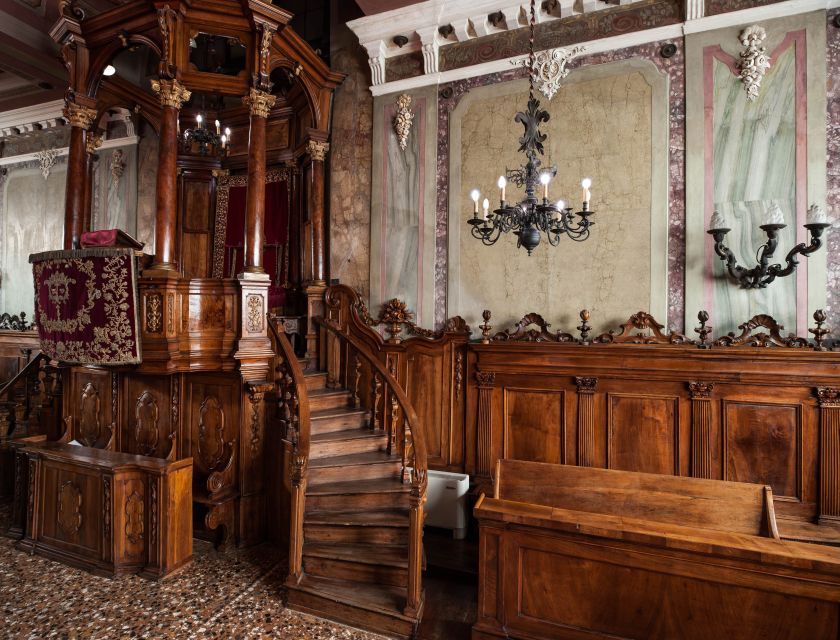
You should plan outfits with the dress code in mind. The rules say no shorts and no sleeveless shirts. Nudity is also not allowed, which should go without saying. If you’re visiting in warm weather, bring a light layer you can wear inside.
The tour is also listed as wheelchair accessible, which is a big plus if mobility is a concern. Since the sites are in the old center, always be ready for older-street conditions around entrances, but the activity itself is marked as accessible.
Timing-wise, expect a fairly tight flow: museum and multimedia first, then walking streets, then the synagogue ending. This format is ideal if you don’t want to spend half a day in a single neighborhood, but you still want a meaningful story.
Languages are listed as English and Italian. If you’re choosing between them, pick the one where you can follow explanations comfortably, since a lot of value here is in what the guide connects for you.
Who this tour is best for
This is a strong pick if you want a real sense of local Jewish heritage in northern Italy. It suits people who like history that connects to buildings, rituals, and community life, not just a list of facts.
I’d especially recommend it if you:
- want a high-impact short tour (about 1 to 1.5 hours)
- enjoy learning through storytelling and multimedia
- are visiting Padua for the first time and want something distinct from university-only sightseeing
- are traveling as a family and want a guided format that keeps attention
If you prefer totally silent museums, this may feel too guided. But if you like questions answered and context explained, it fits well.
Should you book the Padua Jewish Heritage Museum and Synagogue Tour?
Yes, if you want a compact, meaningful experience in the historic center of Padua, this one is worth your time. The combination of museum multimedia, character-based narration, and an ending at a synagogue that is still used for prayer gives the tour a strong emotional and educational arc.
Before you book, do two quick checks: confirm the weekday pricing note that mentions €60, and make sure your clothing meets the rules (no shorts, no sleeveless shirts). If you get those two things right, you’ll be set up for an experience that feels more like understanding a place than just touring it.
FAQ
How long is the Padua Jewish Heritage Museum and Synagogue Tour?
The tour runs for about 1 to 1.5 hours.
Where do I meet for the tour?
Meet at the street location by looking for a magenta color building. You also need to show your voucher at the ticket counter before the tour starts.
What does the ticket include?
Your ticket includes entry to the Padua Jewish Museum and Padua Synagogue, a guided tour, and a multimedia experience.
What languages is the tour offered in?
The tour is offered in English and Italian.
Is the tour wheelchair accessible, and are there dress rules?
It is listed as wheelchair accessible. Dress rules include no shorts and no sleeveless shirts, and nudity is not allowed.
Can I cancel for free or pay later?
You can cancel up to 24 hours in advance for a full refund. You can also reserve now and pay later, so you do not need to pay nothing today.
Latest reviews around Padua
- Padua: Private City Walking Tour & Scrovegni’s Chapel Visit★ 4.7 · 124 reviews
- Padua Hop-on Hop-off Tour: 24-Hour Ticket★ 3.5 · 134 reviews
- Padova: Baptistery of the Cathedral & Museum of the Diocese★ 4.6 · 128 reviews
- Padua to Venice Boat Cruise of the Brenta Riviera★ 4.5 · 418 reviews
- Full-Day Padua to Venice Burchiello Brenta Riviera Boat Cruise★ 4.5 · 198 reviews
- Tasting Prosecco with appetizers★ 5.0 · 217 reviews
- Prosecco tasting, appetizers and tour of the cellar and vineyards★ 5.0 · 178 reviews
Historical Tours, compared.
St. Mark Basilica Ticket, Audioguide+History Gallery
Read our review →
Venice’s Best: Basilica, Doge’s Palace, Gondola & History Gallery
Read our review →
Historic Milan Tour with Skip-the-Line Last Supper Ticket
Read our review →
Ancient History and Colosseum Underground Tour
Read our review →
Forbidden History Walking Tour & Pub Crawl with Drinks
Read our review →Browse the lists this tour appears in