
Reviewed · DUOMO & CATHEDRAL TOURS
Padova: Baptistery of the Cathedral & Museum of the Diocese
Padua’s Baptistery tells a whole frescoed story. In this UNESCO Piazza Duomo visit (about 1 hour), I like the focus on Giusto de’ Menabuoi’s 14th-century fresco program, and I also like the headset narration that links scenes from Genesis to Revelation and up to the dome’s Paradise. One catch to plan for: if you’re counting on Spanish audio, language availability can vary by start time, so be ready to accept a different language or wait for a better slot.
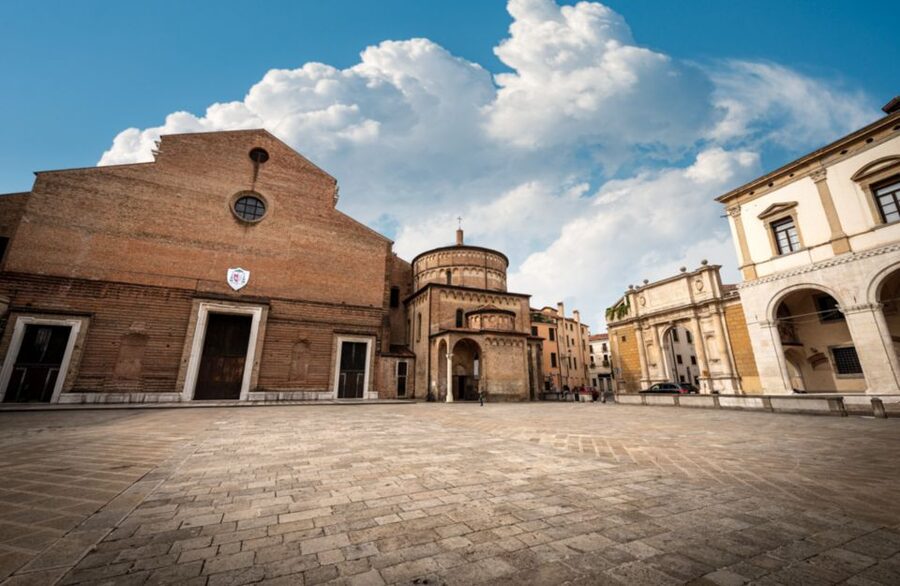
You’ll meet at the Ticket Office at Piazza Duomo 12, swap your voucher, then step into a monumental complex that goes beyond one room. The route centers on the Baptistery, and it points you to the Cathedral and the Diocese Museum area, including the Bishops’ Hall, via an unusual guided approach.
In This Review
- Key points to know before you go
- Why Padua’s Baptistery earns UNESCO attention in a tight 1-hour visit
- Giusto de’ Menabuoi’s fresco cycle, and why the story matters
- What you’ll focus on while you’re inside
- The headset audio tour: how to make it work without frustration
- Piazza Duomo complex: Cathedral, bishop’s palace, and where the museum fits
- Photography, what you can bring, and small rules that save time
- Price and value: is $17 fair for a one-hour art and worship visit?
- Who this visit suits best
- Booking provider and practical details to plan around
- Should you book this Baptistery and Diocese visit?
- FAQ
- How long is the Baptistery and Diocese visit?
- How much does it cost?
- Where do I meet?
- Do I need to exchange a voucher?
- What is included in the tour?
- What languages are available?
- Can I take photos?
- Are animals allowed?
Key points to know before you go
- 14th-century frescoes by Giusto de’ Menabuoi connect the whole religious story visually
- A narrated headset route covers salvation from Genesis to Revelation, ending with the dome’s Paradise
- Piazza Duomo complex access keeps you thinking in terms of art, worship, and power, not just paintings
- Diocese Museum with Bishops’ Hall adds a second layer to the visit
- Cameras allowed with a safety strap, so you can still capture details without fuss
- Wheelchair accessible, with assistance options for people who need them
Why Padua’s Baptistery earns UNESCO attention in a tight 1-hour visit
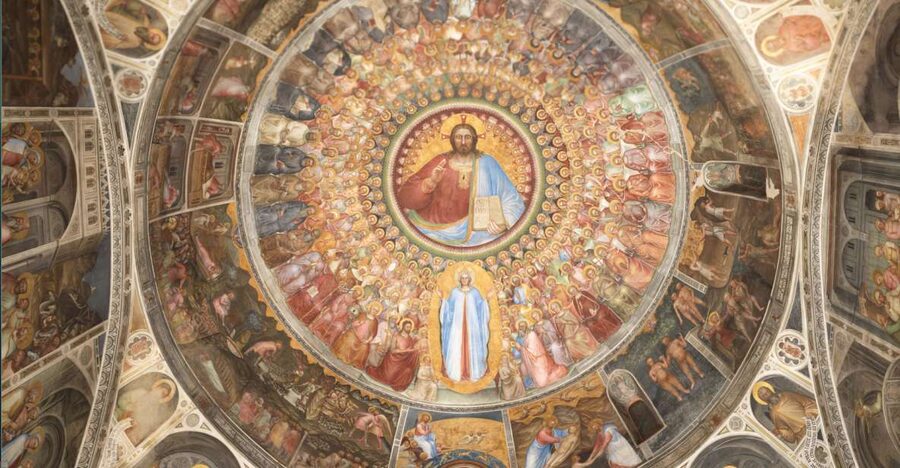
Padua can be a little deceptive. You’ll look up at church domes and think, okay, it’s pretty. Then you step into this Baptistery and realize you’re in a full visual “Bible in pictures” lesson, built for worship and contemplation.
This experience is designed for people who want a strong hit of meaning, not a half-day slog. In about an hour, you get guided attention on one of Padua’s standout art programs, housed inside the Cathedral complex at Piazza Duomo. It’s also a UNESCO World Heritage site, and feedback from people who’ve visited tends to single out that the fame feels deserved. The building and its frescoes are not just decorations, they’re the whole point.
Now, the practical reality. If you’re the type who likes to wander slowly, read every plaque, and sit down whenever the urge hits, one hour can feel quick. But if you want structure and you’re okay being guided, this is one of the better time-to-wow ratios in town.
More cathedral climbs in Padua:
- Milan: Cathedral and Duomo’s Terraces Entrance Ticket
★ 4.6 · 61,054 reviews - Reserved Entrance to Leaning Tower of Pisa & Cathedral
★ 4.5 · 10,391 reviews - Florence: Cathedral & Brunelleschi’s Dome Ticket & Audio App
★ 4.4 · 6,973 reviews
Giusto de’ Menabuoi’s fresco cycle, and why the story matters
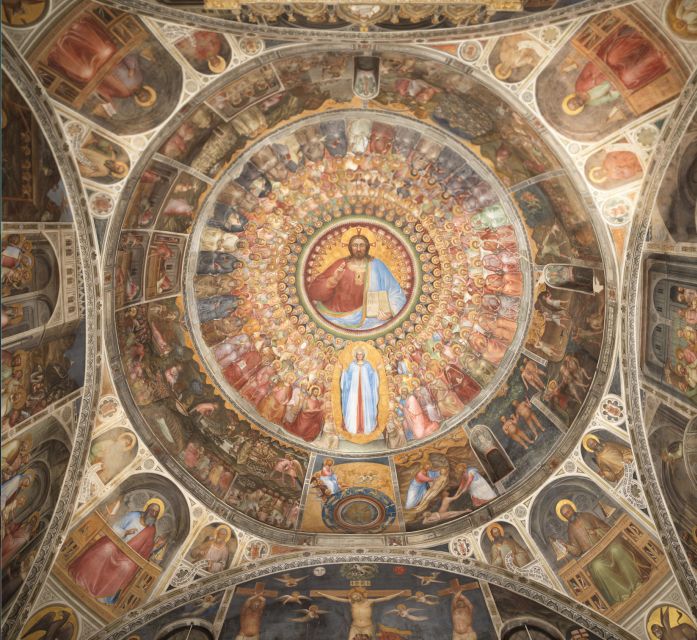
The Baptistery paintings are credited to Giusto de’ Menabuoi, commissioned by Fina Buzzaccarini. She was the wife of Francesco da Carrara, known as il Vecchio, Lord of Padua. That name matters because it puts the art into a real-world setting. This wasn’t random decoration. It was art made with intent, for a powerful local family, and installed in a space tied directly to Christian rites.
The narration is built around a chronological salvation story. You start with the Book of Genesis and move through the arc that leads to the Book of Revelation. The tour’s narrative framing helps you see connections you might miss if you only look at figures and colors.
And then there’s the dome. The dome’s Paradise dominates the visual experience, and it’s where the story’s emotional payoff lands. Even if you’re not a religious-history person, you’ll probably feel the design logic: the program climbs toward an end-state, and the dome is the big visual destination.
What I like about this approach for you is that it prevents the “pretty, but I can’t remember what I saw” problem. You’re still enjoying art. You’re just also getting a spine to hold it together.
What you’ll focus on while you’re inside
Your headset guides your attention as you enter and explore the Baptistery. Instead of treating every fresco panel as separate, the audio connects them into one storyline, so you can follow the progression without needing an art history degree.
The best tip I can give is simple: don’t try to capture every detail with your eyes at once. Let the narrator steer you to the scenes in the order the artist intended. You’ll end up remembering the sequence, not just the colors.
The headset audio tour: how to make it work without frustration
This is a guided audio experience, and it’s headset-based. That’s a good thing. Headsets keep you from missing key moments when the room gets busy or when your eyes want to drift.
The host or greeter is listed as covering Italian, English, French, Spanish, and German. Audio is also included in those same languages. For many people, that’s a perfect setup, especially if you want the narration to explain what you’re looking at without reading dozens of small labels.
Here’s the one practical consideration: language availability can be the weak link. A Spanish-speaking booking reported that the expected language wasn’t available immediately on arrival, and the solution was waiting for a new pass. You can reduce the odds of stress by doing two things:
- arrive a few minutes early so staff can sort your correct language slot
- if Spanish is essential, consider having a Plan B language you’re comfortable listening to
Once you’re on the correct headset, the narration format works well for a one-hour visit. You get pacing, and you avoid the common problem of standing in a church and thinking, I’m not sure what I’m supposed to be looking for.
A few more Padua options to weigh
- Padua: Jewish Heritage Museum and Synagogue Tour
★ 4.9 · 109 reviews - Vatican: Museums & Sistine Chapel Entrance Ticket
★ 4.5 · 144,003 reviews - Vatican Museums & Sistine Chapel Tour with Optional Basilica
★ 4.3 · 67,413 reviews - Vatican Museums, Sistine Chapel & St Peter’s Basilica Guided Tour
★ 4.5 · 39,149 reviews
Piazza Duomo complex: Cathedral, bishop’s palace, and where the museum fits
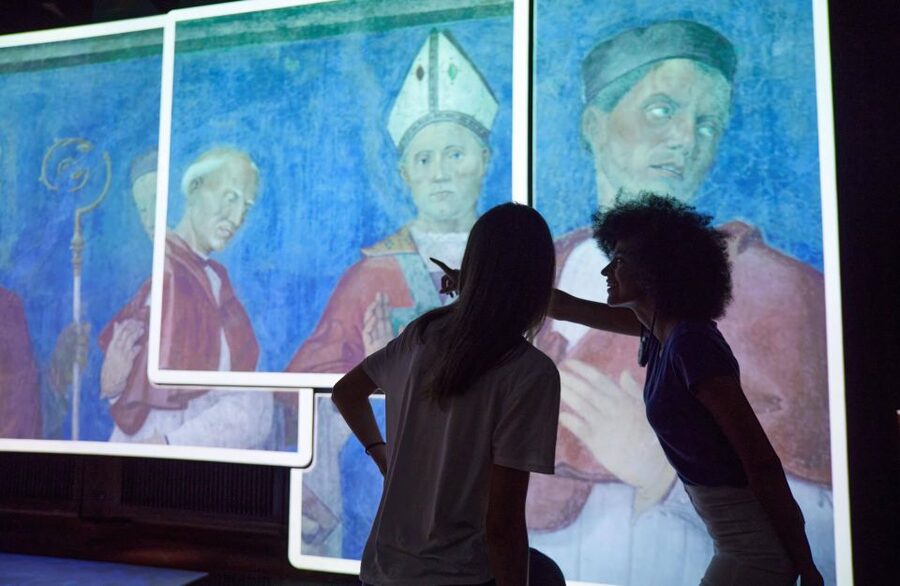
The Baptistery doesn’t sit alone. The visit is tied to the monumental Piazza Duomo building complex, which includes the Cathedral and the Bishop’s palace. That matters because it keeps the experience bigger than one room.
The complex is presented as evidence of Christianity’s long tradition in Padua, and that viewpoint changes how you interpret what you’re seeing. The frescoes are not floating artwork in a vacuum. They’re part of a broader setting where worship, authority, and community life intersected over centuries.
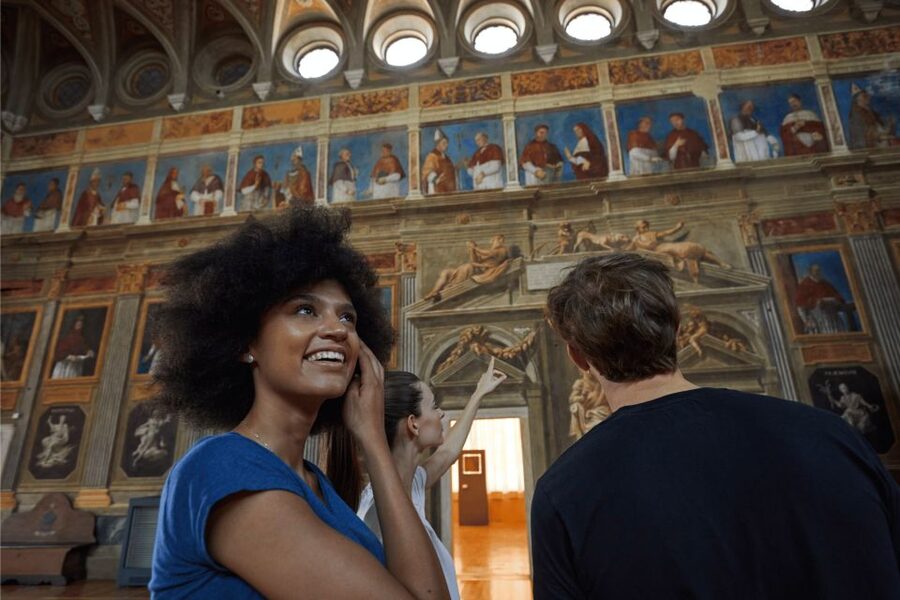
Inside the Bishop’s palace, you’ll also find the Museum of the Diocese. The experience highlights a visit to the Bishops’ Hall, reached through an unusual guided tour approach. The key word here is guided. If you’re only there for the frescoes and you rush through the palace areas, you may miss the museum’s added value. But if you treat it as a second chapter, the time feels more balanced.
A quick heads-up for expectations: the tour is only one hour total. So while the museum is part of the offering, you should treat this as a highlight-oriented visit, not a full museum deep dive. If you’re hoping for hours in every room, you may still want to plan a separate self-guided return later.
Photography, what you can bring, and small rules that save time
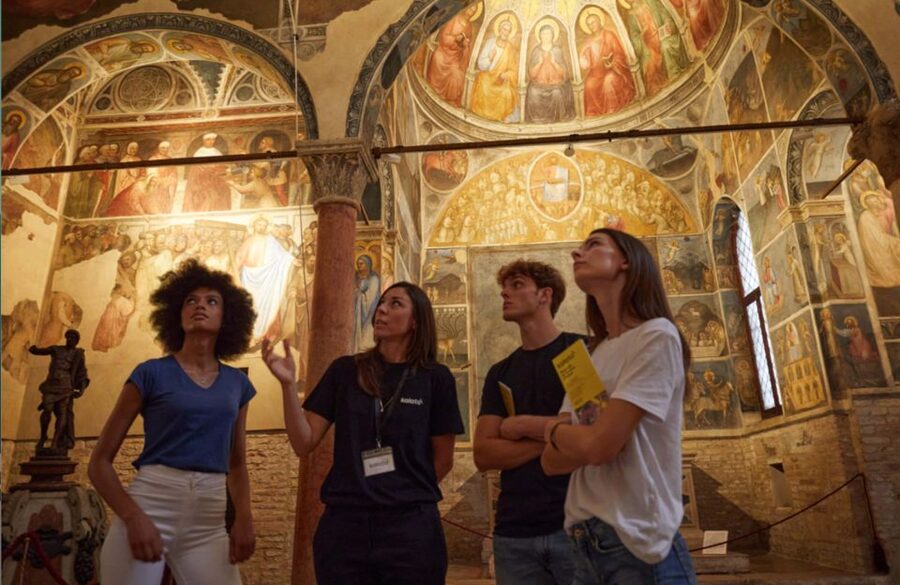
This site has straightforward rules that help the visit flow.
Cameras are allowed as long as your camera has a safety strap. That’s good to know because it’s the kind of detail that can slow you down at the door if you only find out once you’re ready to shoot.
Bringing animals is prohibited, with an exception for assistance dogs for people with disabilities. If you’re traveling with a service animal, follow the rules for assistance dogs and plan to keep everything calm and controlled inside.
What to bring yourself is easy:
- wear comfortable shoes for a church complex environment
- if you care about photos, make sure you have that strap ready before you enter
- if you’re sensitive to audio, keep in mind you’ll be wearing a headset the whole time
These are small things, but they prevent the kind of friction that turns a good visit into a stressful one.
Price and value: is $17 fair for a one-hour art and worship visit?
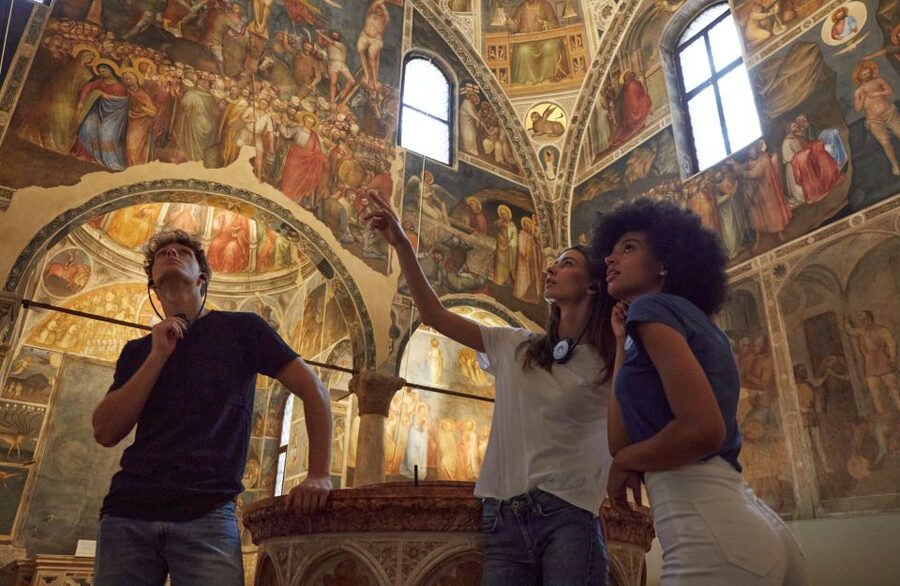
$17 per person for a one-hour experience can feel like a lot at first, especially if you compare it to a walk-up church visit. But you’re not just paying for a door. You’re paying for curated access and a structured narrative that tells you what you’re seeing.
Here’s the value check I’d use for you:
- If you like explanations and you want the fresco story connected end to end, the headset guidance is the big value piece.
- If you prefer self-paced looking, and you already know what to find in the Baptistery, the audio might feel less necessary.
- If you end up with a language mismatch at the start, the price can feel harder to justify, because you’re losing part of the experience you paid for.
One more angle: the experience includes access to the Cathedral complex context, with the museum side and Bishops’ Hall mentioned in the overall visit. Even if your time inside those areas is limited, it helps you feel like you got more than one room.
My take: this is good value for people who want structure and meaning, and it’s less satisfying for people who want maximum time in every space.
Who this visit suits best
I think this works best for:
- people who love art but don’t want to guess at the story line
- first-time visitors to Padua who want a focused experience in a short time
- anyone who enjoys religious art when it’s explained clearly, panel by panel
- visitors who want a two-part sense of place, Baptistery first, Diocese museum area second
It might be less ideal for:
- people who strongly dislike audio guides
- anyone who needs long, quiet contemplation with no prompting
- groups who are very particular about language and can get frustrated with changes
If you’re flexible and you treat the hour as a guided highlight, you’ll probably leave feeling you understood what you saw.
Booking provider and practical details to plan around
The experience is provided by Kalatà s.r.l. The visit includes headsets, and it’s offered with audio in multiple languages, plus a greeter available in the same set of languages.
Wheelchair accessibility is listed as available. If you use a wheelchair, that’s a big positive. Also remember that you’ll be inside a church complex, so follow staff directions on the route.
You’ll meet at the Ticket Office in Piazza Duomo 12, and you must exchange your voucher at the ticket counter before the tour begins. Arriving on time matters here because voucher exchange can take a moment, and you’ll want to get your headset and language sorted without rushing.
Should you book this Baptistery and Diocese visit?
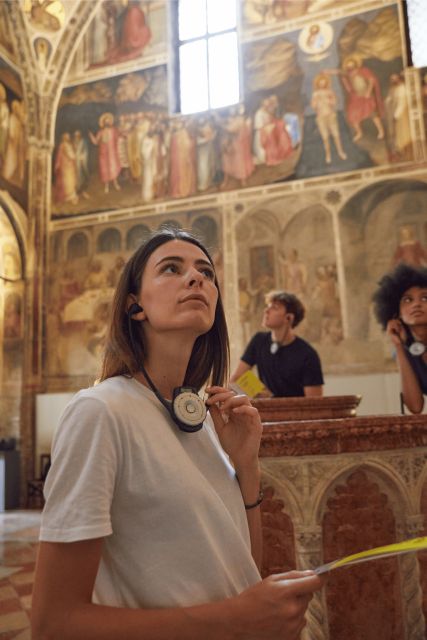
Book it if you want a structured, one-hour introduction to Padua’s 14th-century fresco art inside a UNESCO site, with narration that follows the story from Genesis to Revelation and up to the dome’s Paradise. The headset format is the main reason this works, because it turns a room full of scenes into an understandable arc.
Skip it or think twice if you’re hard-set on a specific language and you hate the idea of waiting if it’s not ready. Also reconsider if you want lots of time for independent wandering. This is a smart highlight visit, not a slow museum marathon.
If your schedule is tight and you want to see the Baptistery in a way that actually sticks in your mind, this is a strong choice.
FAQ
How long is the Baptistery and Diocese visit?
The duration is 1 hour.
How much does it cost?
The price is $17 per person.
Where do I meet?
You meet at the Ticket Office, piazza Duomo 12, Padova.
Do I need to exchange a voucher?
Yes. You must exchange your voucher at the ticket counter before the tour begins.
What is included in the tour?
Headsets to hear the audio guide are included.
What languages are available?
Languages listed include Italian, English, French, Spanish, and German.
Can I take photos?
Yes, cameras are allowed as long as they are equipped with a safety strap.
Are animals allowed?
Bringing animals of any kind is prohibited. The only animals allowed are assistance dogs for people with disabilities.
Latest reviews around Padua
- Padua: Private City Walking Tour & Scrovegni’s Chapel Visit★ 4.7 · 124 reviews
- Padua: Jewish Heritage Museum and Synagogue Tour★ 4.9 · 109 reviews
- Padua Hop-on Hop-off Tour: 24-Hour Ticket★ 3.5 · 134 reviews
- Padua to Venice Boat Cruise of the Brenta Riviera★ 4.5 · 418 reviews
- Full-Day Padua to Venice Burchiello Brenta Riviera Boat Cruise★ 4.5 · 198 reviews
- Tasting Prosecco with appetizers★ 5.0 · 217 reviews
- Prosecco tasting, appetizers and tour of the cellar and vineyards★ 5.0 · 178 reviews
Duomo & Cathedral Tours, compared.
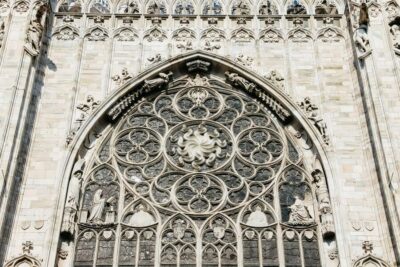
Cathedral and Duomo’s Terraces Entrance Ticket
Read our review →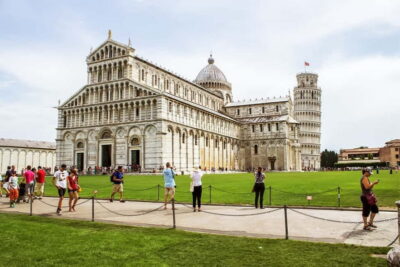
Reserved Entrance to Leaning Tower of Pisa & Cathedral
Read our review →
Cathedral & Brunelleschi’s Dome Ticket & Audio App
Read our review →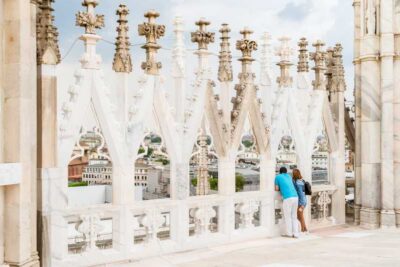
Milan Cathedral: Duomo Terraces Ticket (No Church Access)
Read our review →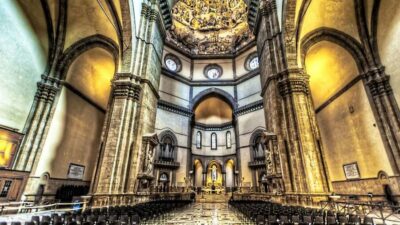
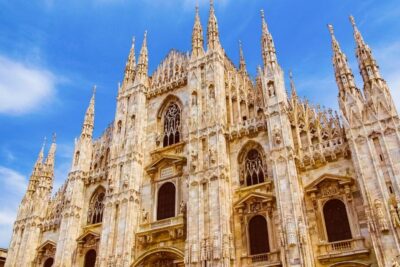
Milan Cathedral Direct Entrance – Terrace Excluded
Read our review →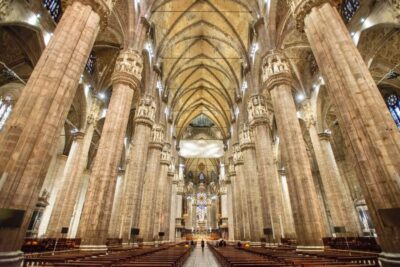
Fast-Track Milan Cathedral and Terraces Guided Tour
Read our review →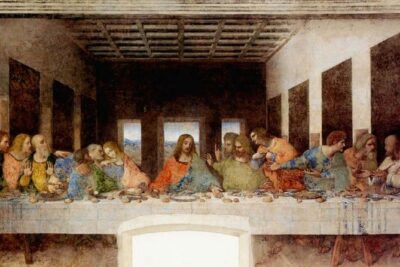
Milan’s Must See: Half-Day Tour of Last Supper, Duomo & La Scala
Read our review →Browse the lists this tour appears in