
Reviewed · CRUISES & BOAT TOURS
Genoa: Cetacean Watching Cruise with Marine Biologist Guide
Whales and dolphins feel close on this cruise. You sail from Genoa’s Aquarium Pier with a marine biologist in the Pelagos Sanctuary, learning how these animals feed and behave in the wild. The catch is timing and conditions, and the full 4.5 hours can feel long if you end up mostly searching.
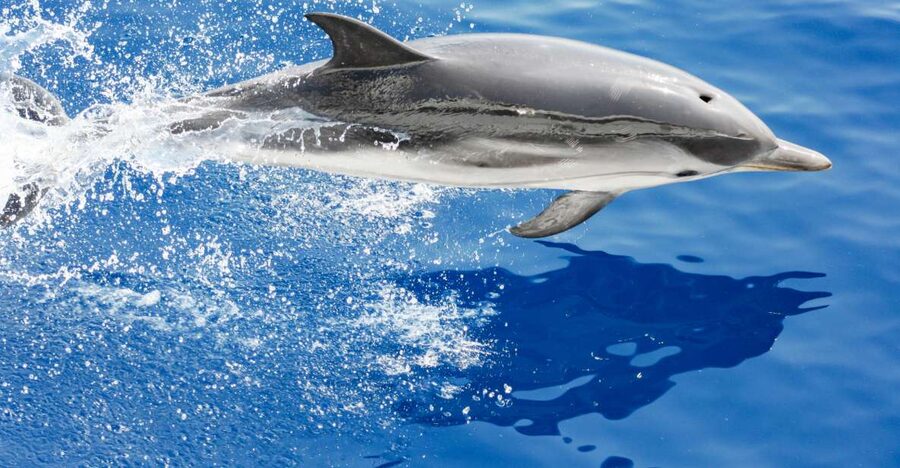
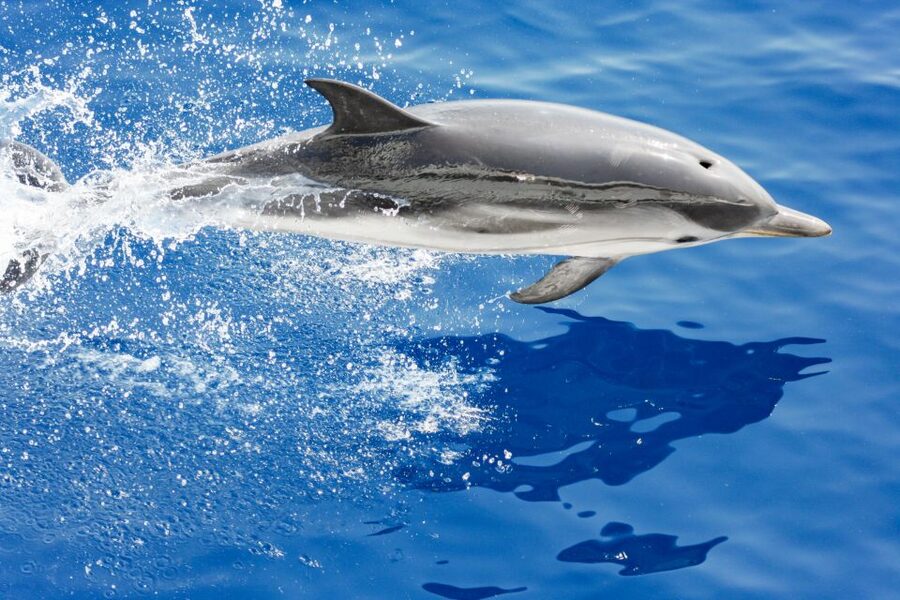
What I really love is how often you get real showtime, with dolphins popping up, breaching, or riding near the boat, plus solid chances for whale sightings. You also get photo-friendly viewing time from both indoor and outdoor seating, and there’s a toilet onboard for a bit of sanity at sea.
In This Review
- Key things to know before you go
- Genoa Pelagos Sanctuary Cruise, and Why the Marine Biologist Matters
- Getting to Ponte Spinola, arriving early, and avoiding the first-time jitters
- The pre-sailing briefing, and how the Sanctuary shapes your search
- Out on the water: spotting fin whales, sperm whales, and dolphin pods
- Boat approach rules, and why you should pay attention to the guidance
- Photos and patience: your best strategy for the best shots
- Onboard comfort: what’s actually covered, what costs extra
- If the sea is calm, your odds feel better
- The no-cetacean plan, and how to think about risk
- Who this cruise is best for, and who should skip it
- Booking checklist: what to bring and what to leave behind
- Should you book this Genoa cetacean cruise?
- FAQ
- How long is the Genoa cetacean watching cruise?
- Where do I meet for the tour?
- What species might I see on this cruise?
- Are cetacean sightings guaranteed?
- What happens if no cetaceans are spotted?
- Are snacks and drinks included?
- What should I bring, and what is not allowed?
Key things to know before you go
- Marine biologist guided briefing on the Pelagos Sanctuary before you head out
- Pelagos Sanctuary non-disturbance approach, so you observe without hassling wildlife
- High odds of spotting cetaceans (listed as 95%), including fin whales, sperm whales, and multiple dolphin species
- Serious photo opportunities when pods surface near the boat
- No snack-and-drink inclusion, but a bar service is available onboard for convenience
- No-spot safety net: if you see none, you can return free within 1 year with the original ticket
Genoa Pelagos Sanctuary Cruise, and Why the Marine Biologist Matters
This is not just a boat trip with binoculars. You’re going out into the Tyrrhenian Sea with a live marine biologist guide who explains what you’re seeing, instead of treating every splash as a mystery. That difference changes the whole experience, because you’re not only hunting animals, you’re learning how and why they behave the way they do.
The Pelagos Sanctuary is designed to protect cetaceans, and the tour operates with non-disturbance directives. Translation for you: you should expect a respectful approach by boat, not frantic chasing. When the guide tells you why the boat is slowing down or changing position, it makes the spotting feel more controlled and less random.
For value, the price is around $53 per person for a 4.5-hour outing with specialized guidance. You’re paying for time at sea plus expert interpretation, and that tends to be worth it when you’re trying to understand species like fin whales versus dolphins that look similar at a glance.
A few more Genoa options to weigh
- Genoa: Pelagos Sanctuary Whale Watching Cruise
★ 4.2 · 806 reviews - From Genoa: Boat Tour to Portofino with Free Time to Explore
★ 4.5 · 579 reviews - Aquarium of Genoa Ticket and Whale Watching Cruise
★ 4.2 · 170 reviews
Getting to Ponte Spinola, arriving early, and avoiding the first-time jitters
You meet at the local partner ticket office at the beginning of the Aquarium Pier, Ponte Spinola, on the left side. Plan to arrive at least 15 minutes early, because check-in is part of the experience and you don’t want to be the person sprinting at boarding time.
The cruise duration is 4.5 hours, and that time includes getting out to the better viewing areas and waiting for surfacing behavior. If you’re the type who gets restless, bring that up mentally now. The time passes faster when you’re watching for signs your guide can point out, like distant spouts, quick tail flicks, or a sudden change in dolphin movement.
Comfort helps a lot. Wear comfortable clothes and comfortable shoes, since you may need to move around the boat for better angles and photos. This is especially important if the deck feels busy during active spotting.
The pre-sailing briefing, and how the Sanctuary shapes your search
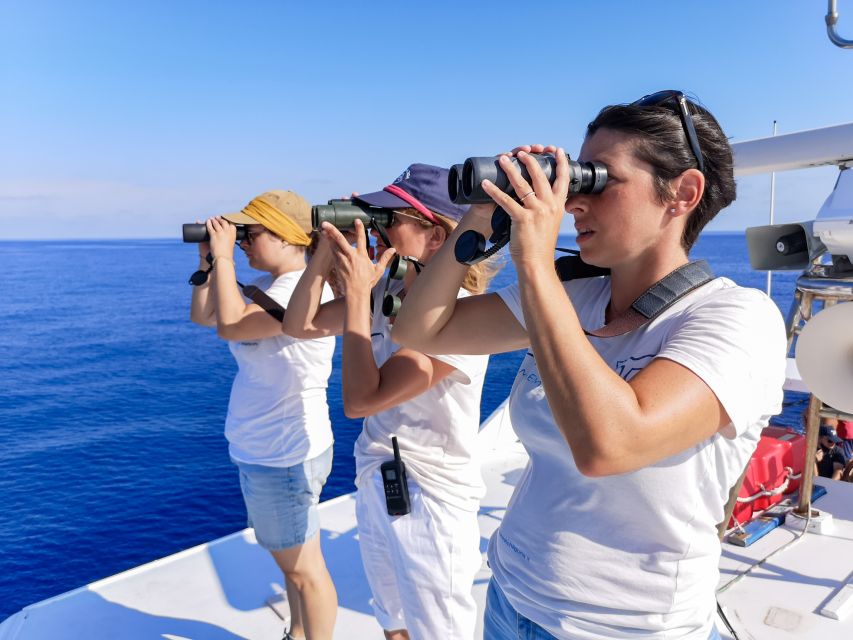
Before you head into the open water, you get an introductory briefing about the Pelagos Sanctuary. The guide covers the sanctuary’s history and conservation programs, plus the kinds of species you’re most likely to encounter during the cruise.
This part matters because it trains your eye. You’ll hear what to look for and how to interpret it, including behavior and feeding habits. Even if you are not a whale expert, you start recognizing patterns, like when dolphins stay coordinated versus when they spread out to search.
The guide also sets expectations: sightings are common but not guaranteed. The tour lists cetacean sightings as about 95%, covering fin whales, sperm whales, Cuvier’s beaked whales, Risso’s dolphins, long-finned pilot whales, striped dolphins, bottlenose dolphins, and short-beaked common dolphins. In plain terms, your odds are solid, but nature still decides what shows up that day.
Out on the water: spotting fin whales, sperm whales, and dolphin pods
Once the boat sets sail, you’ll travel to favorable viewing zones in the sanctuary. Then comes the patience part: scanning the horizon, watching for breaching activity, and waiting for the moment a pod changes direction.
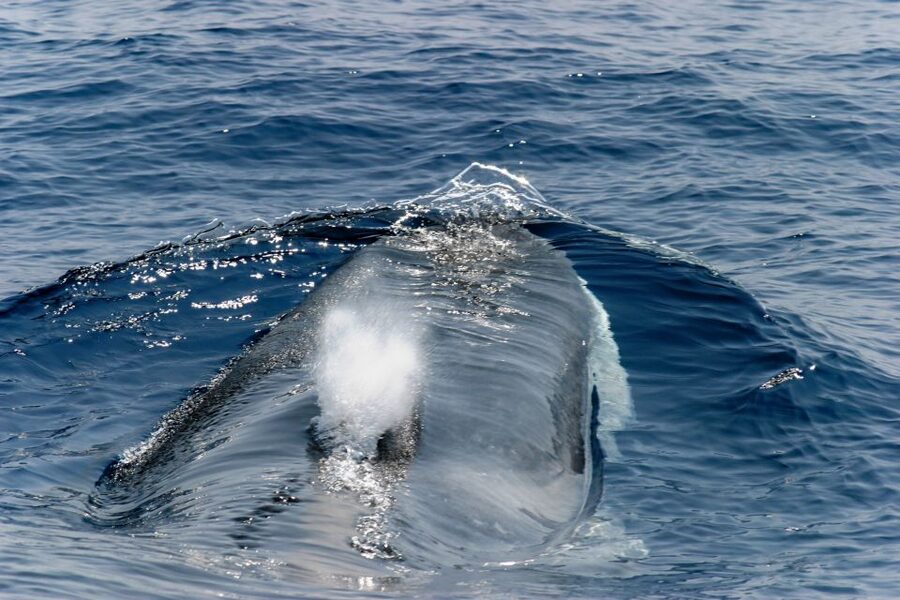
When whales surface, the show can be quick. That’s why your guide’s presence is useful. They can explain what you’re seeing based on the species, rather than leaving you to guess from a flash of water or a distant spout.
Dolphins are often the most frequent crowd-pleasers because they can be more active and visible. You may see groups approach the boat area when they’re behaving naturally, and the guide should help you understand whether it’s feeding, social behavior, or something else. The experience becomes more than a sighting when you connect motion to reason.
And yes, sometimes you may get surprising luck. One passenger noted a departure with an impressive mix, including large dolphin group sizes and even a brief sperm whale sighting, with the boat still far enough out that the whale was already submerging when people noticed it. That’s a good reminder to keep scanning even when you think the action has moved on.
Nearby, and just as well reviewed:
- Genoa: Aquarium of Genoa Entry Ticket
★ 4.5 · 10,075 reviews - Genoa: Hop-on Hop-off Tour Ticket
★ 4.0 · 1,524 reviews - Genoa: Half-Day Tour to Portofino
★ 4.2 · 1,123 reviews - Genoa: 2-Hour Guided Walking Tour of the Historical Center
★ 4.2 · 605 reviews
Boat approach rules, and why you should pay attention to the guidance
You’ll approach cetaceans by boat in accordance with the non-disturbance directives. That means the goal is observation, not forcing the animals closer. Practically, it often results in cleaner, more stable viewing, because the crew is working within constraints that prioritize wildlife behavior.
I like tours like this because the guide can frame what the animals are doing right now. Instead of just telling you where to look, they can connect the behavior to diet and mannerisms. Even a few minutes of explanation can help you understand why a pod pauses, why a whale might surface in a certain pattern, or why you might not see a blow for a while.
This is also where you’ll likely hear more about conservation efforts. The message is not vague. You learn what the sanctuary does to protect marine life, and why respectful distance is part of the protection plan.
Photos and patience: your best strategy for the best shots
You’ll likely want to take photos, and you’ll get the best results when you treat this like wildlife photography, not like a sightseeing stop. Keep your expectations realistic: whales can be distant, and surfacing might happen briefly before they disappear.
That said, the tour is set up for viewing. The boat has both indoor and outdoor seating, so you can choose based on comfort and visibility. If the sea is lively, indoor might be the better move for steadiness. If you want the action, outdoor gives you quicker access to the best angles.
From the information and what people note in practice, toilets are available onboard, and there’s a bar service. That makes it easier to stay onboard and not lose your place on the deck when the spotting window is good.
My practical photo tip: don’t lock onto one spot. Follow the guide’s cues and keep your camera ready for the sudden moment something surfaces. Dolphins can appear, vanish, then return again, and the best shots happen when you’re prepared for quick changes.
Onboard comfort: what’s actually covered, what costs extra
The tour includes the marine mammal-watching experience plus the expert marine biologist guide. Snacks and drinks are not included, so plan for that.
Good news: there is bar service available onboard. So if you need a drink or a snack to keep energy up during those 4.5 hours, you can purchase it onboard. One passenger specifically mentioned snacks and drinks were available for a fee, and that lines up with the provided info.
You should also plan for the fact that onboard announcements may be frequent. One person found the speaker voice too loud and the mixed Italian and English delivery long, with English harder to follow in spots. That doesn’t mean the experience is bad, but it’s a consideration if you’re sensitive to loud audio while trying to focus on spotting.
And yes, the 4.5 hours can feel long for some people. If you’re prone to boredom, bring something to pass the waiting moments, like a downloaded podcast on low volume or a field guide saved offline.
If the sea is calm, your odds feel better
Conditions matter here more than in many city tours. One passenger described a departure with calm sea conditions and excellent viewing luck, including lots of dolphins playing around the boat.
Even if your day is choppy, you’ll still be guided to viewing areas, and you may still get plenty of cetacean sightings. Just know that your comfort will depend on what the sea is doing and how much you can tolerate movement while scanning.
The tour also notes that it may be canceled one day before in case of bad weather or sea conditions. That’s rare enough to not ruin your planning, but it’s smart to avoid booking tight connections right after departure time.
The no-cetacean plan, and how to think about risk
This cruise lists cetacean sightings as common at about 95%, but it also clearly says it cannot be guaranteed. If you’re the type who loses sleep over risk, the good part is that there’s a safety net.
If you end up with no cetaceans spotted, you can return for free within 1 year of the excursion. The process involves making a new reservation and handing over the original ticket at the boarding gate. For me, that reduces the sting of bad luck, because you’re not stuck with a one-shot outcome.
You still should go mentally prepared for a range of results. Some days are dolphin-heavy, some days include whale moments, and sometimes the timing is just off. Even when a whale surfaces, it might happen while you are adjusting your gear, so keep looking until the end.
Who this cruise is best for, and who should skip it
This is a great match if you want nature and facts at the same time. You don’t need a science degree, but you should enjoy learning how whales and dolphins feed and behave. The live guide is a core part of the value.
It also works well for photography fans who understand that wildlife is unpredictable. The combination of indoor and outdoor seating, plus guided scanning, makes it easier to stay ready.
Skip it if you strongly dislike long trips at sea or loud onboard narration. The 4.5 hours can feel like a lot when sightings are slower, and one passenger flagged the announcements as unpleasantly loud and drawn out in both Italian and English.
If you’re traveling with mobility needs, note that the tour is wheelchair accessible. Just remember the experience is on open water, so you’ll still want to confirm how movement around the boat is handled for your specific chair setup.
Booking checklist: what to bring and what to leave behind
Bring:
- Comfortable shoes
- Comfortable clothes
- Weather-appropriate clothing
Don’t bring:
- Smoking is not allowed
- Pets are not allowed
Also plan your timing around check-in. Aim to arrive early at the Aquarium Pier ticket office, left side, so the start runs smoothly.
If you want to keep your day easy, pack a small layer you can put on quickly. Even when it’s sunny in Genoa, open sea wind can change the feel fast.
Should you book this Genoa cetacean cruise?
I’d book it if you want a serious, guided shot at seeing real cetaceans in the Pelagos Sanctuary, and you care about learning what you’re looking at. At around $53 for a 4.5-hour outing with a marine biologist, it’s strong value, especially with the no-spot free return option.
I’d be cautious if you hate uncertainty. Yes, sightings are listed as common, but you still can go whale-light or miss the perfect surface timing. It’s also a lot of time on the water, so if you get seasick easily, consider that carefully.
If your goal is a mix of wildlife viewing, conservation education, and photo chances without needing to be a marine expert first, this cruise fits. Just show up ready to scan, listen to the guide, and accept that the sea sets the schedule.
FAQ
How long is the Genoa cetacean watching cruise?
The experience lasts about 4.5 hours.
Where do I meet for the tour?
Meet at the local partner’s ticket office at the beginning of the Aquarium Pier, Ponte Spinola, on the left side, and arrive at least 15 minutes early.
What species might I see on this cruise?
The tour lists fin whales, sperm whales, Cuvier’s beaked whales, bottlenose dolphins, Risso’s dolphins, long-finned pilot whales, striped dolphins, and short-beaked common dolphins.
Are cetacean sightings guaranteed?
No. Sightings are described as common (about 95%), but they are not guaranteed.
What happens if no cetaceans are spotted?
If there is no spot of cetaceans, you can return for free within 1 year of the excursion by making a new reservation and handing over the original ticket at the boarding gate.
Are snacks and drinks included?
Snacks and drinks are not included, but bar service is available onboard.
What should I bring, and what is not allowed?
Bring comfortable shoes, comfortable clothes, and weather-appropriate clothing. Smoking is not allowed, and pets are not allowed.
Latest reviews around Genoa
- Genoa: Impossible Museum Entry Ticket★ 4.2 · 226 reviews
- Guided Tour of Rolli Palaces UNESCO Site, Genoa★ 4.4 · 539 reviews
- Genova: Segway Tour★ 4.9 · 275 reviews
- Genoa: The City of Children and Young Museum Entry Ticket★ 4.1 · 303 reviews
- Genoa: Aquarium, Galata Museum and Submarine Entry Tickets★ 4.6 · 190 reviews
- Genoa Must-See Attractions Walking Tour★ 4.5 · 113 reviews
- Genoa: Private City Tour with a Local Guide★ 4.7 · 167 reviews
- Genoa: Historic Guided Tour of Christopher Columbus’ House★ 4.4 · 186 reviews
Cruises & Boat Tours, compared.
Boat Trip: Glimpse of Murano, Torcello & Burano Islands
Read our review →
Burano, Torcello & Murano Boat Tour w/Glassblowing
Read our review →
Como & Bellagio with Private Lake Como Cruise
Read our review →
Murano and Burano Boat Tour with Glass Factory Visit
Read our review →
Murano & Burano Islands Guided Small-Group Tour by Private Boat
Read our review →
Murano & Burano Panoramic Boat Tour w/ Glassblowing
Read our review →
From Sardinia: La Maddalena Archipelago Full-Day Boat Tour
Read our review →
Browse the lists this tour appears in