
Reviewed · HISTORICAL TOURS
Genoa: 2-Hour Guided Walking Tour of the Historical Center
Caruggi turns Genoa into a maze you can read. This 2-hour guided walk gives you context for the UNESCO Palazzi dei Rolli, plus it points you toward the art highlights at Strada Nuova and Sant’Agostino. I like that the route stays focused on Genoa’s big stories, not random side streets.
The one thing to watch is that you end with museum access for an independent visit. The guide sets you up with what to see, but you’ll need to do the Strada Nuova Museums and Sant’Agostino Museum on the same day.
In This Review
- Key takeaways before you go
- Genoa’s Old Town, made readable in 2 hours
- Meeting Point on Via Garibaldi 12red
- The 2-hour route: Caruggi, Palazzi dei Rolli, and what you’ll notice
- San Matteo Square: where the Doria story becomes concrete
- San Lorenzo Cathedral: Gothic art and religious objects in context
- Strada Nuova and Via Garibaldi: UNESCO palaces you can actually connect to history
- Strada Nuova Museums: art across centuries, Italian and Flemish
- Sant’Agostino Museum: the triangular cloister and medieval Genoa
- What the bilingual guide experience feels like in practice
- Timing and pacing: how to make the 2 hours actually work for you
- Who this tour suits best, and who might want a different plan
- Final verdict: should you book this Genoa walking tour?
Key takeaways before you go
- Caruggi (narrow alleys) with meaning, not just scenery
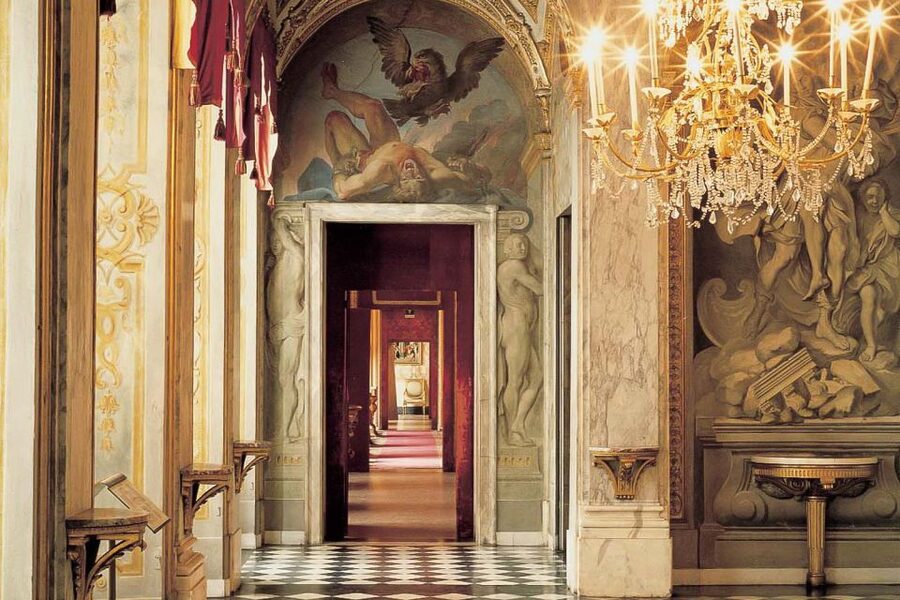
- Palazzi dei Rolli UNESCO and why the 16th-17th century residences matter
- San Matteo Square and the Doria family power theme you can actually follow
- San Lorenzo Cathedral with Gothic details and religious objects in context
- Strada Nuova Museums plus Sant’Agostino Museum access, used later the same day
- Great value at $16, since you get a live guide and museum entry bundled in
Genoa’s Old Town, made readable in 2 hours
Genoa’s historic center can feel like you’re walking inside a knot of stone corridors. That’s exactly why a guide helps: you’re not just moving from landmark to landmark, you’re learning how the city fits together.
In a short time, you get a guided path through the caruggi, Genoa’s famed narrow lanes, while still landing on major stops like San Matteo Square and San Lorenzo Cathedral. And because you also get museum access afterward, the walk becomes the front door to the city’s art and power.
A few more Genoa options to weigh
- Genoa: Food and Wine Tasting Walking Tour
★ 4.9 · 215 reviews - Genoa Must-See Attractions Walking Tour
★ 4.5 · 113 reviews - Milan: Guided Walking Tour & Last Supper Visit with Ticket
★ 4.7 · 5,409 reviews
Meeting Point on Via Garibaldi 12red
You’ll meet at the Tourist Information Center on via Garibaldi 12 red. This is convenient because you’re starting in the same big historic corridor that later becomes part of the story, especially around the Strada Nuova / Via Garibaldi area.
A small practical note: plan to arrive a bit early and be ready for check-in. A few past groups ran into timing issues and the start location mattered a lot for getting onto the correct guide team.
The 2-hour route: Caruggi, Palazzi dei Rolli, and what you’ll notice
Expect a focused walking circuit through Genoa’s historical center at a pace that aims to keep the group moving without turning it into a sprint. Reviews consistently praised guides for setting a rhythm that works even when there are mixed language abilities and different physical comfort levels.
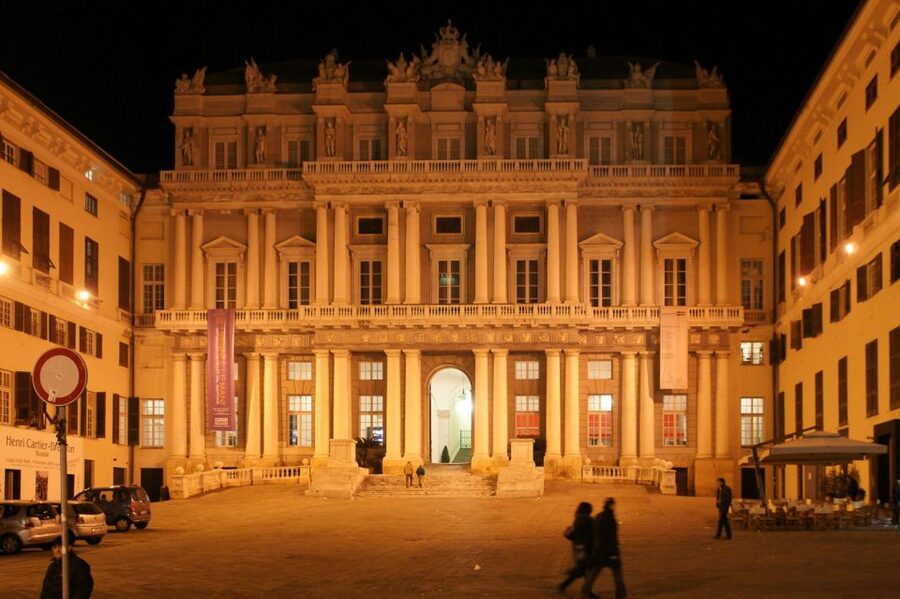
What you should pay attention to on the street is not just the view. The guide helps you read the city by connecting buildings to Genoa’s aristocratic past. You’ll see the Palazzi dei Rolli, the magnificent residences tied to the 16th and 17th centuries, and you’ll learn that they were used to host important visitors. That detail changes how you look at the façades, balconies, and formal entrances.
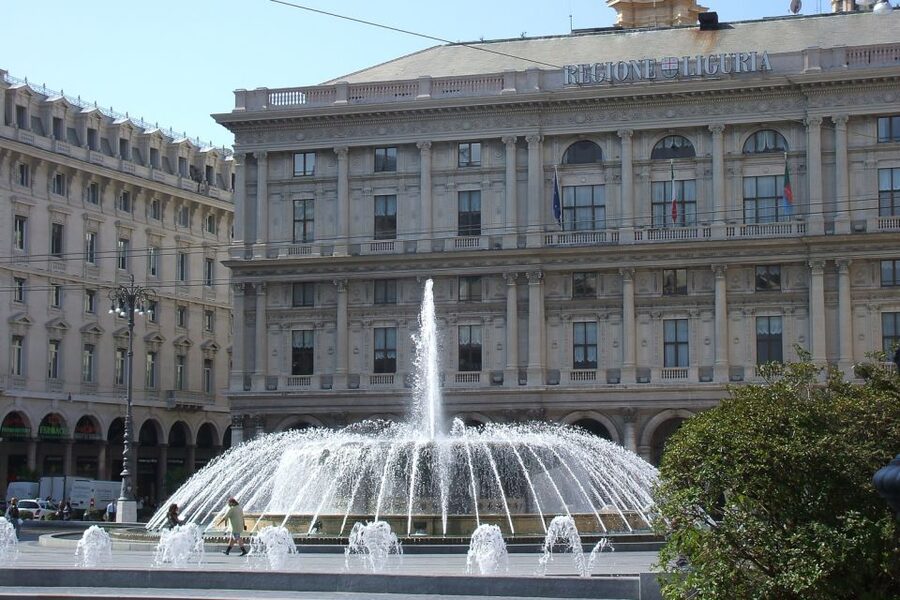
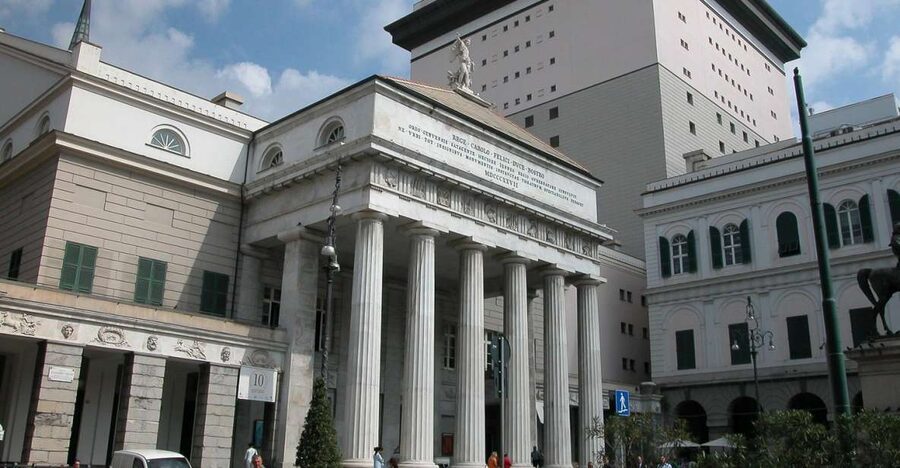
As you move through the route, you’ll also pass major sights mentioned as part of the wider walk: the Doge Palace and the Opera House. You might not have time to go deep inside them during the walking portion, but you’ll understand why they belong in the same city story.
San Matteo Square: where the Doria story becomes concrete
One of the standout stops is San Matteo Square, tied to the power of Genoa’s most important Doria family. This is one of those moments where the guide’s narration makes the architecture and location feel purposeful.
Instead of treating the square like a photo stop, you’ll get it as a “why here” place. Genoa’s elite didn’t just live in fine buildings, they also helped shape the public space around them. When you see a square this way, you stop wondering what you’re looking at, and you start asking who used it and why.
Nearby, and just as well reviewed:
- Genoa: Aquarium of Genoa Entry Ticket
★ 4.5 · 10,075 reviews - Genoa: Hop-on Hop-off Tour Ticket
★ 4.0 · 1,524 reviews - Genoa: Half-Day Tour to Portofino
★ 4.2 · 1,123 reviews - Genoa: Pelagos Sanctuary Whale Watching Cruise
★ 4.2 · 806 reviews
San Lorenzo Cathedral: Gothic art and religious objects in context
The walk also brings you to San Lorenzo Cathedral, one of Genoa’s major religious landmarks. The key detail is that it is described as a Gothic church that houses many religious objects. That means your visit is not only about the exterior, it’s about what the cathedral represents within the city’s spiritual and artistic life.
Your guide ties this stop to broader Genoa themes as you go. That matters because cathedrals can feel like they’re “just there” if you arrive without context. With the tour’s setup, San Lorenzo feels like a central piece of the city’s identity, not a detached attraction.
Strada Nuova and Via Garibaldi: UNESCO palaces you can actually connect to history
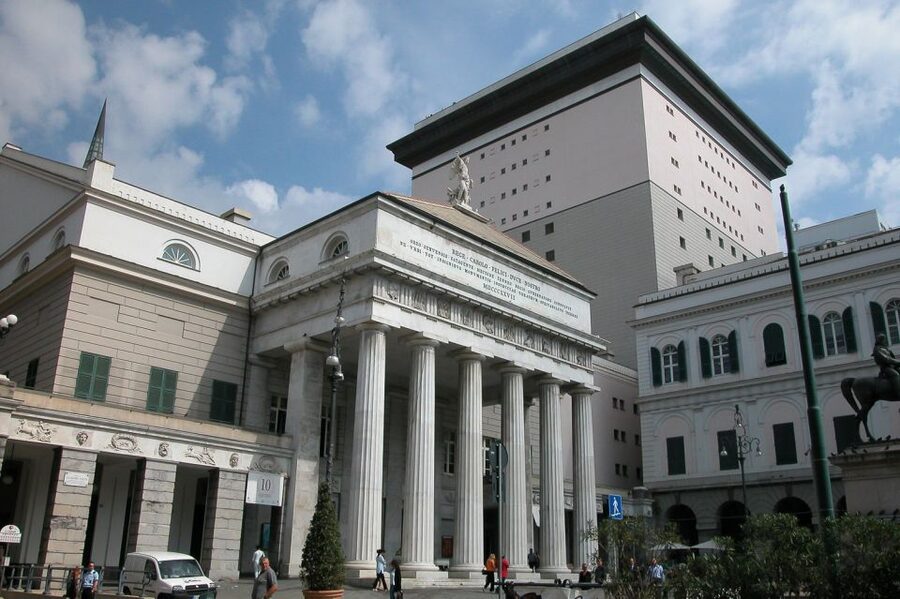
If Genoa has a showpiece street, it’s Strada Nuova, also known as Via Garibaldi. This is where you get the UNESCO World Heritage layer in a way that’s easier than reading alone.
The Strada Nuova area is famed for palaces built for Genoa’s influential families. The tour positions these buildings in time, pointing back to that 16th-17th century aristocratic peak and the role of those grand residences. When you understand that these palaces were tied to hosting and status, you notice different things, like how formal the entrances are and how the street reads as a stage for power.
This is also where you get a strong shift from street-level sightseeing to museum-level art. The guide’s storytelling tends to “prep your eyes” for what you’ll see next in the Strada Nuova museum complex.
Strada Nuova Museums: art across centuries, Italian and Flemish
After the walking part, you’re entitled to access to the Strada Nuova Museums for your independent visit. The guide will introduce the museums at the end of the itinerary, then you go on your own.
Inside, the museum focus is described as a collection of masterpieces by Italian and foreign artists from the 15th to the 19th centuries. There’s a notable representation of the Genoese and Flemish schools. That’s a big deal for your planning, because it means you’re not only looking at one national style.
The practical advantage is that you can move at your own speed. If you want more time with a wing or with a particular artist, you can. If you want to hit the highlights and keep energy for the next museum, you can do that too.
Sant’Agostino Museum: the triangular cloister and medieval Genoa
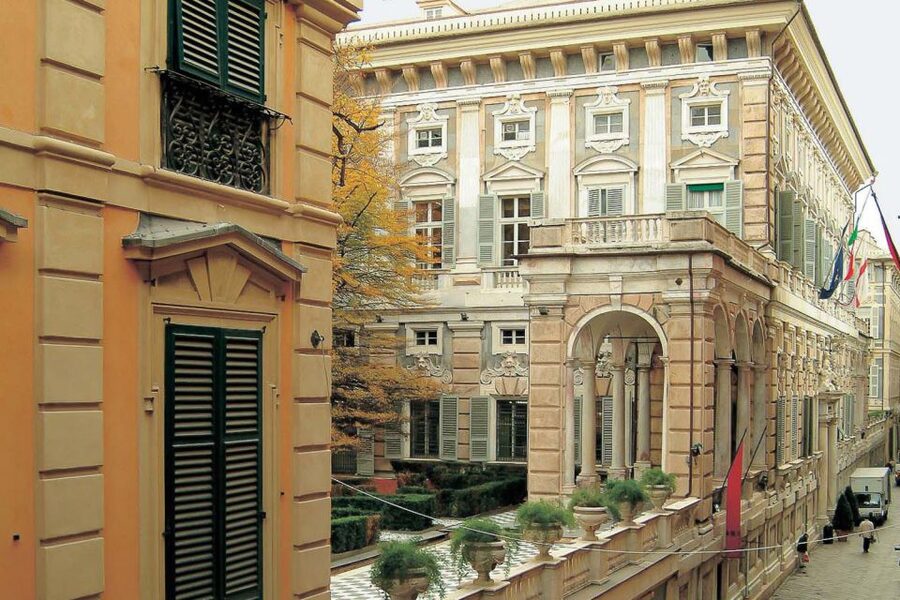
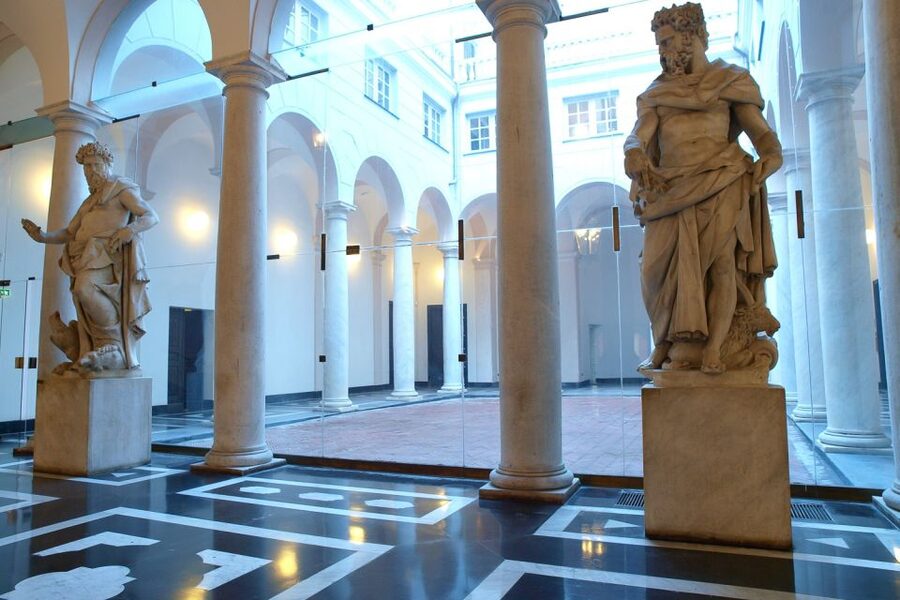
You’ll also have access to the Sant’Agostino Museum, again with the guide giving you an orientation before you visit independently. The museum is described as offering art in the spaces of the triangular cloister and in the largest preserved Gothic church.
The museum is also positioned as a place for medieval Genoa art. That gives the visit a clear feeling of time travel without you having to guess what period you’re looking at. If you like seeing how the city’s artistic identity changes from one era to the next, this stop is the natural companion to Strada Nuova.
One thing to keep in mind: the tour notes that your Strada Nuova and Sant’Agostino museum visits should be done on the same day. So don’t schedule this tour and then plan to sleep on the museum part for the next day. You’ll want that momentum.
What the bilingual guide experience feels like in practice
This is a bilingual tour in English and Italian, run by a live guide who switches between languages. That setup can be a real benefit if you want to absorb the city story without losing the ability to follow along.
In many accounts, guides were praised for being patient and for taking time to explain and translate so everyone could see what mattered. Some guides were also praised for good humor, and for speaking clearly enough that you can hear instructions and explanations without strain.
A practical tip if you’re in the English side of the group: when the guide points something out, stop and look at the building. In a tight street like Genoa’s caruggi, it’s easy to miss the exact façade or corner they’re explaining.
Timing and pacing: how to make the 2 hours actually work for you
Two hours sounds short, and it is. The value comes from how the guide uses that time, focusing on major landmarks and the city themes that connect them: aristocratic power, religious space, and the art world housed inside those palaces and churches.
Expect that some walking will be on uneven, narrow streets. Genoa is not flat like a map. So if you have mobility limits, it’s worth being honest with yourself about comfort. The tour has generally received praise for pace being adequate for different needs, but the streets are still the streets.
Also, plan your museum time right away. Since you do Strada Nuova and Sant’Agostino later the same day, give yourself enough buffer to enjoy them. If you rush straight to museums with no energy, you’ll miss what the walking tour prepared you to notice.
Who this tour suits best, and who might want a different plan
This tour is a smart fit if you:
- want a fast, organized introduction to the historical center of Genoa
- care about Palazzi dei Rolli and the UNESCO angle, not just selfies
- like art museums, and you want museum entry built into the day
- want bilingual explanations so you can follow the story in either English or Italian
It’s less ideal if you:
- hate any self-guided museum time, since the guide introduces the museums but you explore independently
- only want one museum and don’t plan to do both Strada Nuova and Sant’Agostino the same day
Final verdict: should you book this Genoa walking tour?
I think you should book this tour if you want the best “Genoa in one day” combo. For $16 per person, you’re getting a live walking guide through the caruggi and the big city anchors, then you’re also getting access to Strada Nuova Museums and Sant’Agostino Museum you can use the same day.
Book it especially if it’s your first time in Genoa. A short guided route helps you understand what you’re seeing, and the museum access turns that understanding into something you can sit with. If you’ve already mapped out those two museums and you want the city story to make them click, this tour is a strong start.
Latest reviews around Genoa
- Genoa: Impossible Museum Entry Ticket★ 4.2 · 226 reviews
- Guided Tour of Rolli Palaces UNESCO Site, Genoa★ 4.4 · 539 reviews
- Genova: Segway Tour★ 4.9 · 275 reviews
- Genoa: The City of Children and Young Museum Entry Ticket★ 4.1 · 303 reviews
- Genoa: Aquarium, Galata Museum and Submarine Entry Tickets★ 4.6 · 190 reviews
- Genoa Must-See Attractions Walking Tour★ 4.5 · 113 reviews
- Genoa: Private City Tour with a Local Guide★ 4.7 · 167 reviews
- Genoa: Historic Guided Tour of Christopher Columbus’ House★ 4.4 · 186 reviews
Historical Tours, compared.
St. Mark Basilica Ticket, Audioguide+History Gallery
Read our review →
Venice’s Best: Basilica, Doge’s Palace, Gondola & History Gallery
Read our review →
Historic Milan Tour with Skip-the-Line Last Supper Ticket
Read our review →
Ancient History and Colosseum Underground Tour
Read our review →
Forbidden History Walking Tour & Pub Crawl with Drinks
Read our review →Browse the lists this tour appears in