Reviewed · MUSEUMS
Da Vinci Museum: Discover a World of Genius in the Heart of Rome
Leonardo in Rome, and it actually moves. The Da Vinci Museum inside Basilica Santa Maria del Popolo gives you a focused way to explore Leonardo da Vinci as inventor, artist, and scientist, with interactive machines built from his codices and studies. The one thing to plan for is the visit can feel small, and there are reports of no restroom facilities in or around the museum.
I like that you’re not stuck waiting around. A pre-booked admission ticket helps you save time, and the museum is set up for a quick, satisfying loop rather than a slow, exhausting marathon.
You’ll get the best flow if you’re comfortable doing a bit of self-guided reading, but an optional audio guide (about €3) can help you connect the displays as you go.
In This Review
- Key Things to Know Before You Go
- Da Vinci Museum Rome: Santa Maria del Popolo is the Headline
- Your Visit in 1 Stop: What You See at Museo Leonardo da Vinci
- Leonardo’s Machines: The Part Most People Don’t Forget
- Art Studies and Anatomy: Why Leonardo Feels Like More Than a Name
- The Real Deal vs Replicas: What to Expect Visually
- Audio Guide and VR: Worth It, or Time to Skip?
- How Long You Need: 1-2 Hours That Add Up
- Price and Value at About $14.38: What You’re Really Paying For
- Best Pairing: Piazza del Popolo Before or After
- Who Should Book This Da Vinci Museum Ticket?
- Should You Book the Da Vinci Museum in Piazza del Popolo?
- FAQ
- How long does the Da Vinci Museum visit take?
- Is the admission ticket included in the price?
- Is an audio guide included?
- Where is the museum located?
- Are there restrooms available at the museum?
- Does this experience have free cancellation?
- Is the tour suitable for families and service animals?
Key Things to Know Before You Go
- It is inside Santa Maria del Popolo: one location, easy to combine with sights near Piazza del Popolo
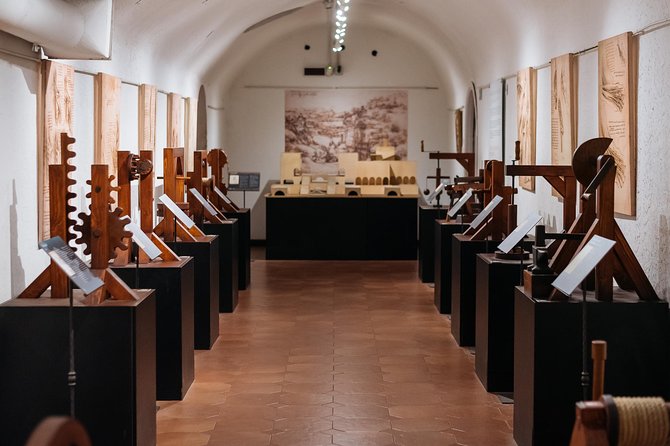
- Leonardo-inspired machines are hands-on: models you can manipulate and explore rather than just stare at
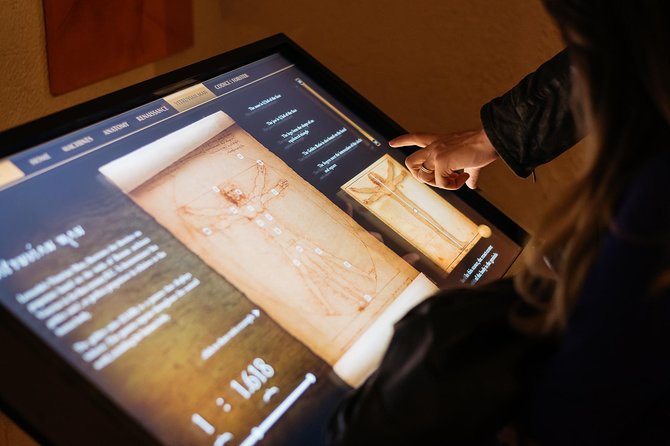
- You get art plus science: anatomy sketches and studies tied to major works like the Last Supper and the Vitruvian Man
- Small and time-efficient: plan on about 1-2 hours, not a half-day museum
- Audio guide is optional but useful: especially if you want more context
- Plan around restrooms: reports say there are none in or around the museum
Da Vinci Museum Rome: Santa Maria del Popolo is the Headline
This is a museum experience with a great sense of place. The Museo Leonardo da Vinci is housed inside Basilica Santa Maria del Popolo, right in the heart of Piazza del Popolo. That matters because you get an easy, low-stress start, and you do not waste time traveling between attractions.
The museum sits in a very walkable zone. It is described as a short walk from major Rome landmarks like the Spanish Steps and Villa Borghese. In practical terms, that means you can pair your visit with a classic Rome strolling route without fighting with transport schedules or timing.
English is the offered language for this experience. Also, the group size is listed as a maximum of 1 traveler, which is a nice setup if you like moving at your own pace and not feeling rushed by a crowd.
A few more Rome options to weigh
- Vatican: Museums & Sistine Chapel Entrance Ticket
★ 4.5 · 144,003 reviews - Vatican Museums & Sistine Chapel Tour with Optional Basilica
★ 4.3 · 67,413 reviews - Vatican Museums, Sistine Chapel & St Peter’s Basilica Guided Tour
★ 4.5 · 39,149 reviews
Your Visit in 1 Stop: What You See at Museo Leonardo da Vinci
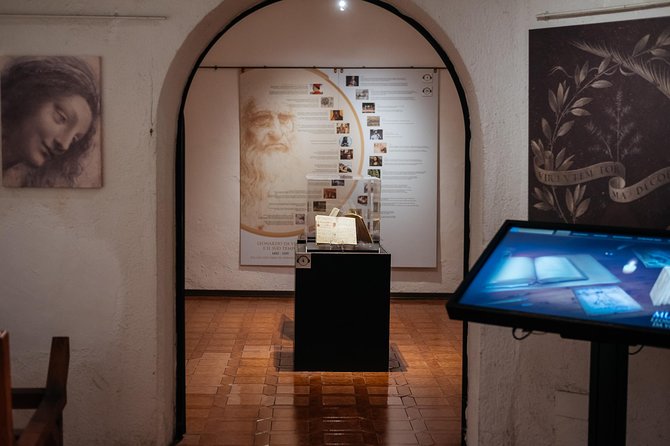
Unlike big museums where you wander and hope to find highlights, this one is designed as a guided-feeling self visit. You enter the Museo Leonardo da Vinci and the concept is simple: show Leonardo da Vinci as a whole mind. Not just the famous artist, not just the inventor, but both, plus anatomy and engineering thinking.
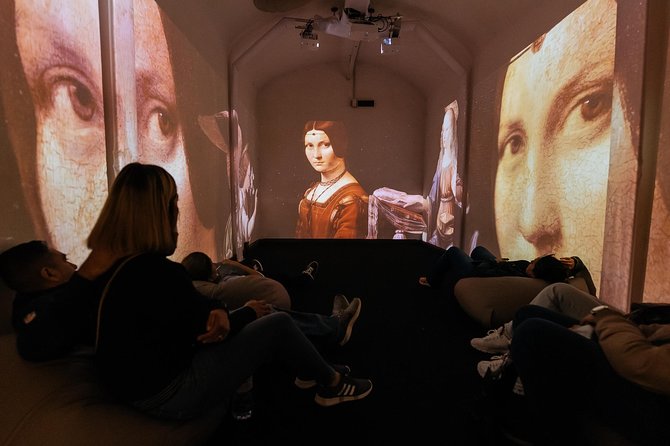
The main focus is Leonardo’s ideas translated into physical models and visual storytelling. The museum description highlights machines crafted by Italian artisans using Leonardo’s codices and studies. Then it layers in multimedia animations that connect what you are seeing to famous subjects like the Last Supper, Vitruvian Man, and the Sforza equestrian sculpture.
You can expect a mix of:
- Life-size or near life-size reconstructions of designs
- Artistic studies and references to Renaissance works
- Anatomical sketches that explain how Leonardo studied the human body
- Interactive stations and working examples of concepts
One detail I find especially helpful is that the museum does not treat art and engineering like separate worlds. You see the same thinking style show up in different forms, whether the topic is a machine plan or how the human form works.
Leonardo’s Machines: The Part Most People Don’t Forget
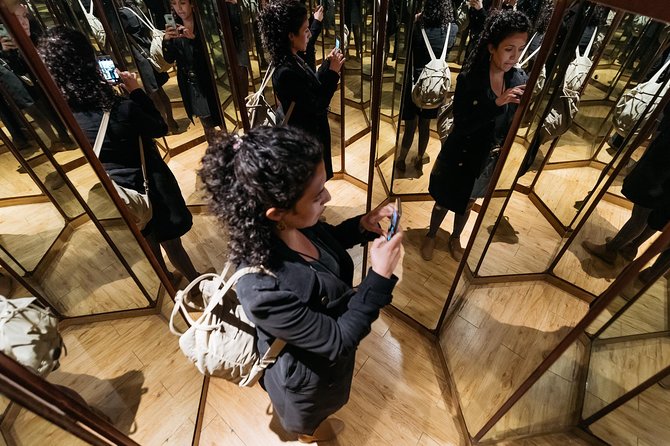
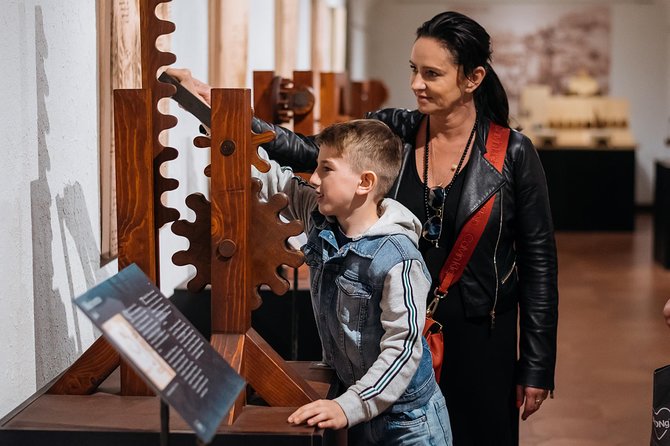
If you are the type who likes figuring things out with your hands, this section is where the museum earns its keep. Multiple visitors describe an experience that is genuinely interactive, with stations where you can experiment with Leonardo-inspired machines. That is a big deal in a city full of museums where everything is behind glass.
These displays are built to communicate the idea of the invention, not just its finished look. You can see how Leonardo’s notes and drawings become a practical concept. Some visitors even point out that parts of the museum help explain the behind-the-scenes thinking, not just the final design.
There is also an interactive screen component mentioned in reviews, where you can click through learning about Leonardo’s paintings, drawings, and inventions before you reach the physical exhibits. If you like to get your bearings fast, this can work like a warm-up so the later objects make more sense.
Two things I especially value here:
- The machines feel like concepts brought to life, not random props
- The museum keeps explaining in ways that make sense for both kids and adults
A fair consideration: a few visitors felt the exhibits were not as exciting as they expected, and the museum can be smaller than people picture. If you are hoping for a mega collection, adjust expectations and treat it as a tight, focused museum stop.
Art Studies and Anatomy: Why Leonardo Feels Like More Than a Name
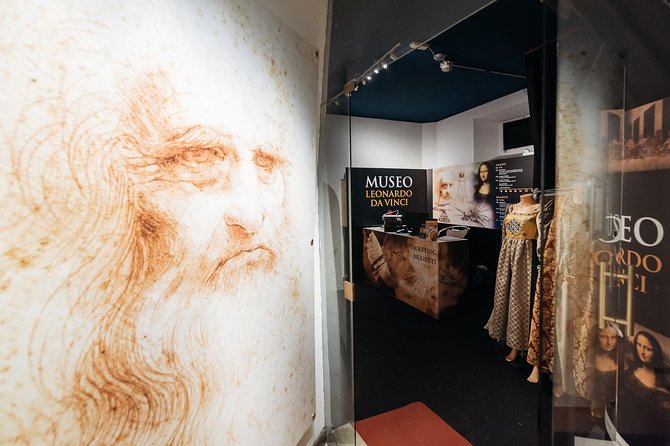
Leonardo da Vinci is often reduced to a handful of famous images, but this museum makes it harder to stay superficial. The display themes connect him to painting, anatomy, and engineering all at once.
You’ll see studies tied to major Renaissance works, with multimedia animations that narrate stories around subjects like:
- the Last Supper
- the Vitruvian Man
- the Sforza equestrian sculpture
On the anatomy side, Leonardo’s curiosity about the human body shows up through anatomical sketches. Reviews also highlight the amount of research the museum helps you grasp, which is the real point. When you understand how seriously he looked at structure and movement, his inventions start to feel less like clever doodles and more like a system of observation.
One review notes that there is a case with a few actual notebook pages. Even if you know Leonardo is famous for manuscripts, it can be grounding to see real pages within a museum full of models and reproductions.
Tip for your visit: if you are skipping the audio guide, still take a minute to read the labels carefully. The way the museum connects art topics to scientific thinking is a big part of the satisfaction.
Nearby, and just as well reviewed:
- Colosseum, Roman Forum & Palatine Guided Tour
★ 4.7 · 63,148 reviews - Rome: Colosseum, Palatine Hill and Roman Forum Guided Tour
★ 4.8 · 32,814 reviews - Rome: Guided Tour of Colosseum, Roman Forum & Palatine Hill
★ 4.7 · 27,897 reviews - Rome: Colosseum & Forum with Audio Guide App -Optional Arena
★ 4.2 · 24,770 reviews
The Real Deal vs Replicas: What to Expect Visually
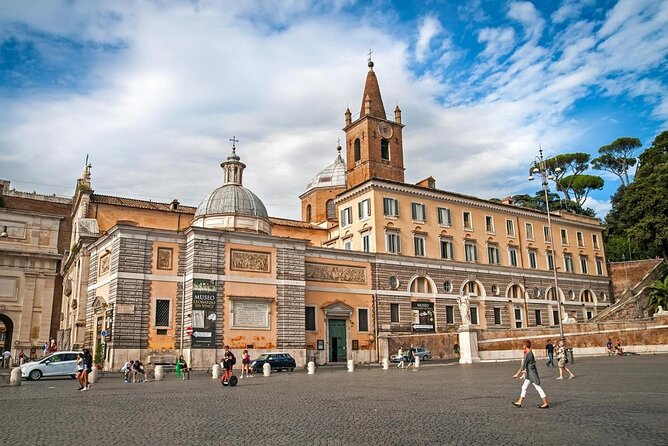
Here is the honest expectation-setting. The museum experience is described as featuring machines and studies crafted from Leonardo’s codices and related material. That is a huge draw. But it also means you should expect a mix of reconstructions and reproductions.
Some reviews emphasize that there are no original artworks on display, and they mention that you are seeing replicas of works Leonardo made. Others felt the displays looked real and were impressed by the scale and detail of the reconstructions.
So how should you handle this? If you are coming mainly for original masterpieces, you might leave thinking you should have spent time elsewhere. But if you want to understand Leonardo’s thinking process, the museum’s approach can still be very rewarding. You are paying to see how his ideas get translated into physical models and visual explanations.
Audio Guide and VR: Worth It, or Time to Skip?
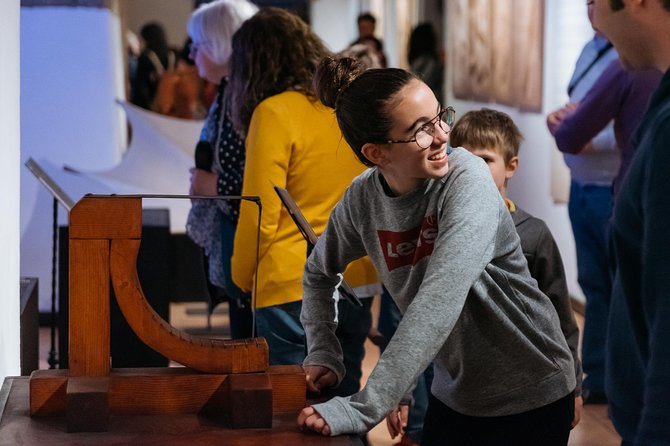
This ticket includes admission only. An audio guide is available to purchase for about €3 per person.
Is it helpful? Most feedback is positive about the audio guide adding extra information, including more context around what you are seeing. A few people also recommend pairing it with the self-guided flow. If you like a narrative, it can help you follow the museum more smoothly.
At the same time, some visitors say the audio system did not always match the exhibit section as cleanly as they hoped, and in one case the audio handset felt annoying to hold. If you know you hate holding devices, you might prefer to buy whatever headsets or alternative setup is offered at the museum, or plan to rely on labels and visual cues.
VR is mentioned in reviews as an add-on experience that some found overpriced. One reviewer describes a virtual reality flight that was there but also involved a line. If you have limited time and your goal is to see the core exhibits, you can treat VR as optional. If you have time to spare and VR sounds fun to you, it can add a different angle, just do not expect it to be the main reason to visit.
How Long You Need: 1-2 Hours That Add Up
Plan for a short, efficient visit. The duration is listed as about 1 to 2 hours. Reviews back this up with comments like short visit time and a couple of hours to get around.
The museum feels best when you treat it like a strong highlight package:
- Start with the big themes
- Spend extra time interacting with the machines
- Slow down for anatomy and the art-related stations
- If you want VR, save it for last so you do not lose momentum
If you are traveling with kids, this time window is usually a sweet spot. Several reviews call it good for families, especially kids who like art and science. The hands-on elements also help keep attention.
One practical heads-up: reports say there are no restroom facilities in or around the museum. If you need a bathroom break, do it before you commit. Bring water too, since one visitor mentions the museum can be warm.
Price and Value at About $14.38: What You’re Really Paying For
At $14.38 per person, you are paying for a compact museum that focuses on one major person’s ideas. You are not paying for a huge collection across multiple buildings. So the value question comes down to fit.
Here is what makes it good value:
- You get pre-booked admission, which can save time compared with buying on the spot
- You get interactive machines, not just static displays
- The museum blends art, anatomy, and engineering, so it feels like more than a one-note stop
- The location lets you roll your visit into a walk around Piazza del Popolo
Potential value mismatch:
- If you expected a large museum with lots of original works, you may feel shorted on scale
- Audio guide and VR are not included, so your total cost can rise if you add them
My advice for getting value: go in knowing it is a focused stop, then use the time wisely. Spend money only on the add-ons that match your style, audio if you like narration, VR if you like experiences beyond the exhibits.
Best Pairing: Piazza del Popolo Before or After
One of the best parts of this museum is what comes next. Since it sits right at Piazza del Popolo, you can turn your visit into a mini Rome evening.
Reviews repeatedly mention walking in the piazza afterward, plus nearby restaurants and shops. The location also gives you an easy plan if you are doing a route that includes the Spanish Steps area and Villa Borghese.
Timing tip from feedback: nighttime can be calmer. If you want a quieter museum experience, plan your visit later in the day when crowds tend to thin out.
Who Should Book This Da Vinci Museum Ticket?
This is a smart pick if:
- You want a Leonardo stop that mixes art and science in one go
- You like interactive exhibits and working examples
- You have kids or a family member who learns better through hands-on displays
- You are short on time and want a high-yield museum
It may be less ideal if:
- You want only original Renaissance artworks
- You need a huge museum to feel satisfied
- You are very tight on money and hate optional add-ons like audio or VR
- You need on-site restrooms
Also, the calm, self-paced vibe suits couples and solo travelers. And with the maximum group size listed at 1 traveler, you should be able to take your time without pressure.
Should You Book the Da Vinci Museum in Piazza del Popolo?
Yes, if you want a fun, educational Leonardo experience that fits neatly into a Rome day. I like that it is compact, well themed, and built around machines, anatomy, and art in a way that makes his genius feel practical, not just legendary.
Book it if you are curious how Leonardo’s notes become real ideas you can interact with. Consider skipping VR if you want to keep things simple and stay within your budget. If you rely on audio to follow along, plan to add the audio guide, since it is not included in the base ticket.
Choose a different day or a different activity if you are expecting a massive collection of originals. This is about understanding Leonardo through reconstructions, studies, and interactive demonstrations, and it works best when you match that expectation.
FAQ
How long does the Da Vinci Museum visit take?
The experience is listed as about 1 to 2 hours.
Is the admission ticket included in the price?
Yes, admission ticket to the Museo Leonardo da Vinci is included.
Is an audio guide included?
No. The audio guide is available to purchase for about €3 per person.
Where is the museum located?
The museum is located inside the Basilica Santa Maria del Popolo in Rome, near Piazza del Popolo. It is also described as about a five-minute walk from the Spanish Steps and Villa Borghese.
Are there restrooms available at the museum?
There are no restroom facilities in or around the museum, based on visitor feedback included with the experience details.
Does this experience have free cancellation?
Yes. You can cancel for a full refund if you cancel at least 24 hours in advance.
Is the tour suitable for families and service animals?
The experience notes that most travelers can participate, and service animals are allowed.
Latest reviews around Rome
- Guided Walking Tour of Rome: Top Sights & Baroque Treasures★ 5.0 · 155 reviews
- Rome at Night: Small Group Guided City Walking Tour★ 5.0 · 249 reviews
- Private Walking Tour of the Squares and Fountains in Rome★ 5.0 · 130 reviews
- Rome Food Tour by the Vatican★ 5.0 · 308 reviews
- Vintage Fiat 500 Cabriolet: Rome’s Highlight Semi Private Tour★ 5.0 · 283 reviews
- Welcome To Rome Experience★ 4.5 · 679 reviews
- Vespa Rental in Rome 24 hours★ 5.0 · 196 reviews
- Vatican VIP Early Entrance 8:00 AM★ 4.5 · 141 reviews
Museums, compared.
Vatican: Museums & Sistine Chapel Entrance Ticket
Read our review →
Vatican Museums & Sistine Chapel Tour with Optional Basilica
Read our review →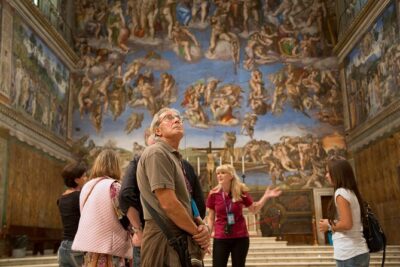
Vatican Museums, Sistine Chapel & St Peter’s Basilica Guided Tour
Read our review →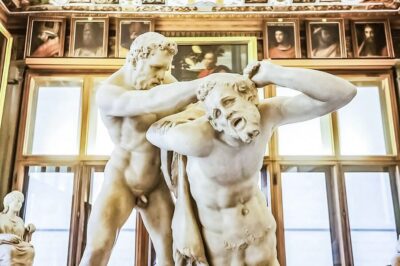
Skip-The-Line Uffizi Gallery Timed Entry Ticket
Read our review →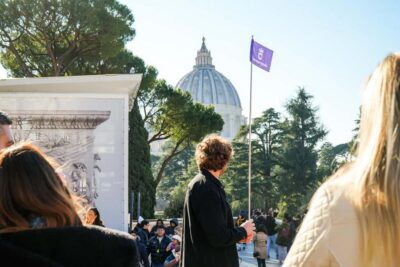
Vatican Museums, Sistine Chapel & Basilica Tour
Read our review →
Vatican Museums & Sistine Chapel Skip-the-Line Entry Ticket
Read our review →Vatican Museums, Sistine Chapel & Basilica Tour
Read our review →