
Reviewed · APERITIVO & SPRITZ EXPERIENCES
Bologna: Pasta Tagliatelle Ragu Cooking Class with Spritz
Fresh pasta starts with your hands. In Bologna, you learn tagliatelle al ragù the real way, then wind down with spritzes and local wines in a friendly city-center kitchen. I love that it’s led by Italian pasta teachers such as Valentina and Lupo, so the class feels like you’re stepping into local routine, not doing a cookie-cutter demo.
What I also like is the drink rhythm: a Mortadella welcome aperitif, then you make and sip your own Casoni Spritz during the session. One drawback to consider up front: there’s a large flight of stairs, so this isn’t recommended if you need step-free access.
In This Review
- Quick hits
- Finding the kitchen in central Bologna (and getting comfortable fast)
- Mortadella aperitif, herbs, and the spritz setup before you cook
- Making tagliatelle by hand, not by machine
- Ragù: what you eat versus what you prepare
- Pairing drinks with the cook-and-eat rhythm
- The meal at the table: what you actually serve yourself
- Price and value: is $79.64 worth it?
- Who this class fits best (and who should skip it)
- Should you book this Bologna tagliatelle and spritz class?
- FAQ
- What happens during the class?
- Do you prepare the ragù yourself?
- How long is the experience?
- What languages are available?
- Is this class suitable for dietary restrictions?
- What should I bring?
Quick hits
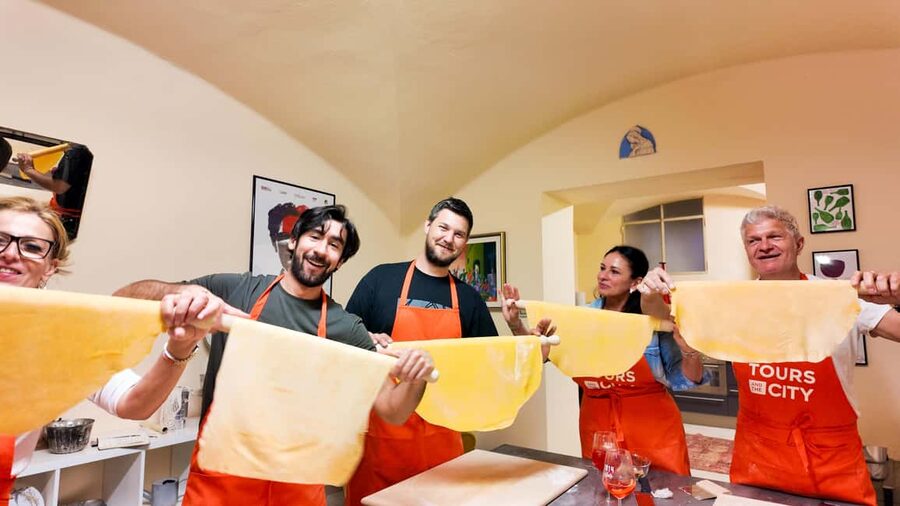
- Hands-on tagliatelle, no machines: you mix, roll, cut, and cook fresh pasta with a rolling pin and your own technique
- Casoni Spritz + aperitivo flow: you’re drinking as you work, starting with Mortadella and moving into a herb-infused spritz
- Top-notch regional pairings: Pignoletto sparkling white, then Sangiovese as you eat
- Bolognese ragù you can taste like a local: you don’t prep it yourself, but it’s prepared ahead following tradition
- Hosts help you succeed: multiple guide names come up in the best reviews, and the common thread is clear instruction and patience
- A full finish: Parmigiano Reggiano (24-month aged), then Montenegro and Moka coffee
Finding the kitchen in central Bologna (and getting comfortable fast)
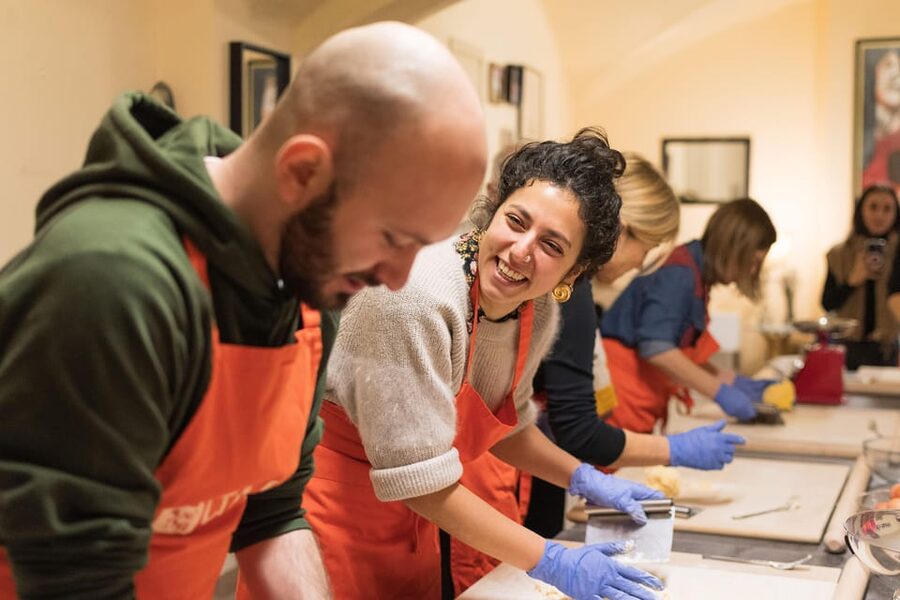
Your host meets you outside the building, and you’ll know them by the orange apron. You get escorted inside, and that matters more than you might think. Cooking classes can feel chaotic if everyone wanders in. Here, you step into a kitchen setup that’s already ready for a group.
Wear comfortable shoes and clothes. You’re standing, mixing, rolling, and moving between steps. In my view, it’s the kind of activity where you’ll be glad you didn’t dress like you’re going to a museum. The duration is about 3 hours, so you also want to be comfortable enough to stay focused the whole time.
This class is taught in English, and the guides are local. In the strongest reviews, names like Valentina F, Valentina S, Lupo, Claudia, Sonia, Stefy, and Giorgia show up often, along with the same theme: they keep things upbeat and explain the tricky parts so you don’t feel lost.
More Cooking Classes in Bologna
- Bologna Local Pasta Cooking Class, Ragu, Spritz, Wine & Gelato
★ 5.0 · 527 reviews - Pastamama, Home Cooking Classes at Grace’s Home
★ 5.0 · 521 reviews - Bologna: Pasta and Tiramisu Cooking Class with Wine
★ 4.7 · 507 reviews
Mortadella aperitif, herbs, and the spritz setup before you cook
Before you start touching dough, you start with a welcome aperitif. You’ll get Mortadella paired with wine, plus Crescenta and Pignoletto Sparkling white wine. It’s a smart way to break the ice. You get to relax, talk, and get a feel for Bologna flavors right away.
Then comes the spritz part. You’ll prepare and sip a Casoni Spritz, described as signature and infused with local herbs. That herbal note is the difference between something that tastes like generic spritz at home and something that feels like it belongs in this region.
I like the pacing here. You’re not thrown into cooking with zero context. You start with Italian aperitivo culture, then you build from there. And because you’re actively making your own drink, you stay engaged while you wait for the pasta steps that require timing.
If you’re wondering what “hands-on” means in a class like this, this is a good preview. You’ll be mixing and shaping, not just watching someone else do it.
Making tagliatelle by hand, not by machine
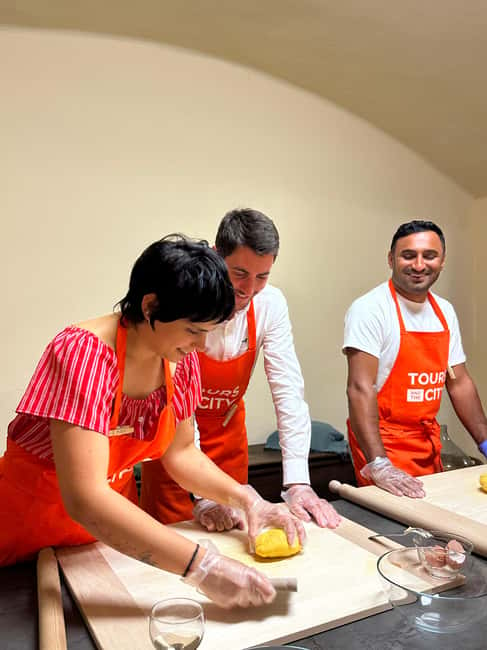
Now the work begins: rolling and shaping tagliatelle. The class is built around learning from a sfoglina, a local pasta master, and you’ll make pasta dough from scratch using locally sourced ingredients like fresh eggs and flour.
The big point is that there’s no machine involved for the dough work. You use your hands and a rolling pin. For first-timers, this can sound intimidating. In practice, it’s a great way to learn what fresh pasta is supposed to feel like. Dough that’s too dry tears. Dough that’s too wet sticks. You learn by doing, and your instructors guide you when you hit those common moments.
You’ll shape, slice, and cook your tagliatelle. That “slice and cook” portion is where your finished noodles turn from craft project into dinner. Even if your tagliatelle aren’t perfectly uniform, they usually cook up beautifully when the dough is rolled to the right thickness.
One practical tip: pace your rolling. Trying to rush makes it harder to keep the sheet even. If you get a little stuck, it’s normal. The repeated theme in the top reviews is that hosts are patient and help you get back on track, even when you’re the slowest roller in the group.
Ragù: what you eat versus what you prepare
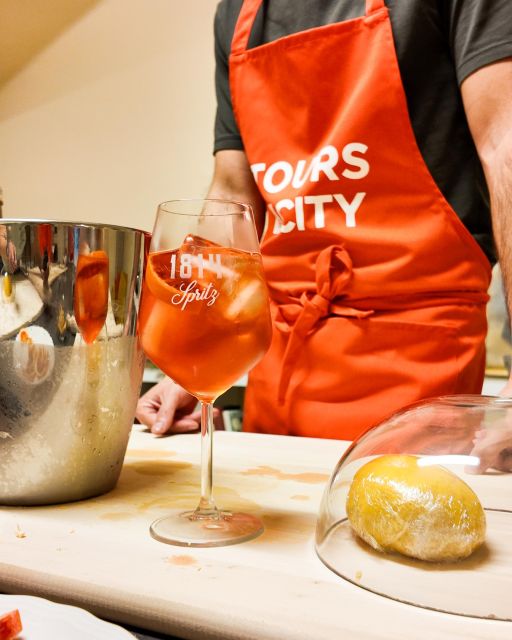
Here’s the honest trade-off. Due to time constraints, you don’t make the ragù yourself. The ragù is prepared in advance each week, following family tradition and local flavor choices.
Why does that matter? Because it changes what you learn. You will learn how to pair your finished tagliatelle with a classic Bolognese sauce, and you’ll get practical guidance around the sauce at serving time. But you won’t learn the step-by-step simmering technique from scratch, since the cooking is already done.
Still, the taste is the point. Your meal includes homemade ragù served with your tagliatelle, topped with 24-month-aged Parmigiano Reggiano. That aged cheese brings a salty, nutty backbone that clings to the noodles. And in Bologna, you’re not just eating pasta, you’re participating in how locals treat comfort food: simple ingredients, careful steps, and zero shortcuts on flavor.
If you’re the type who wants to learn every single cooking step, you might feel slightly shorted by the pre-made ragù. If you mainly want the core skill, fresh pasta technique, and a very enjoyable meal at the end, it’s a good balance.
A few more Bologna options to weigh
- Milan: Navigli District Canal Boat Tour with Aperitivo
★ 3.6 · 3,253 reviews - Venice Like a Local: Food, Wine & Spritz Tour with Traghetto Ride
★ 5.0 · 1,858 reviews - Pasta Cooking Class Near the Colosseum with 3 Spritz Cocktails
★ 5.0 · 1,686 reviews - Enjoy Spritz and Pasta Making in Piazza Navona
★ 5.0 · 1,681 reviews
Pairing drinks with the cook-and-eat rhythm
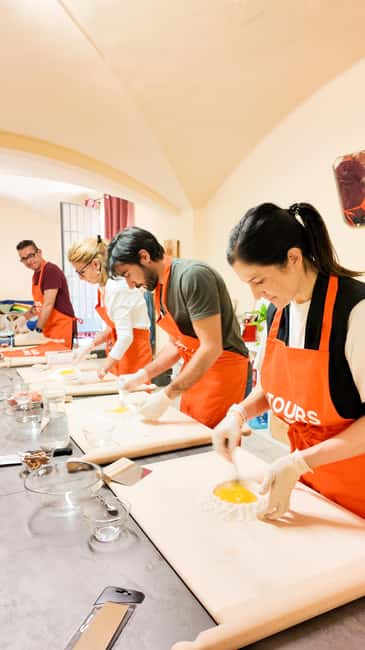
This class is designed around a classic Italian arc: drink first, work next, eat together, then finish with coffee and a digestif.
After your first aperitivo, you’ll also have glasses of Pignoletto sparkling white wine while you cook. Later, you toast with Sangiovese red wine as you cook and savor the dish together. That’s a smart pairing for ragù, which has meat richness and slow-cooked depth.
And the drinks keep coming. You’ll prepare your own spritz and sip it throughout the class. Then you’ll sit down to enjoy your pasta with regional wines, plus unlimited water and soft drinks during the workshop.
For the finish, you get Montenegro and Moka coffee. Montenegro is an amaro, and this is a very Italian way to close out a meal, especially one that’s heavy on comfort food. The coffee gives you the last warmth, and the amaro helps cut the richness.
The value here isn’t just “you get drinks.” It’s that the drinks are integrated into the experience, so you never feel like you’re waiting for the next part.
The meal at the table: what you actually serve yourself
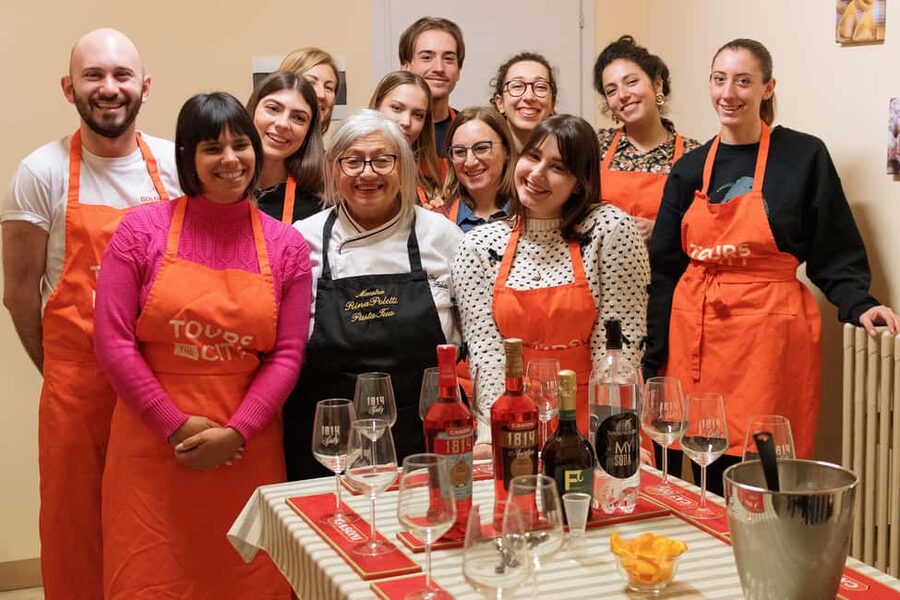
Once your tagliatelle is ready, you’re not just eating, you’re joining. You toast, then serve and savor the pasta together as a group.
Your final plate includes:
- Tagliatelle you made yourself
- Bolognese ragù (prepared ahead)
- 24-month-aged Parmigiano Reggiano
- Regional wines (including Pignoletto and Sangiovese)
- Coffee and an amaro finish
This is where the best reviews make sense. People consistently praise that the food is delicious and that the whole session feels relaxed. In a good cooking class, you should leave feeling fed and proud, not rushed or corrected every five minutes.
Also, many reviews mention that you can take home extra pasta for dinner. That isn’t described as a guaranteed takeaway in the provided details, so treat it as a maybe. But it’s worth asking when you arrive, because if it’s offered, it’s an easy win: you get a second Bologna dinner without the work the next day.
Price and value: is $79.64 worth it?
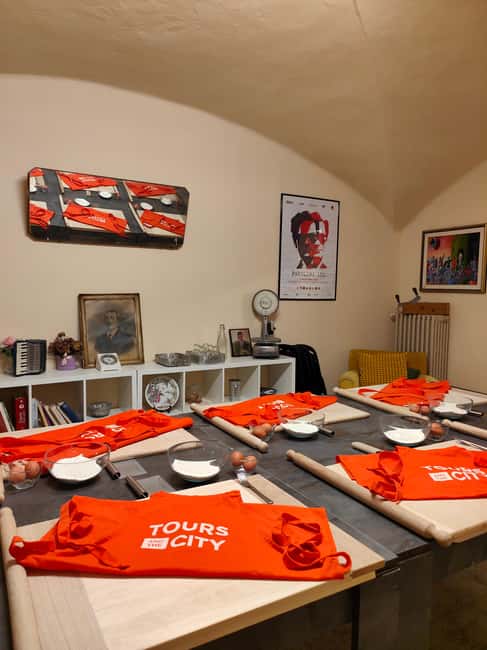
Let’s talk money in a grounded way. At $79.64 per person, you’re paying for more than the ingredients.
What’s included:
- An instructor
- A spritz and pasta workshop
- Welcome aperitif (Mortadella and wine)
- Your own Casoni Spritz
- Local wines (Pignoletto sparkling white and Sangiovese red)
- Coffee and Montenegro
- Fresh local ingredients
- Unlimited water and soft drinks
- Recipes provided by request (PDF by email)
- A group meal you didn’t just watch, you cooked
Where the price can feel fair is the combination. Many Bologna food experiences are either a tasting or a cooking class. This one blends both, with your labor focused on pasta shaping and cooking, and your drinking and eating built into the schedule.
The part to consider is that the ragù is not prepared by you. So if you measure value only by how many steps you control, you might wish for more hands-on sauce time. But if you value learning a real pasta skill, getting a full wine-friendly meal, and leaving with practical recipes you can repeat, the cost starts to make sense.
Who this class fits best (and who should skip it)
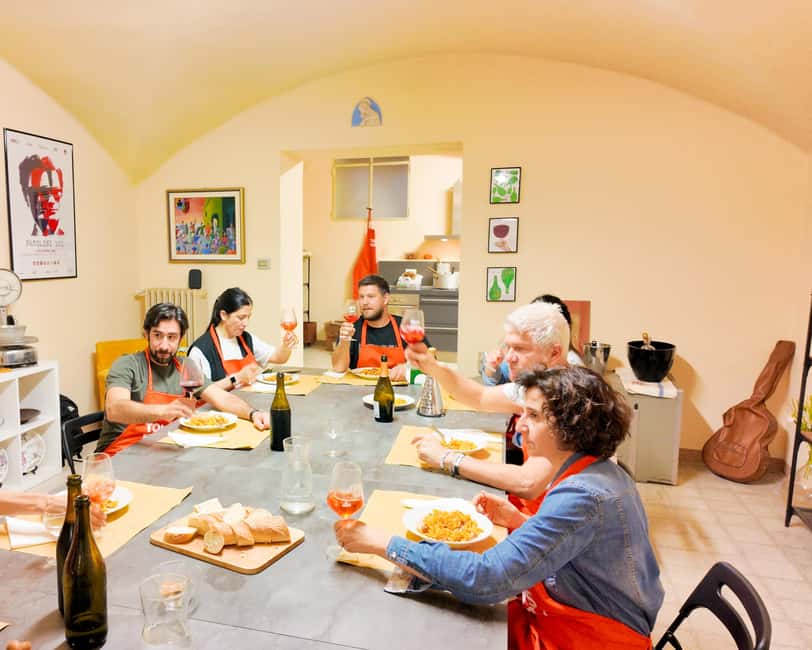
This is best for:
- Food lovers who want to cook, not just sample
- First-timers who need clear guidance (the repeated praise is about patient hosting and helpful tips)
- People who like meeting others, since the format encourages chatting during aperitivo, spritz mixing, and the shared meal
- Travelers who want a “Bologna night” experience without planning a full restaurant evening
It’s less ideal for:
- Anyone needing wheelchair access, since there’s a large flight of stairs and it’s not recommended
- Families with children under 12
- Vegans, vegetarians, and people with gluten intolerance (the class is not suitable for those dietary needs)
- Anyone with severe food allergies, since you have to inform the organizers and hosting may not be possible
If you’re on the right side of those limits, you’ll likely love it. The class is very social, and the best reviews consistently mention a warm, fun atmosphere.
Should you book this Bologna tagliatelle and spritz class?
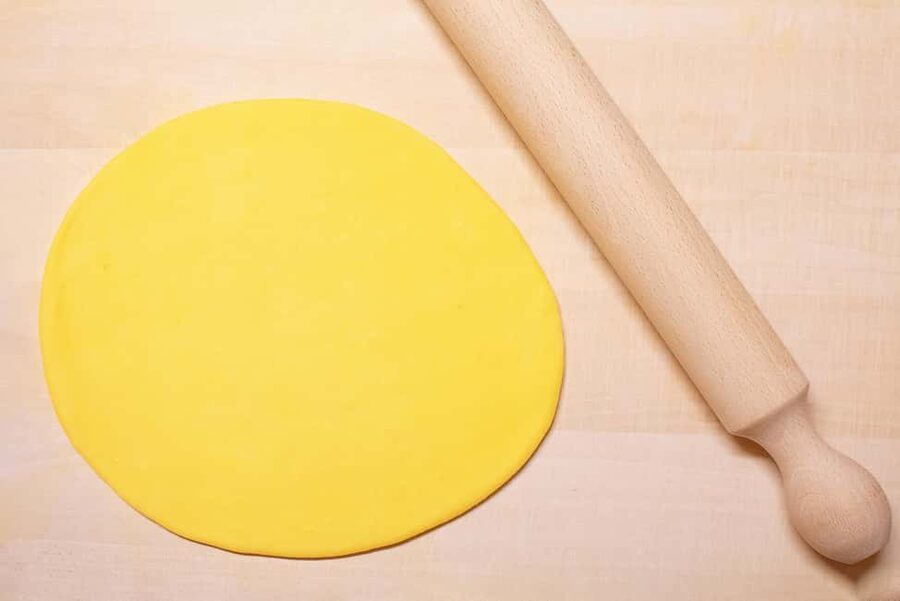
Yes, if you want a hands-on Bologna experience you can actually use later. You’ll learn to make fresh tagliatelle without a machine, and you’ll eat it with classic ragù and aged Parmigiano. You’ll also get the aperitivo culture in a practical way, with Mortadella, Pignoletto, Sangiovese, and a herb-forward Casoni Spritz you mix yourself.
I’d think twice if you need step-free access, have strong dietary restrictions like vegan or gluten intolerance, or you’re specifically hoping to cook the ragù from start to finish. In that case, look for an option that focuses more on sauce preparation.
If you fall into the sweet spot, this is the kind of class that turns into a story you tell later. You’ll leave with noodles you made, drinks you mixed, and enough technique to feel confident cooking pasta back home.
FAQ
What happens during the class?
You start with a welcome aperitif, then you prepare and sip a Casoni Spritz. After that, you make tagliatelle dough from scratch, shape and slice the pasta, and cook it. Finally, you eat the tagliatelle with homemade ragù and enjoy local wines, coffee, and Montenegro.
Do you prepare the ragù yourself?
No. The ragù is prepared in advance due to time constraints, and you enjoy it with the tagliatelle you make.
How long is the experience?
It lasts about 3 hours.
What languages are available?
The instructor teaches in English.
Is this class suitable for dietary restrictions?
No. It is not suitable for vegans, vegetarians, or people with gluten intolerance. If you have severe food allergies, you should inform the organizers in advance, as they may not be able to host you.
What should I bring?
Bring comfortable shoes and comfortable clothes.
Latest reviews around Bologna
- Bologna: In-Home Italian Pasta Making Workshop with Wine★ 4.7 · 131 reviews
- Bologna: Guided Walking Tour★ 4.9 · 158 reviews
- From Bologna: Parma Cheese & Ham Factory Tours and Tastings★ 4.8 · 124 reviews
- Bologna: Pasta Cooking Class, Ragu & Wine with Local Host★ 4.9 · 113 reviews
- Bologna: Food Tour with Pasta Tasting & Local Specialties★ 4.8 · 312 reviews
- Bologna: Self-Guided Food Tasting Tour with Vouchers★ 4.0 · 140 reviews
- Bologna: Tastes and Traditions Food Tour with Market Visit★ 4.9 · 162 reviews
- Bologna: Open Bus City Tour and Local Food Tasting★ 3.7 · 550 reviews
Aperitivo & Spritz Experiences, compared.
Navigli District Canal Boat Tour with Aperitivo
Read our review →
Venice Like a Local: Food, Wine & Spritz Tour with Traghetto Ride
Read our review →
Pasta Cooking Class Near the Colosseum with 3 Spritz Cocktails
Read our review →
Enjoy Spritz and Pasta Making in Piazza Navona
Read our review →

Cagliari: Devil’s Saddle Boat Tour with Spritz and Chips
Read our review →
Cagliari: Boat Tour, 4 Stops, Swim, Snorkeling, & 1 Spritz
Read our review →
Bologna Local Pasta Cooking Class, Ragu, Spritz, Wine & Gelato
Read our review →Browse the lists this tour appears in