
Reviewed · CATACOMBS & CRYPTS TOURS
Milan: Pinacoteca Ambrosiana and San Sepolcro Crypt Ticket
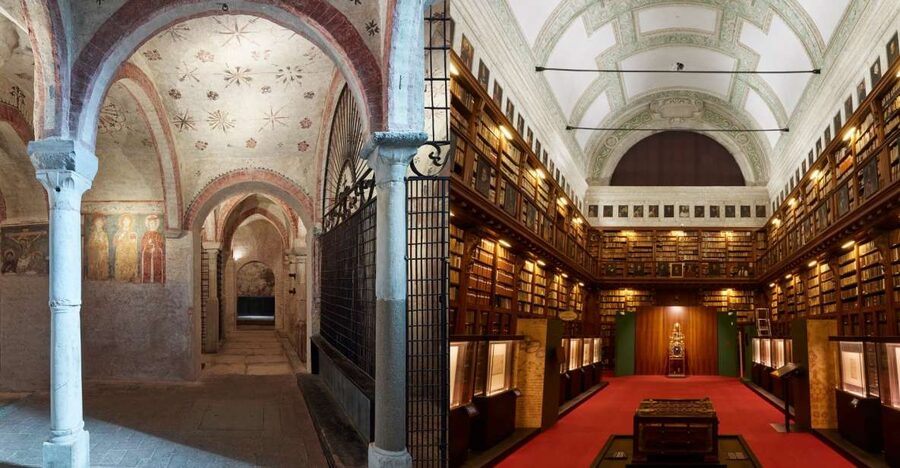
A crypt and a codex, in one Milan ticket. The combined visit ties together Pinacoteca Ambrosiana masterpieces and the Codex Atlanticus displays in a way that feels personal, not rushed. You also end with the San Sepolcro crypt, where you literally walk through Milan’s older foundations.
I especially love how the museum mixes heavyweight Old Masters with small, human details, like the famous Raphael and Leonardo works you came for, plus lesser-known pieces that catch your eye. I also like the library reading room, because it’s not just decoration, it’s part of the story of why the Ambrosiana matters.
One consideration: the experience is not fully wheelchair accessible, since the crypt has architectural barriers. The Pinacoteca’s main rooms are mostly wheelchair accessible, but the crypt is the limiting factor.
In This Review
- Key things to know before you go
- Pinacoteca Ambrosiana first, because the art sets the tone
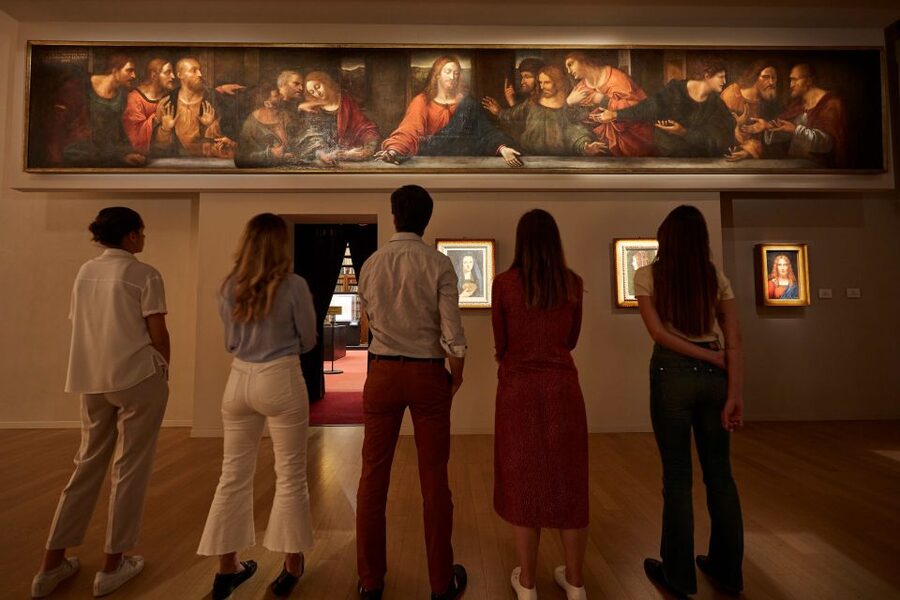
- The Old Masters you will actually feel in person
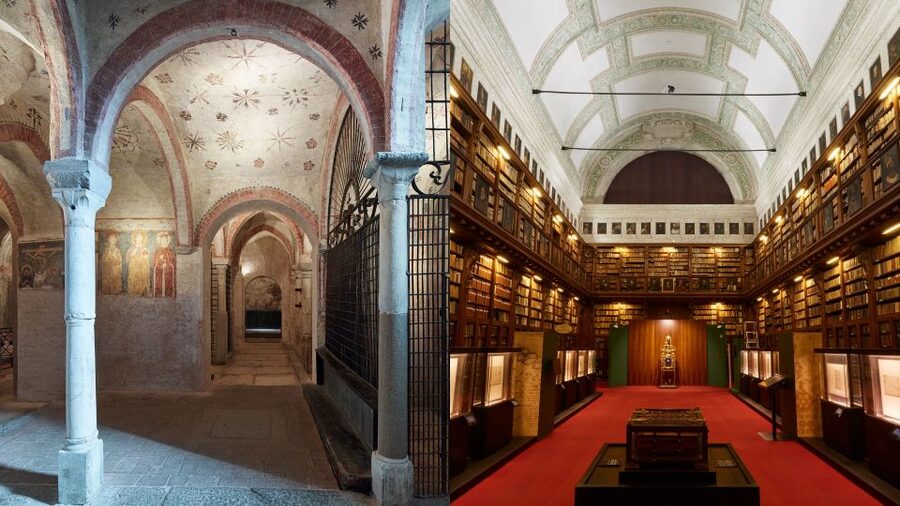
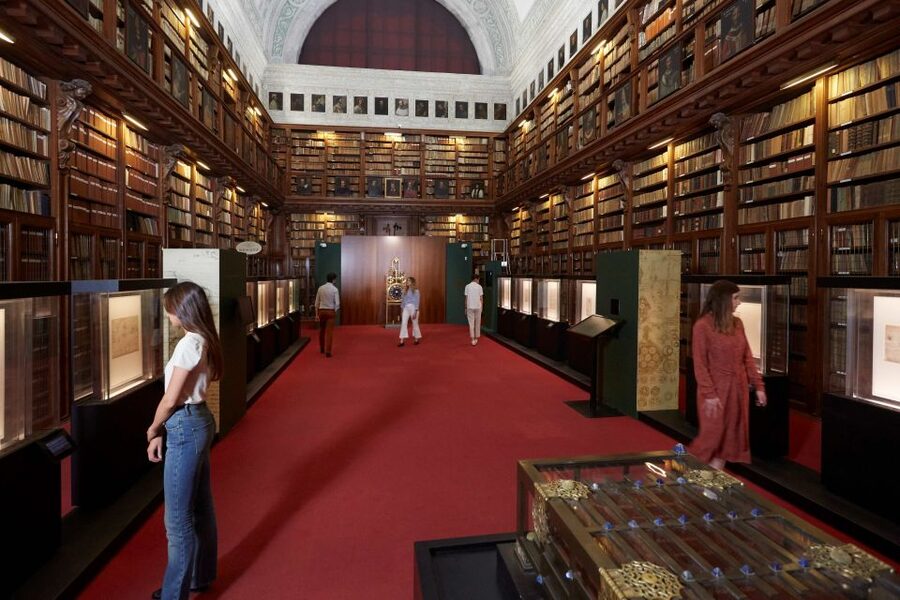
- The 17th century reading room and Codex Atlanticus effect
- San Sepolcro crypt, Milan under your feet
- Timing that actually prevents stress, last entry matters
- How the app and audio help you keep control of your pace
- Value math for $25: why this ticket is a good bet
- What to plan around your body, not just your schedule
- Who should book this, and who might prefer something else
- Should you book this Milan art and crypt combo?
- FAQ
- How long does the Pinacoteca Ambrosiana visit take?
- How long should I plan for the Crypt of San Sepolcro?
- What time does the crypt stop letting people in?
- Where do I start the visit, and where do I end?
- Is there a ticket line to wait in?
- Is this visit wheelchair accessible?
- What items are not allowed during the visit?
- Should you book this Milan art and crypt combo?
Key things to know before you go
- Old Masters in one compact museum, including works associated with Caravaggio, Raphael, Brueghel, and Leonardo
- The library reading room and its Codex Atlanticus exhibition focus on original drawings
- A single ticket that connects art and city history from the museum to the crypt
- Crypt built into medieval layers, with pavement made using ancient stones from Mediolanum
- A flexible audio option via an app, so you can keep listening after you leave
- You must manage timing to catch the crypt before it closes for last entry
Pinacoteca Ambrosiana first, because the art sets the tone
I like starting here for one simple reason: Pinacoteca Ambrosiana helps you see Milan differently before you head underground. The museum is small enough to feel manageable, but it holds major names, so you don’t waste time trying to “find the good stuff.” The lighting and room layouts help you linger, and many visitors describe the pace as calmer than Milan’s bigger, headline-drawing museums.
The big promise is Old Masters, and the Ambrosiana delivers. You can expect the kind of encounters that make you stop in front of a painting, then keep thinking about it during your next street walk. If you’re the type who enjoys comparing styles in person, this museum makes that easy.
And since this is a combined ticket, you’re not just adding a random church visit at the end. You’re building a bridge from artistic genius to the physical city that produced it.
More catacombs and crypts in Milan:
- Milan: San Sepolcro Crypt Skip-the-Line Entry Ticket
★ 4.2 · 512 reviews - Naples: Naples Underground Entry Ticket and Guided Tour
★ 4.4 · 21,781 reviews - Colosseum: Underground and Ancient Rome Tour
★ 4.7 · 12,691 reviews
The Old Masters you will actually feel in person
Pinacoteca Ambrosiana is famous for its Italian master lineup, but what sticks best is the way specific works anchor your visit.
Here are highlights you should look for when you’re inside:
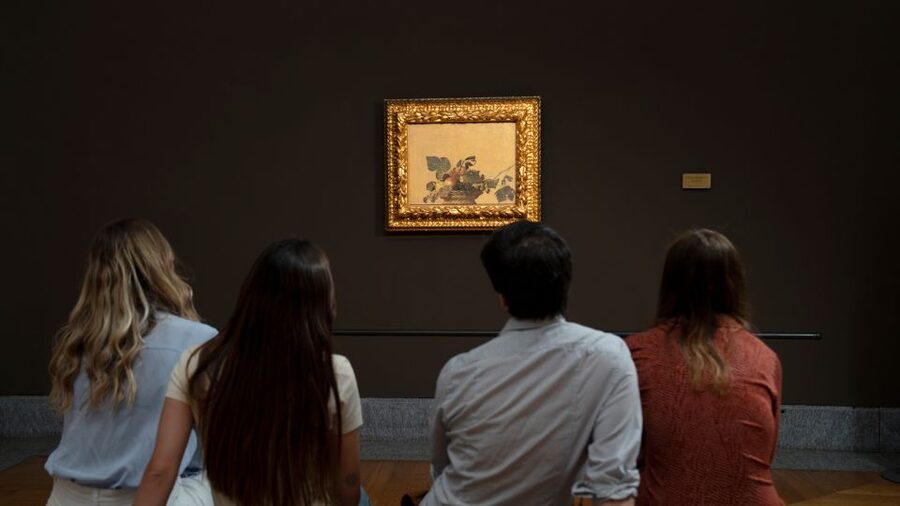
- Caravaggio’s Basket of fruit (a mood-shifter, because the realism feels immediate)
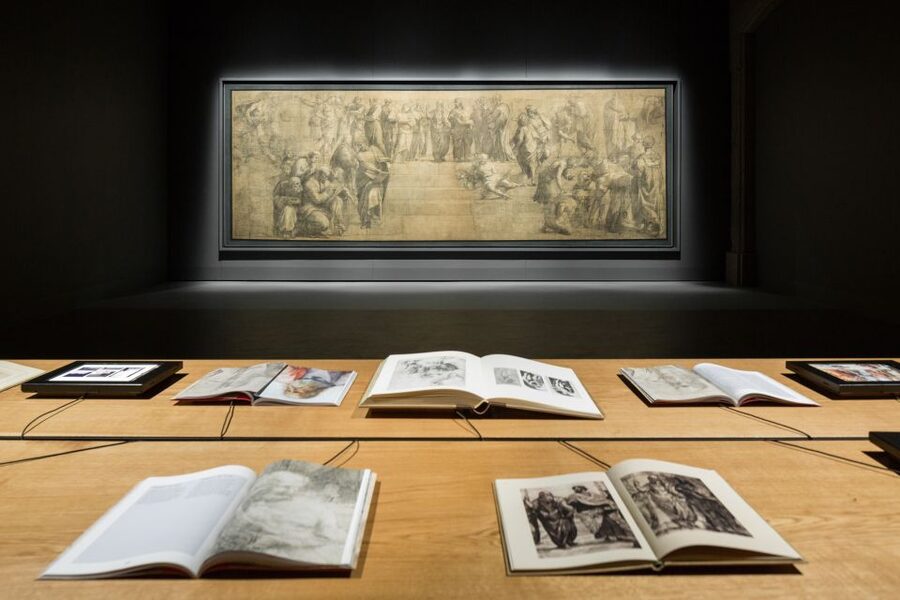
- Raphael’s Cartoon for the School of Athens (a major draw, and worth slowing down for)
- Brueghel’s Vase of flowers (color and playful detail, not just background decoration)
- Leonardo da Vinci’s portrait of the Musician (one of those faces that feels almost present)
The museum also signals that it isn’t only about the paint on the wall. There are displays and presentation choices that help you connect technique to intention. Some visitors noted the museum feels well organized and beautifully lit, and that it can be quiet enough to take your time without feeling crushed by crowds.
If you’re short on time, this is still a smart stop. Many people report spending around an hour to an hour and a half at the Pinacoteca, which fits neatly into a same-day plan as long as you keep an eye on your crypt timing.
The 17th century reading room and Codex Atlanticus effect
If the Pinacoteca portion is your gateway to the masters, the library reading room is where your attention tightens.
The Ambrosiana’s reading room is described as a 17th century space with an exhibition tied to the Codex Atlanticus, including original drawings connected with Leonardo da Vinci. This is the part that often feels different from most museum visits, because drawings can look “smaller” than paintings, yet they’re frequently more revealing. You get to see the mind at work, the planning and observation behind finished masterpieces.
I like this stop because it changes the rhythm of the visit. You go from finished images you might recognize from books to works that show process. Some visitors specifically highlighted how moving and surprising the Codex-related material is, and how it’s a standout reason to book this combo instead of choosing a different Milan museum.
Practical tip: plan to spend real time here. Even if you skim at first, you’ll likely circle back because the detail rewards patient looking.
San Sepolcro crypt, Milan under your feet
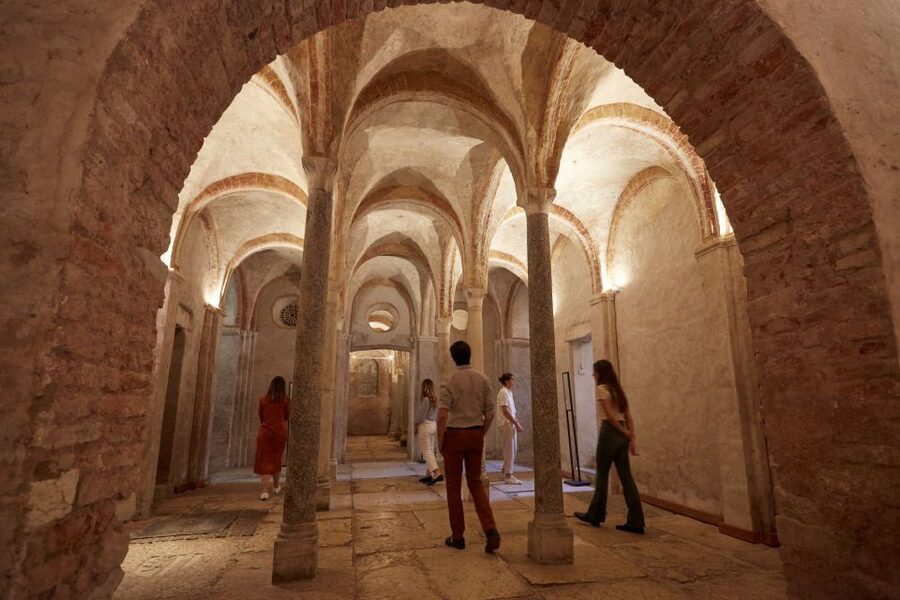
After the museum, you exit at Piazza San Sepolcro, where the crypt entrance is. The transition is satisfying because you go from art in rooms to history you can almost feel underfoot.
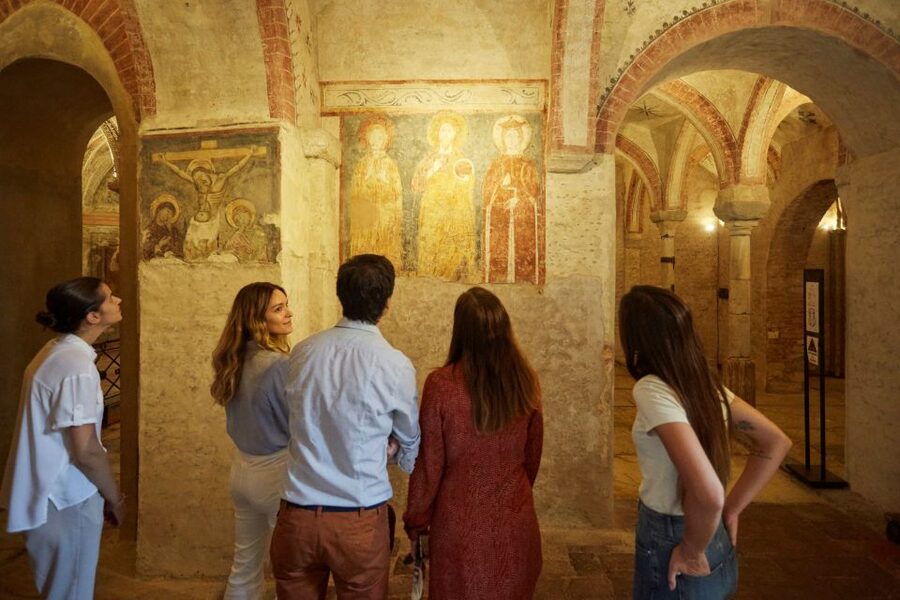
The Crypt of San Sepolcro is a medieval hypogean church. In plain terms, it’s one of those places where the setting does part of the storytelling. The pavement is made using ancient stones from Mediolanum, the Roman name for Milan. That detail matters because it gives the crypt more than “old stone” vibes. It connects the building to layers of the city itself.
What to expect during the crypt visit:
- a tighter, slower walk through an enclosed space
- a ceiling and interior that many people suggest are worth checking carefully
- a sense that without context it can look plain, but with the right framing it clicks
Some visitors also mentioned an optional VR experience available at the crypt entrance for extra historical context. The crypt can read as a “basement” if you don’t know what you’re looking at. If history is your thing, an add-on like that can make the visit feel more alive.
Time-wise, the crypt is typically 30 to 40 minutes, so it’s not a commitment that will hijack your afternoon. Just make sure you arrive with enough time left, because you have a hard cutoff.
A few more Milan options to weigh
- Milan: Cathedral and Duomo’s Terraces Entrance Ticket
★ 4.6 · 61,054 reviews - Milan: City Sightseeing Hop-On Hop-Off Bus with Audio Guide
★ 4.0 · 6,256 reviews - Milan: Milan Cathedral Direct Entrance – Terrace Excluded
★ 4.5 · 5,782 reviews - Milan: Guided Walking Tour & Last Supper Visit with Ticket
★ 4.7 · 5,409 reviews
Timing that actually prevents stress, last entry matters
The combined ticket is straightforward, but Milan has a way of making you underestimate how quickly you lose time. Here’s the practical reality.
- The complete Pinacoteca visit often runs about 1.5 hours
- The crypt visit is typically 30 to 40 minutes
- The last admission to the crypt is at 5:30 PM
- The crypt closes at 6:00 PM
So if you start late, you risk seeing only part of the museum, or missing the crypt entirely. This is one of the few “gotchas” in the plan that can ruin a day, so I treat it like a must-check.
My advice:
- Pick a time slot that gives you a cushion. If you can, build in 15 to 20 minutes of slack for the museum rooms and the library space.
- Don’t get “caught in one painting” mode too long unless you’ve confirmed your crypt entry window.
How the app and audio help you keep control of your pace
One reason this ticket works for a wide range of travelers is that you don’t have to follow a rigid script. The experience is described as self-paced, and you can use an app you download to listen to it during your visit and even after you leave.
This matters because the Ambrosiana’s best parts, especially in the library and around the major works, reward close attention. If you want context without dragging behind a group, audio is a great fit. It also helps you notice things you might otherwise skip, like the connections between works and what they reveal about artists’ thinking.
A few visitors also mentioned an audio guide option available for an extra fee (one cited €4). Even if you use the app instead, it’s smart to come prepared with either headphones or the ability to listen on your device.
If you do prefer live interpretation, one review mentioned a guide named Simon who delivered an interesting, funny tour with a great pace. That doesn’t change your ticket plan, but it tells you that when interpretation is available, people tend to enjoy it.
Value math for $25: why this ticket is a good bet
At around $25 per person, you’re paying for admission to two distinct places: Pinacoteca Ambrosiana and the Crypt of San Sepolcro. That’s the key value point. You’re not choosing between art and history, you’re getting both in one attached route.
This ticket makes sense when:
- you want a higher-density day without hopping across town
- you like knowing you’ll cover major “named” works and not just fill time
- you’re hoping for a calmer museum experience near the Duomo area
Some people even describe the museum as quieter and less crowded than bigger Milan attractions, which adds extra value. If you’re trying to avoid peak crowds, this kind of focused, compact stop can feel like a win.
What to plan around your body, not just your schedule
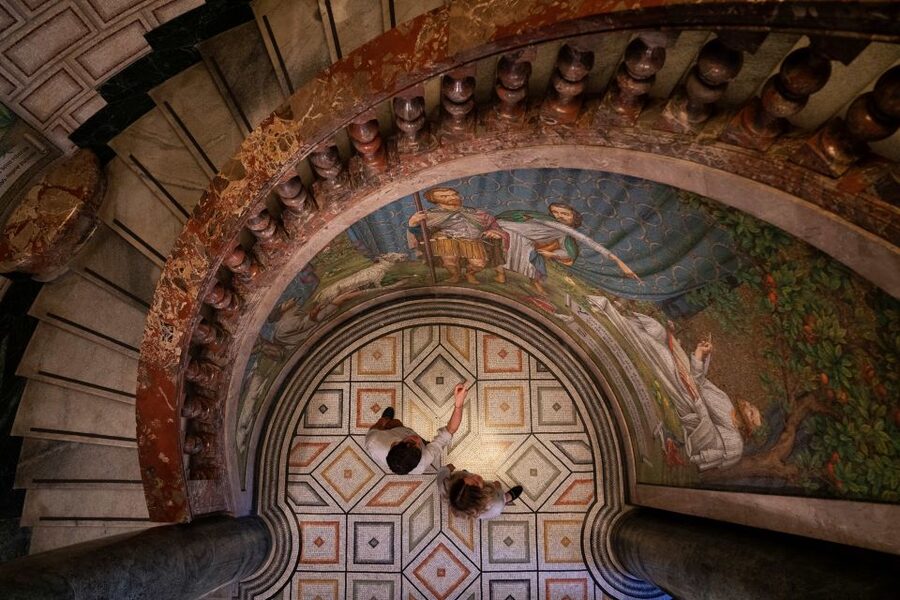
The crypt is the limiting physical factor. The tour information is clear that it is not completely accessible for wheelchair users or people with physical impairments due to architectural barriers in the crypt area.
At the same time, many of the Pinacoteca rooms are wheelchair accessible. So the real question is whether you can handle the crypt portion.
Also note the restrictions that help keep things moving smoothly:
- no baby strollers
- no luggage or large bags
- no backpacks
If you’re traveling with a lot of gear, plan to travel light or leave bags at your accommodation. Pinacoteca and crypt spaces can be tight, and those rules are there for practical reasons, not just policy theater.
Who should book this, and who might prefer something else
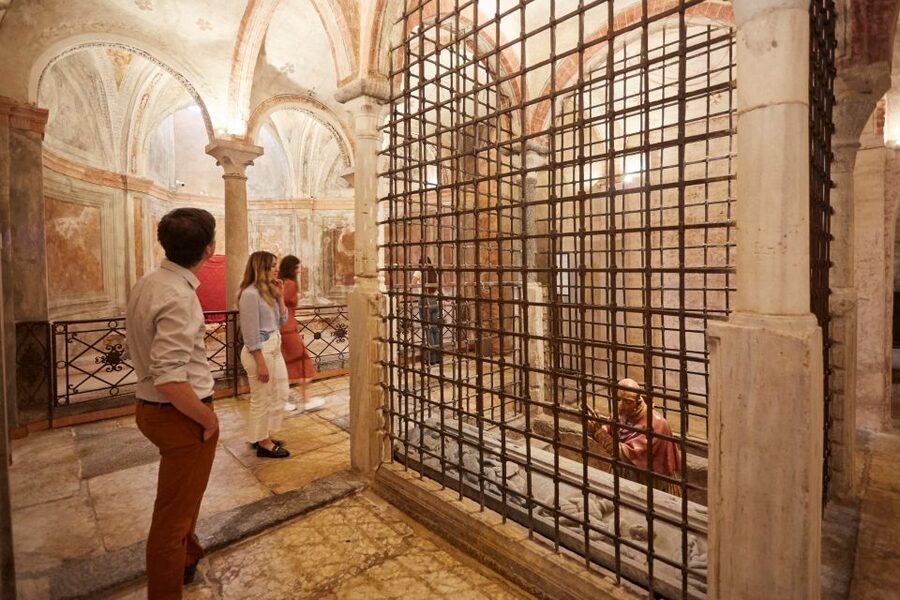
This combined visit is a strong match if you:
- care about Leonardo, Raphael, and Caravaggio as in-person experiences
- want a museum plus a “what was Milan like earlier” payoff
- prefer self-guided structure, with context provided through audio
- enjoy libraries, drawings, and process as much as finished masterpieces
It may not be your best choice if you:
- use a wheelchair or need full accessibility in the crypt
- want a long, expansive outing, because the Pinacoteca plus crypt is built as a focused, time-managed visit rather than an all-day museum marathon
- hate the idea of watching the clock because the crypt last entry at 5:30 PM can matter if your museum time runs long
Should you book this Milan art and crypt combo?
Yes, if you want a satisfying mix of major Renaissance art and Mediolanum-era layers without spending your whole day commuting. The $25 price feels especially fair because you get two experiences that complement each other: artwork that reflects ideas, then a crypt that reflects where those ideas lived.
Book it if:
- you’re heading to Milan’s center and want a smart, low-drama plan near Piazza del Duomo area
- Codex-related drawings and Raphael’s cartoon are on your must-see list
- you like audio and want to control your own pacing
Skip it or reconsider if:
- crypt accessibility is essential for your needs
- you want a slower, open-ended day with no timing pressure
If you’re on the fence, I’d treat this as a high-value “two birds, one short walk” day. It’s art you can see, history you can stand in, and a library stop that actually changes how you look at what you saw.
FAQ
How long does the Pinacoteca Ambrosiana visit take?
The full Pinacoteca portion normally lasts about 1.5 hours.
How long should I plan for the Crypt of San Sepolcro?
Plan about 30 to 40 minutes for the crypt visit.
What time does the crypt stop letting people in?
The last admission to the crypt is at 5:30 PM, and it closes at 6:00 PM.
Where do I start the visit, and where do I end?
You start at Piazza Pio XI 2 at the Pinacoteca Ambrosiana, then exit on Piazza San Sepolcro, where the crypt entrance is. The tour ends in Piazza San Sepolcro.
Is there a ticket line to wait in?
The experience includes skip-the-ticket-line entry.
Is this visit wheelchair accessible?
The crypt is not completely accessible for wheelchair users due to architectural barriers. Many Pinacoteca exhibition rooms are wheelchair accessible, but the crypt is the main limitation.
What items are not allowed during the visit?
Baby strollers, luggage or large bags, and backpacks are not allowed.
Should you book this Milan art and crypt combo?
I’d book it if you want a compact day that blends standout Old Masters at the Pinacoteca Ambrosiana with the San Sepolcro crypt as a real Milan history layer. At about $25, it’s strong value because you get two ticketed stops tied together by location and theme, not just an extra add-on. Just plan your start time carefully so you’re not rushing to catch the crypt before the 5:30 PM last admission.
Latest reviews around Milan
- Milan: The Milan Pass City Card★ 4.0 · 655 reviews
- Milan: Duomo & Rooftop Tour with Optional Hop-On Hop-Off Bus★ 4.5 · 262 reviews
- Milan: Leonardo’s Last Supper and Michelangelo’s Pietà Tour★ 4.6 · 559 reviews
- Milan: Sforza Castle and Michelangelo’s Pietà Rondanini Tour★ 4.7 · 1,119 reviews
- Milan: San Sepolcro Crypt Skip-the-Line Entry Ticket★ 4.2 · 512 reviews
- Milan: QC Termemilano Spa Admission Ticket★ 4.6 · 685 reviews
- Museum of Senses Milan admission ticket★ 3.9 · 188 reviews
- Milan: Villa Necchi Campiglio Entry Ticket★ 4.7 · 230 reviews
Catacombs & Crypts Tours, compared.
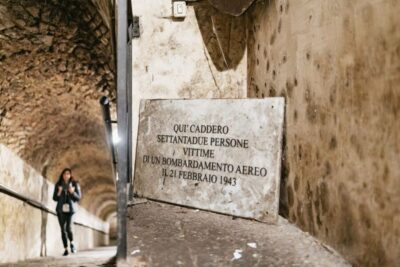
Naples Underground Entry Ticket and Guided Tour
Read our review →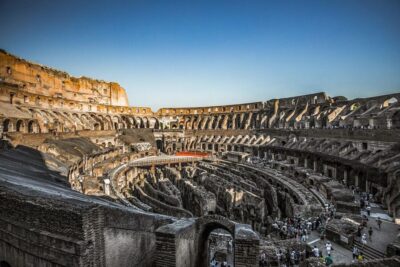
Colosseum: Underground and Ancient Rome Tour
Read our review →
Catacombs of San Gennaro Entry Ticket & Guided Tour
Read our review →
Crypts and Catacombs Underground Tour with Transfers
Read our review →
Expert Guided Tour of Colosseum Arena OR Underground, and Forum
Read our review →
The Original Roman Crypts and Catacombs Tour with Transfers
Read our review →
Colosseum Underground Small Group Guided Tour
Read our review →Browse the lists this tour appears in