
Reviewed · WORKSHOPS
Milan: Pasta, Ravioli, and Gelato Class in a Glamorous Home
Milan tastes better when you make it. This 3-hour class turns fresh pasta and ravioli into a hands-on, family-style meal in a historical home in central Milan. I love the combo of limoncello and organic wine, and the way instructors like Nonna Bruna bring the lesson down to practical steps, not fancy theory.
One thing to consider is that the meal is built around cooking and tasting what you make, so the final portions can feel a bit modest if you show up starving and expect a big restaurant-style plate.
In This Review
- Key highlights you’ll care about
- Where you cook in Milan, and why the setting matters
- The family recipe approach, plus the real training behind it
- Tagliatelle with tomato sauce: your first win
- Ravioli from scratch: butter and sage, plus a Michelin-star touch
- Tiramù and gelato: dessert that’s actually part of the lesson
- Drinks and dinner: limoncello, organic wine, and a proper meal
- Language comfort: English lesson, plus help if you need it
- Value math: what $88 buys you in Milan
- Who this Milan pasta and gelato class suits best
- Should you book this class?
- FAQ
- How long is the cooking class in Milan?
- How much does it cost per person?
- Where is the meeting point, and how do I get there?
- What dishes will I learn to make?
- Is the class taught in English?
- Is limoncello and wine included?
- How big is the group?
- Are children allowed to join?
- What should I bring, and what is not allowed?
Key highlights you’ll care about
- A museum-worthy home: 16th-century art, antiques, and furnishings, in a real residential setting.
- Small group energy: limited to 10 participants, which makes it easier to get help while you roll dough.
- From-scratch pasta skills: tagliatelle and ravioli taught as techniques you can repeat at home.
- Sweet ending is serious: tiramisù and included gelato flavors like tiramisù and chocolate.
- Drinks that feel local: homemade limoncello and organic wine (pesticide-free) with dinner.
Where you cook in Milan, and why the setting matters
This is not a fluorescent studio with a row of cutting boards. You step into a glamorous Italian home in the Designer and Fashion area, about a 25-minute walk from Duomo. One booking detail that really helps your first-timer nerves, the easiest stop is the blue line subway, Coni Zugna, with the escalator exit Coni Zugna-Via Foppa, and the workshop building is only about 20 meters away.
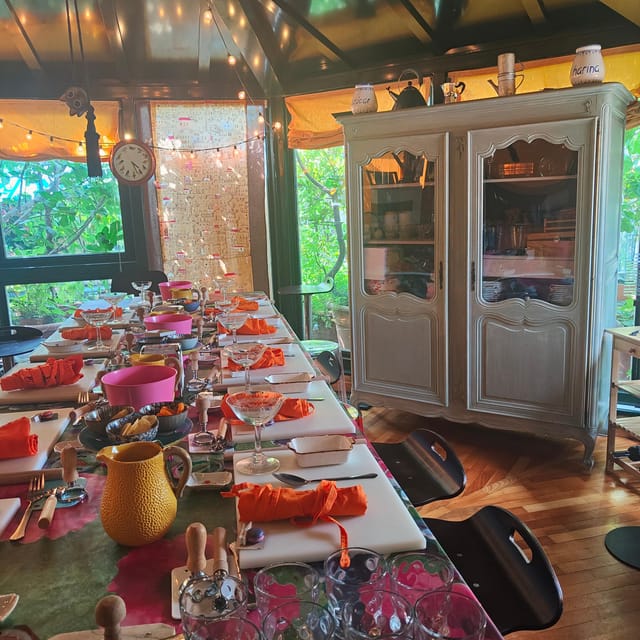
Inside, the vibe is part kitchen, part private art museum. The lesson takes place among 16th-century art paintings and fine furnishings, so when you’re rolling dough, you also feel like you’ve wandered into an old Milan palazzo. That matters because it changes the whole mood. You slow down. You pay attention. You remember the steps later.
And yes, instructors are there to guide you. In different sessions, you might work with people like Marco, Laura, Frederico, Paolo, Katarina, Luca, or Bruna, and the consistent theme is patient, hands-on instruction. Some classes even attract high-energy groups, and the tone stays friendly and fun.
A few more Milan options to weigh
- Milan: Cathedral and Duomo’s Terraces Entrance Ticket
★ 4.6 · 61,054 reviews - Milan: City Sightseeing Hop-On Hop-Off Bus with Audio Guide
★ 4.0 · 6,256 reviews - Milan: Milan Cathedral Direct Entrance – Terrace Excluded
★ 4.5 · 5,782 reviews
The family recipe approach, plus the real training behind it
Italian cuisine is UNESCO World Heritage listed, and this class treats that label like a promise. You’re not just making food that tastes good. You’re learning why the food works, and where the habits come from.
The teaching philosophy is very specific. The program describes a family cooking tradition where the main teachers are grandmothers, including Nonna Bruna, even if some instructors refined their skills through formal culinary training like the Paul Bocuse school in Ecully. In practice, that means you get techniques that sound simple once you see them, but you also get the little details that keep your dough tender and your filling balanced.
What I like about this approach for you is that it avoids two common traps. First, it doesn’t turn pasta into a chemistry experiment. Second, it doesn’t make it vague or mystical. You get steps you can repeat at home, plus recipes you’ll get by email afterward.
Tagliatelle with tomato sauce: your first win
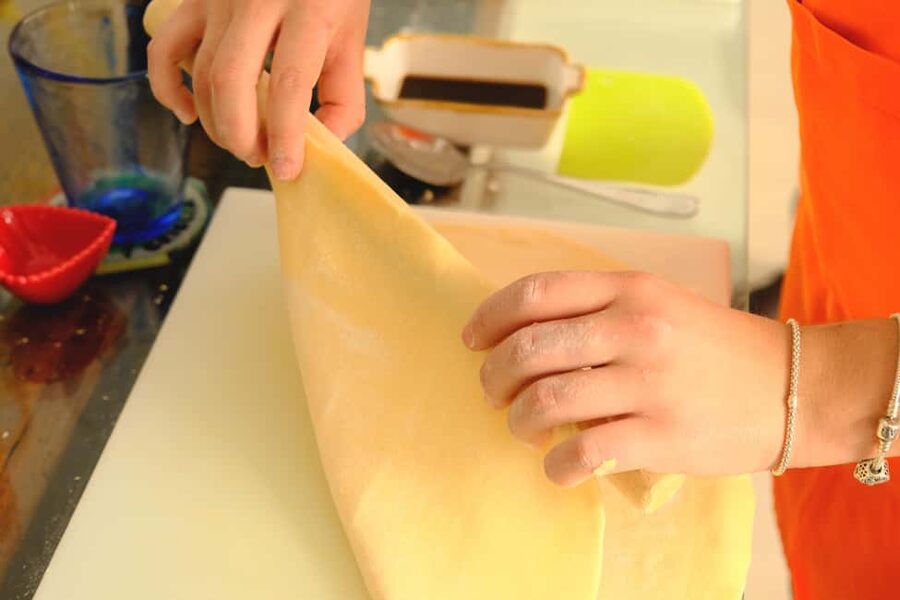
Most classes start with tagliatelle because it’s the foundation. You’ll work on making pasta from scratch, then you’ll eat what you make, including tagliatelle with tomato sauce. This part is your confidence builder. Pasta dough might look intimidating in photos, but rolling and shaping becomes doable fast when someone walks you through it.
In classes led by instructors like Laura or Frederico, the energy tends to be playful without being chaotic. You get instruction that is clear enough for beginners, but still structured so intermediate cooks feel challenged in a good way. Several people in the provided experience notes mention how entertaining the instructors were, and that matches what you want here: attention plus good humor.
Practical tip for you: wear comfortable clothes you can move in. Even with small groups, you’ll be standing, kneading, and working close to your ingredients. You don’t need fancy gear, you get tools and an apron, but you do want clothing that can handle flour.
Ravioli from scratch: butter and sage, plus a Michelin-star touch
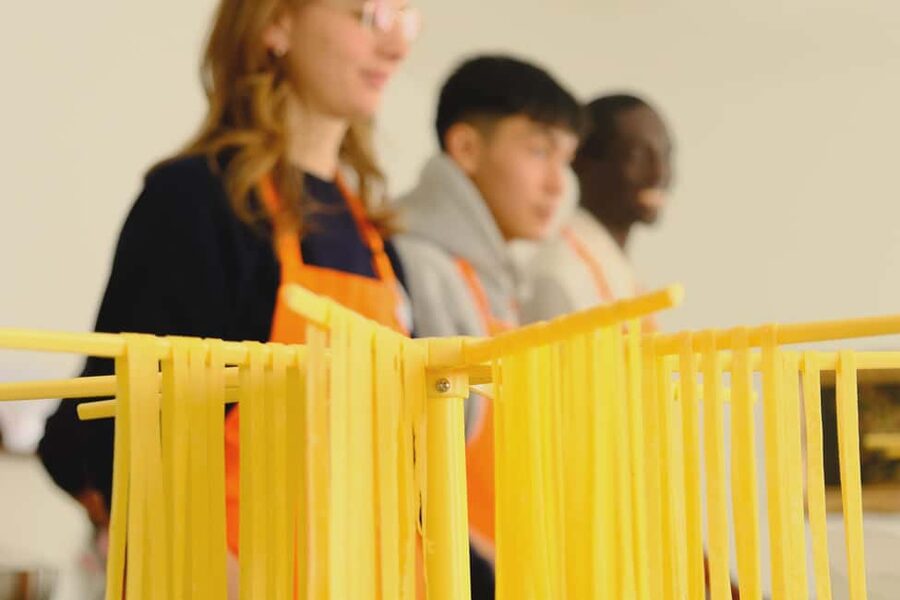
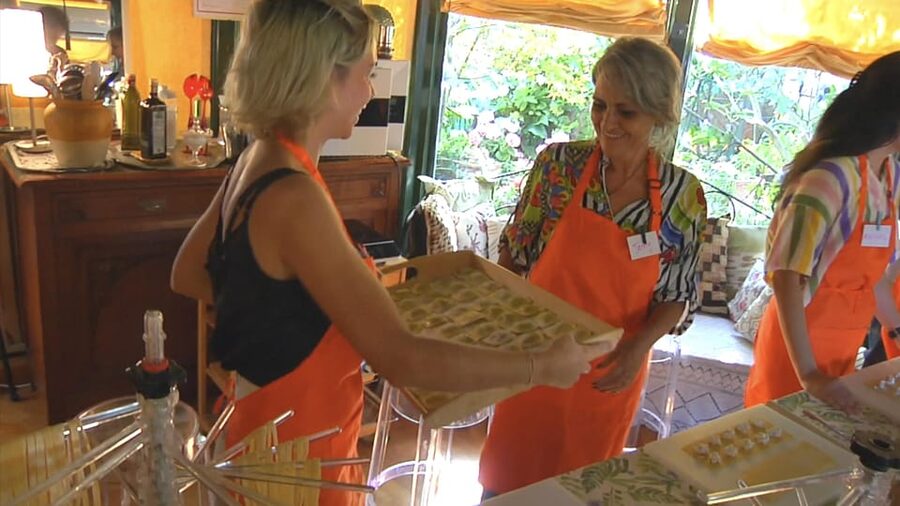
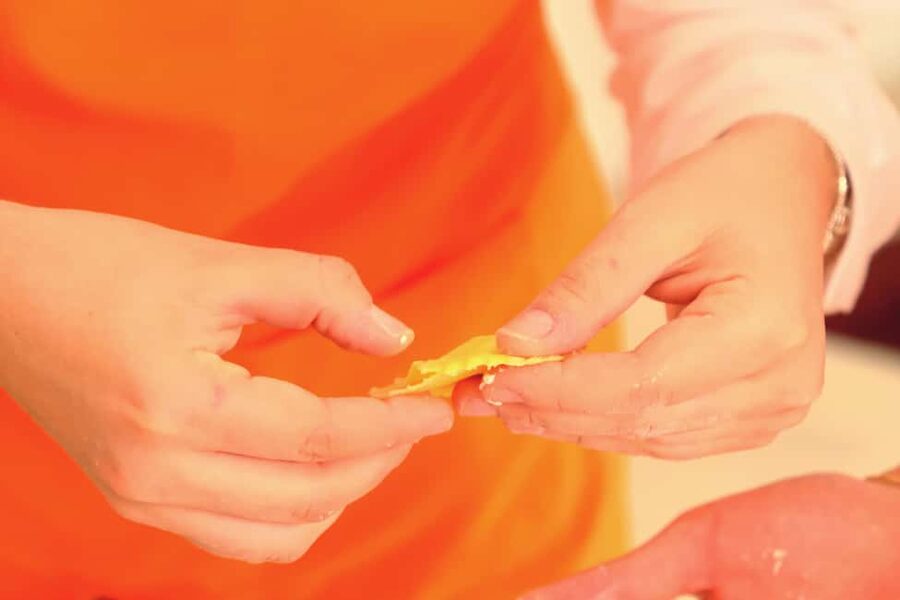
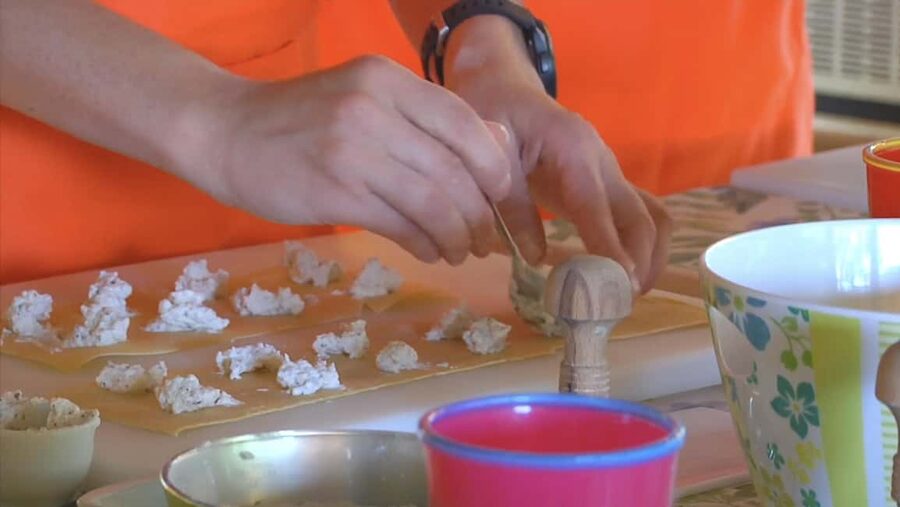
Then you move to ravioli. This is where the class delivers real technique, not just a tasting experience. You’ll learn to make ravioli from scratch, and the filling is described as created by a Michelin-starred chef with butter and sage.
Why that matters for you: butter and sage fillings are all about balance. Too much butter can make the filling greasy. Too little makes it taste flat. A filling designed with Michelin-level thinking helps you understand the target texture and flavor intensity, even if you’re not a food scientist.
The process is hands-on, and it takes focus. Small-group size helps a lot here because you can ask questions while you’re working. In multiple instructor reports, the tone stays patient, even when people are new to shaping pasta.
Also, the house setting helps. When you’re seated in a room with antiques and art on the walls, you’re more likely to slow down and follow the steps. That reduces the usual beginner mistakes like uneven thickness or filling that seeps out.
Nearby, and just as well reviewed:
- Milan: Guided Walking Tour & Last Supper Visit with Ticket
★ 4.7 · 5,409 reviews - Milan: Fast-Track Milan Cathedral and Terraces Guided Tour
★ 4.7 · 5,240 reviews - Milan: Navigli Canal Boat Cruise
★ 3.3 · 4,502 reviews - Milan: Serravalle Designer Outlet Roundtrip Bus Transfer
★ 4.4 · 4,374 reviews
Tiramù and gelato: dessert that’s actually part of the lesson
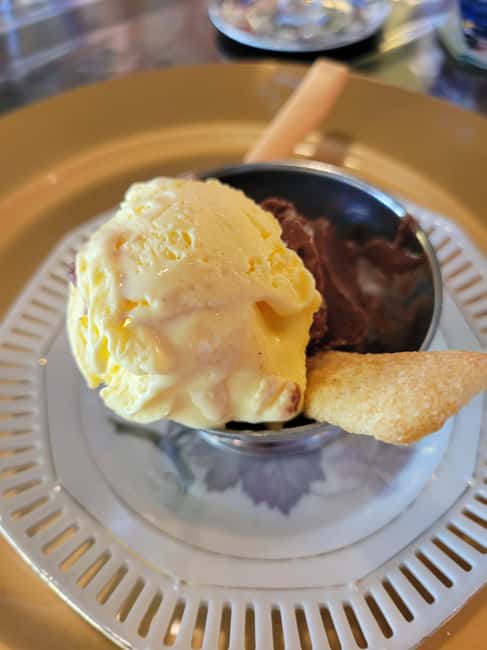
This class includes dessert, and not just a store-bought finish. The program specifically mentions learning the original, soft tiramisù and enjoying gelato. Gelato is clearly included, with tiramisù-flavor and chocolate listed as options.
What you’re doing here is learning how Italian dessert habits work. Tiramù is about texture, timing, and how you assemble. Gelato is about the idea that sweetness and flavor need to stay clean, not heavy.
In the experience notes, you’ll see two common patterns. One group loves the full pasta-and-ravioli focus, then looks forward to dessert like a reward. Another group treats gelato as the top highlight, especially when the class keeps things organized and the instructor helps you move efficiently.
Either way, you leave with recipes you can recreate. That booklet is emailed to you, which is perfect because you won’t be trying to remember ratios while your suitcase is still half-open.
Drinks and dinner: limoncello, organic wine, and a proper meal
Food classes in Italy can sometimes feel like constant snacks. This one is set up as a shared dinner with your creations and a social feel. You’ll have a meal with friends, plus included water.
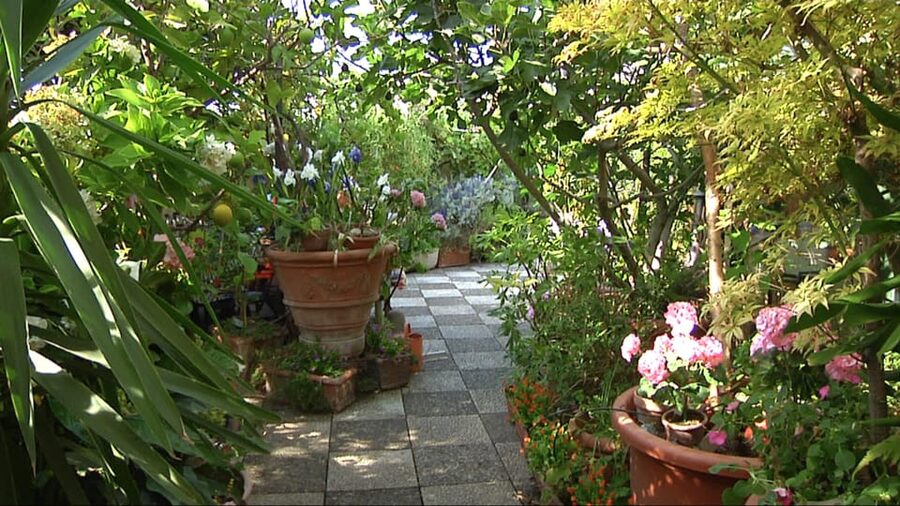
The drink section is one of the most memorable parts. You get homemade limoncello prepared with lemons from the instructor’s terrace. You’ll also have organic wine produced without pesticides, listed as 1/4 of a bottle per person, or you can choose a soft drink.
Two practical notes for you:
- Pace yourself. You’re cooking for 3 hours, then you’re eating and tasting, so don’t treat the wine like a finish-line champagne toast.
- If you’re driving or avoiding alcohol, you can select soft drinks since that option is listed.
What makes this portion feel authentic is the way it’s woven into the night. You don’t just sip something while waiting. The limoncello shows up as part of the experience, like a Milanese family detail rather than a gimmick.
In instructor styles mentioned in the experience notes, people like Paulo and Marco are often described as both clear and funny. That matters because it keeps the dinner from feeling awkward. You end up chatting with your table as you plate and eat.
Language comfort: English lesson, plus help if you need it
The lesson is held only and always in English, according to the experience details. If you prefer another language, it says you can request it for private classes, and it also lists instructor language capabilities including Italian, Spanish, French, German, Russian, Ukrainian, Hebrew, and Persian.
Even if you don’t speak English well, the program states the teacher can help if you don’t understand English, and it even lists other languages they can use. So you’re not stuck.
For you, the best takeaway is simple. If you book with English in mind, you’ll be fine. If you need a different language, ask in advance, because not all teachers speak all languages.
Value math: what $88 buys you in Milan
At $88 per person for a 3-hour class, the value depends on what you compare it to. Compared to a typical guided walking tour, you get a hands-on skill, a full meal, and drinks. Compared to a fancy restaurant dinner, you get the memory value plus the ability to cook again later.
Here’s what’s included, and why it matters:
- Tools and aprons, so you don’t need to bring equipment.
- Pasta and ravioli components, plus a planned meal to eat together.
- Gelato (tiramisù flavor and chocolate), plus tiramisù as part of the cooking focus.
- Homemade limoncello.
- Organic wine (pesticide-free) or soft drink, with water included.
- Recipes emailed by email, so the skill sticks.
Even the small-group limit to 10 participants boosts value, because it makes instruction more personal. You’re less likely to spend the whole class waiting for attention.
The main trade-off is the one small drawback you should plan around: a few notes mention portions can feel a bit small at the end. If that worries you, show up with a snack, then treat the meal like the reward after you cook.
Who this Milan pasta and gelato class suits best
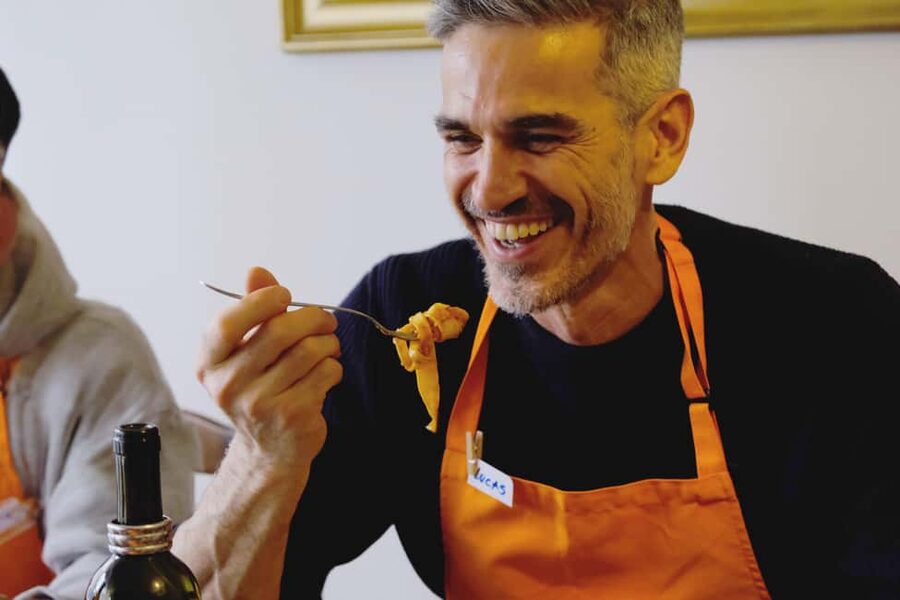
This is a great pick if you want something hands-on, social, and distinctly Milan, without needing cooking confidence. Beginners often do well because the instruction is built to make pasta from scratch understandable. Intermediate cooks also tend to like it, because the class gives structure to techniques like ravioli assembly and dessert steps.
It’s especially fitting for people who enjoy food culture, not just food consumption. The setting, the family recipe approach, and the limoncello detail all point to an experience that feels personal.
Two fit notes you should know:
- It’s not suitable for children under 7 years, and the program also says children under 6 are not allowed to join. If you’re traveling with kids, confirm the age rule with the operator before booking.
- There are restrictions on what you can bring, baby strollers are not allowed, and non-folding wheelchairs and baby carriages are not allowed.
Should you book this class?
Yes, if you want an easy, high-reward way to experience Milan beyond sightseeing. The combination of pasta, ravioli, tiramisù, and included gelato, plus homemade limoncello and organic wine, makes it feel like you’re getting a full evening, not just a quick cooking demo.
Book it if you like social settings where you learn by doing. With small group limits, you’ll actually make food, not just watch from the sidelines.
I would skip it only if you need a very large final meal or you’re traveling with kids below the stated age limits. If you’re expecting a kids-friendly show, this one is not designed for that.
FAQ
How long is the cooking class in Milan?
The class lasts 3 hours.
How much does it cost per person?
The price is $88 per person.
Where is the meeting point, and how do I get there?
You meet near the Coni Zugna subway stop on the blue line. The workshop building is about 20 meters from the subway stop, and you exit via Coni Zugna-Via Foppa. After booking, you’ll be contacted by email with private details for the exact address and cell phone number.
What dishes will I learn to make?
You’ll learn to make pasta and ravioli from scratch. The experience also includes tagliatelle with tomato sauce and tiramisù, plus gelato (tiramisù flavor and chocolate).
Is the class taught in English?
Yes. The lesson is always in English. Other languages are available for private groups upon request, and the teacher can help if you don’t understand English.
Is limoncello and wine included?
Yes. You get homemade limoncello and organic wine produced without pesticides, with 1/4 of a bottle per person, or you can have a soft drink. Water is also included.
How big is the group?
It is limited to a small group, with a maximum of 10 participants.
Are children allowed to join?
Children under 6 are not allowed to join, and the experience is also marked not suitable for children under 7 years. Please check before booking if you are traveling with children.
What should I bring, and what is not allowed?
Wear comfortable clothes. Baby strollers, non-folding wheelchairs, and baby carriages are not allowed.
Latest reviews around Milan
- Milan: The Milan Pass City Card★ 4.0 · 655 reviews
- Milan: Duomo & Rooftop Tour with Optional Hop-On Hop-Off Bus★ 4.5 · 262 reviews
- Milan: Leonardo’s Last Supper and Michelangelo’s Pietà Tour★ 4.6 · 559 reviews
- Milan: Sforza Castle and Michelangelo’s Pietà Rondanini Tour★ 4.7 · 1,119 reviews
- Milan: San Sepolcro Crypt Skip-the-Line Entry Ticket★ 4.2 · 512 reviews
- Milan: QC Termemilano Spa Admission Ticket★ 4.6 · 685 reviews
- Museum of Senses Milan admission ticket★ 3.9 · 188 reviews
- Milan: Villa Necchi Campiglio Entry Ticket★ 4.7 · 230 reviews
Workshops, compared.
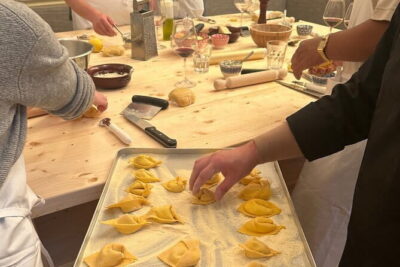
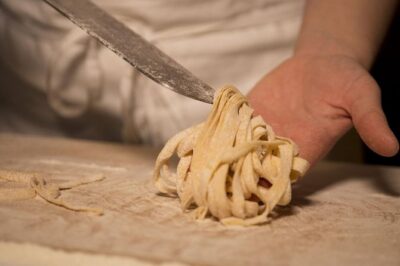
3 in 1 Cooking Class near Navona: Fettuccine, Ravioli & Tiramisu
Read our review →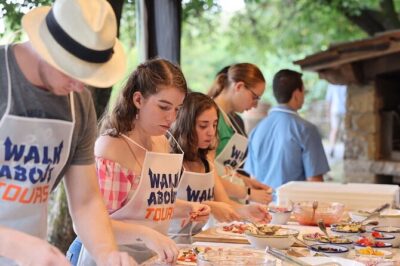
Florence Pizza or Pasta Class with Gelato Making at a Tuscan Farm
Read our review →
Pasta & Tiramisu Cooking Class with Unlimited Wine
Read our review →
Pizza-Making Workshop with Drink and Appetizer
Read our review →
Pasta & Tiramisu Class with Fine Wine by the Vatican
Read our review →
Cooking Class and Lunch at a Tuscan Farmhouse with Local Market Tour from Florence
Read our review →Browse the lists this tour appears in