
Reviewed · MILAN TOURS
Milan: Entrance Ticket to La Scala Theatre Museum
Opera fans, this museum ticket hits hard. You get the stage story of La Scala, then a look inside the theatre itself, with an app audioguide available in 7 languages. I especially love how the museum connects big names, like Verdi and Maria Callas, to the objects you can actually see.
I also like the hands-on feel of the collections, from costumes and set designs to instruments and production details that trace La Scala’s famous performances over more than 200 years. One possible drawback: if there’s a rehearsal on your visit day, access and seating views can be restricted, so you may not see every angle of the auditorium.
In This Review
- Key things to know before you go
- La Scala Theatre Museum in one ticket: what you really get
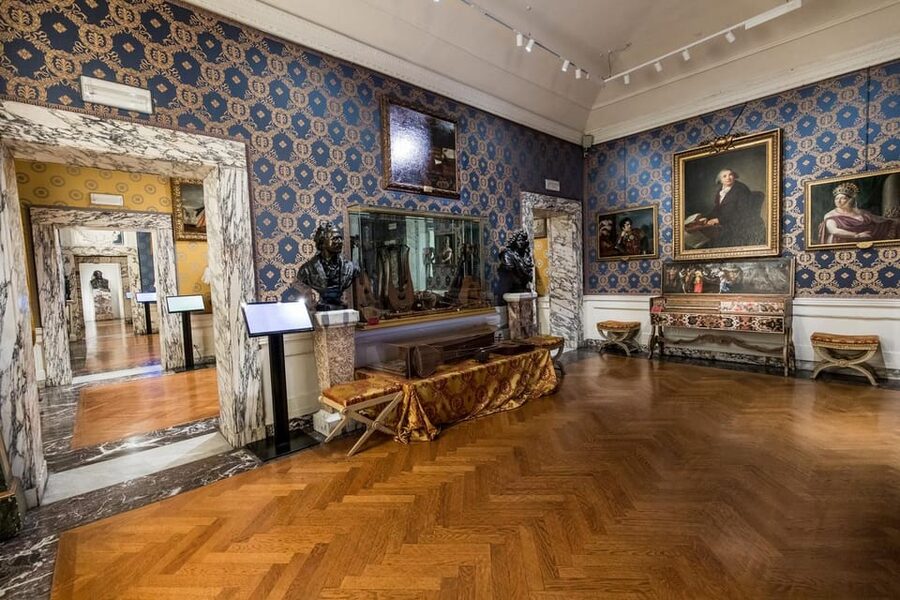
- Inside the museum: costumes, sets, instruments, and portraits that make sense
- Theatre views, rehearsals, and how to plan for the best sightlines
- Audio guide and “how to not miss the details”
- What makes La Scala special for first-timers (even without tickets to a show)
- Timing and duration: how long you should plan for
- Location in central Milan: pair it with Duomo and Vittorio Emanuele Gallery
- Practical tips that prevent disappointment
- Price and value: is $17 per person worth it?
- Who should buy this ticket?
- Should you book La Scala Theatre Museum tickets?
- FAQ
- How much is the La Scala Theatre Museum entrance ticket?
- How long is the ticket valid?
- What’s included with the ticket?
- Can I bring luggage or a large backpack into the museum?
- Is the museum accessible for wheelchairs and strollers?
- Is free cancellation available?
Key things to know before you go
- You’re buying more than a museum: expect theatre access and not just display cases
- Costumes, sets, and instruments help explain what goes on around the music
- Choose the right timing for views when rehearsals affect access
- App audioguide in 7 languages makes the visit easier to follow
- No large bags allowed and you’ll check them into the cloakroom
- Location is a gift: it’s close to the Duomo and Vittorio Emanuele Gallery
La Scala Theatre Museum in one ticket: what you really get
This is one of those Milan stops that feels bigger than the square footage. On paper, it’s an entrance ticket to the La Scala Theatre Museum. In practice, you’re getting a guided-style flow through the museum exhibits, plus the chance to look into the opera house itself, when viewing is available.
The big value here is context. You’re not just seeing historic posters or portraits. The museum pieces are tied to productions and performers, and the building’s scale makes the whole story land. Even if you do not catch a live opera or ballet, the museum experience explains why La Scala has mattered for so long.
Your ticket also includes an app audioguide you can download at the museum in 7 languages. That matters because the museum covers a lot of ground, and the explanations help you understand what you’re looking at instead of reading random labels.
A few more Milan options to weigh
- Milan: Leonardo3 The World of Leonardo Museum Entry Ticket
★ 4.4 · 3,241 reviews - Milan: La Scala Theater & Museum Guided Experience
★ 4.1 · 2,931 reviews - Milan: La Scala Theater and Museum Tour with Entry Tickets
★ 4.7 · 1,722 reviews
Inside the museum: costumes, sets, instruments, and portraits that make sense
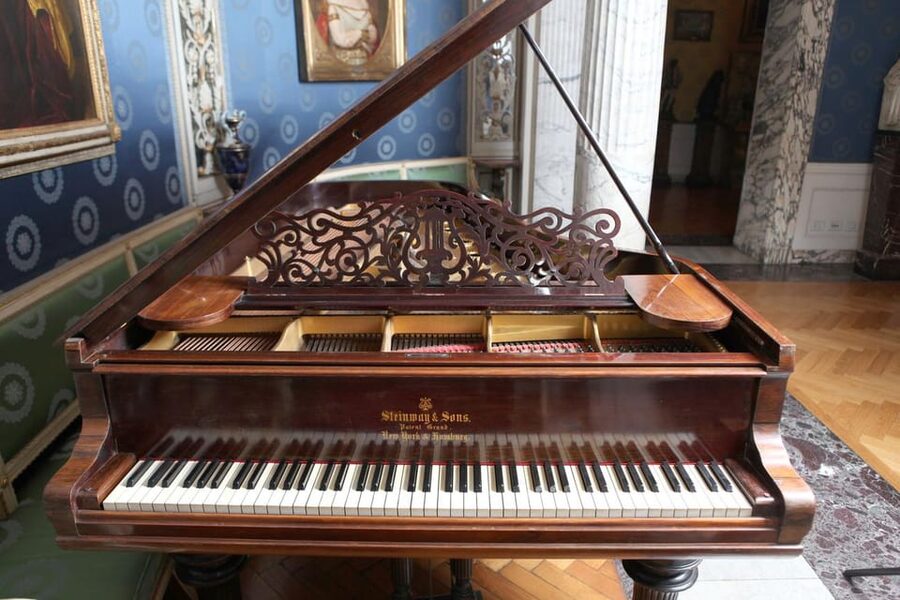
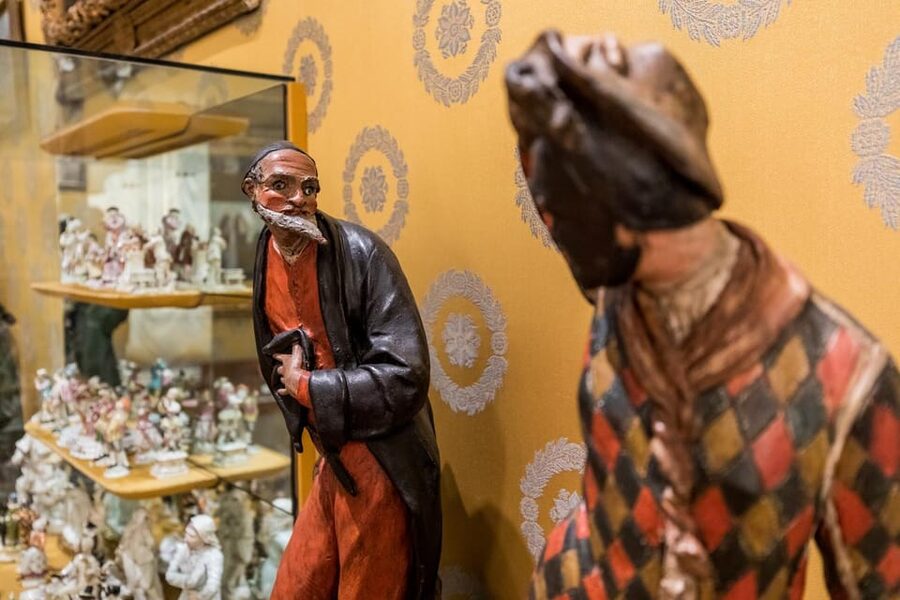
Plan on spending real time in the galleries. The exhibits are built around the way opera is made, not just the way it’s performed. You’ll see costumes used in notable productions, plus set designs that show how stage worlds were constructed. There are also musical instruments on display, which is a nice reminder that opera is part theater, part music machine.
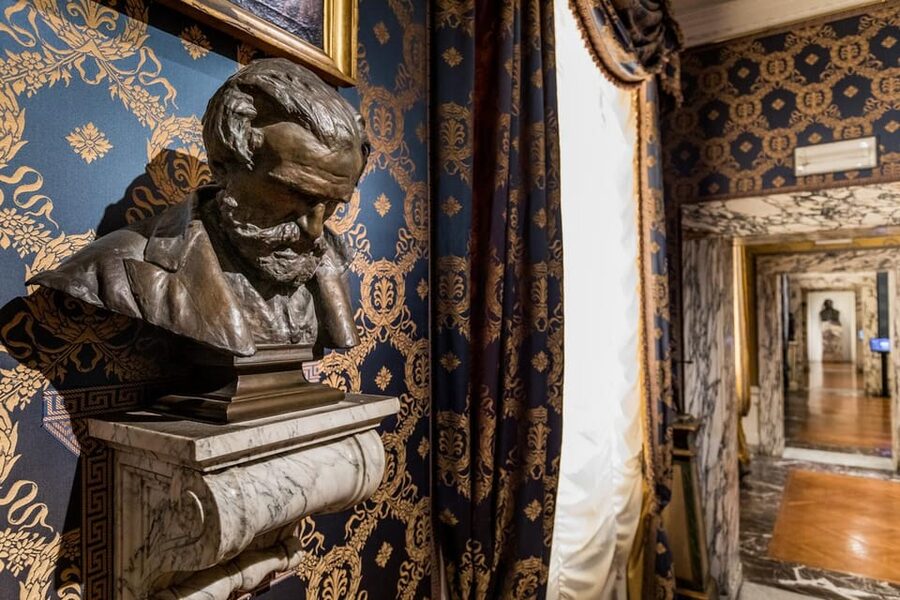
One of my favorite parts is how the museum treats performers as living history. You’ll find a gallery of portraits and busts honoring the great musicians associated with La Scala, and the story keeps returning to legendary names you likely already know from recordings and textbooks, including Giuseppe Verdi and Gioachino Rossini, along with Luciano Pavarotti and Maria Callas.
Even when you’re not into opera every night, you can still appreciate the craftsmanship. Look closely at the costumes and stage elements, because they tell you what audiences once needed to believe on stage, and how production teams solved the problems of lighting, movement, and dramatic timing.
A practical note: the museum also includes behind-the-scenes information about productions and the theatre’s early years, so you’re not stuck in “famous names only” mode. Instead, you get a clearer sense of how La Scala’s identity formed over time.
Theatre views, rehearsals, and how to plan for the best sightlines
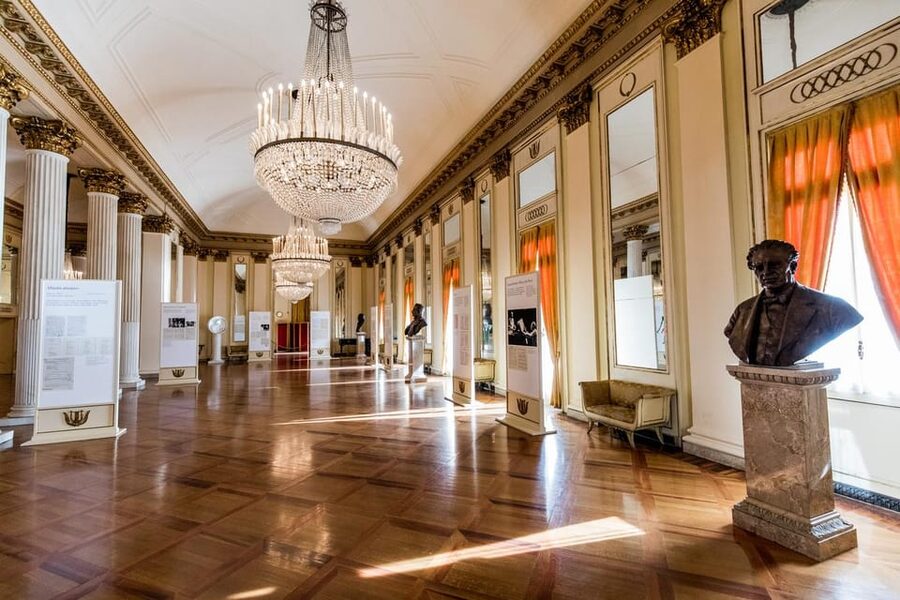
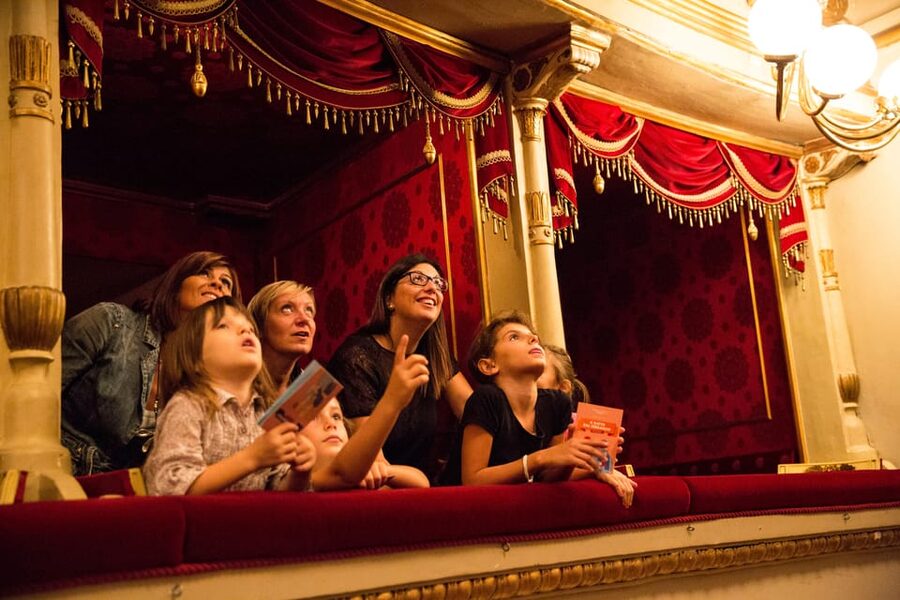
This ticket shines when you can see the auditorium well. Many people come for the museum, then stay for the theatre moment. The museum experience includes viewing into the opera house, and that view can be the highlight.
However, you need to expect that access can vary by day. If there’s a rehearsal running, the main area you want might be off-limits, and you could end up seeing the auditorium from higher seats or through limited sightlines. The good news is that even partial views still feel special, because you’re inside a real landmark, not looking at it from behind a fence.
Here’s the tip that can make a real difference: check whether the theatre lights are on for better visibility. The museum specifically points visitors to this visibility check, and it’s worth doing before you commit to a time slot. Use the official note here: https://www.museoscala.org/it/visibilita-teatro.html
Also, if your goal is theatre photos and a clear view, be flexible about your timing. Choose a slot when you have the best chance of full visibility, and do not assume every visit day gives the exact same perspective.
Audio guide and “how to not miss the details”
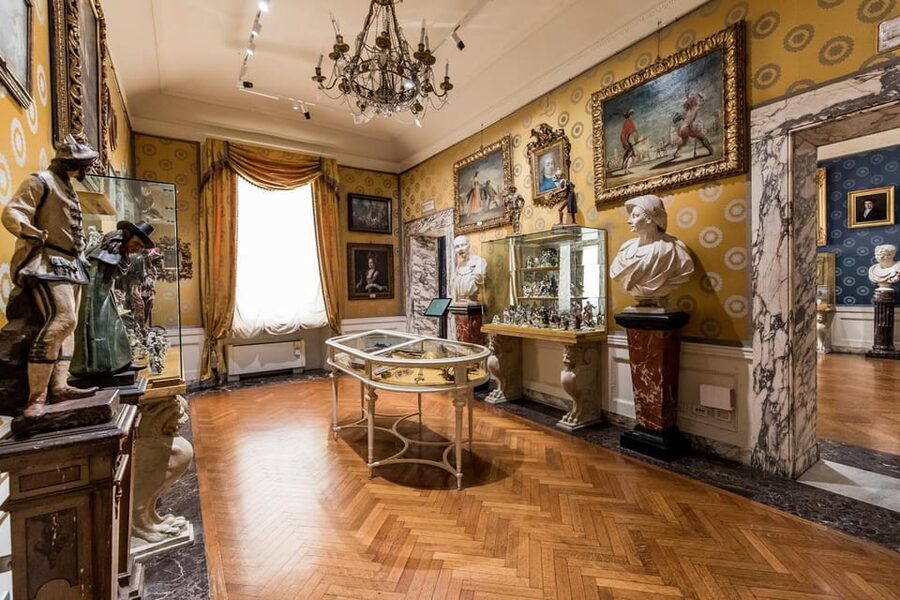
The included app audioguide is a smart move because it helps you pace the visit. You’re in a place where the labels alone might not tell you why something matters. With audio running, the museum feels like it’s guiding your attention to the story behind the objects.
Since the audioguide is downloadable at the museum and available in 7 languages, it’s convenient if you’re not sure what language support you’ll have once you arrive. It also helps when you’re traveling with someone who wants a different pace, because the audio lets you slow down for the costume details or speed up to the portraits.
In the theatre areas, pay attention to visibility conditions. If the lights are dim or sections are restricted, you’ll still learn from the museum context, but your view will be more about atmosphere than angles. Checking the light guidance beforehand improves the odds that you’ll see the theatre in its best form.
If you want the extra layer of insight, listen for staff guidance on what’s open that day. On at least some visits, people have gotten added value from explanations by named staff members, including Simona, who is specifically mentioned for her local context and history pointers. Even if you do not get her, the lesson is the same: ask what viewing options are best on your specific day and where you should stand to see more.
Nearby, and just as well reviewed:
- Milan: Cathedral and Duomo’s Terraces Entrance Ticket
★ 4.6 · 61,054 reviews - Milan: City Sightseeing Hop-On Hop-Off Bus with Audio Guide
★ 4.0 · 6,256 reviews - Milan: Milan Cathedral Direct Entrance – Terrace Excluded
★ 4.5 · 5,782 reviews - Milan: Guided Walking Tour & Last Supper Visit with Ticket
★ 4.7 · 5,409 reviews
What makes La Scala special for first-timers (even without tickets to a show)
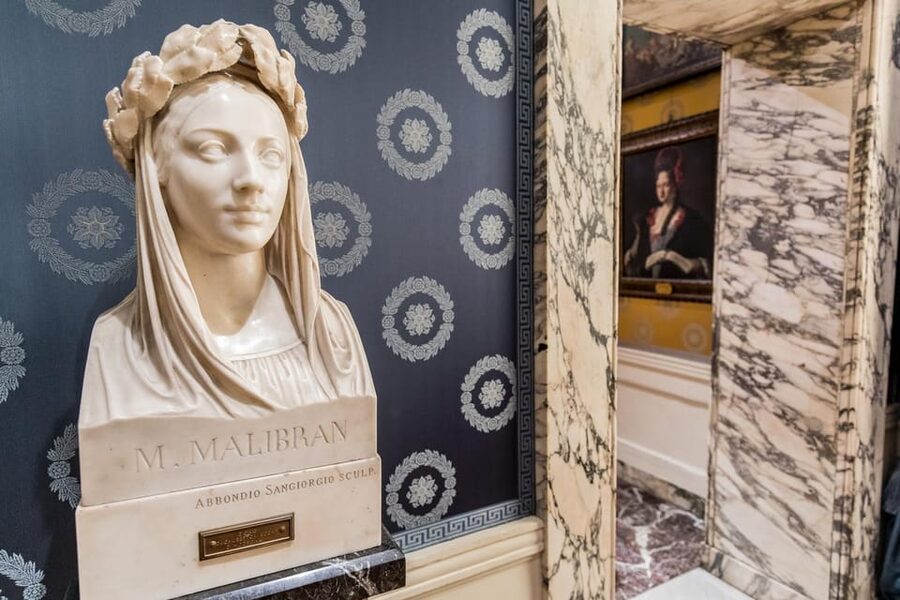
Lots of museums give you artifacts. La Scala gives you atmosphere with receipts.
The museum is tied to an opera house that has hosted some of the biggest names in classical music and performance, and it shows how those legends connect to the physical world of stage production. You’ll see how the theatre functions as a cultural machine: costumes, instruments, stage design, and the people behind each show.
It’s also a good stop if you’re visiting Milan when there are no opera performances. The museum experience and the multimedia elements help you imagine what it feels like to be there during an actual production. Several visitors highlight that even without attending a performance, they still walked away with a strong sense of the auditorium and what a show experience would be like.
The only thing you should adjust in your expectations is this: you are not guaranteed the same access as someone visiting on a different day with different show or rehearsal schedules. That’s not a flaw. It’s how real working theaters work.
Timing and duration: how long you should plan for
Your ticket is valid for 1 day, and you choose a time based on available starting slots. That matters because the theatre view component can depend on what’s happening during your visit window.
Give yourself enough time to do more than rush. In a theatre museum, you want to stop and look at costumes and set details, then return to the theatre viewing area without feeling frantic. If you’re the type who takes photos and reads labels, you’ll need more time than you think.
If you’re short on time in Milan, prioritize the theatre view and at least the main museum rooms. Then decide how much more you want to see based on how your day feels. The museum is meaningful even if you don’t do every single display.
Location in central Milan: pair it with Duomo and Vittorio Emanuele Gallery
One reason I like this ticket is how easy it fits into a classic Milan day. The museum is just steps from the Cathedral area and the Vittorio Emanuele Gallery, so you’re not crisscrossing the city just to see it.
A simple flow looks like this: do the Duomo and the Gallery area first, then come to La Scala while you’re still in a “historic center” mindset. By the time you reach the theatre museum, you’ll feel the shift from civic landmarks to cultural landmarks, which makes the afternoon more satisfying.
Also, because the theatre museum is centrally located, it’s a great rainy-day option. If the weather turns, you still get a very “Milan” experience without relying on outdoor sightseeing.
Practical tips that prevent disappointment
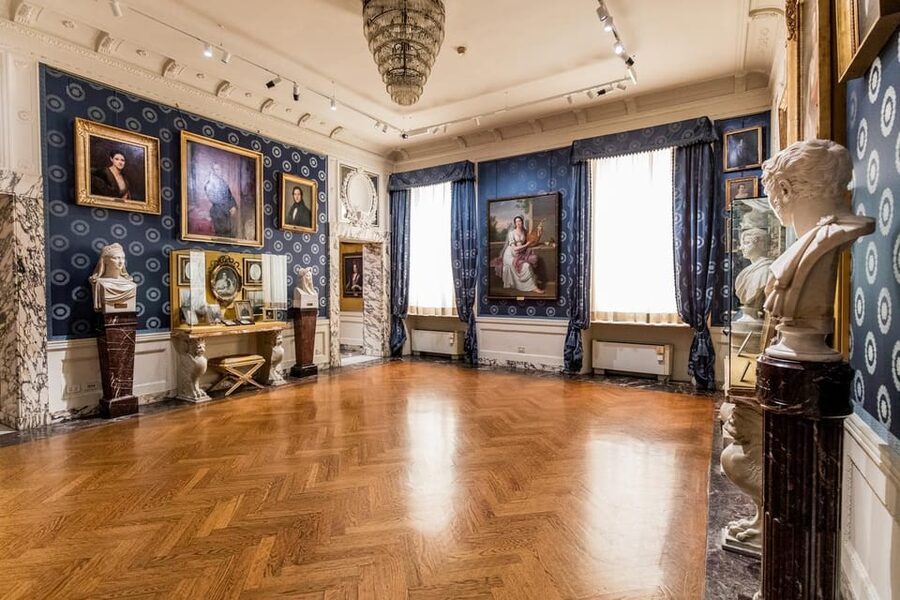
A few details can make your visit go smoother.
First: no luggage or large bags are allowed. Expect to check large items into the cloakroom. If you like traveling light, you’ll have an easier entry and a less stressful visit.
Second: use the audioguide. It’s included and downloadable at the museum, and it’s one of the few ways to keep everything coherent while you walk through different rooms.
Third: plan for crowds, but do not obsess over it. People often rate this experience highly for being well organized and easy to find, and the ticket is designed to help you skip the ticket line. That alone makes it less stressful when you’re juggling other stops.
Finally: accessibility is supported. The theatre and museum are accessible to wheelchairs and strollers, and the ticket experience is wheelchair accessible. If you’re traveling with mobility needs, this is a strong option for seeing a major Milan landmark without building a special route around stairs.
Price and value: is $17 per person worth it?
At about $17 per person, this ticket price can be a very fair deal, mainly because you’re paying for two things at once: museum exhibits plus theatre viewing access.
If you were only buying a standard museum ticket with portraits and display cases, you might question the value. But here, the theatre component changes the equation. A look into the opera house is the kind of experience that you cannot fully replicate later from a distance, and it gives the museum items emotional context.
You also get a multi-language audioguide in 7 languages, which is useful for making the visit feel “guided” without needing to book a separate guided tour. If you’re traveling with someone who prefers structured interpretation, audio support is a genuine benefit.
The only way the value feels weaker is on days when rehearsal conditions limit your theatre view. You can still enjoy the museum, but if your main goal is a perfect auditorium sightline, you’ll want to pick timing carefully and check the visibility guidance about theatre lights.
Who should buy this ticket?
I’d point this ticket toward you if:
- You want a La Scala connection even if you cannot get opera or ballet tickets
- You like museum exhibits that explain how art gets made
- You care about seeing costumes, instruments, and stage design, not just famous faces
- You want a central Milan activity near major landmarks
- You need an option that works with strollers or wheelchair mobility
I’d also consider it if you’re traveling solo and want something calm and self-paced that still feels special. If you’re with kids, it can be a good culture bridge, because the visuals and stories of production details help make opera less abstract.
Should you book La Scala Theatre Museum tickets?
Yes, if you want a classic Milan cultural stop with real atmosphere. The price is reasonable, the included app audioguide makes it easy to follow, and the combination of museum exhibits plus theatre viewing access is what turns this into more than a quick look.
Before you book, decide what you want most. If your top priority is a clear view of the auditorium, check the theatre visibility guidance about lights and choose a time slot that gives you the best odds. If your priority is costumes, instruments, and how La Scala productions work, this ticket will deliver even on a rehearsal day.
If you’re doing just one “big culture building” in central Milan, this is one of the best ways to spend the hours.
FAQ
How much is the La Scala Theatre Museum entrance ticket?
The price is listed as $17 per person.
How long is the ticket valid?
The ticket is valid for 1 day. You’ll need to check availability to see starting times.
What’s included with the ticket?
Your ticket includes entrance to the La Scala Theatre Museum exhibits and access to the museum exhibits, plus an app audioguide in 7 languages downloaded at the museum. It also includes skip-the-ticket-line access.
Can I bring luggage or a large backpack into the museum?
No. Luggage or large bags are not allowed. Large bags and backpacks must be checked into the cloakroom.
Is the museum accessible for wheelchairs and strollers?
Yes. The theatre and museum are accessible to wheelchairs and strollers, and the experience is wheelchair accessible.
Is free cancellation available?
Yes. Free cancellation is offered up to 24 hours in advance for a full refund.
Latest reviews around Milan
- Milan: The Milan Pass City Card★ 4.0 · 655 reviews
- Milan: Duomo & Rooftop Tour with Optional Hop-On Hop-Off Bus★ 4.5 · 262 reviews
- Milan: Leonardo’s Last Supper and Michelangelo’s Pietà Tour★ 4.6 · 559 reviews
- Milan: Sforza Castle and Michelangelo’s Pietà Rondanini Tour★ 4.7 · 1,119 reviews
- Milan: San Sepolcro Crypt Skip-the-Line Entry Ticket★ 4.2 · 512 reviews
- Milan: QC Termemilano Spa Admission Ticket★ 4.6 · 685 reviews
- Museum of Senses Milan admission ticket★ 3.9 · 188 reviews
- Milan: Villa Necchi Campiglio Entry Ticket★ 4.7 · 230 reviews
Milan Tours, compared.

Cathedral and Duomo’s Terraces Entrance Ticket
Read our review →
City Sightseeing Hop-On Hop-Off Bus with Audio Guide
Read our review →
Milan Cathedral Direct Entrance – Terrace Excluded
Read our review →
Guided Walking Tour & Last Supper Visit with Ticket
Read our review →
Fast-Track Milan Cathedral and Terraces Guided Tour
Read our review →
Serravalle Designer Outlet Roundtrip Bus Transfer
Read our review →
Milan’s Must See: Half-Day Tour of Last Supper, Duomo & La Scala
Read our review →Browse the lists this tour appears in