
Reviewed · HISTORICAL TOURS
Medici Dynasty History Museum Ticket
Brunelleschi’s Rotonda makes this Medici museum special. Here’s what grabs you: a full-on focus on the Medici Dynasty and the building itself, Rotonda Brunelleschi. I like that it mixes original-style sources like documents and historical relics with faithful reconstructions, and I also love the way holograms and multimedia installations turn the big family story into something you can actually follow.
One thing to plan for is possible day-of closures. I saw a report where the museum was closed on the chosen day and it was hard to get a refund, so if your trip is tight, confirm the opening hours for your date before you arrive.
In This Review
- Key highlights to know before you go
- A $14 ticket in a Renaissance building with a long, unfinished story
- Rotonda Brunelleschi: what makes the building part of the show
- The Medici story galleries: what you’ll actually see and why it works
- Holograms and multimedia: smart storytelling without making you do homework
- Getting the most from the Medici anecdotes and reconstructions
- The winter garden and botany: a softer Medici chapter
- Temporary art exhibitions: why they’re included and how to use them
- Timing, ticket validity, and skip-the-line value
- Languages, host support, and what that means for your visit
- One caution: the day-of closure risk
- Who this museum ticket is best for
- Should you book the Medici Dynasty History Museum ticket?
Key highlights to know before you go

- A museum inside Rotonda Brunelleschi, a Renaissance structure that was left unfinished for centuries
- Medici power, from Lorenzo the Magnificent to the Electress Palatine, told through collections and story-driven displays
- Holograms and multimedia installations paired with historical relics, original documents, and reconstructions
- A focus on Tuscany’s rulers and curiosities, with anecdotes that connect politics to daily life
- The winter garden and botany, a calmer side of the Medici legacy
A $14 ticket in a Renaissance building with a long, unfinished story
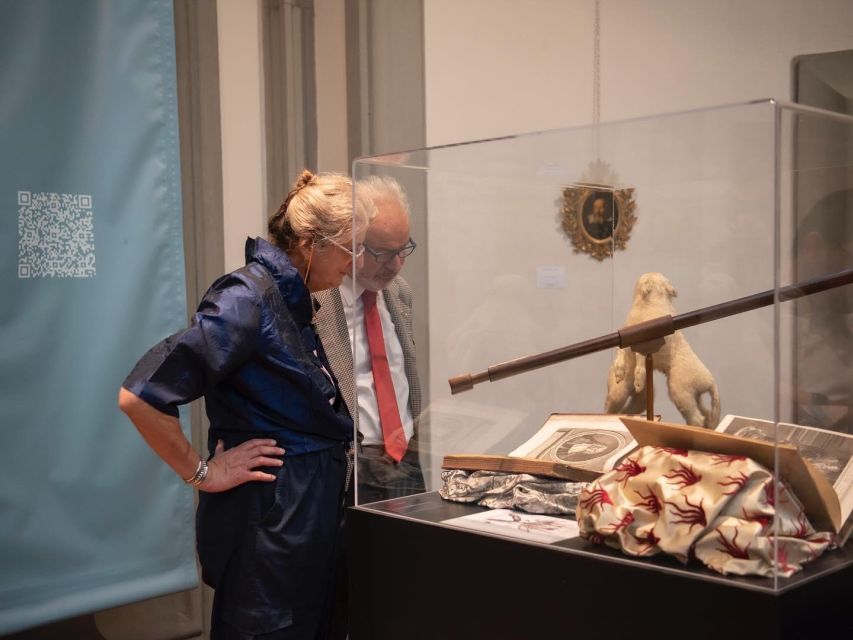
This is one of those Florence experiences where the ticket does double duty. Yes, you’re paying to enter the Museo de’ Medici, a museum devoted to the family behind so much of the city’s rise. But you’re also buying your way into a landmark space, Rotonda Brunelleschi, which has its own plot twist history.
At $14 per person, the price makes sense if you value atmosphere as much as artifacts. You get a dedicated Medici exhibition plus temporary art exhibitions, and the experience is designed around multiple ways of learning: historical items, original documents, reconstructions, and tech-driven visuals like holograms and multimedia. In other words, this isn’t just “read labels and move on.” It’s built to keep you engaged while you walk through the Medici story.
One practical point that affects value: the ticket is valid for two months, so you’re not forced into a single rigid day. That flexibility is helpful in Florence, where plans can change fast.
A few more Italy options to weigh
- Vatican: Museums & Sistine Chapel Entrance Ticket
★ 4.5 · 144,003 reviews - Vatican Museums & Sistine Chapel Tour with Optional Basilica
★ 4.3 · 67,413 reviews - Vatican Museums, Sistine Chapel & St Peter’s Basilica Guided Tour
★ 4.5 · 39,149 reviews
Rotonda Brunelleschi: what makes the building part of the show
Even if you never care about architecture, Rotonda Brunelleschi will pull you in. The Rotonda was designed and begun by the Renaissance architect Filippo Brunelleschi, and then it stayed incomplete from 1437 for about five hundred years. That long pause matters, because it turns the space into a living lesson in Renaissance ambition, interruption, and later repurposing.
The museum space is also tied to some major names you’ll want to recognize:
- It was modeled on the Roman Pantheum.
- It was part of the important humanistic library of the time, frequented by Cosimo the Elder, Lorenzo the Magnificent, and Pope Leo X.
- Later, Cosimo I, Grand Duke wanted it to become the first seat of the Academy of Arts and of Drawing.
- In the 19th century, sculptor Enrico Pazzi made the famous statue of Dante that stands today in Piazza Santa Croce.
- After about twenty years of closure, the Rotonda reopened to the public and now houses the Museo de’ Medici.
What this means for you on-site: you can look at the museum’s exhibits and feel the layers of Florence history underneath them. The Medici were not just patrons with money, they were tied into the city’s institutions, art education, and intellectual life. Walking through a building with this kind of resume makes the family story feel grounded, not abstract.
The Medici story galleries: what you’ll actually see and why it works
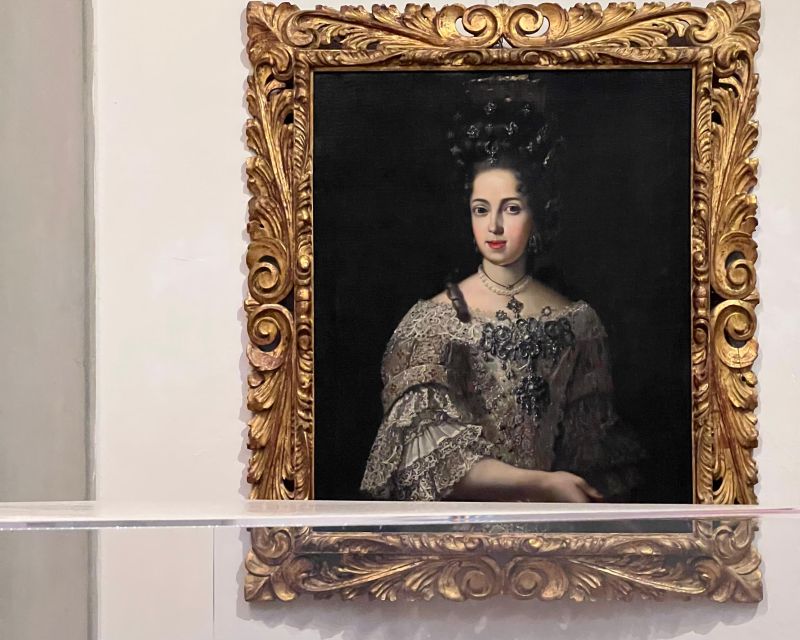
The Museo de’ Medici is built to preserve and pass down the memory of Casa Medici through a mix of display types: precious collections of artworks, historical relics, original documents, faithful reconstructions, and multimedia installations. That variety is the key reason this kind of museum can land well for different interests.
If you like political history, you’ll appreciate how it goes beyond generic “great family” branding. The focus goes from figures like Lorenzo the Magnificent to characters such as the Electress Palatine, showing how the Medici legacy evolved over time.
If you like art history or storytelling, the museum’s approach is designed to connect the dots. Instead of isolating objects, it leans on anecdotes and curiosities about Tuscany’s ancient monarchs. Those asides are useful because they help you remember the big names, but they also give you human scale. You’re not just collecting dates, you’re picking up the flavor of how power and culture moved.
A helpful mindset: treat your visit like two tracks running at once. One track is the family timeline. The other is the “how this was shown to the public” approach, meaning you’ll notice the balance between artifacts and modern presentation.
Holograms and multimedia: smart storytelling without making you do homework
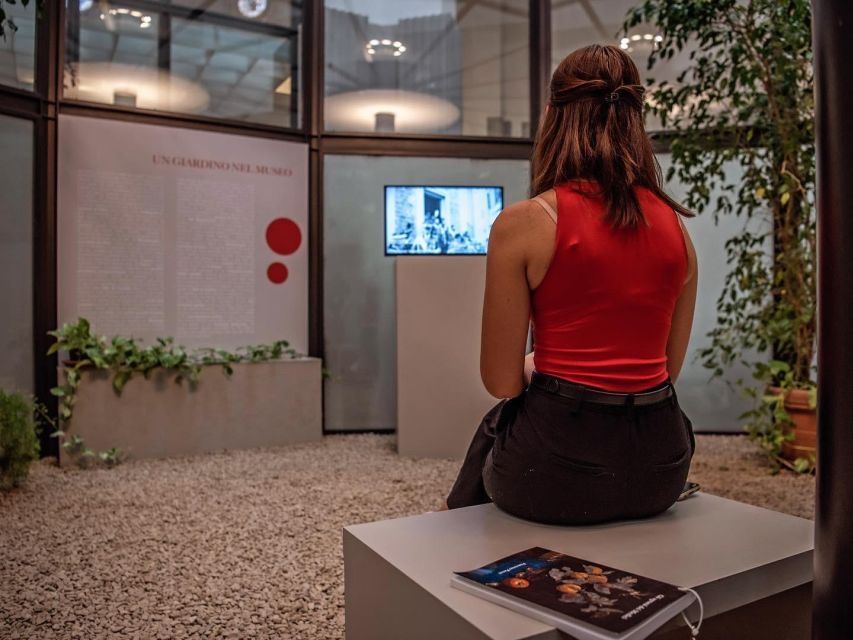
A lot of museums use tech as a gimmick. This one is still using holograms and multimedia installations, but the way it’s described suggests they’re tied to interpretation: helping you understand precious collections and historical context rather than just projecting lights.
Expect displays that pair the modern visuals with traditional materials such as original documents and historical relics. You should also see faithful reconstructions, which are a big win if you get tired of reading and prefer to form pictures in your head.
For you, the practical advantage is pacing. You can slow down when you want detail, then move faster when a multimedia segment gives you a quick orientation. That makes the visit easier to manage if you’re juggling other Florence stops.
Nearby, and just as well reviewed:
- Colosseum, Roman Forum & Palatine Guided Tour
★ 4.7 · 63,148 reviews - Milan: Cathedral and Duomo’s Terraces Entrance Ticket
★ 4.6 · 61,054 reviews - Venice: Doge’s Palace Reserved Entry Ticket
★ 4.6 · 42,716 reviews - Rome: Colosseum, Palatine Hill and Roman Forum Guided Tour
★ 4.8 · 32,814 reviews
Getting the most from the Medici anecdotes and reconstructions
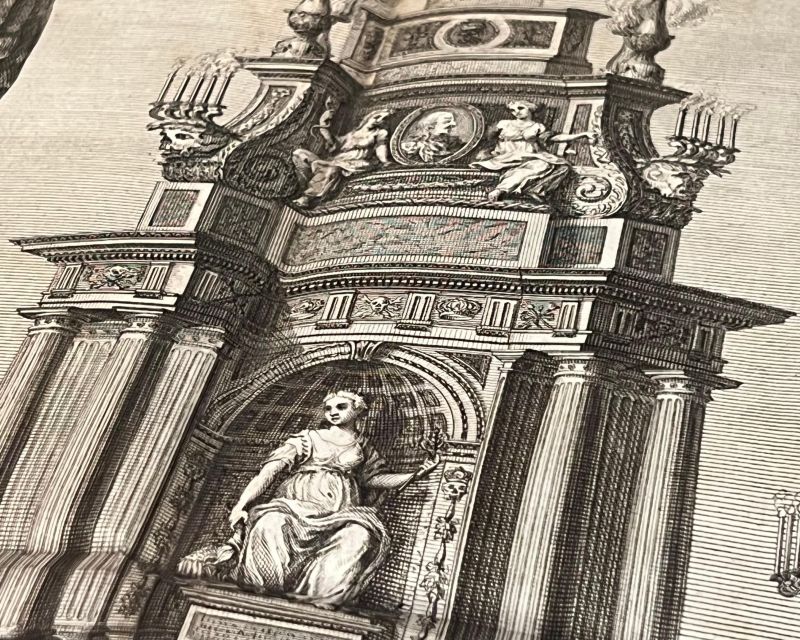
The museum doesn’t just list the Medici accomplishments. It highlights curiosities and small stories tied to Tuscany’s rulers. That’s valuable because family dynasties can blur together fast, especially if you’ve also been reading about other Italian powers.
Here’s how I’d use that feature to your advantage:
- Start by picking two or three major names you want to connect, then let the museum’s anecdotes fill in the gaps between them.
- When you see a reconstruction, use it as a time marker. Ask yourself what kind of scene this is meant to represent, then connect that to the family member or moment being explained.
This isn’t “quiet contemplation” museum time, it’s “follow the narrative” museum time. If you like museums where things move and explain themselves, you’ll feel comfortable here.
The winter garden and botany: a softer Medici chapter
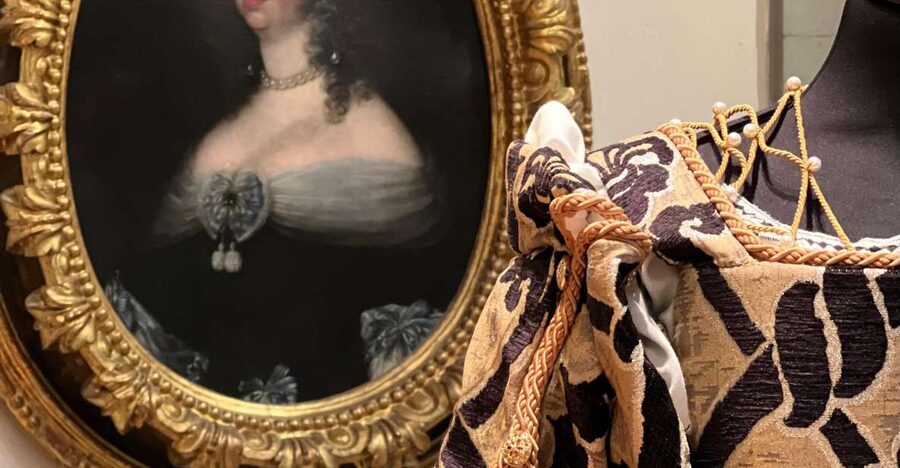
One of the most memorable parts of the experience is also the calmest in tone. In the museum’s winter garden, you can discover the Medici’s love for botany.
This matters for two reasons. First, it expands the family story beyond politics and art commissions into interests that feel more everyday. Second, it breaks up the heavier museum galleries with a change in mood and pace.
If you’re the kind of traveler who likes your museum breaks with a little air and greenery, plan to spend a bit of unhurried time in the winter garden area rather than treating it like a quick photo stop. Even if you don’t care about plants specifically, it’s a nice reset before you move through any remaining displays or temporary art exhibitions.
Temporary art exhibitions: why they’re included and how to use them
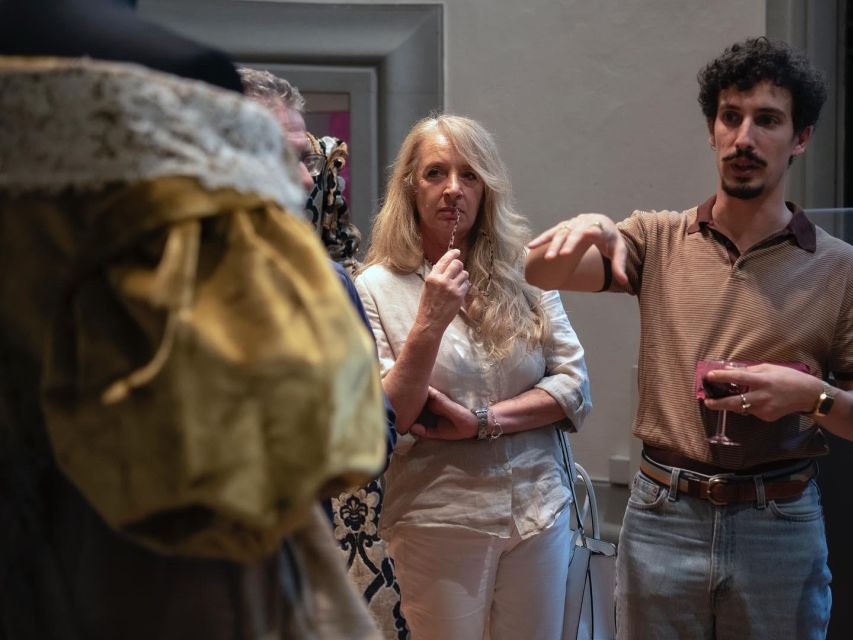
Your ticket includes temporary art exhibitions, which means you’ll see something that may not always be the same each time you visit. That inclusion is a smart value move because it adds variety to a museum that already has a tight theme: the Medici Dynasty.
How to approach it:
- Don’t skip the temporary section just because you came for the Medici.
- If you find one installation or exhibition that doesn’t match your tastes, move on. The main museum content is still clearly guided through the dynasty story.
Even though the permanent theme is focused, the temporary pieces can give you a more contemporary view of how the Medici legacy continues to influence art and exhibitions in Florence.
Timing, ticket validity, and skip-the-line value
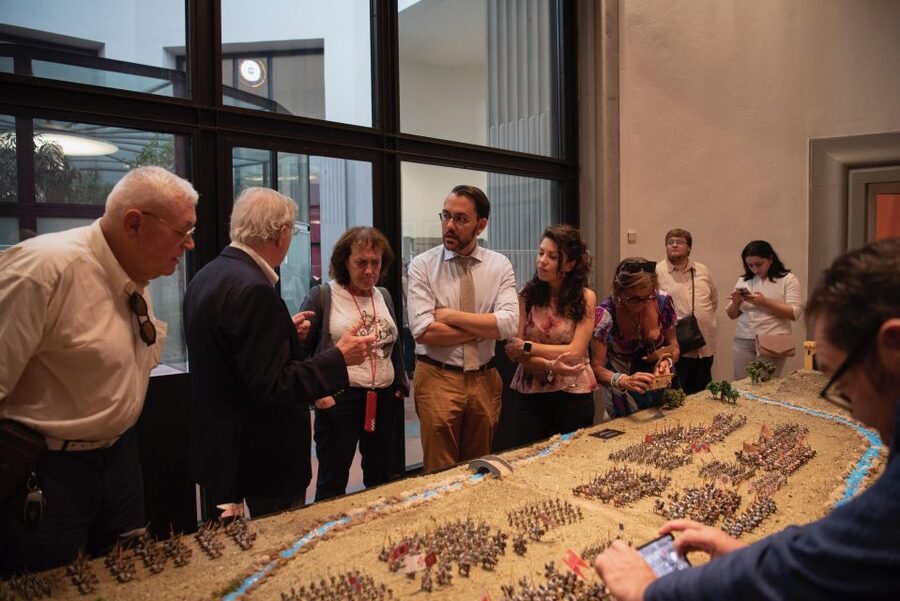
The ticket is valid for two months, so you can choose an appropriate entry time based on your schedule. It’s also designed to make your arrival smoother with skip-the ticket line.
Why that matters in real life: Florence is full of sights with timed entry and long queues. Saving time at the ticket counter gives you more control over the rest of your day, especially if you’re pairing the museum with other nearby stops in the city.
If you want a straightforward game plan, aim to visit when you can give yourself enough time to actually walk through the tech-assisted sections and the winter garden, not just race to the end.
Languages, host support, and what that means for your visit
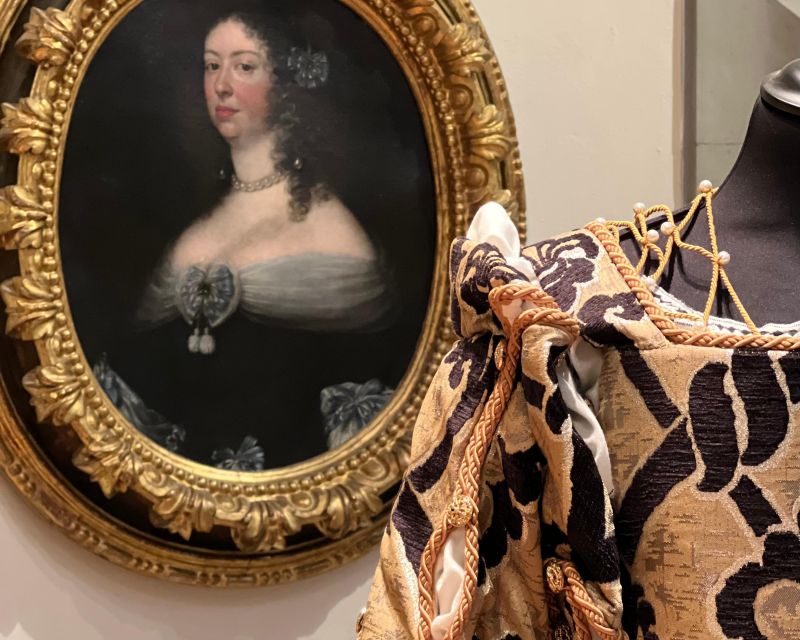
The museum experience lists English and Italian. There’s also a host or greeter available in English and Italian, which is useful if you need help orienting yourself in the space or want quick clarification.
For non-Italian speakers, this kind of support lowers friction. You can spend more energy reading the exhibits and less energy worrying about what to do next.
One caution: the day-of closure risk
The only clearly negative data point provided is about a reported day-of closure and difficulty reaching support for a refund when that happened. I can’t predict whether that will affect your visit, but I can tell you the practical takeaway.
Before you go, check opening hours for your specific date in your travel planning routine. If the museum is part of a tight itinerary, don’t rely on a generic schedule. Confirm close-by, same-day details so you’re not stuck without options.
Who this museum ticket is best for
This is a strong match if you:
- Want a Medici-focused museum that goes beyond “big names” and uses documents, relics, reconstructions, and multimedia.
- Like history presented in a story format, with anecdotes and curiosities that help names stick.
- Enjoy architecture as part of the attraction, since Rotonda Brunelleschi is a major draw on its own.
It may feel less perfect if you:
- Prefer only traditional, text-heavy museum experiences and dislike modern multimedia elements.
- Need a very quiet, minimal-stimulation visit. The museum includes holograms and tech features, so you should expect some active presentation.
Overall, it’s best for travelers who enjoy mixing art, history, and interpretation, all inside a landmark Renaissance space.
Should you book the Medici Dynasty History Museum ticket?
I’d book it if you want a value-priced museum ticket that combines the Medici story with a genuinely significant building, Rotonda Brunelleschi. At $14, you’re getting more than one kind of learning experience, plus temporary exhibitions and a winter garden stop.
I’d think twice and verify hours first if your dates are inflexible. With the possibility of day-of closures reported, you should confirm before you commit your day.
If you’re building a Florence itinerary around Renaissance culture, Medici power, and museum storytelling that uses both artifacts and modern interpretation, this is a solid choice.
Latest reviews around Italy
- Total Immersion Wine Tour in Chianti★ 4.9 · 430 reviews
- Tivoli: Villa Gregoriana Entrance Ticket★ 4.7 · 150 reviews
- From Rome: Villa D’Este & Villa Adriana Day Trip with Lunch★ 4.4 · 289 reviews
- From Rome: Hadrian’s Villa & Villa d’Este Day Trip & Lunch★ 4.5 · 157 reviews
- Rome: Painting Class with Unlimited Wine★ 4.8 · 109 reviews
- Tivoli: Villa D’Este Entry Ticket and App Audio Guide★ 4.3 · 191 reviews
- Ravenna: UNESCO Mosaics Entry Tickets★ 4.7 · 255 reviews
- Timed Entrance to Leaning Tower Pisa & Cathedral with Audio★ 4.1 · 385 reviews
Historical Tours, compared.
St. Mark Basilica Ticket, Audioguide+History Gallery
Read our review →
Venice’s Best: Basilica, Doge’s Palace, Gondola & History Gallery
Read our review →
Historic Milan Tour with Skip-the-Line Last Supper Ticket
Read our review →
Ancient History and Colosseum Underground Tour
Read our review →
Forbidden History Walking Tour & Pub Crawl with Drinks
Read our review →Browse the lists this tour appears in