Reviewed · TICKETS
Genoa: Biosfera Entrance Ticket
A tiny rainforest sits inside Genoa.
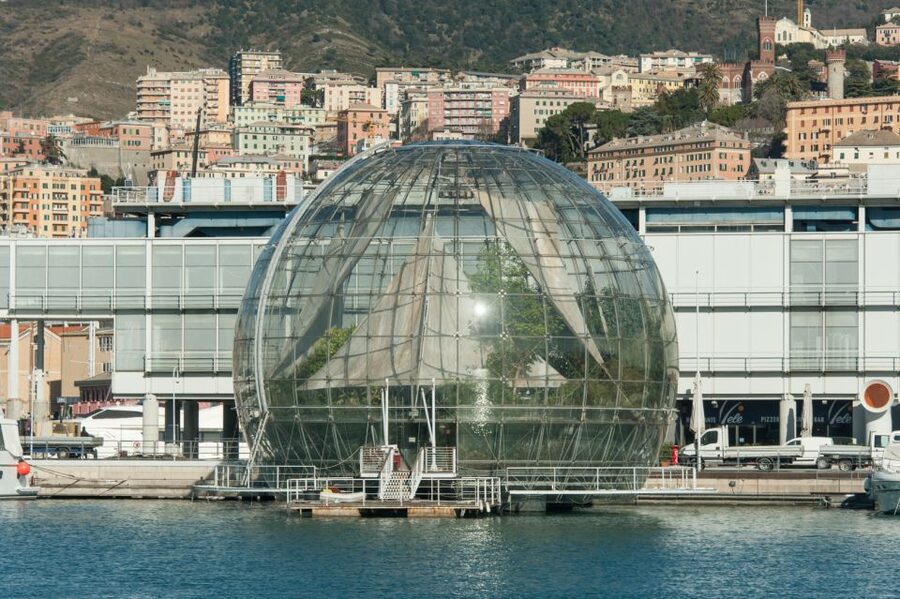
This visit is interesting because the steel-and-glass structure by Renzo Piano turns the Old Port area into a place where you can get close to 150+ wildlife species without leaving the city.
I like that you are not just looking at plants behind glass. You’re walking through a recreated tropical setting where the point is to understand how these ecosystems work and why conservation matters. The one drawback to plan around is that the Biosfera is small and very humid, so the experience can feel brief if you expect a long outdoor hike.
In This Review
- Key Things to Know Before You Go
- The Genoa Biosfera Formula: City to Tropical Forest Fast
- Renzo Piano’s Steel-and-Glass Shell Is Part of the Attraction
- What You See Inside: Tropical Forests and Fragile Ecosystems
- The Plant Highlights You Should Look for
- How Long You’ll Likely Spend: A Small, Humid Circuit
- Pricing and Value: Why $7 Can Feel Just Right
- Accessibility and Rules You Should Plan Around
- Who This Works Best For
- Should You Book the Genoa Biosfera Entrance Ticket?
- FAQ
- How much does the Genoa Biosfera entrance ticket cost?
- How long is the experience?
- Where is the Biosfera located?
- What will I see inside?
- How many species are there?
- Are specific tropical plants included in what I can see?
- What is included with my ticket?
- Do I skip the ticket line?
- Is the site wheelchair accessible?
- Are pets allowed?
- Is the ticket only valid for the date I choose?
Key Things to Know Before You Go

- Renzo Piano architecture at the Old Port: the setting is part of the show, not an afterthought.
- 150+ species in a compact circuit: you can see a lot quickly, but it is not a full-day rainforest excursion.
- Conservation lessons built into the experience: the focus is on fragile ecosystems and human impact.
- Rare tropical plants to spot up close: tree ferns, coffee, banana, cinnamon, and more.
- Bring your comfort strategy for humidity: expect damp air inside the Biosfera.
The Genoa Biosfera Formula: City to Tropical Forest Fast
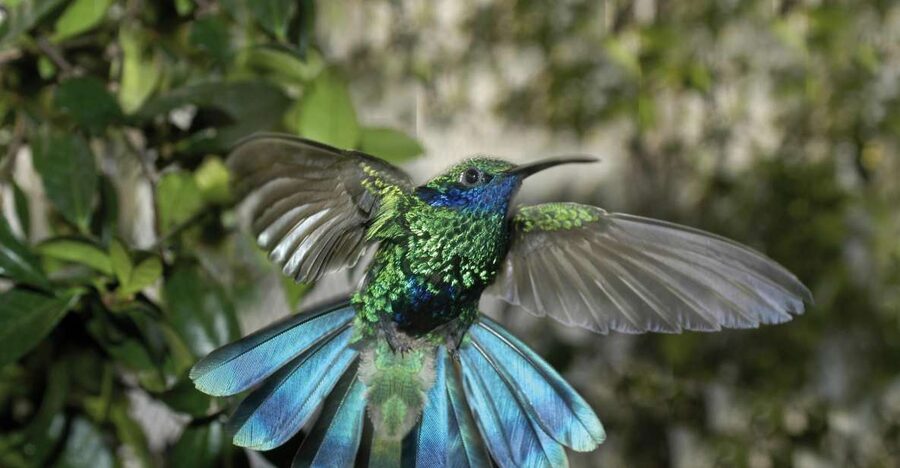
If your Genoa day feels like it should include more than pavement and harbor views, the Biosfera is an easy add-on. It is one of those places where you trade city noise for a carefully recreated tropical environment, then let your senses do the work: warm air, lush plant shapes, and quick chances to spot animals and birds.
The value here is simple. You are paying for an entrance ticket to access a compact indoor ecosystem that covers a lot of ground in a short time. That makes it a good option when your day is limited, or when the weather in Liguria is not cooperating.
At the same time, you should set expectations realistically. The humid, indoor format and the small layout are not a flaw, but they do shape the experience. Think short nature break, not all-day wilderness.
A few more Italy options to weigh
- Vatican: Museums & Sistine Chapel Entrance Ticket
★ 4.5 · 144,003 reviews - Milan: Cathedral and Duomo’s Terraces Entrance Ticket
★ 4.6 · 61,054 reviews - Venice: Doge’s Palace Reserved Entry Ticket
★ 4.6 · 42,716 reviews
Renzo Piano’s Steel-and-Glass Shell Is Part of the Attraction
Start with the setting. The Biosfera sits at the Old Port of Genoa, and the structure is designed by architect Renzo Piano as a steel and glass enclosure. Even before you step inside, it helps you shift gears from sightseeing to “why is this here?”
That architecture matters because it makes the transition feel dramatic. You go from the harbor area’s open air to a controlled greenhouse-like world. The result is a strong sense of place, and it is one of the reasons this experience feels different from a standard museum-style stop.
If you like design as much as animals and plants, you’ll likely enjoy arriving with a little time to look at the building from outside first. It sets the tone and helps the visit feel more intentional.
What You See Inside: Tropical Forests and Fragile Ecosystems
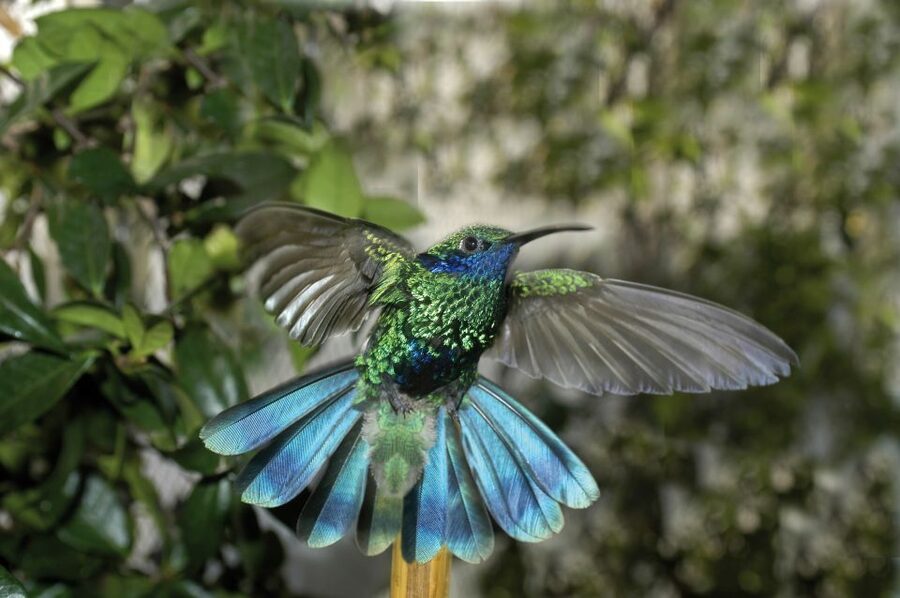
Inside the Biosfera, the idea is to show you how tropical forest environments operate and how delicate they are. You are guided through the fauna and flora of tropical habitats, with a focus on ecosystems that are threatened by exploitation.
The most useful way to think about this is not as a zoo visit. It is more like a living educational exhibit. You are encouraged to notice how plant and animal life connect, then to understand that their survival depends on choices humans make.
You can expect to observe more than 150 species closely. That closeness is key. Even in a small space, it can be easier to appreciate tiny details when you are not far away behind a barrier. If you are the type who likes spotting birds and noticing plant textures, this is a good fit.
That said, keep in mind the humidity. It is part of the realism of the tropical setting, but it also means the air can feel heavy. Dress accordingly, and do not plan to stay if you are not comfortable in warm, damp environments.
The Plant Highlights You Should Look for
One of the most praised parts of the experience is the plant life. You get the chance to see several rare specimens of tropical plants, which is where a lot of the “worth it” feeling comes from.
Here are the standout plants mentioned for viewing:
- Tree ferns (including the tallest type in the world)
- Chewing gum tree
- Coffee plant
- Banana tree
- Cinnamon
I like this mix because it is both recognizable and surprising. Coffee and banana are familiar, but the chewing gum tree and cinnamon bring in flavors of the tropics that most people never get to see in real plants outside a greenhouse.
If you go with a quick mental checklist, you’ll get more from your visit. Pause when you spot these names, take a moment to look at leaves and growth form, then move on. The space is compact, so your attention matters more than your route planning.
Nearby, and just as well reviewed:
- Vatican Museums & Sistine Chapel Tour with Optional Basilica
★ 4.3 · 67,413 reviews - Colosseum, Roman Forum & Palatine Guided Tour
★ 4.7 · 63,148 reviews - Vatican Museums, Sistine Chapel & St Peter’s Basilica Guided Tour
★ 4.5 · 39,149 reviews - Rome: Colosseum, Palatine Hill and Roman Forum Guided Tour
★ 4.8 · 32,814 reviews
How Long You’ll Likely Spend: A Small, Humid Circuit
The Biosfera is compact. That is the headline you should plan around. People often describe the inside as not taking long to walk through, and the humidity can make you want shorter stops rather than marathon wandering.
A practical approach is to treat it like a short nature walk that happens indoors. Aim for a calm, slow circuit, then decide if you want a second round. If you are expecting an extended day inside a rainforest, you may feel a bit rushed.
My advice: build a little buffer into your schedule, then keep your expectations flexible. If you enjoy plants and you’re good at finding details fast, you can make the time feel satisfying. If you want a long outdoor experience, you may end up wanting more.
Pricing and Value: Why $7 Can Feel Just Right
At about $7 per person, the Biosfera’s value comes from what you get per dollar: entrance access to a recreated tropical environment, a dense mix of species, and conservation-focused interpretation.
This is not priced like a half-day guided excursion. It is priced like an affordable ticket into an experience that you can complete quickly. That can be a win for you if your goal is a “taste of tropics” without needing a full day, long transport, or complicated planning.
If you’re the kind of traveler who needs a big, time-consuming attraction to feel satisfied, then the compact size can change how you judge value. But if you want something different from streets and viewpoints, low cost plus rare plants plus close-up species adds up.
Also, the fact that you can skip the ticket line helps with the value equation. Less waiting, more looking, and you can stay focused on the plants and animals rather than the clock.
Accessibility and Rules You Should Plan Around
This experience is wheelchair accessible, which is a big practical plus if mobility is a factor for you. The environment is indoor and controlled, so that can make timing easier to manage than an outdoor walk in unpredictable weather.
One rule to know: pets are not allowed. If you’re traveling with an animal companion, you will need to arrange another plan.
For comfort, since the Biosfera is humid, you’ll do better with lightweight clothing and footwear that handles damp air. It’s not a trick, it’s just part of the tropical setting.
Who This Works Best For
This is a strong match if you:
- Love plants and want to see tropical species you would not easily encounter elsewhere
- Enjoy architecture as part of the travel story, especially when it connects to nature
- Prefer a short break from city sightseeing
- Care about conservation themes and want them explained through a real living environment
It is also a decent option for families, as long as you keep the visit short and make it about curiosity and quick discoveries. The space is easy to understand because it is not trying to be a huge outdoors trail.
If you crave a long rainforest trek, or you want an experience measured in hours and miles, you may find the small circuit limits how much you can feel you “got your money’s worth.” In that case, pair it with other Genoa stops so the day still feels complete.
Should You Book the Genoa Biosfera Entrance Ticket?

I think you should book it if you want a low-cost, quick escape into a recreated tropical ecosystem, and you care about close-up plants and conservation themes. The combination of Renzo Piano architecture, tropical species, and rare plant highlights is exactly the kind of “different from the street” experience that works well in a city day.
Skip it only if you’re expecting a big, long nature walk or you know you strongly dislike warm, humid indoor spaces. In that case, you might spend your time feeling uncomfortable or waiting for something to happen that does not fit the Biosfera format.
If you book with the right expectations, this is one of those Genoa experiences that feels compact, but memorable for the plants, the animals, and the unusual setting that makes the whole thing worth pausing for.
FAQ
How much does the Genoa Biosfera entrance ticket cost?
The ticket price is listed as $7 per person.
How long is the experience?
The ticket is valid for 1 day.
Where is the Biosfera located?
It is in Genoa, in Liguria, Italy, at the Old Port of Genoa.
What will I see inside?
You can observe tropical forests, watch for animal and plant species, and learn about conservation efforts related to fragile ecosystems.
How many species are there?
The Biosfera is described as home to over 150 unique wildlife varieties.
Are specific tropical plants included in what I can see?
Yes. You may see tree ferns, the chewing gum tree, the coffee plant, the banana tree, and cinnamon.
What is included with my ticket?
Your entrance ticket is included.
Do I skip the ticket line?
Yes, skip-the-ticket-line access is included.
Is the site wheelchair accessible?
Yes, it is wheelchair accessible.
Are pets allowed?
No, pets are not allowed.
Is the ticket only valid for the date I choose?
Yes. Your ticket is valid only on the selected date.
Latest reviews around Italy
- Total Immersion Wine Tour in Chianti★ 4.9 · 430 reviews
- From Rome: Villa D’Este & Villa Adriana Day Trip with Lunch★ 4.4 · 289 reviews
- Tivoli: Villa Gregoriana Entrance Ticket★ 4.7 · 150 reviews
- From Rome: Hadrian’s Villa & Villa d’Este Day Trip & Lunch★ 4.5 · 157 reviews
- Rome: Painting Class with Unlimited Wine★ 4.8 · 109 reviews
- Tivoli: Villa D’Este Entry Ticket and App Audio Guide★ 4.3 · 191 reviews
- Ravenna: UNESCO Mosaics Entry Tickets★ 4.7 · 255 reviews
- Timed Entrance to Leaning Tower Pisa & Cathedral with Audio★ 4.1 · 385 reviews
Tickets, compared.

Vatican: Museums & Sistine Chapel Entrance Ticket
Read our review →
Cathedral and Duomo’s Terraces Entrance Ticket
Read our review →

Skip-The-Line Uffizi Gallery Timed Entry Ticket
Read our review →
Naples Underground Entry Ticket and Guided Tour
Read our review →
Pantheon Fast-Track Ticket and Official Audio Guide
Read our review →
Pompeii: Entry Ticket and Guided Tour with an Archaeologist
Read our review →