
Reviewed · HISTORICAL TOURS
Alberobello: History Walking Tour
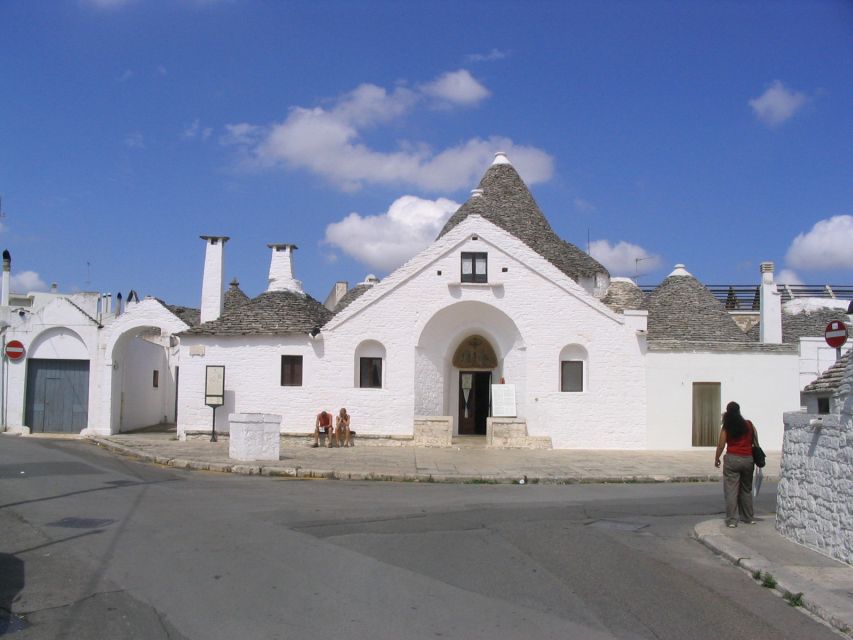
Trulli in Alberobello feel oddly magical. This guided walk connects the Belvedere terrace viewpoint with Rione Monti and Aia Piccola, ending at the trullo-shaped Church of San Antonio.
I especially love stepping inside a traditional trullo, and then seeing how the structure is put together during a home visit. I also like that the tour guides you through Rione Monti and Aia Piccola, so you get more than a photo stop.
One consideration, since it’s a walking tour, is that you’ll need to manage getting there on your own, because transfers aren’t included, and meeting points can vary by option.
In This Review
- Key highlights you will care about
- Why Alberobello trulli still stop people mid-walk
- The walk that makes Rione Monti and Aia Piccola click
- Starting with the Belvedere terrace viewpoint
- Stepping inside a traditional trullo, what you’ll notice
- The trullo-shaped Church of San Antonio stop
- A local home visit, seeing how a trullo is composed
- Guides make the difference, from Francesco to Sylvia
- Price and value for a $40 history walk
- Practical logistics so you do not lose time
- Who this tour fits best
- Should you book the Alberobello history walking tour?
- FAQ
- How long is the Alberobello history walking tour?
- What is included in the price?
- Is this tour available in English and other languages?
- Does the tour include transfers?
- Is the tour free for children?
- Is there a minimum number of participants?
Key highlights you will care about
- Belvedere terrace start: You begin with a view that helps you understand where everything sits in UNESCO-listed Alberobello.
- Two districts, not one: You cover both Rione Monti and Aia Piccola, walking the streets where trulli cluster closely.
- Inside a trullo: You get rare access to step into a traditional home, not just admire the outside.
- Church of San Antonio: You reach the trullo-shaped church as part of the walking route.
- Home visit finale: The tour wraps with a local home visit where you can see how a trullo is composed.
Why Alberobello trulli still stop people mid-walk
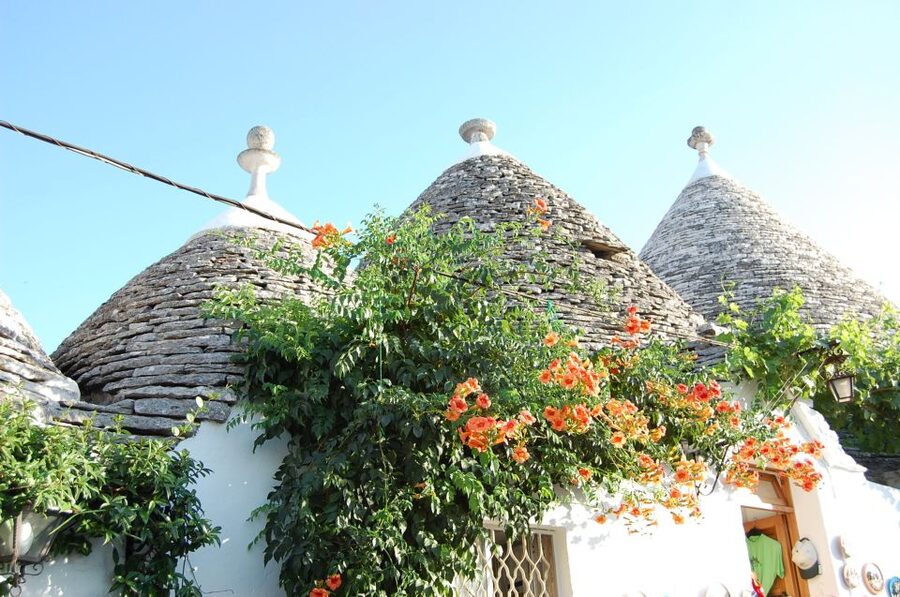
Alberobello is the kind of place where your brain says, Wait, that is a house, but your eyes say, No way. The conical trulli roofs create a whole visual language in the streets, especially once your guide points out what to look for.
The tour starts with a viewpoint at the Belvedere terrace, which is more than a nice photo moment. From up there, you get your bearings fast: you can see how the buildings spread through the town, and it becomes easier to follow the walking route that comes next.
This is also where the tour frames the site as UNESCO World Heritage. That context matters because trulli are not just cute architecture. They are a practical housing style that grew in this area, shaped by local materials and building know-how, and that theme comes up again and again as you move neighborhood by neighborhood.
A few more Alberobello options to weigh
- Alberobello: Walking Tour among Trulli Houses with a Local
★ 4.8 · 139 reviews - Milan: Guided Walking Tour & Last Supper Visit with Ticket
★ 4.7 · 5,409 reviews - Naples: Street Food Walking Tour with Local Guide
★ 4.8 · 4,256 reviews
The walk that makes Rione Monti and Aia Piccola click
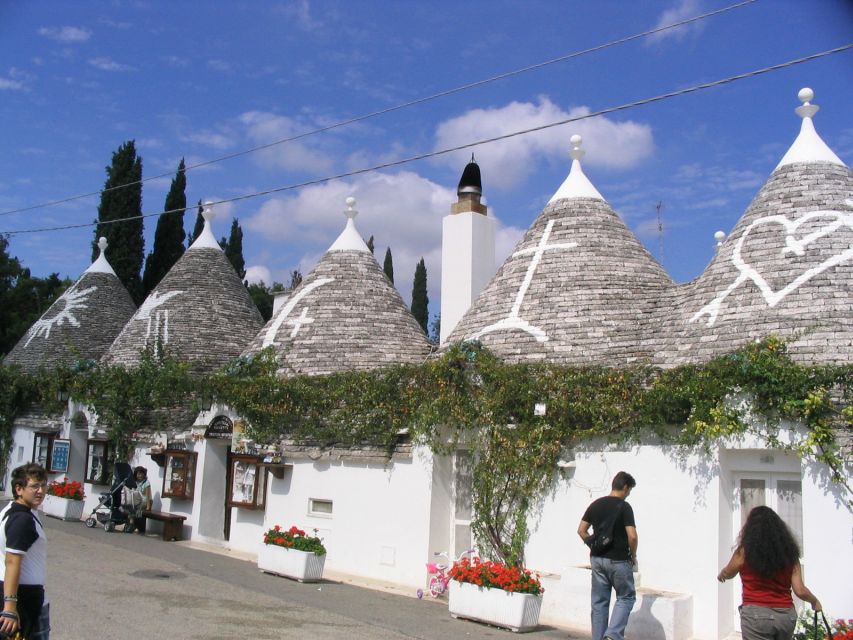
The real win here is that you do not just skim the biggest sights. You walk through two districts, and they feel different as you go.
In Rione Monti, you get the sense of trulli living close together, with narrow streets that make you slow down. Your guide keeps the story connected to what you are seeing, from the way the houses are grouped to how the architecture fits the setting.
Then you head toward Aia Piccola, where the vibe shifts. The houses still share the same iconic form, but your route gives you a stronger sense of everyday town life, not just a curated strip. Wandering between the trulli and the little alleys is where it stops feeling like a checklist and starts feeling like a walk with a local.
One thing I like about this setup is that your eyes get a workout. After enough turns, you start noticing patterns on roofs and facades, and you understand why the design became so recognizable. It is not just looking, it is learning how to see.
Starting with the Belvedere terrace viewpoint
That first view from the terrace is a smart move. It gives you a mental map before you start weaving through the streets, and it helps you connect the architecture to the town’s layout.
Because you start with context, you spend less time thinking, Where am I, and more time asking good questions. That is especially helpful if you have limited time in Alberobello. In about 1.5 to 2 hours, you want the town to make sense, and the terrace start helps.
It also sets the tone of the tour: guided, historical, and built around the UNESCO setting rather than random stops. You are not just walking from one trullo to another, you are building a story as you go.
Stepping inside a traditional trullo, what you’ll notice
At some point you will step inside a traditional trullo. That simple change makes a big difference. From outside, trulli can look like art objects. Inside, you see them as homes, designed around how people live in a small footprint.
Your guide explains what you are seeing, and you are encouraged to look closely. In particular, you learn how the architecture was developed with local methods. One guide shared why people started building trulli using rocks without cement, which gives you a useful technical reason behind the look.
A second benefit of going inside is that it breaks the usual tourist rhythm. Instead of snapping pictures and moving on, you get time in the space while the guide explains the logic of the structure. It is a hands-on way to understand why these houses are shaped the way they are.
If you like architecture, this is the moment you will remember most.
Nearby, and just as well reviewed:
- Alberobello: 2-Hour Guided Trulli Tour
★ 4.6 · 727 reviews - Alberobello: Private Tuk Tuk Tour with Audio Guide
★ 4.8 · 172 reviews
The trullo-shaped Church of San Antonio stop
The walk eventually brings you to the Church of San Antonio, which is shaped like a trullo. That detail matters because it shows how the style goes beyond private homes.
The route through the trulli streets builds up to this stop. By the time you reach the church, you already understand the visual language of the town, so the church feels like a logical extension rather than an odd detour.
This is also where the tour’s pacing works. It is not a single long stretch of walking with no payoff. You get a meaningful landmark mid-route, and then you can keep enjoying smaller scenes afterward as you head toward the final home visit.
A local home visit, seeing how a trullo is composed
The tour’s finale is a visit to a local’s home. This is where the experience becomes more personal and practical, because you are seeing a trullo as a living structure.
You do not just get to look at exterior details here. The guide gives you a chance to see how a trullo is composed, so you come away with a clearer mental picture of the whole thing, not just the famous roof.
This type of stop is often the difference between a standard sightseeing walk and something that feels worth the time. You get questions answered in context, and you get the sense that this architecture is tied to daily routines, not just tourism.
In some recent tours, guides have also added small touches like tasting local products at the end. That part is not guaranteed as a listed inclusion, but it is worth asking your guide what is planned that day.
Guides make the difference, from Francesco to Sylvia
A walking tour lives or dies by the guide. The guides leading these tours have been praised for strong storytelling and clear explanations, and names show up again and again.
Francesco, for example, gets highlighted for excellent English and a highly personal feel, with guides explaining details while letting you enter historic houses. Dominicio is described as a great storyteller who makes the history fun to follow, not heavy. Floriana is remembered for a warm personality and strong historical knowledge paired with humor.
You can also look out for Sylvia and Mario, both of whom are noted for making the walk enjoyable, with Mario adding a lighter, funny tone. Alessandro and Roberta are praised for detailed explanations of the architecture, including the practical reasons behind trulli building methods.
Even if you do not get your favorite guide, the pattern matters: this tour is designed around a live guide, and it shows.
Price and value for a $40 history walk
The price is $40 per person for about 1.5 to 2 hours, depending on the start time. Transfers are not included, but your fee does cover the walking tour and a licensed guide.
For me, value here is not about the hourly rate. It is about what you actually do during those hours. You get:
- a terrace start with context,
- two trulli districts (Rione Monti and Aia Piccola),
- stepping inside a traditional trullo,
- reaching the trullo-shaped Church of San Antonio,
- and finishing with a local home visit.
That combination is hard to replace with self-guided wandering, because the whole point is to get explanations while you are inside and in the neighborhoods themselves.
Also, kids under 18 are free, and that can make the tour a very good deal for families who want more than a surface-level walk. Private group options are available too, which helps if you want a quieter pace or a more tailored Q and A.
Practical logistics so you do not lose time
Start times vary, so check what is available for the date you are going. The duration runs about 1.5 to 2 hours, so it fits well between other Alberobello activities without swallowing your whole day.
Your meeting point can vary depending on the option booked, and the tour ends back at the meeting point. That is good news because you do not have to worry about getting stranded somewhere new.
Because transfers are not included, plan your arrival on your own. This is a walking-focused experience, so aim to show up ready to go, with comfortable footwear.
Language options include English, French, Spanish, and Italian. If your group includes mixed languages, the live guide format usually makes it easier for everyone to follow than reading signs alone.
And one small but important operational note: a minimum of 2 participants is required for the tour to run. If you are traveling on a weekday or in a quieter season, it is smart to confirm your booking close to the start time.
Who this tour fits best
This is ideal if you like real context, not just photo stops. If you care about how people built and lived in Alberobello, the interior access to a trullo and the home visit are the two big reasons to pick this tour.
It also suits you if you want to cover both districts without spending time figuring out a route. Walking Rione Monti and Aia Piccola under guidance saves you mental energy and helps you notice details you would likely miss on your own.
If you are short on time, this is a compact way to see the core trulli areas and hit a major landmark, the Church of San Antonio, all in one go.
Should you book the Alberobello history walking tour?
If you want a guided walk through Alberobello’s trulli districts with real access, I think you will enjoy booking this. The standout value is the mix of outside viewpoints and inside moments: starting from the Belvedere terrace, stepping into a traditional trullo, reaching the trullo-shaped church, and ending with a local home visit.
Skip it only if you strongly prefer to explore on your own with zero structured stops, or if you know you will not enjoy walking through narrow town streets. Otherwise, $40 for a licensed guide who helps you see the place with better eyes is a solid deal.
If you do book, do one simple thing: arrive ready to ask questions. When a guide is telling you why the trulli look the way they do and how a home is put together, you get the most out of every minute.
FAQ
How long is the Alberobello history walking tour?
The tour lasts about 1.5 to 2 hours. Start times vary, so you should check availability for the option you want.
What is included in the price?
The price includes a walking tour and a licensed guide.
Is this tour available in English and other languages?
Yes. The live tour guide is available in English, French, Spanish, and Italian.
Does the tour include transfers?
No. Transfers are not included.
Is the tour free for children?
Yes. This tour is free for children under 18.
Is there a minimum number of participants?
Yes. A minimum of 2 participants is required for the tour to run.
Latest reviews around Alberobello
- Alberobello: Walking Tour among Trulli Houses with a Local★ 4.8 · 139 reviews
- Alberobello: Tour guidato della città dei Trulli★ 4.7 · 111 reviews
- Alberobello: Private Tuk Tuk Tour with Audio Guide★ 4.8 · 172 reviews
- Alberobello & Matera: Guided Tour with Tasting, from Bari★ 4.6 · 112 reviews
- Alberobello: 2-Hour Guided Trulli Tour★ 4.6 · 727 reviews
Historical Tours, compared.
St. Mark Basilica Ticket, Audioguide+History Gallery
Read our review →
Venice’s Best: Basilica, Doge’s Palace, Gondola & History Gallery
Read our review →
Historic Milan Tour with Skip-the-Line Last Supper Ticket
Read our review →
Ancient History and Colosseum Underground Tour
Read our review →
Forbidden History Walking Tour & Pub Crawl with Drinks
Read our review →Browse the lists this tour appears in