
Reviewed · COOKING CLASSES
Siena: Pasta and Tiramisu Cooking Class with Wine
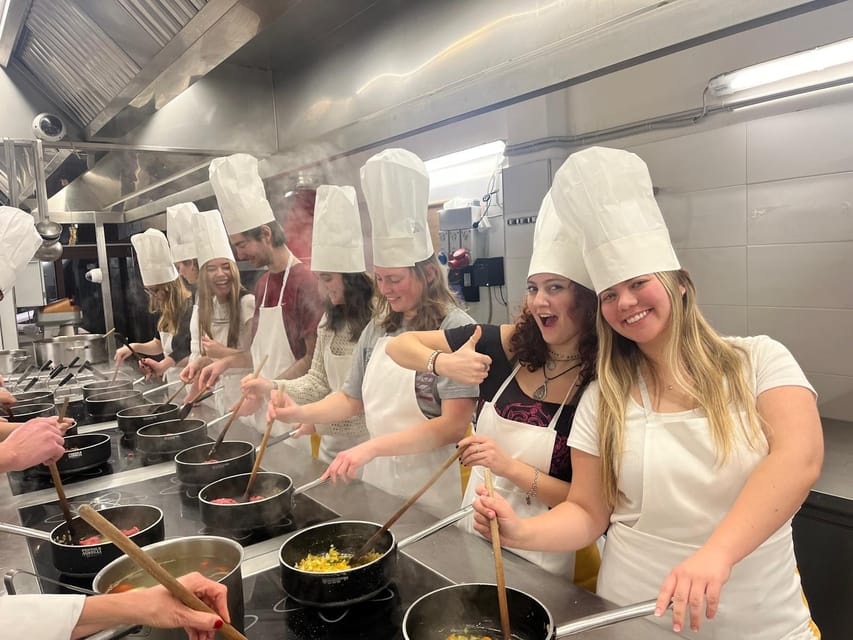
Fresh pasta beats most souvenirs. In Siena, you get a Prosecco welcome and spend three hours learning by doing, not watching. My favorite part is making three different pasta doughs with clear, practical guidance from the chef.
The only real drawback to know up front: the class is centered on the traditional recipe with gluten, dairy, and eggs. They can offer substitutes, but they cannot guarantee zero cross contamination, and it is not suitable for vegans, lactose intolerance, gluten intolerance, or food allergies.
Once you start mixing dough, the rest feels natural: you build tiramisu next, then you sit down to eat your own work with a glass of wine.
In This Review
- Key Things I’d Circle Before You Go
- Where Your Siena Cooking Class Starts: Trattoria Fonte Giusta
- Prosecco, Apron Up, Then Real Pasta Prep
- Egg Pasta, Pici, and Potato Gnocchi-Style Dough: Three Textures, One Skill Set
- Traditional egg pasta dough
- Egg-free dough for local pici
- Potato-based dough for gnocchi
- What to watch for while you mix
- Tiramisu: From Cream Technique to Your Own Assembled Dessert
- The Meal and Wine Part That Makes It Worth the Money
- Price and Value: Is $81 a Good Deal in Siena?
- Who This Siena Cooking Class Fits Best
- Should You Book This Siena Pasta and Tiramisu Class?
Key Things I’d Circle Before You Go
- Prosecco on arrival sets a fun, relaxed tone right away
- Hands-on pasta dough training, including egg pasta, pici, and potato gnocchi style dough
- Tiramisu assembly with chef explanations of the cream and mixing technique
- You eat what you make, paired with a glass of wine, as a real meal, not a snack
- Small-group vibe (many groups are around a dozen), which makes it easier to get help
Where Your Siena Cooking Class Starts: Trattoria Fonte Giusta
Your experience begins inside Trattoria Fonte Giusta. This matters more than it sounds. When a class starts at a working trattoria, you usually get a kitchen setup that feels genuine, not like a rented demo space.
Plan to arrive a little early so you can settle in and find your group. You’ll be welcomed and then the session moves quickly into prep mode. The tone is practical, friendly, and paced so that even if you have never made pasta before, you still leave with hands-on progress.
Also, this is the kind of activity that works well on a day when Siena’s streets or weather make other sightseeing harder. You’re indoors, with air moving in the cooking area, and you’re doing something tactile for the whole block of time.
A few more Siena options to weigh
- Siena: Small Group Cooking Class in Chianti Farmhouse
★ 4.9 · 146 reviews - Florence: Pasta Cooking Class with Unlimited Wine
★ 4.9 · 10,285 reviews - 3 in 1 Cooking Class near Navona: Fettuccine, Ravioli & Tiramisu
★ 5.0 · 7,376 reviews
Prosecco, Apron Up, Then Real Pasta Prep
Right when you arrive, you’ll get a welcome glass of Prosecco. That small detail changes the mood. It turns the class from a checklist into an actual evening plan.
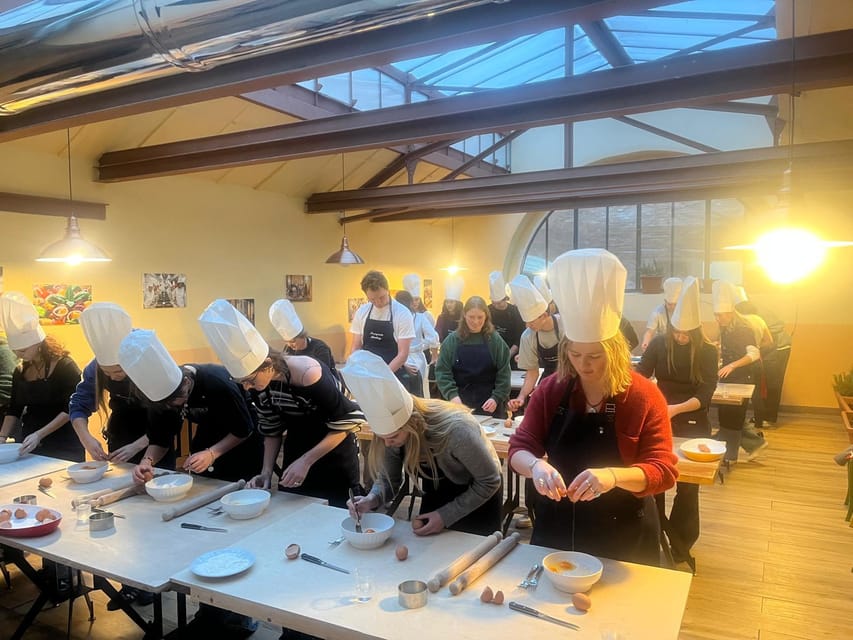
Next comes the part you’ll remember at home: you wash your hands, put on an apron, and move to your workstation. Then the chef walks you through building pasta dough step by step, including what the dough should feel like as you go. That consistency coaching is the difference between a pasta lesson and a cooking class.
You also get time with the instructor moving around to check on your dough. It’s not just, Here’s the recipe. It’s, This is what the texture should look and feel like, so you can correct it while you’re still mixing.
One more thing I like here: the flow gives you short breaks. After you prep pasta, you switch gears to tiramisu, so you are not cooking nonstop the whole time.
Egg Pasta, Pici, and Potato Gnocchi-Style Dough: Three Textures, One Skill Set
The pasta portion is built around three different doughs, each teaching a different lesson.
Traditional egg pasta dough
First, you work with pasta dough that uses eggs. This is the classic baseline many people imagine when they think of fresh pasta. The chef’s instruction focuses on dough feel, so you learn how to judge whether you’ve added enough liquid and mixed enough.
You’ll get guidance on texture rather than just measurements. That’s a big deal if you cook at home later, because flour brands and kitchen humidity can change the result.
Nearby, and just as well reviewed:
- From Florence: San Gimignano, Siena, and Chianti Wine Tour
★ 4.5 · 3,762 reviews - Siena: Siena Cathedral and Piccolomini Library Entry Ticket
★ 4.5 · 3,462 reviews - Siena: Cathedral Complex Pass with Audio Guide (OPA SI PASS)
★ 4.4 · 2,773 reviews - Siena: Walking Tour and Skip-the-Line Duomo Tickets
★ 4.8 · 1,116 reviews
Egg-free dough for local pici
Then you make pici dough, the local style made without eggs. This part helps you understand that pasta is not only about tradition, it is about technique and ingredients that create structure without relying on eggs.
If you’ve never worked with an egg-free dough, this is where the class becomes genuinely useful. You learn what changes in handling and why.
Potato-based dough for gnocchi
Finally, you work with a potato-based approach, the dough used for gnocchi. Potato dough teaches you a different kind of patience. It’s usually more forgiving when shaped well, but it also requires attention so you do not overwork it.
You’re not just making one pasta. You’re learning how ingredient changes affect texture. That’s the skill you’ll actually reuse later.
What to watch for while you mix
From the way the instructions are framed, you should pay attention to dough consistency during each stage. The chef explicitly shows the right texture while walking around your stations. For you, that means you can fix common pasta problems early:
- dough too dry, so it cracks and won’t roll smoothly
- dough too wet, so it sticks and won’t hold shape
- mixing too little, so the dough feels uneven
- mixing too much, so it turns tough
Even if your first try is imperfect, you are correcting in real time, which makes the learning stick.
Tiramisu: From Cream Technique to Your Own Assembled Dessert
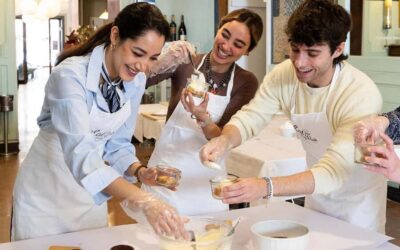
After pasta work, you shift to tiramisu. This is where the class adds a second set of skills: timing, mixing technique, and assembly.
You’ll prepare tiramisu at your stations, but you also get a chef explanation before you start. The focus is on the cream: how it is made, and what techniques matter when you combine ingredients. This is not just dessert theater. It’s the part of tiramisu that can go wrong at home when people rush.
I like the pacing here because you’re given a moment to rest your legs before the tiramisu portion. Then the chef demonstrates and talks through how the cream should behave, which helps you build confidence.
When it’s time for assembly, you’re building your own tiramisu. That gives you a dessert you can remember visually, not just one you ate.
The Meal and Wine Part That Makes It Worth the Money
This class ends by sitting down to eat the pasta and tiramisu you prepared. That may sound obvious, but it changes how you value the experience.
Instead of leaving with a few scraps of dough in a bag, you turn the workshop into a full meal. The meal is complemented by a glass of wine chosen to match what you cooked. Some setups include a choice of red or white, and either way you’ll be getting wine service with the meal.
You’ll also likely get restaurant support with the sauces. The pasta is yours. The restaurant finishes the dinner in a proper dining format. That balance is smart: it ensures you get a finished, satisfying plate, even if your dough shaping is still learning-stage.
Portion size is another plus. Many people come hungry, and most leave feeling they got fed well. There’s also often an option to take leftovers home, so you can stretch the dessert or pasta into the next day.
Price and Value: Is $81 a Good Deal in Siena?
At $81 per person for a 3-hour, chef-led class, the value depends on what you’re comparing it to.
If you’ve been thinking about tastings only, this feels like better value because you learn a technique. You’re paying for instruction, equipment, ingredients, and then the meal you produce. You also get both drinks: Prosecco on arrival and a glass of wine with your meal.
If you compare it to cooking classes that feel like a brief walkthrough, this one tends to justify the cost because you actively work on multiple doughs and then assemble dessert. The meal component also matters. In Italy, food lessons that end with you eating an actual plated dinner feel more like a day event than a short activity.
Where your value judgment might shift is if you have dietary limits. The class is traditional and includes gluten, dairy, and eggs by default. There are substitutions for preferences or allergies, but cross contamination cannot be ruled out, and the experience is not suitable for several specific categories. If you fall into those groups, the best value is simply picking a different activity.
Who This Siena Cooking Class Fits Best
This is a great match if you want a hands-on Tuscan experience that is social and practical.
It’s especially good for:
- food lovers who want a clear technique, not just a fun evening
- couples or solo travelers who are comfortable joining a group around a shared table
- rainy-day plans in Siena when you’d rather be inside cooking than wandering
You’ll also enjoy it if you like the idea of leaving with recipes you can recreate, since the class is designed to teach steps you can repeat later.
It’s not a good fit if you:
- need a fully vegan experience
- need a gluten-free experience
- need lactose-free options specifically
- have food allergies that require strict avoidance, since cross contamination cannot be guaranteed
Should You Book This Siena Pasta and Tiramisu Class?
I’d book it if you want a memorable Siena day that mixes technique, food, and wine without needing special skills. The combination of multiple fresh pasta doughs, chef consistency checks, and ending with a meal you made is exactly the kind of experience that pays off later when you cook at home.
Skip it if dietary restrictions are strict for you, because the class is built around the traditional recipe and cannot guarantee cross contamination free handling.
If you’re in the clear on that front, this is one of the more satisfying ways to spend 3 hours in Siena: you learn, you taste, and you leave with something real.
Latest reviews around Siena
- Total Immersion Wine Tour in Chianti★ 4.9 · 430 reviews
- From Siena: Pienza and Montepulciano Small-Group Tour★ 4.9 · 220 reviews
- Siena: Horseback Riding Tour in the Tuscany Countryside★ 4.8 · 177 reviews
- Siena: Educational Wine Tour & Tasting★ 5.0 · 203 reviews
- Discover Siena: Guided Walking Tour and Cathedral Visit★ 4.3 · 314 reviews
- Siena: Horseback Adventure in the Tuscan Countryside★ 4.9 · 154 reviews
- Siena: San Gimignano, Chianti & Montalcino Small-Group Tour★ 4.6 · 195 reviews
- Siena: Organic Winery Tour and Wine Tasting★ 5.0 · 111 reviews
Cooking Classes, compared.
3 in 1 Cooking Class near Navona: Fettuccine, Ravioli & Tiramisu
Read our review →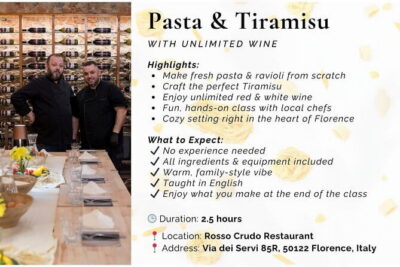
Pasta & Tiramisu Cooking Class with Unlimited Wine
Read our review →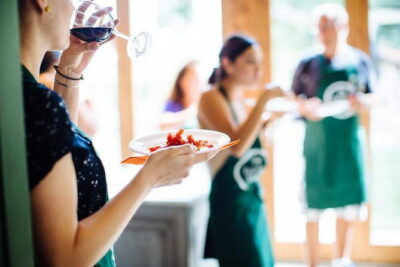
Cooking Class and Lunch at a Tuscan Farmhouse with Local Market Tour from Florence
Read our review →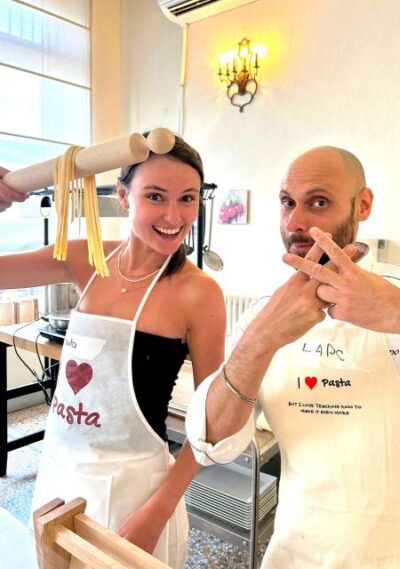
Pasta Making Class with Wine, Limoncello, and Dessert
Read our review →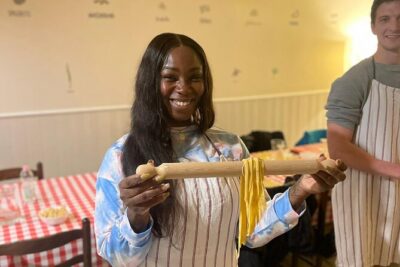
3-in-1 Fettuccine, Ravioli, and Tiramisu Cooking Class
Read our review →Browse the lists this tour appears in