
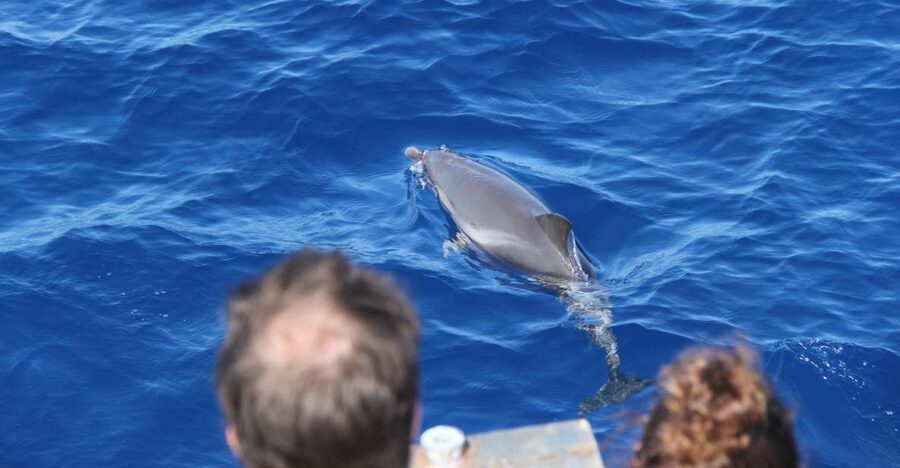
Reviewed · CRUISES & BOAT TOURS
Savona: Pelagos Sanctuary Wildlife Cruise with Guide
Wild animals teach you to slow down. This Savona cruise in the Pelagos Sanctuary is built around cetacean spotting and a real chance to learn what you’re seeing. I love the on-board cetology lesson that comes in Italian and English, and I like that expert spotters Simone and Ettore scan the surface so you’re not just watching, you’re participating. The tradeoff is honest: you may leave without a sighting, because these are wild animals with no guaranteed meet-up.
You’ll meet near Torretta di Savona at BMC SEA and head into open water on an intimate motorboat where everyone gets a close look when animals show up. The format is also rain or shine, so pack for the weather and take seasickness seriously if you’re prone to it, since you’re traveling very far from the coast.
In This Review
- Key highlights worth your attention
- Getting to BMC SEA near Torretta di Savona
- The 40-minute cetology lesson: how you’ll learn before you spot
- Simone and Ettore’s surface scanning, and how you can help
- Timing and expectations: why sightings are possible but never guaranteed
- Sea conditions, seasickness, and the open-water reality
- Photography: capturing marine animals without losing the moment
- What’s included for the money, and what you’ll need to bring
- Who this cruise is best for, and who should pass
- Should you book the Savona Pelagos Sanctuary wildlife cruise?
- FAQ
- How long is the Savona Pelagos Sanctuary wildlife cruise?
- What languages are available for the guide and lesson?
- Where do I meet for the cruise?
- Does the cruise run in rain?
- What should I bring with me?
- Are food and drinks included?
- Can I cancel and get a refund?
Key highlights worth your attention
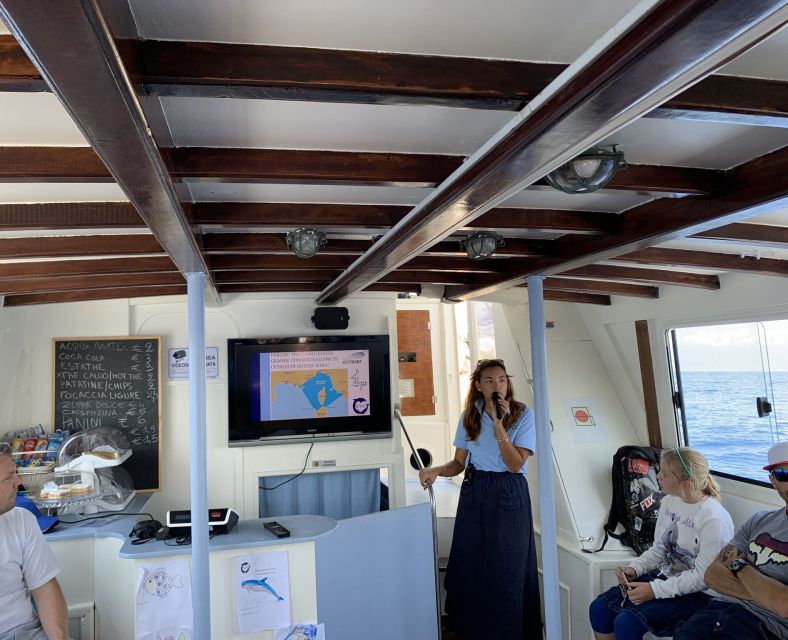
- A 40-minute cetology lesson on board in Italian and English, with audio and video systems
- Expert spotters Simone and Ettore guiding you as they scan the sea surface for marine mammals
- Intimate motorboat layout designed so you can get in on sightings without feeling stuck far away
- No fixed search points or schedules since it’s real wildlife monitoring in the Sanctuary
- Good odds after sailing time with the possibility of seeing wildlife as soon as about half an hour into navigation
Getting to BMC SEA near Torretta di Savona
This is a half-day feel, not an all-day production. You start at the meeting point near Torretta di Savona, and the operator name to search for on Google Maps is BMC SEA. The cruise ends back at the same meeting point, so you’re not juggling extra transport or trying to coordinate a second ride after you get off the boat.
One practical thing I’d plan for: you’re going to spend time at sea on an open-water route, so build in a little buffer for getting settled early. If you’re arriving late, you’ll miss the start of the on-board briefing, and that briefing is part of what makes this cruise more than just a “sit and hope” outing.
A few more Italy options to weigh
- Boat Trip: Glimpse of Murano, Torcello & Burano Islands
★ 4.3 · 15,699 reviews - Venice: Burano, Torcello & Murano Boat Tour w/Glassblowing
★ 4.4 · 10,245 reviews - From Milan: Como & Bellagio with Private Lake Como Cruise
★ 4.6 · 9,788 reviews
The 40-minute cetology lesson: how you’ll learn before you spot
Once you’re on board, there’s a built-in learning block: a video lesson introducing cetology. It runs about 40 minutes, and it’s delivered in both Italian and English. That matters because spotting cetaceans is not as simple as spotting a bird in the sky. The lesson is designed to give you a framework, so when you see a fin, a splash, or a change on the surface, you’re more likely to understand what you’re looking at.
This is also where the audio and video systems earn their keep. Instead of relying on a quick explanation shouted over wind and engines, you get a structured intro. For first-timers, that helps you get your bearings fast. For repeat visitors, it’s a good refresher so you’re not just chasing random sightings.
Expect to learn how to distinguish and recognize different cetaceans, plus some curious facts about the inhabitants of the Ligurian Sea. And since the spotting part is guided, the lesson helps you connect what you learned to what the spotters are calling out later.
Simone and Ettore’s surface scanning, and how you can help
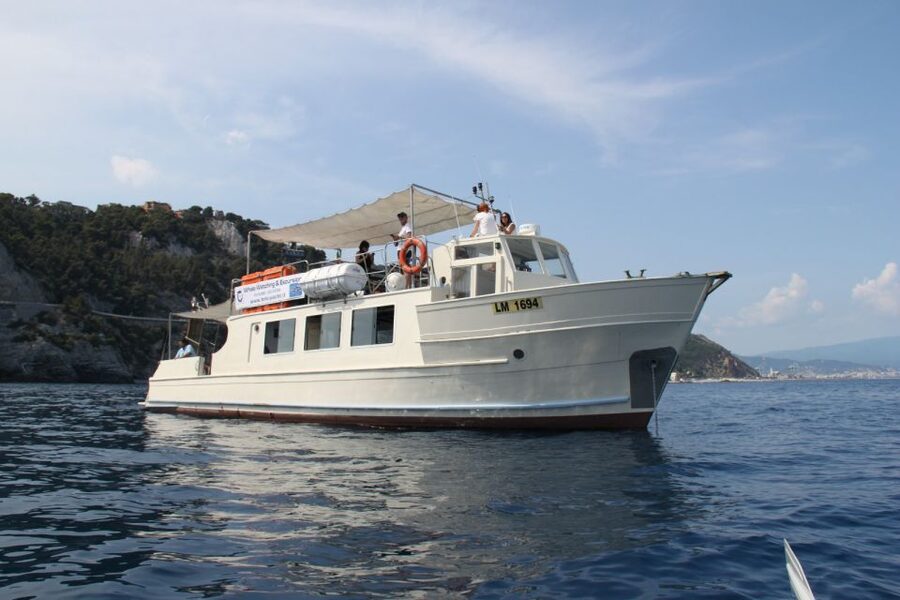
This cruise is centered on patient observation. During the excursion, Simone and Ettore, the expert spotters, scan the sea surface in search of marine mammals. Their job is not quick. It’s steady watching, and sometimes waiting.
Here’s the key difference versus many “wildlife tours” that feel like they’re driving from one rumor to the next. In this case, the Sanctuary search requires surface monitoring and observation work, and there aren’t established times or points where animals are expected to show up. That means your experience will have a rhythm of sailing, watching, and adjusting.
What you can do, with your guide’s advice, is support the spotting process too. The best way to help is to stay alert, keep your attention on the water, and follow what the spotters ask of you when they’re scanning. When the boat starts looking a little more intensely, that’s usually when you should switch from relaxed sightseeing mode to full-on “watch the surface” mode.
Also, the boat is described as having a structure that offers all passengers close and intimate sighting opportunities. In plain terms, when something is spotted, you’re not stuck staring over a railing at long distance. The setup supports quick, shared viewing, which is exactly what you want for moments when animals appear briefly.
Timing and expectations: why sightings are possible but never guaranteed
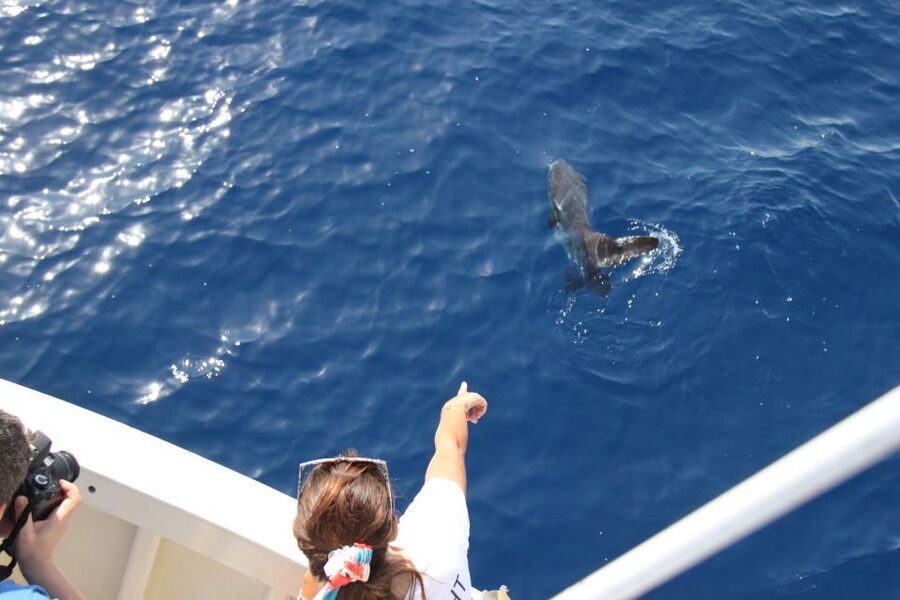
The excursion lasts about 3.5 hours, which is long enough for a real search but short enough that you’re not wrecked by the effort, heat, or wind.
You might get lucky early. After roughly half an hour of navigation, there is a possibility of sighting, sometimes described in relation to canyons with high depth very close to the coast. That’s useful context because it explains why the first chunk of sailing isn’t wasted time. You’re positioning the boat where conditions might produce sightings.
But you should also plan for the other reality: you might not meet any cetaceans. Wild animals are unpredictable, and the search approach depends on surface monitoring rather than fixed meet points. In other words, you’re paying for guided wildlife searching and expert instruction, not a guaranteed animal checklist.
That’s the honest value angle here. If you come in expecting certainty, you’ll be disappointed. If you come in prepared for the educational part and the “keep watching” part, even a quiet outing can still make sense.
Nearby, and just as well reviewed:
- Vatican: Museums & Sistine Chapel Entrance Ticket
★ 4.5 · 144,003 reviews - Vatican Museums & Sistine Chapel Tour with Optional Basilica
★ 4.3 · 67,413 reviews - Colosseum, Roman Forum & Palatine Guided Tour
★ 4.7 · 63,148 reviews - Milan: Cathedral and Duomo’s Terraces Entrance Ticket
★ 4.6 · 61,054 reviews
Sea conditions, seasickness, and the open-water reality
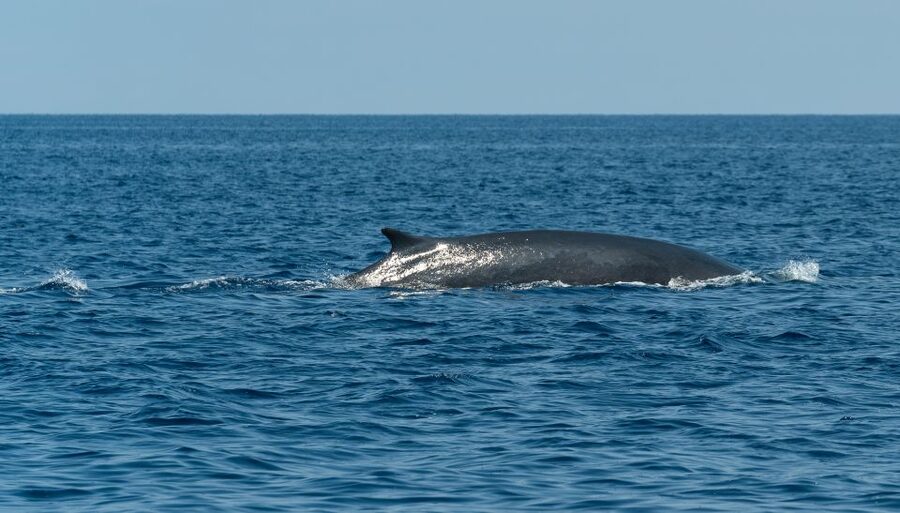
This cruise takes place in open sea conditions, very far from the coast. If you’re prone to seasickness, you should treat this as a serious consideration, because it’s explicitly labeled as not suitable for people prone to seasickness.
If you’re on the fence, take the provided precautions seriously, because the advice is specific:
- Have a light breakfast and avoid milk products and sweet foods
- If needed, take seasickness pills about 2 hours before departure
Even if you’ve never been sick before, it can help to respect that open-water travel is different. The boat time is limited to 3.5 hours, but the sea can still feel choppy depending on the day.
Weather is another part of the tradeoff. The tour runs rain or shine. That’s good if you hate waiting around for clear skies. It’s also a reminder to dress in layers, because you’re out on the water where wind and temperature swings can be noticeable.
Photography: capturing marine animals without losing the moment
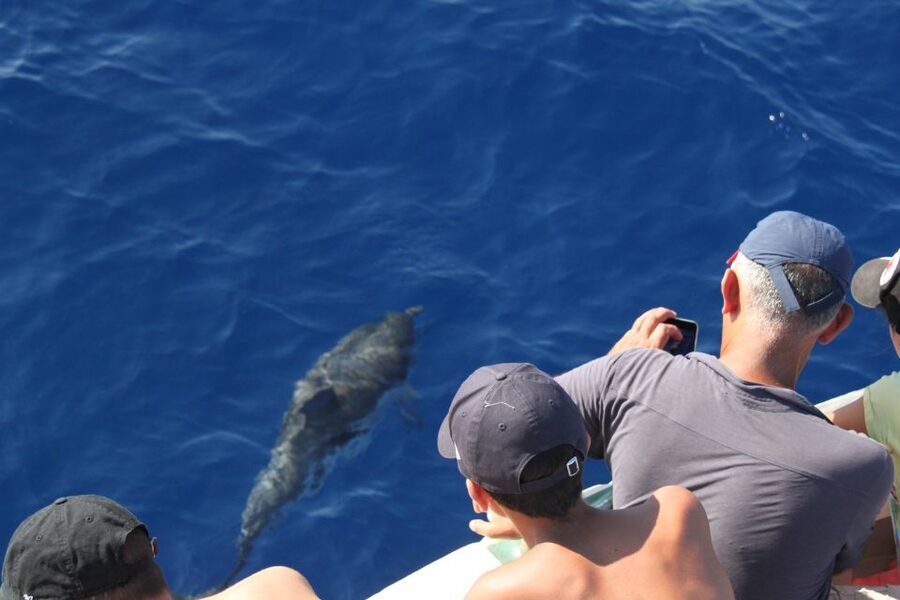
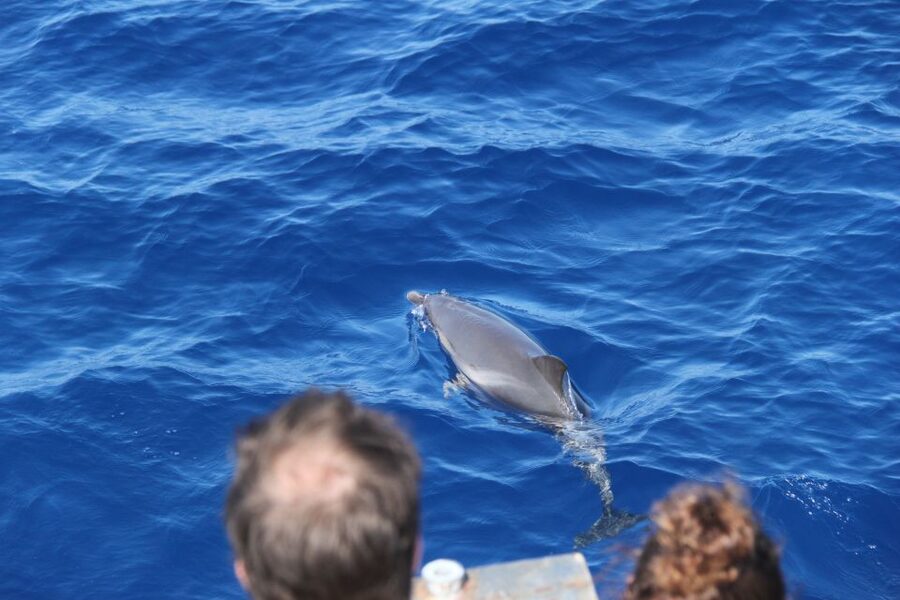
You’ll have time and opportunity to take pictures of marine animals in their natural habitat. The cruise is designed for close, intimate viewing, and that helps your camera work. When cetaceans appear, you often get short, fast windows where you want clean timing, steady framing, and quick reactions.
My practical tip: keep your camera or phone accessible and ready, but don’t let gear handling pull you out of the spotters’ scan rhythm. If the guide points out something on the surface, your job is to look first, then shoot. That simple order reduces missed moments and keeps you from turning the boat into a gear-check workshop.
Also, since cetaceans can be playful and sometimes show up alongside the boat, be prepared for motion. Stabilize how you stand, keep your stance secure, and try not to lean over to get a shot. Safety comes first, and it usually leads to better photos too.
What’s included for the money, and what you’ll need to bring
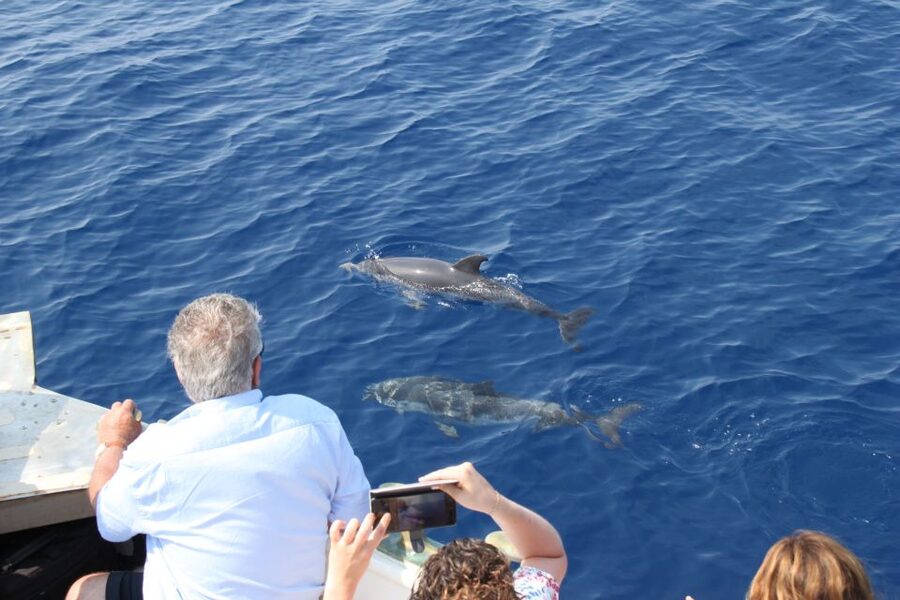
Let’s talk value, because $67.97 per person can be either a bargain or a gamble depending on what’s included.
From what’s provided, you get:
- The cruise on board with captain and crew
- A guide plus the entry tickets for the guided cruise in the Pelagos Sanctuary
- The cetacean introduction with a visual aid (that 40-minute video lesson)
- Audio and video systems on board
- Toilets
- Local taxes and commissions
- Insurance
What’s not included:
- Food and drinks
- Hotel pickup and drop-off
So the best way to think about the price is that you’re paying for guided searching with expert spotters and structured education, plus Sanctuary entry. The “search” part is the expensive ingredient, because it takes time, monitoring, and skilled guidance. The “no guarantee” part means the outcome is variable, but the instruction and the guided boat time are still the product.
For what you need to bring, keep it simple:
- Comfortable shoes
- Comfortable clothes
- Weather-appropriate clothing
And since no food is included, plan your meals around the seasickness guidance. That light breakfast tip isn’t just medical trivia, it’s part of setting yourself up for a more comfortable ride.
Who this cruise is best for, and who should pass
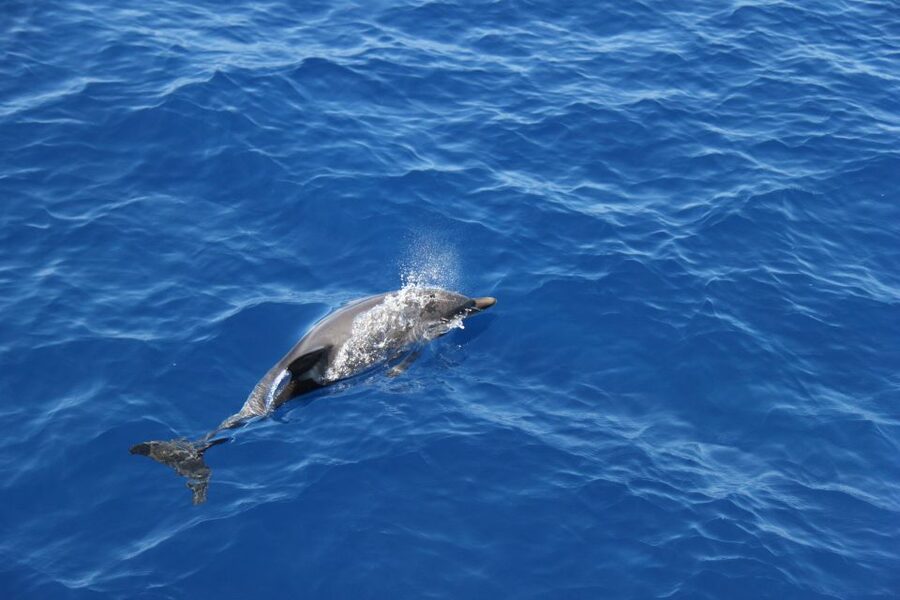
This is built for people who enjoy watching, learning, and looking closely at the surface. If you want a wildlife outing where you actually understand what you’re seeing, the cetology lesson and the guide-led spotting process are a strong match.
It’s also a good fit for families in the sense that the experience is meant to engage people on board with shared viewing and guidance. One common theme around the dolphin sightings is that even younger kids react strongly when animals appear near the boat and show playful behavior. The learning format helps too, because it turns uncertainty into something you can follow.
But I’d pass if:
- You’re prone to seasickness. The cruise is not suitable for that situation.
- You’re above 309 lbs (140 kg), since the tour notes weight limitations.
If you’re sensitive to long open-water time, plan for that reality. The tour is only 3.5 hours, but it’s not a short hop from dock to dock. It’s a real sea search.
Should you book the Savona Pelagos Sanctuary wildlife cruise?
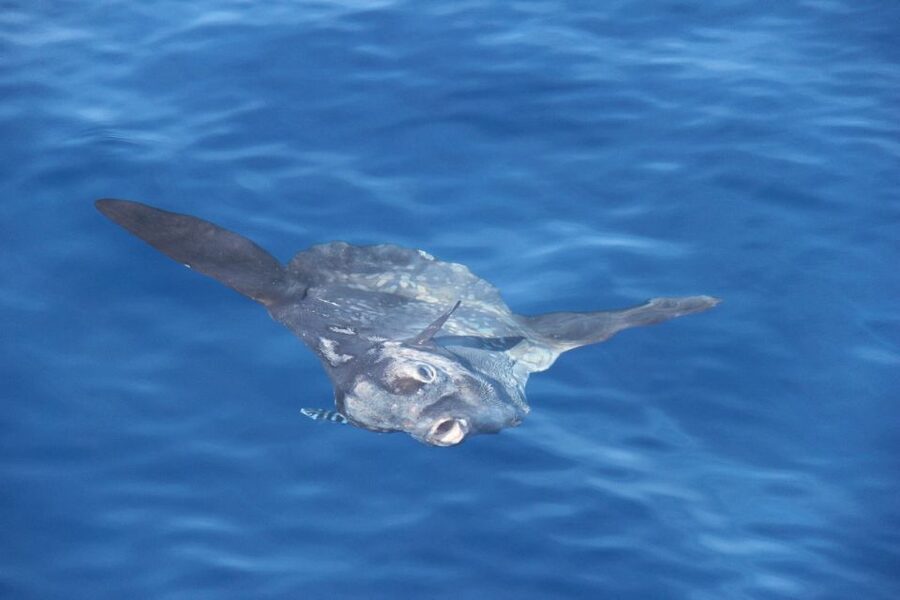
If you want a guided, educational cruise with expert spotters and a structured way to learn cetaceans before you see them, I think this is a smart booking. The value comes from the combination of Pelagos Sanctuary entry, a two-language cetology video lesson, and the fact that Simone and Ettore guide the search with patient monitoring, not random stops.
Book it if you can handle open-sea conditions and you’re willing to accept that wildlife is wildlife. Skip it if seasickness is a concern for you, or if you need guaranteed animal sightings. Also, remember there’s no food on board, so plan a light breakfast that fits the seasickness advice.
If you match those points, you’re set up for a memorable half-day on the Ligurian Sea, with the kind of close viewing that makes every surface ripple feel like it might be something.
FAQ
How long is the Savona Pelagos Sanctuary wildlife cruise?
The cruise lasts about 3.5 hours.
What languages are available for the guide and lesson?
The live tour guide and the on-board cetology introduction are provided in Italian and English.
Where do I meet for the cruise?
You meet near Torretta di Savona. Look for BMC SEA on Google Maps.
Does the cruise run in rain?
Yes, the tour takes place rain or shine.
What should I bring with me?
Bring comfortable shoes, comfortable clothes, and weather-appropriate clothing.
Are food and drinks included?
No. Food and drinks are not included.
Can I cancel and get a refund?
Yes. You can cancel up to 24 hours in advance for a full refund.
Latest reviews around Italy
- Total Immersion Wine Tour in Chianti★ 4.9 · 430 reviews
- From Rome: Villa D’Este & Villa Adriana Day Trip with Lunch★ 4.4 · 289 reviews
- Tivoli: Villa Gregoriana Entrance Ticket★ 4.7 · 150 reviews
- From Rome: Hadrian’s Villa & Villa d’Este Day Trip & Lunch★ 4.5 · 157 reviews
- Rome: Painting Class with Unlimited Wine★ 4.8 · 109 reviews
- Tivoli: Villa D’Este Entry Ticket and App Audio Guide★ 4.3 · 191 reviews
- Ravenna: UNESCO Mosaics Entry Tickets★ 4.7 · 255 reviews
- Timed Entrance to Leaning Tower Pisa & Cathedral with Audio★ 4.1 · 385 reviews
Cruises & Boat Tours, compared.
Boat Trip: Glimpse of Murano, Torcello & Burano Islands
Read our review →
Burano, Torcello & Murano Boat Tour w/Glassblowing
Read our review →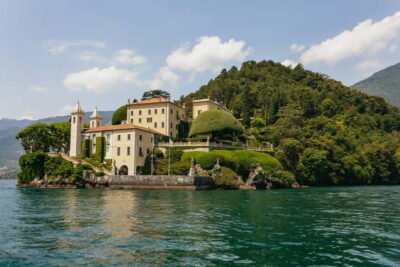
Como & Bellagio with Private Lake Como Cruise
Read our review →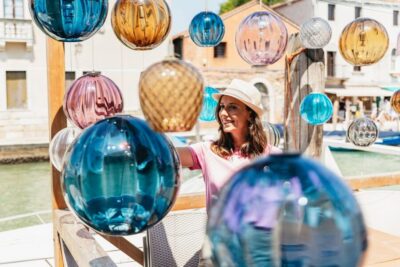
Murano and Burano Boat Tour with Glass Factory Visit
Read our review →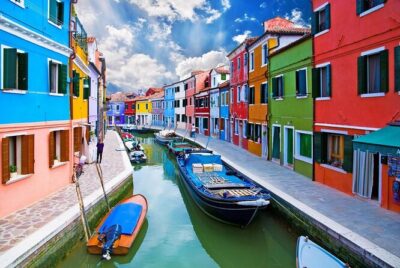
Murano & Burano Islands Guided Small-Group Tour by Private Boat
Read our review →
Murano & Burano Panoramic Boat Tour w/ Glassblowing
Read our review →
From Sardinia: La Maddalena Archipelago Full-Day Boat Tour
Read our review →
Browse the lists this tour appears in