Reviewed · SICILY TOURS
SALT TOUR-all inclusive: salt tour: Trapani, Paceco, Nubia
Salt flats, birds, and a real working story. In about 2 hours 30 minutes, I love how this tour shows the full salt-making chain, from sea water to harvest, and it ends with a tasting of fleur de sel. The only real drawback to plan around is weather, since the route includes an on-site walk and the sunset moments depend on conditions.
What really makes it feel worth it is the small group size, described as limited to 8 people for an intimate visit, with an overall maximum set at 16. You also get the Salt Museum ticket and a guided route through multiple salt pans, including a walk inside the tanks called the path of the saltman, all led by guide Alessio.
In This Review
- Key highlights to know before you go
- Why the Trapani Salt Route Through Paceco and Nubia Feels Different
- Meeting at the Vigili del Fuoco Port Station, Then Rolling Out in an AC Van
- Stop 1 Maria Stella: The First Mill Moment at the Edge of the 15th Century
- Stop 2 Salina Calcara and Chiusicella: Watching Birds and the Four Stages of Tanks
- Stop 3 Saline Culcasi: Museum Time Plus the Path of the Saltman
- The Salt Tasting That Turns a Tour Into a Skill You Can Use at Home
- Sunset Moments, Weather Dependence, and Best Photo Timing
- Small Group Size, AC Comfort, and Who This Tour Fits Best
- Price and Value at $60.46 per Person
- Should You Book This Salt Tour? My Take
- FAQ
- How long is the Salt Tour in Trapani, Paceco, Nubia?
- Where does the tour start and end?
- Is the tour in English?
- What’s included in the price?
- How big are the groups?
- What happens if the weather is bad?
Key highlights to know before you go
- Small-group format: a limited headcount means more time for questions and less rushing between stops.
- Working salt pans, not just exhibits: you move through sites tied to how salt is made, then learn the why behind each step.
- Alessio’s practical explanations: he connects salt production to regional culture and even the local logic behind tools and materials.
- Bird watching included: flamingos, herons, and egrets are part of the viewing around the tanks.
- Salt tasting is the payoff: you sample salt crystals plus salt flower (often natural and also flavored).
Why the Trapani Salt Route Through Paceco and Nubia Feels Different
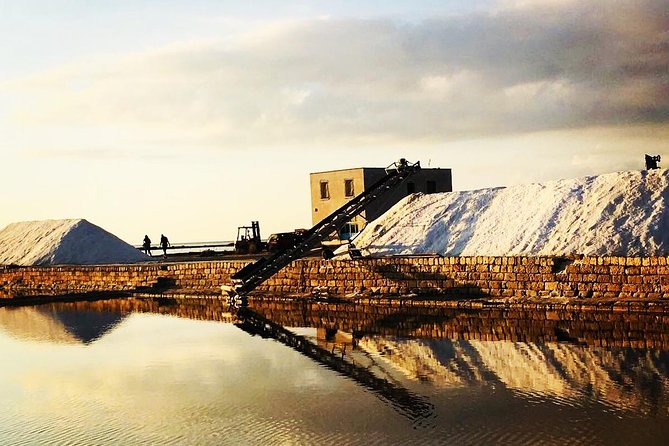
Trapani is famous for salt, but most visitors see it as a pretty backdrop. This tour treats it like an industry you can actually understand. You visit multiple salt pans and learn how the system turns seawater into salt through stages, tank layouts, and timing. That matters because salt is not a one-step product. It is a slow process shaped by water, sun, wind, and human know-how.
I also like that you are not stuck indoors. You get to see the working environment, then connect what you see to what you taste. After the walk and museum time, salt stops being just “table salt” and becomes something you can describe: size of crystals, texture, and the difference between regular salt and fleur de sel.
One more reason I rate this highly is the guide. Alessio’s style is part teacher, part storyteller. In addition to explaining how the tanks work, he shares local craft details and logic behind tools. One example you may hear is how salt work links to a base-12 way of dividing things, instead of the usual decimal 10 system. It’s the kind of detail that makes the region feel real, not staged.
A few more Sicily options to weigh
- Catania: Mount Etna Morning or Sunset Day Trip with Tasting
★ 4.8 · 4,028 reviews - Palermo: NO Mafia Walking Tour
★ 4.8 · 2,431 reviews - Palermo: Hop-on Hop-off Bus Tour 24-hour Ticket
★ 3.9 · 2,410 reviews
Meeting at the Vigili del Fuoco Port Station, Then Rolling Out in an AC Van

Your starting point is the Vigili Del Fuoco Distaccamento Portuale Trapani at Via Ammiraglio Staiti 101, right at the port. You begin with a short transfer, then head to the first salt area. The tour includes an air-conditioned vehicle, which is a nice quality-of-life detail when Sicily runs hot.
You’ll also get a mobile ticket, and the tour is offered in English. Service animals are allowed, and the meeting area is near public transportation. If you’re the type who likes to be calm and on-time, show up a bit early so you can get oriented before the van departs.
Duration-wise, it is roughly 2 hours 30 minutes, and that is a good length for mixing salt walks plus museum time without eating your whole day. Just keep in mind that the day still depends on conditions. The tour requires good weather, and if it gets cancelled due to poor weather, you’ll be offered a different date or a full refund.
Stop 1 Maria Stella: The First Mill Moment at the Edge of the 15th Century
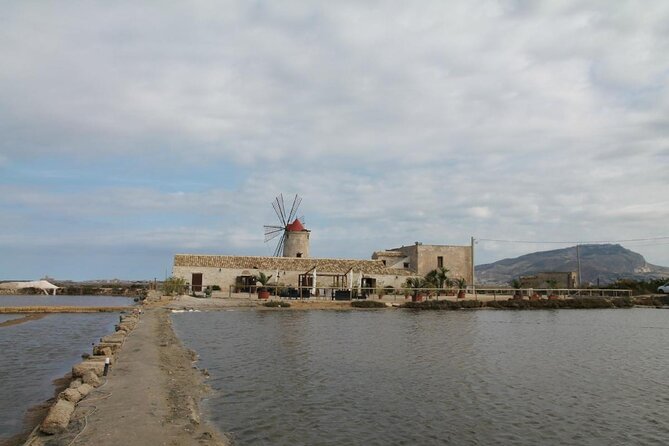
The first salt pan you visit is Maria Stella, where you can admire an old mill structure dating to the end of the fifteenth century. Even if you only catch a few details at first glance, this is an effective way to set the tone. It shows that salt making here has been organized and refined for centuries.
This stop is short, about five minutes for the initial introduction, but it is not “just a photo stop.” It gives you a historic anchor, then you move on to the production logic. If you like context that helps everything else click, this is a smart start.
A small consideration: because the tour moves fairly quickly at the beginning, wear shoes that are comfortable for uneven salt-pan terrain. Even short walks can be slippery depending on the day.
Stop 2 Salina Calcara and Chiusicella: Watching Birds and the Four Stages of Tanks
Next comes Salina Calcara, also described with a look at Salina Chiusicella and its salt-tank system. The guide explains the four orders of salt tanks, which is where you start understanding the transformation process of seawater into salt.
This is also the bird-spotting part of the route. You might see flamingos, herons, egrets, and other wading birds. The point is not just spotting wildlife, it’s realizing that salt pans are ecosystems, not empty flat ground. If you enjoy nature without turning it into a long hike, this timing works well.
The advantage here is pacing. You get about 30 minutes at this stage, enough time to learn the tank sequence and also pause for views. The drawback is simple: if it is windy or visibility is limited, birds can be harder to spot. The guide will still walk you through the process, but the “wow” moments depend on conditions.
Nearby, and just as well reviewed:
- From Trapani: Cruise to Favignana and Levanzo with lunch
★ 4.2 · 2,286 reviews - Catania: Sunset Jeep Tour of Mount Etna and Lava Flow Caves
★ 4.8 · 2,113 reviews - Palermo Original Street Food Walking Tour by Streaty
★ 5.0 · 2,105 reviews - Mount Etna: Trek to 3000m with cable car and jeep
★ 4.7 · 1,978 reviews
Stop 3 Saline Culcasi: Museum Time Plus the Path of the Saltman
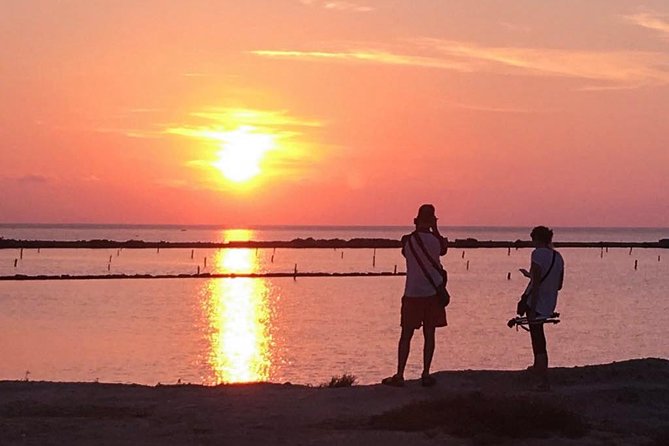
The final salt pan is Culcasi, and it is the big learning stop. You get entry into an ancient mill that is over 600 years old. Today it functions as a museum, so you can shift from “how it looks outside” to “how it operated inside.”
Inside, you learn about how salt was collected, how the mill worked, and the tools used over time. You also get explanations tied to local hierarchies and the role salt played in this area. That last part is important. Salt production was not only about extraction. It shaped work patterns, local organization, and the economy of the region.
This stop runs about 1 hour 15 minutes. That is long enough to actually absorb the museum details and still do the final walk. You also get a more active experience here through the path of the salt worker, a suggested walk inside the salt tanks. It’s the kind of walk that makes the whole process feel tangible. You can look at tank shapes and levels and understand why seawater has to move through stages.
One note to consider: this part is outdoors. If you’re someone who dislikes walking in salt flats, you may want to plan for slower steps and bring water. The tour is manageable for most travelers, but weather and footing matter.
The Salt Tasting That Turns a Tour Into a Skill You Can Use at Home
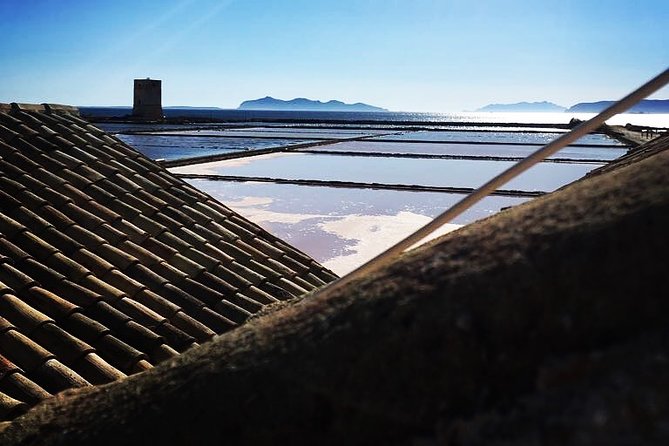
The tasting is a real reason to book this instead of doing a DIY museum visit. You sample different types of salt crystals, and you get to try salt flower, which is the prized natural form of fine salt. The tour also includes salt flower that is flavored with options such as orange, lemon, rosemary, and oregano.
This is where the tour goes from “interesting story” to “useful memory.” After tasting, you start recognizing how salt behaves. Fine salts can dissolve differently. Crystal size changes mouthfeel. Aromatized salt flower can shift a dish fast, especially on simple foods where you want aroma without adding more liquid.
One small practical tip: if you tend to taste quickly and forget what you sampled, take a moment during the tasting to note what you liked and why. Maybe the citrus flavor felt brighter, or the rosemary version tasted more earthy. That tiny effort helps you turn the experience into something you’ll actually remember when you cook.
Alessio’s explanations help here too. In multiple visits I’ve seen, the guide connects salt quality to regional practices and even health-related ideas about integrale salt. If food is your angle, this tour plays well.
Sunset Moments, Weather Dependence, and Best Photo Timing
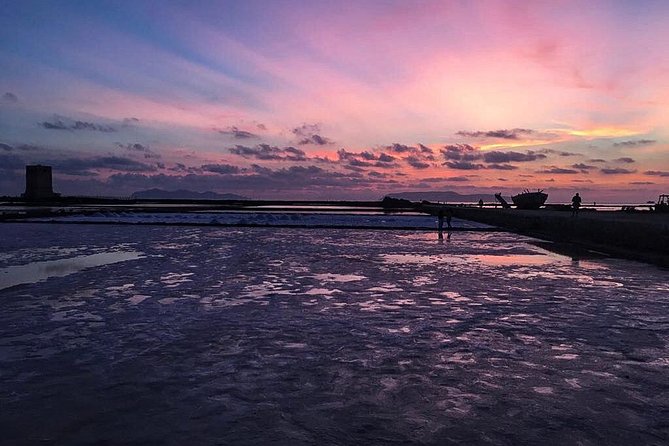
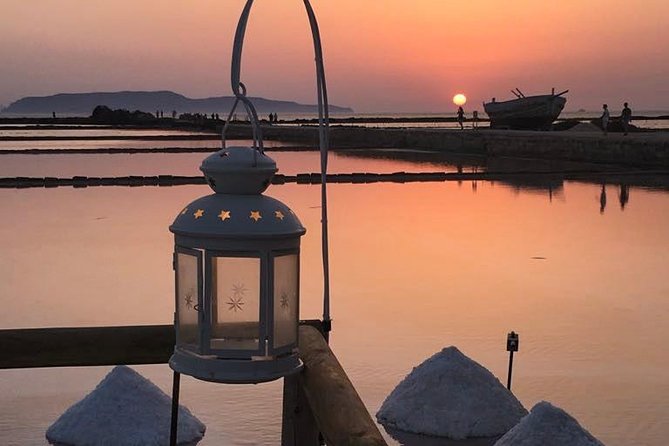
Sicily can deliver beautiful light on salt flats, and this tour has the right ingredients for that. People often mention the sunset over the salt pans as a highlight, with the atmosphere feeling special as day turns. Clouds can change that, though, and the tour requires good weather.
Here’s how to think about it practically:
- If you can choose a time slot near late day, you’ll likely get better lighting for photos.
- If it looks overcast, still go. You will still learn the salt-making system, see birds, and enjoy the museum and walk.
- Dress for outdoor walking, not for museum-only time.
Because the tour depends on conditions, it’s also a good idea to avoid booking a tight dinner immediately after your tour ends. You finish back at the meeting point, but if there are additional informal add-ons, you’ll want buffer time.
Small Group Size, AC Comfort, and Who This Tour Fits Best
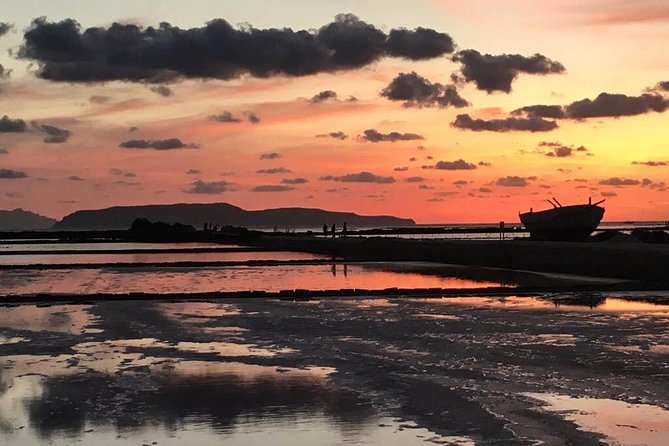
This tour is built for small groups. The description emphasizes limited spots for intimacy, and the overall maximum is set at 16. That size is a big deal for a couple reasons.
First, it makes the guide’s pace work. When you can hear well and walk close enough for details, you learn more from the tank explanations and the museum talk. Second, it reduces the “herding” feeling. You get time to look, ask, and absorb.
Who should go? I think it fits best if you like hands-on learning and regional food culture. It also works for families and couples. The tone is educational but not academic. You can bring kids, and the guide’s explanations are geared toward making the process understandable. Couples also enjoy it as a romantic, atmospheric outing, especially when you catch the salt-pan light close to sunset.
If you’re an absolute salt geek, you’ll probably enjoy the way Alessio links production with craft and local logic. Some of the detail shared, like tool divisions and even roof-tile craft measurements, is the kind of thing you only hear when someone truly loves what they do.
Price and Value at $60.46 per Person
At $60.46 per person, this tour is not “cheap,” but it is also not trying to be. The value comes from what’s wrapped into the fee.
You get:
- An air-conditioned vehicle
- A guided route through three salt pan sites
- A Salt Museum ticket
- Tasting of salt crystals plus salt flower (including flavored versions)
- The path of the salt worker experience
- All fees and taxes included in the price
Compare that to a DIY approach. If you only want the museum, you might be tempted to take a taxi or drive. That can be cheaper. But what you give up is the guided system explanation across multiple pans, plus the tasting context and the guided walk inside the tanks.
The best value is for people who want context. If you’re the type who likes to understand how something works, you’ll feel it quickly. If you’re mainly after photos and a short visit, you might find it harder to justify compared with a simpler plan.
One extra value note: the tour includes guided tasting, so you get to learn what different salts are and how to think about them. That’s hard to replicate on your own without doing a lot of research.
Should You Book This Salt Tour? My Take
I’d book this if you want a guided, small-group introduction to how Trapani salt is made, with the payoff of real tastings and a museum visit inside an ancient mill. The guide, Alessio, is a big reason it feels special, with explanations that go beyond surface-level facts and connect salt to local culture and craft.
I’d be cautious if you:
- Need guaranteed sunset photos, since good weather is required and clouds can change the visuals.
- Have very tight timing for dinner or other plans, since there can be extra on-site social time or optional add-ons at the end.
- Are only looking for the Salt Museum. In that case, a simpler self-guided visit might meet your needs for less money.
If you’re open to learning something tangible and tasting the differences, this tour delivers more than a pretty drive across flat ground.
FAQ
How long is the Salt Tour in Trapani, Paceco, Nubia?
The duration is about 2 hours 30 minutes.
Where does the tour start and end?
It starts at the Vigili Del Fuoco Distaccamento Portuale Trapani, Via Ammiraglio Staiti 101, 91100 Trapani. It ends back at the same meeting point.
Is the tour in English?
Yes, the tour is offered in English.
What’s included in the price?
Included are the air-conditioned vehicle, all fees and taxes, a tasting of salt crystals and aromatized fine flower, the Salt Museum ticket, entry to three salt pan sites, the path of the salt worker walk, and the guide.
How big are the groups?
The tour is described as limited to 8 people for an intimate experience, and it also lists a maximum of 16 travelers.
What happens if the weather is bad?
This experience requires good weather. If it is cancelled due to poor weather, you will be offered a different date or a full refund.
Latest reviews around Sicily
- The Pearl of Sicily: Private Taormina Walking Tour★ 5.0 · 179 reviews
- Half-Day Pizza Making Class in Taormina★ 5.0 · 192 reviews
- The Godfather tour Sicily★ 4.5 · 215 reviews
- Private tour of Etna and Winery Visit with Food and Wine Tasting from Taormina★ 5.0 · 188 reviews
- Taormina Food and Wine Walking Tour (Small Group or Private)★ 4.5 · 180 reviews
- Taormina and Isola Bella Day Tour with Boat Trip from Messina★ 4.5 · 146 reviews
- Pizza Cooking Class★ 5.0 · 225 reviews
- Pizza & Cannolo Making in Taormina by the Sea★ 5.0 · 144 reviews
Sicily Tours, compared.

Mount Etna Morning or Sunset Day Trip with Tasting
Read our review →

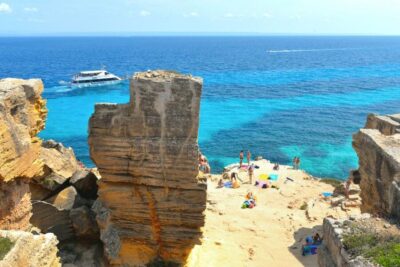
From Trapani: Cruise to Favignana and Levanzo with lunch
Read our review →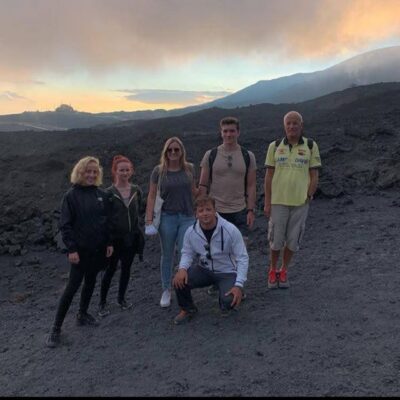
Sunset Jeep Tour of Mount Etna and Lava Flow Caves
Read our review →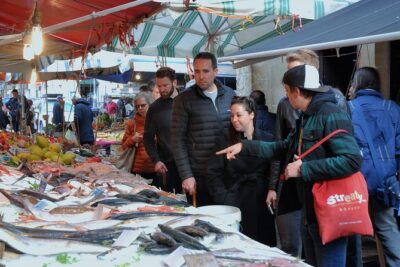
Palermo Original Street Food Walking Tour by Streaty
Read our review →
Mount Etna: Trek to 3000m with cable car and jeep
Read our review →