
Reviewed · FARMS
Puglia: Mozzarella Experience at an Apulian Farm
Fresh mozzarella comes from real farm work. On a family-run masseria in Apulia, you get a hands-on look at how milk turns into real Italian mozzarella, guided by people like Daniela and the cheesemaker Rocco. It is countryside time, animal time, and cheese time, all folded into one 1.5-hour stop.
What I like most is the pacing and the clear, step-by-step way the cheesemaking works. You also get a practical milking parlor visit plus a look at the stables and animals that roam freely in the fields, so the whole process makes sense instead of feeling like a demo.
One thing to plan for: you have to drive. The farm is in the countryside, and getting there is part of the deal, so this is easiest if you have a car already.
In This Review
- Key things I’d put on your radar
- Entering a working Apulian masseria, not a staged “food show”
- The mozzarella workshop, where milk becomes mozzarella in real time
- The milking parlor and stables tour: how farm routine drives quality
- The farm tasting: mozzarella plus the extras that make it feel like a meal
- Who the guides are, and how that changes your experience
- Price and value: what $59 buys you in 90 minutes
- Practical logistics that matter more than you think
- Who should book, and who should skip
- Tips to get the best cheese, and see the making properly
- Should you book the Puglia mozzarella farm experience?
- FAQ
- How long is the mozzarella farm experience?
- What language is the tour guide available in?
- Is transportation provided to the farm?
- Are drinks included?
- Is alcohol allowed during the experience?
- Is it suitable for lactose intolerance or mobility impairments?
- What is the cancellation policy?
Key things I’d put on your radar
- Step-by-step mozzarella and burrata shaping led by the farm’s casaro, often Rocco or Piero
- Stables and roaming field time, with cows, calves, bulls, and other farm animals depending on what is on-site
- Milking parlor explanations that connect daily farm routine to cheese quality
- A generous farm tasting, usually including mozzarella plus multiple cheeses and cured meats, with bread and seasonal treats
- Family-guide energy, with guides such as Daniela, Diana, and Lucia describing the process in clear English and Italian
- Crowd management can matter, since big groups sometimes make it harder to see the cheese forming at close range
Entering a working Apulian masseria, not a staged “food show”
This is one of those Puglia experiences where you can feel the farm rhythm. The masseria is in the countryside, so you are trading city distractions for air that smells like fields. You will spend time watching people work with the animals and the milk before you ever get to the cheese portion.
The farm setting matters because mozzarella is not a “mystery trick.” It is a chain of small steps that depends on timing and routine. When you see the stables first, and you hear how the milk is handled in the milking parlor, the later mozzarella-making makes a lot more sense. Even if you only know mozzarella as a pizza topping, you’ll leave understanding why fresh cheese is about more than taste.
You are also not just looking at objects. You are meeting people who farm and make cheese as a real job. That family feel shows in how guides like Daniela or Diana explain what you are seeing. Sometimes Lucia leads the experience with a warm, welcoming vibe. Either way, you get that “we do this every day” tone, and it is genuinely reassuring.
Other Italy tours travellers rate well:
- Vatican: Museums & Sistine Chapel Entrance Ticket
★ 4.5 · 144,003 reviews - Vatican Museums & Sistine Chapel Tour with Optional Basilica
★ 4.3 · 67,413 reviews - Colosseum, Roman Forum & Palatine Guided Tour
★ 4.7 · 63,148 reviews
The mozzarella workshop, where milk becomes mozzarella in real time
The centerpiece is the cheesemaking session with a local casaro. Expect a clear walkthrough of how “real Italian mozzarella” comes together, with a focus on the practical steps you can actually picture.
In the workshop, you’ll watch cheese form and then see it shaped. Multiple guides mention the cheesemaker doing the shaping in a variety of forms, which is fun to watch and also helps you understand what changes from one style to another. You are not expected to make mozzarella yourself here. Think of this as learning by watching and listening, with the cheesemaker explaining what matters as the curds develop.
A helpful detail is that you are not only seeing mozzarella. The farm process also includes related fresh cheeses, with people often describing burrata as part of what they demonstrate. Burrata is a big part of the reason people come to Puglia in the first place, so seeing it handled on a real farm gives you a baseline for what burrata should feel like, compared to the store versions you might have had elsewhere.
What I like about the way the workshop is run is the combination of explanation plus visibility. When the group is sized well, you can actually watch the critical moments where the cheese changes shape and texture. When it is crowded, visibility can get tight around the making station, so it helps to arrive ready to stand where the guide points.
The milking parlor and stables tour: how farm routine drives quality
Before the cheesemaking, you’ll visit the stables and spend time around the animals. Depending on the farm schedule, you might see cows, calves, bulls, or other animals. You can usually spot them in stables, then watch them move into the field, where they roam more freely.
This part is valuable because it links the “how” of cheese to the “what” of the farm. You will hear how milk is produced in the milking parlor, and then you see where the milk comes from. That is important if you are the kind of person who likes to know where food really originates.
One extra detail I’d call out: some experiences include a chance for children to feed baby cows when the timing works. If you are traveling with kids, that animal moment is often what keeps the group patient during the more technical cheese steps.
Dress for this portion like you are visiting a working farm. You might spend time outdoors or near areas where you could get a little muddy. Sturdy shoes are a good idea, and a light layer can help if the countryside gets cool.
The farm tasting: mozzarella plus the extras that make it feel like a meal
After the workshop, you move into the tasting portion, which is the moment your brain finally stops analyzing curds and starts eating.
You should expect a variety of farm-made products, usually including:
- Fresh mozzarella
- Other farm cheeses
- Cured meats
- Seasonal treats
- Bread
One strong theme in the experience is that the tasting portion tends to be large. People talk about skipping lunch afterward because there is enough food to feel like a real stop, not a tiny sample. You may even get takeaway boxes if you cannot finish it all, which is a practical perk if you are pairing this with sightseeing later.
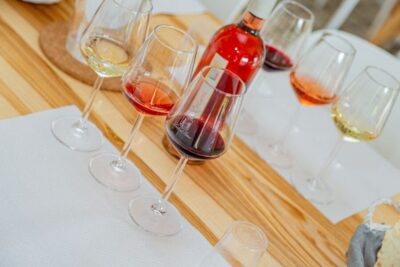
About drinks: the activity listing says drinks are not included, but several participants describe enjoying water and local wine as part of the tasting. Since that can vary by day or operator setup, I’d treat wine as a maybe and plan on water regardless. If you are a wine drinker, it can still be a nice bonus, just confirm on the day so you are not surprised.
Also note the tasting includes cured meats. If you are vegetarian, this is not described as fully plant-based. You might be able to focus on cheese and bread, but the overall selection is dairy-forward and meat-inclusive.
Nearby, and just as well reviewed:
- Milan: Cathedral and Duomo’s Terraces Entrance Ticket
★ 4.6 · 61,054 reviews - Venice: Doge’s Palace Reserved Entry Ticket
★ 4.6 · 42,716 reviews - Vatican Museums, Sistine Chapel & St Peter’s Basilica Guided Tour
★ 4.5 · 39,149 reviews - Rome: Colosseum, Palatine Hill and Roman Forum Guided Tour
★ 4.8 · 32,814 reviews
Who the guides are, and how that changes your experience
The experience is run with a live guide and a cheesemaker. In practice, the guide is the translator and the story teller, and that matters more than it sounds.
In the feedback, guides such as Daniela, Diana, and Lucia come up often, and the cheesemakers include names like Rocco (casaro) and Piero. When you get a guide who can explain the steps in English clearly, you actually follow what the cheesemaker is doing. That turns the workshop from “watching someone work” into “learning a process.”
There is also a fun side. People describe the cheesemaker joking while demonstrating shaping. That breaks up the technical moments. It also helps if you have questions, because the tone feels relaxed enough to ask without feeling rushed.
Price and value: what $59 buys you in 90 minutes
At $59 per person for a 1.5-hour experience, the value comes from three things bundled together: the workshop, the farm visit, and the tasting.
You are not paying for just cheese samples. You are paying for access to a working environment where milk is produced, animals are part of daily life, and a cheesemaker walks you through how mozzarella is made. That is usually what drives the cost up on farm experiences, because you are supporting a real operation rather than a demo kitchen.
The tasting is the second value driver. When the portion is big enough to skip lunch, you feel like you got your money’s worth fast. Add in the chance to take some food home, and the experience starts to feel less like a ticket and more like a practical food stop between sightseeing.
So, yes, it costs money. But in the context of Puglia farm visits, this is the kind where you get your hands full, your stomach full, and a clearer understanding of why fresh mozzarella tastes the way it does.
Practical logistics that matter more than you think
This is one of the experiences where a few practical details can make or break your day.
First, transportation. Transportation is not included, and the farm is in the countryside, so you will need a car to reach the meeting point. If you are without wheels, plan ahead. The “farm time” is worth it, but only if you can get there easily.
Second, timing. The tour runs 1.5 hours, and starting times depend on availability. That short duration is a plus if you want a focused stop without eating half your day.
Third, behavior rules. Alcohol and drugs are not allowed. If you were thinking of turning this into a wine-heavy outing, skip that idea. The tasting may include local wine for some groups, but do not count on it as an all-day drinking plan.
Fourth, seasonality. Between November and March, schedules may change and visits can be grouped into 2 to 3 days per week to meet minimum participant numbers. If you travel in winter, check dates carefully.
Who should book, and who should skip
This is best for you if you:
- Love cheese and want the process, not just the flavor
- Want a family-run farm feel in Apulia, with animals involved
- Enjoy guided explanation in English and Italian
- Prefer a structured 1.5-hour stop that still feels meaningful
It is not suitable if you:
- Have lactose intolerance. This experience is clearly dairy-centered, including mozzarella and other cheeses.
- Have mobility impairments. The farm setting and layout make it a poor fit.
It can also be a good choice for families, especially if kids like animals. People mention it working well even with younger visitors, largely due to the farm animal component.
If you are sensitive to crowds at food demos, keep one thing in mind. One participant noted the group felt too big around the cheese-making area, with some people not seeing well. If you can choose a time with fewer participants, do it.
Tips to get the best cheese, and see the making properly
A few small moves make the experience smoother.
- Arrive with good shoes. You are on a working farm, and surfaces can be uneven.
- Stand where the cheesemaker is shaping the cheese. When the demo is crowded, visibility is the first thing to suffer.
- Ask what you need clarified. The guides are there to explain the steps, including what changes as the cheese develops.
- Expect a lot of food. Come with a light appetite so the tasting feels like a win, not a fight.
- Don’t plan to bring your own alcohol. It is not allowed, and the tasting is set up for a food-forward visit.
- If you are traveling in late fall or winter, confirm your date. Schedules can shift between November and March.
Should you book the Puglia mozzarella farm experience?
I think you should book it if you want an Apulia farm day that is genuinely about mozzarella, plus animals and a substantial tasting. The combination is the point: seeing the milking parlor and stables first, then learning the mozzarella steps, then eating what you watched being made.
Skip it if dairy is not an option for you, or if mobility limits mean a farm visit would be hard. Also, do not underestimate the “have a car” reality. If you need to rely on public transport, this becomes less convenient fast.
If you can handle those two constraints, this is exactly the kind of place that turns a cheese obsession into a real understanding of where it comes from, right in the Apulian countryside.
FAQ
How long is the mozzarella farm experience?
It runs for about 1.5 hours.
What language is the tour guide available in?
The live tour guide speaks Italian and English.
Is transportation provided to the farm?
Transportation is not included. The masseria is in the countryside, so you need a car to reach the meeting point.
Are drinks included?
The activity listing says drinks are not included, but some participants describe local wine with the tasting. Plan on water at minimum, and confirm what is available on your day.
Is alcohol allowed during the experience?
No. Alcohol and drugs are not allowed.
Is it suitable for lactose intolerance or mobility impairments?
No. It is not suitable for lactose intolerance, and it is also not suitable for people with mobility impairments.
What is the cancellation policy?
You can cancel up to 24 hours in advance for a full refund.
Latest reviews around Italy
- Total Immersion Wine Tour in Chianti★ 4.9 · 430 reviews
- From Rome: Villa D’Este & Villa Adriana Day Trip with Lunch★ 4.4 · 289 reviews
- Tivoli: Villa Gregoriana Entrance Ticket★ 4.7 · 150 reviews
- From Rome: Hadrian’s Villa & Villa d’Este Day Trip & Lunch★ 4.5 · 157 reviews
- Rome: Painting Class with Unlimited Wine★ 4.8 · 109 reviews
- Tivoli: Villa D’Este Entry Ticket and App Audio Guide★ 4.3 · 191 reviews
- Timed Entrance to Leaning Tower Pisa & Cathedral with Audio★ 4.1 · 385 reviews
- Ravenna: UNESCO Mosaics Entry Tickets★ 4.7 · 255 reviews
Farms, compared.
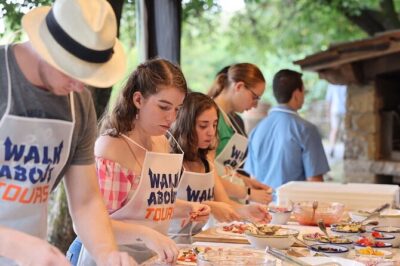
Florence Pizza or Pasta Class with Gelato Making at a Tuscan Farm
Read our review →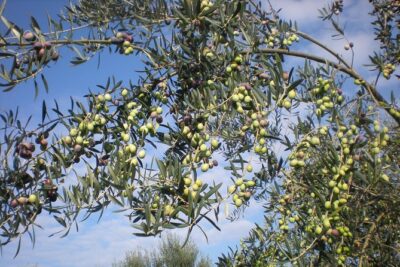
Sorrento Farm and Food Experience including Olive Oil, Limoncello, Wine tasting
Read our review →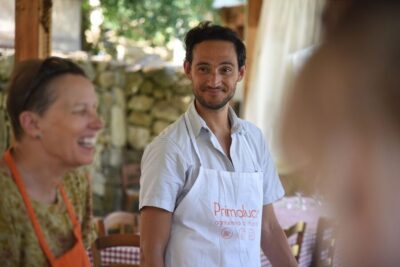
Pizza Lesson, Wine, and Limoncello at a Local Farm
Read our review →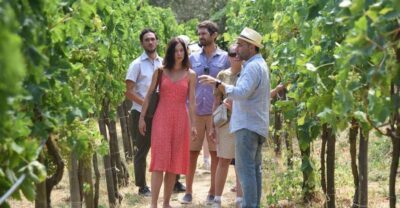
Alghero: Wine and Olive Oil Tasting at a Local Farm
Read our review →
Amalfi: Vertical Lemon Farm Tour, Tastings, and Rural Museum
Read our review →Browse the lists this tour appears in