Reviewed · MUSEUMS
Milan: Pinacoteca Ambrosiana & da Vinci Codex Exhibition
Leonardo’s sketches are the star here. At Milan’s Pinacoteca Ambrosiana, you get original Codex Atlanticus drawings plus major Renaissance names, all inside a historic library. I love how the museum turns big art history into something you can actually stand in front of, room after room.
I also love the way the experience is built for self-guided learning. You can add the audio guide to connect what you see with what you’re thinking about, and you can even use the app after your visit. One drawback to plan around: lighting and room navigation can feel a bit challenging, so you will want to budget real time and use the museum’s map.
In This Review
- Key highlights to know before you go
- Entering Milan’s Pinacoteca Ambrosiana, set in a working library world
- Leonardo’s Codex Atlanticus on display, and why it feels different in person
- The Federiciana Room, where the library setting turns art into a conversation
- Raphael and the School of Athens cartoon, the highlight that surprises many people
- The rest of the collection: Botticelli, Tiziano, Caravaggio, plus more you might not expect
- Practical realities: lighting, reading labels, and finding the Codex display
- Audio guide and app: how to get more value from your ticket
- How long to budget for a one-day Milan art stop
- Price and value, plus the optional crypt add-on
- Getting there: meeting point, metro, and tram drops
- Should you book the Milan Pinacoteca Ambrosiana experience?
- FAQ
- Where is the meeting point for the Pinacoteca Ambrosiana experience?
- How much does it cost?
- How long does the visit last?
- What is included in the $21 ticket?
- Is an audio guide included?
- How much does the audio guide cost, and what languages are available?
- What nearby metro stops can I use?
- Which tram stops are closest?
- Is free cancellation available?
Key highlights to know before you go
- Original Leonardo drawings from the Codex Atlanticus, displayed with context
- Federiciana Room inside the Ambrosiana Library, a powerful setting for art and ideas
- Raphael’s School of Athens connection, including a major cartoon tied to the work
- Major Renaissance and Baroque artists like Botticelli, Raphael, Tiziano, and Caravaggio
- Audio guide plus app use, letting you keep learning after you leave
- Small-museum feel with strong value, usually easier to manage than bigger galleries
Entering Milan’s Pinacoteca Ambrosiana, set in a working library world
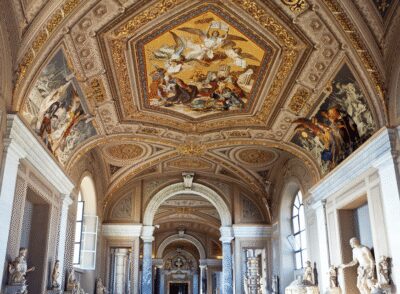
This is not a typical “white walls and big crowds” museum day. The Pinacoteca Ambrosiana lives inside a historic library, so the place has that quiet, serious energy you associate with archives and study halls. That setting matters because the collection is about more than finished paintings, it’s also about ideas, design, and how artists worked.
I like that the visit stays focused. For a $21 ticket, you’re paying to see a tight set of standout objects, not trying to cover half a city of art. A couple of practical notes: the galleries can be dark in places, and the signage can be hit or miss, so give yourself time to slow down and orient.
A few more Italy options to weigh
- Vatican: Museums & Sistine Chapel Entrance Ticket
★ 4.5 · 144,003 reviews - Vatican Museums & Sistine Chapel Tour with Optional Basilica
★ 4.3 · 67,413 reviews - Vatican Museums, Sistine Chapel & St Peter’s Basilica Guided Tour
★ 4.5 · 39,149 reviews
Leonardo’s Codex Atlanticus on display, and why it feels different in person
The reason most people come is simple: the Ambrosiana holds one of the world’s greatest groups of original Leonardo da Vinci drawings from the Codex Atlanticus. Seeing sketches on paper is a different kind of thrill than seeing “finished masterpieces,” because you notice revisions, arrows, and the messy logic of invention. It makes Leonardo feel like a working thinker, not a statue in a textbook.
The exhibition gives you an overview of the master’s work based on more than 40 years of research, and it’s designed to help you connect his drawings with his approach to the world. If you’re the type who loves process, you’ll probably find yourself lingering. If you only want the highlights, you can still make it work, but you should expect the drawings to pull you in.
Two helpful tips from real visit experiences:
- If you’re planning a longer visit, make sure your audio guide isn’t stuck on a short default plan. One person noted they had to switch the audio to a several-hours mode to get the full set of descriptions.
- Plan on spending time in front of the drawings, not just rushing past for photos. The value is in the looking.
The Federiciana Room, where the library setting turns art into a conversation
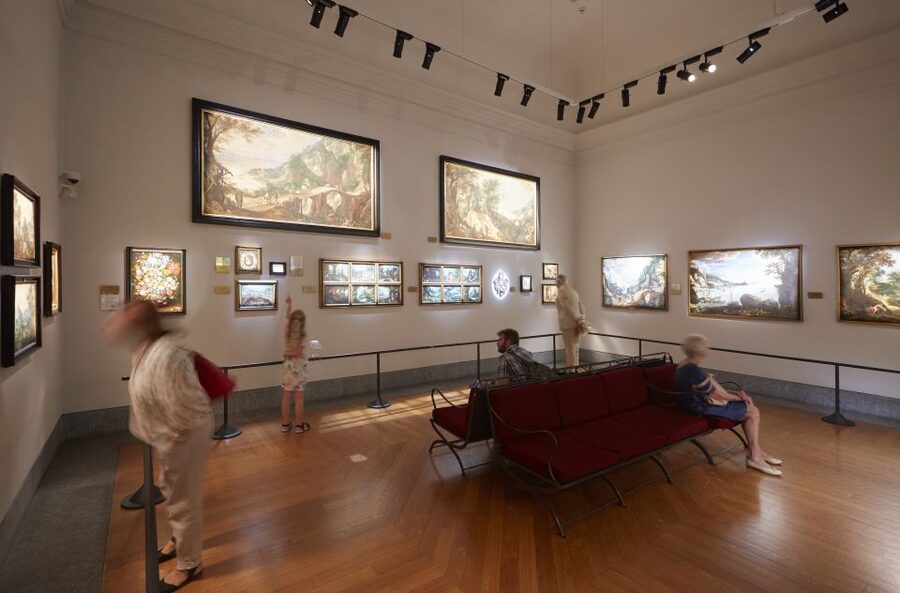
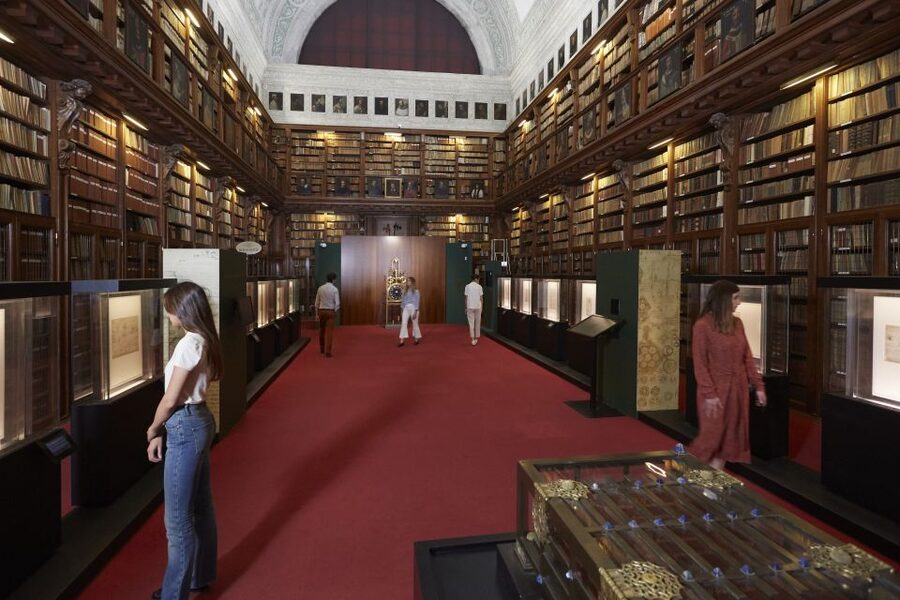
Inside the museum, the Federiciana Room is a key moment. This part of the Ambrosiana Library isn’t just scenery. It helps you understand how the collection was preserved and why these objects belong to a living tradition of learning.
Here’s what makes it valuable for your trip: you get a sense of “the man and his times,” not just an art catalog. When the room itself feels like scholarship, the drawings and paintings read more like evidence than decoration. You’re not only appreciating beauty, you’re learning how Renaissance artists and thinkers were trying to explain nature, the mind, and human life.
If you’re visiting on a day when you’re also planning other stops in Milan, treat this room like the intellectual anchor of your schedule. It’s the place to slow down and reset your brain before you move back into visual powerhouses.
Raphael and the School of Athens cartoon, the highlight that surprises many people
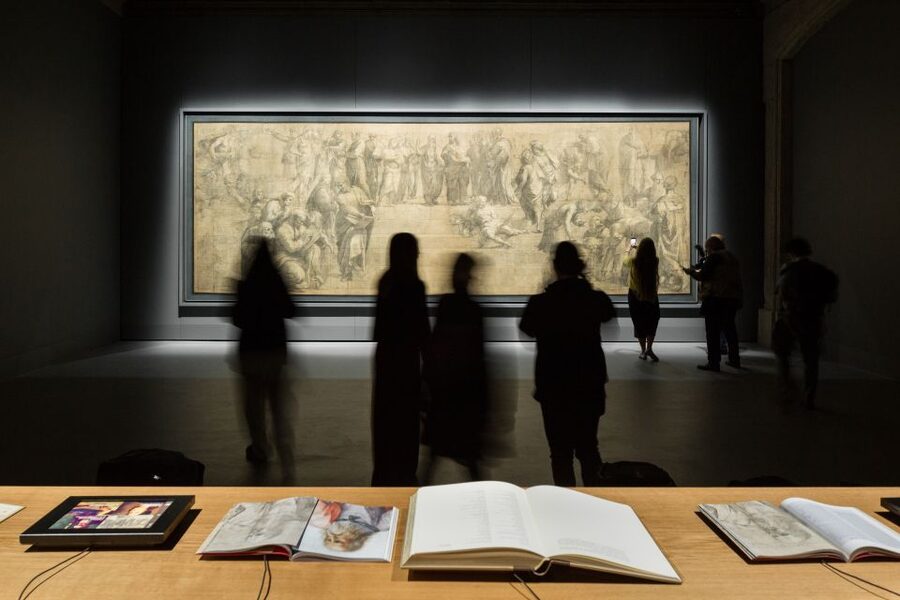
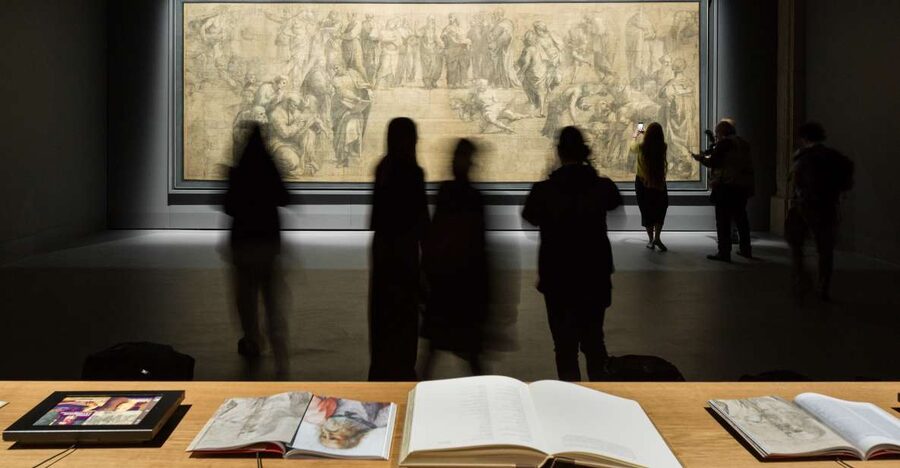
One of the most talked-about moments is Raphael’s cartoon for the School of Athens. If you know the mural painting in advance, seeing the cartoon connected to that project can change your understanding of how large works got planned. You can often feel the “design thinking” that happens before paint meets plaster.
A big plus here is that the experience includes explanation of how the cartoon was transferred onto the wall. That kind of behind-the-scenes detail is the difference between admiring a result and understanding a method. It’s also a great pairing with the Leonardo drawings, because both show the Renaissance obsession with structure, proportion, and how ideas become images.
For you, this is a smart strategy: if you’re short on time, make sure you hit Raphael’s cartoon before you drift into everything else. It’s the one object that tends to keep people talking after they’ve left.
Nearby, and just as well reviewed:
- Colosseum, Roman Forum & Palatine Guided Tour
★ 4.7 · 63,148 reviews - Milan: Cathedral and Duomo’s Terraces Entrance Ticket
★ 4.6 · 61,054 reviews - Venice: Doge’s Palace Reserved Entry Ticket
★ 4.6 · 42,716 reviews - Rome: Colosseum, Palatine Hill and Roman Forum Guided Tour
★ 4.8 · 32,814 reviews
The rest of the collection: Botticelli, Tiziano, Caravaggio, plus more you might not expect
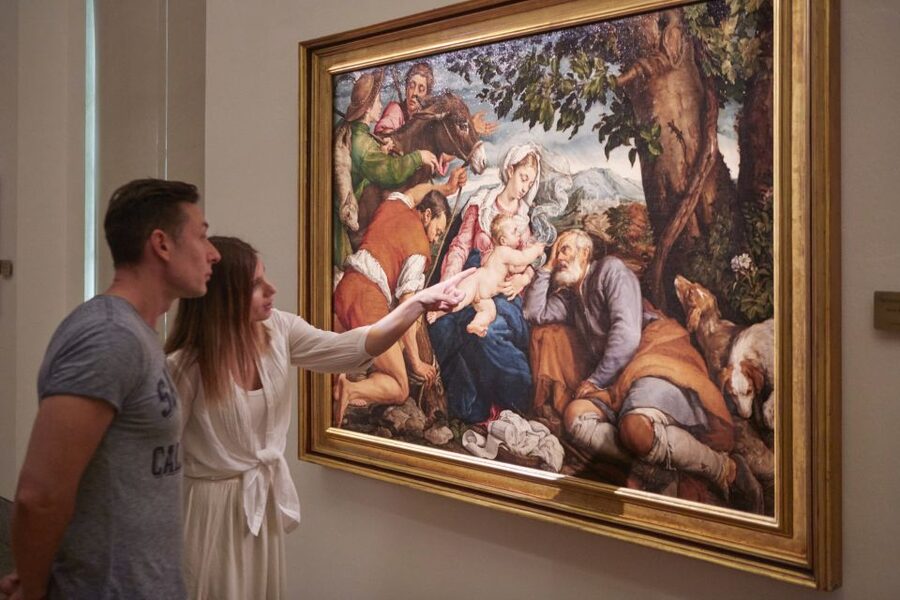
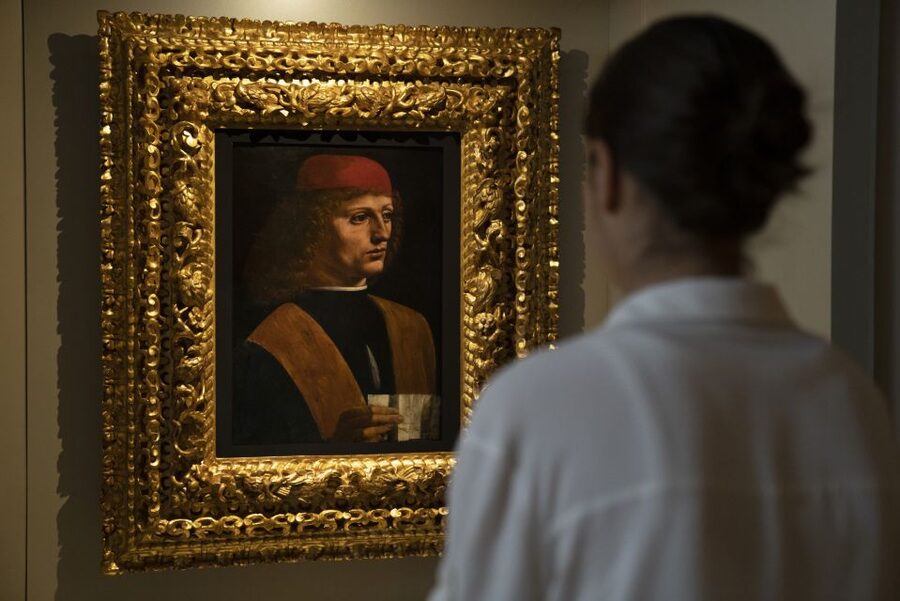
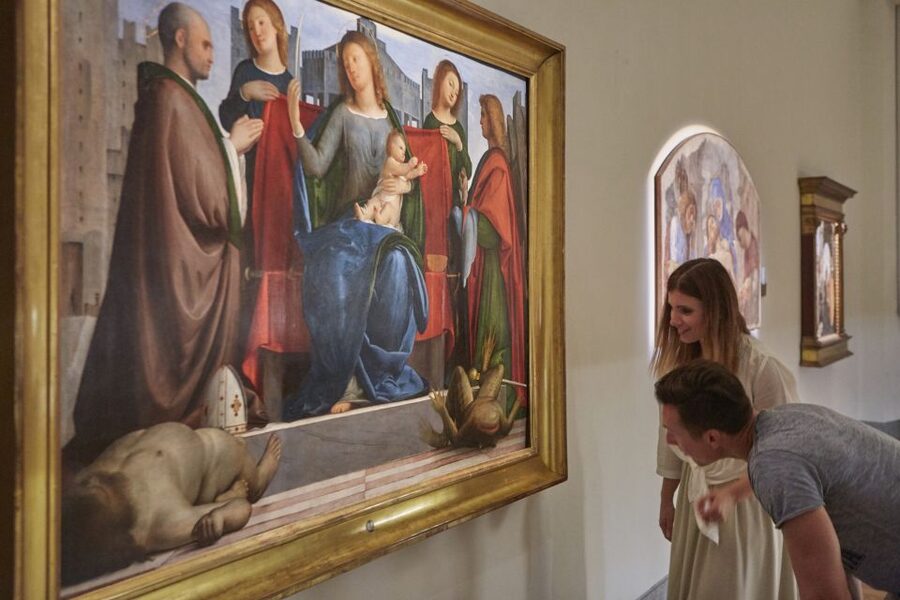
After the big Leonardo moment, the Pinacoteca Ambrosiana keeps the momentum with works by major Italian masters. You’ll have artists like Botticelli, Raphael, Tiziano (Titian), and Caravaggio in the mix. That variety matters because it shows how Italian art keeps evolving across the Renaissance and into later Baroque energy.
Caravaggio’s still-life style is a good example of what you might notice here. Even if your first plan is Leonardo, Caravaggio’s work can redirect your attention toward texture, realism, and dramatic observation. Botticelli and Raphael help you see the cleaner Renaissance line of thought, while Tiziano adds another layer of color and atmosphere.
One extra practical advantage: the museum is laid out in a way that keeps you moving through distinct areas, not just one endless hall. Several visitors describe it as nicely arranged and accessible, especially compared with larger city museums where fatigue can kick in fast.
Practical realities: lighting, reading labels, and finding the Codex display
Let’s be honest. This isn’t a museum where every label screams at you from across the room. Some descriptions can be hard to read due to dim lighting, and a few visitors noted they needed extra help to locate the Codex section quickly.
What helps you handle this:
- Bring patience. If the room feels dark, that’s part of the viewing setup, but it also means you rely more on audio and careful looking.
- Use the museum map early. If you get your bearings fast at the entrance, you’re far less likely to miss rooms.
- If you get turned around, ask staff. More than one visitor described museum staff as helpful and polite.
Another small consideration: if you’re traveling with a baby buggy or stroller, you might find some areas difficult to navigate. One visitor specifically mentioned that they were asked to keep the buggy in the entrance area to see certain parts of the exhibition. Plan to keep your day flexible if you’re with a stroller.
Audio guide and app: how to get more value from your ticket
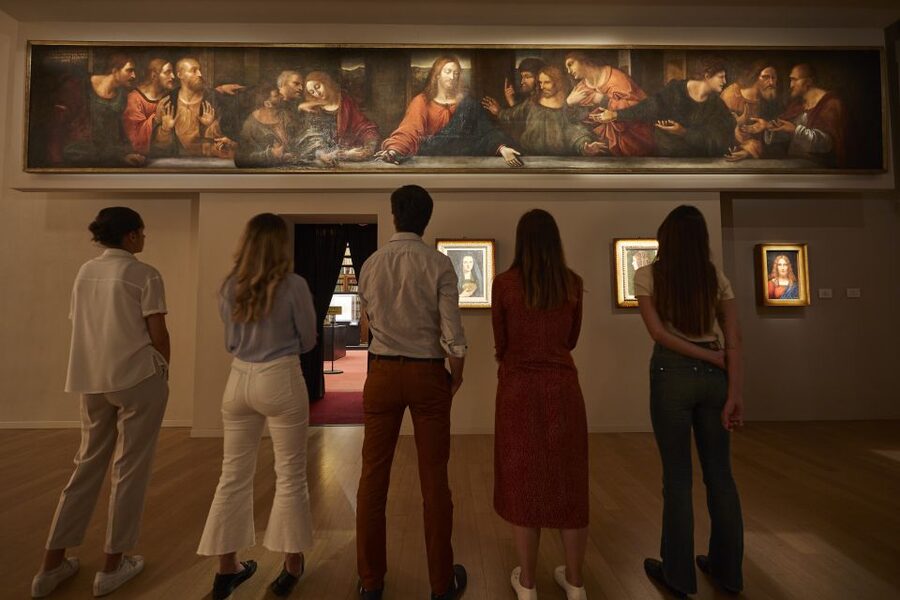
The ticket price gets you the exhibition access, including the Ambrosiana collections and the Leonardo drawings from the Codex Atlanticus. The audio guide is optional and not included. It’s available in six languages, and the cost is listed as 4 EUR at GetYourGuide or at the ticket office.
This matters because the museum is about interpretation, not just seeing. The audio guide helps you connect what you’re looking at with the larger ideas behind it. One person said the audio guide added a lot of value, and another noted the app was especially helpful for understanding the background behind the drawings.
You also get a modern perk: you can download the app on your device and listen even after the visit. That’s a useful trick for your trip flow. You can process what you saw on the train back to your hotel, or during a quiet moment later in the evening when the art is still fresh.
A note on usability: some experiences describe the audio guide as a bit cumbersome at first. The good news is you can work around it, especially by making sure you’ve switched to the right visit mode for the time you plan to spend.
How long to budget for a one-day Milan art stop
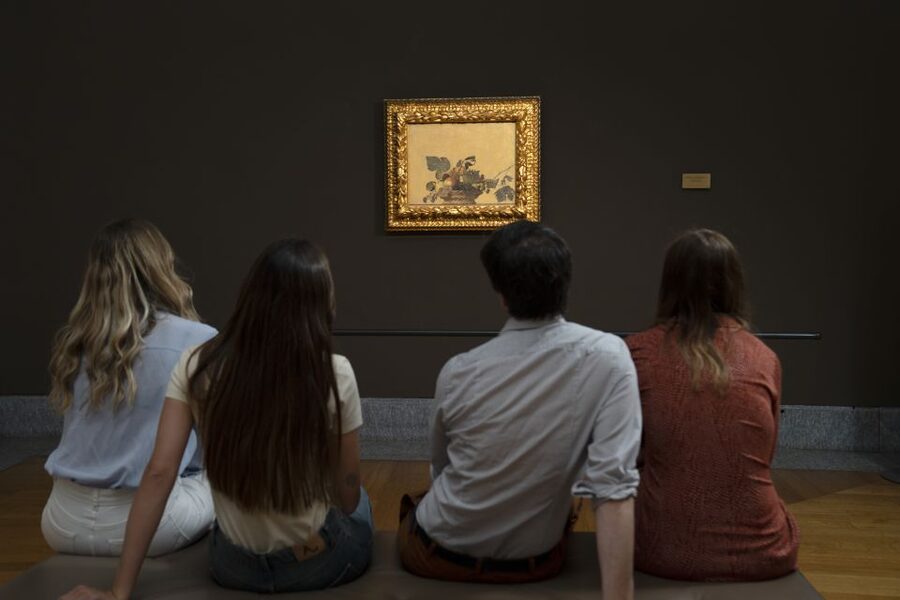
Even though this is sold as a 1-day experience, your success depends on time on site. Many visitors describe spending around 2 to 3 hours, and some report up to 3 hours when they added the audio guide. If you’re the kind of traveler who reads labels slowly or likes to replay audio while you stand still, plan closer to 3 hours.
Here’s a smart pacing approach:
- Start with Leonardo so you’re fresh and focused.
- Then go to Federiciana Room before you get tired.
- Save Raphael’s cartoon for a moment when you’re ready to slow down again.
The museum is also described as air-conditioned, which is great in Milan’s summer heat. And there are places to sit, so you can keep your legs from taking over your itinerary.
Price and value, plus the optional crypt add-on
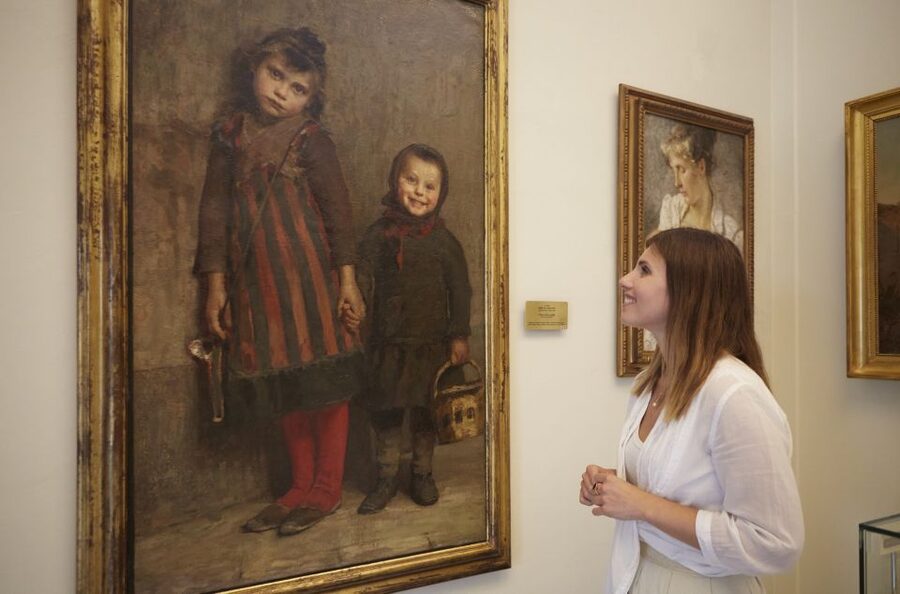
The ticket is listed at $21 per person for about 1 day of access. For that price, you’re seeing the Ambrosiana collections and the specific Leonardo drawings exhibition tied to the Codex Atlanticus. That’s strong value because the museum is focused, and the Leonardos and Raphael connection are real, original objects.
Audio is extra (4 EUR), but you might consider it a worthwhile add. More than one visitor said the audio guide helped them get more from the time they spent inside. The app option that works after your visit is also part of the value equation.
There is also mention of a crypt add-on. One visitor said paying extra for the crypt was a must do, describing an old church and very old marble floors. Another visitor complained that the crypt charge felt unfair. Translation for you: treat the crypt as optional. If you love history beyond the paintings, it’s likely worth it, but you don’t need it to enjoy the core experience.
Getting there: meeting point, metro, and tram drops
Your meeting point is The Ambrosiana, Piazza Pio XI 2, Milan. For public transit, the nearest options listed are:
- Metro Red Line: Cordusio or Duomo
- Metro Yellow Line: Duomo
- Tramway 12, 14, 16: stop Orefici Cantù
- Tramway 2, 3: stop Duomo
If you’re combining this stop with Milan’s Duomo area, it’s easy to build in as a quieter contrast to the bigger sights nearby.
Should you book the Milan Pinacoteca Ambrosiana experience?
Yes, if you want an art day that feels focused and smart, not exhausting. I think this works especially well for you if you’re interested in Leonardo da Vinci drawings, the Renaissance planning process behind major works, or Italian art history beyond the usual blockbuster circuit. The pairing of Leonardo’s sketches with Raphael’s School of Athens cartoon is a strong reason to choose this museum.
Skip or rethink it if you mainly want bright, easy-to-read exhibitions with minimal waiting and maximum casual walking. The dim lighting and occasional navigation confusion mean you’ll get more out of it if you’re willing to slow down, use the map, and probably add the audio guide.
FAQ
Where is the meeting point for the Pinacoteca Ambrosiana experience?
The meeting point is The Ambrosiana, Piazza Pio XI 2, Milan.
How much does it cost?
The price is listed at $21 per person.
How long does the visit last?
It’s listed as a 1-day experience.
What is included in the $21 ticket?
The ticket includes exhibition access to the Ambrosiana collections and the exhibition of Leonardo’s original drawings from the Codex Atlanticus.
Is an audio guide included?
No. The audio guide is not included, though it is available for an additional fee.
How much does the audio guide cost, and what languages are available?
The audio guide is listed as 4 EUR and available in 6 languages.
What nearby metro stops can I use?
For the nearest metro, you can use the Red Line stops Cordusio or Duomo, and the Yellow Line stop Duomo.
Which tram stops are closest?
The nearest tram stops listed are Orefici Cantù for lines 12, 14, and 16, and Duomo for lines 2 and 3.
Is free cancellation available?
Yes. Free cancellation is listed as available up to 24 hours in advance for a full refund.
Latest reviews around Italy
- Total Immersion Wine Tour in Chianti★ 4.9 · 430 reviews
- From Rome: Villa D’Este & Villa Adriana Day Trip with Lunch★ 4.4 · 289 reviews
- Tivoli: Villa Gregoriana Entrance Ticket★ 4.7 · 150 reviews
- Rome: Painting Class with Unlimited Wine★ 4.8 · 109 reviews
- Tivoli: Villa D’Este Entry Ticket and App Audio Guide★ 4.3 · 191 reviews
- From Rome: Hadrian’s Villa & Villa d’Este Day Trip & Lunch★ 4.5 · 157 reviews
- Ravenna: UNESCO Mosaics Entry Tickets★ 4.7 · 255 reviews
- Timed Entrance to Leaning Tower Pisa & Cathedral with Audio★ 4.1 · 385 reviews
Museums, compared.
Vatican: Museums & Sistine Chapel Entrance Ticket
Read our review →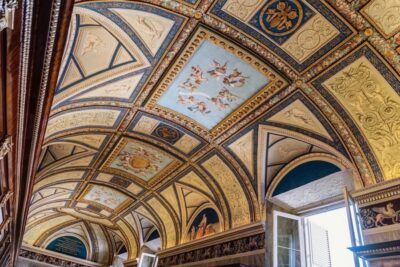
Vatican Museums & Sistine Chapel Tour with Optional Basilica
Read our review →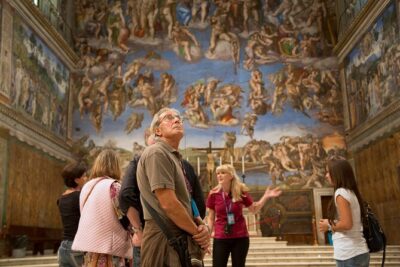
Vatican Museums, Sistine Chapel & St Peter’s Basilica Guided Tour
Read our review →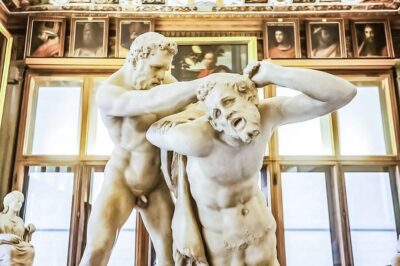
Skip-The-Line Uffizi Gallery Timed Entry Ticket
Read our review →
Vatican Museums, Sistine Chapel & Basilica Tour
Read our review →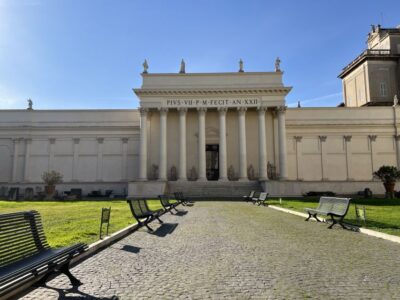
Vatican Museums & Sistine Chapel Skip-the-Line Entry Ticket
Read our review →Vatican Museums, Sistine Chapel & Basilica Tour
Read our review →