
Reviewed · WORKSHOPS
Levanto: Pesto-Making Class
Pesto gets real, fast. You’ll make Ligurian pesto at Il laboratorio del Pesto in Levanto’s historical center, then taste what you made with local food and wine. I especially like the practical focus on the classic Genovese flavor, not just the Instagram version.
Small groups (up to 8) also make a difference because you can actually work at the mortar and compare your adjustments to what you taste. One potential drawback to know upfront: it is not suitable for children under 10, so it’s best as an adult food outing.
In This Review
- Key things to know before you go
- Levanto’s pesto classroom: Il laboratorio del Pesto in the historical center
- What the 90 minutes feels like on arrival
- The tastings that set your flavor expectations: bruschetta, olive oil, and wine
- Modern method demo, then the traditional mortar technique
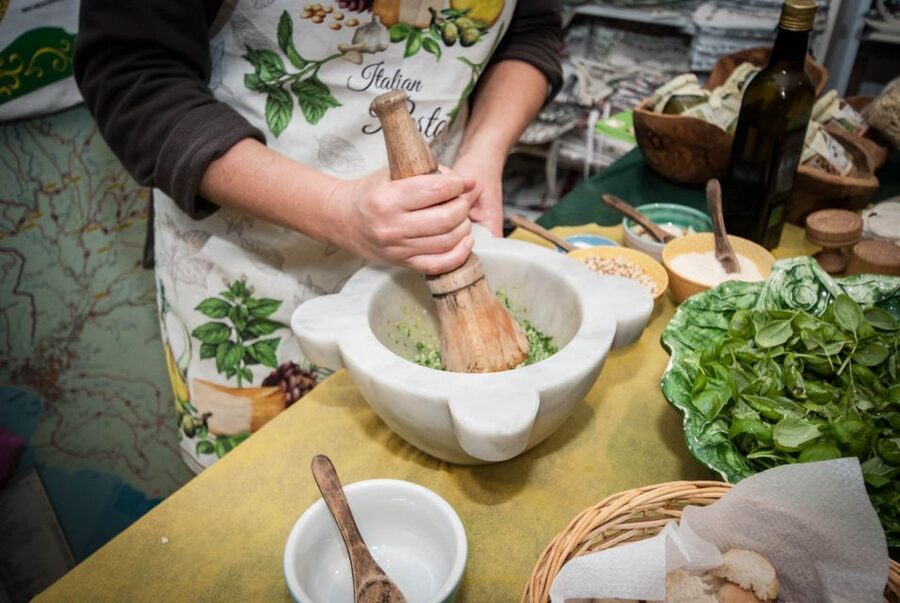
- Hands-on pesto making: what you’ll learn by doing it
- The Ligurian bites and finish that make the class feel like a meal-lite
- Price and value: is $52 worth it in Levanto?
- Who this pesto class is best for (and who might not love it)
- What to do before and after the class
- Should you book the Levanto pesto-making class?
- FAQ
- How long is the Levanto pesto-making class?
- How much does it cost?
- What’s included in the price?
- What is not included?
- Where do I meet the instructor?
- What languages are used during the class?
- Is the class suitable for children?
- Is it wheelchair accessible?
Key things to know before you go
- Hands-on pesto with a mortar instead of only watching
- Taste first, then make, so you understand what good pesto should taste like
- Olive oil tasting plus wine, with local appetizers included
- Limited to 8 people, which keeps the class interactive
- Instruction in English and Italian, with clear step-by-step guidance
Levanto’s pesto classroom: Il laboratorio del Pesto in the historical center
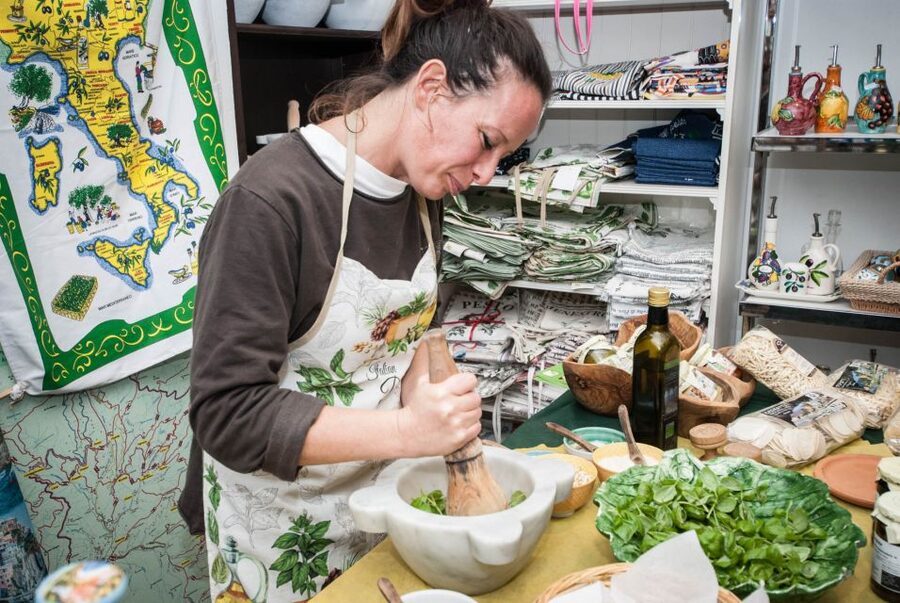
Levanto is a nice base for the Cinque Terre area, but this class gives you something different from the usual coastal stroll. The action happens at Il laboratorio del Pesto, a shop that has been preparing pesto since 1976. That matters, because you’re not learning a generic cooking trick. You’re learning a local method that has been repeated and refined for decades.
I like that the experience is built around Ligurian pesto sauce as a craft. You’ll start by tasting and comparing, then you’ll make your own using the traditional steps. If you’ve ever bought a jar and wondered why it tasted flat, this is where the answer comes from: ingredient quality, proper texture, and the way you grind and combine.
The class is also time-efficient. It runs about 1.5 hours, which makes it a smart plan even if your trip has a few busy days. You won’t leave hungry, but it’s also not a full meal. Think of it as a focused food workshop with enough tastings to teach you what to look for next time you buy or cook pesto.
Other Italy tours travellers rate well:
- Vatican: Museums & Sistine Chapel Entrance Ticket
★ 4.5 · 144,003 reviews - Vatican Museums & Sistine Chapel Tour with Optional Basilica
★ 4.3 · 67,413 reviews - Colosseum, Roman Forum & Palatine Guided Tour
★ 4.7 · 63,148 reviews
What the 90 minutes feels like on arrival
You meet your instructor at Il laboratorio del Pesto. From there, the pace is relaxed but structured. First you settle in with tastings, then the instructor guides you through how pesto should be made, and finally you take over and do the work yourself.
The format is designed for interaction. With a maximum of 8 participants, you’re not stuck hovering near the table. You’ll have time at the mortar, and you’ll get chances to compare how your batch tastes versus what’s happening in the group. One review note that the instructor encourages a step-by-step flow and even provides recipes and variations, which is exactly what you want if you plan to recreate the sauce back home.
Language support is practical too. The instructor can work in Italian and English, so you’re not forced to guess. And because it’s a hands-on class, the communication is built into the process, not just in lectures.
The tastings that set your flavor expectations: bruschetta, olive oil, and wine
This class doesn’t start with theory. It starts with flavor. You’ll begin with a glass of sparkling wine paired with local extra virgin olive oil on bruschetta. That first bite is a quick lesson in why Ligurian food is so ingredient-led.
You also get an olive oil tasting as part of the included experience. That’s a big deal for pesto, because olive oil isn’t just an ingredient that gets mixed in at the end. It affects aroma and texture, and it can round out the sharpness of garlic and the bitterness of pine nuts.
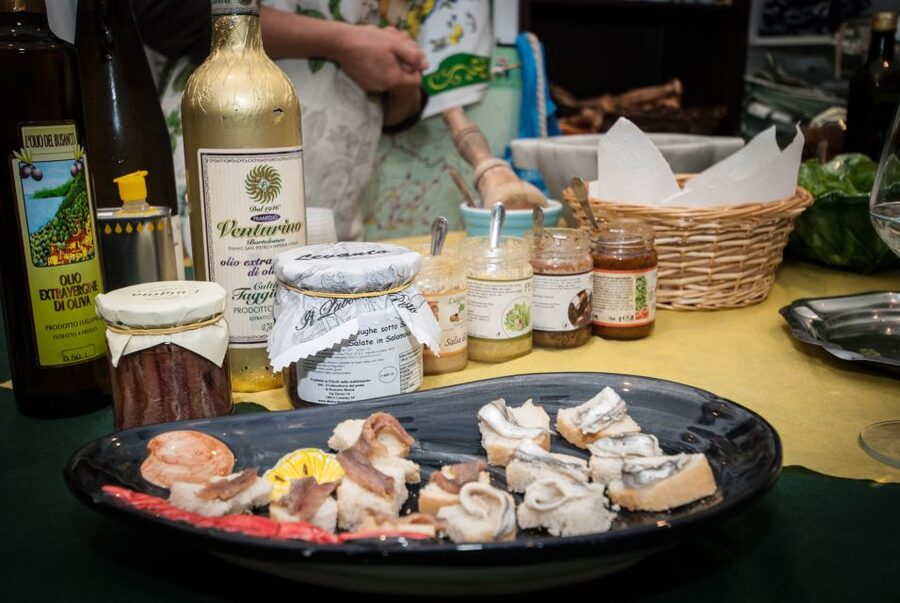
Later, you’ll taste your homemade pesto alongside local products. The details include olives and bruschetta with anchovies, and the overall experience often includes other local sweets as well. In reviews, people also mention lemon cake and lemoncino as part of the finish. Even if the exact lineup varies slightly by day, the structure stays consistent: you build pesto, then you test it next to classic Ligurian bites and wine.
Wine pairing here is not fancy in a stuffy way. It’s about helping you notice differences. Sparkling wine early sets your palate, and the white wine served with your tasting helps you evaluate the balance of basil, garlic, cheese, and oil.
Modern method demo, then the traditional mortar technique
One of the most useful parts for me is the built-in comparison. You’ll taste pesto made using a more modern method, then you’ll switch to making it the traditional way with a mortar. This is how you learn why homemade pesto feels thicker and more fragrant, instead of just tasting like a blended paste.
In the traditional sequence, you’ll follow the local steps:
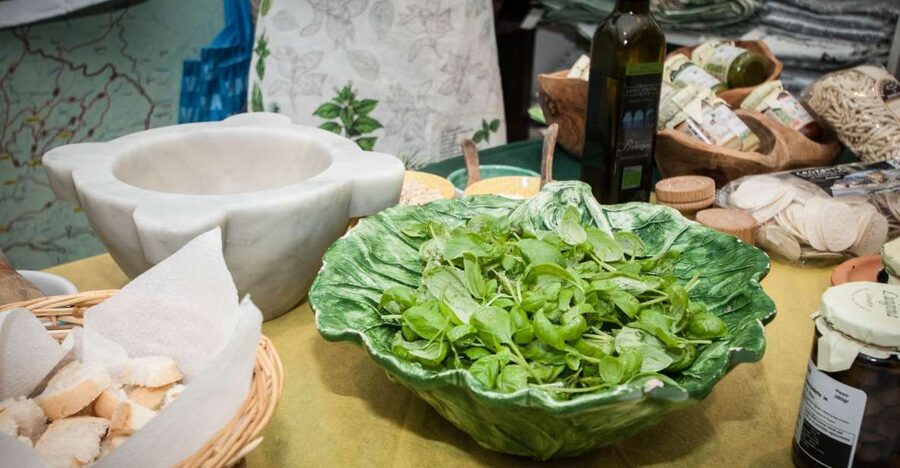
- Wash and dry the basil leaves
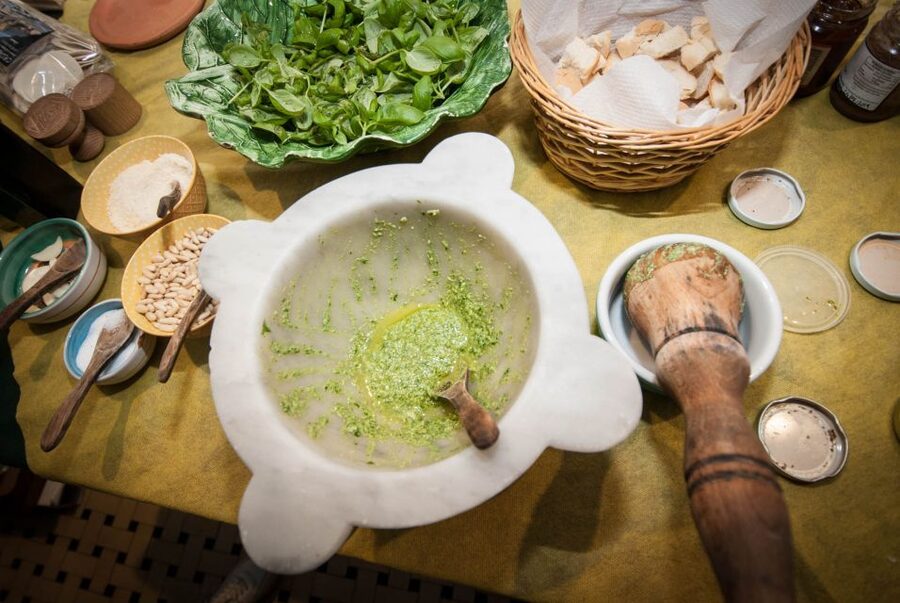
- Pound basil with salt, pine nuts, and garlic
- Add Parmigiano cheese
- Finish with extra virgin olive oil
That order matters. If you add oil too early or grind in a way that turns the basil into a thin slurry, the sauce loses some of its signature texture. The mortar method helps you create a paste that holds together while still tasting fresh.
And you’re not only making one version. Reviews mention that people sample different types of pesto, then make the Genovese style. That tasting-before-pounding setup helps you understand what variation tastes like, so your own batch doesn’t feel like random steps. It feels like a recipe with purpose.
Nearby, and just as well reviewed:
- Milan: Cathedral and Duomo’s Terraces Entrance Ticket
★ 4.6 · 61,054 reviews - Venice: Doge’s Palace Reserved Entry Ticket
★ 4.6 · 42,716 reviews - Vatican Museums, Sistine Chapel & St Peter’s Basilica Guided Tour
★ 4.5 · 39,149 reviews - Rome: Colosseum, Palatine Hill and Roman Forum Guided Tour
★ 4.8 · 32,814 reviews
Hands-on pesto making: what you’ll learn by doing it
The class is built around the idea that pesto is more technique than recipe. Yes, you need the ingredients. But the real lesson is how those ingredients behave when you break them down and combine them.
I love that you can literally feel the process. Pine nuts turn from firm to creamy. Garlic mellows as it gets worked. Basil becomes aromatic when it’s crushed, not just chopped. And Parmigiano adds body and saltiness, which changes how the sauce lands on your tongue.
You also get a chance to compare within the group. One review highlights the fun of noticing how everyone ends up with slightly different garlic and salt levels. That’s not just a fun moment. It teaches you a key home-cooking skill: pesto tuning. Next time, you’ll know how to adjust for your personal taste, instead of following the jar label or a vague internet rule.
If you’re worried about being slow, don’t. People describe the instructor as clear and step-by-step, and the small group size keeps things from feeling rushed. You’ll get to taste along the way, not just at the end.
The Ligurian bites and finish that make the class feel like a meal-lite
Pesto classes can be hit or miss when the food is an afterthought. Here, the tastings are part of the education.
You’ll enjoy your homemade pesto with a glass of white wine and local products. The included details name olives and bruschetta with anchovies, which is a very practical pairing lesson. Salty bites and savory anchovies help you notice how basil sweetness and cheese richness interact. Olives add briny contrast that makes the pesto taste even more alive.
Many reviews mention additional finishing touches, including lemon cake and lemoncino. Even if you don’t get the exact same sweet every time, the pattern is the same: a bright, citrus-leaning finish that resets your palate after you’ve been tasting herbs, nuts, and cheese.
There’s also a small social side. Reviews describe the class as intimate, and one person mentions that the instructor might offer to take photos. It’s not the kind of workshop where you’re stuck alone with your mortar. It’s more like a friendly cooking lesson with tastings woven through it.
Price and value: is $52 worth it in Levanto?
For $52 per person and about 1.5 hours, the value comes from what’s included, not from the price on the tag.
You’re getting:
- The pesto-making class itself
- A glass of wine and local appetizers
- An olive oil tasting
That combination is what makes the class feel fair. If you were to try tasting wine plus good olive oil plus a guided food lesson on your own, you’d spend time and money piecing it together. Here, it’s bundled into one experience in a small group, and you leave with a practical technique you can repeat.
Also, pesto is one of those foods where quality is easy to feel. Once you’ve tasted pesto made fresh and textured by hand, jarred pesto can suddenly taste flat. That taste lesson is a real return on investment, because it changes what you buy and how you cook.
So yes, this is a splurge compared to buying a sandwich. But it’s the right kind of splurge, focused on a skill and a set of flavors you can bring home.
Who this pesto class is best for (and who might not love it)
This is ideal if you care about food that’s tied to place. If you want something hands-on in the Cinque Terre area that isn’t another boat tour or another viewpoint stop, this hits the sweet spot.
It’s also a great rainy-day plan. Several reviews mention this kind of weather-day usefulness, because the experience is inside and structured. In a short time, you get tastings, learning, and a finished product.
You should also like small group formats. With up to 8 participants, the class stays interactive. If you prefer one-on-one experiences only, you might find it crowded at times, but the limit is small enough that it should still feel personal.
The one clear mismatch: it’s not suitable for children under 10. If you’re traveling with younger kids, look for other family-friendly activities in Levanto instead.
Accessibility is covered. The class is listed as wheelchair accessible, which is a big plus for people who want a seated, practical food experience without barriers.
What to do before and after the class
Keep your expectations simple. This isn’t a long cooking day. It’s a focused workshop. Go in ready to taste and adjust. You’ll likely pick up a few small cues that will help at home, like how dry basil should feel before pounding, and how the balance shifts after Parmigiano goes in.
After the class, you’ll probably want to keep exploring Levanto on foot while you still remember the flavor comparisons. The shop is in the historical center, so you can turn it into a short food-centered wandering loop.
If you plan to buy pesto or related products, one review mentions that participants can purchase items without pressure. That’s a nice bonus, especially if you want a jar that matches what you just learned to make.
Should you book the Levanto pesto-making class?
I’d book it if you want a hands-on Ligurian pesto experience in a small group, with tastings that teach you what matters. The traditional mortar method, the ingredient sequence, and the wine-plus-olive-oil setup make this feel like more than a quick activity. It’s a flavor lesson you can repeat.
Skip it if you need a kid-friendly class for children under 10, or if you only want to sample pesto and don’t care about making it yourself. Also, if you’re already completely pesto-saturated and just want scenery, you might prefer a different Levanto day.
If you’re the type of traveler who likes learning one practical technique and then using it for years, this one belongs on your short list.
FAQ
How long is the Levanto pesto-making class?
The class lasts about 1.5 hours.
How much does it cost?
It costs $52 per person.
What’s included in the price?
The price includes the pesto-making class, a glass of wine and local appetizers, and an olive oil tasting.
What is not included?
Lunch or dinner is not included.
Where do I meet the instructor?
You meet at Il laboratorio del Pesto.
What languages are used during the class?
The instructor works in Italian and English.
Is the class suitable for children?
No, it is not suitable for children under 10.
Is it wheelchair accessible?
Yes, the class is listed as wheelchair accessible.
Latest reviews around Italy
- Total Immersion Wine Tour in Chianti★ 4.9 · 430 reviews
- From Rome: Villa D’Este & Villa Adriana Day Trip with Lunch★ 4.4 · 289 reviews
- Tivoli: Villa Gregoriana Entrance Ticket★ 4.7 · 150 reviews
- From Rome: Hadrian’s Villa & Villa d’Este Day Trip & Lunch★ 4.5 · 157 reviews
- Rome: Painting Class with Unlimited Wine★ 4.8 · 109 reviews
- Tivoli: Villa D’Este Entry Ticket and App Audio Guide★ 4.3 · 191 reviews
- Ravenna: UNESCO Mosaics Entry Tickets★ 4.7 · 255 reviews
- Timed Entrance to Leaning Tower Pisa & Cathedral with Audio★ 4.1 · 385 reviews
Workshops, compared.
3 in 1 Cooking Class near Navona: Fettuccine, Ravioli & Tiramisu
Read our review →
Florence Pizza or Pasta Class with Gelato Making at a Tuscan Farm
Read our review →
Pasta & Tiramisu Cooking Class with Unlimited Wine
Read our review →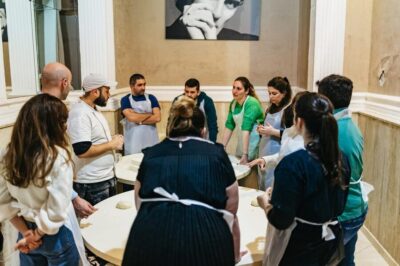
Pizza-Making Workshop with Drink and Appetizer
Read our review →
Pasta & Tiramisu Class with Fine Wine by the Vatican
Read our review →
Cooking Class and Lunch at a Tuscan Farmhouse with Local Market Tour from Florence
Read our review →Browse the lists this tour appears in