Reviewed · MUSEUMS
Fortress: Prisons, Museum of Fortifications and Alps Museum
Walls with teeth and Alpine views. The Fortress of Bard in Aosta Valley turns defence history into something you can walk, ride, and actually see. I like the way it links changing weapons to the shape of the walls, and then adds human scale through the Prisons.
My favorite part is how the site uses different modes of storytelling. You get museum galleries with models and film, plus real architectural spaces like courtyards and walkways, and you move up by panoramic lifts. One possible drawback: this is self-guided with an audio setup, so if you want a live guide, you will need to look elsewhere.
In This Review
- Key highlights you should notice
- Fortress of Bard: why this stronghold matters in the Alps
- How the lifts and route shape your visit
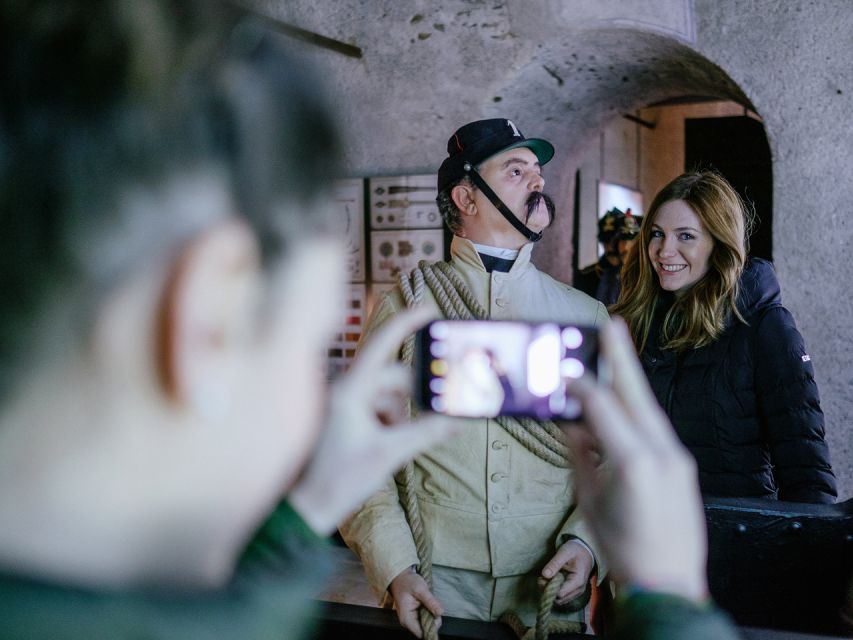
- Fortifications Museum: from weapons to the idea of a boundary
- Prisons: the quiet power of 24 tiny cells
- Museum of Alps: nature, alpine civilization, and modern change
- Ticket value and what you can actually choose
- Audio guide and pacing: how to get the most without rushing
- Organization, atmosphere, and a small expectation check
- Who should book this fortress and museum combo
- Should you book Forte di Bard?
- FAQ
- How do I get my ticket at the fortress?
- What exhibitions can I choose with my ticket?
- Do I get an audio guide?
- Is there a live guided tour included?
- Is the fortress accessible for wheelchairs?
- Can I cancel if my plans change?
Key highlights you should notice
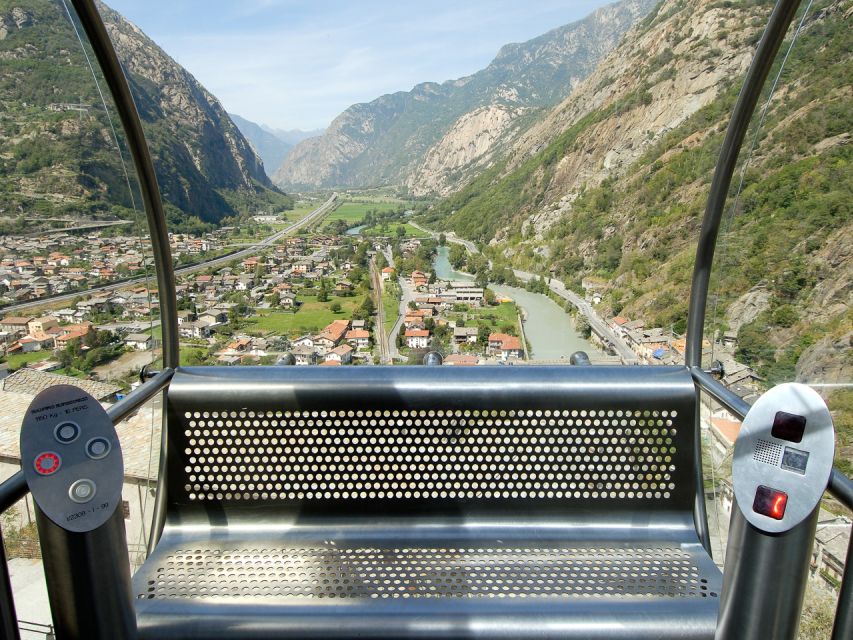
- Panoramic lifts that help you cover the hill route without fighting steep climbs
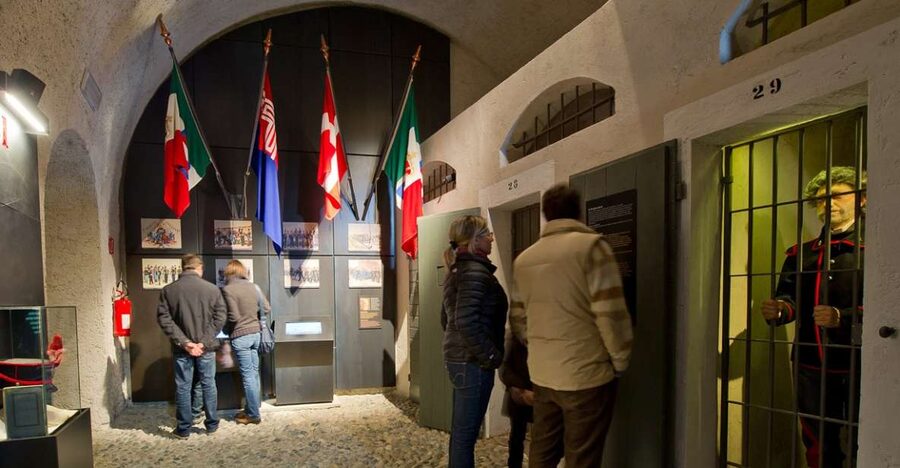
- 24 prison cells, about 1.3 by 2 metres each, arranged into sections for a very specific feel
- Fortifications Museum in three acts, from weapon evolution to 19th- and early-20th-century changes, ending with the question The Alps, a boundary?
- Museon audio guide via the app and a QR code you grab at the ticket counter
- On-site architecture access, including the chapel, parade grounds, courtyards, and walkways
- Pick three exhibition spaces from the permanent museum options (plus temporary art shows when open)
Fortress of Bard: why this stronghold matters in the Alps
The Fortress of Bard is not just a scenic ruin. It was built for control, monitoring, and defence in the narrow mountain routes that connect the Alps. If you’ve ever wondered how people historically managed hard terrain, this fortress gives you an answer you can physically trace along the walls and rooms.
A big part of the appeal is the mix of “big picture” and “close-up.” The museum side explains strategy and weapon evolution, while the fortress spaces let you sense scale and function. You will also ride the lifts, so you get views that make the geography feel real instead of theoretical.
This is also a well set-up place to spend time on your own. You can move at your pace, stop when you want, and focus on whichever theme pulls you in most that day.
A few more Italy options to weigh
- Vatican: Museums & Sistine Chapel Entrance Ticket
★ 4.5 · 144,003 reviews - Vatican Museums & Sistine Chapel Tour with Optional Basilica
★ 4.3 · 67,413 reviews - Vatican Museums, Sistine Chapel & St Peter’s Basilica Guided Tour
★ 4.5 · 39,149 reviews
How the lifts and route shape your visit
You’ll want to think of the route as a vertical museum. The fortress complex is reached and moved through with panoramic lifts, and the experience flows upward to the prison area and onward toward the Museum of Alps in the mountain environment.
Before you go in, exchange your voucher at the ticket counter. There are two options: one at the start of the first panoramic lift, and another at the top of the medieval village behind the Church of Bard. Pick the counter closest to where you are positioned, so you waste less time backtracking.
A practical tip: plan for both viewpoints and stair steps. Even with lifts, there are courtyards, galleries, and walkways, so wear shoes you can trust on stone and changes in elevation.
Fortifications Museum: from weapons to the idea of a boundary
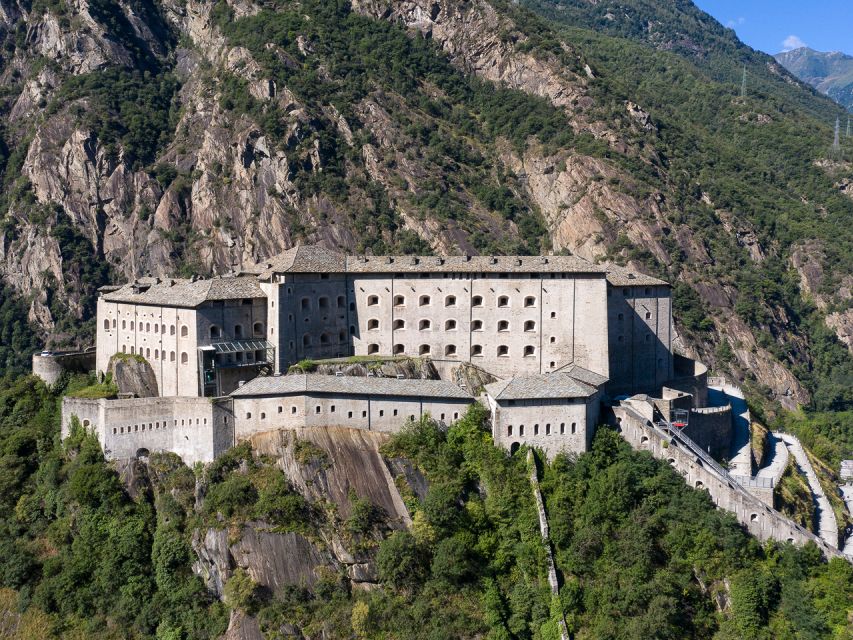
The Museum of Fortifications is the section that ties everything together. It is presented in stages, so you do not just read labels and move on. You watch how defence systems respond to new tools and new tactics.
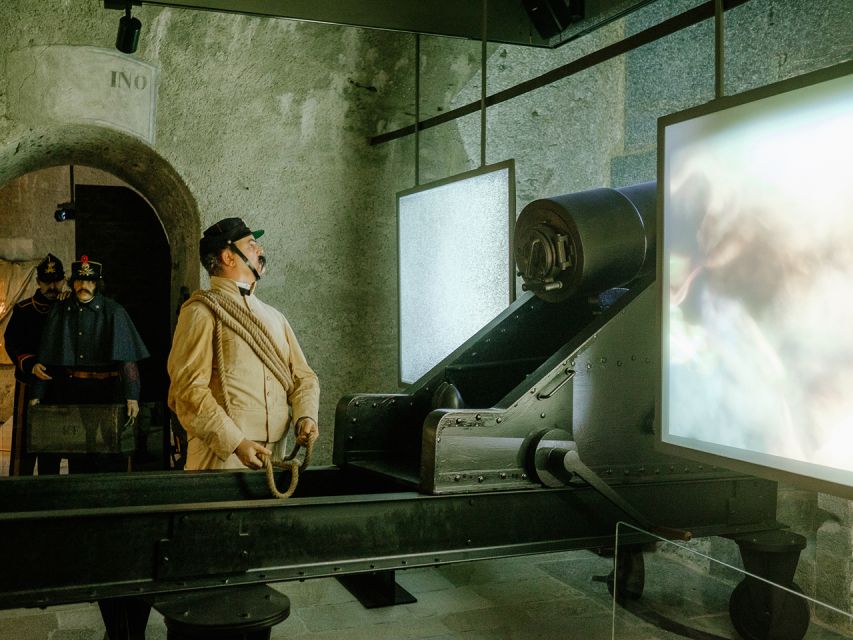
Part one covers the evolution of fortresses in the Western Alps. You’ll see historical settings supported by models, film footage, and authentic weapons. The storyline is about progression: as offensive tools changed, defenders had to redesign positions, fields of fire, and defensive logic.
Part two shifts to later changes, focused on transformations in the late 19th and early 20th centuries. This part matters because it places Fort Bard within a larger system of fortresses. Scale models and spectacular reconstructions help you understand how upgrades and new ideas reshaped the complex over time.
Part three is where the museum gets thoughtful. It frames the prompt The Alps, a boundary? and pushes you to consider what the word boundary means. Is it a border that separates, a barrier that stops, an obstacle, or something that also connects?
If you like museums that make you reason, this last section is the payoff. You leave with more than facts about walls. You leave with a question that fits the real map of the region.
Prisons: the quiet power of 24 tiny cells
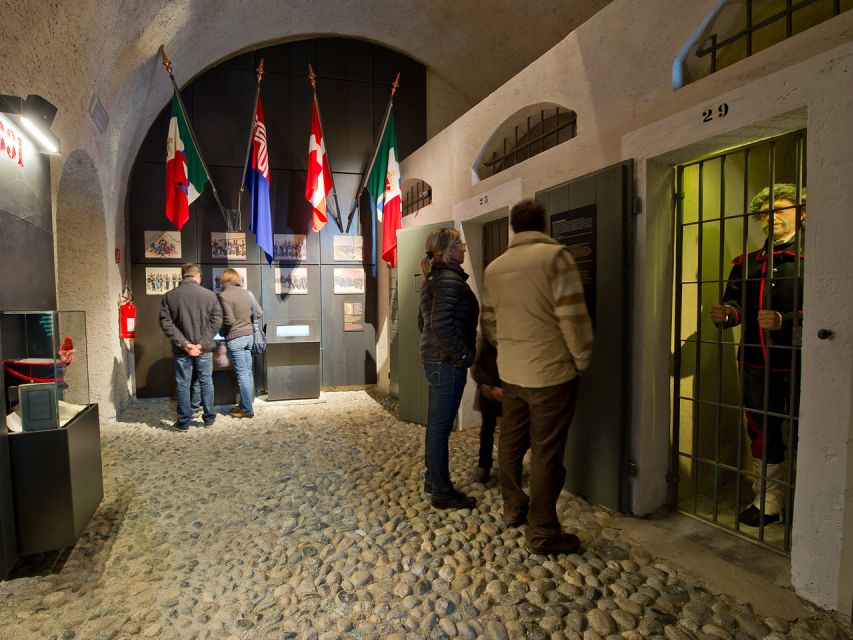
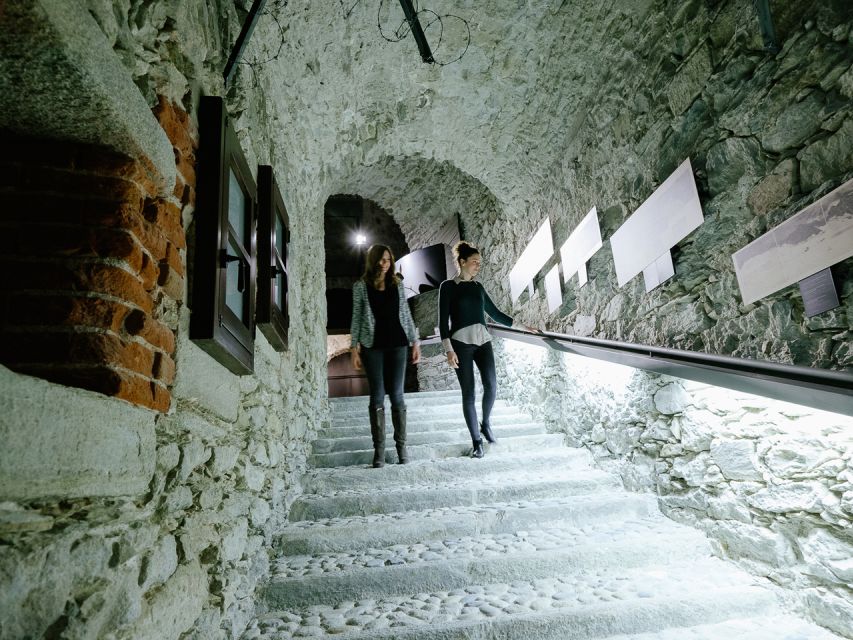
From the fortress route, you head to the Prisons, one of the most striking parts of the experience. There are 24 very small cells, roughly 1.3 by 2 metres, placed along four sections.
The layout is not random. You approach through an entrance gallery dedicated to the iconographic representation of the fortress, so the transition from “defence machine” to “human confinement” feels deliberate. Then the cells come in a rhythm, each one emphasizing how space, light, and structure could be used as part of control.
This is also where you should consider your own comfort level. Small, enclosed spaces can be hard if you dislike claustrophobic settings. Even if you are curious, it’s worth going in with awareness, because these are tight by design.
Nearby, and just as well reviewed:
- Colosseum, Roman Forum & Palatine Guided Tour
★ 4.7 · 63,148 reviews - Milan: Cathedral and Duomo’s Terraces Entrance Ticket
★ 4.6 · 61,054 reviews - Venice: Doge’s Palace Reserved Entry Ticket
★ 4.6 · 42,716 reviews - Rome: Colosseum, Palatine Hill and Roman Forum Guided Tour
★ 4.8 · 32,814 reviews
Museum of Alps: nature, alpine civilization, and modern change
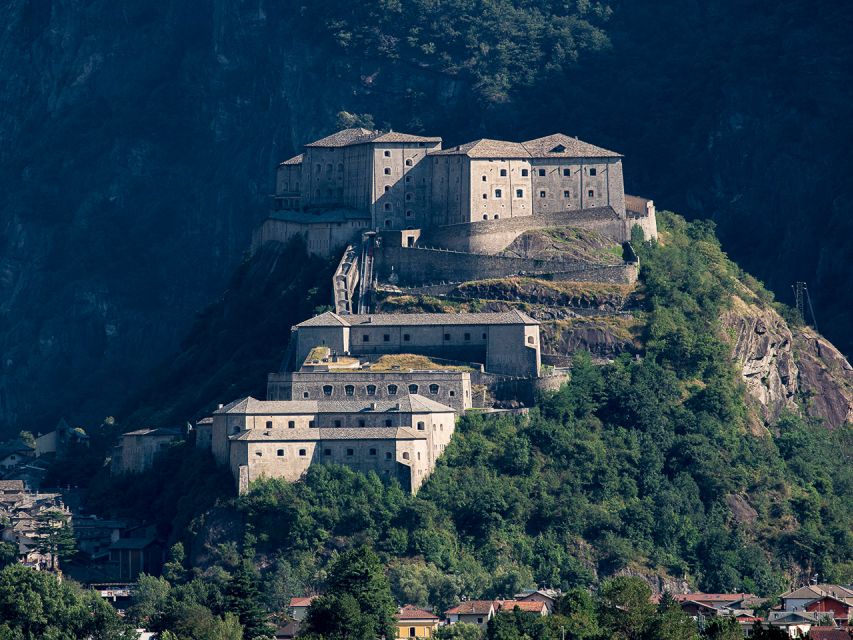
After the prisons, the route continues into the Museum of Alps, an experience that spans from alpine woods up to higher-altitude feel. The exhibit is organized into three parts, so you can move from environment to people to transformation.
Part one focuses on natural and human components of the mountain environment. It sets the stage by showing how the mountain itself shapes daily life and human choices, not just scenic views.
Part two shifts to Alpine civilization. You’re not only looking at nature, you’re seeing how communities adapted their work, routines, and culture around the mountain.
Part three covers changes in the era of modernity. This section is valuable because it doesn’t freeze the Alps in time. It asks what happens when technology and modern life reshape an area that once ran on very different rhythms.
If you came for defence history, this museum is a smart counterbalance. It broadens the story from walls and weapons to how people lived and how the mountains changed with time.
Ticket value and what you can actually choose
This ticket is priced at $17 per person, which is a good deal for a multi-part site like this. You are not paying for one room and done. You’re paying for several distinct experiences that cover architecture, prisons, and a full alpine environment museum.
Your included access is built around choice and flexibility:
- Entrance ticket for the fortress
- Access to three exhibition spaces of your choice from the permanent museum options, including the Museum of the Alps, Prisons, and the Museum of Fortifications and Frontiers, plus any open art exhibitions on the day
- Access to panoramic lifts
- Access to the chapel, parade grounds, courtyards, and walkways
- Audio guide for history and architecture
- A 10% discount at the Fort bookshop
The audio guide is included, but it is not a handheld device handed to you. You download the Museon APP on your smartphone, and you use the QR code you receive at the ticket office. If you arrive with low battery or no data plan, top up before you get there.
One more practical note: guided tours with a live guide are not included. That’s not a deal breaker, but it does affect pacing and how much you rely on the audio for context.
Audio guide and pacing: how to get the most without rushing
Because you have an audio guide, you can do the experience in a way that feels like you have a plan, even without a live guide. Start with the Fortifications Museum sections, because they give the context for why the building looks the way it does.
When you go into the prisons, slow down. The cell layout is the point, and small details like arrangement along sections and the approach through the entrance gallery contribute to the emotional weight of the space.
Then shift into the Museum of Alps, and let your brain reset from the fortress logic to environment and culture. A lot of people rush by the setting and then feel like they missed it. You don’t have to do that here.
If you want a simple strategy, I suggest prioritizing the three main themes in this order: Fortifications Museum for context, Prisons for impact, Museum of Alps for the larger mountain story.
Organization, atmosphere, and a small expectation check
The Fortress of Bard experience is well organized. The site layout makes it easier to understand where you are and where to go next, and the panoramic lifts help keep the visit comfortable. That matters, because the complex is spread across different levels and zones.
There’s also a very “place-first” atmosphere. You’re not only reading about defence, you’re walking through fortress spaces like courtyards and parade areas, which helps the story land.
One expectation check: if you’re hoping for a Marvel-related exhibit connected to filming at Fort Bard, you might be disappointed. The fortress has a connection to the movie world, but there is not a dedicated Marvel show built into this visit format. If pop-culture references are part of your motivation, check your expectations before you buy.
Who should book this fortress and museum combo
Book it if you like:
- Defence history that connects weapons and architecture, not just dates and names
- Museums with models, film, and clear structural storytelling
- A site where you can choose which exhibition spaces to prioritize
- Mountain scenery that you reach through panoramic lifts, not only by looking from afar
Consider skipping or adjusting your plan if:
- You strongly prefer a live guide and don’t want to rely on the audio setup
- You know you struggle with very small, enclosed spaces like the prison cells
This is a great option when you want variety without changing locations. You stay in one fortress complex and get multiple museum angles, all in the Alps.
Should you book Forte di Bard?
If you want a well-run, self-guided experience that connects fortifications, prisons, and the Alps environment story, this is worth your time. At around $17 per person, the value comes from the number of distinct spaces you can access and the fact that the visit is structured into clear sections.
Also, the site gets consistently strong satisfaction, with many people specifically praising the fortress itself and the overall organization. With a Museon APP audio guide and included lift access, it’s the kind of attraction where you can confidently plan your own pace.
If your goal is mostly scenery, you might still enjoy it, but the museums and prison spaces are the heart of the experience. If your goal is pop-culture cosplay or a specific Marvel exhibit, you’ll likely want to look at other options.
FAQ
How do I get my ticket at the fortress?
You exchange your voucher at the ticket counter before entering. There are two ticket counter points: one at the start of the first panoramic lift, and a second at the top of the medieval village behind the Church of Bard.
What exhibitions can I choose with my ticket?
Your ticket includes access to three exhibition spaces of your choice from the permanent museums, including the Museum of the Alps, Prisons, and the Museum of Fortifications and Frontiers. It can also include art exhibitions that are open at the time of your visit.
Do I get an audio guide?
Yes. You get an audio guide to discover the history and architecture of the fortress. You need to download the Museon APP on your smartphone, and you will use a QR code provided at the ticket office.
Is there a live guided tour included?
No. A guided tour with a live guide is not included.
Is the fortress accessible for wheelchairs?
Yes, the experience is wheelchair accessible.
Can I cancel if my plans change?
You can cancel up to 24 hours in advance for a full refund.
Latest reviews around Italy
- Total Immersion Wine Tour in Chianti★ 4.9 · 430 reviews
- From Rome: Villa D’Este & Villa Adriana Day Trip with Lunch★ 4.4 · 289 reviews
- Tivoli: Villa Gregoriana Entrance Ticket★ 4.7 · 150 reviews
- From Rome: Hadrian’s Villa & Villa d’Este Day Trip & Lunch★ 4.5 · 157 reviews
- Rome: Painting Class with Unlimited Wine★ 4.8 · 109 reviews
- Tivoli: Villa D’Este Entry Ticket and App Audio Guide★ 4.3 · 191 reviews
- Ravenna: UNESCO Mosaics Entry Tickets★ 4.7 · 255 reviews
- Timed Entrance to Leaning Tower Pisa & Cathedral with Audio★ 4.1 · 385 reviews
Museums, compared.
Vatican: Museums & Sistine Chapel Entrance Ticket
Read our review →
Vatican Museums & Sistine Chapel Tour with Optional Basilica
Read our review →
Vatican Museums, Sistine Chapel & St Peter’s Basilica Guided Tour
Read our review →
Skip-The-Line Uffizi Gallery Timed Entry Ticket
Read our review →
Vatican Museums, Sistine Chapel & Basilica Tour
Read our review →
Vatican Museums & Sistine Chapel Skip-the-Line Entry Ticket
Read our review →Vatican Museums, Sistine Chapel & Basilica Tour
Read our review →