
Reviewed · WORKSHOPS
Florence: Handmade Ravioli & Pasta Class with Unlimited Wine
Handmade pasta in a Medici stable beats museum time. This class mixes Florence storytelling with hands-on cooking in a 15th-century Medici stable, then tops it off with unlimited Tuscan wine while you eat what you make.
I especially love how practical the teaching is. You knead, roll, and shape fresh pasta like ravioli, tagliatelle, and fettuccine, then learn the classic tiramisu method step by step, not just the final result.
One thing to consider is comfort and pacing. Workstations can feel close, and if earlier groups run long, your start time may slip a bit, so come in with a flexible mindset and comfy shoes.
In This Review
- Key things you will notice right away
- Why this Florence cooking class feels different
- Where you meet and what to expect when you arrive
- The Florence history warm-up: art, propaganda, Medici, Vatican
- Step into a Medici stable, then get cooking
- Ravioli, tagliatelle, fettuccine: the technique you will remember
- Ravioli
- Tagliatelle and fettuccine
- Tiramisu: learning the dessert logic, not just the recipe
- Unlimited Tuscan wine: pairing that keeps the meal moving
- The feast and what you actually take home
- Price and value: what you are really paying for
- Who should book this class
- Tips to make your experience smoother
- Should you book Florence Handmade Ravioli & Pasta Class with Unlimited Wine?
- FAQ
- What is the duration of the Florence pasta and tiramisu class?
- Where do I meet for the experience?
- What do we make during the class?
- Is wine included?
- Is the class taught in English?
- Is the experience wheelchair accessible?
- What should I wear or bring?
- Are recipes included to take home?
- Is free cancellation available?
Key things you will notice right away
- A 10-minute Florence history primer focused on art, political propaganda, and the Medici and Vatican connection
- Cooking in a 15th-century Medici stable, so the room already feels like part of the story
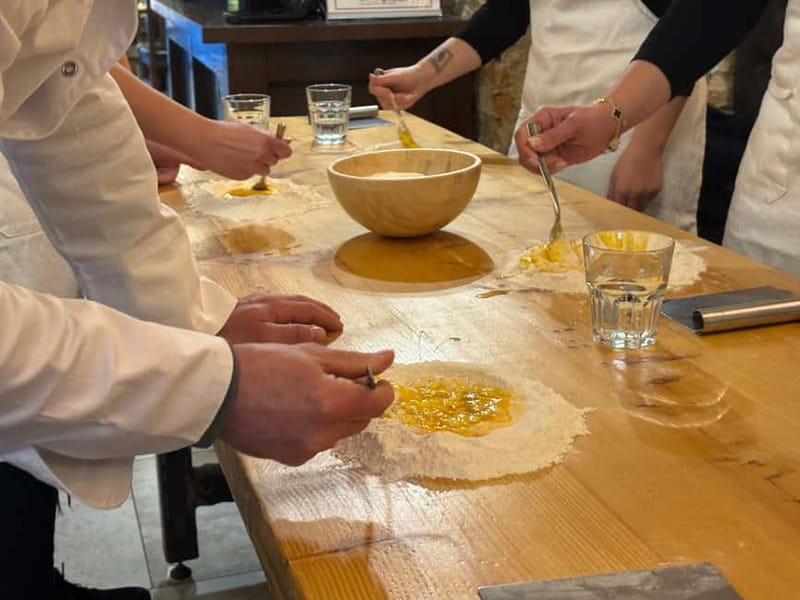
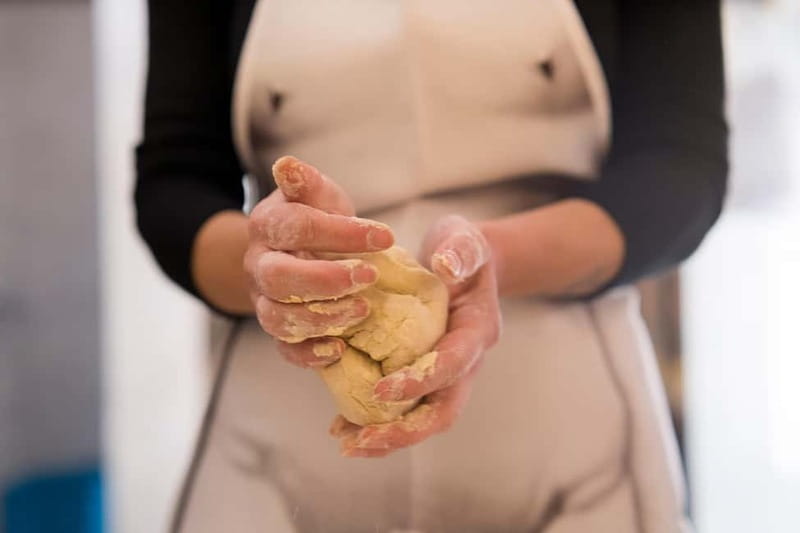
- Real pasta practice, not just watching, with dough-kneading, rolling, and shaping
- Tiramisu instruction you can repeat, with espresso-soaked ladyfingers, mascarpone, and cocoa balance
- Tuscan wine pairing that runs with your meal, and yes, it is unlimited during the experience
- Recipes to take home, including a booklet plus a digital cookbook
Why this Florence cooking class feels different
Most cooking classes in Italy are good. This one adds a layer that makes it stick in your memory: the food is taught as part of Florence itself. You are not only making ravioli and tiramisu, you are getting quick context for why Florence cooked the way it did, with a short intro that touches art, political propaganda, and the Medici era alongside the Vatican.
That matters because fresh pasta is not random. It is technique, texture, and timing, and Florence is a city where those ideas got polished over centuries. When you learn how dough should feel in your hands, and then you hear the story behind the shapes you make, the meal becomes more than dinner. It becomes something you can talk about later, even if your next stop is a cathedral climb.
Then you eat the results in the same setting, with wine flowing. The combination is why this class works for both food people and casual travelers who just want a genuinely fun, well-run experience.
A few more Florence options to weigh
- Tuscany Day Trip from Florence: Siena, San Gimignano, Pisa and Lunch at a Winery
★ 5.0 · 21,634 reviews - Florence: Pasta Cooking Class with Unlimited Wine
★ 4.9 · 10,285 reviews - Florence: Chianti Wineries Tour with Wine Tasting
★ 4.5 · 8,301 reviews
Where you meet and what to expect when you arrive
You meet at Restaurant Rosso Crudo, Via Servi 85 RED. The activity ends back at the meeting point, so you are not dealing with mid-class logistics or transit between locations.
Plan for about 2 to 2.5 hours total. That timing is long enough to learn real technique and then settle into the feast, but short enough that you are not exhausted by the time you finish dessert.
Come dressed for practical work. They suggest comfortable shoes and comfortable clothes, and that is exactly right. You will knead and roll dough, then handle filling and shaping. You do not need chef gear, but you do want clothes that can tolerate flour and an active pace.
Also note the class is in English and wheelchair accessible. Free WiFi is included, which is handy if you want to share a photo of your ravioli as you make it.
The Florence history warm-up: art, propaganda, Medici, Vatican
Before the flour starts flying, you get a short introduction, around 10 minutes. The focus is on Florence through its art and politics, including how propaganda worked and how the Medici and Vatican shaped the city’s story.
Think of this like a key that turns the door in your brain. Once you understand that Florence was always competing for influence, taste and culture start to make more sense. Even if you only catch the highlights, it changes the way you look at what you will see in Florence later.
In the kitchen, that framing helps too. It gives you a reason to pay attention, because you are learning pasta shapes and dessert methods that people in Florence would have understood as part of everyday life and celebration, not just a modern culinary activity.
If you are the type who likes history but hates lectures, this is the right size. It is short. It sets the scene. Then you get back to your hands.
Step into a Medici stable, then get cooking
The class happens in a 15th-century Medici stable. That detail is not just pretty marketing. When you are cooking in an older working space, the experience feels grounded, like you are borrowing a slice of Florence’s long kitchen timeline.
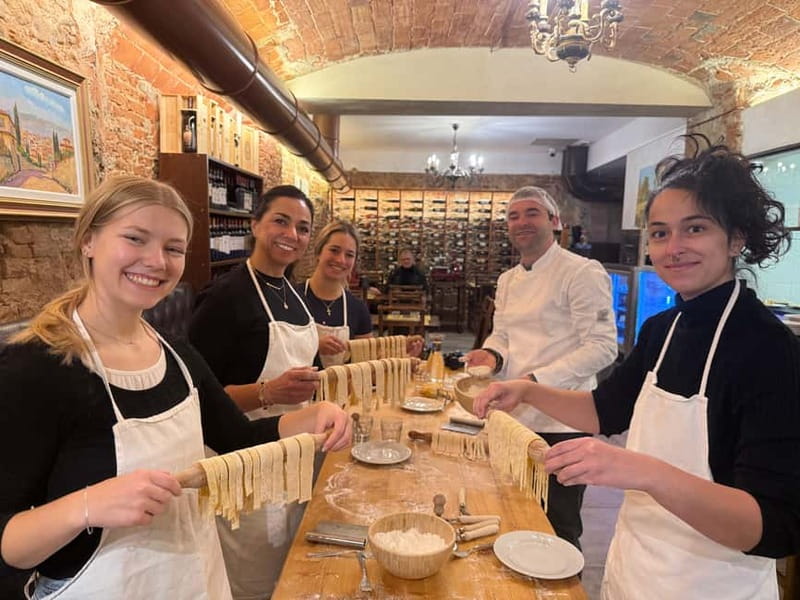
You start the main section with fresh pasta making. You will learn the Italian approach to building dough, then you move through the physical steps: kneading, rolling, and shaping. The goal is not perfection, it is confidence. The teaching is set up so that you can follow along and actually finish your own pasta.
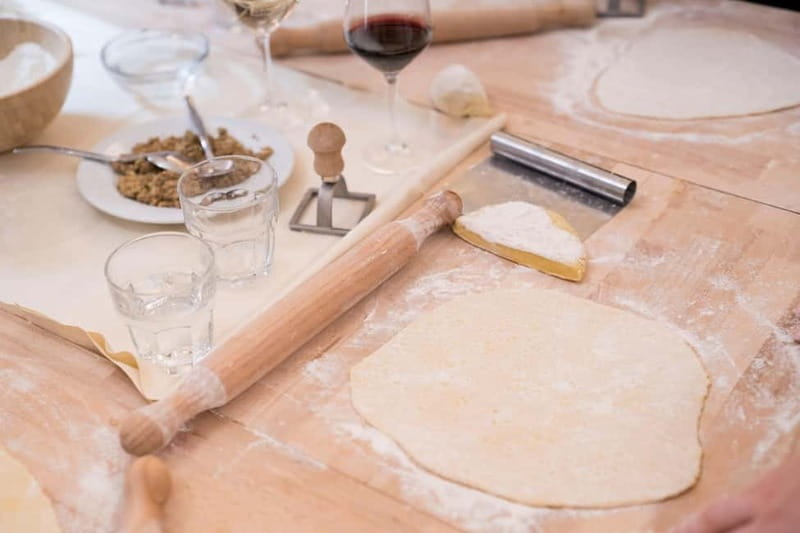
You will make multiple pasta forms: ravioli, tagliatelle, and fettuccine. Ravioli tests your filling and sealing, while tagliatelle and fettuccine are about consistent thickness and clean cutting or shaping. Together, they give you a well-rounded feel for how pasta changes with technique.
What I like most about the way this is taught is the balance. Some classes push you through quickly and you feel lost. Here, the class is structured so you learn what matters, then you repeat it until it makes sense.
And if you are worried you are not a real cook, take comfort from how the instructors teach. Several names you might encounter include Leonardo, Raphael, and Raffaello, and the consistent theme from their style is patient guidance with a fun, organized energy. Even if you are new to dough, you should be able to keep up.
Nearby, and just as well reviewed:
- Florence: Skip-The-Line Uffizi Gallery Timed Entry Ticket
★ 4.5 · 27,832 reviews - Florence: Timed Entrance Ticket to Michelangelo’s David
★ 4.6 · 16,983 reviews - Florence: Michelangelo’s David Skip-the-Line Entry Ticket
★ 4.5 · 12,764 reviews - The Best tour in Florence: Renaissance & Medici Tales – guided by a STORYTELLER
★ 5.0 · 12,316 reviews
Ravioli, tagliatelle, fettuccine: the technique you will remember
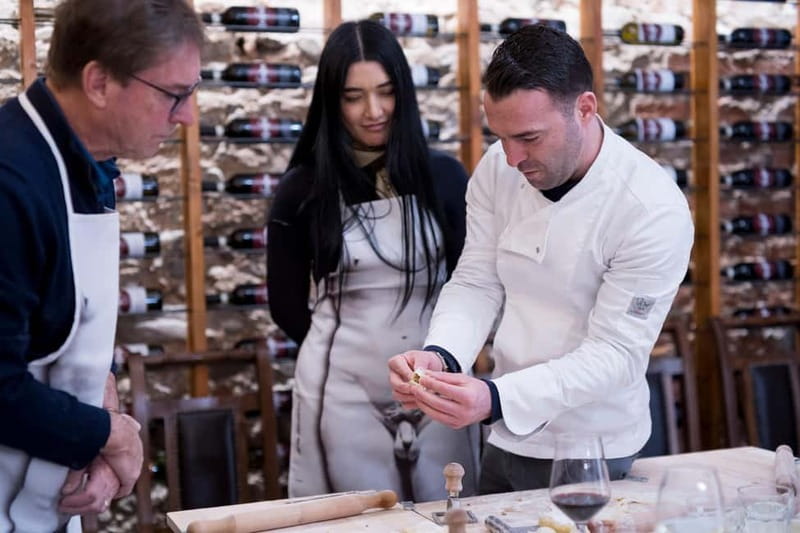
Let me tell you what you are really learning here: control. Pasta dough rewards attention, and once you feel the difference between too dry and too wet, you get a repeatable skill.
Ravioli
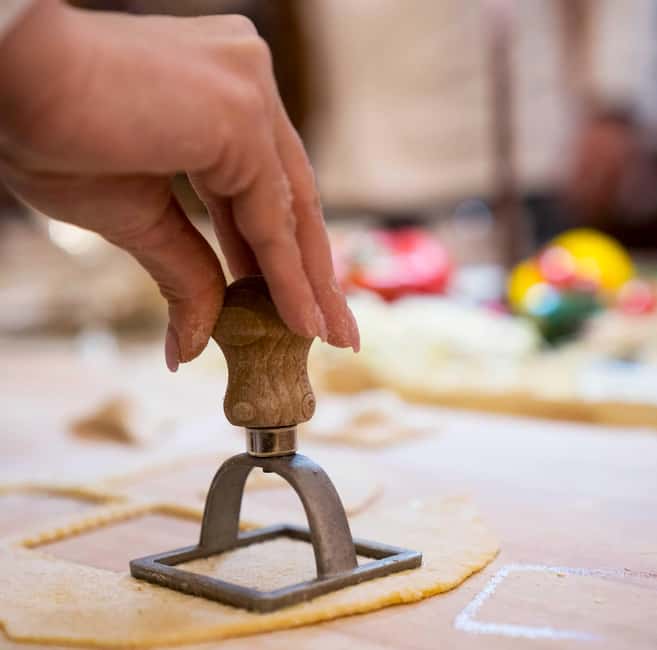
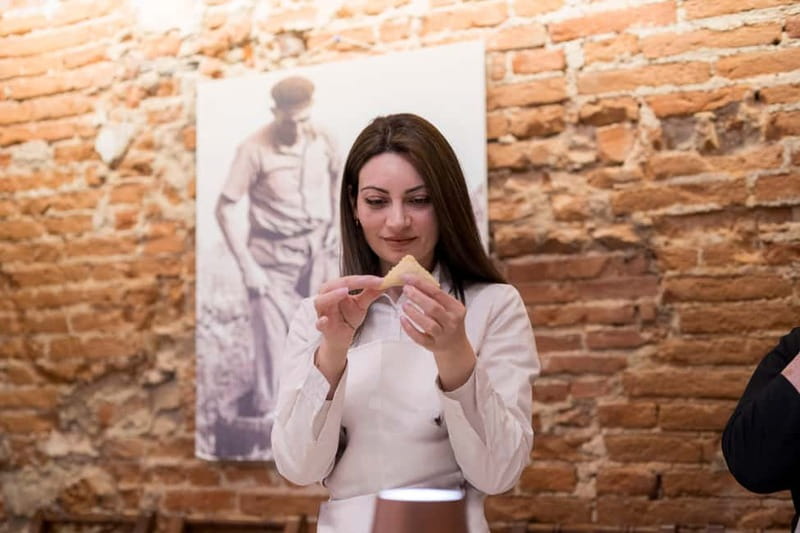
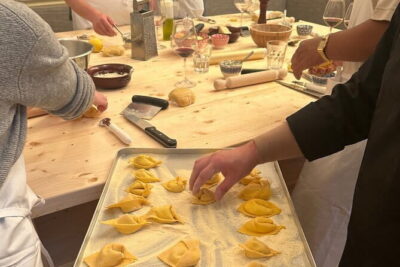
With ravioli, the challenge is sealing. You want the edges to join well enough that the filling stays put and the pasta holds its shape when cooked. During the class, you are not just shaping once, you are learning the motion and the check points so you can do it again later.
Tagliatelle and fettuccine
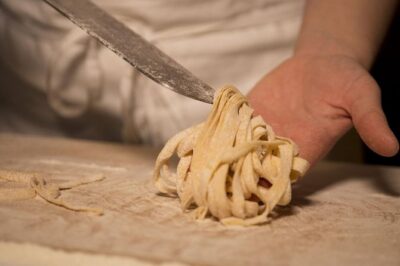
For tagliatelle and fettuccine, the big win is understanding thickness and uniform cutting. It is easy to make noodles that look fine but cook unevenly. When the teacher walks you through the approach, you start thinking like a cook, not a tourist.
The best part is that this is hands-on from the start. You are not waiting for your turn forever, and you are not stuck watching someone else do the work while your plate fills. You make. You try again. Then you eat.
One practical consideration: stations can feel close. If you like lots of personal space, wear slightly flexible clothing and expect to coordinate elbow space with your group.
Tiramisu: learning the dessert logic, not just the recipe
Then comes the part people always remember: tiramisu. But this class teaches it as a method, so you understand what you are building.
You work on the balance of espresso-soaked ladyfingers, mascarpone, and cocoa. That balance is the whole story. If the ladyfingers soak too long, you get sogginess. If they soak too little, you miss the coffee backbone. And mascarpone needs the right feel so the cream layer is smooth, not runny.
You also learn why the layers matter. It is not only about taste. It is about how the dessert sets and how the texture shifts when you take a bite.
Even if you have made tiramisu at home before, you will likely leave with at least one adjustment you can explain. And if you have never made it, you will still walk away with enough structure to try it confidently.
Unlimited Tuscan wine: pairing that keeps the meal moving
Wine is included, and the selection is described as a curated Tuscan set paired with what you create. The experience includes unlimited wine during the class, so you are not limited to a single glass while the rest of the meal happens dry.
For a lot of people, the wine is the social glue. For me, what makes it valuable is the pairing concept. You are not just drinking for fun, you are connecting taste choices with pasta and dessert flavors. That is why wine here feels like culture, not just alcohol.
Do pace yourself. Unlimited does not mean you have to sprint through it. If you want to enjoy the food and still think clearly for photos, sip between bites and plan to drink slowly while you are working.
The feast and what you actually take home
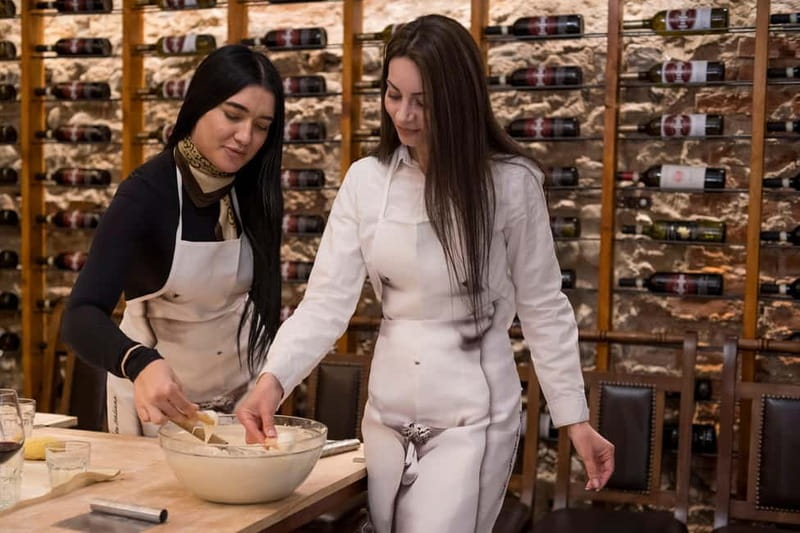
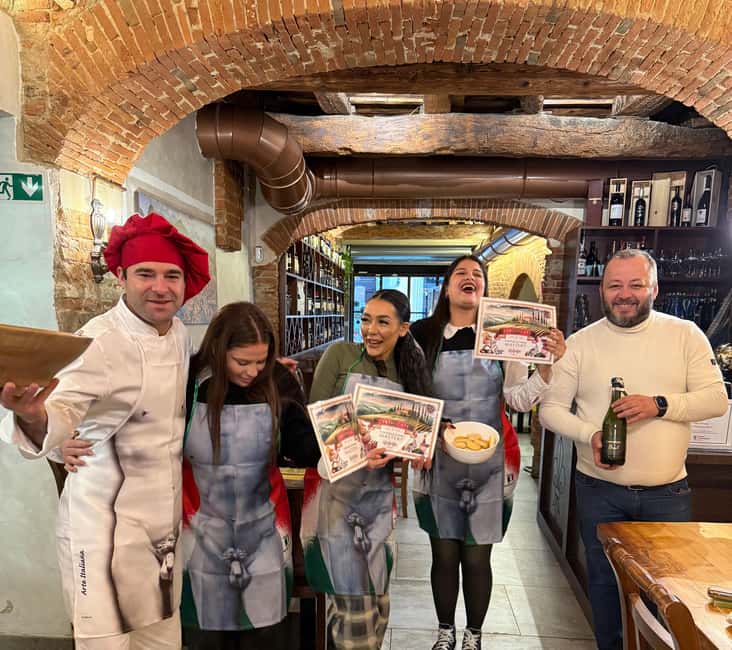
Once cooking is done, you gather for the meal. You eat your homemade pasta and tiramisu alongside wine in a warm, convivial setting.
This is the point where the class becomes more than a demo. You finally taste what you made while the steps are still fresh in your mind. If something went slightly off earlier, you see how it affects the final bite, and that is how you learn fastest.
You also take home support material:
- a recipe booklet
- a digital cookbook
This is a big value add. Pasta skills stick, but recipes help you recreate the method at home without guessing. The booklet is great for reference, and the digital version is convenient once you are back in your kitchen and want quick steps.
If you are a food traveler who hates leaving with only memories, this part helps. You end the experience with a plan for your next cooking night, not just a full stomach.
Price and value: what you are really paying for
At $43.67 per person, the price can look surprisingly low for a full cooking class that includes fresh pasta instruction, tiramisu teaching, and wine. The real value is that you get multiple skills in one sitting:
- dough work and pasta shaping (ravioli, tagliatelle, fettuccine)
- a structured tiramisu method
- wine pairing through the meal
- recipes you can repeat later
Also, you get guided storytelling that connects Florence’s cultural identity to what ends up on your plate. That short history intro may be brief, but it is not fluff. It gives you context for why the food feels Florentine and why the shapes and dessert matter.
In short, you are paying for an experience that turns into an at-home payoff.
Who should book this class
This class is a strong fit if:
- you want hands-on food time that still includes Florence context
- you like social activities with a lively guide style
- you want to learn technique, not just eat
- you are traveling with friends or family, because the format works for mixed groups
It also suits beginners. The pace and instruction are designed to make pasta feel achievable, and the class is short enough to stay fun instead of turning into a grind.
If you are the kind of traveler who only wants quiet, view-focused time, you might find the cooking energy a lot. But if you want a practical, tasty story from Florence, this class delivers.
Tips to make your experience smoother
A few small choices can make a big difference:
- Wear comfortable shoes, and plan for a kitchen with active work time.
- Expect flour. Even careful stations can mean you look like you helped at least a little.
- If you are sensitive to tight spaces, come mentally ready to share elbow room.
- Pace your wine. Unlimited is great, but food quality and comfort matter too.
- Keep your schedule flexible. One group can affect timing if the earlier session runs long.
If you do these things, you will leave focused on what you made, not stressed about minor logistics.
Should you book Florence Handmade Ravioli & Pasta Class with Unlimited Wine?
I think you should book it if you want a Florence experience that is genuinely practical. You will leave knowing how pasta dough should feel, how ravioli sealing works, and how tiramisu layers come together with espresso, mascarpone, and cocoa.
It is also great value for what you get in 2 to 2.5 hours: hands-on cooking, dessert skills, wine pairing, and recipes to bring home. If you are worried about being a non-cook, the teaching style is built for you to succeed.
The only reason not to book is if you hate hands-on activities or you want lots of quiet space. Otherwise, it is a fun, cultural, and very doable way to spend an evening in Florence.
FAQ
What is the duration of the Florence pasta and tiramisu class?
The class lasts about 2 to 2.5 hours, and starting times depend on availability.
Where do I meet for the experience?
You meet at Restaurant Rosso Crudo, Via Servi 85 RED.
What do we make during the class?
You will make fresh pasta from scratch, including ravioli, tagliatelle, and fettuccine, and you will also learn tiramisu.
Is wine included?
Yes. You get a curated selection of Tuscan wine paired with your dishes, and it is described as unlimited.
Is the class taught in English?
Yes, the instructor teaches in English.
Is the experience wheelchair accessible?
The activity is listed as wheelchair accessible.
What should I wear or bring?
Wear comfortable shoes and comfortable clothes.
Are recipes included to take home?
Yes. You receive a recipe booklet and a digital cookbook.
Is free cancellation available?
Free cancellation is available up to 24 hours in advance for a full refund.
Latest reviews around Florence
- Florence: Dark Mysteries and Legends Guided Walking Tour★ 4.6 · 1,081 reviews
- Florence Duomo, Baptistery & Opera Museum Audioguided Tour★ 4.2 · 607 reviews
- From Florence: Siena and Chianti Day Trip with Dinner★ 4.2 · 126 reviews
- Hard Rock Cafe Florence with Set Menu for Lunch or Dinner★ 4.5 · 193 reviews
- Florence: Walking Tour with Skip-the-Line Accademia Gallery★ 4.6 · 148 reviews
- Skip-the-Line Accademia Tour – See Michelangelo’s David!★ 4.5 · 268 reviews
- Florence: David’s Accademia Gallery Guided Tour★ 4.2 · 207 reviews
- Florence: Pizza and Gelato Class at a Tuscan Farmhouse★ 5.0 · 822 reviews
Workshops, compared.
3 in 1 Cooking Class near Navona: Fettuccine, Ravioli & Tiramisu
Read our review →
Florence Pizza or Pasta Class with Gelato Making at a Tuscan Farm
Read our review →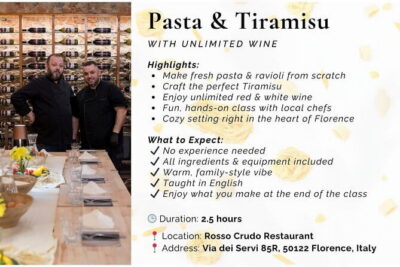
Pasta & Tiramisu Cooking Class with Unlimited Wine
Read our review →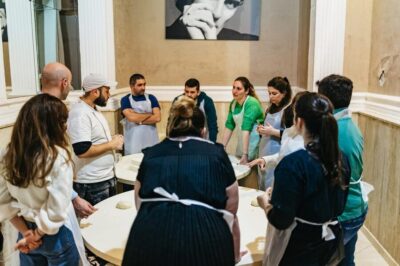
Pizza-Making Workshop with Drink and Appetizer
Read our review →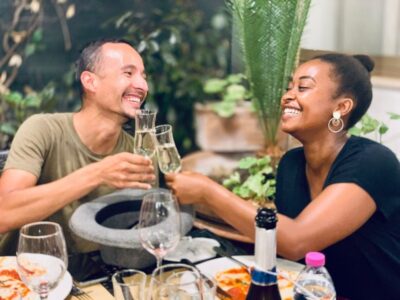
Pasta & Tiramisu Class with Fine Wine by the Vatican
Read our review →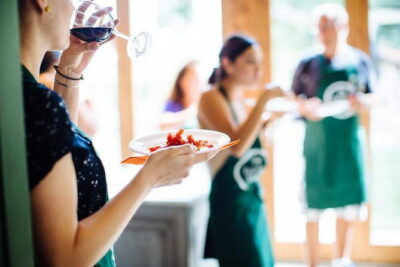
Cooking Class and Lunch at a Tuscan Farmhouse with Local Market Tour from Florence
Read our review →Browse the lists this tour appears in