
Reviewed · CITY TOURS
Ferrara: City Highlights Walking Tour with Local Guide
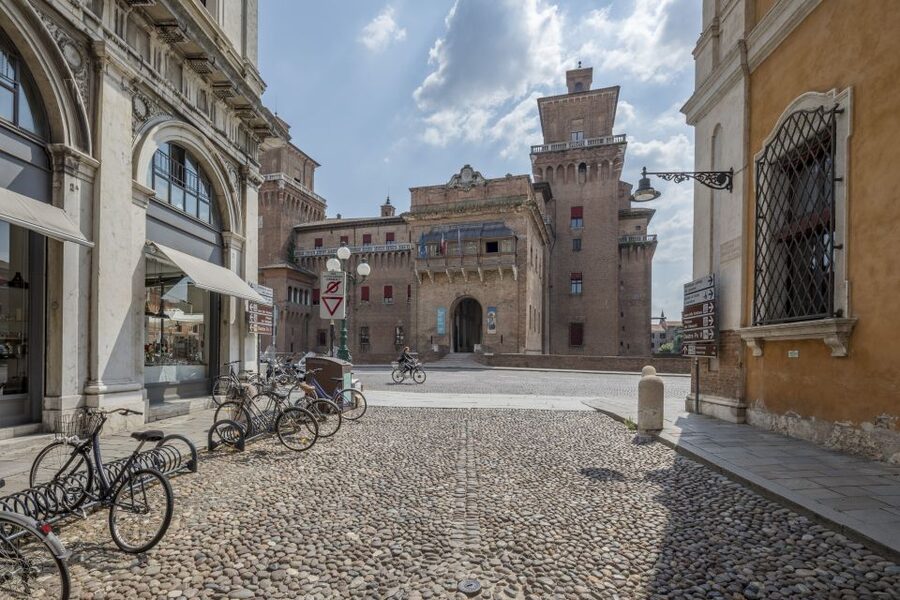
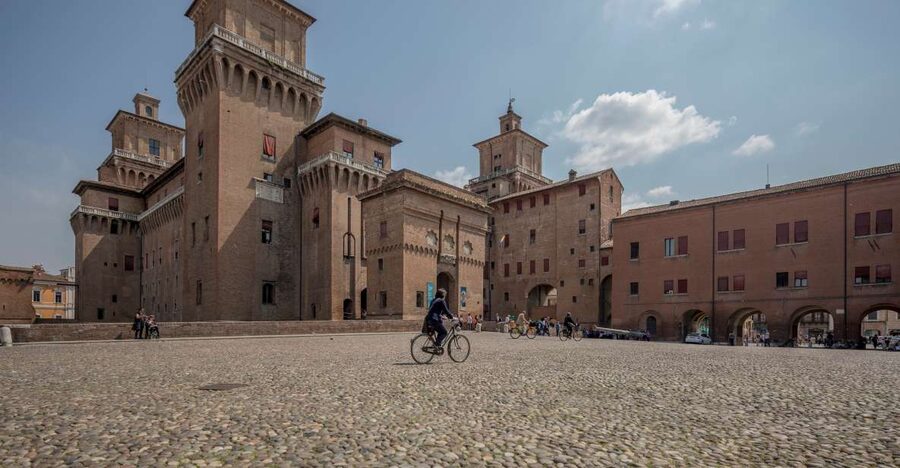
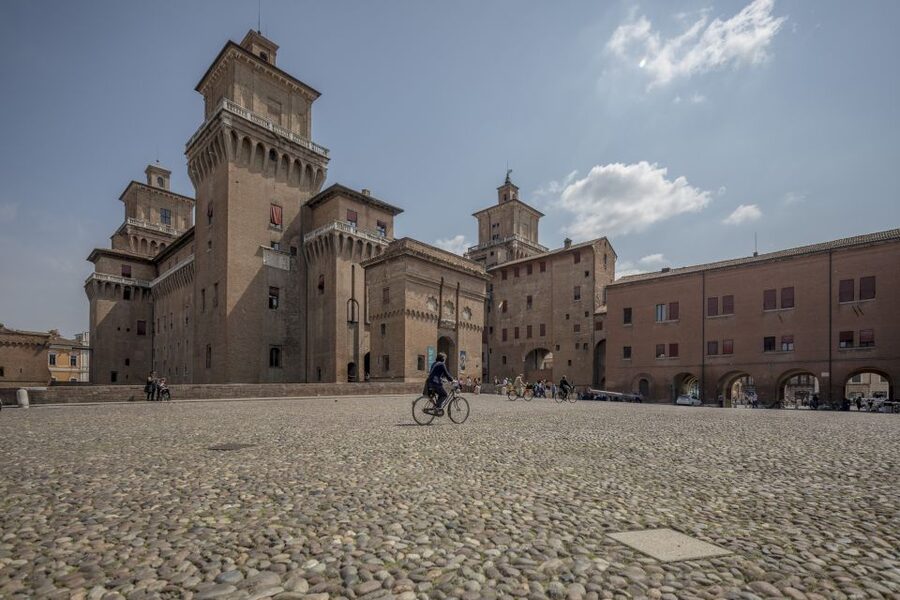
Ferrara rewards a careful two-hour wander. Starting at Estense Castle, you get the city’s big picture fast, and the Palazzo dei Diamanti stop lets the Renaissance shine in a very walkable chunk of time. One drawback: the tour is in Italian, so you’ll want the included Italian audio guide close by.
I also really like how the route mixes viewpoints with actual places, not just a string of exterior photos. Stops like S.Cristoforo alla Certosa bring you into the story, including an internal visit to the Renaissance church.
The pacing is friendly for a short visit, and you meet in the courtyard of Estense Castle near the loggia. If rain rolls in, bring an umbrella.
In This Review
- Key Points Worth Knowing Before You Go
- Ferrara’s Castle-To-Church Story Works in Just Two Hours
- Meeting at Estense Castle Courtyard Near the Loggia
- Corso Ercole I d’Este and the Renaissance Addition Explained on the Spot
- Palazzo dei Diamanti Inside the Addizione Erculea
- Massari Park Pause, Cedars of Lebanon, and University Garden Views
- S.Cristoforo alla Certosa: Monastery, Monumental Cemetery, and an Interior Church Visit
- Piazza Ariostea and the Poet’s Statue Under the Loggia
- Price and Value: What $17 Buys You in Ferrara
- Who This Tour Suits Best (And Who Should Rethink It)
- Practical Tips for a Smooth Ferrara Walk
- Should You Book This Ferrara City Highlights Walking Tour?
- FAQ
- How long is the Ferrara city highlights walking tour?
- What does it cost?
- Where do we meet for the tour?
- What sights are included?
- Are entrance tickets included?
- What language is the tour in?
- Is the tour wheelchair accessible?
- Is there a free cancellation option?
- Should I bring an umbrella?
- Can I reserve without paying right away?
- How do I find starting times?
Key Points Worth Knowing Before You Go
- Estense Castle sets the storyline immediately, with views toward Corso Ercole I d’Este and the north gate area
- Renaissance Addizione Erculea planning is explained on the walk, including the role of Ercole I d’Este and architect Biagio Rossetti
- Palazzo dei Diamanti is a main anchor inside the UNESCO-feeling core of Ferrara
- Massari Park adds a quiet pause, with centuries-old cedars of Lebanon and greenery facing the University Botanical Garden
- S.Cristoforo alla Certosa is the standout interior moment, monastery to monumental cemetery, plus a church visit
- Piazza Ariostea finishes the circle, tied to the poet’s statue and a loggia for a calm end point
Ferrara’s Castle-To-Church Story Works in Just Two Hours
Ferrara has a special talent for making big European eras feel close to home. Instead of treating the Middle Ages and Renaissance like separate worlds, this walking tour shows how one shaped the other on the same streets.
I like that the tour keeps moving, but it never feels rushed. You get multiple “why does this matter?” explanations, from the Estense power base to the planned Renaissance expansion known as the Addizione Erculea.
You should also know what makes this tour enjoyable for real life travel: the city is designed for a human pace. Two hours is long enough to connect the dots, but short enough that you can still keep the rest of your day open.
A few more Italy options to weigh
- Milan: Guided Walking Tour & Last Supper Visit with Ticket
★ 4.7 · 5,409 reviews - Naples: Street Food Walking Tour with Local Guide
★ 4.8 · 4,256 reviews - Venice Walking Tour and Gondola Ride
★ 3.5 · 3,630 reviews
Meeting at Estense Castle Courtyard Near the Loggia
You start where Ferrara’s story starts in physical form, in the courtyard of Estense Castle, near the loggia. That matters because the tour begins with orientation, not a lecture in a hallway.
From this starting point, you’re set up to understand why the castle is more than a monument. You can admire the connection outward along Corso Ercole I d’Este, the road that links the castle toward the north gate area of the walls.
This is a smart opening because it gives you a mental map right away. Once you understand the street line and the general direction, the later stops in the Renaissance expansion feel logical instead of random.
Corso Ercole I d’Este and the Renaissance Addition Explained on the Spot
After you get oriented, the walk follows Corso Ercole I d’Este, a connector between major city elements. The tour frames it as the thread that ties castle authority to the north gate and then into the Renaissance expansion that came later.
What I find valuable here is the specific naming. You don’t just hear that the Renaissance happened, you hear who commissioned work and who executed the design. You’ll learn about the Renaissance Addition commissioned from Ercole I d’Este, realized by the Ferrarese architect Biagio Rossetti.
That detail turns architecture into a story with characters. It also helps you notice the “planned” feel of the city. When you walk, you start to understand that some streets and spaces were shaped with intention, not only grown over time.
Palazzo dei Diamanti Inside the Addizione Erculea
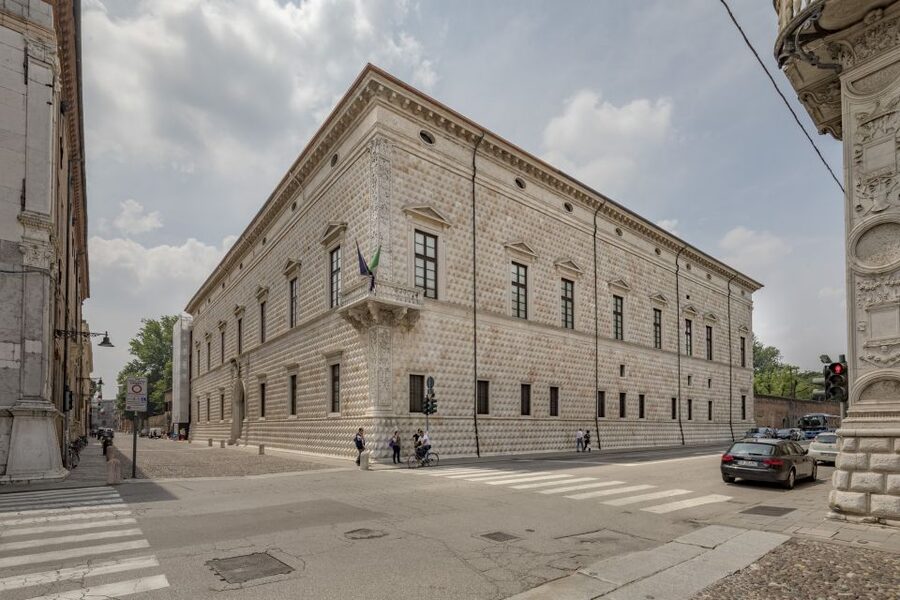
Then you arrive at the original Palazzo dei Diamanti in the heart of the Addizione Erculea. This is the moment where the tour shifts from orientation to a closer look at Ferrara’s Renaissance palaces.
I like this stop because it gives you a clear visual payoff in the middle of the walk. Earlier, you learned how and why Ferrara expanded. Now you see an emblematic building located within that urban plan.
The Addizione Erculea is the key context. It was an urban expansion planned at the end of the 15th century, and the tour uses that fact to connect the palace with the city’s larger direction. You end up thinking less like a tourist and more like a person studying how power wanted to look in public.
If you enjoy getting context before you take photos, this is a good match. You’re not guessing what you’re looking at, and you’re not waiting until later to understand it.
Nearby, and just as well reviewed:
- Vatican: Museums & Sistine Chapel Entrance Ticket
★ 4.5 · 144,003 reviews - Vatican Museums & Sistine Chapel Tour with Optional Basilica
★ 4.3 · 67,413 reviews - Colosseum, Roman Forum & Palatine Guided Tour
★ 4.7 · 63,148 reviews - Milan: Cathedral and Duomo’s Terraces Entrance Ticket
★ 4.6 · 61,054 reviews
Massari Park Pause, Cedars of Lebanon, and University Garden Views
After the palaces, the tour slows down with a romantic stop in Massari Park. The setting is described with clear details: it has centuries-old cedars of Lebanon and rich vegetation facing the University Botanical Garden.
This part is more than a rest break. Green space helps you “reset” your eyes after architectural surfaces. It also shows another side of Ferrara, the measured, human-sized feeling that makes a walking tour enjoyable rather than exhausting.
I also like that the tour uses the park to place you in the city’s rhythm. Ferrara isn’t only stone and official buildings. The story also lives in how people experience open areas near institutions like a botanical garden.
If you get travel fatigue easily, this is the kind of mid-tour pause that keeps you engaged instead of zoning out.
S.Cristoforo alla Certosa: Monastery, Monumental Cemetery, and an Interior Church Visit
The tour’s most emotionally interesting stop is the nearby monumental complex of S.Cristoforo alla Certosa. Over time, it transformed into a Monumental Cemetery, and the setting creates an immediate shift in atmosphere.
Before you even reach the interior church, the tour helps you notice the approach. The square in front has elegant arcades, and those arcades create a suggestive effect of recollection. It’s a built environment that changes how you walk and how you listen.
Then comes the internal visit to the Renaissance church. You’ll hear that it was an ancient temple of the Carthusian monks called to Ferrara by Duke Borso d’Este in the mid-15th century.
This is one of the reasons I think the tour is worth it even if you’re not a church super-fan. The church is explained as part of a longer chain of events, not just as a pretty room. The route connects political power, religious communities, and how spaces are reused over time.
If you like architecture with layers, this is your anchor stop.
Piazza Ariostea and the Poet’s Statue Under the Loggia
To finish, you head to Piazza Ariostea. This square brings Ferrara’s cultural side into focus with a statue of the poet towering over the central column.
The tour also frames the square as a place to slow down at the end. You’re invited to end under the loggia that flanks the green area, which gives you a calm final scene after the denser information of the morning style of stops.
I like finish moments like this because they make the walk feel complete. You don’t leave still “inside the facts.” You step out with a visual memory tied to a single place.
Price and Value: What $17 Buys You in Ferrara
At $17 per person for a 2-hour walking tour, the value is mainly in what’s included. You get a live Italian-speaking local guide plus an Italian audio guide.
That combination matters in practice. A guide can explain context on the spot, while the audio helps you follow along when language gets fast or when you want a second pass while moving between stops.
What’s not included is entrance tickets. That matters because it can change your final total if certain sights require payment beyond what the tour includes. The good news is that the internal church visit is part of the experience, but the tour still notes that entrance tickets are not included, so keep that in mind for budgeting.
In short, this is good value if you want an organized Ferrara highlights route without spending your time figuring out the “what am I looking at” part yourself.
Who This Tour Suits Best (And Who Should Rethink It)
This tour is a strong fit if you want:
- A short, concentrated look at Ferrara’s Middle Ages to Renaissance story
- Clear, named context (like Ercole I d’Este and Biagio Rossetti)
- A mix of viewpoints, palace streets, park space, and an interior church visit
It may be less ideal if you’re expecting an English-first experience. The tour is Italian-speaking, and while there is an Italian audio guide, the core guidance is still in Italian. If you rely heavily on English explanations, plan accordingly.
One more note from the way the guides are praised: people specifically highlight guides who are prepared, attentive, and professional. You’ll often see mentions of Maria Chiara in the feedback as especially passionate and well organized. That suggests the tour focus stays on quality and clarity, not just moving from stop to stop.
Practical Tips for a Smooth Ferrara Walk
Ferrara weather can be unpredictable, so plan for rain. The tour advises that it’s best to bring an umbrella in case of rain.
For smooth logistics, make sure you’re at the right place early. You meet in the courtyard of Estense Castle near the loggia.
Also keep your language expectations realistic. The guide is Italian-speaking and the audio guide is included in Italian, so you’ll get the best experience if you’re comfortable using audio support as you walk.
Should You Book This Ferrara City Highlights Walking Tour?
I’d book it if you want a guided line through Ferrara that actually connects the dots. The route hits major landmarks, but it also explains the “why,” from the Estense influence to the Renaissance planning of the Addizione Erculea, then into a memorable interior church visit at S.Cristoforo alla Certosa.
If you only have a short time in Ferrara, this is the kind of tour that prevents your day from turning into a checklist. You’ll leave with a clearer sense of how the city developed, and you’ll have spent your time seeing meaningful places rather than wandering without direction.
If Italian is a challenge, make the tour easier on yourself by relying on the included audio guide from the start. And remember entrance tickets are not included, so budget a bit extra if you expect any additional paid entry.
FAQ
How long is the Ferrara city highlights walking tour?
The tour lasts 2 hours.
What does it cost?
It costs $17 per person.
Where do we meet for the tour?
Meet in the courtyard of Estense Castle, near the loggia.
What sights are included?
You’ll see Estense Castle, Corso Ercole I d’Este, Palazzo dei Diamanti, Massari Park, S.Cristoforo alla Certosa (including the cemetery complex and an interior visit to the Renaissance church), and Piazza Ariostea.
Are entrance tickets included?
No, entrance tickets are not included.
What language is the tour in?
The live guide speaks Italian, and the audio guide is also in Italian.
Is the tour wheelchair accessible?
Yes, the tour is wheelchair accessible.
Is there a free cancellation option?
Yes. You can cancel up to 24 hours in advance for a full refund.
Should I bring an umbrella?
Yes, it is advisable to bring an umbrella in case of rain.
Can I reserve without paying right away?
Yes. There is a reserve now and pay later option, so you can book your spot and pay nothing today.
How do I find starting times?
Check availability to see starting times for the 2-hour tour.
Latest reviews around Italy
- Total Immersion Wine Tour in Chianti★ 4.9 · 430 reviews
- Tivoli: Villa Gregoriana Entrance Ticket★ 4.7 · 150 reviews
- From Rome: Villa D’Este & Villa Adriana Day Trip with Lunch★ 4.4 · 289 reviews
- From Rome: Hadrian’s Villa & Villa d’Este Day Trip & Lunch★ 4.5 · 157 reviews
- Rome: Painting Class with Unlimited Wine★ 4.8 · 109 reviews
- Tivoli: Villa D’Este Entry Ticket and App Audio Guide★ 4.3 · 191 reviews
- Ravenna: UNESCO Mosaics Entry Tickets★ 4.7 · 255 reviews
- Timed Entrance to Leaning Tower Pisa & Cathedral with Audio★ 4.1 · 385 reviews
City Tours, compared.
City Sightseeing Hop-on Hop-off Bus with Audioguide
Read our review →
City Sightseeing Hop-On Hop-Off Bus with Audio Guide
Read our review →
City Sightseeing Rome Hop-On Hop-Off Bus Tour
Read our review →

Fettuccine Pasta Cooking Class in Rome’s City Center
Read our review →
Vatican City: Vatican Museums & Sistine Chapel Entry Ticket
Read our review →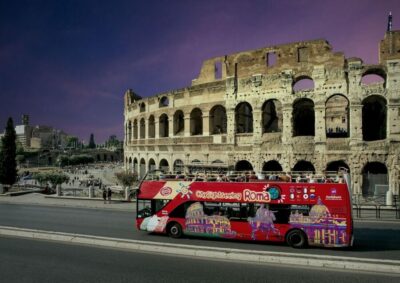
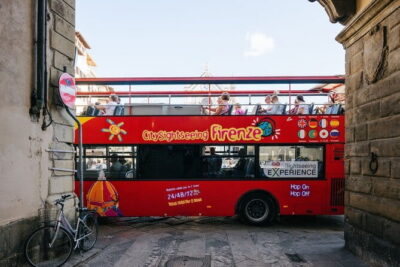
City Sightseeing Florence Hop-On Hop-Off Bus Tour
Read our review →Browse the lists this tour appears in