
Reviewed · MOUNT ETNA TOURS & HIKES
Etna: Craters of the 2002 Eruption Trekking Experience
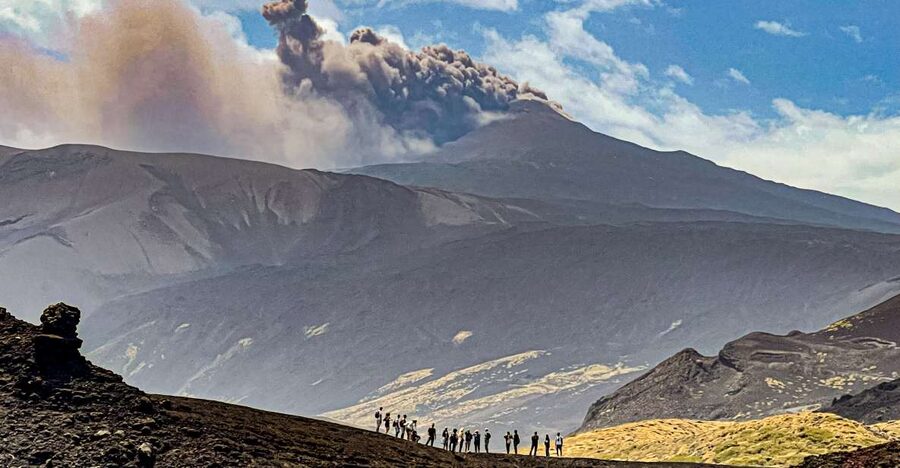
Etna is not a quiet mountain. This guided trek takes you to the craters of the 2002 eruption and the volcanic scars on the north side. You walk through forests, past lava streams, and up toward cinder cones shaped by flank eruptions. It is the kind of outing where the science feels physical, not textbook.
What I like most is the way the guide connects the terrain to what happened, including the crater area tied to Piano Provenzana and the wider impact toward Linguaglossa. I also like that the route is paced for learning, with real time for stops at key volcanic features like the Hornitos and the ruins of the Hotel dell Betulle.
One drawback to plan for: the trek involves crater-edge walking and uneven volcanic soil, so proper hiking shoes and care matter, especially if you get dizzy or you have height anxiety.
In This Review
- Key things to know before you walk Etna’s 2002 craters
- Etna on the north side: why this trek feels different
- The 3-hour plan: what you do from the chairlift parking lot to the crater edge
- 1) Start from Piano Provenzana dirt road
- 2) Stop at the ruins of Hotel dell Betulle
- 3) Walk past volcanic features tied to north-side eruptions
- 4) Hornitos and the cinder cone section
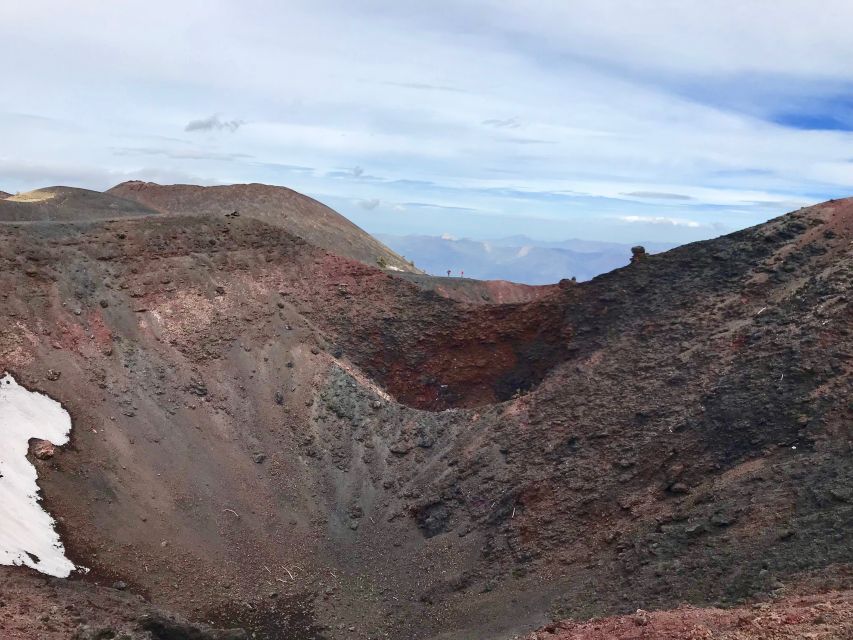
- 5) Summit craters and crater-edge walking
- The views you get: eruptive theater, coast lines, and “you can see the story”
- Guide-led learning: why names like Daniele, Davide, Vincenzo, and Niko matter
- Difficulty and who this trek fits best
- Price and value: is $41 worth it for Etna craters access?
- What to pack so the trek stays safe and comfortable
- Logistics that matter: where to meet, and why the right bar name saves stress
- Should you book Etna Craters of the 2002 Eruption Trek?
Key things to know before you walk Etna’s 2002 craters
- 2002 eruption proof on the ground, including the massive crater area linked to Piano Provenzana
- Hornitos (small openings) and cinder cone sections that help you understand flank eruption patterns
- Ruins of the Hotel dell Betulle as a visible marker from the 2002 lava flow
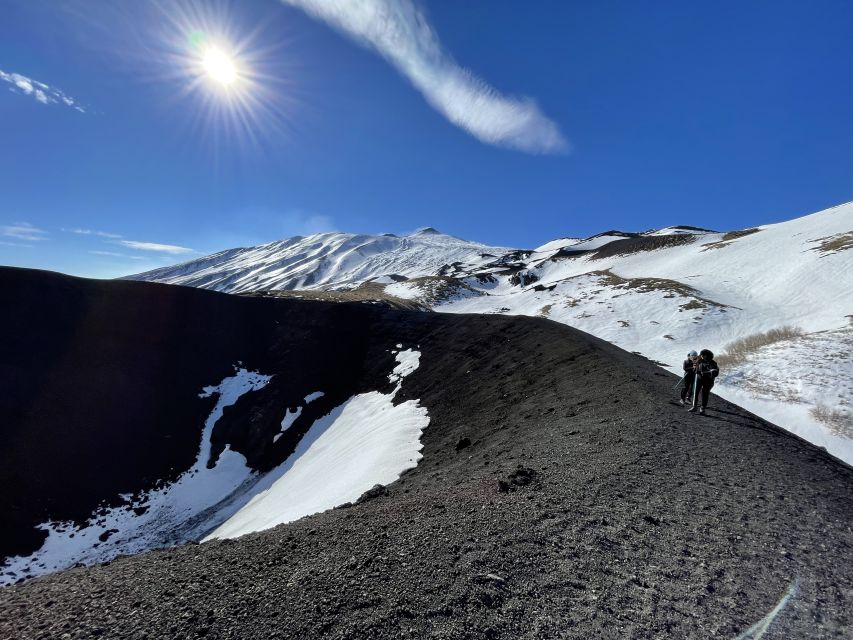
- Eruptive fractures, lava streams, and crater-edge walking that turn geology into something you can see and track
- Small-group feel, because you are exploring away from large crowds
- You will need the right gear, especially shoes, and you may rent snowshoes or footwear on site depending on season
Etna on the north side: why this trek feels different
Etna has many hiking options, but this one is a focused route on the north side, centered on the aftermath of the 2002 eruption. Instead of just looking at Etna from a distance, you work your way along the dirt road that leads from Piano Provenzana toward the summit craters. Along the way, you encounter features that show how the mountain breaks, flows, and rebuilds.
This route is especially compelling because it is not only about the summit. Flank eruptions left some of the most obvious evidence here, including the last event that threatened the city of Linguaglossa. If you want Etna as a living system, not just a single dramatic peak, this trek makes that point fast.
The view is also a big part of the payoff. From the eruptive theater area, you look out with the Calabrian Coast in view, and you can start to picture how eruptions interact with real neighborhoods and real landscapes below.
More Etna climbs and craters:
- Catania: Mount Etna Morning or Sunset Day Trip with Tasting
★ 4.8 · 4,028 reviews - Mount Etna: Guided Volcano Summit Hiking Tour with Cable Car
★ 4.7 · 3,784 reviews - Catania: Sunset Jeep Tour of Mount Etna and Lava Flow Caves
★ 4.8 · 2,113 reviews
The 3-hour plan: what you do from the chairlift parking lot to the crater edge
This trek runs about 3 hours, with start times varying by availability. You meet at Chiosco Bar Mareneve, not Chiosco Bar Etna Nord, even though both are in the same general parking area. The meeting point is close to the chairlift used by skiers in winter, and it is the second house out of the four in that parking lot.
From there, your day becomes a sequence of “see it, then understand it” stops. The guide uses an official volcano guide approach, and you spend time studying volcanic morphologies that formed over time along the north flank.
A typical flow looks like this:
1) Start from Piano Provenzana dirt road
You begin along the dirt road that connects Piano Provenzana with the higher crater areas. This opening stretch matters because it sets your mental map. You learn where the route is leading and how to interpret what you see as you gain elevation.
The terrain is volcanic and can be inconsistent. That is why good footwear is not optional. Without adequate shoes, you are not covered by insurance, so treat shoe choice as part of the safety plan.
2) Stop at the ruins of Hotel dell Betulle
One of the most memorable parts is the visit to the ruins of the Hotel dell Betulle. It is described as the only visible structure standing from the lava flow from 2002. That makes it more than a photo stop. It is a human scale marker inside a natural process that can erase buildings fast.
If you like history but prefer it grounded in physical evidence, this is one of the strongest stops on the route.
A few more Mount Etna options to weigh
- Mount Etna: Trek to 3000m with cable car and jeep
★ 4.7 · 1,978 reviews - Mount Etna: Summit Crater Trek with Cable Car
★ 4.8 · 1,875 reviews - Etna Volcano: South Side Guided Summit Hike
★ 4.7 · 1,545 reviews - Catania: Mount Etna Trekking Trip off the Tourist Path
★ 4.9 · 1,351 reviews
3) Walk past volcanic features tied to north-side eruptions
Along the route you visit and study several volcanic morphologies linked to eruptions over time on Etna’s north side. The route especially emphasizes the evidence left by flank eruptions.
This is where you start seeing patterns: breaks in the ground, channels where lava traveled, and the way fractures can guide how material moves. You also get the feeling of “why here?” which is the real goal. Volcanic landforms do not appear by accident. They point to forces and timing.
4) Hornitos and the cinder cone section
You will see structures called Hornitos, which means small opening or small oven. On this trek, these features help explain how gases and minor vents can shape small volcanic structures. You then go up along the cinder cones.
Cinder cones can look straightforward from a distance, but up close you can read their slope and texture. It is the sort of geology that rewards slow steps and looking down as much as looking forward.
5) Summit craters and crater-edge walking
At the summit area, you look over the edge of the craters. From there, the route takes you back down through a sandy channel back toward the starting point.
Important reality check: the route includes walking along crater edges and an ascent section that can trigger dizziness for people who are sensitive to it. If you are afraid of heights or you have vertigo, this tour is not recommended. Even if you are fine with heights, steady footing is key because volcanic soil can be unstable.
Wind can be a factor too. Some groups call out strong wind as a downside, even when the experience is otherwise excellent. Bring a windbreaker, even if the day looks calm at the parking lot.
The views you get: eruptive theater, coast lines, and “you can see the story”
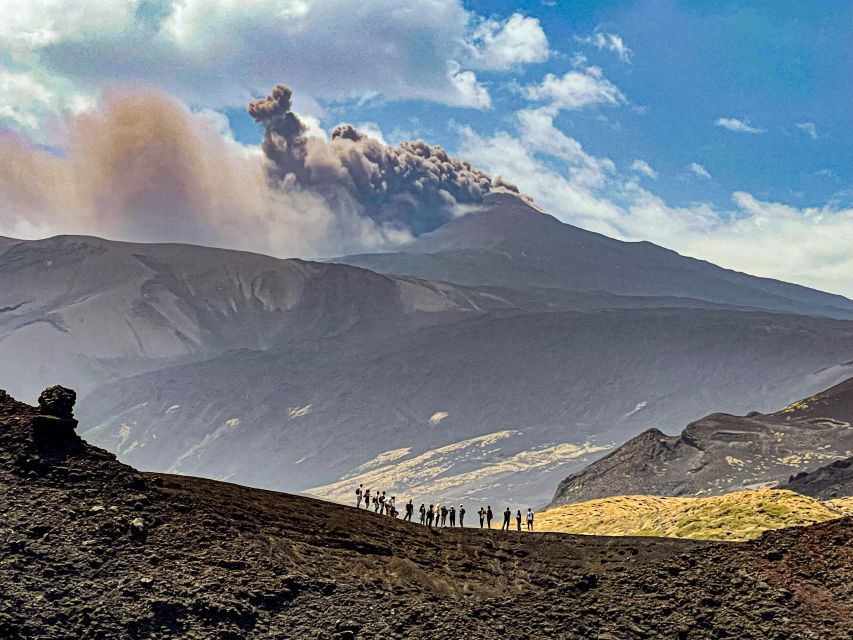
The best Etna days give you a three-layer experience: the ground in front of you, the volcano theater around you, and then the wider horizon beyond. This trek hits all three.
- Eruptive theater views help you visualize the shape of the crater world you are walking through.
- The Calabrian Coast view adds perspective on what Etna eruption impacts mean for people far beyond the immediate lava flow.
- The way the route stays focused on north-side evidence means you are not just seeing the obvious summit story. You see how Etna spreads its energy across its flanks.
It is not just pretty. It helps you understand why scientists and guides talk about eruptions as systems. A volcano is not one event. It is repeated movement over time.
Guide-led learning: why names like Daniele, Davide, Vincenzo, and Niko matter
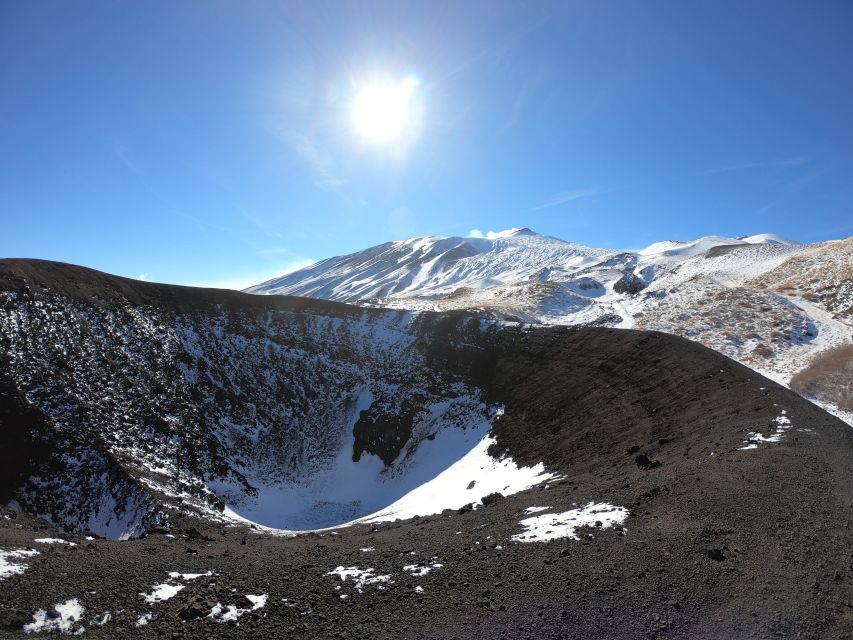
A big reason this trek earns strong marks is the guides themselves. You might meet different leaders, and names you may see include Daniele, Davide, Vincenzo, and Niko.
Across those guides, the common theme is clear: they mix science with storytelling in a way that stays practical on the trail. Guides are described as well equipped, fun, and focused on making people feel safe and informed. There are also examples of guides using personal videos and pictures from the actual eruption on the way, which makes the talk feel anchored to reality rather than abstract facts.
Some guides also add humor. That matters more than you might think. On a volcanic hike, people get tired, wind can hit, and footing gets attention-heavy. Humor and good pacing keep the group relaxed without turning the trek into a casual walk that misses the point.
If you care about learning, this is one of those tours where the guide actively helps you connect each feature to the larger eruption story.
Difficulty and who this trek fits best
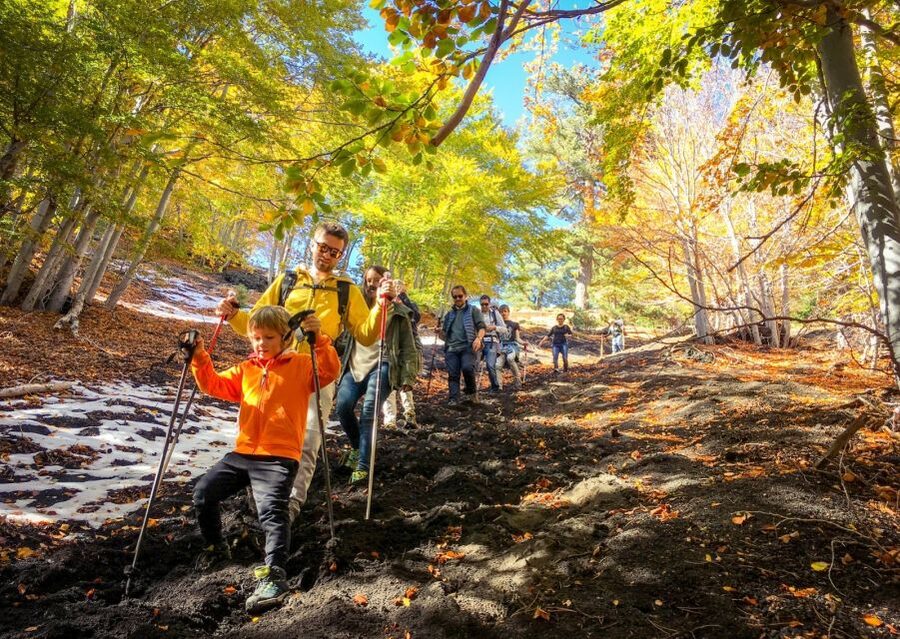
This trek is for hikers with medium training. That sounds vague until you translate it: expect an ascent, crater-edge walking, and uneven volcanic soil. You need to be careful because the ground can be inconsistent and unstable.
This tour is not recommended if you do not do regular physical activity. It is also not suitable for certain conditions listed by the operator, including:
- children under 6
- pregnant women
- people with back problems
- people with mobility impairments
- people with heart problems
- people afraid of heights
- people with vertigo
- people with respiratory issues
- people with epilepsy
If you are in any of those categories, do not treat this as an optional challenge. The route features are specifically not compatible with those risk factors.
On the other hand, reviews include people in their late 60s and even groups with wide age ranges describing the trek as worth the effort. The key is that guides manage pacing and explanations with the group in mind. You still need to judge your own fitness honestly.
Price and value: is $41 worth it for Etna craters access?
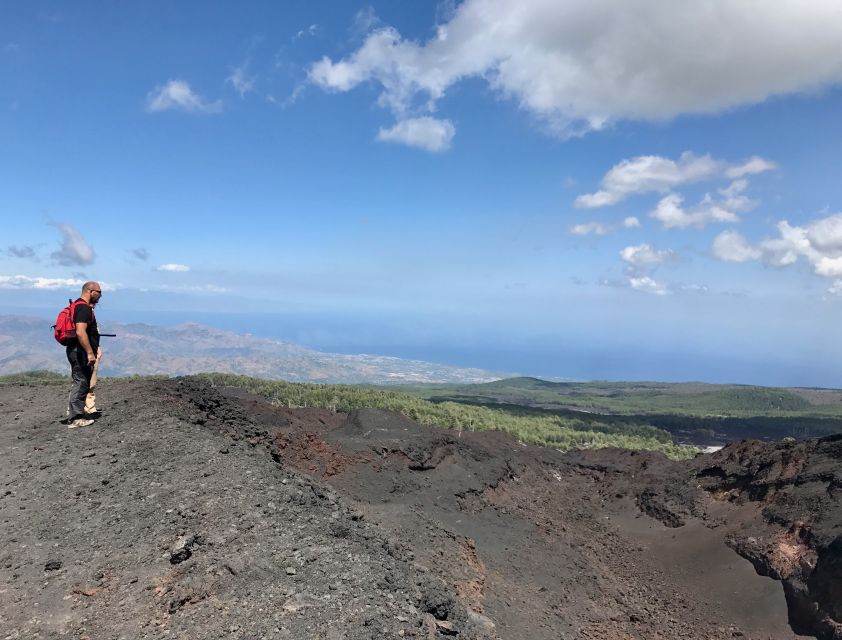
The price is listed as $41.00 per person for a 3-hour guided experience. That sounds low or high depending on your expectations, so here is the value math that matters.
You are paying for:
- an official volcano guide
- an insurance layer in case of accidents
- access to a guided route that focuses on specific 2002 eruption features, not a random viewpoint walk
What is not included matters too. You do not get trekking sticks. You do not get snacks or bottled water. Trekking shoes are not included, but you can rent them on site for €5 per pair at authorized rentals. You may also need a windbreaker, gloves, or hats depending on season, and snowshoes are a separate rental in winter months at €12 per person (December to March).
So the real value question is this: does your budget include food and basic clothing upgrades? If yes, this is strong value for the guided geology and crater-edge experience. If you arrive underprepared, your costs can rise quickly, and more importantly, your comfort and safety drop.
My practical take: this is a good pick if you want a structured, guide-led Etna outing that focuses on a specific eruption story.
What to pack so the trek stays safe and comfortable
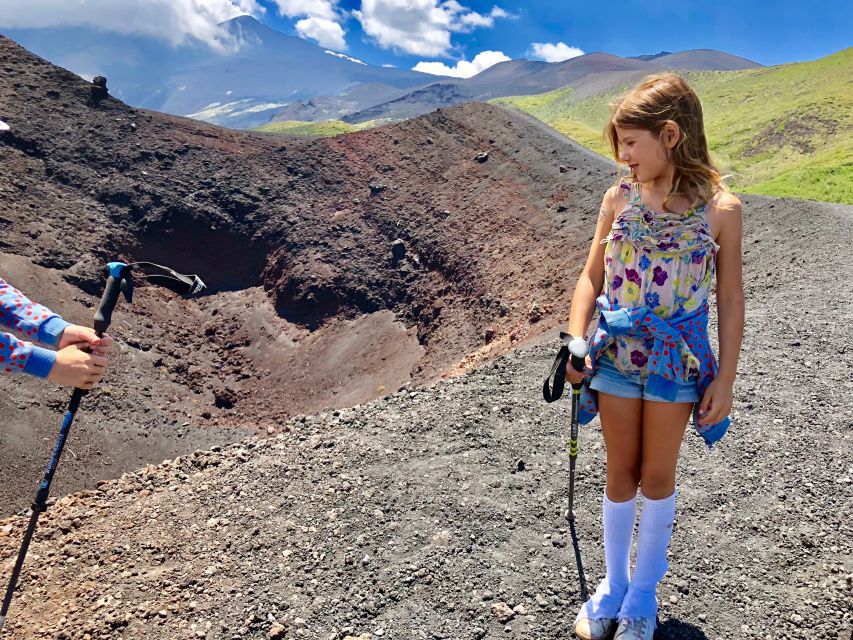
I would treat the packing list like a safety checklist.
Bring:
- windbreaker (wind can be strong near craters)
- sunglasses and sunscreen (Etna can be bright)
- hiking shoes
- water plus snacks
- comfortable clothes, a jacket, and a daypack
Not allowed:
- high-heeled shoes, sandals, or flip flops
- baby strollers
- luggage or large bags
- skirts, slippers
Season notes:
- In winter months (December, January, February, March), snowshoes are needed and rented on site for €12 per person.
- Gloves or hats in winter are not included, so bring your own.
Small but important detail: without adequate shoes, you are not covered by insurance. That alone is enough reason to show up properly equipped.
Logistics that matter: where to meet, and why the right bar name saves stress
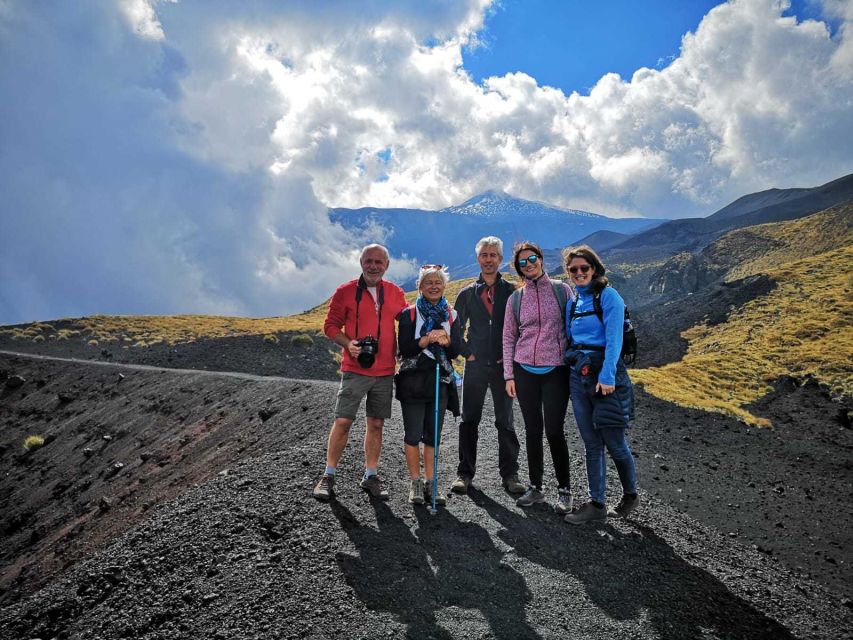
The meeting point is precise. Join your tour at Chiosco Bar Mareneve, not Chiosco Bar Etna Nord in the lower parking lot.
The parking ticket is €3 for the whole day, paid after the excursion. That means you want to plan for a simple exit, then go back to the same meeting point when the tour ends.
Also note: the minimum group size is 4 participants. If you are booking last minute, it can be smart to double-check that your date has enough people.
Languages are Italian, French, and English, so you should be able to follow along well.
Should you book Etna Craters of the 2002 Eruption Trek?
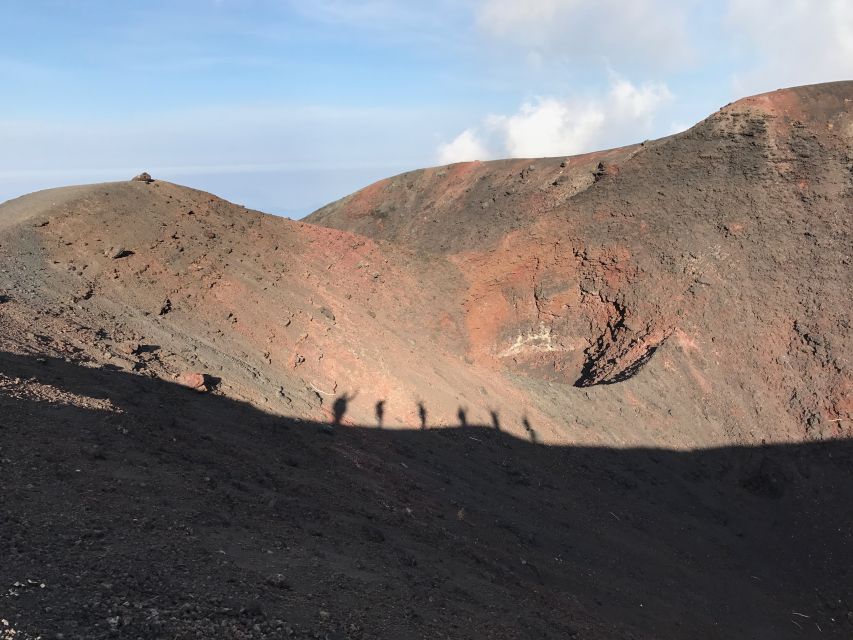
Book this trek if you want a focused, guide-led walk on Etna’s north side where you can see and interpret the 2002 eruption. If you care about real volcanic landforms like lava streams, eruptive fractures, Hornitos, and the crater edge, you will likely feel satisfied after 3 hours.
Skip it if you are dealing with height anxiety, vertigo, dizziness triggers, or any of the medical conditions listed as not suitable. Also skip it if you show up without proper shoes and you cannot rent them in time, because the route relies on secure footing over volcanic terrain.
If you are a steady walker with medium training, this is a smart way to experience Etna beyond the postcard view, with strong guide energy and a clear eruption story you can see under your boots.
Latest reviews around Mount Etna
- From Catania: Mount Etna Sunset Tour with Tasting and Cave★ 4.7 · 1,119 reviews
- Sicily: Etna Volcano & Taormina Tour★ 4.4 · 199 reviews
- From Catania: Mt. Etna, Wine and Alcantara Tour★ 4.8 · 370 reviews
- Mount Etna and Taormina Full-Day Excursion from Palermo★ 3.8 · 457 reviews
- From Taormina: Off-Road ATV Tour Alcantara & Mount Etna★ 4.8 · 177 reviews
- From Taormina Area: Mount Etna tour★ 4.8 · 204 reviews
- Mount Etna: Return Funivia dell’Etna Cable Car Ticket★ 4.0 · 240 reviews
- Mount Etna: North Upper Craters Guided Tour by 4×4 with Trek★ 4.6 · 243 reviews
Mount Etna Tours & Hikes, compared.
Mount Etna Morning or Sunset Day Trip with Tasting
Read our review →
Mount Etna: Guided Volcano Summit Hiking Tour with Cable Car
Read our review →
Sunset Jeep Tour of Mount Etna and Lava Flow Caves
Read our review →
Mount Etna: Trek to 3000m with cable car and jeep
Read our review →
Mount Etna: Summit Crater Trek with Cable Car
Read our review →
Sicily: Etna and Alcantara Gorges Full-Day Tour with Lunch
Read our review →
Mount Etna: Roundtrip Cable Car and 4×4 Bus Ticket
Read our review →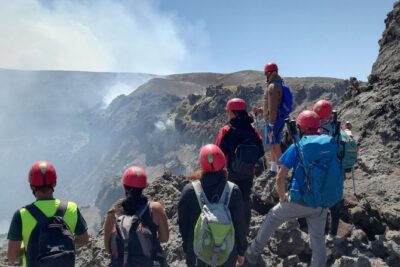
Browse the lists this tour appears in