
Reviewed · WORKSHOPS
Authentic Neapolitan Pizza Lesson
Pizza class in Naples is hands-on. You learn authentic Neapolitan dough work with a real pizzaiolo, using a wood-fired oven to bake, not just watch. I love the chance to make your own pizza, not a demo-only show. One possible drawback: you may need to handle transport to the restaurant yourself if pickup is not arranged for where you’re staying.
For 1.5 hours, this is a focused, food-centered experience in Campania. The price is $77 per person, and you get your pizza dinner plus one drink chosen from water, wine, or a soft drink. If you like practical cooking and eating what you make, this kind of class is a smart use of time in Naples.
In This Review
- Key things that make this pizza lesson worth your time
- Neapolitan pizza intro: where the basics actually matter
- Kneading and stretching dough: the skill that separates pizza from flatbread
- Toppings and technique: keeping it simple so the pizza bakes right
- The wood-fired oven bake: where the dough turns into a real Neapolitan pizza
- Pizza dinner and the included drink: how the meal is built around your work
- Who you might meet: the pizzaiolo and the team behind the lesson
- Naples logistics: getting there without stress
- Price and value: what $77 buys in real learning time
- Best for: food lovers, beginners, and anyone who likes doing
- Quick checklist before you go
- Should you book this Neapolitan pizza lesson?
Key things that make this pizza lesson worth your time
- A real pizza master runs the show, so you get technique, not just recipes on paper
- You stretch and top your own Neapolitan-style dough, guided step-by-step
- Wood-fired baking is part of the lesson, which changes the whole result
- English and Italian are supported, and translation can be built into the group experience when needed
- One included drink makes the meal feel complete, not like a snack break
- The class is short and doable, at 1.5 hours, so you are not committing to a half-day
Neapolitan pizza intro: where the basics actually matter
The best part of this kind of class is that it starts before your hands do. You get an introduction to Neapolitan pizza history and traditional techniques, with just enough background to help you understand what you’re aiming for. You do not need to be a cooking nerd. You just need to pay attention for the moments that affect the dough.
In this lesson, the teaching tone is practical. You are not stuck reading while someone else works. The instructor aims to get you through the steps you’ll perform: dough handling, stretching, topping, and baking. That matters because Neapolitan pizza is all about how the dough behaves, not just what ingredients you sprinkle on top.
If you are traveling with food questions, this is also where you get answers. People often arrive thinking pizza is one thing. By the end of the intro, you usually have a clearer sense of why Neapolitan pizza is treated as its own style, with specific handling techniques.
One small tip for you: if you learn better visually, watch the first demonstration like it is choreography. The way the dough is lifted and stretched is where beginners often get stuck later.
A few more Naples options to weigh
- From Naples: Pompeii Ruins & Mount Vesuvius Day Tour
★ 4.3 · 11,459 reviews - From Naples: Sorrento, Positano and Amalfi Full-Day Tour
★ 4.6 · 10,988 reviews - From Naples: Sorrento, Positano & Amalfi Coast – Small Group Tour
★ 5.0 · 8,643 reviews
Kneading and stretching dough: the skill that separates pizza from flatbread
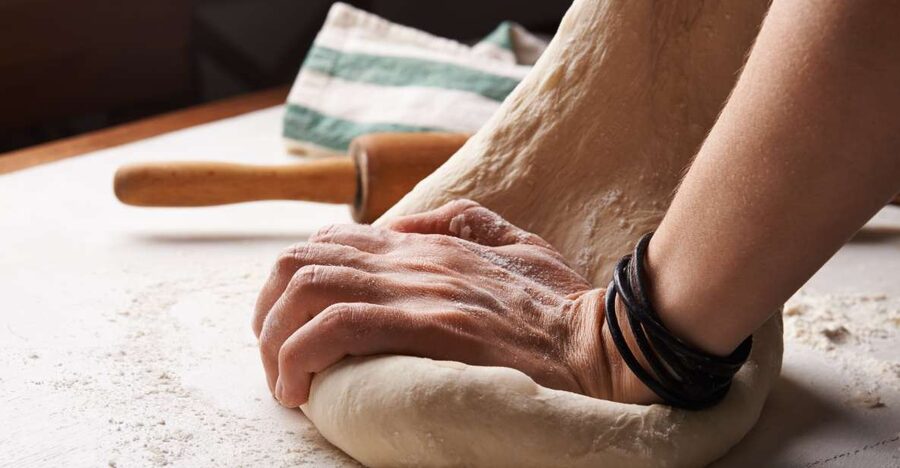
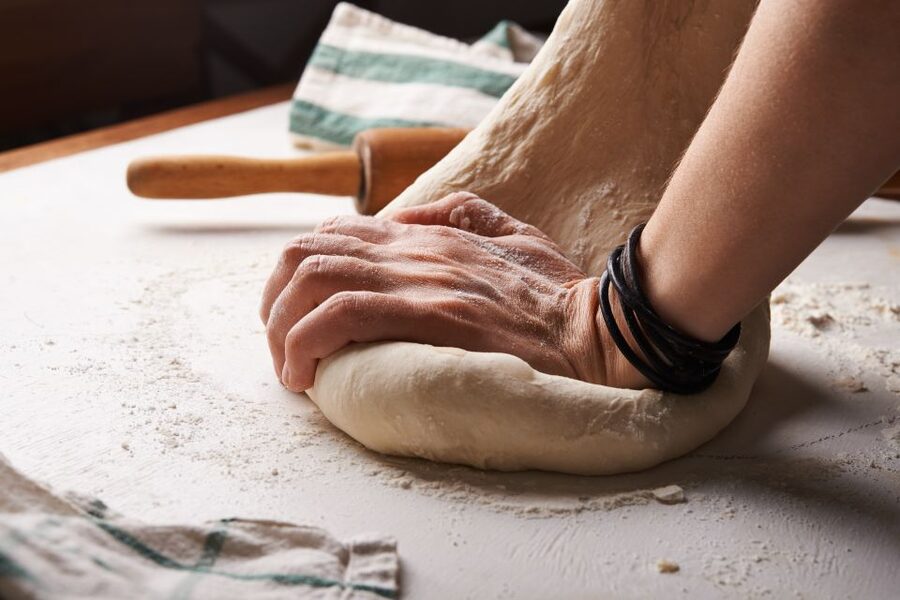
Once the demo ends, you roll up your sleeves. The hands-on portion is the core value here. You knead, you stretch, and you learn what the dough should feel like as you work it. This is where the lesson becomes more than a meal ticket.
I like that the class frames dough work as technique, not mystery. You are guided while you handle the dough yourself, which makes the learning feel quick and manageable. Even if you have never made pizza before, you get real coaching on what to do next, and when to slow down.
This is also where you can see why stretching is central to Neapolitan style. Stretching is about keeping air inside and getting the right shape without crushing everything you just built. When you do it with guidance, you understand it faster than you would from a recipe alone.
If you want to get the most out of the 1.5 hours, do not overthink toppings at first. Focus on dough behavior. Your toppings can wait one minute. Your dough cannot.
Toppings and technique: keeping it simple so the pizza bakes right
After you’ve got your dough portioned and stretched, the lesson moves into topping choices. You add toppings using fresh, traditional ingredients, and you will have room to pick what you want. That part feels fun, but the best classes also remind you that toppings should not steal the spotlight.
For this experience, the key is that you are learning how topping decisions affect the finished pizza once it hits intense heat. If you pile too much, it can change how the base cooks. If you keep it balanced, your pizza holds together and eats better.
Many sessions also include a tasting component of pizzas made by the pizzaiolo before you build your own. That gives you a baseline to compare with your own final pie. It is a clever way to teach without turning the lesson into a lecture.
One practical mindset shift: treat your first pizza as a learning pizza. You might not get it perfect on the first go. But you will understand the steps well enough to cook better at home.
The wood-fired oven bake: where the dough turns into a real Neapolitan pizza
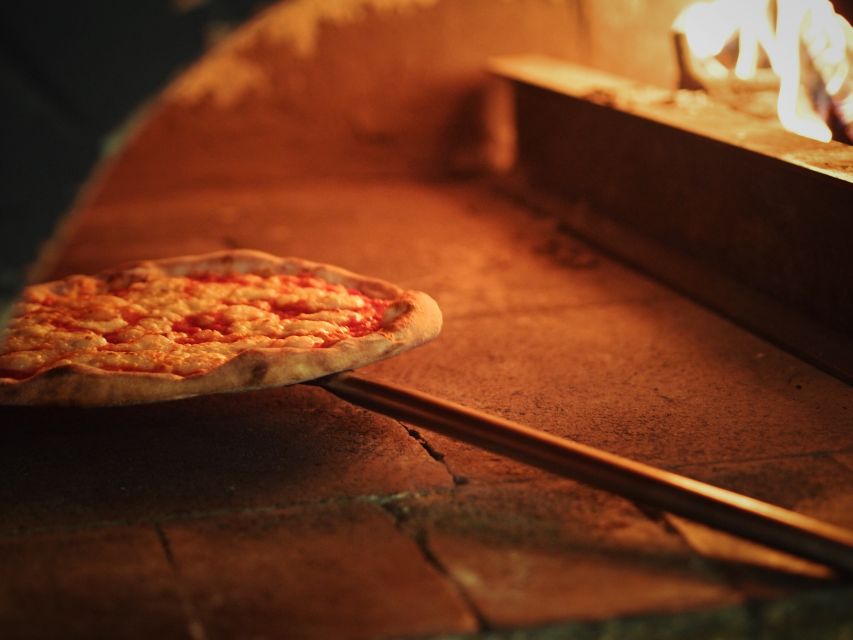
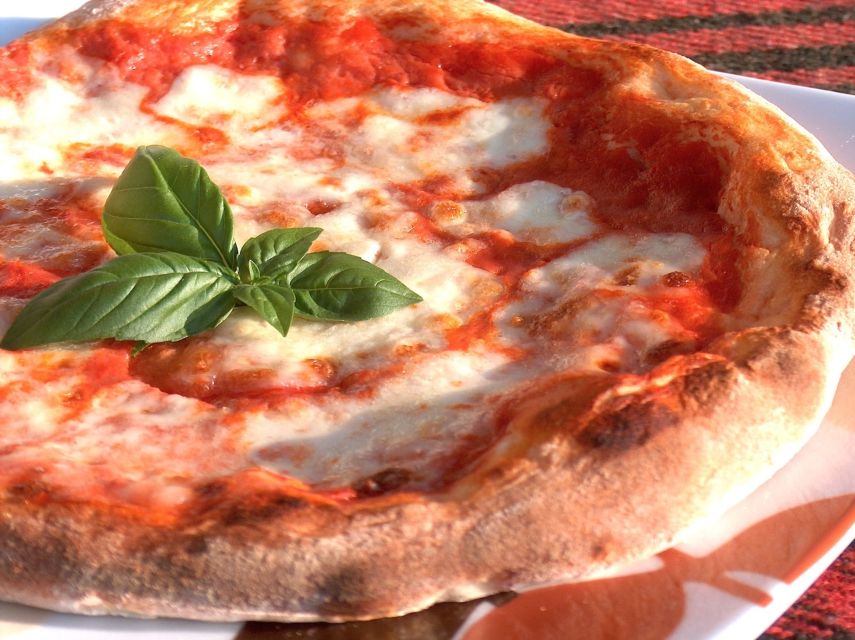
This is the part you cannot fake. The class uses a wood-fired oven, and that is the difference between a good pizza and a great one. In a wood-fired setting, heat is intense and quick, so the dough’s timing and handling matter.
You watch the process, then you get to bake your own pizza. You’re not just standing around waiting. You are participating in the moment where your dough becomes edible proof that the technique worked.
In Naples, pizza culture takes heat seriously. Here, the oven is described as the true heart of every pizzeria, and that matches what you feel in the experience. The bake is fast, and you are reminded how timing is part of the craft, not just a random variable.
If you are sensitive to timing, keep your attention locked on what the instructor tells you during the bake. The best results come when you follow cues closely.
Nearby, and just as well reviewed:
- Naples: Catacombs of San Gennaro Entry Ticket & Guided Tour
★ 4.6 · 7,941 reviews - Naples: Downtown Tour with Veiled Christ & St Clare Tickets
★ 4.9 · 6,462 reviews - Naples: Pizza-Making Workshop with Drink and Appetizer
★ 4.9 · 5,411 reviews - Naples: Hop-on Hop-off Bus Tour 24-Hour Ticket
★ 4.3 · 5,157 reviews
Pizza dinner and the included drink: how the meal is built around your work
After your pizza is made, you eat it. This is a lesson that lands on the table, not on a cutting board you leave behind. The experience includes a pizza dinner and one included drink. The drink choice is water, a glass of wine, or a soft drink.
What I like about this setup is that the meal feels earned. You are not paying $77 and then being served a generic dinner. You contribute to the pizza that becomes your dinner.
Some sessions may also include extra food along the way, like tasting bites from the chef’s practice pizzas, and a sweet finish such as apple cake. You should not treat dessert as guaranteed, but it is part of what has happened in some runs. If you have a sweet tooth, you’ll probably be happy.
Also, note the language support. The instructor works in English and Italian. In real-world situations, you might still hear mostly Italian from the pizzaiolo, with translation handled by a host or interpreter. Names that have shown up in past groups include Franco and Elvis, depending on the session team.
Who you might meet: the pizzaiolo and the team behind the lesson
Part of the charm here is the human team you learn with. The pizza chef is often described as experienced and patient, and in some cases the chef is presented as multi-generational, which makes the whole class feel like a craft passed down, not a staged tourist act.
You might work with a pizzaiolo such as Antonio or Armando, and you might have a host or translator like Franco. The team approach shows up repeatedly: one person teaching, another helping you follow along if English support is needed.
This matters for you if you care about understanding the why, not just repeating the what. When the translation is good, you catch the little tips that make the dough behave better. If translation is lighter in your session, take notes quickly during the intro and first steps. Even a simple list helps later when you try it at home.
Naples logistics: getting there without stress
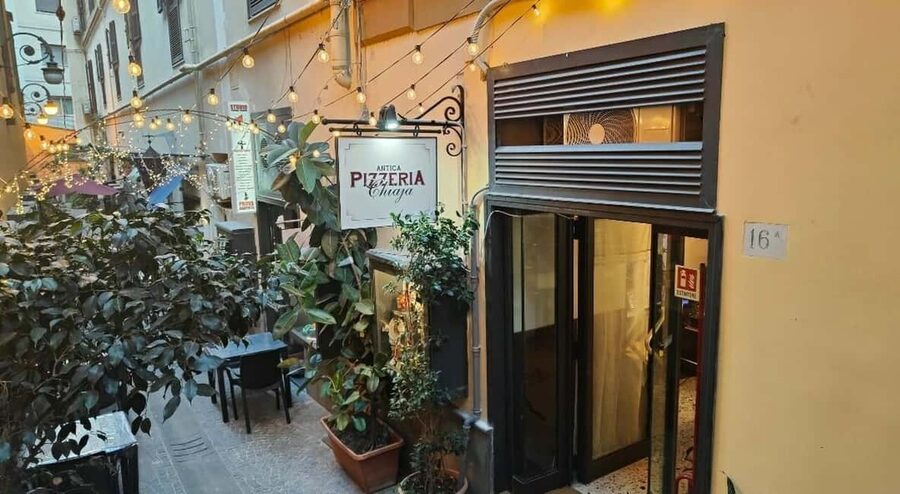
Transportation is where you should pay attention. The activity does not include a transfer service for a centrally located restaurant, so do not assume your hotel pickup is automatic. That said, some sessions have pickup and drop-off options from a Naples meeting point, and groups have reported smooth pickup in the center area.
So here’s the practical play: before you book, confirm the exact meeting point and whether pickup is offered for your location. If not, plan a taxi or local ride so you arrive calm, on time, and ready to work dough.
Also think about timing. This is only 1.5 hours. If you get stuck in transit, you lose the parts that make it worth it: dough work, oven time, and the sit-down eating.
If you prefer less hassle, choose a day when you have no tight reservations right before or after. Let the class breathe.
Price and value: what $77 buys in real learning time
At $77 per person for 1.5 hours, you are paying for three things at once: coaching, ingredients, and a real meal with a drink. Many food experiences in Italy are either cooking with low instruction, or eating with low participation. This one tries to do both.
The value hinges on participation. The class is hands-on, and you make your own pizza, not just taste. That keeps the price feeling fair for most visitors who want an experience they can recreate later, even if their first homemade attempt is not as perfect as Naples.
The included drink also helps with the math. If you would otherwise buy a beverage with dinner, that cost is already folded in.
Where the price can feel less perfect is if you end up spending more time waiting than working. The lesson is designed to move quickly, but if your session is noisy or crowded around prep areas, you might have trouble hearing details. If you want the most learning, bring a small notebook and focus on the first instructions, where the steps are likely easiest to remember.
Best for: food lovers, beginners, and anyone who likes doing
This class is a strong fit if you fall into any of these groups:
- First-time pizza makers who want guided technique
- Food lovers who want the dough story, not only the finished pie
- Couples and friends who enjoy shared food projects
- Families (the format is hands-on and usually upbeat)
It is also a good “Naples night” plan, because you leave fed and with a skill you actually practiced.
If you are traveling solo, this can still work well because the instructor focuses on getting each person involved. Some sessions have even been reported as one-on-one, which makes the learning feel extra direct.
If you want a long, slow cooking experience with lots of downtime, you might find the 1.5-hour timing a bit fast. But if you want a clear sequence and quick satisfaction, this is a win.
Quick checklist before you go
- Wear something comfortable. Dough gets messy, even with guidance.
- Bring a small notebook if you want to remember steps you can repeat later.
- Plan your transport so you are not rushing to arrive.
- Come with an appetite. You make a pizza, then you eat it.
- If you drink wine, consider that you are baking and eating, so keep it moderate.
Should you book this Neapolitan pizza lesson?
I think you should book it if your main goal in Naples is a real, hands-on food experience. This works best when you value technique, like learning to stretch dough properly and understanding how the wood-fired bake ties everything together. The included pizza dinner and drink help it feel like an evening worth the money.
I would hesitate if you hate logistical uncertainty. Since transfer service is not listed as included for centrally located restaurant access, double-check pickup details. Also consider your attention needs. If you want to hear every word clearly, arrive prepared to concentrate during the intro and early coaching.
If you want one practical rule: if you want to leave with a pizza skill you practiced, not just a meal you ate, this class is the kind of booking that pays off quickly.
Latest reviews around Naples
- Vesuvius National Park Skip-the-Line Ticket★ 3.8 · 221 reviews
- From Naples: Procida Island Day Trip with Lunch★ 3.8 · 137 reviews
- Pompeii and Vesuvius Full-Day Tour from Amalfi Coast★ 4.4 · 319 reviews
- Pompeii: Skip-the-Line Entry Ticket with Audio Guide or Tour★ 4.1 · 1,364 reviews
- From Naples: Pompeii & Herculaneum with Archaeologist Guide★ 4.8 · 665 reviews
- From Naples: Pompeii and Herculaneum Tour with Lunch★ 4.3 · 444 reviews
- From Naples: Pompeii Guided Tour with Skip-the-Line Tickets★ 4.8 · 1,171 reviews
- From Naples: Pompeii and Sorrento Full-Day Tour★ 4.2 · 144 reviews
Workshops, compared.
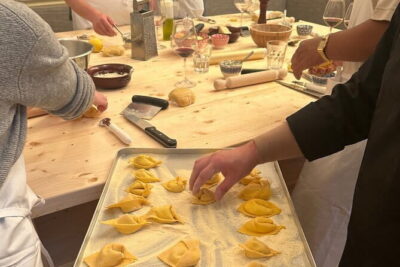
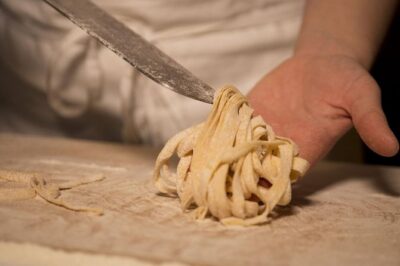
3 in 1 Cooking Class near Navona: Fettuccine, Ravioli & Tiramisu
Read our review →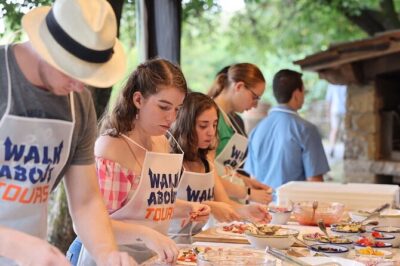
Florence Pizza or Pasta Class with Gelato Making at a Tuscan Farm
Read our review →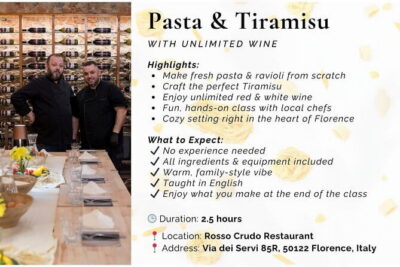
Pasta & Tiramisu Cooking Class with Unlimited Wine
Read our review →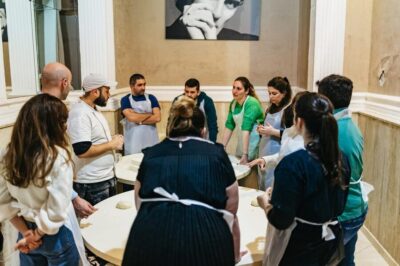
Pizza-Making Workshop with Drink and Appetizer
Read our review →
Pasta & Tiramisu Class with Fine Wine by the Vatican
Read our review →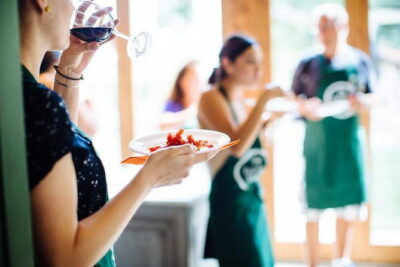
Cooking Class and Lunch at a Tuscan Farmhouse with Local Market Tour from Florence
Read our review →Browse the lists this tour appears in