
Reviewed · DOLPHIN WATCHING
Alghero: Dolphin Watching Tour with Marine Researcher
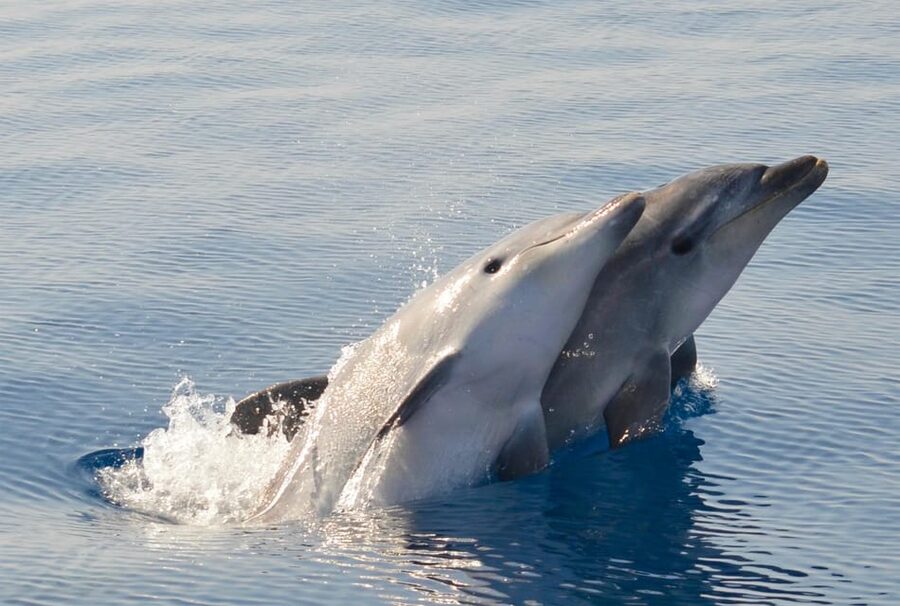
Dolphins and real research in one trip. This Alghero outing puts you on the water with MareTerra ERC marine biologists, so you are not just looking for sightings, you are learning how the team studies bottlenose dolphins. I love that the operators follow HQWW® (High-Quality Whale Watching) responsible watching rules, which changes the whole feel of the experience.
I also like how the tour blends watching with hands-on learning, including bioacoustics listening if conditions allow. Fabio, one of the marine researchers, explained dolphin behavior in plain language and kept the focus on animal welfare. One possible drawback to plan for: there is no bathroom on board, and if the sea is rough, you should be ready for some motion.
In This Review
- Key Highlights Worth Booking For
- Meet the MareTerra ERC Researchers Behind the Boat
- How They Find Dolphins in Alghero Bay (No Fixed Route)
- Responsible Dolphin Watching That Feels Like It Makes Sense
- What the Marine Biologists Do While You Watch
- The Dolphin Experience: Bottlenose Dolphins Close to the Coast
- June to September: Snorkeling in Capo Caccia and Isola Piana
- Tour Timing: 3 Hours vs 4 Hours (And Which Month Fits You)
- What to Bring for a Comfortable, No-Stress Sea Day
- Getting Sea-Smart: Who Should Take This and Who Should Rethink
- Price and Value: What You Get for About $59
- When It Clicks, and When You Need to Be Flexible
- Should You Book the Alghero Dolphin Watching Tour With MareTerra ERC?
- FAQ
- How long is the Alghero dolphin watching tour?
- When is snorkeling included?
- Where do we meet for the tour?
- What should I bring?
- Is there a bathroom on board?
- Are dolphins guaranteed?
- What happens if there are no dolphin sightings?
- What languages are spoken during the tour?
Key Highlights Worth Booking For
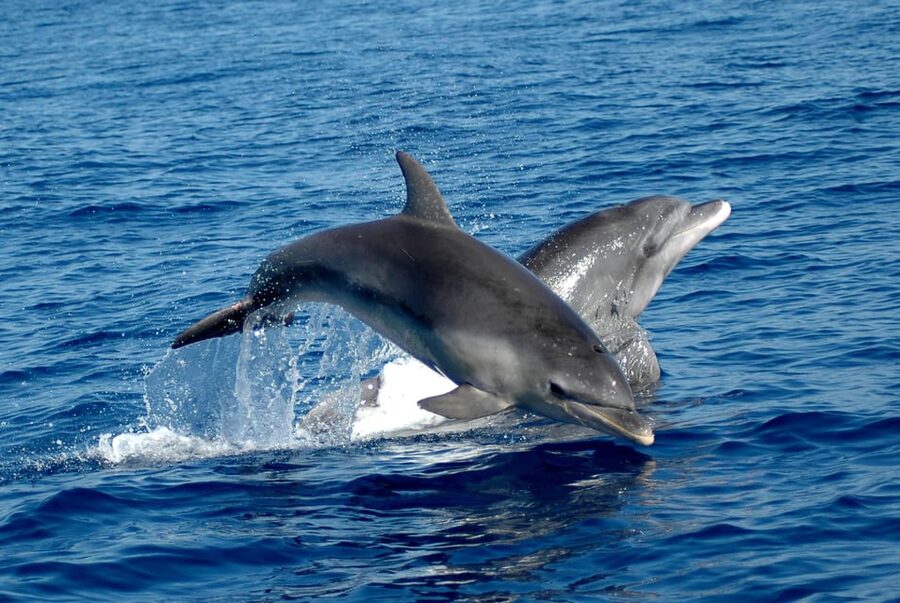
- 80% sighting success rate, backed by local research and monitoring
- Certified responsible dolphin watching (HQWW®) with a clear code of conduct
- On-board photo identification, location, and behavior notes for scientific data
- June to September snorkeling in the Capo Caccia and Isola Piana Marine Protected Area
- Optional hydrophone listening for dolphin communication when conditions permit
- Marine researchers on board, not generic guides, with English and Italian interpretation
Meet the MareTerra ERC Researchers Behind the Boat
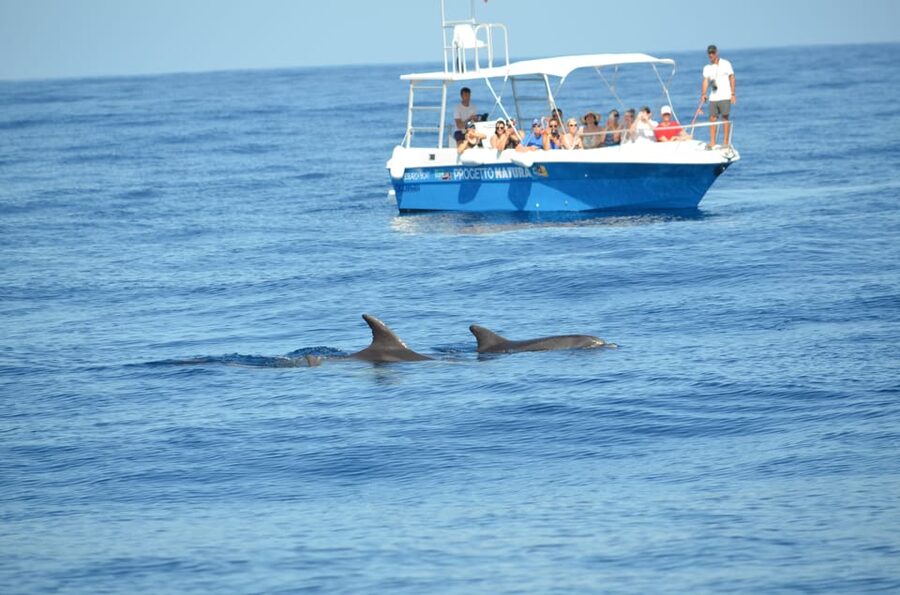
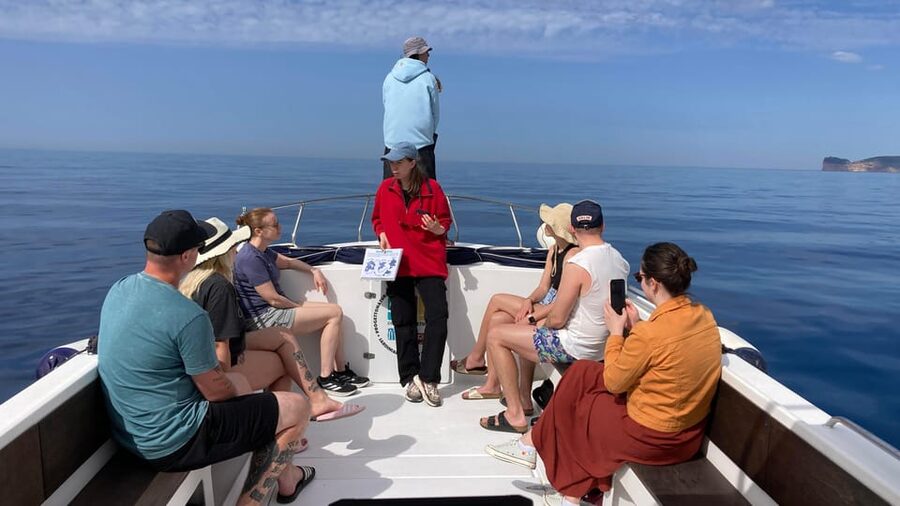
This tour feels different because you meet the people doing the work. At the meeting point by the Cicloexpress bike rental shop on the Lungomare Barcellona promenade, one of the MareTerra ERC researchers meets you and walks you to the boats.
Once you are onboard, the guides are marine biologists, and they talk like scientists who actually enjoy sharing. You will hear about the local dolphin population in Alghero Bay and how these animals use the coastal area where you are sailing. It gives you context fast, so even if you only catch a glimpse, you know what you are seeing.
The vibe is part education, part fieldwork. And that matters, because you are not just consuming wildlife. You are participating in a conservation-focused activity that supports research conservation projects.
A few more Sardinia options to weigh
- Golfo Aranci: Eco-Friendly Dolphin Watching Boat Trip
★ 4.8 · 2,846 reviews - Golfo Aranci: Kayak Tour with Dolphins and Aperitif
★ 4.9 · 1,731 reviews - Olbia: Dolphin Watching & Snorkeling Boat Tour near Figarolo
★ 4.9 · 670 reviews
How They Find Dolphins in Alghero Bay (No Fixed Route)
You should know up front that there is no fixed route. After leaving the port of Alghero, the navigation direction depends on recent monitoring, dolphin movement patterns, and current sea conditions.
For you, that means two good things. First, the team is actively adjusting based on what they have learned, not sticking to a generic “dolphin spot.” Second, you are more likely to be in the right area at the right time, which helps explain the 80% sighting success mentioned for these trips.
For planning, it also means you should expect the day to be guided by nature. If the sea changes or the dolphins move, the route changes too. That flexibility is the whole point of a research-led excursion.
Responsible Dolphin Watching That Feels Like It Makes Sense
The dolphins are wild, and the team treats them like that. The tour follows HQWW® (High-Quality Whale Watching) principles, which are designed to minimize disturbance to dolphins’ daily life.
In practice, that means the guides are not trying to “chase” animals for a perfect show. Instead, they focus on watching in a way that keeps your impact low. When dolphins appear, the boats approach in a controlled, considerate manner, and the researchers maintain enough distance that the dolphins still control the interaction.
I like this approach because it aligns with what you want out of a dolphin trip: good views, good learning, and not turning the sea into a traffic jam. If you care about animal welfare, this is one of the biggest reasons the experience scores high with people.
What the Marine Biologists Do While You Watch
One of the most memorable parts is seeing the science happening while you are out there. When dolphins are spotted, researchers collect data as you observe.
The tour specifically mentions several key methods:
- Photo identification, recognizing dolphins via photos of their dorsal fins
- Geographical location tracking
- Behavioral observations of how dolphins act and interact
That data is used to publish articles in peer-reviewed scientific journals. In other words, your time on the water links to real outcomes, not just a feel-good nature moment.
If conditions permit, you may also use a hydrophone for bioacoustics research. You might listen to dolphin sounds used for communication. Even when you do not catch the audio, the explanation helps you understand why the team listens for patterns rather than just looking.
Also, there is a nice extra if you are lucky. They may help identify dolphins on-site and share names and extra information. That turns a fleeting sighting into something that feels more personal and meaningful.
Nearby, and just as well reviewed:
- From Sardinia: La Maddalena Archipelago Full-Day Boat Tour
★ 4.6 · 4,980 reviews - Sardinia: La Maddalena Archipelago Full-Day Trip by Boat
★ 4.6 · 2,710 reviews - From Palau: La Maddalena Islands Full-Day Trip by Boat
★ 4.4 · 2,414 reviews - Cagliari: Underground Cagliari Walking Tour
★ 4.7 · 2,329 reviews
The Dolphin Experience: Bottlenose Dolphins Close to the Coast
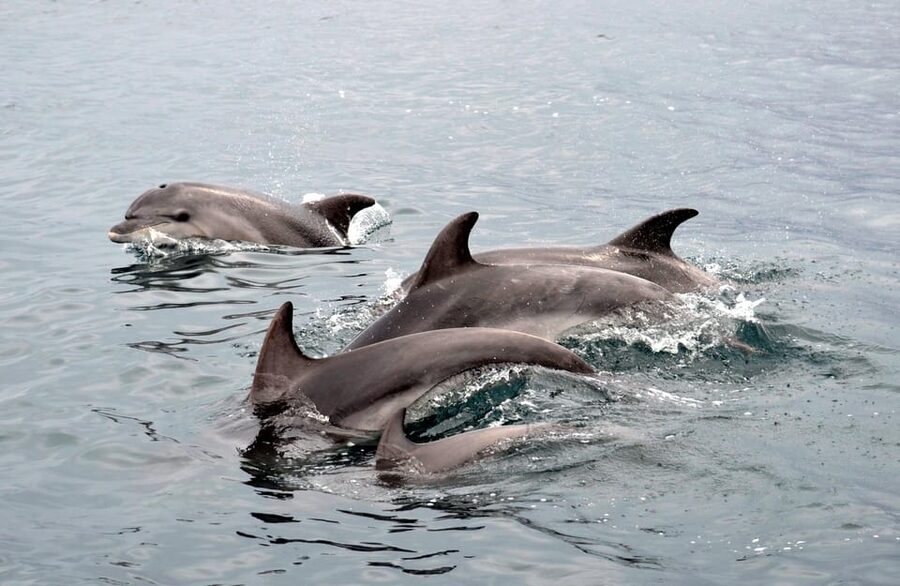
This tour focuses on the bottlenose dolphin population that resides close to shore in the Gulf of Alghero. During the boat ride, you will learn about their biology and behavior while you scan the water.
Sighting likelihood is a big part of your decision, so here is the practical reality: sightings are quite common, occurring on over 80% of tours. Still, there is always a possibility you will not encounter dolphins, because they move over large areas as wild animals.
What helps is that the team studies these dolphins and adjusts based on monitoring activity and recent movements. That is why it does not feel random. You are not just out there hoping.
June to September: Snorkeling in Capo Caccia and Isola Piana
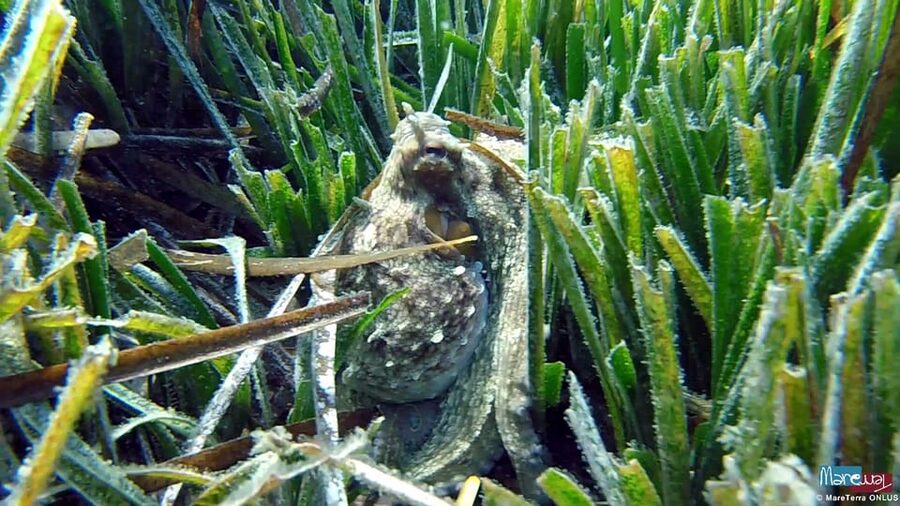
If you are traveling in summer, the 4-hour version is the one to aim for. From June to September, the tour includes a stop of about 1 hour in the Marine Protected Area of Capo Caccia and Isola Piana.
This is where the day becomes more than watching. You get guided snorkeling, and the operator provides masks and fins on board.
A couple of useful notes for you:
- You will want your swim gear ready. The tour suggests bringing a beach towel and putting on your swimsuit before boarding for snorkeling.
- You should consider your comfort in the water. You are close enough to swim, but you are still dealing with the conditions of the sea that day.
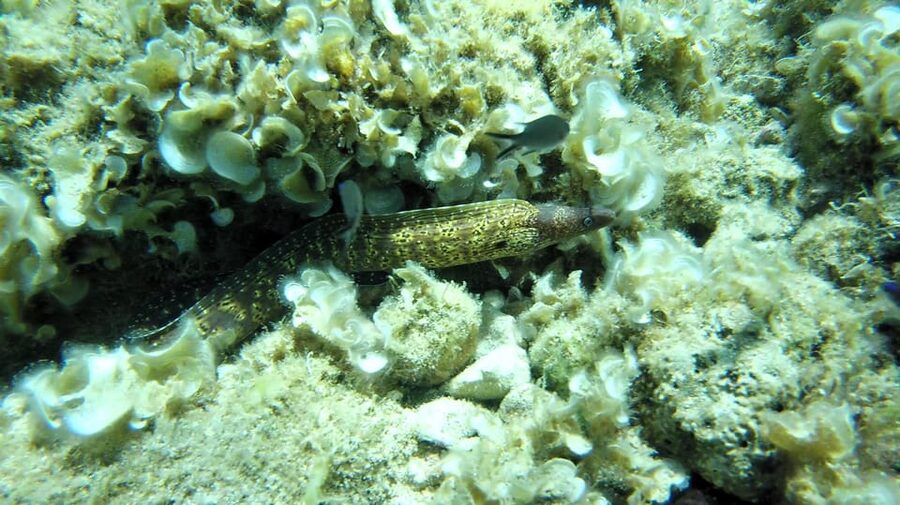
One review highlight stands out for me here: people have reported seeing an octopus while snorkeling. That kind of moment is exactly why a protected marine area is worth the extra time.
If you prefer a lighter physical commitment, you can treat snorkeling as optional in spirit. You can float, look, and follow the guide’s direction without trying to turn it into a training session. The goal is marine life viewing with local context.
Tour Timing: 3 Hours vs 4 Hours (And Which Month Fits You)
The tour runs in two main formats based on the season:
- 3-hour dolphin watching: April, May, and October
- 4-hour dolphin watching plus guided snorkeling: June to September
So if your priority is purely dolphin time, the shoulder seasons and October make sense. You get more focused time on the sea and the dolphins without adding a snorkeling stop.
If your priority is a mixed experience, summer gives you both dolphin watching and Marine Protected Area snorkeling. It is longer by about an hour, and that extra hour is usually where you get the bonus marine-life moments.
What to Bring for a Comfortable, No-Stress Sea Day
Even if the dolphins are the headline, you will enjoy it more if you dress for the boat ride itself.
The tour recommends bringing:
- Warm clothing (layers are key, especially outside midsummer)
- Sunglasses and a hat
- A towel
- Sunscreen
For practical comfort, I also suggest you bring your water since food and drinks are not included.
If you are going in June to September:
- Bring a beach towel and be ready in your swimsuit for snorkeling.
- You will have masks and fins, but you still need your own towel and sun protection.
And remember, there is no bathroom on board. Plan your timing before you leave shore. This matters more than most people expect, especially if you get easily distracted by small discomforts.
Getting Sea-Smart: Who Should Take This and Who Should Rethink
Most people can handle a few hours on a boat, but this trip is still on the water. One review specifically warned that the sea can be rough and suggested bringing sea-sickness tablets if you are prone to motion sickness.
So be honest with yourself:
- If you get sea sick easily, pack motion sickness prevention and dress in layers.
- If you are comfortable in small boats and open water, you will likely be fine.
The tour also lists who it is not suitable for:
- Children under 5 years
- Pregnant women
- People with heart problems
- People over 75 years
That is not a scare tactic, it is real safety screening. If any of those apply, skip this one and look for a different kind of activity on land.
Price and Value: What You Get for About $59
At $59 per person for a 3 to 4 hour outing, the price makes sense once you factor in what is included.
You are not just paying for a boat ride. You are paying for:
- On-board marine biologists from MareTerra ERC
- A responsible dolphin watching approach (HQWW®)
- Scientific data collection while you are present
- In summer, access to the Marine Protected Area and guided snorkeling
- Masks and fins for snorkeling (June to September)
Food and drinks are not included, so budget a small extra amount if you want water beyond what you bring. But overall, the value comes from the research element and the fact that the team is guiding you with expertise, not just pointing.
For travelers who care about animals, the participation supporting research and conservation projects adds an extra layer of meaning. You are spending your vacation hours where science and wildlife watching overlap.
When It Clicks, and When You Need to Be Flexible
The best-case scenario is straightforward: you spot dolphins, the team explains what you are seeing, and you come away with a deeper understanding of bottlenose dolphin behavior. With the over 80% sighting rate, this is not an unrealistic hope.
Still, the tour is clear that dolphins are wild and constantly moving. There is always a chance you do not encounter them. If no dolphins are spotted, the tour states there is no refund given in that case.
This is where your attitude matters. If you go expecting a high chance of success but accepting nature’s randomness, you will get the most out of the day. The education, the responsible approach, and the chance to learn how the research works still make the experience worthwhile even if sightings are brief.
Also, the operator works around real conditions. If the sea does not cooperate, you might find they adjust plans rather than forcing it. That kind of flexibility is a good sign for safety and animal welfare.
Should You Book the Alghero Dolphin Watching Tour With MareTerra ERC?
I think you should book this tour if you want responsible dolphin watching with marine biologists on board. It is a strong pick for travelers who like more than sightseeing, who want to understand the animals and see science in action. The combination of HQWW® practices plus photo ID and behavior data makes it feel grounded in conservation.
I would skip it if:
- you cannot handle small-boat motion, especially when seas get rough
- you need amenities like a bathroom on board
- you fall into the tour’s non-suitable categories listed for age and health considerations
- you are traveling with kids under 5
If you are visiting between June and September, the snorkeling stop in the Capo Caccia and Isola Piana Marine Protected Area is a big bonus. If you are traveling in April, May, or October, the 3-hour dolphin-focused format is a great way to keep the day efficient.
Overall, this is one of the more meaningful dolphin experiences in Sardinia because the goal is research and conservation, and you can actually see that goal at work while you watch.
FAQ
How long is the Alghero dolphin watching tour?
The tour runs for 3 to 4 hours depending on the season. Dolphin-only trips are 3 hours, while dolphin watching plus snorkeling lasts 4 hours.
When is snorkeling included?
Snorkeling in the Marine Protected Area is included from June to September, with about a 1-hour stop.
Where do we meet for the tour?
You meet in front of the Cicloexpress bike rental shop on the Lungomare Barcellona promenade. A MareTerra ERC researcher meets you there and then brings you to the boats.
What should I bring?
Bring warm clothing, sunglasses, a hat, a towel, and sunscreen. It is also suggested that you bring your water on board.
Is there a bathroom on board?
No, there is no bathroom on board.
Are dolphins guaranteed?
No. Dolphins are wild animals and may or may not be spotted. The tour notes sighting success is over 80% but a no-sighting day can still happen.
What happens if there are no dolphin sightings?
The tour states that no refund is given in case of no sighting.
What languages are spoken during the tour?
The live tour guide offers English and Italian.
Latest reviews around Sardinia
- Tavolara: 5 Islands tour from San Teodoro’s beach★ 4.9 · 141 reviews
- From San Teodoro: Tavolara Archipelago Grand Tour★ 4.8 · 285 reviews
- From La Maddalena or Palau: Archipelago Boat Tour★ 4.3 · 127 reviews
- Porto Conte: Half-day catamaran tour with aperitif★ 4.8 · 228 reviews
- Olbia: Dolphin Watching & Swim and snorkel in Capo Figari★ 4.4 · 222 reviews
- Olbia: Boat tour to Tavolara Park with Aperitif and Drinks★ 5.0 · 187 reviews
- Olbia: Tavolara and Molara Snorkeling Boat Tour★ 4.7 · 667 reviews
- Olbia: Maddalena Archipelago Boat Tour with Minibus Transfer★ 4.7 · 221 reviews
Dolphin Watching, compared.
Golfo Aranci: Eco-Friendly Dolphin Watching Boat Trip
Read our review →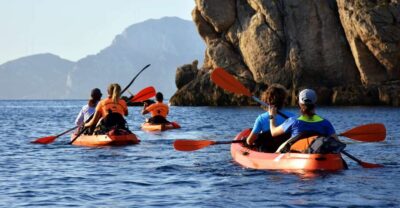
Golfo Aranci: Kayak Tour with Dolphins and Aperitif
Read our review →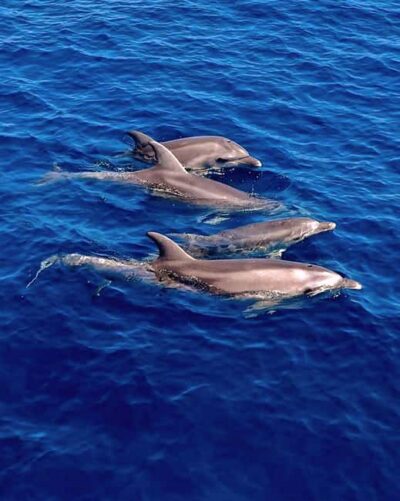
Olbia: Dolphin Watching & Snorkeling Boat Tour near Figarolo
Read our review →
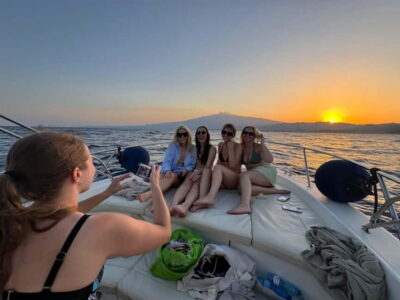
Taormina: Sunset Boat Tour with Dolphin Watching & Aperitif
Read our review →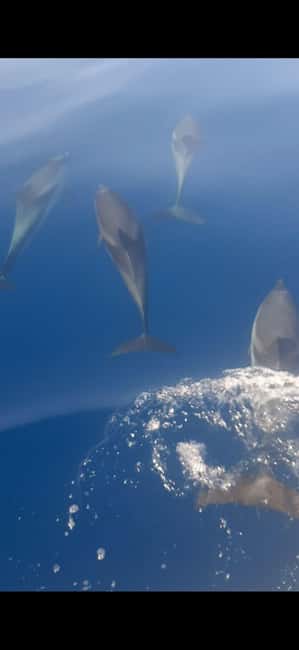
Sunset tour in search of dolphins with aperitif
Read our review →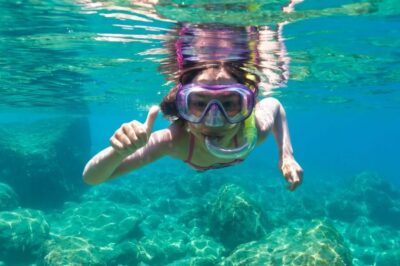
Golfo Aranci: Dolphin Watching and Snorkeling Boat Tour
Read our review →
Olbia: Dolphin Watching and Snorkeling Boat Tour
Read our review →Browse the lists this tour appears in